10 Aesthetic Spooky Season Home Decor Ideas

1. The Charm of Candlelit Shadows
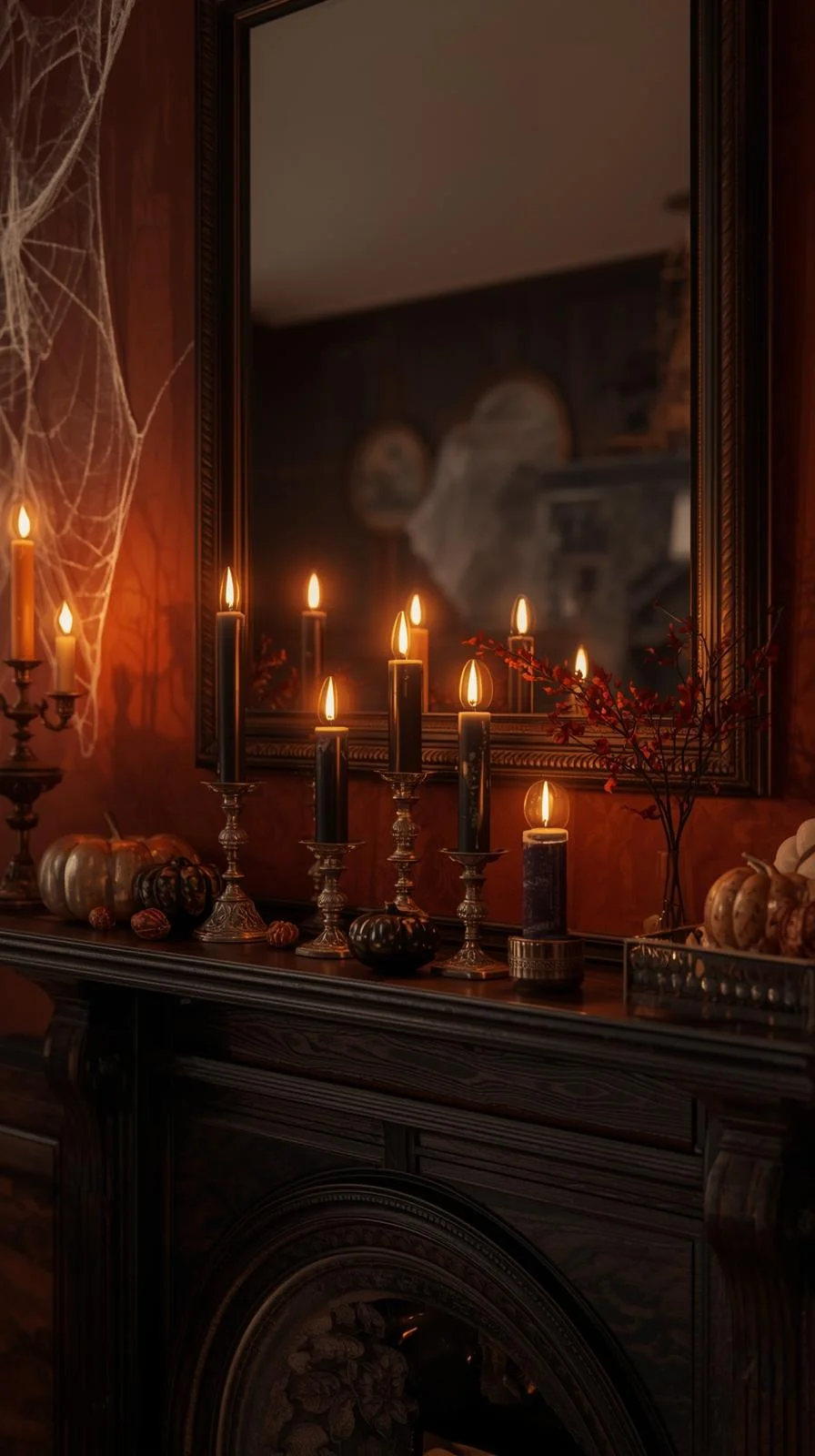
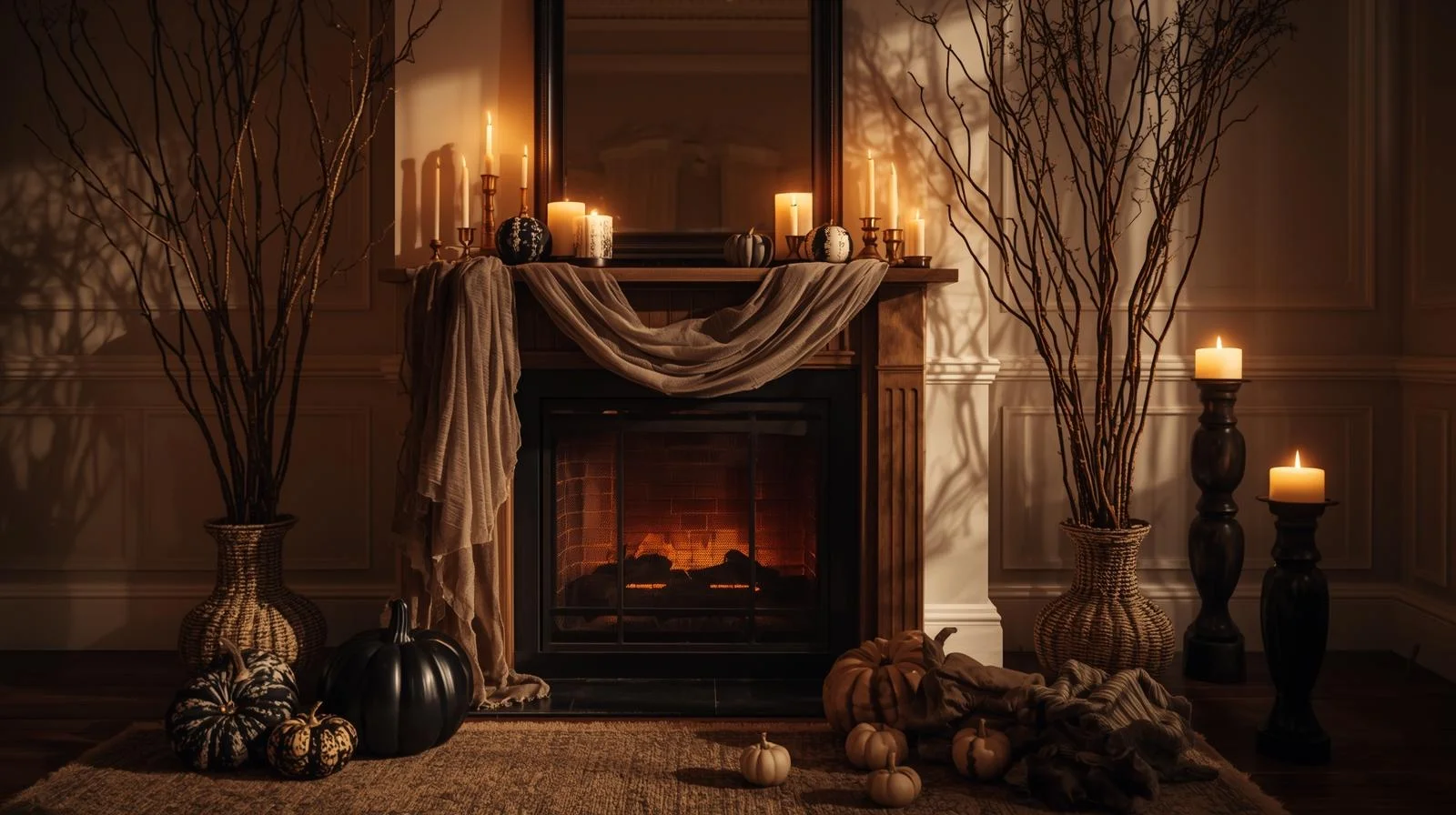
Nothing creates a spooky season mood faster than candlelight. Over the years, I’ve seen homes change completely with just a few well-placed candles. The glow itself matters, but it’s the movement of light that truly sets the tone. Shadows stretch across walls, corners feel deeper, and the room starts to feel alive in a quiet way. Candles bring a sense of time slowing down, which is something people feel right away when they walk in.
The containers you choose matter as much as the candles themselves. Vintage holders, iron lanterns, or glass jars with small cut-out designs let the light escape in uneven patterns. That uneven glow is what makes the room feel haunted instead of staged. Colors like black, deep purple, burnt orange, and even aged white all carry weight. Dripping wax adds character, especially when it’s allowed to fall naturally instead of being cleaned away.
As the night goes on, candlelight changes. Shadows shift, reflections move, and the space never looks the same twice. That sense of change is what keeps the room interesting. For homes with kids or pets, flameless candles with soft flicker settings work well. When chosen carefully, they still give off a warm glow that feels real, making them safe but effective for shelves, mantels, and corners that need depth.
2. Draped Fabrics with a Haunted Twist
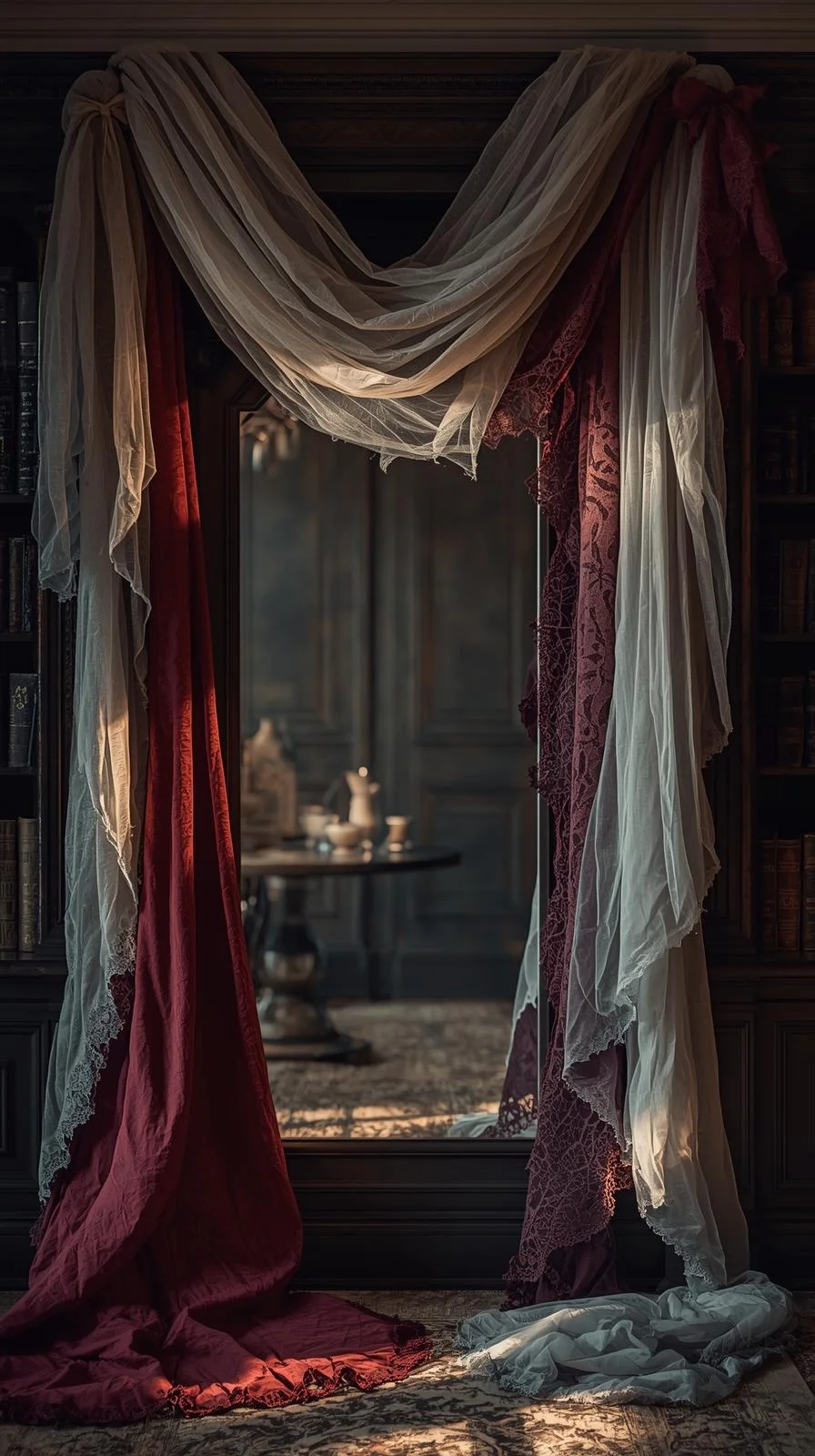
Fabric has always been one of the easiest ways to change how a room feels. Light, sheer fabrics can soften hard lines while adding a quiet sense of mystery. When draped loosely over furniture, mirrors, or curtain rods, they look like fog caught midair. This kind of movement gives a space life without adding clutter.
Old lace, cheesecloth, or worn scarves work best because they don’t look new or perfect. Frayed edges and uneven folds make the fabric feel aged, as if it’s been there for years. Draping fabric over mirrors dulls sharp reflections, while laying it across shelves makes the space feel forgotten in a good way. Even a dining table can feel transformed when layered with fabric that flows instead of sits flat.
Light plays a big role here. When fabric catches candlelight or soft lamps, it glows just enough to feel present without being loud. Dark tones like wine red, ash gray, or faded black add contrast without overpowering the room. These touches help the space feel thoughtful and elevated rather than playful or cartoon-like.
3. Nature Brought Indoors with Seasonal Branches
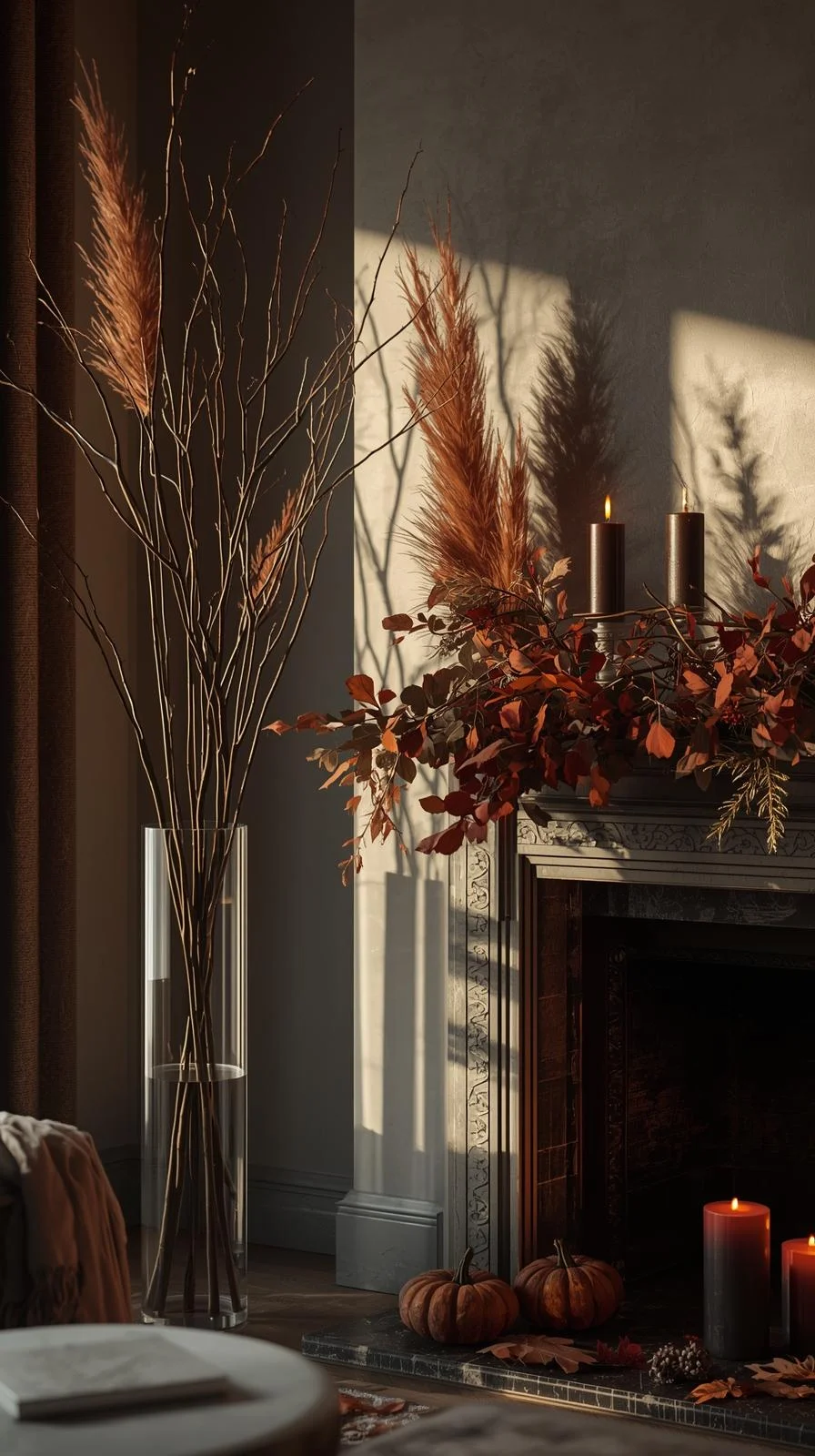
Nature has always been the strongest source of spooky beauty. Long before store-bought decor existed, people used what was outside to mark the season. Bare branches, dried flowers, and fallen leaves bring shapes and textures that feel real and grounding. They don’t try too hard, and that’s why they work.
Tall branches placed in simple vases create strong silhouettes. Their uneven lines cast shadows that move as the light shifts, adding quiet drama to a room. Dried eucalyptus or pampas grass softens the look while still keeping it seasonal. Muted colors help these elements blend into the space rather than stand out.
Leaves scattered across a mantel or worked into a table display bring in sound and scent, even if it’s subtle. That crunch underfoot or faint earthy smell adds to the experience. Nature keeps the decor balanced. It reminds us of the season changing while keeping the home grounded and calm instead of overloaded.
4. Mirrors That Tell a Story
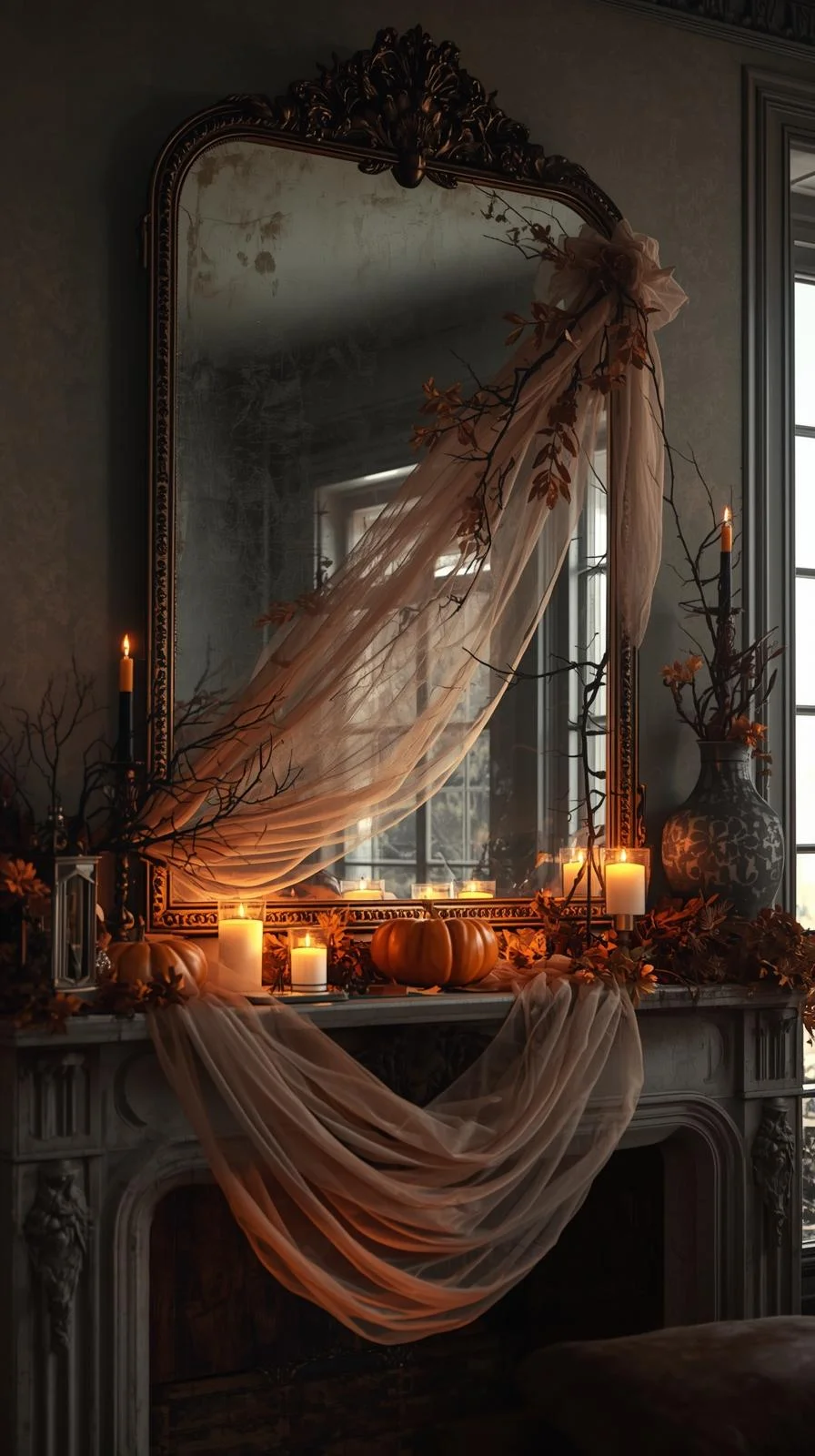
Mirrors have always carried mystery, and during spooky season, they become powerful design tools. A large mirror with an aged or worn frame can anchor a room and give it presence. When candlelight reflects in a mirror, the glow doubles, making the space feel deeper and more active.
Older-style mirrors work especially well because they don’t reflect perfectly. Small marks or softened edges make reflections feel less sharp, which adds to the mood. Draping sheer fabric over part of a mirror blurs the image just enough to feel unsettling without being obvious. It suggests something hidden rather than showing everything clearly.
Mirrors placed across from windows also catch fading daylight, stretching the feel of dusk longer into the evening. That slow shift from light to dark adds atmosphere naturally. Over time, I’ve learned that mirrors don’t need extra decoration. Their power comes from how they reflect light, shadow, and movement.
5. Curated Collections of Oddities
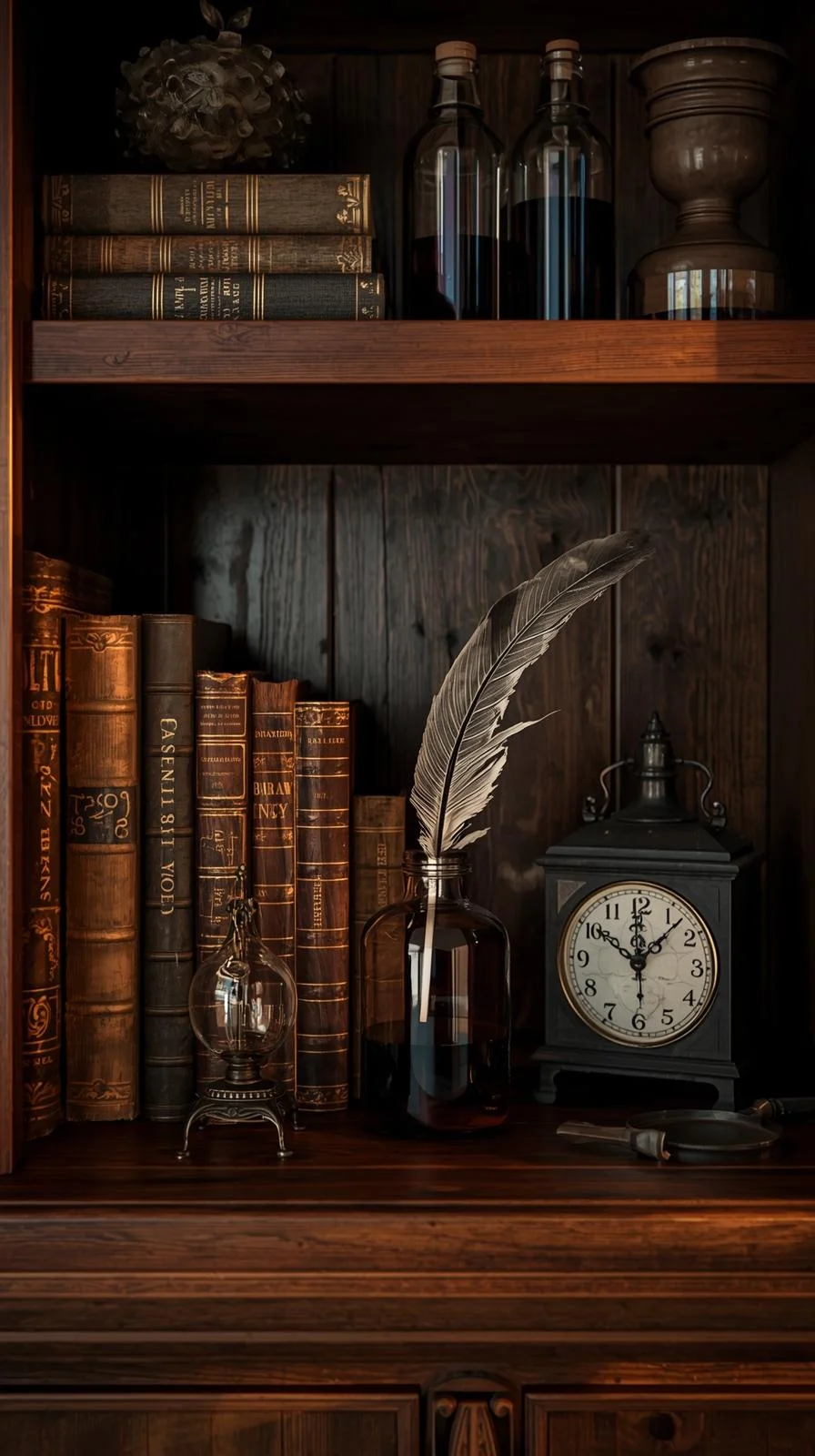
Spooky decor feels strongest when it tells a personal story. Instead of filling shelves with matching decorations, gathering objects with history creates a deeper connection. Old books, glass bottles, small trinkets, or items found at flea markets carry weight because they feel real.
The key is intention. Each item should feel chosen, not random. When arranged together, these objects form a quiet narrative. A worn book beside a glass jar or a small feather tucked into a container invites the eye to pause. These displays feel thoughtful instead of crowded.
Over the years, I’ve noticed people respond more to these collections than to store-bought themes. They feel curious, not forced. When styled carefully, oddities turn shelves and cabinets into spaces that feel lived in and layered with meaning.
6. Warm Lighting with a Gloomy Edge
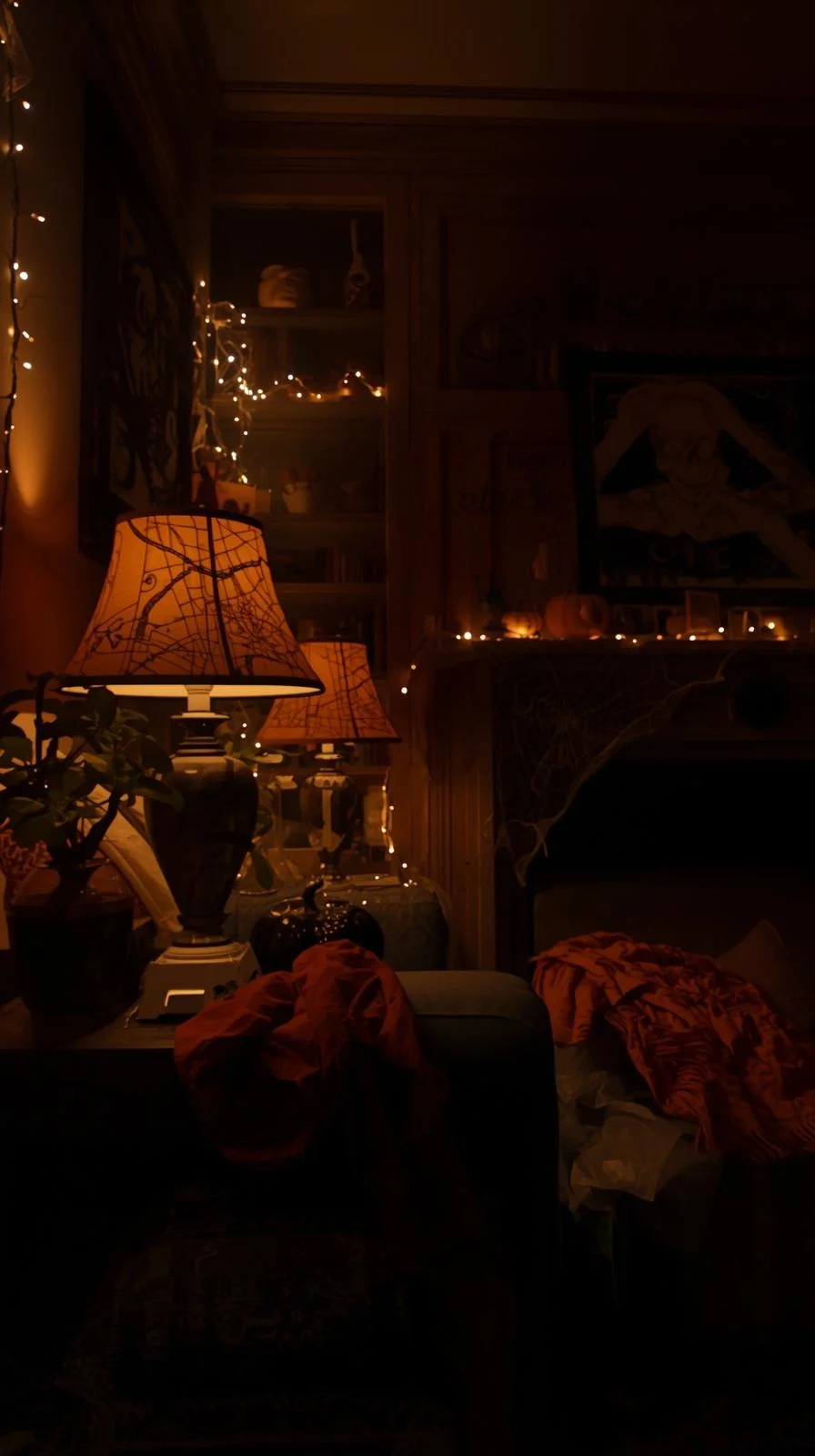
Lighting controls how a room feels more than almost anything else. For spooky season, harsh brightness works against the mood. Soft, warm light brings comfort while still allowing shadows to exist. Swapping bright bulbs for amber-toned ones immediately changes the atmosphere.
Lamps with fabric shades help spread light gently. Instead of lighting the whole room evenly, they create pockets of glow. String lights in warm tones add a quiet charm when placed along shelves, mantels, or door frames. They trace shapes in the dark without overpowering the space.
Layering light sources is what makes the room feel complete. A mix of lamps, candles, and low lighting keeps the space cozy but slightly moody. This balance makes the room welcoming while still holding onto that spooky edge.
7. Pumpkins Beyond the Traditional
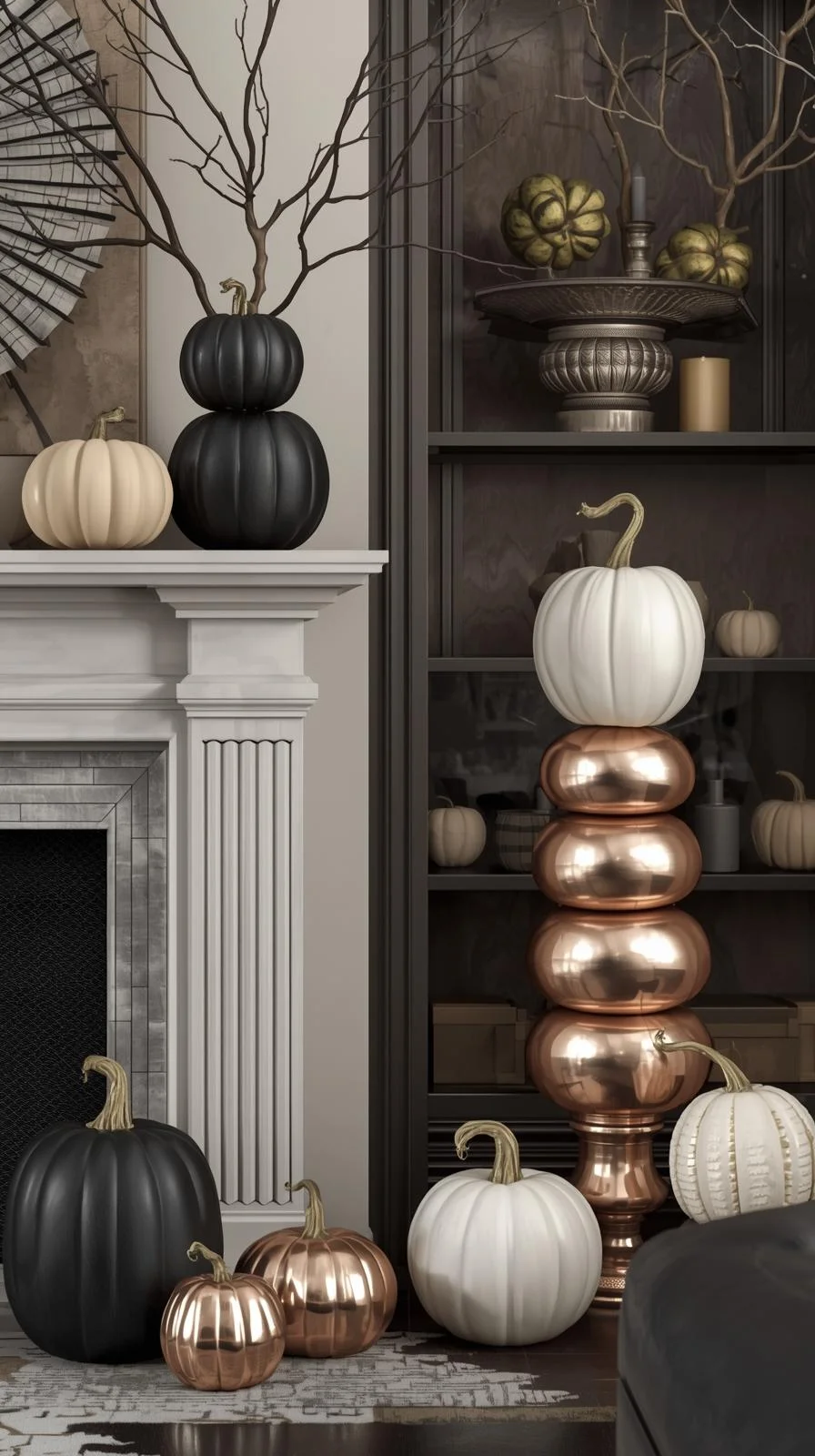
Pumpkins are a symbol of the season, but they don’t have to feel playful or loud. When treated as design objects, they fit easily into aesthetic decor. Painted pumpkins in black or white blend into many spaces, while soft metallic finishes add quiet interest.
Using pumpkins in groups of different sizes creates natural balance. They work well on mantels, entry tables, or tucked into corners. Smaller gourds can be placed on shelves or in bowls, adding warmth without taking over.
By focusing on color, texture, and placement, pumpkins become part of the room instead of decorations placed on top of it. This approach keeps the look seasonal while still feeling refined and intentional.
8. Windows as Portals of Atmosphere
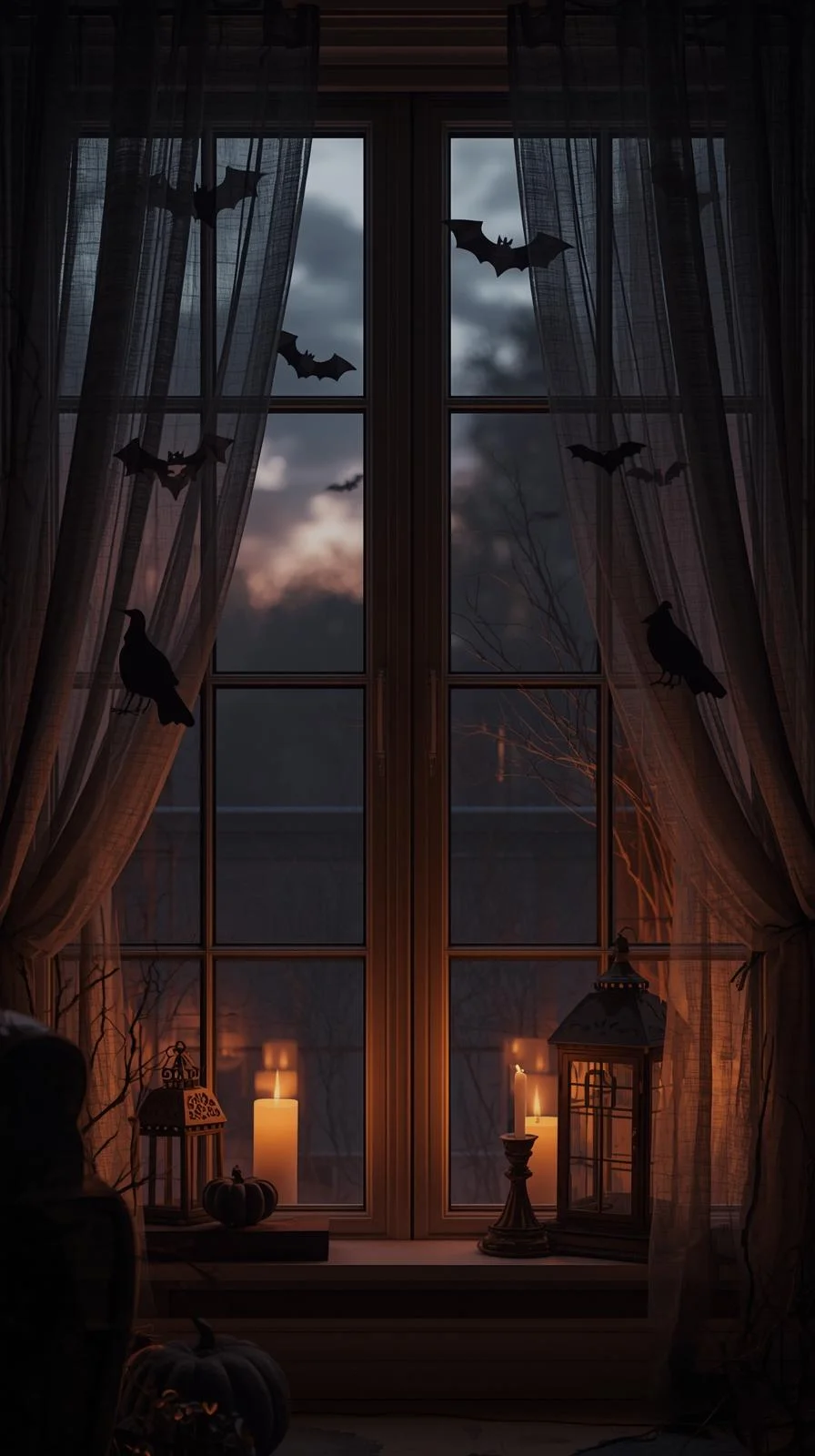
Windows shape how light enters a home, making them powerful during spooky season. Sheer dark curtains soften daylight, while layered drapes add depth. At night, lanterns or candles placed near windows turn them into glowing frames visible from outside.
Silhouettes added to the glass give just enough detail to suggest something beyond. Ravens, branches, or simple shapes work well because they rely on shadow rather than color. The effect feels subtle and thoughtful.
From inside, windows help the room feel wrapped in its own world. From outside, they hint at something waiting within. That connection between inside and out adds depth to the overall atmosphere.
9. Dining Spaces Set for Ghostly Gatherings
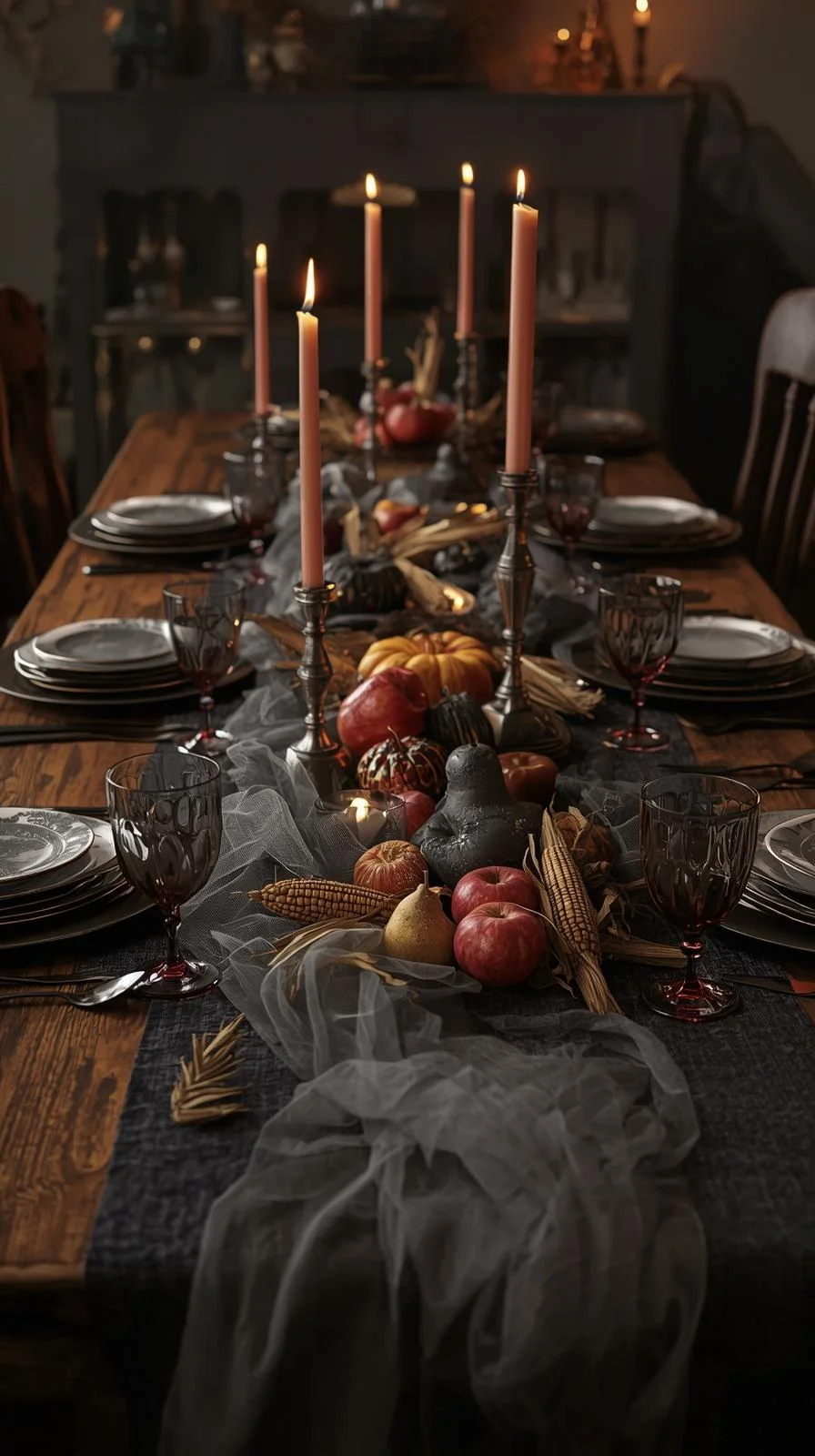
The dining table becomes a focal point during seasonal gatherings. For spooky season, it’s a place to lean into mood and texture. Dark table coverings layered with sheer fabric create depth and movement. Candlesticks placed along the center mimic old dining halls.
Mismatched plates or glassware add a sense of history. They make meals feel like events rather than routines. Seasonal fruits and natural elements tie the table back to autumn without making it feel staged.
When done right, the table feels welcoming but rich with character. It invites people to sit, talk, and stay longer, which is always the goal of good design.
10. Entryways That Set the Tone
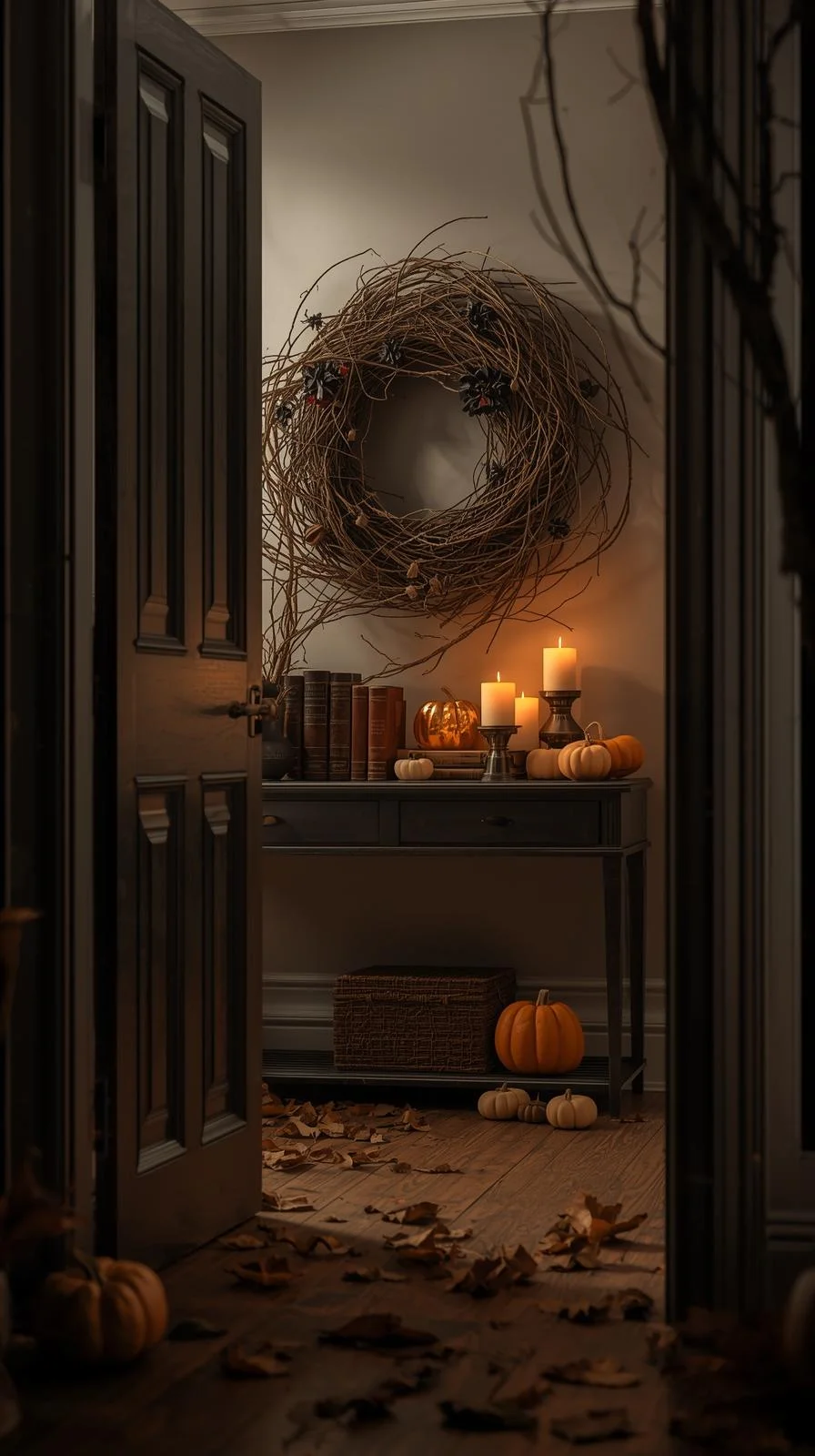
The entryway sets expectations for the rest of the home. A simple wreath made of branches or dried elements signals the season before the door opens. Inside, a small table with candles or books continues the story.
Scent plays an important role here. Warm spices or smoky notes settle the mood right away. Soft lighting keeps the space calm and inviting.
An intentional entryway bridges the outside world and the space within. It prepares guests for the atmosphere ahead and makes the home feel complete from the first step inside.
Final Thoughts
Spooky season decor works best when it focuses on feeling rather than excess. Light, texture, nature, and personal objects come together to shape a mood that feels real. When each element supports the next, the space becomes more than decorated. It becomes an experience.
With thoughtful choices, your home can feel transformed without feeling temporary. The result is a space that feels seasonal, personal, and timeless all at once. That balance is what makes spooky decor truly memorable.