22 Spa Bathroom Ideas For 2026

Creating a spa bathroom is no longer about copying a luxury hotel look. After more than twenty years of designing bathrooms for real homes, I have learned that a true spa bathroom is about how the space makes you feel every single day. In 2026, spa bathrooms focus on calm routines, simple layouts, warm materials, and spaces that help the body slow down. This guide explains what a spa bathroom really is and walks through twenty-two carefully planned ideas that work in both large and small homes, without trends that will feel dated next year.
What Is A Spa Bathroom?
A spa bathroom is a bathroom designed to reduce stress and support daily rituals. It is not about expensive finishes or oversized tubs. It is about balance, comfort, and flow. A spa bathroom feels quiet even when nothing is silent. The space is easy to use, easy to clean, and easy on the eyes. Colors stay calm, textures feel natural, and lighting supports the body’s rhythm instead of fighting it. In 2026, spa bathrooms are practical spaces first, with beauty built into how they function.
Seamless Shower Design
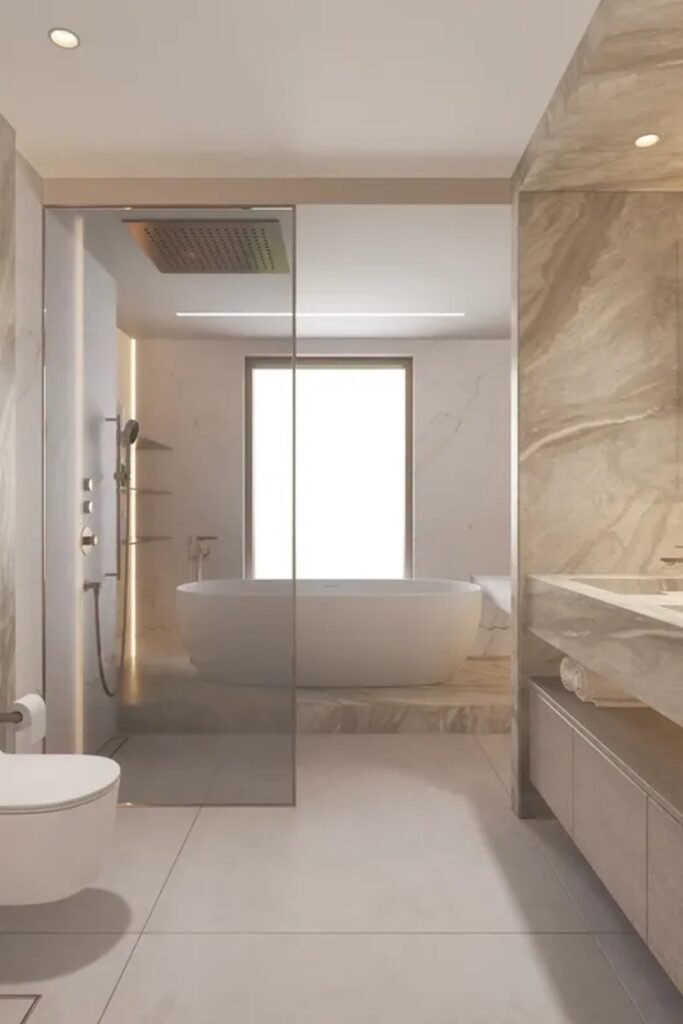
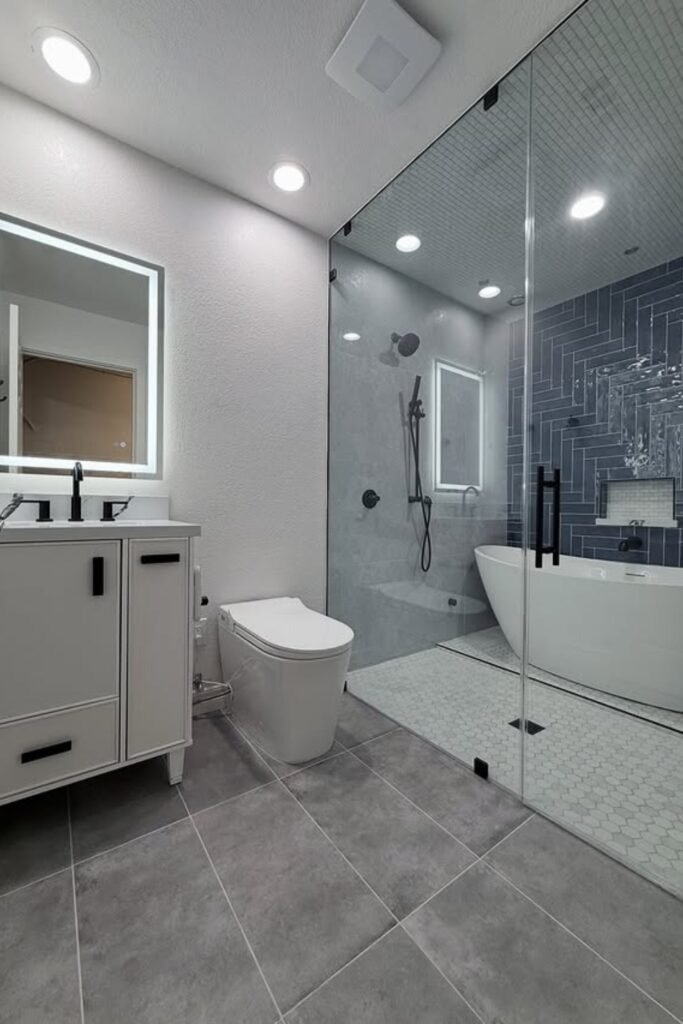
A seamless shower removes visual breaks that interrupt calm. This usually means a walk-in shower with a simple glass panel and no raised curb. Water drains quietly into a linear or hidden drain, allowing the floor to feel continuous. When the shower blends into the rest of the room, the space feels larger and calmer. Over time, homeowners appreciate how easy this design is to clean and how natural it feels to step into without barriers.
Warm Natural Layers
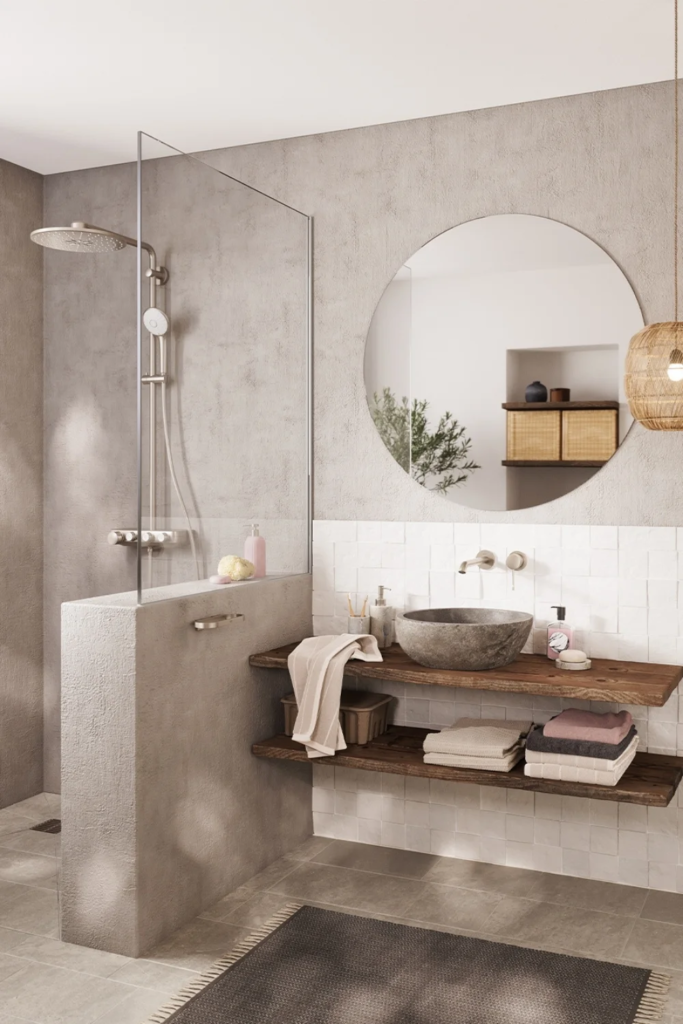
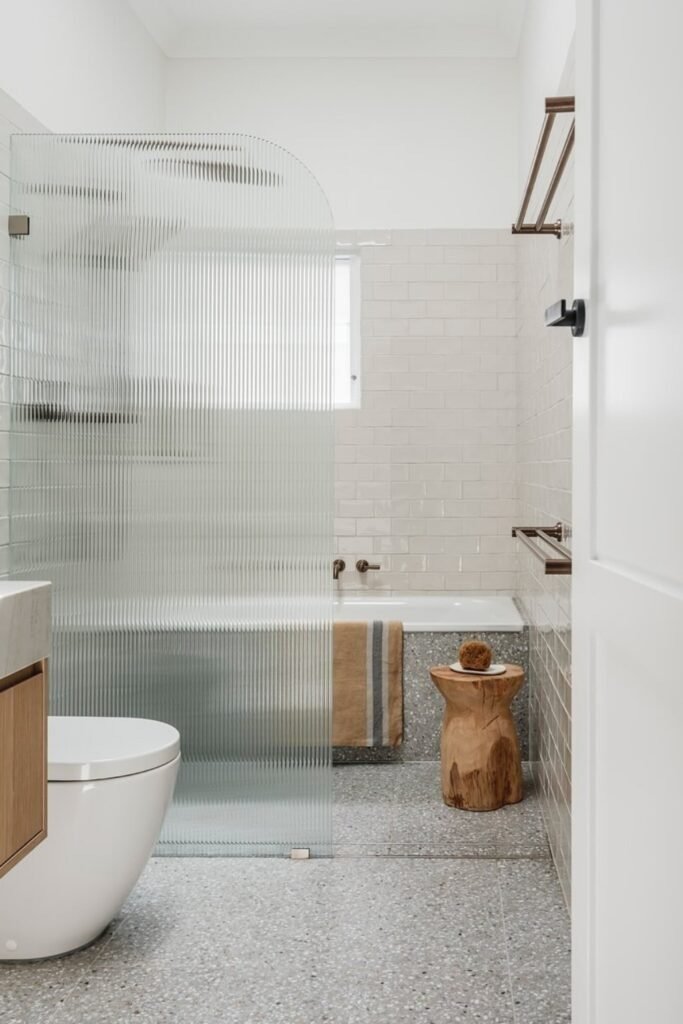
Spa bathrooms in 2026 rely on layered materials rather than bold features. Wood tones, soft stone, and warm tile finishes work together instead of competing. These layers create depth without clutter. The goal is to let the room feel calm even when nothing is decorated. Natural layers also age well, which matters when designing a bathroom meant to feel peaceful for years.
Natural Light Focus
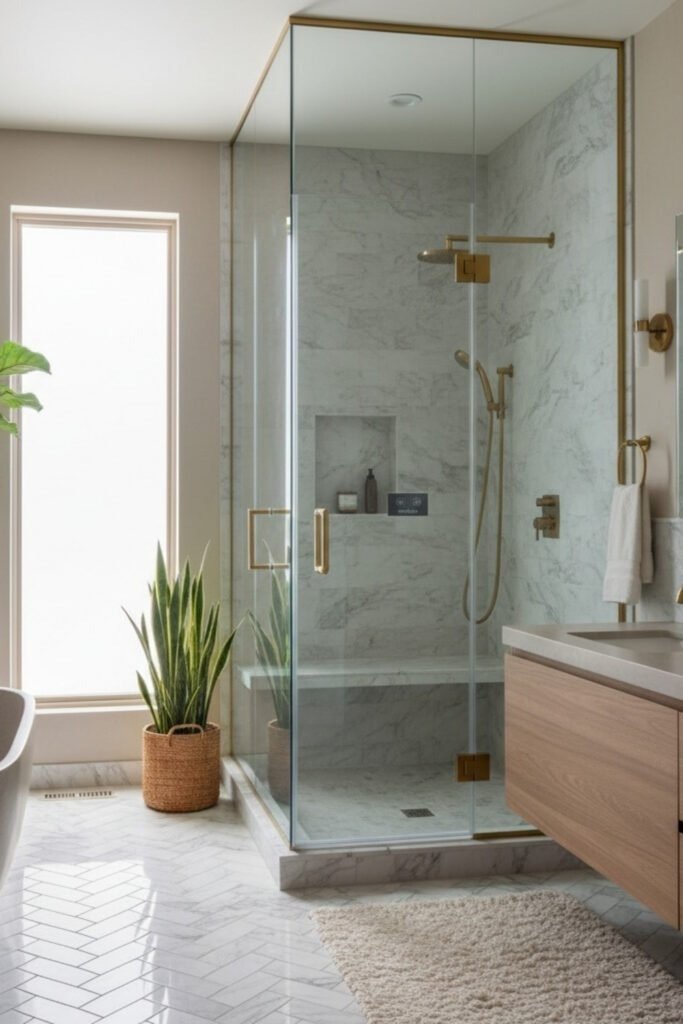
Natural light changes how a bathroom feels more than any fixture. A spa bathroom makes daylight the priority wherever possible. Frosted windows, skylights, or tall narrow openings allow light in while keeping privacy. Morning light helps wake the body gently, while afternoon light warms the space without glare. When natural light is treated as a design feature, the bathroom becomes a place people want to start and end their day.
Hidden Storage Calm
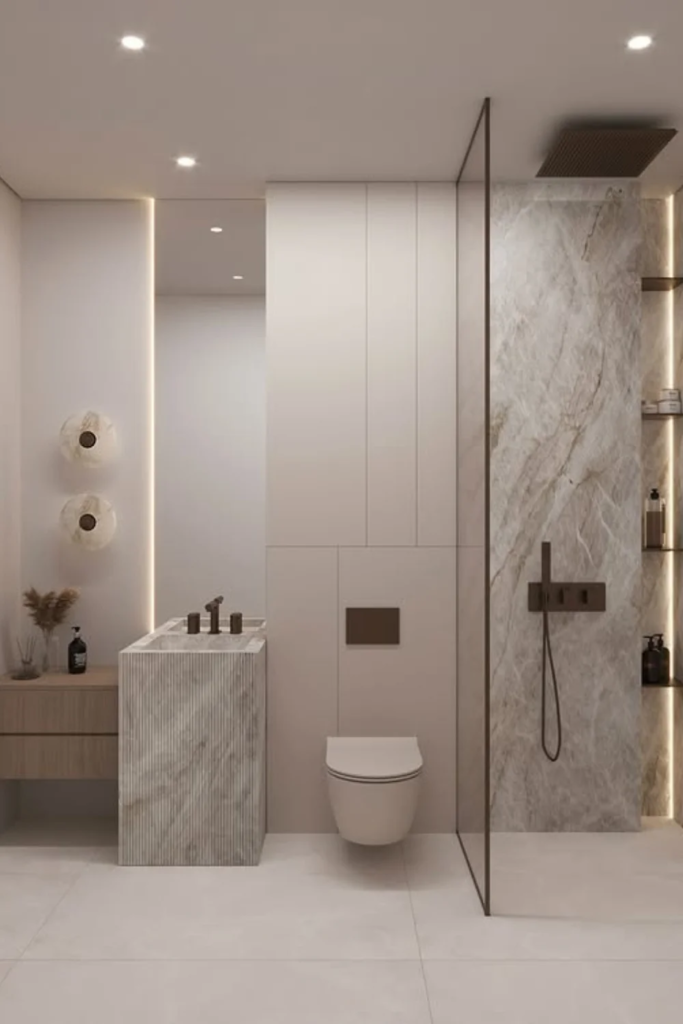
Clutter is the fastest way to break a spa feeling. In a true spa bathroom, storage is planned early and kept out of sight. Recessed cabinets, vanity drawers, and built-in niches allow daily items to disappear. This keeps surfaces clear and the mind relaxed. Over years of use, homeowners often say hidden storage is what keeps their spa bathroom feeling calm long after the remodel is finished.
Ritual Bath Zone
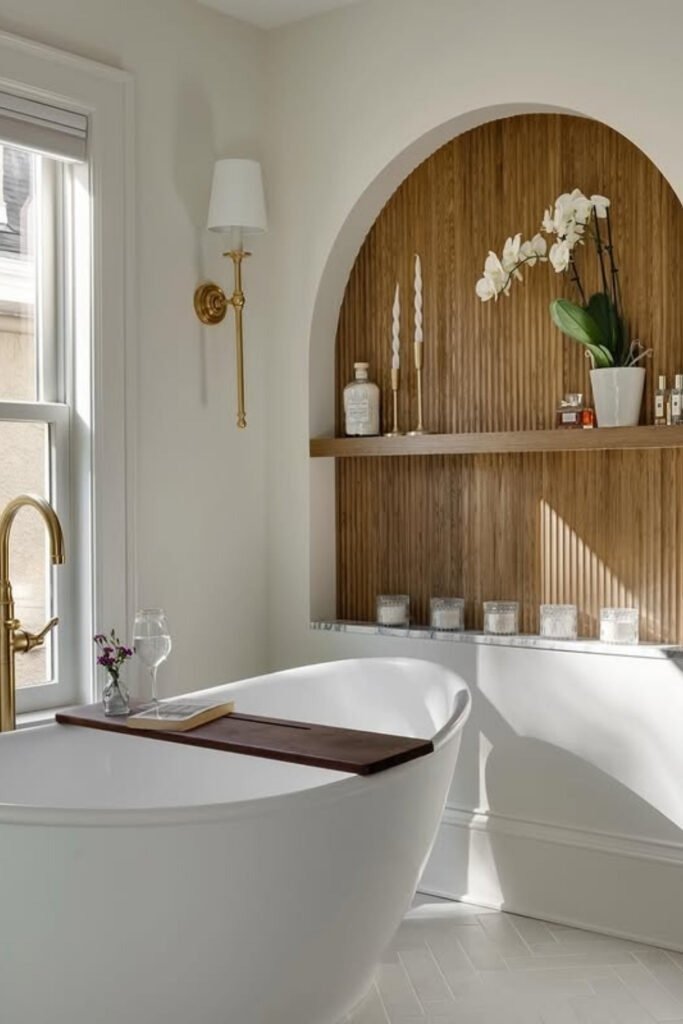
A ritual bath zone is not just about a tub. It is about how the tub is placed and supported. In 2026, tubs are often positioned near light, with space around them to move slowly. The bath becomes a moment, not an object. Even in smaller homes, a compact soaking tub can create this feeling when it is given visual importance and breathing room.
Soft Spatial Separation
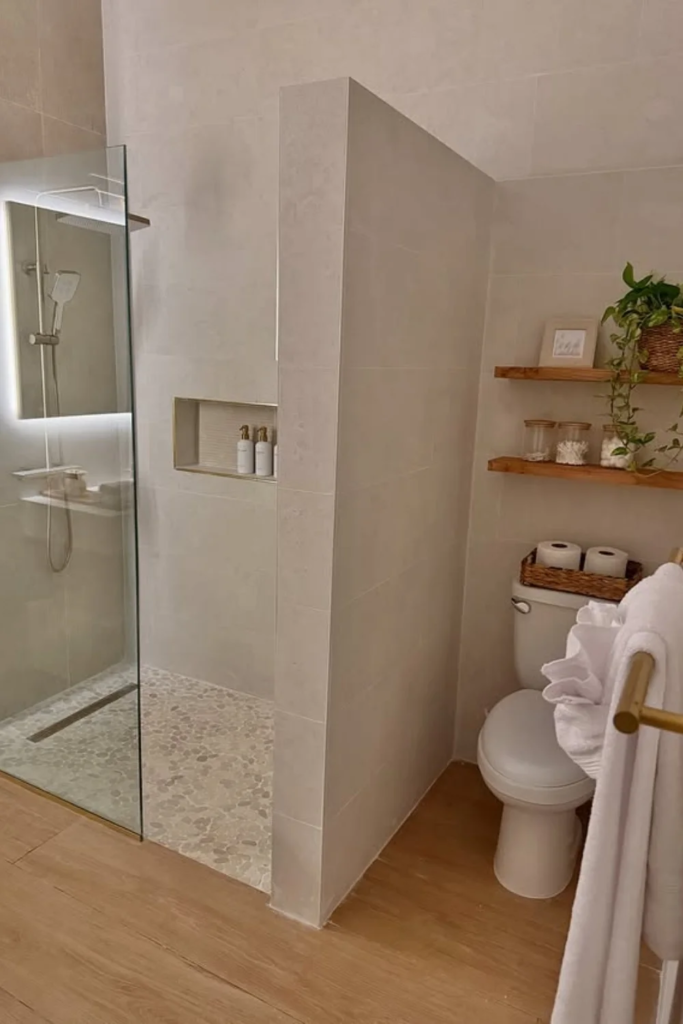
Spa bathrooms use gentle separation instead of hard walls. Partial walls, glass dividers, or changes in ceiling height define zones without closing them off. This keeps the room feeling open while still organized. Soft separation helps the body understand where to shower, bathe, and get ready without visual noise.
Grounded Stone Floor
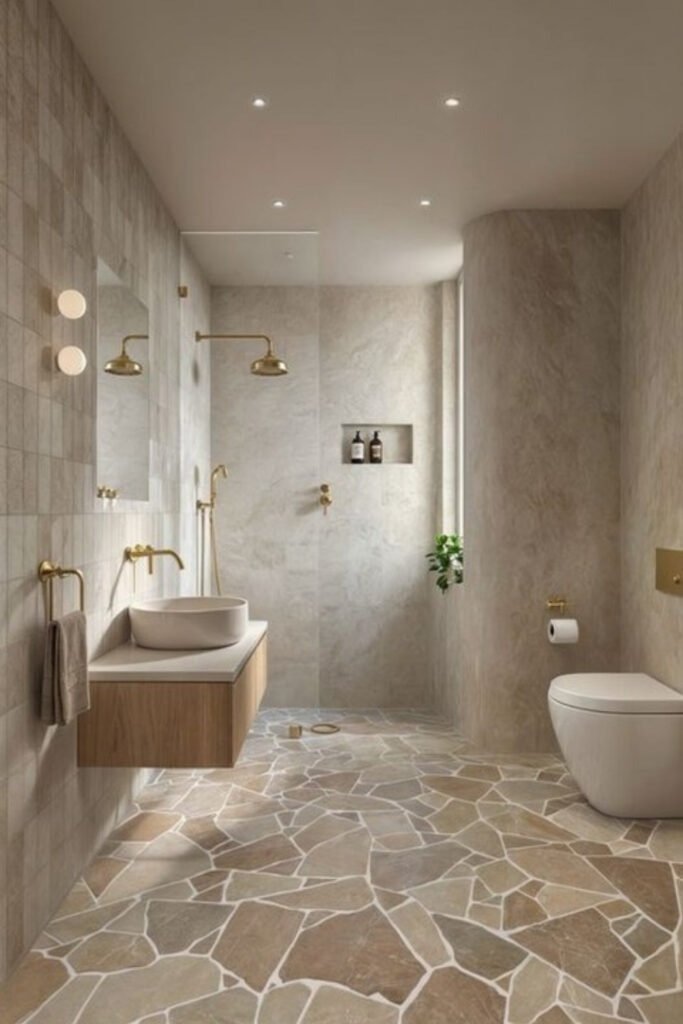
A grounded stone floor connects the bathroom to the earth. Stone, stone-look tile, or textured porcelain underfoot adds weight and stability to the space. In a spa bathroom, the floor should feel steady and safe, not slippery or cold. Heated flooring is often paired with stone to keep comfort high year-round.
Warm Ceiling Focus
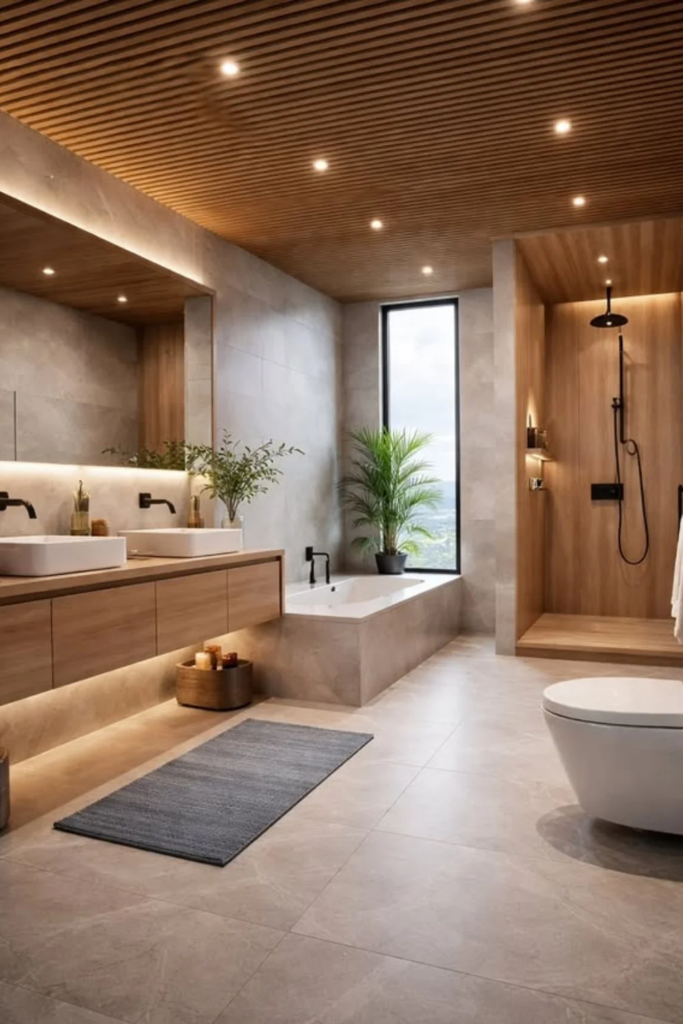
The ceiling is often ignored, but spa bathrooms in 2026 treat it as part of the experience. Wood slats, soft paint tones, or subtle texture above add warmth and enclosure. A warm ceiling helps the room feel complete and calm, especially in spaces with higher walls or strong natural light.
Dark Stone Contrast
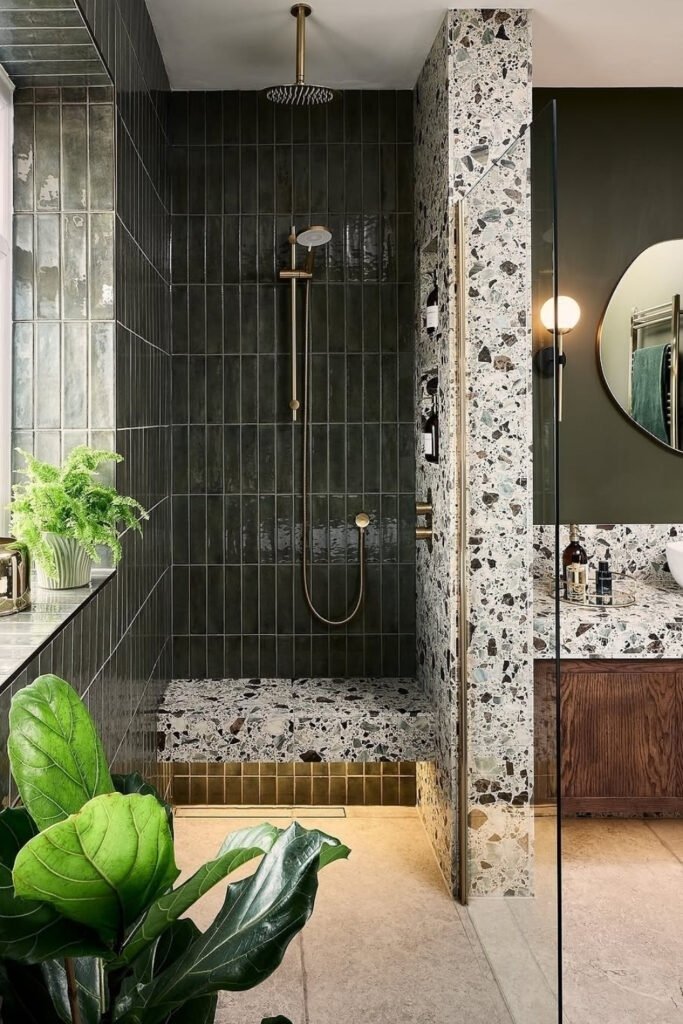
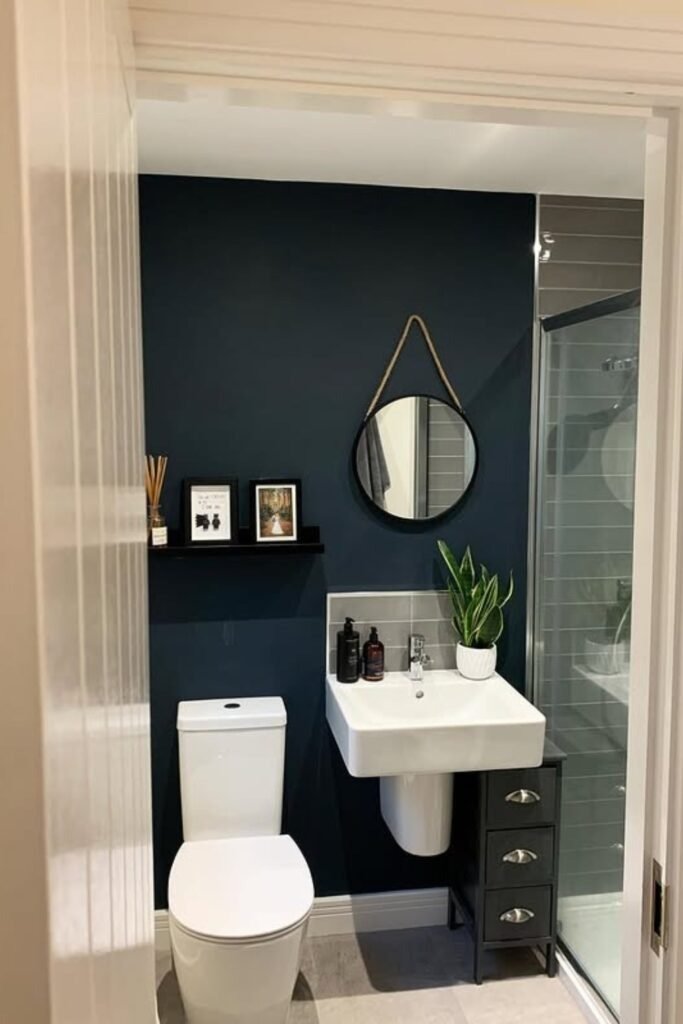
Dark stone is used carefully to add depth, not drama. A dark stone wall or shower backdrop grounds the room and highlights lighter surfaces around it. This contrast creates a sense of shelter, similar to how natural caves feel calming rather than closed in. When balanced properly, dark stone makes a spa bathroom feel intimate and safe.
Compact Spa Planning
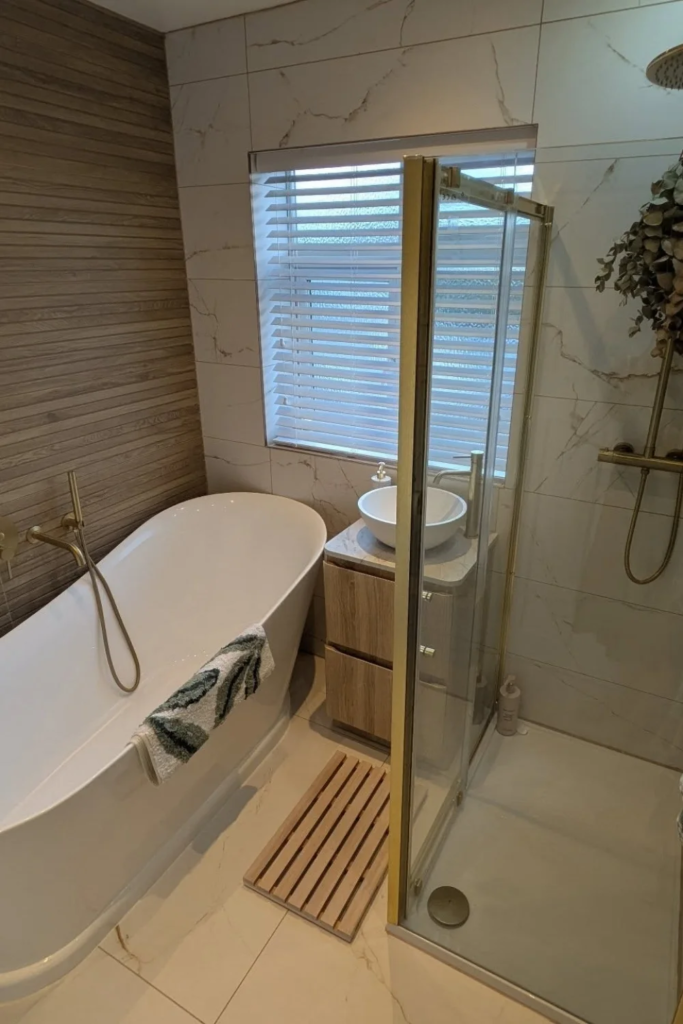
A spa bathroom does not need extra square footage. Compact planning focuses on flow instead of size. Fixtures are placed where they make sense, not where trends suggest. Clear walking paths, well-placed lighting, and smart storage allow even small bathrooms to feel calm and usable. Many of the best spa bathrooms I have designed were under modest square footage.
Clean Compact Layout
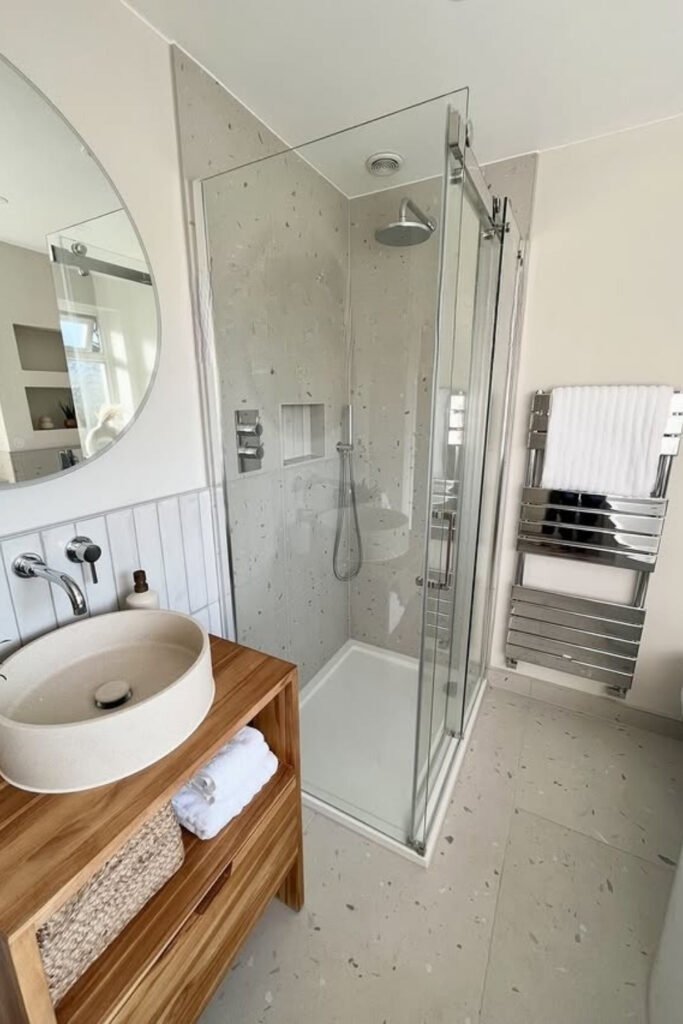
A clean layout avoids unnecessary turns and obstacles. In 2026, spa bathrooms favor straight lines and simple paths. When the body moves easily through the room, the mind relaxes. This layout style also improves accessibility and long-term comfort, which is an important part of modern spa design.
Statement Stone Backdrop
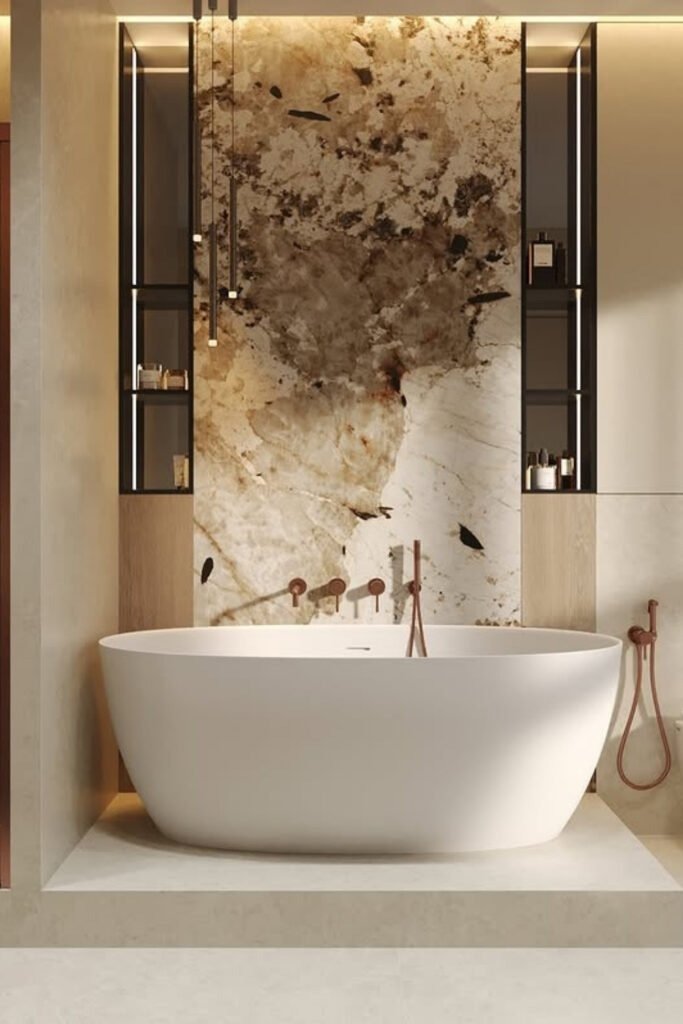
A single stone backdrop can define the entire bathroom. This might be behind the tub, vanity, or shower. The stone becomes the visual anchor, allowing everything else to stay simple. Choosing one strong surface instead of many keeps the room balanced and easy to live with.
Warm Minimal Sanctuary
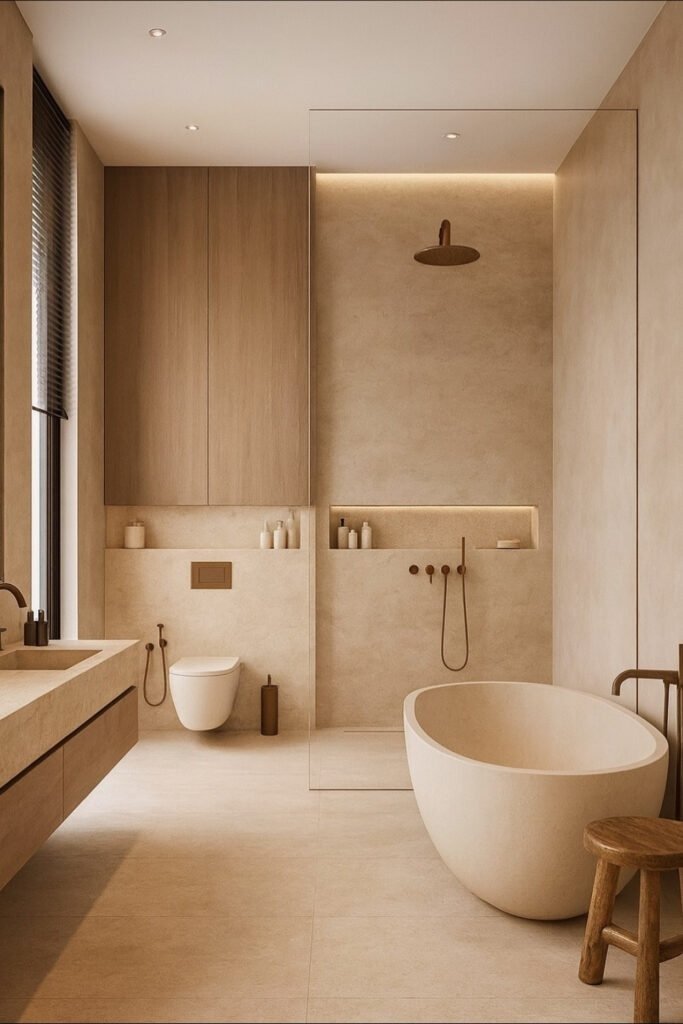
Minimal does not mean cold. A warm minimal sanctuary uses fewer elements but chooses them carefully. Soft textures, warm lighting, and natural finishes prevent the space from feeling empty. In a spa bathroom, minimal design helps the senses rest instead of searching for stimulation.
Soft Vanity Balance
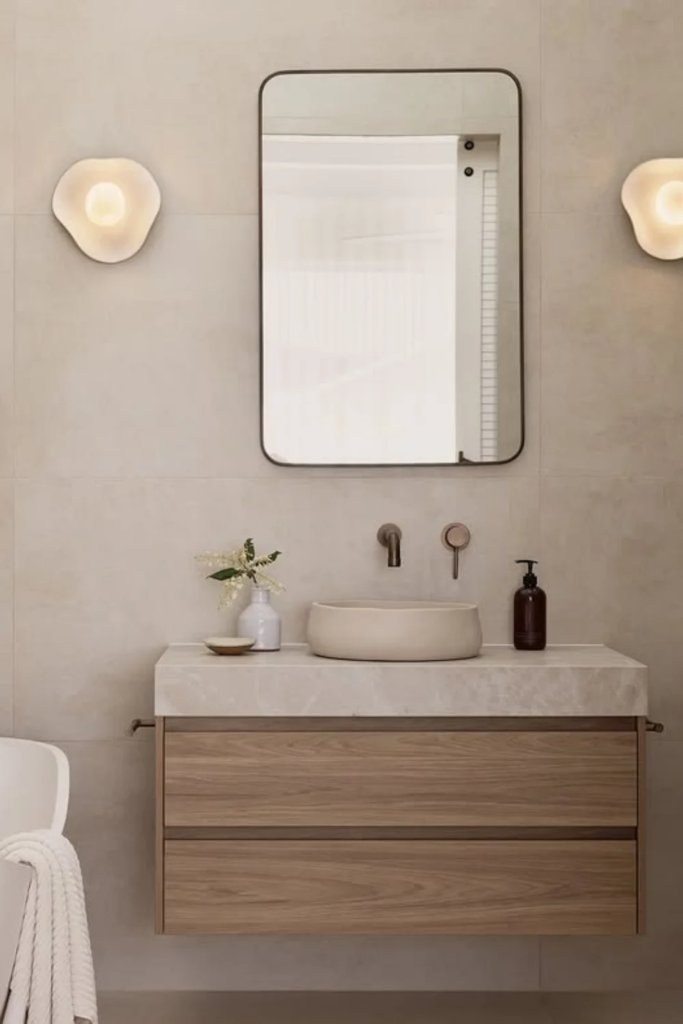
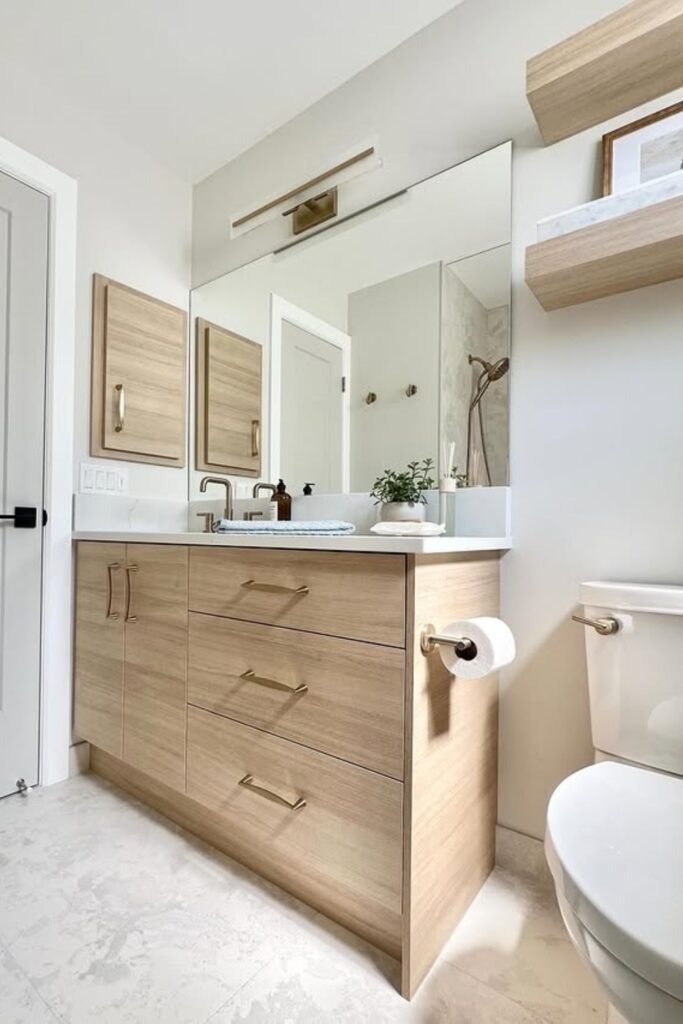
The vanity is often the most used part of the bathroom. A spa vanity avoids sharp contrasts and busy finishes. Rounded edges, warm wood tones, and calm countertops create balance. Storage is built in so daily routines feel smooth and unhurried.
Warm Neutral Harmony
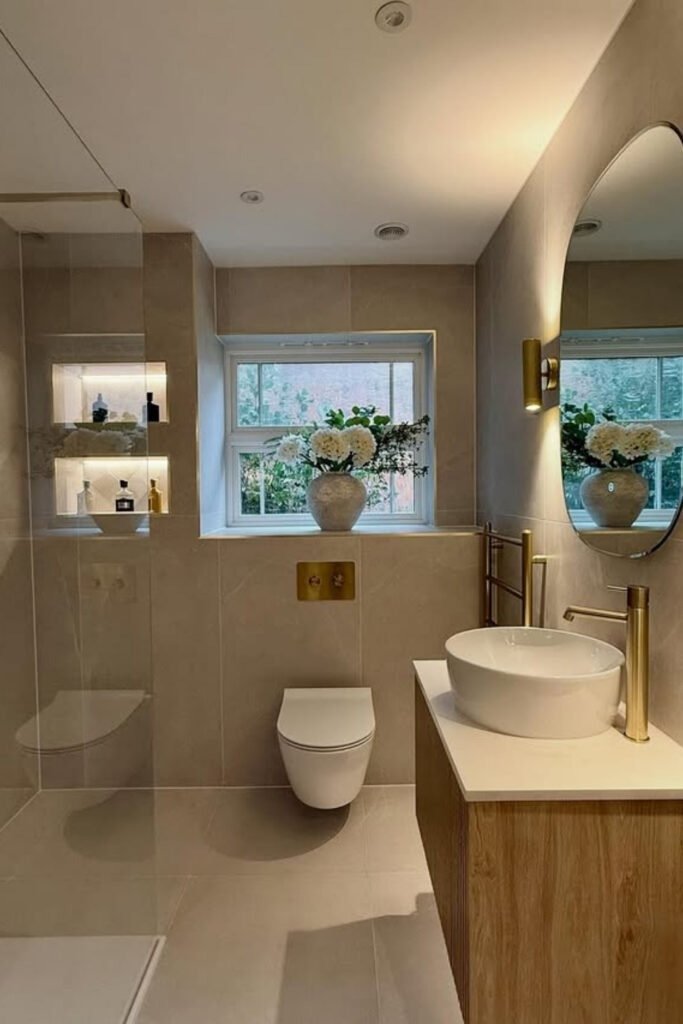
Warm neutrals dominate spa bathrooms in 2026. These tones sit between beige, soft gray, and muted clay. They reflect light gently and work well with skin tones. Warm neutrals also allow natural materials to shine without overpowering the space.
Balanced Brass Symmetry
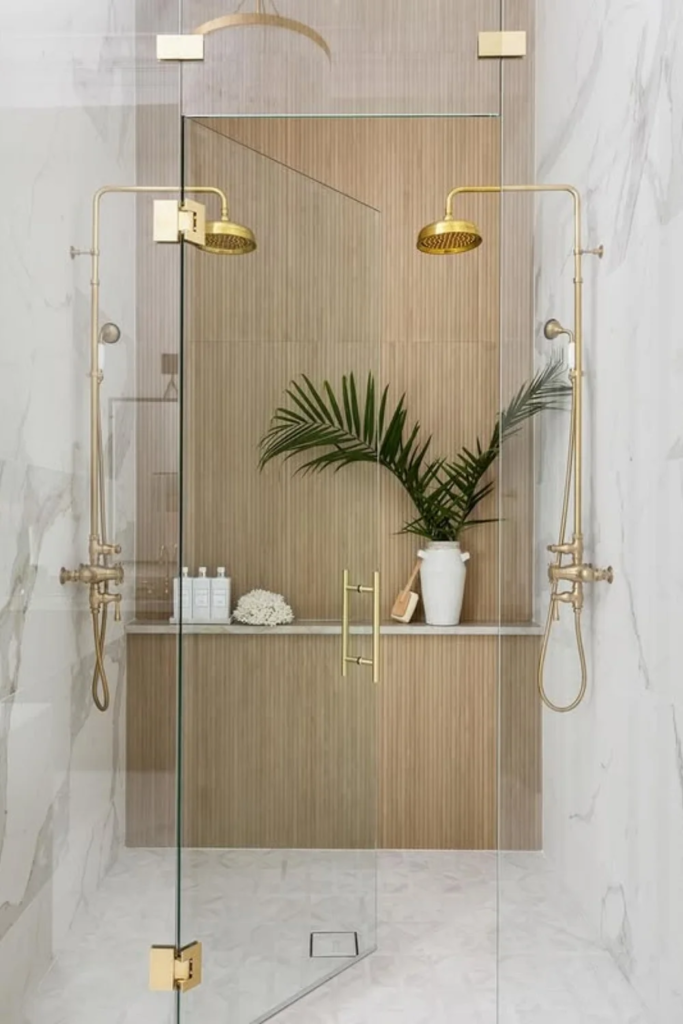
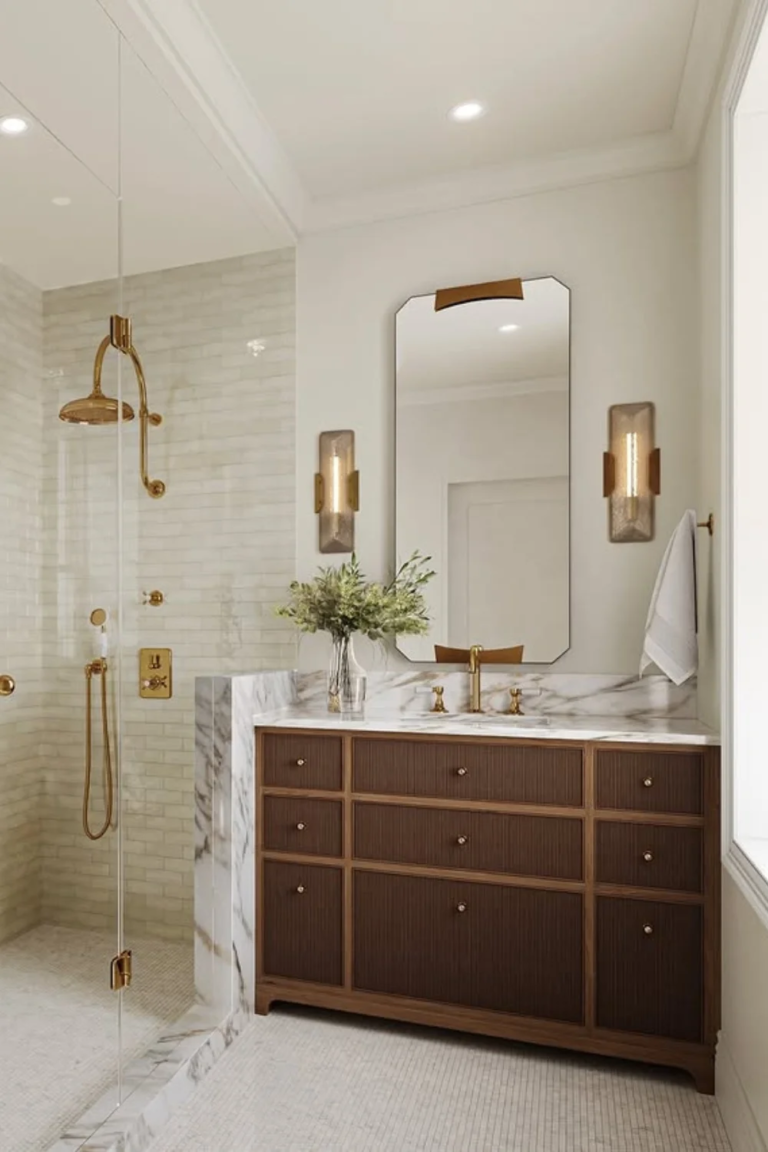
Brass fixtures add warmth when used with restraint. Balanced symmetry, such as matching faucets or aligned hardware, creates visual order. This order supports calm. In spa bathrooms, metals should feel supportive, not decorative.
Soft Stone Sanctuary
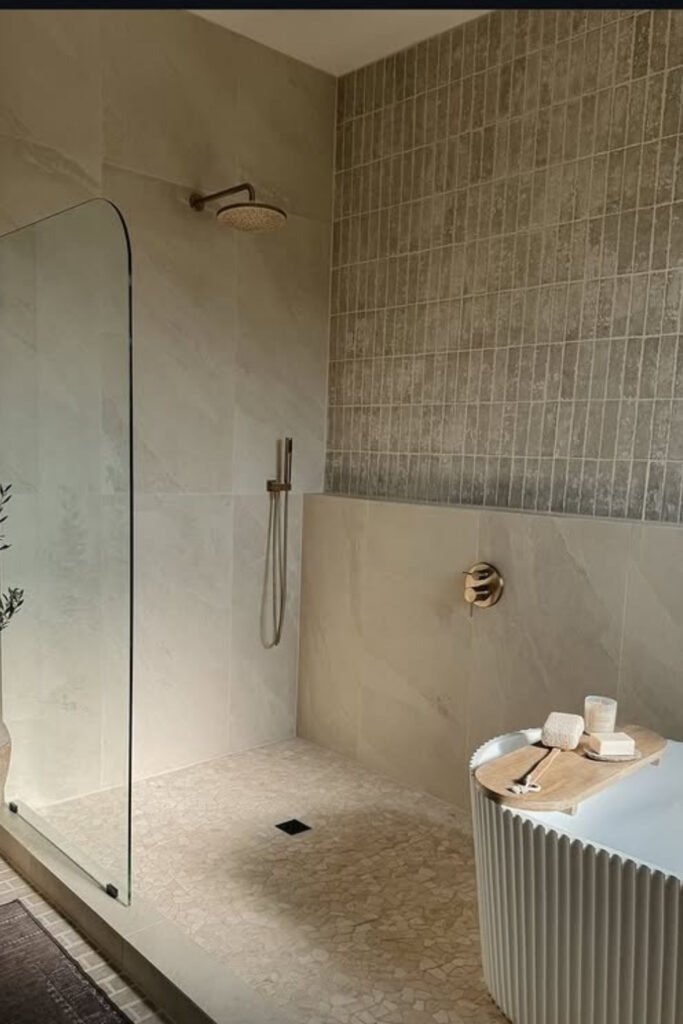
Soft stone finishes, whether natural or engineered, bring a sense of quiet strength. They feel solid without being harsh. A soft stone sanctuary focuses on touch as much as appearance, which is why matte finishes are favored over polished ones.
Seamless Marble Retreat
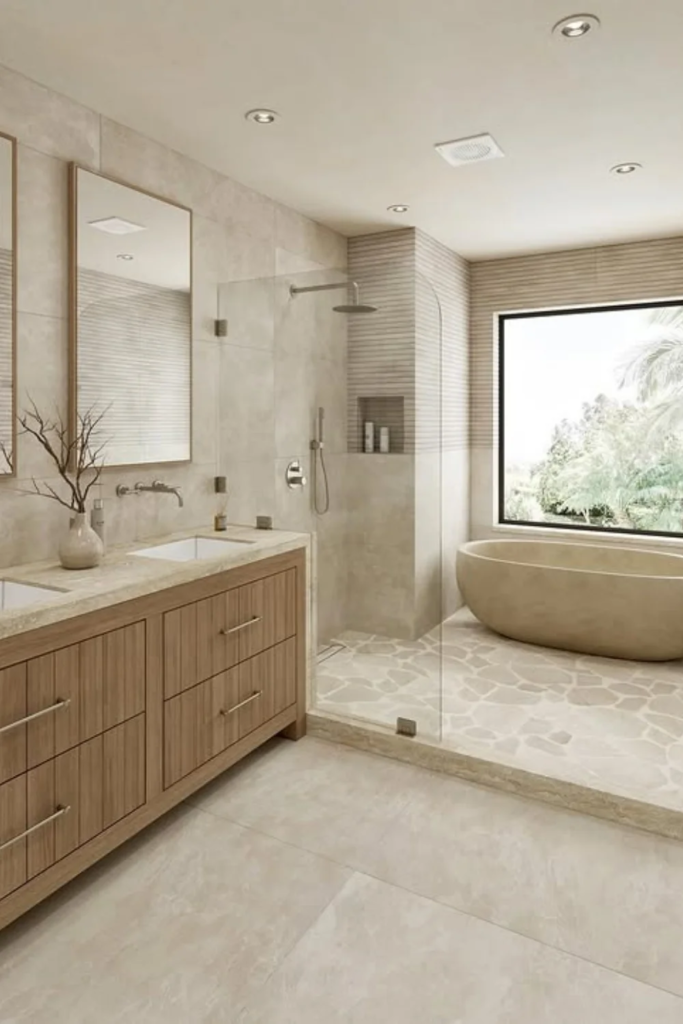
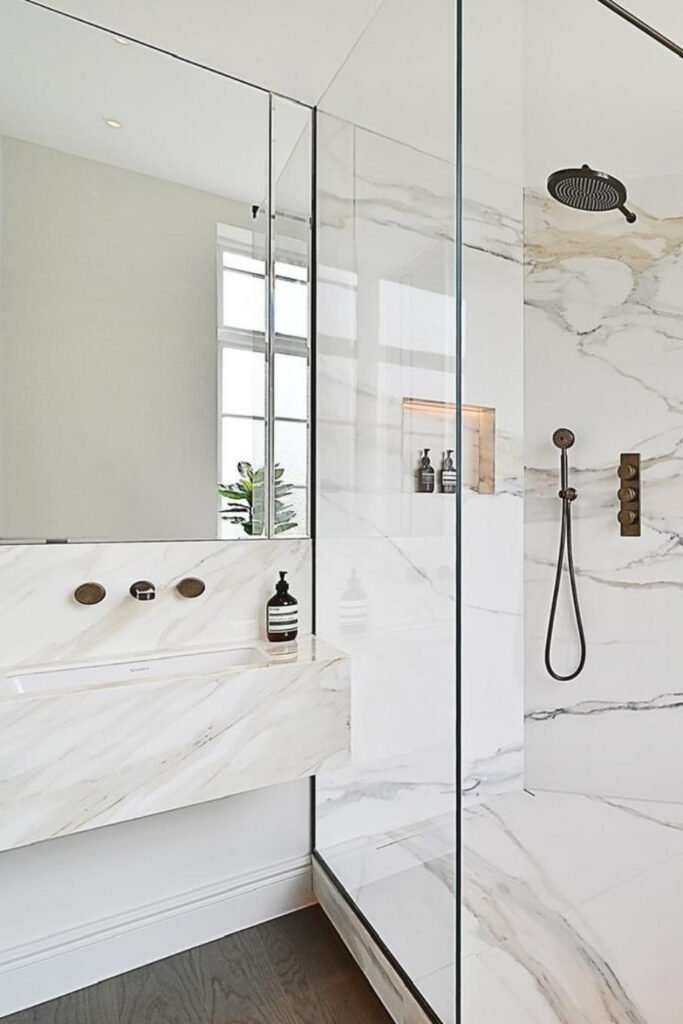
Marble continues to appear in spa bathrooms, but in simpler ways. Large slabs, minimal seams, and quiet veining keep marble from feeling busy. When marble flows across surfaces, the room feels continuous and restful.
Marble Shower Sanctuary
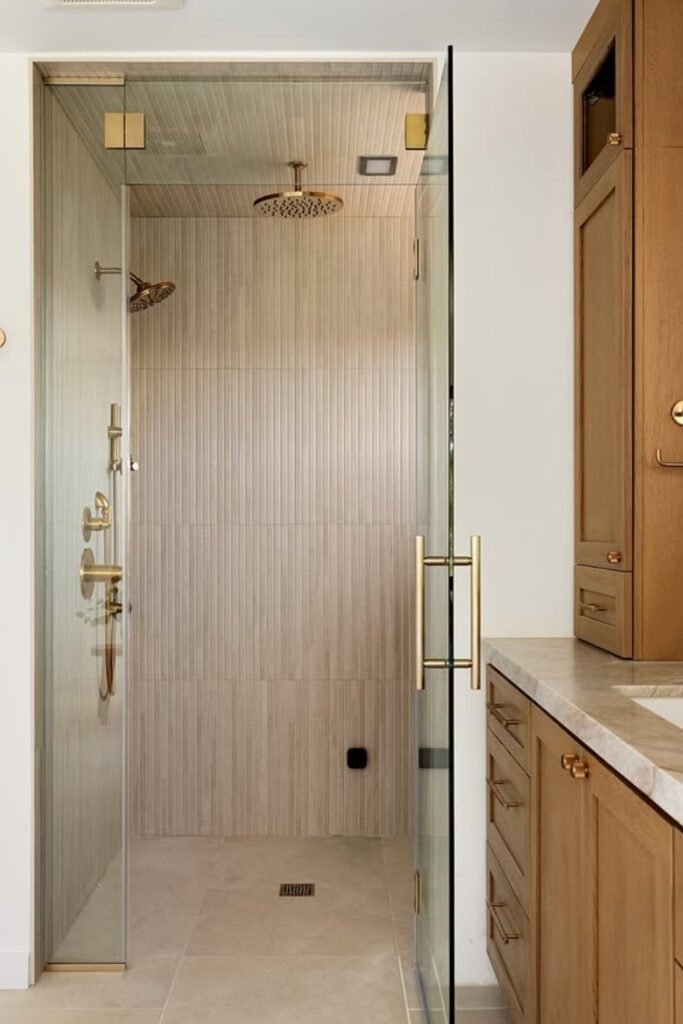
A marble shower sanctuary focuses on enclosure and warmth. The shower becomes a private space where sound softens and light reflects gently. Careful lighting and simple hardware allow the marble to feel calm instead of overwhelming.
Minimal Steam Retreat
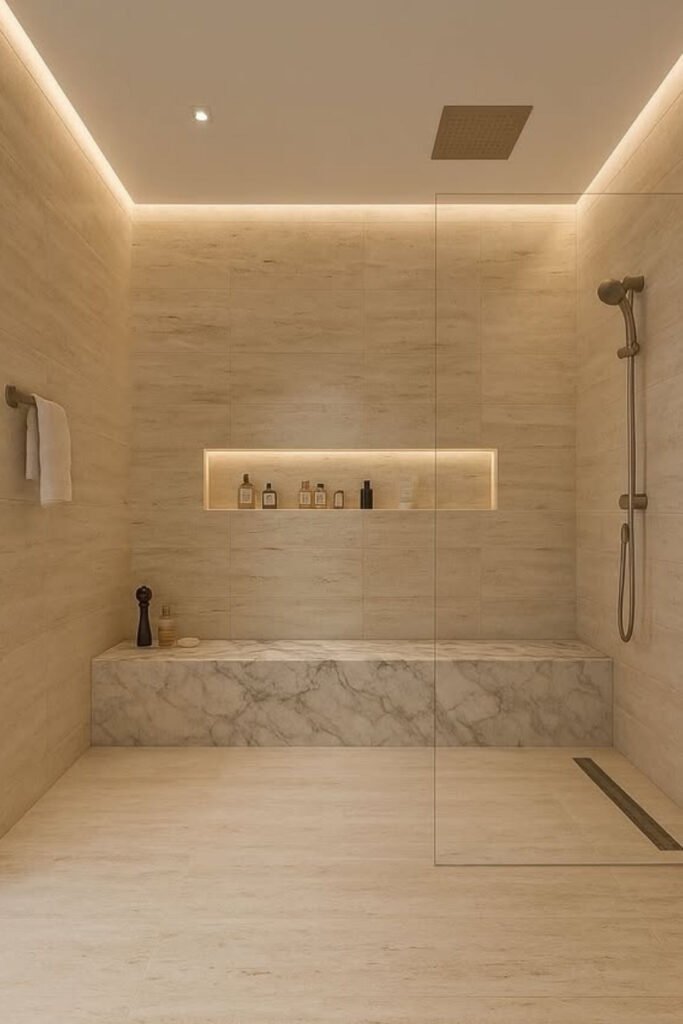
Steam showers are designed to feel enclosed but not cramped. In 2026, minimal steam retreats focus on smooth surfaces, hidden controls, and even heat distribution. The experience feels intentional and soothing, not technical.
Earthy Hammam Nook
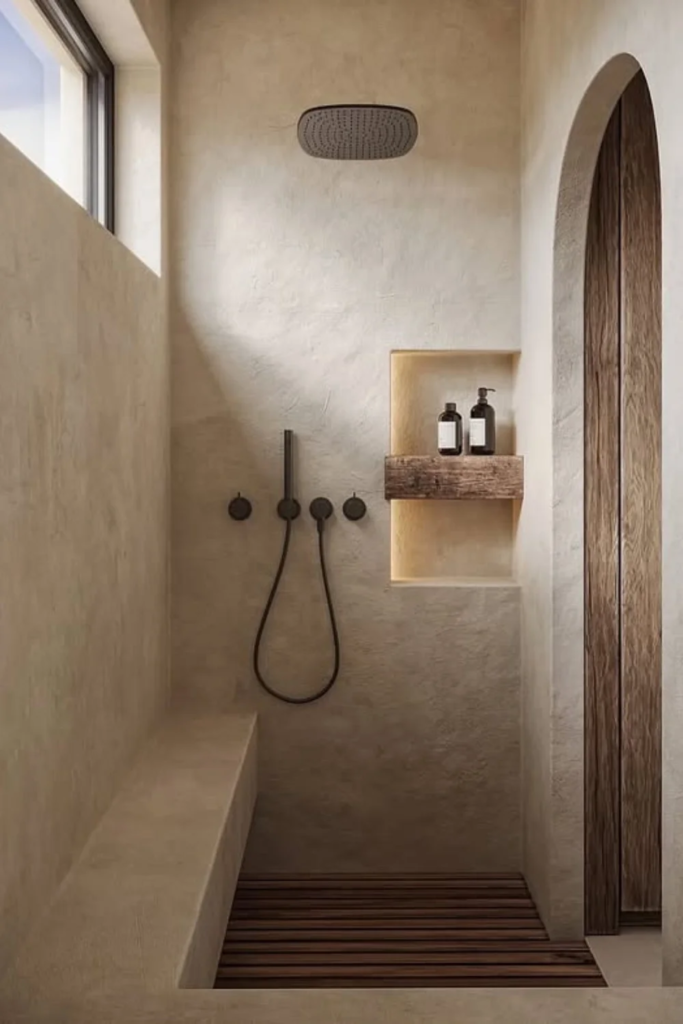
An earthy hammam nook brings traditional spa practices into modern homes. Rounded forms, warm stone, and gentle heat create a space that supports deep relaxation. Even a small hammam-style corner can become a favorite part of the home.
Sunlit Soaking Zone
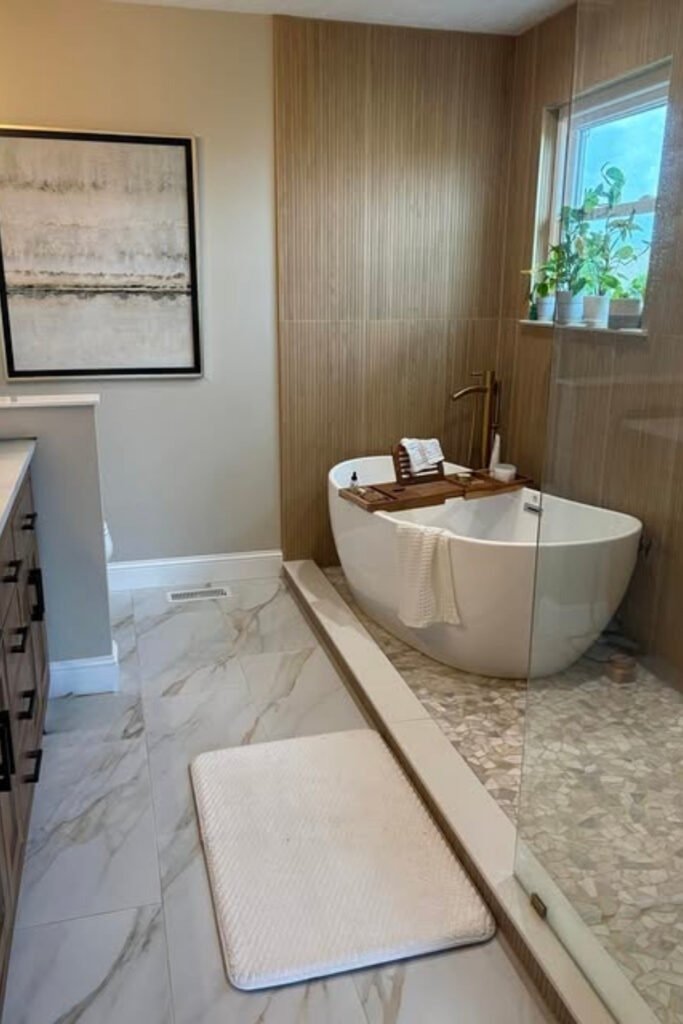
A sunlit soaking zone combines natural light and water in a simple way. The tub sits where light can touch the surface of the water. This connection to nature helps reset the body and mind, which is the true goal of any spa bathroom.
FAQs
Is a spa bathroom only possible in large spaces?
A spa bathroom is absolutely possible in small spaces. The key is planning, not size. Calm materials, clear layouts, and hidden storage matter more than square footage. Many compact bathrooms feel more spa-like than large ones because they are easier to control and maintain.
What materials work best for a spa bathroom?
Materials that age well and feel natural work best. Stone, wood, warm tile, and soft metals support long-term comfort. These materials create a calm environment that does not rely on trends. When chosen carefully, they help the bathroom feel peaceful every day, not just on the first reveal.
A spa bathroom in 2026 is not about copying a look. It is about designing a space that supports real life, real routines, and real rest. When done right, it becomes one of the most valuable and used spaces in the home.