10 Small Spaces Dream Craft Room Ideas

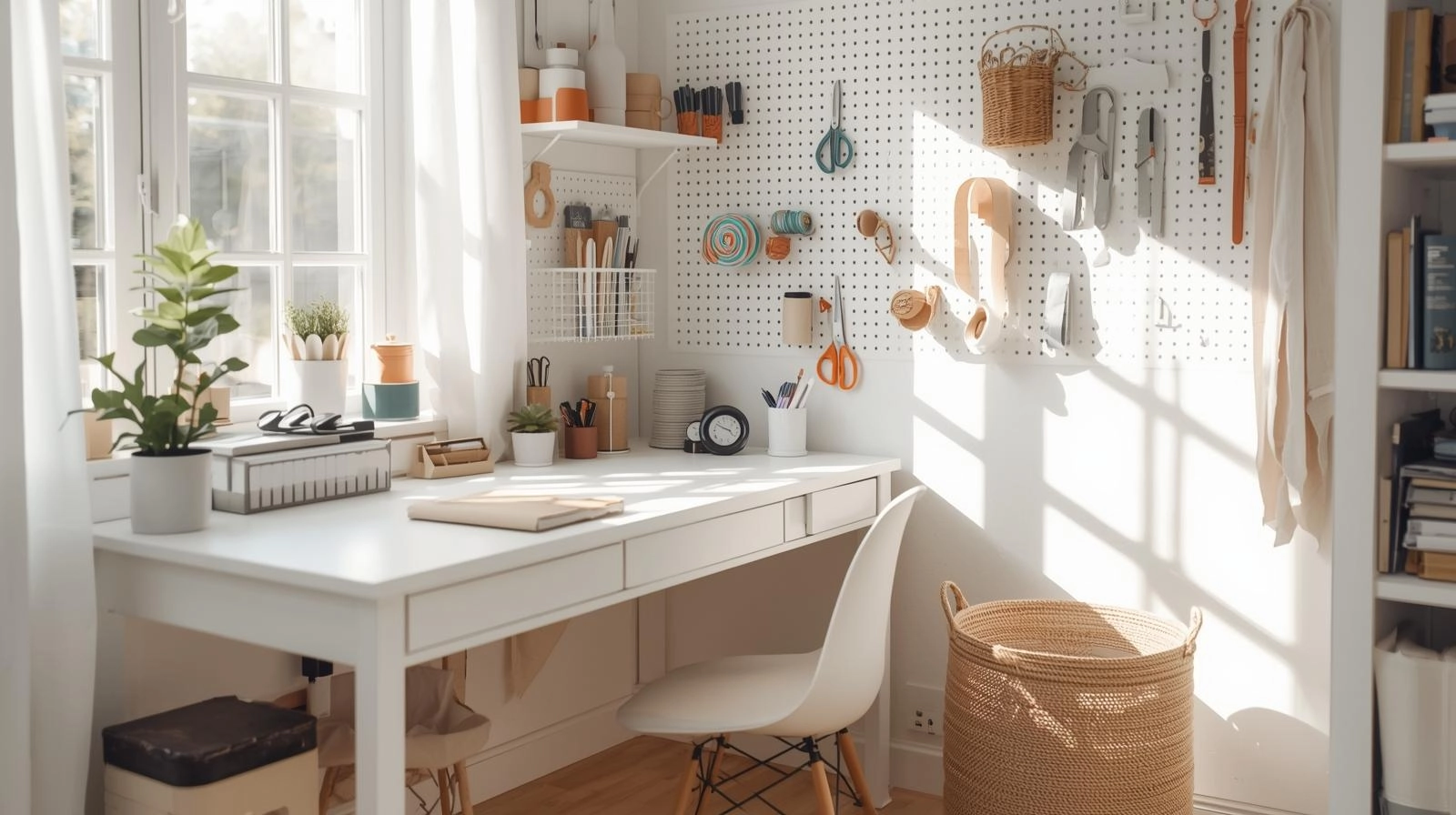
Designing a craft room when you don’t have much space can feel frustrating at first. Many people believe they need a full spare room or a large studio to stay organized and creative. In real homes, that is rarely the case. Most crafters work with limited space, shared rooms, or small apartments. The truth is that a good craft space is not about size. It is about how well the space works for your habits, your tools, and your routine. With thoughtful planning, even the smallest area can become a place where ideas flow easily. These ten ideas focus on function, comfort, and smart use of space so your craft area feels calm, useful, and ready whenever inspiration hits.
1. Use the Corners You Already Have
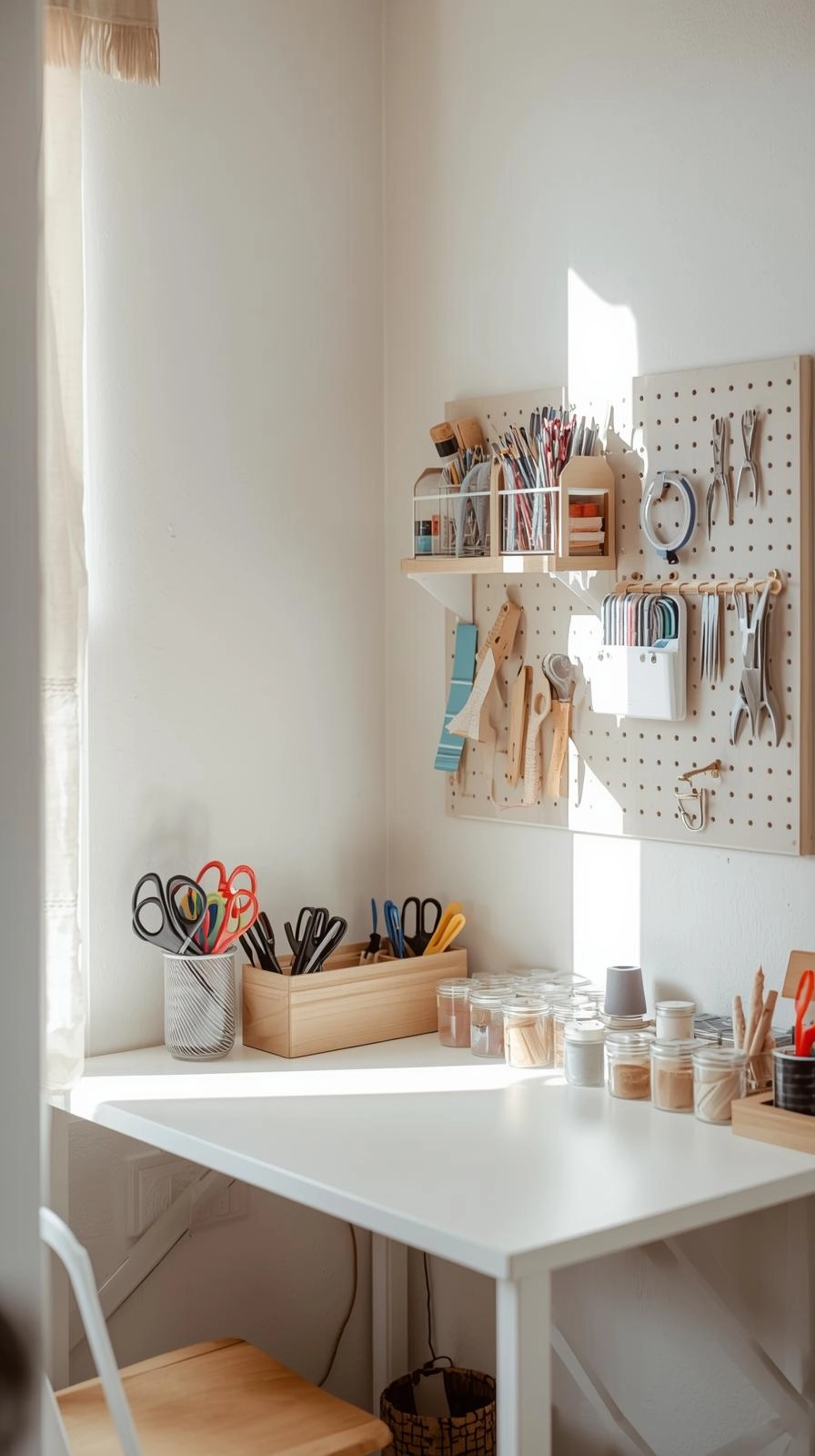
Corners are often wasted space in many homes, yet they can be some of the most practical spots for crafting. A small desk, wall-mounted surface, or narrow table can fit neatly into a corner without blocking movement through the room. This keeps your craft area contained and visually organized. When your tools stay in one defined zone, your mind stays focused. Adding wall storage above the desk keeps supplies close while leaving your work surface clear. This setup reduces time spent searching for tools and helps projects move faster from idea to finished piece.
Corners also make cleanup easier. When your crafting stays in one area, you know exactly where things belong. This matters in shared spaces like bedrooms or living rooms. Even one well-used corner can give you a sense of ownership over your creative time. Over years of working in small homes, many experienced crafters find that corner spaces are easier to maintain than large rooms because boundaries stay clear and clutter stays controlled.
2. Turn a Closet Into a Craft Nook
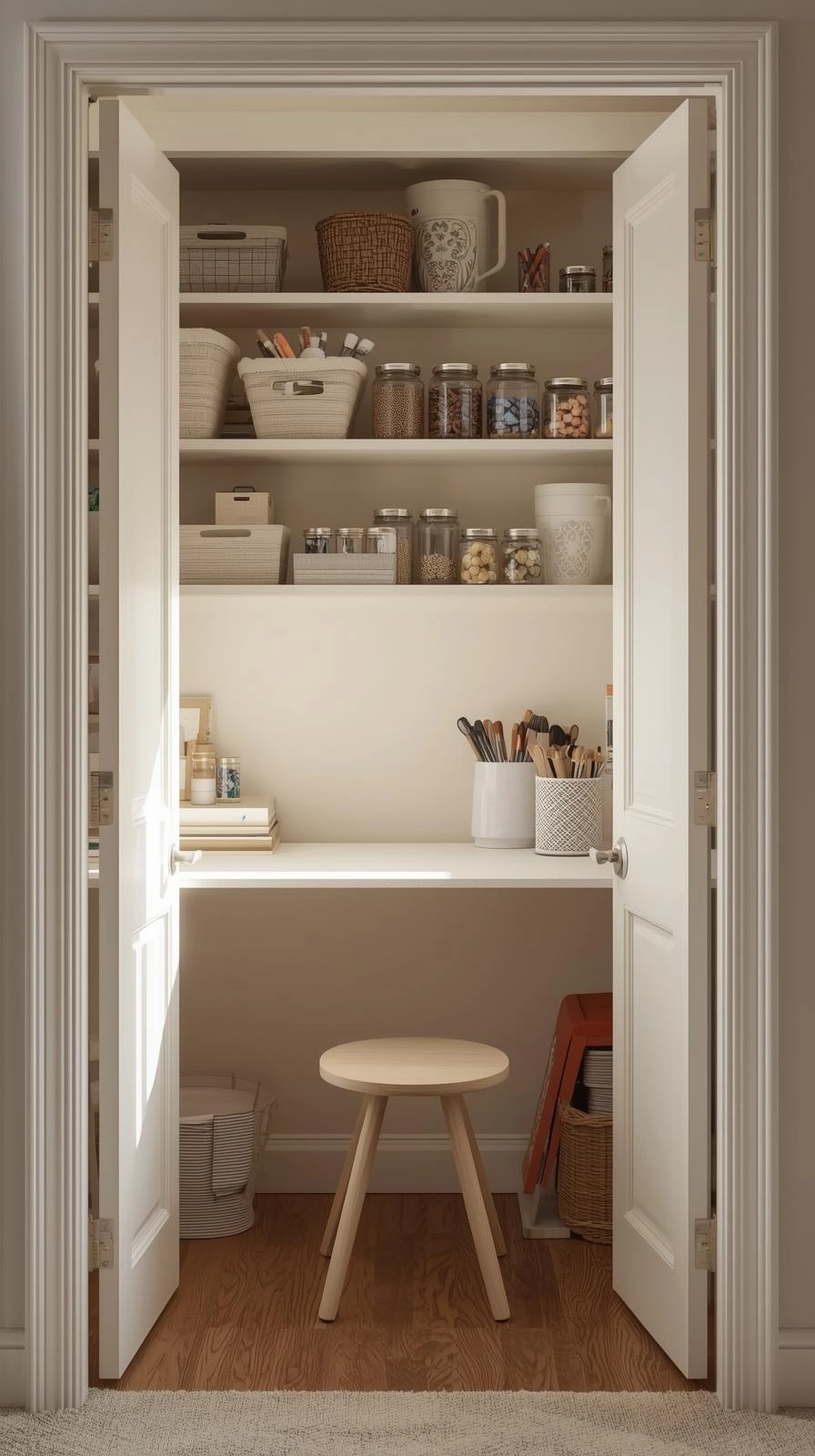
Closets are often underused, yet they offer privacy and structure that work well for crafting. By removing doors or keeping them open during work time, a closet can become a quiet creative nook. A narrow table or fold-down desk fits easily inside. Shelving along the walls keeps supplies sorted and visible. Painting the inside a light color helps reflect light and makes the space feel open instead of closed in.
The biggest benefit of a closet craft nook is control. When work is finished, the space can be closed and forgotten until the next session. This keeps craft supplies from spreading into other parts of the home. Over time, this setup helps build a habit of starting and ending projects cleanly. Many long-term crafters prefer this approach because it protects both creativity and household order at the same time.
3. Choose Foldable Furniture That Works Hard
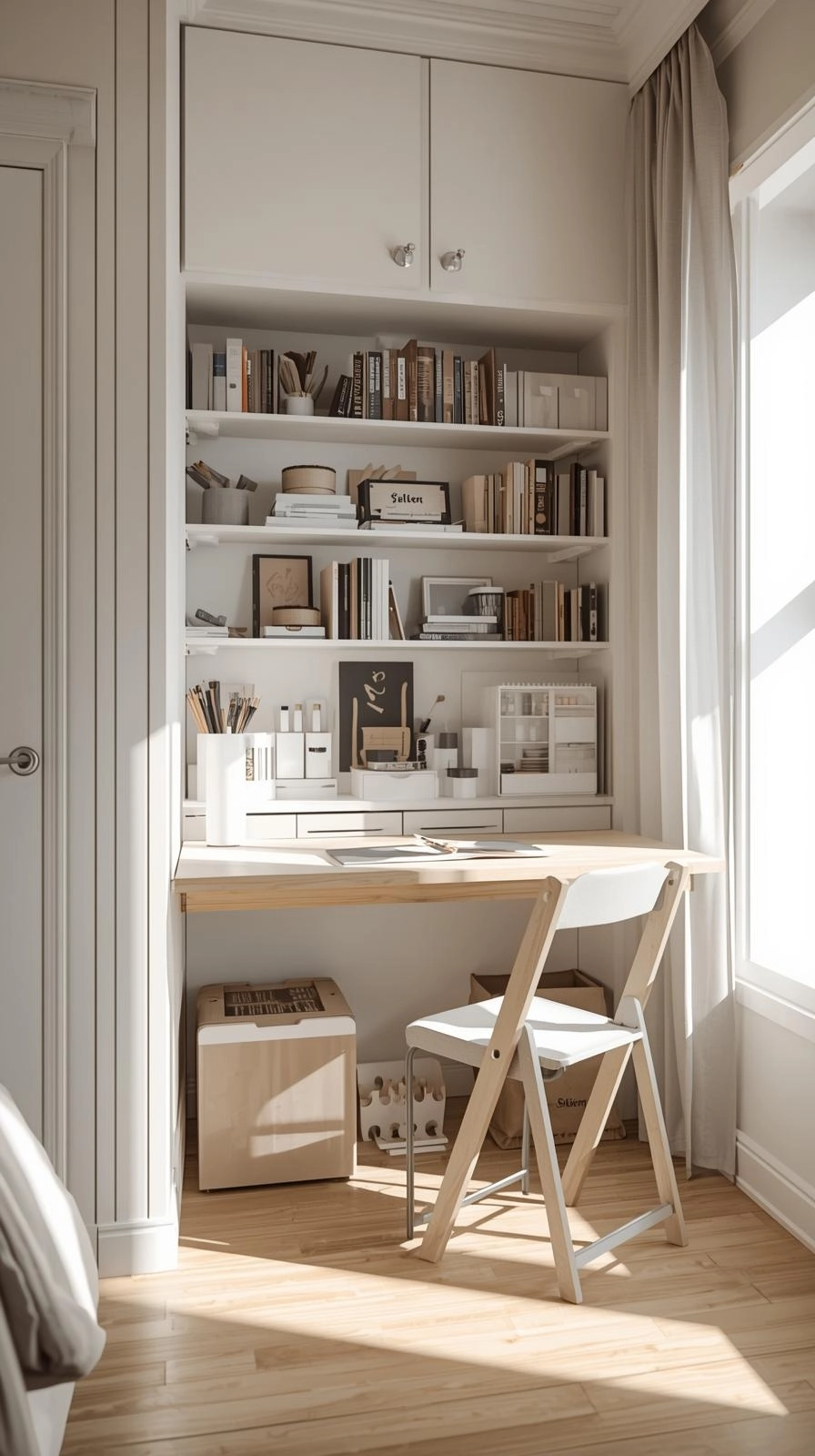
In small spaces, furniture must earn its place. Foldable and multi-use pieces allow a craft area to appear only when needed. A wall-mounted desk or drop-leaf table gives you a full work surface during crafting and disappears afterward. This flexibility is essential in homes where rooms serve more than one purpose.
Using foldable furniture reduces visual clutter and keeps daily life moving smoothly. It also helps prevent burnout. When your craft space does not take over your room, it remains inviting instead of overwhelming. Over many years, experienced crafters learn that adaptable furniture allows creativity to fit into real life instead of competing with it.
4. Go Vertical With Storage
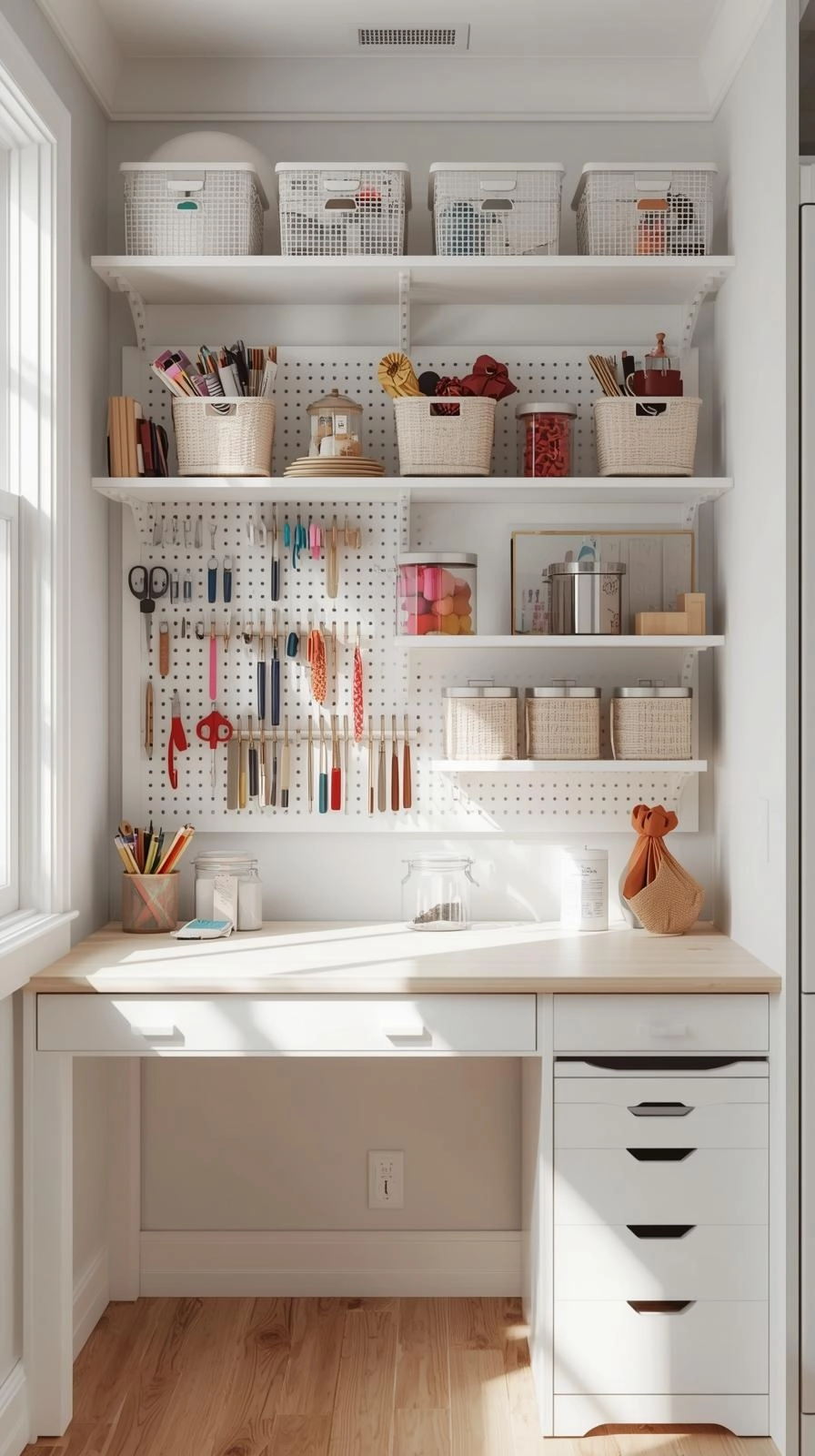
Vertical storage is one of the most effective tools in a small craft room. Walls provide space that often goes unused. Shelves, pegboards, and hanging systems move supplies off the floor and onto the wall where they stay visible and easy to reach. This keeps your desk open for actual work.
Clear containers and simple labels help you see what you own, which reduces duplicate purchases and wasted time. When tools are stored vertically, your brain processes the space as cleaner and more organized. This makes it easier to focus. Over time, vertical storage becomes a habit that keeps small spaces working smoothly without feeling tight or crowded.
5. Pick Light Colors to Open the Space
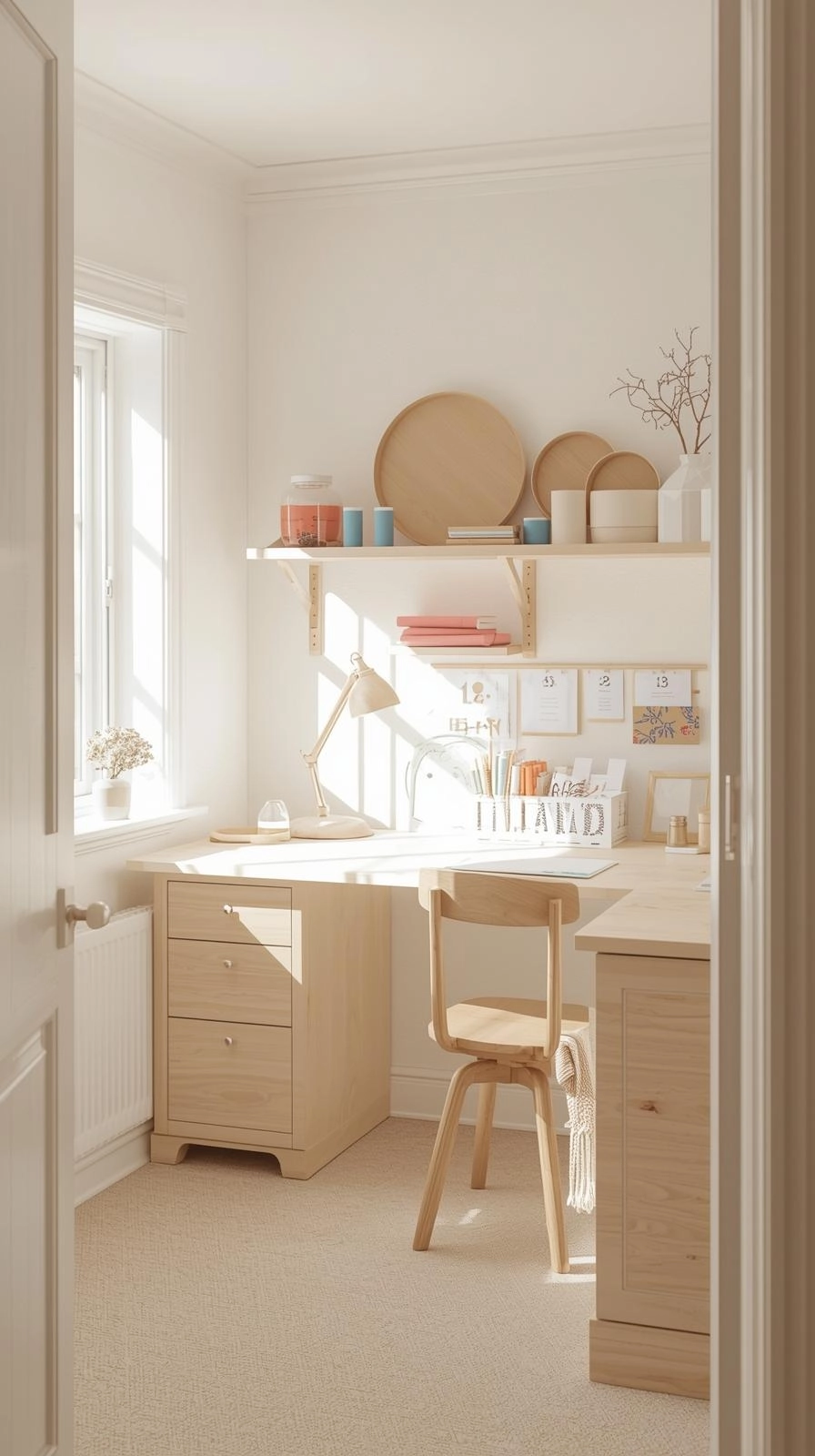
Color plays a major role in how a small space feels. Light shades reflect light and help rooms feel open. Neutral tones also create a calm background that supports focus. When walls and furniture stay simple, your supplies provide enough visual interest on their own.
Many experienced crafters avoid dark walls in small spaces because they absorb light and make rooms feel closed in. Light colors make cleanup feel easier and projects more enjoyable. This approach is not about style trends. It is about creating an environment where your eyes and mind feel relaxed during long crafting sessions.
6. Keep Only What You Use
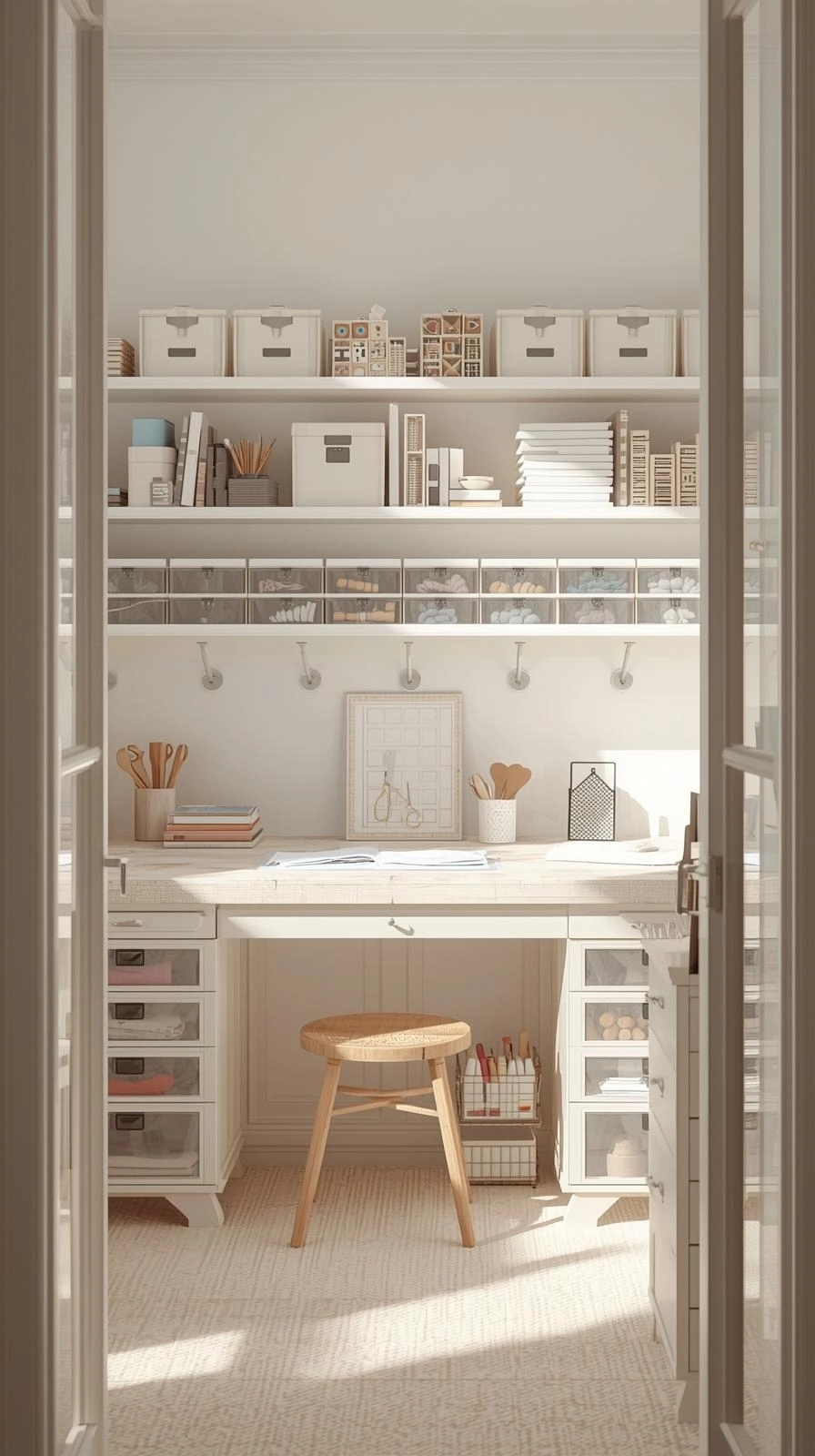
Small craft spaces demand honesty. Keeping supplies you no longer use only creates stress and confusion. Sorting through materials and keeping only what supports your current interests frees both space and mental energy. A simple system where everything has a clear place helps maintain order without effort.
Experienced crafters know that less often leads to more creativity. When you can see and reach what you need, projects start faster and finish sooner. Over time, this habit keeps your craft area light, flexible, and easy to maintain.
7. Let Natural Light Do the Work
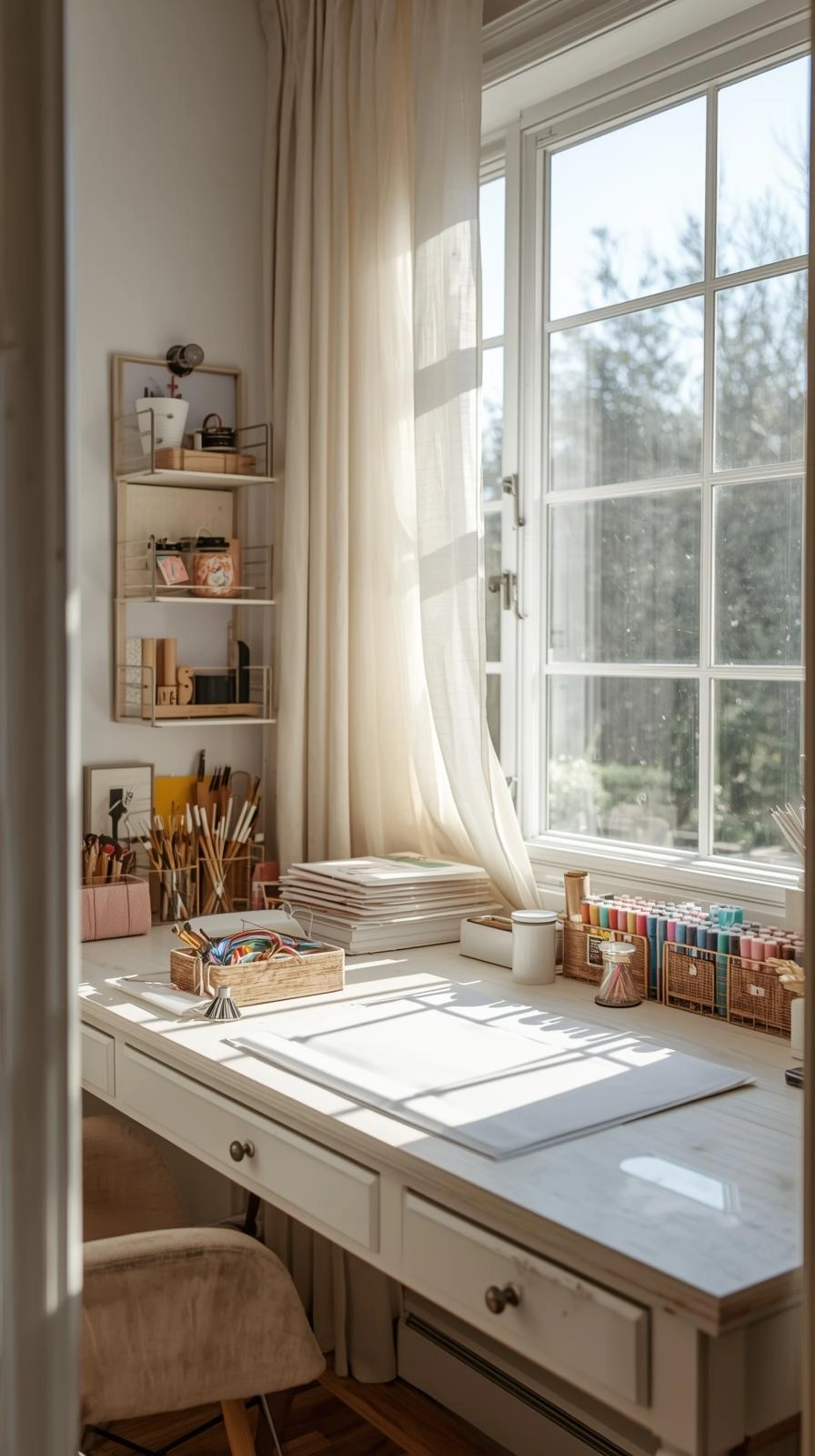
Light affects mood, focus, and accuracy. Natural light is especially important for crafting because it shows true colors and reduces eye strain. Placing your workspace near a window improves comfort and energy levels. Even small windows can make a big difference.
When natural light is not available, soft white lighting works best. Harsh or yellow light can distort colors and tire your eyes. Proper lighting supports better results and longer, more enjoyable craft sessions. This is one detail many beginners overlook, but experienced crafters treat lighting as essential equipment.
8. Create a Mobile Craft Station
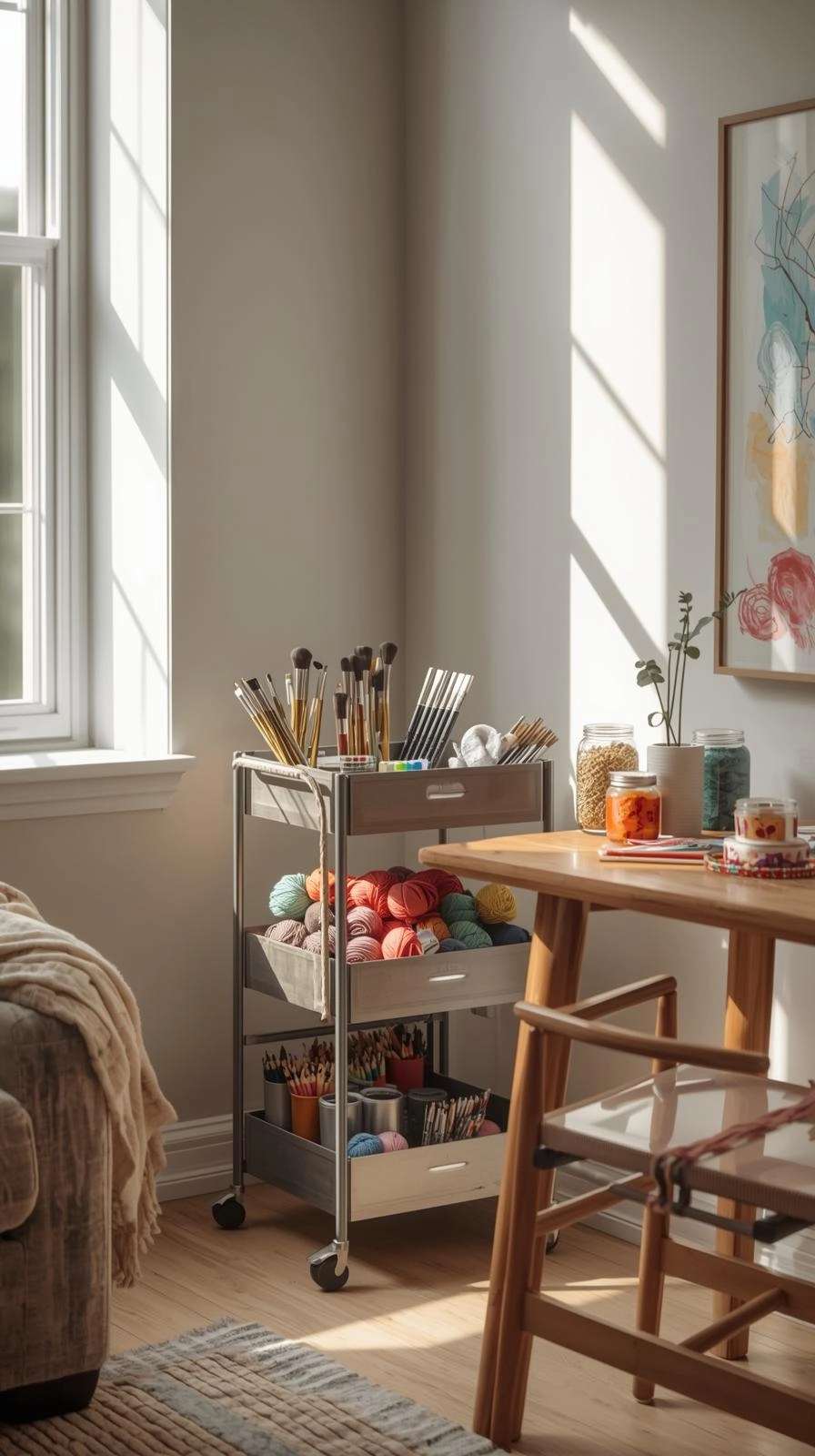
A mobile craft station gives you freedom. Rolling carts allow supplies to move where you need them and disappear when you do not. This works especially well in shared homes or apartments. Your craft space follows your schedule instead of demanding a permanent spot.
Over years of crafting in real homes, many people find mobile setups reduce stress. They allow creativity without forcing constant rearranging. A well-organized cart becomes a complete workstation that fits into daily life easily.
9. Add Small Personal Touches
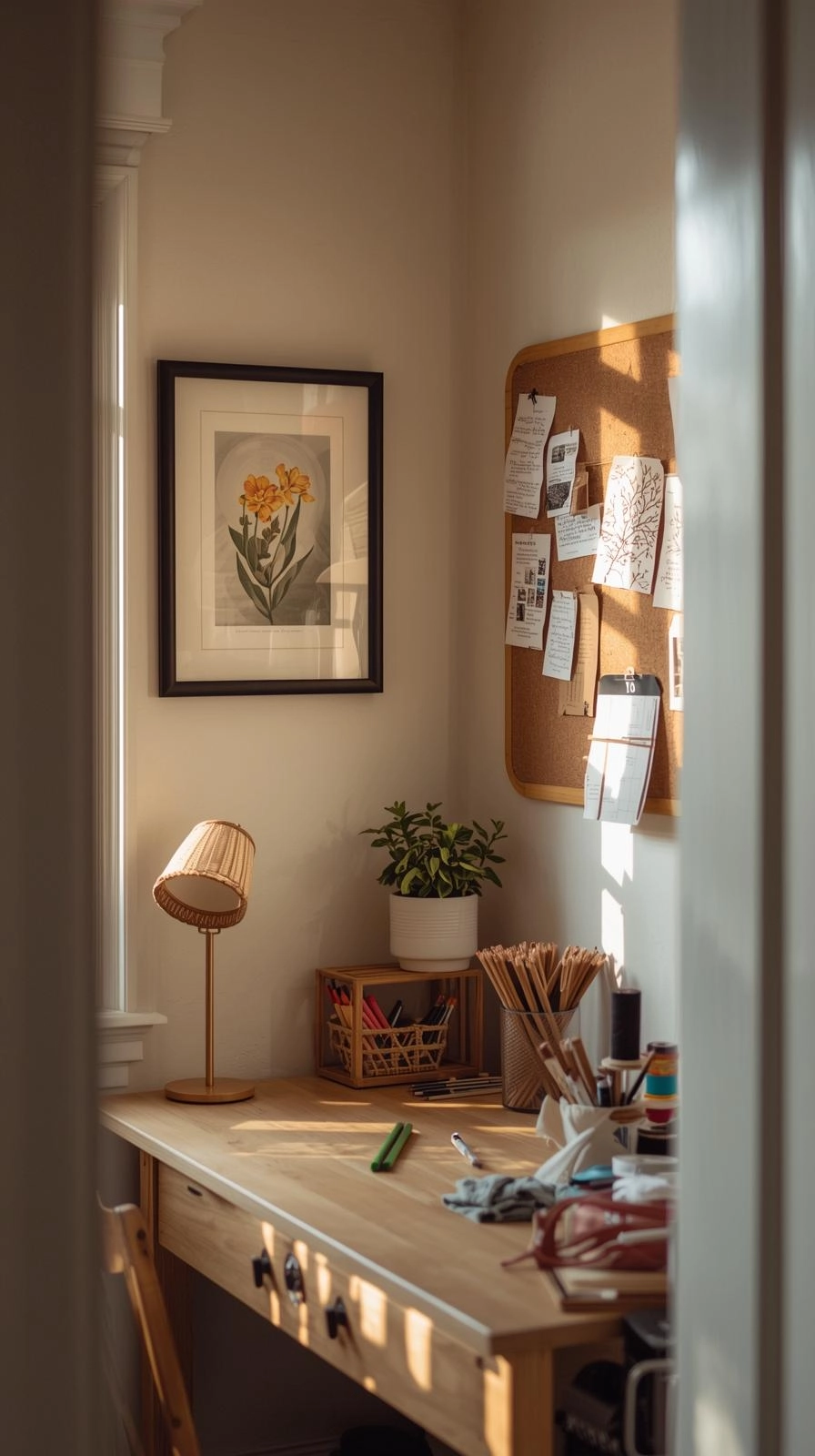
A craft space should feel welcoming. Small personal items remind you why you create. A photo, finished project, or simple note can add warmth without clutter. These touches help the space feel personal instead of temporary.
Keeping decor minimal ensures the area stays functional. The goal is comfort, not decoration. When the space feels like yours, creativity feels natural. This emotional connection matters just as much as storage or furniture.
10. Use Hidden Storage and Clever Tricks
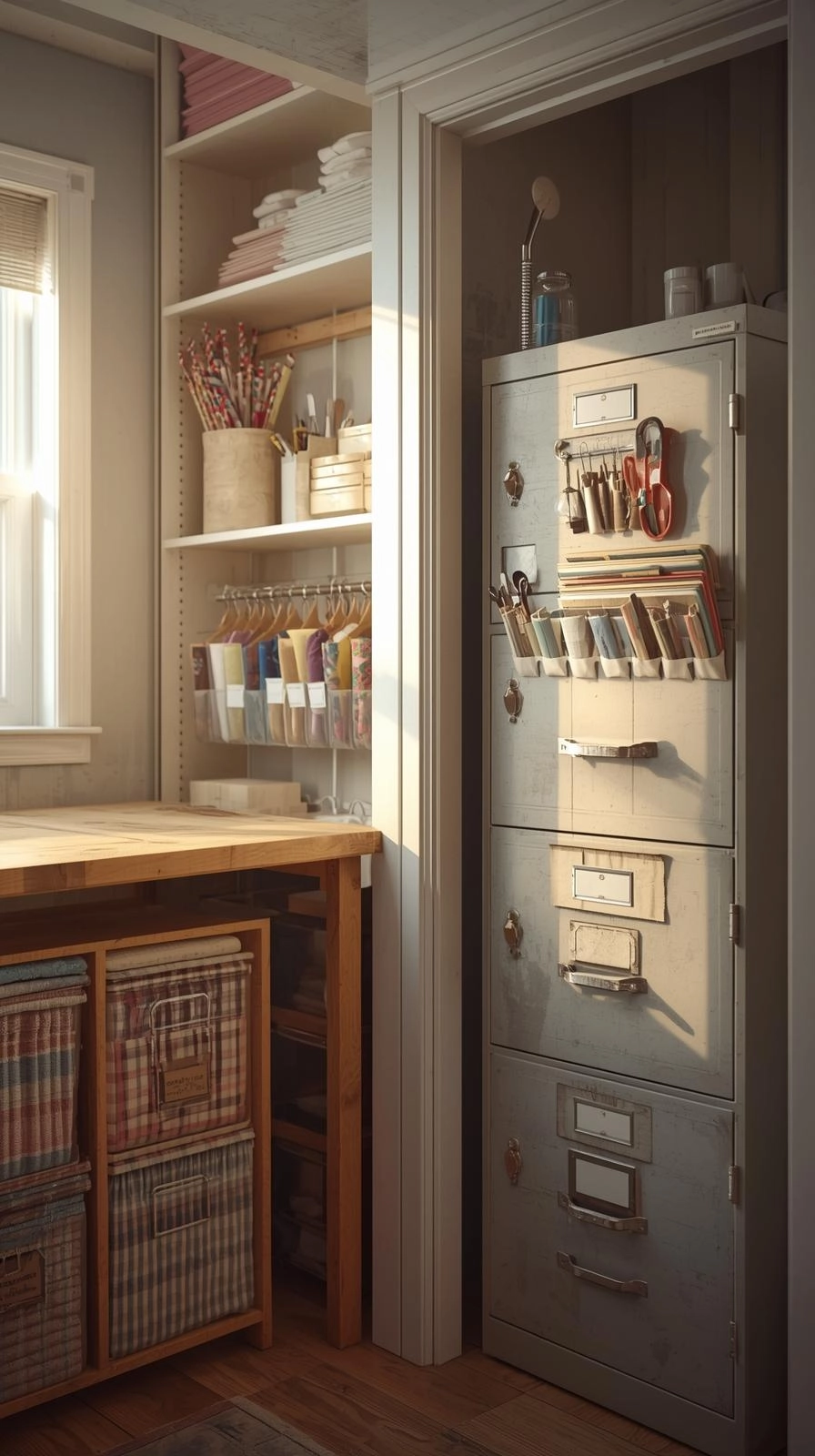
Hidden storage keeps visual noise low. Under-table bins, door-mounted organizers, and narrow drawers hold supplies without crowding surfaces. This allows your mind to stay focused on the task at hand.
Experienced crafters rely on hidden storage to maintain calm. When everything has a home, cleanup becomes quick and automatic. Over time, this system supports consistency, which is key to staying creative long term.
Making the Most of a Small Craft Space
A small craft room works best when it supports real habits. Starting with what you already have reduces pressure and makes the space feel achievable. Flexibility matters more than perfection. A space that changes with your projects will serve you longer than one locked into a single layout.
Clear surfaces, grouped supplies, and simple routines help keep the space ready. When cleanup becomes part of the process, creativity flows more easily. This balance turns even the smallest area into a reliable workspace.
Keeping Inspiration Alive in a Compact Setup
Inspiration grows when the space feels calm. Rotating small displays or project samples keeps things fresh without adding clutter. Comfort also matters. Soft lighting, a supportive chair, and quiet background sound help the mind settle into creative focus.
Resetting the space after each session prepares you for the next idea. This habit builds respect for your craft time and keeps motivation steady. Over years of experience, this simple practice proves more effective than any large room or expensive setup.
Final Thoughts
A dream craft room is built on function, not size. Small spaces encourage thoughtful choices and better habits. With smart storage, good light, and flexible furniture, creativity fits into everyday life with ease.
The most successful craft spaces grow from use. They change, adapt, and improve over time. When your space supports your work instead of fighting it, crafting becomes part of your routine instead of a struggle. That is what makes a small craft room truly work, day after day.