10 Small Space Kitchen Storage Ideas

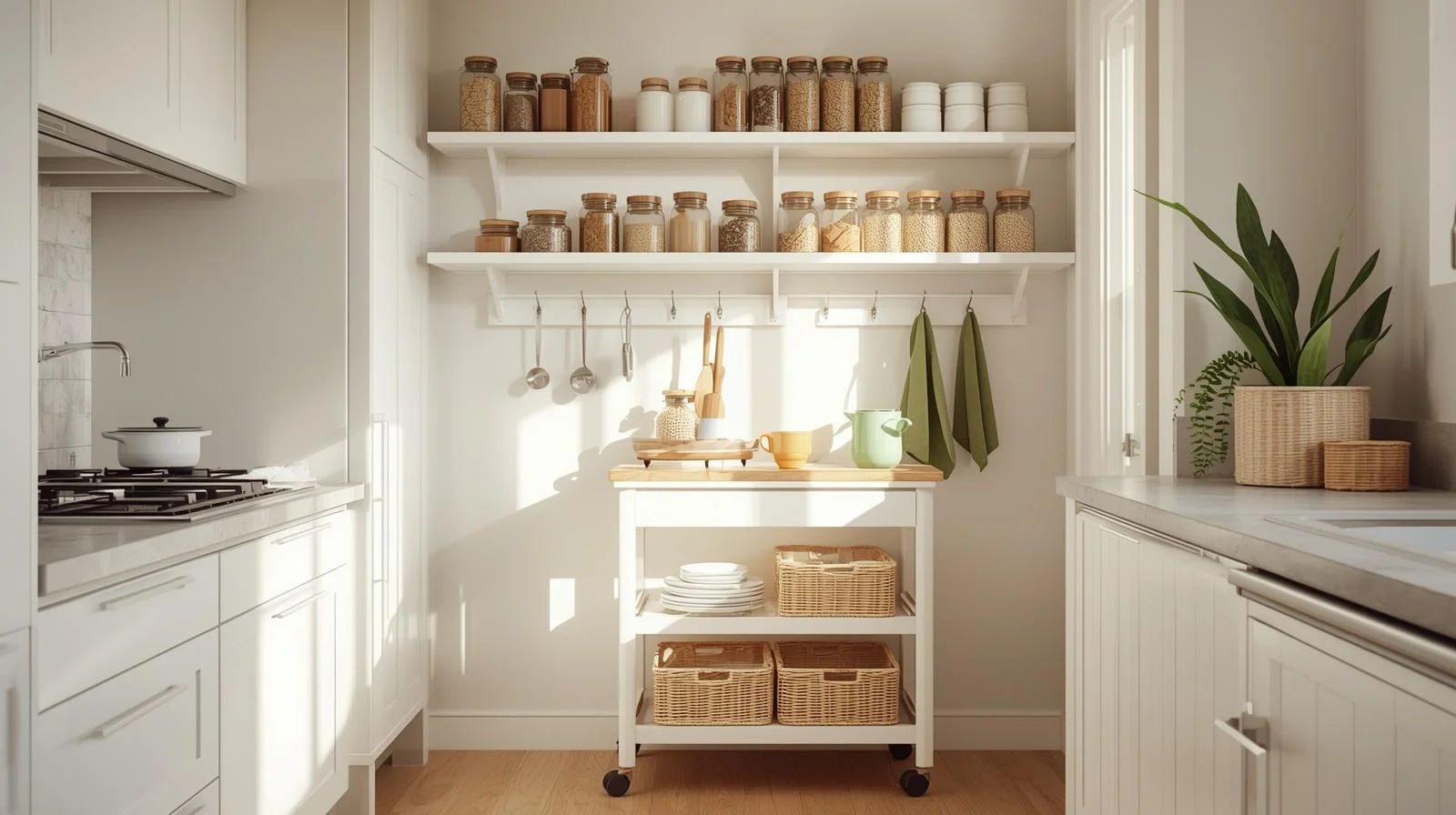
Living with a small kitchen can feel like solving the same problem every single day. You wake up, walk in to make breakfast, and immediately feel boxed in. There is never enough counter space. Cabinets fill up fast. Drawers get stuck because too much is crammed inside. After more than twenty years of working with homeowners, renters, and apartment dwellers, I can say this is one of the most common frustrations people face at home. The important thing to understand is that small kitchens are not broken kitchens. They are simply misunderstood spaces. When storage is planned the right way, even the smallest kitchen can feel calm, useful, and easy to cook in.
Over the years, I have helped families of all sizes learn how to work with what they have instead of fighting against it. The kitchens that succeed are not the biggest ones. They are the ones where storage makes sense. This guide walks through ten proven storage strategies that work in real homes. These ideas are not trends. They are solutions that hold up over time and help small kitchens stay organized without stress.
1. Vertical Storage That Reaches the Ceiling
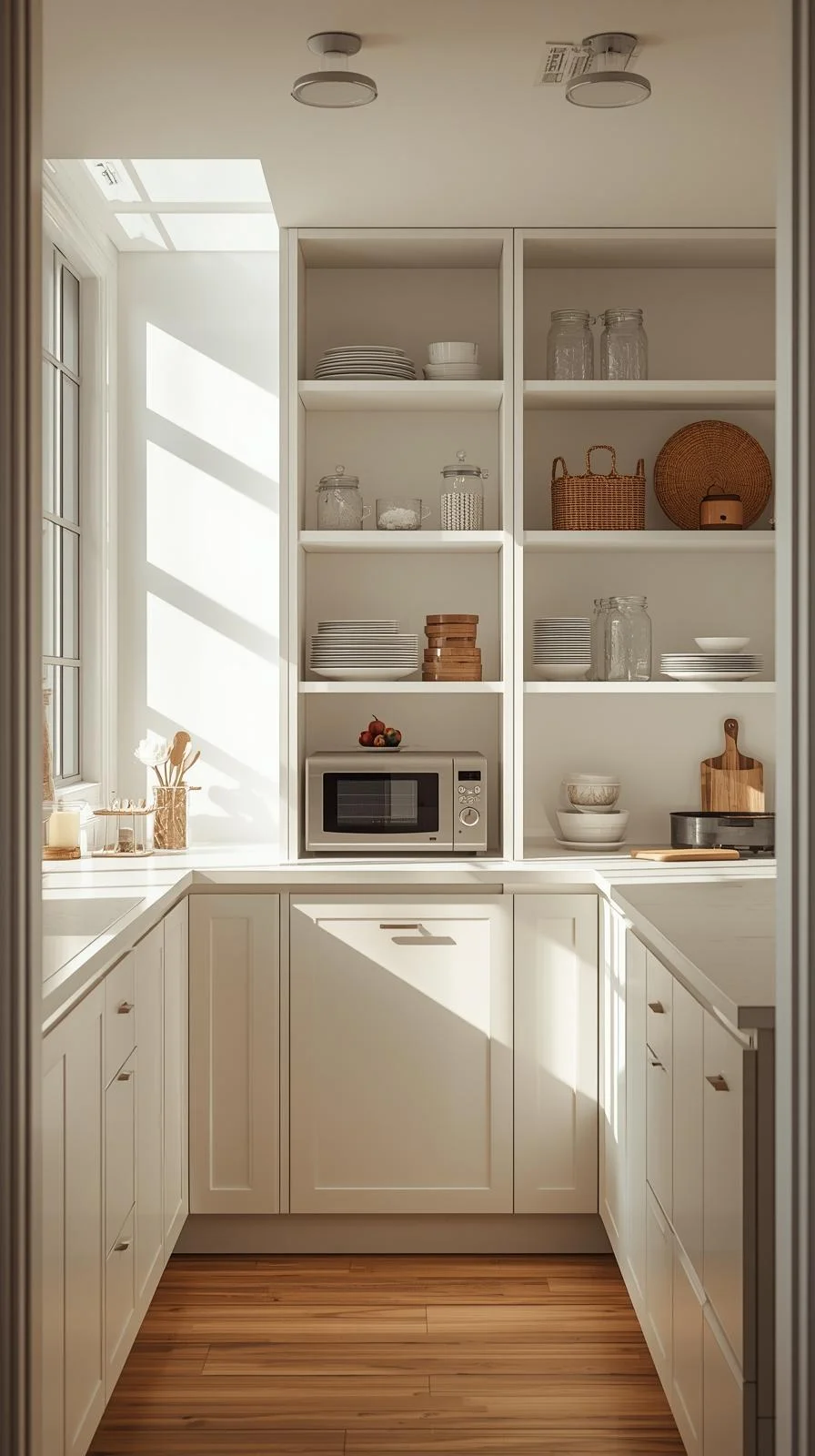
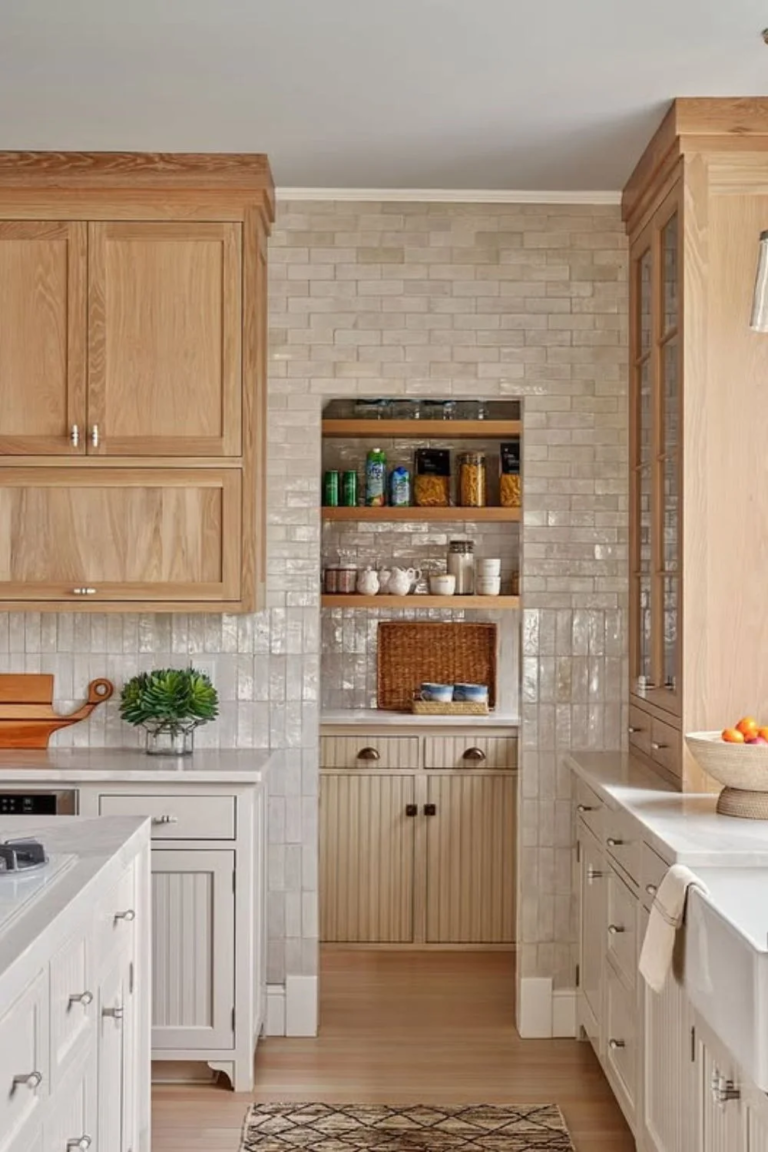
One of the biggest mistakes I see in small kitchens is wasted wall height. Many kitchens stop cabinets well below the ceiling, leaving a strip of empty space that serves no purpose except collecting dust. In a small kitchen, every inch matters. When storage reaches all the way up, you instantly gain space without changing the layout. Tall cabinets or stacked shelves allow you to store items you do not use every day, such as large serving dishes, seasonal cookware, or extra pantry goods.
If replacing cabinets is not an option, wall-mounted shelving can create the same effect. Even a narrow shelf placed high on the wall can hold baskets or bins for overflow items. The key is to think upward instead of outward. When storage goes vertical, lower cabinets stay less crowded, and counters stay clearer. Over time, this change alone can make the kitchen feel more open and easier to manage.
2. Pull-Out Shelves That Eliminate Dead Zones
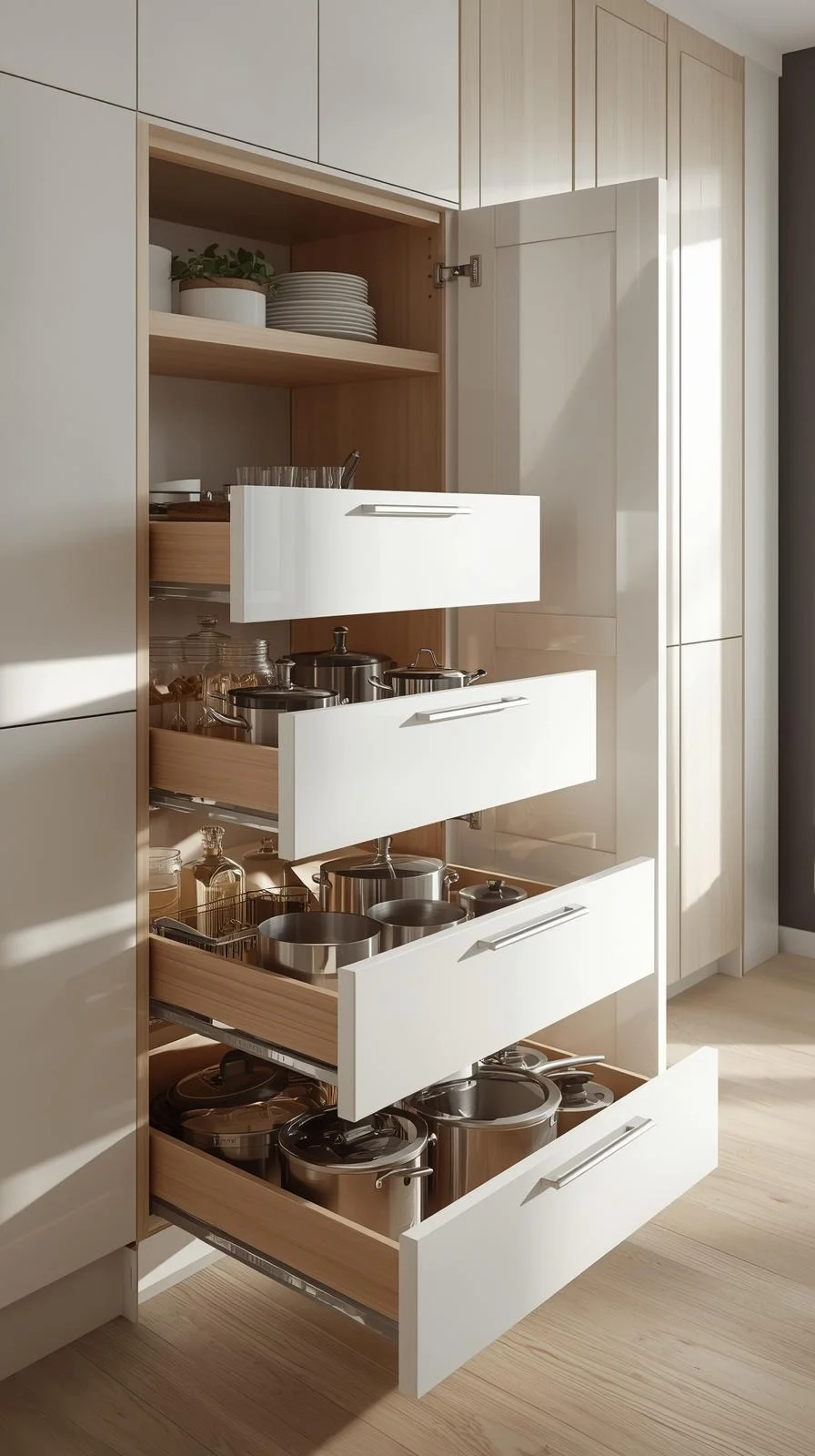
Deep cabinets are one of the most frustrating features in a small kitchen. Items get pushed to the back and forgotten. You bend down, reach in, and still cannot see what you own. This leads to clutter, wasted money, and daily frustration. Pull-out shelves solve this problem by bringing everything forward in one smooth motion.
With pull-out shelves, the full depth of the cabinet becomes usable space. Pots, pans, pantry items, and small appliances are easy to see and reach. I have installed these in countless kitchens, and the reaction is always the same. People are surprised by how much space they already had but were unable to use. Even narrow cabinets beside the stove or refrigerator can be turned into valuable storage with pull-out systems. This change saves time, reduces mess, and makes cooking less stressful.
3. Hooks and Rails That Keep Tools Within Reach
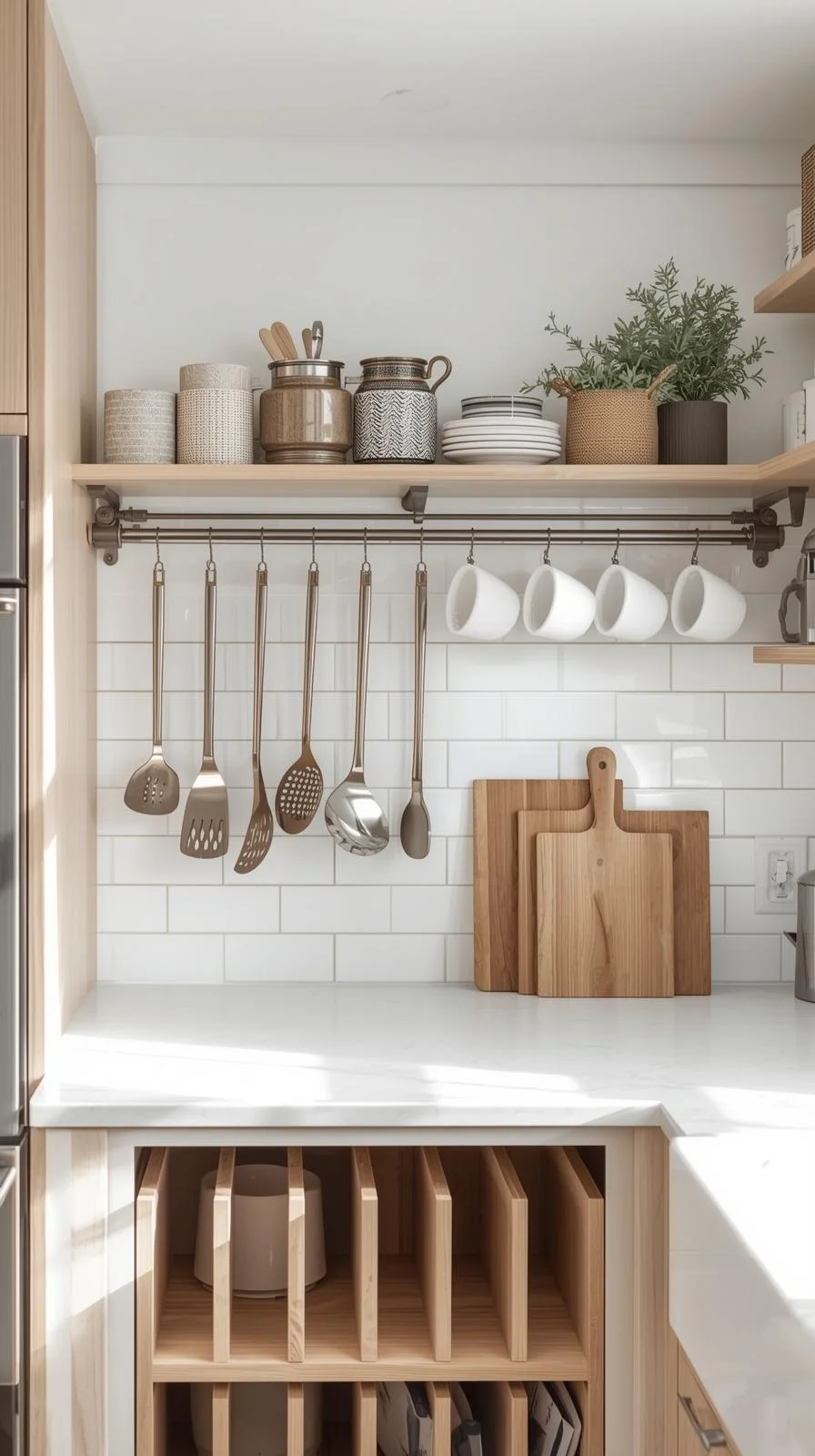
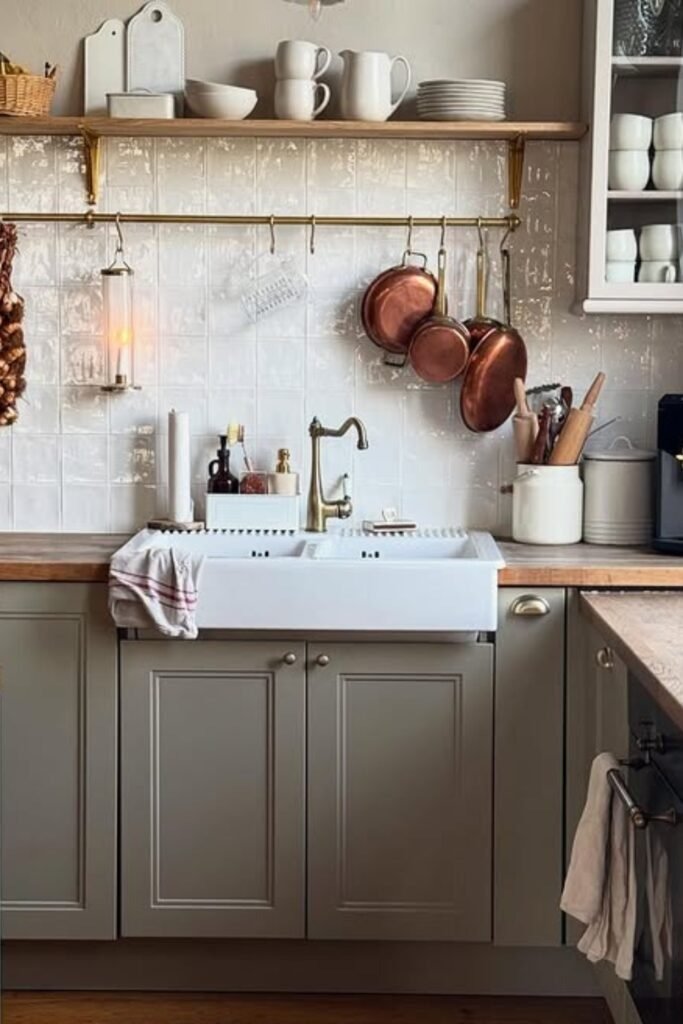
In small kitchens, drawer space is limited, and counters get crowded quickly. Hanging tools instead of storing them in drawers is a simple way to free up space. Hooks and rails can be installed on backsplashes, inside cabinet doors, or along unused wall areas. When cooking tools are stored vertically, they stay visible and easy to grab.
This approach also improves how the kitchen functions day to day. Instead of opening multiple drawers, you reach for what you need right away. Over time, this habit keeps counters clearer and drawers less cluttered. It also encourages you to keep only the tools you actually use. When space is tight, visibility helps prevent unnecessary buildup of items that take up room without adding value.
4. Multi-Purpose Furniture That Doubles as Storage
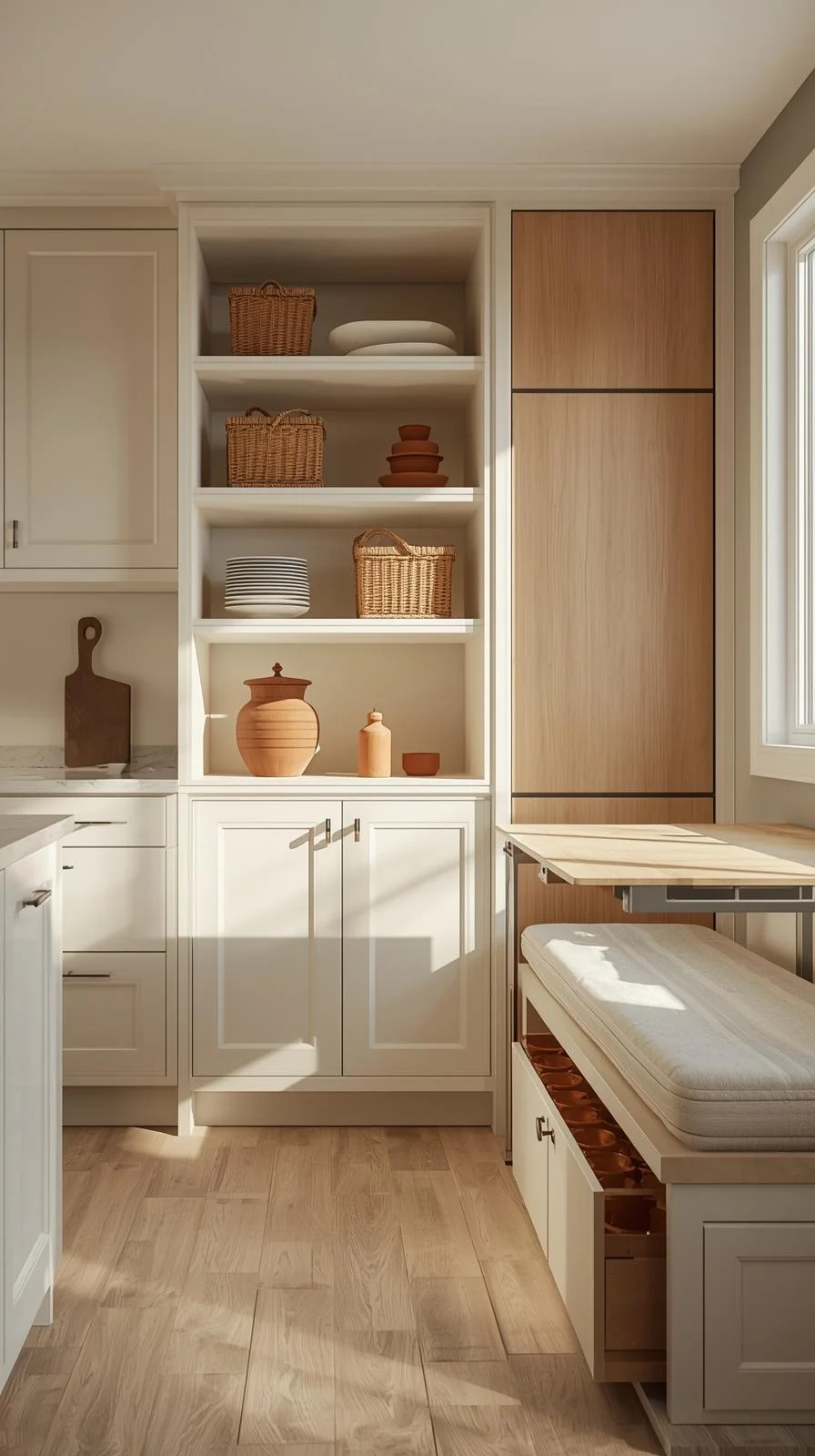
Furniture that serves more than one purpose is essential in small kitchens. Every piece should earn its place. A kitchen island with built-in shelving can store cookware, baskets, or pantry items while also providing prep space. A small table with drawers can hold linens or utensils. Benches with lift-up seats can hide bulky items that are hard to store elsewhere.
I often remind homeowners that furniture does not need to be large to be useful. It needs to be smart. When storage is built into furniture, you add capacity without crowding the room. This approach works especially well in open kitchens where storage needs to blend into living space. The goal is to support daily habits while keeping the room feeling balanced and functional.
5. Drawer Organizers That Prevent Wasted Space
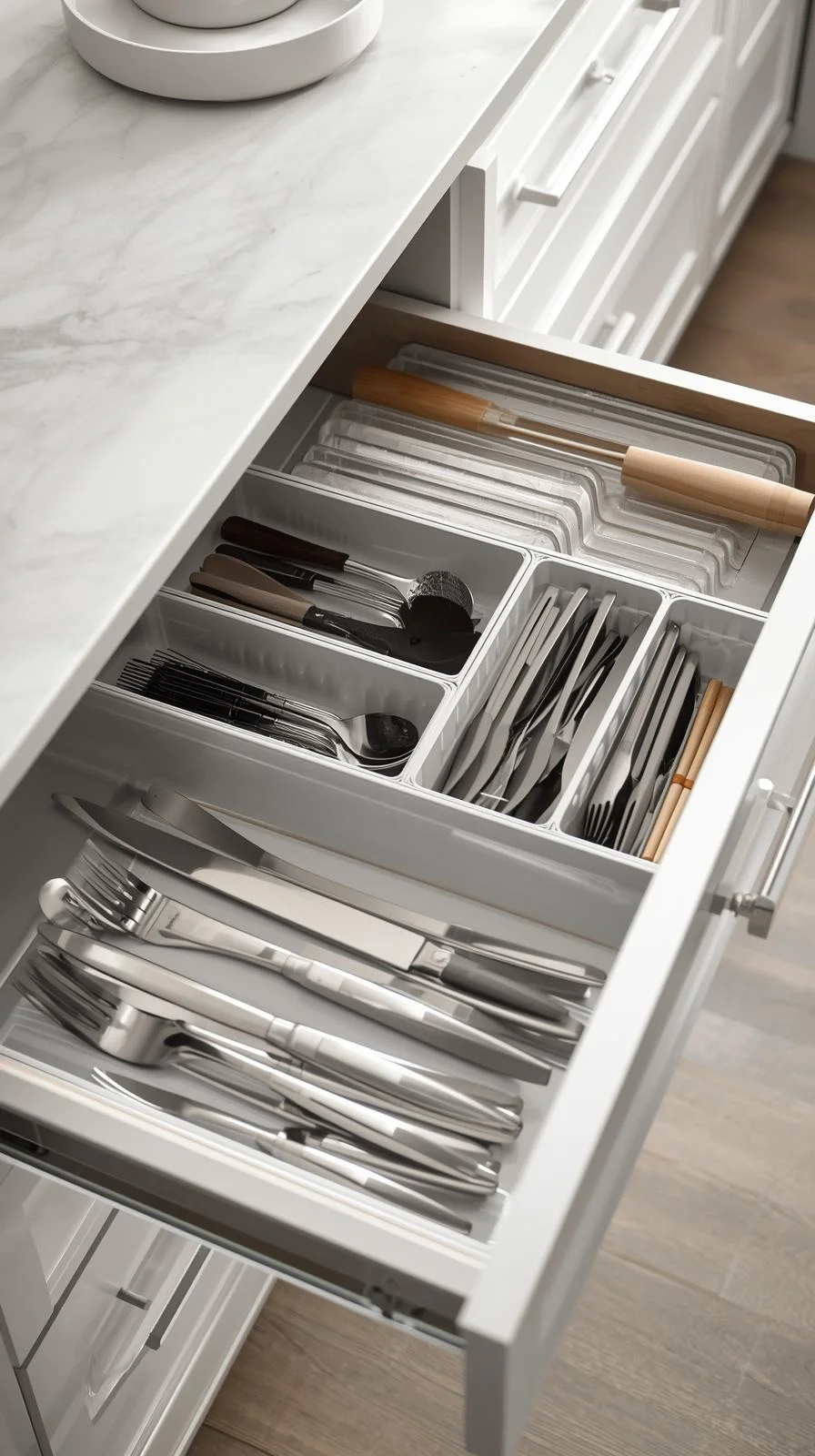
Drawers are some of the most valuable storage zones in a small kitchen, yet they are often the most poorly used. Without structure, drawers turn into piles where items overlap and disappear. Drawer organizers create order and allow every inch to be used on purpose.
When utensils, tools, and accessories each have a defined space, drawers close easily and stay organized. Adjustable organizers also allow for vertical storage of items like baking sheets or cutting boards. This method does not add storage. It improves what already exists. Over time, organized drawers reduce frustration and make everyday cooking smoother and faster.
6. Over-the-Sink and Stove Solutions
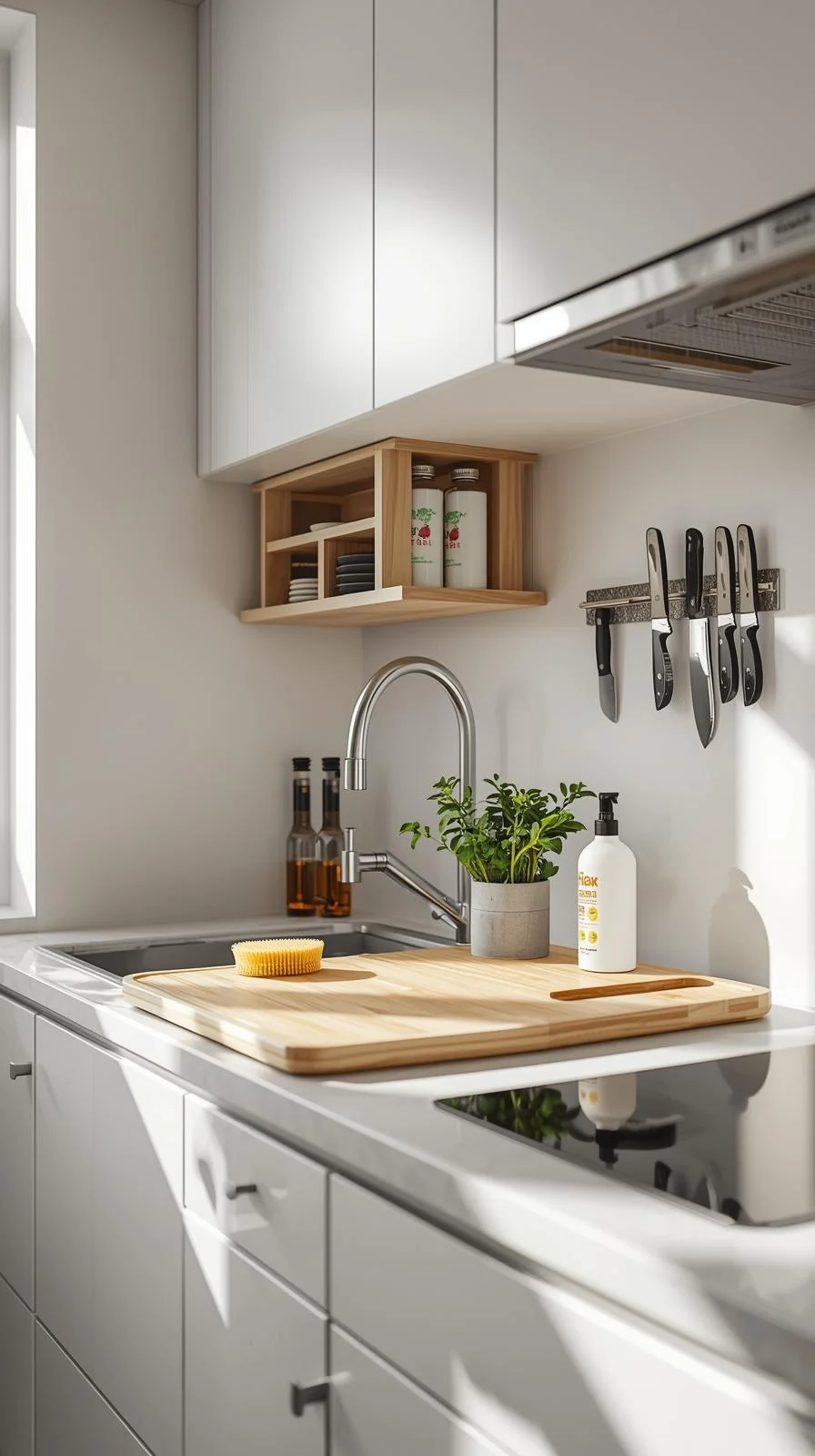
The sink and stove areas are usually treated as fixed work zones, but they also offer hidden storage potential. Over-the-sink shelves can hold cleaning supplies, small containers, or even herbs. This keeps the counter clear while keeping essentials close. Above the stove, narrow racks or magnetic strips can store spices or knives without taking up prep space.
I have also worked with homeowners who use sink-cover cutting boards to create extra prep space when needed. These solutions turn existing areas into flexible work zones. In a small kitchen, flexibility is key. When surfaces serve more than one purpose, the entire room becomes easier to use.
7. Hidden Storage Inside Cabinet Doors
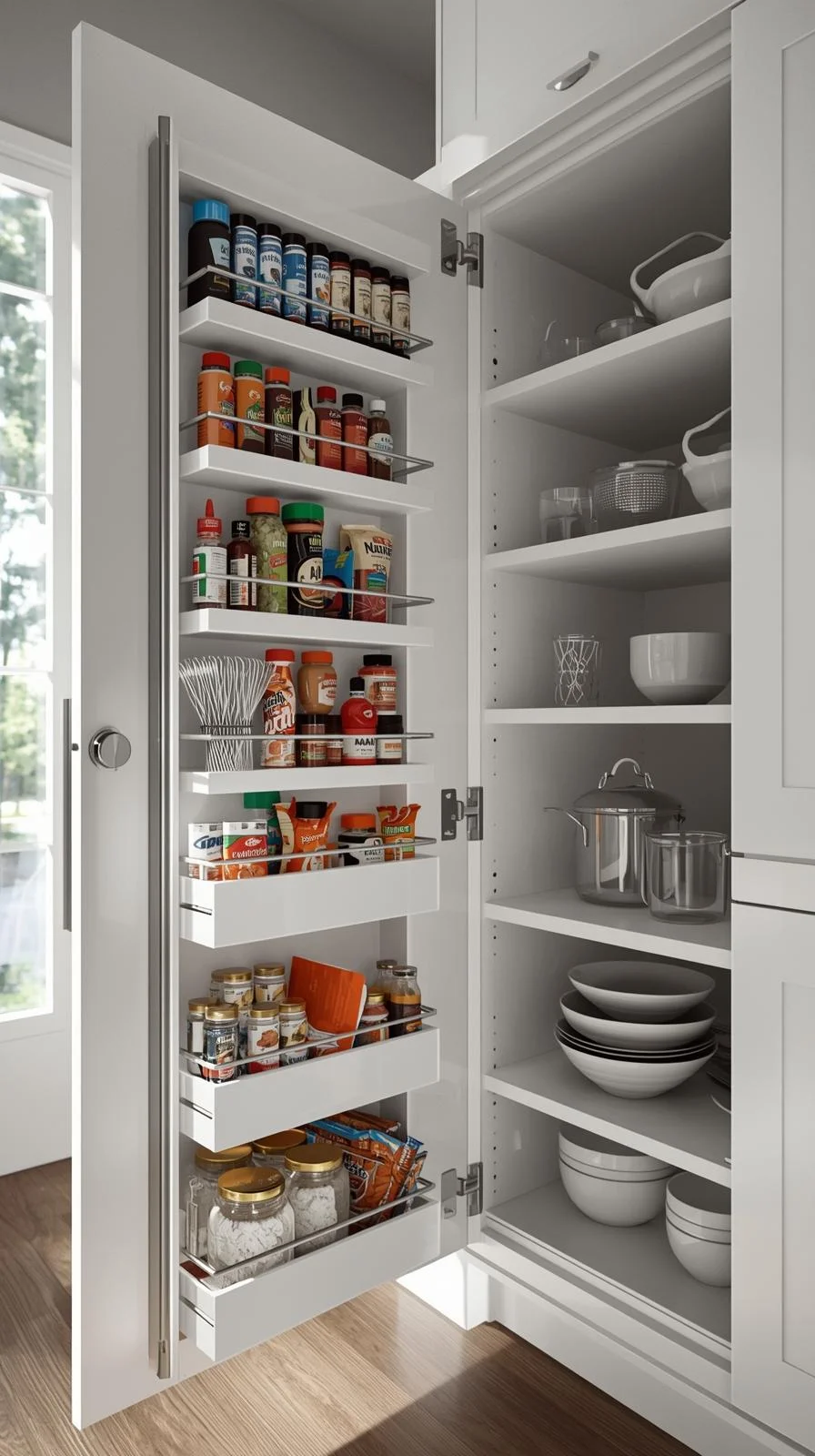
The inside of cabinet doors is one of the most overlooked storage areas in any kitchen. In small spaces, this hidden area can make a big difference. Slim racks, adhesive hooks, or shallow baskets can store spices, wraps, cleaning tools, or small pantry items.
This storage does not interfere with the main cabinet space, which makes it especially useful. I often recommend door storage for items that are lightweight and frequently used. Over time, these small additions add up and reduce pressure on drawers and shelves. It is one of the simplest ways to gain space without changing the kitchen layout.
8. Compact Appliances That Fit the Space
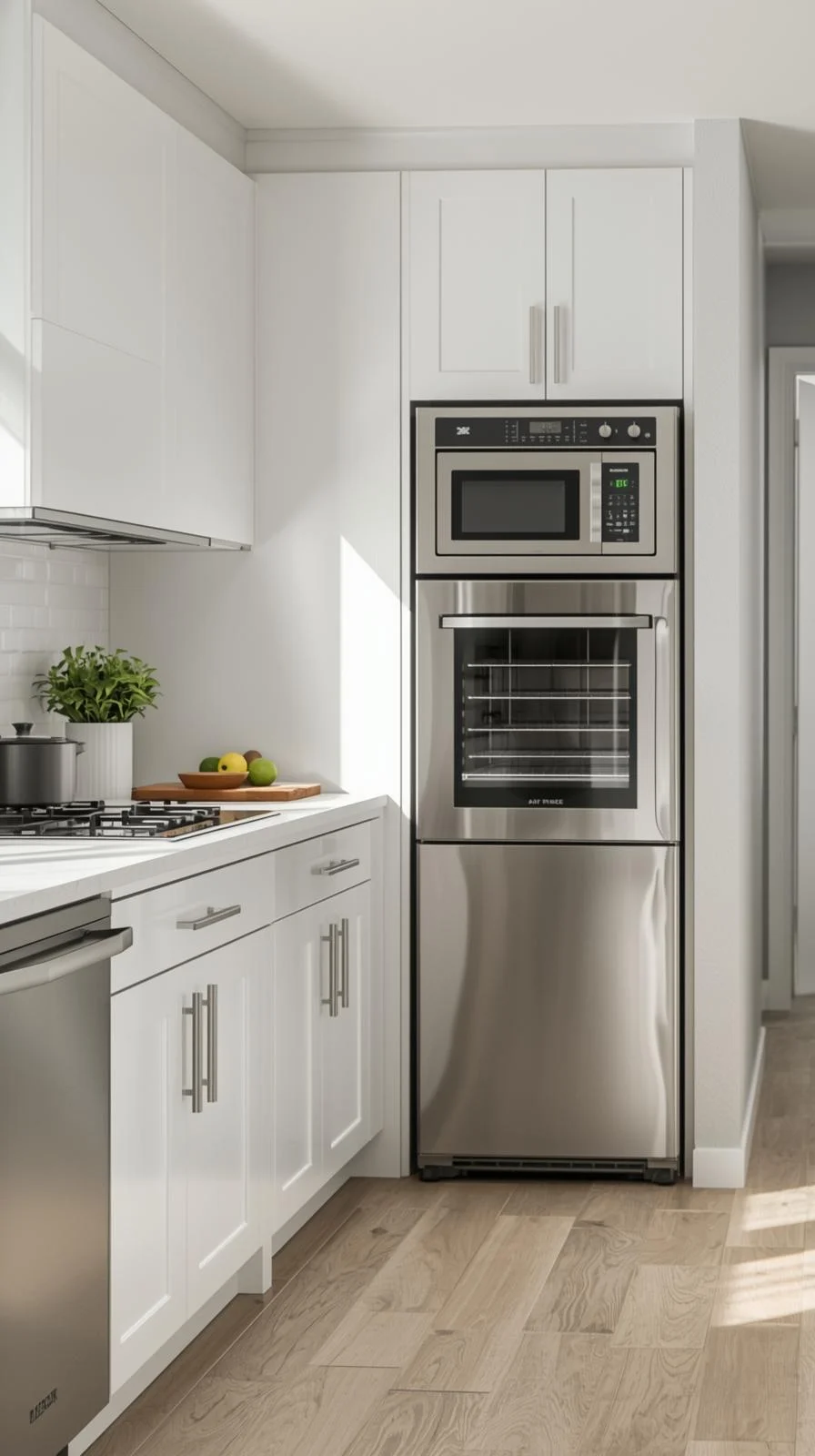
Appliances take up a large amount of space in any kitchen. In small kitchens, oversized appliances can dominate the room. Choosing compact or multi-use appliances helps reclaim valuable storage and counter space. Smaller dishwashers, narrow refrigerators, and combination ovens offer the same function with a smaller footprint.
I encourage homeowners to think honestly about how they use their kitchen. If an appliance is rarely used, it may not deserve a permanent spot. Right-sizing appliances allows storage to take priority and keeps the kitchen from feeling crowded. The result is a space that supports daily cooking instead of working against it.
9. Open Shelving That Adds Both Access and Air
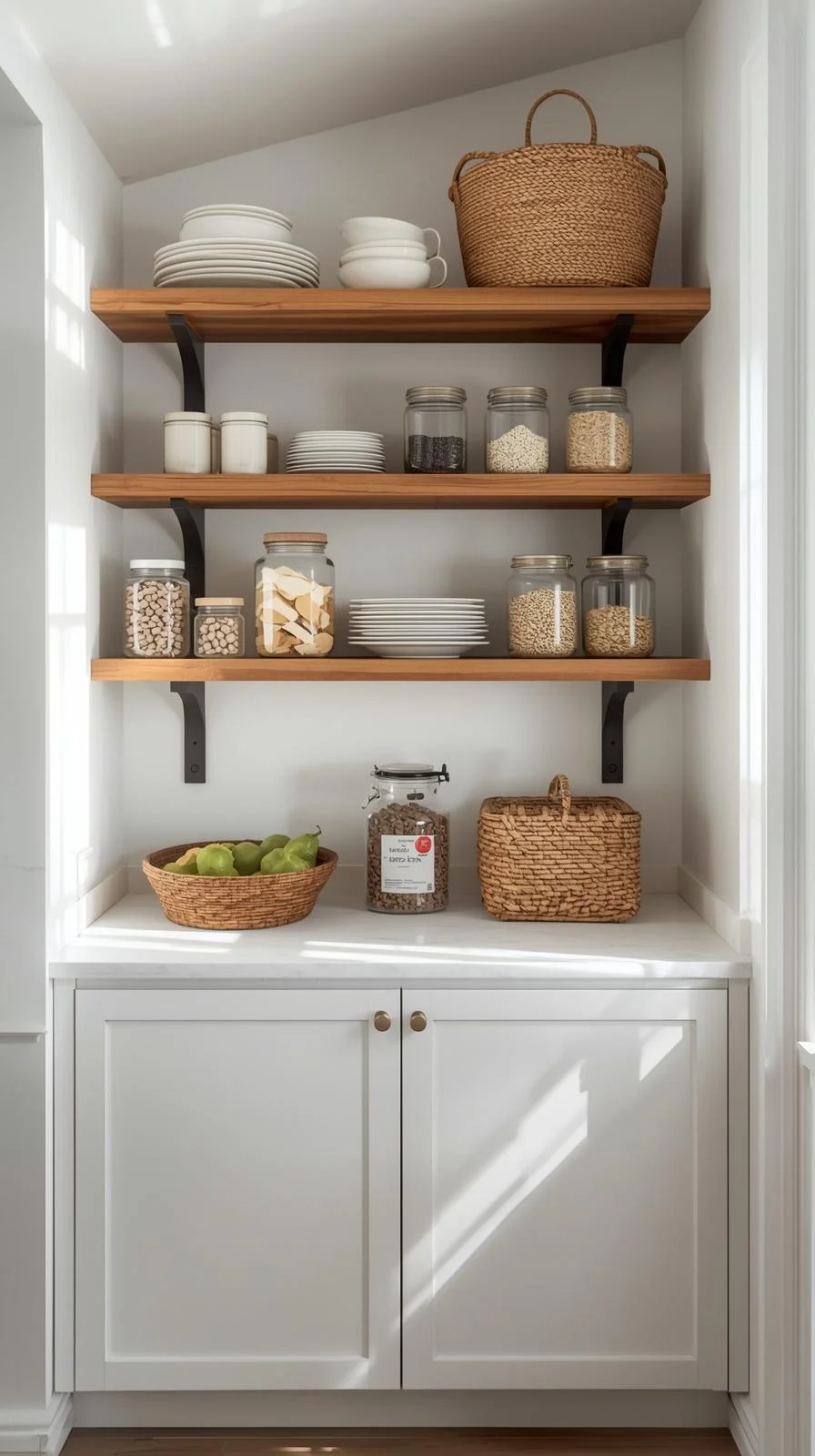
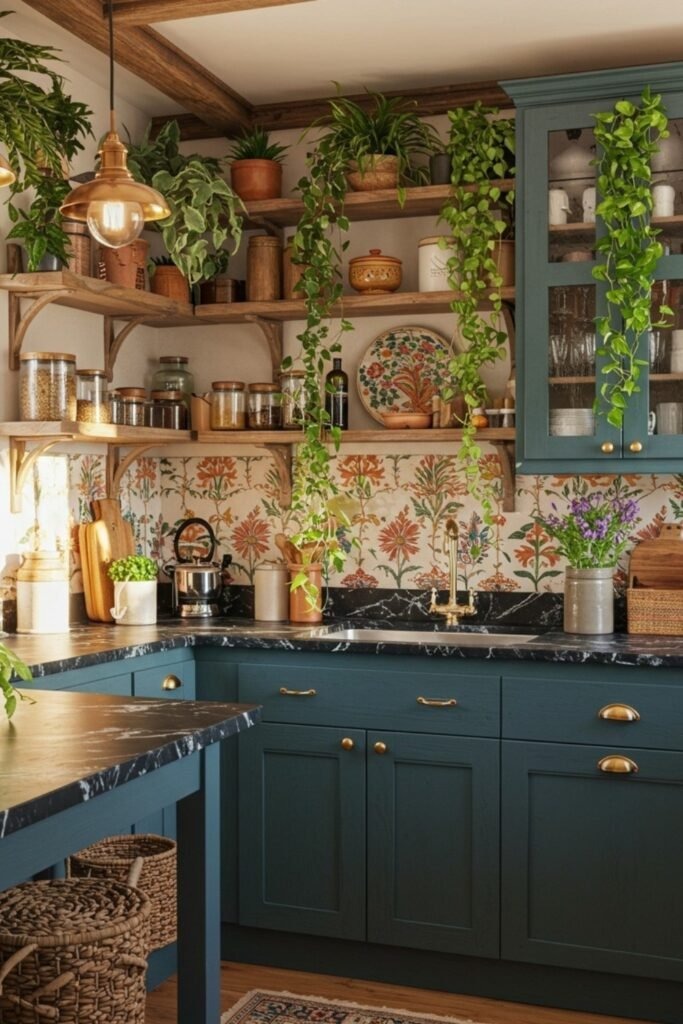
Closed cabinets can make small kitchens feel heavy and tight. Open shelving creates a sense of space while still providing storage. When used carefully, open shelves hold everyday items like dishes, jars, or baskets without overwhelming the room.
The key to open shelving is restraint. Store only what you use often and keep items grouped in a simple way. This encourages regular tidying and prevents clutter from building up. Over time, open shelving can make a small kitchen feel lighter and more inviting while still serving a practical purpose.
10. Mobile Carts That Move with Your Needs
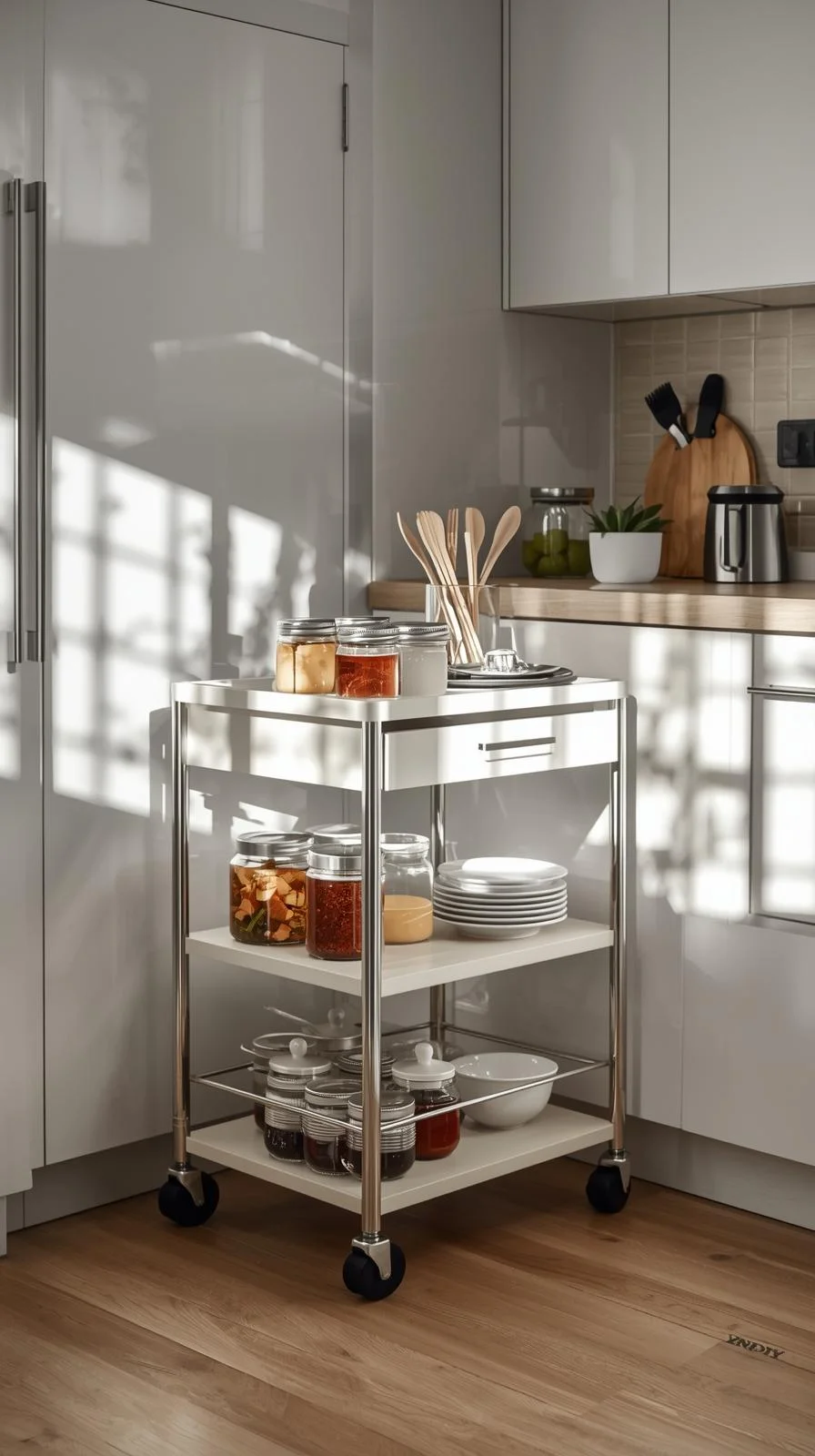
A mobile cart is one of the most flexible storage tools in a small kitchen. It can act as extra counter space, a pantry extension, or a storage unit that moves where it is needed. When not in use, it can be tucked away to keep pathways clear.
I have helped many families use carts for baking supplies, coffee stations, or everyday cooking tools. The ability to move storage instead of locking it into place gives small kitchens more freedom. For renters, this is especially helpful because it adds storage without permanent changes.
Creating a System That Lasts
Storage solutions work best when they are part of a clear system. A small kitchen stays functional when every item has a place and that place makes sense for daily use. This does not require perfection. It requires consistency. When storage supports habits, the kitchen stays organized naturally.
Final Thoughts
A small kitchen does not have to feel crowded or stressful. With the right storage approach, it can become one of the most efficient rooms in the home. By building upward, using hidden spaces, choosing flexible furniture, and being intentional about appliances, small kitchens can work beautifully. These strategies have been tested in real homes over decades, and they continue to deliver results. When storage is done right, the kitchen stops feeling like a problem and starts feeling like a space that truly supports everyday life.