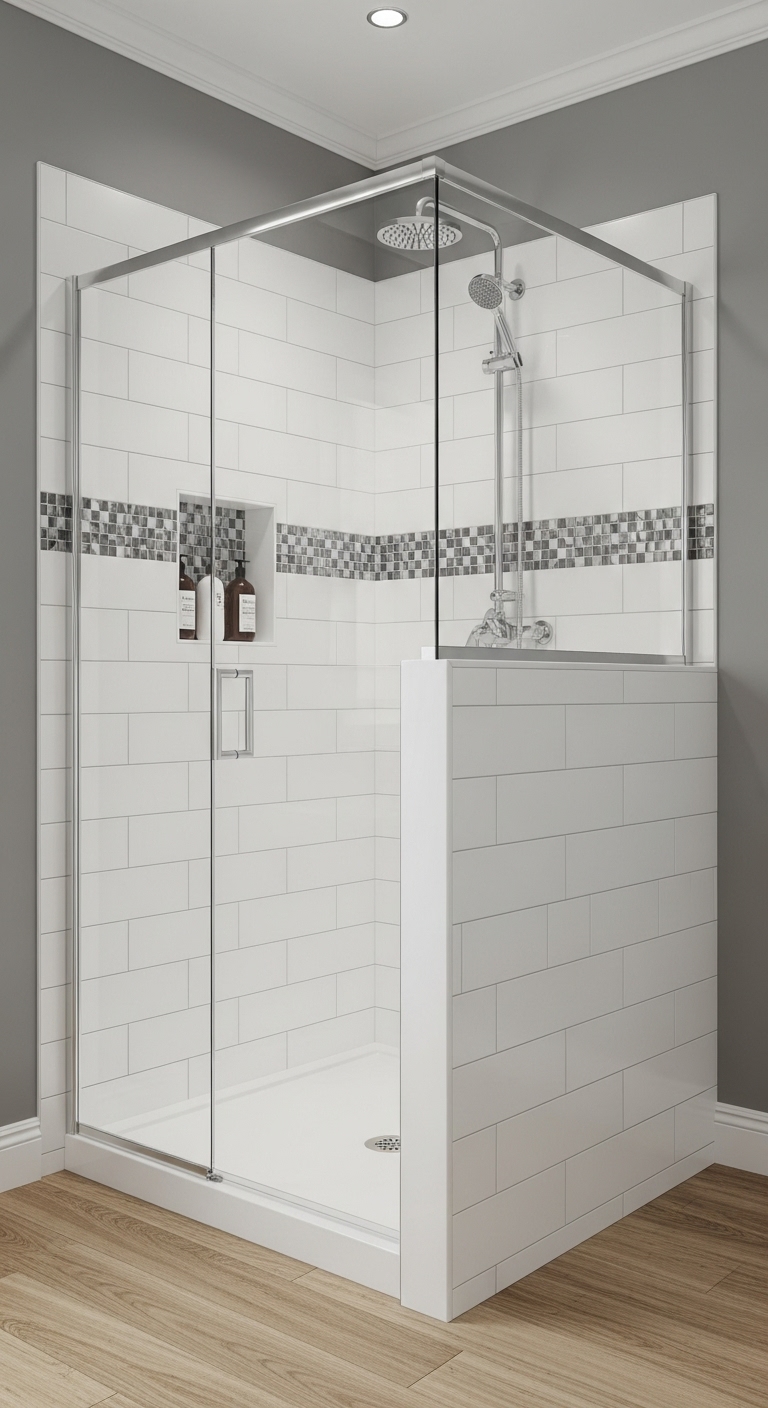
22 Small Full Bathroom Ideas for 2026

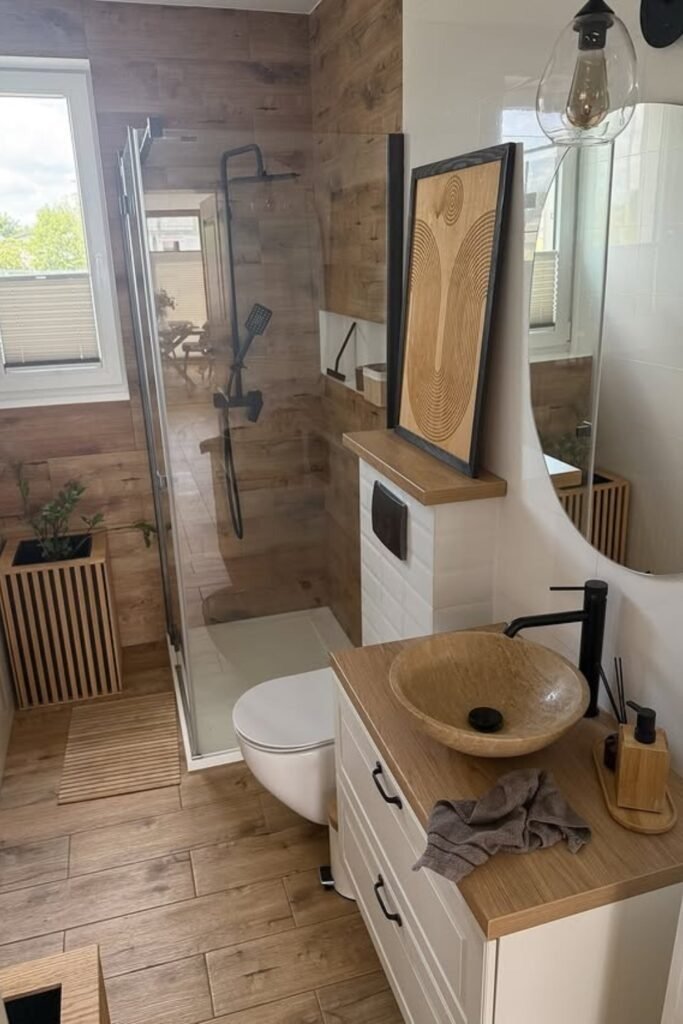
Designing a small full bathroom is one of those challenges that looks simple on paper but feels hard in real life. After more than twenty years of planning, renovating, and fixing real homes, I can say this with confidence: small bathrooms fail when design choices fight the space instead of working with it. A full bathroom does not need to feel tight, crowded, or stressful. With the right layout, light, and materials, even the smallest room can feel calm, clean, and easy to use.
In 2026, small full bathrooms are moving away from trendy tricks and toward smart, lasting design. Homeowners want rooms that feel open, stay easy to clean, and still look good years from now. This guide breaks down exactly how to do that. Every idea here is based on real-world use, not showroom setups, and every section goes deeper than surface advice.
1+ What Is The Smallest Size For Full Bathroom?
A small full bathroom usually starts at about thirty-six to forty square feet. This size allows space for a toilet, sink, and either a tub or a shower while still meeting basic comfort and code needs. Anything smaller often feels cramped unless the layout is planned with care and every inch is used wisely.
In real homes, many small full bathrooms fall in the five-by-eight-foot range. This classic size works because fixtures line up along one wall, which keeps plumbing simple and walking space clear. When designers try to squeeze a full bath into less space, the problem is rarely size alone. The real issue is poor layout, bulky fixtures, and wasted wall space.
Ceiling height also matters more than people think. A low ceiling can make a small bathroom feel tight even if the floor plan works. Taller ceilings, lighter colors, and clean lines help a small full bathroom feel more open without adding a single inch of floor space.
2+ How To Design A Very Small Bathroom?
Designing a very small bathroom starts with honest choices. You must decide what matters most for daily use and remove anything that does not serve that goal. The best small bathrooms feel calm because they avoid visual noise. They also feel practical because storage, lighting, and layout work together.
The following design ideas focus on real solutions that stand up to daily life. These are not trends meant to look good for photos. They are proven approaches that help small full bathrooms feel larger, brighter, and easier to live with.
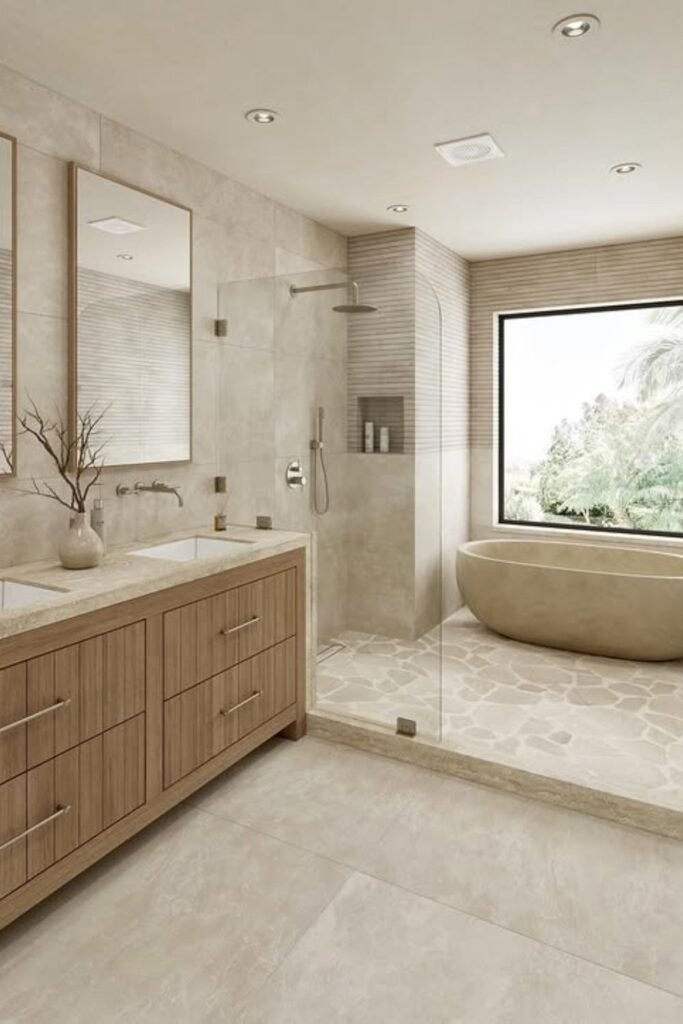
Warm Wood Layers
Warm wood tones bring balance to a small bathroom without making it feel heavy. Light wood vanities, trim, or shelves soften hard surfaces like tile and glass. Wood also adds depth, which helps the room feel less flat and more welcoming.
In small spaces, wood works best when it stays simple. Flat panels, clean edges, and sealed finishes hold up well against moisture. When paired with light walls and soft lighting, wood layers make a small full bathroom feel calm instead of cold.
Compact Corner Design
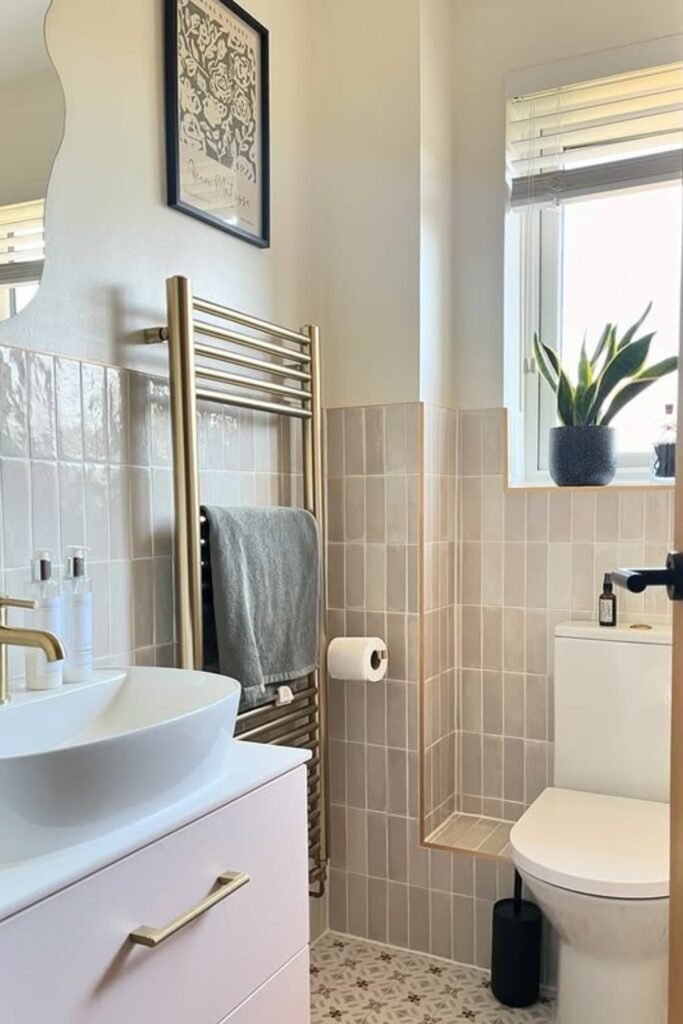
Using corners wisely is one of the oldest tricks in smart bathroom design. A corner sink or corner shower opens up floor space and improves movement. This matters most in bathrooms where doors swing inward and limit walking room.
Corner layouts work best when fixtures are scaled down but not undersized. The goal is comfort without bulk. When corners are used correctly, the bathroom feels balanced instead of squeezed.
Sloped Ceiling Shower
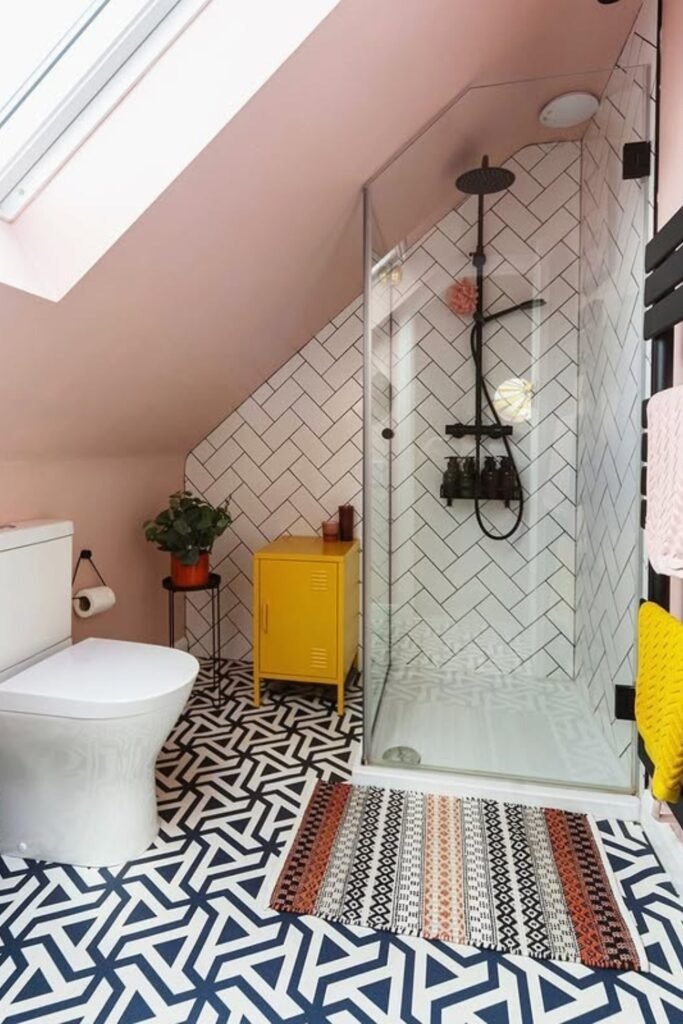
Bathrooms tucked under roofs often come with sloped ceilings. Instead of fighting this shape, good design uses it to define the shower area. Placing the shower under the slope keeps taller areas free for movement.
Clear glass and light tile help prevent the space from feeling closed in. When done right, a sloped ceiling shower feels intentional and adds character rather than limiting use.
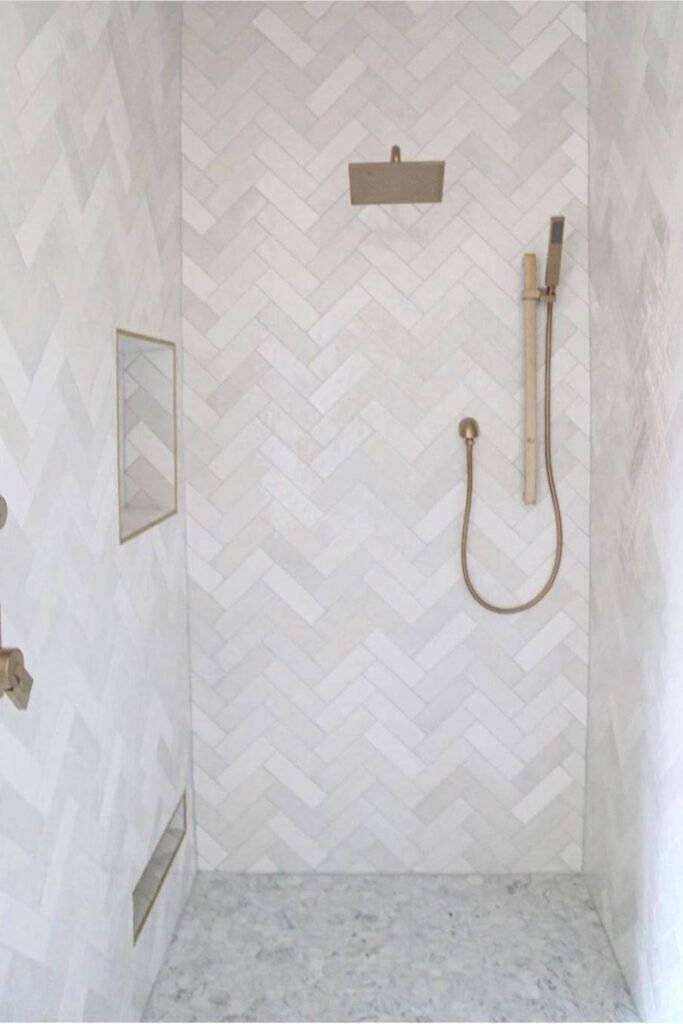
Soft Gold Accents
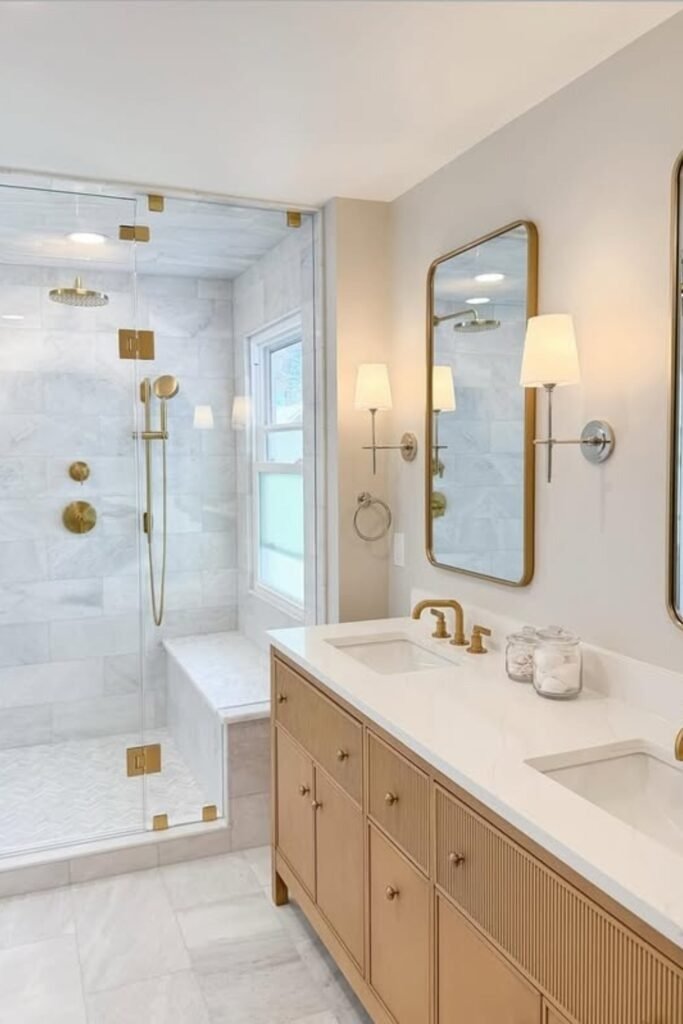
Soft gold finishes add warmth without overpowering a small bathroom. These tones reflect light gently and work well with white, cream, and light gray surfaces. Unlike shiny chrome, soft gold feels calm and less harsh.
In small bathrooms, accents should stay consistent. Matching faucet, hardware, and lighting finishes keeps the room from feeling busy and helps the design feel complete.
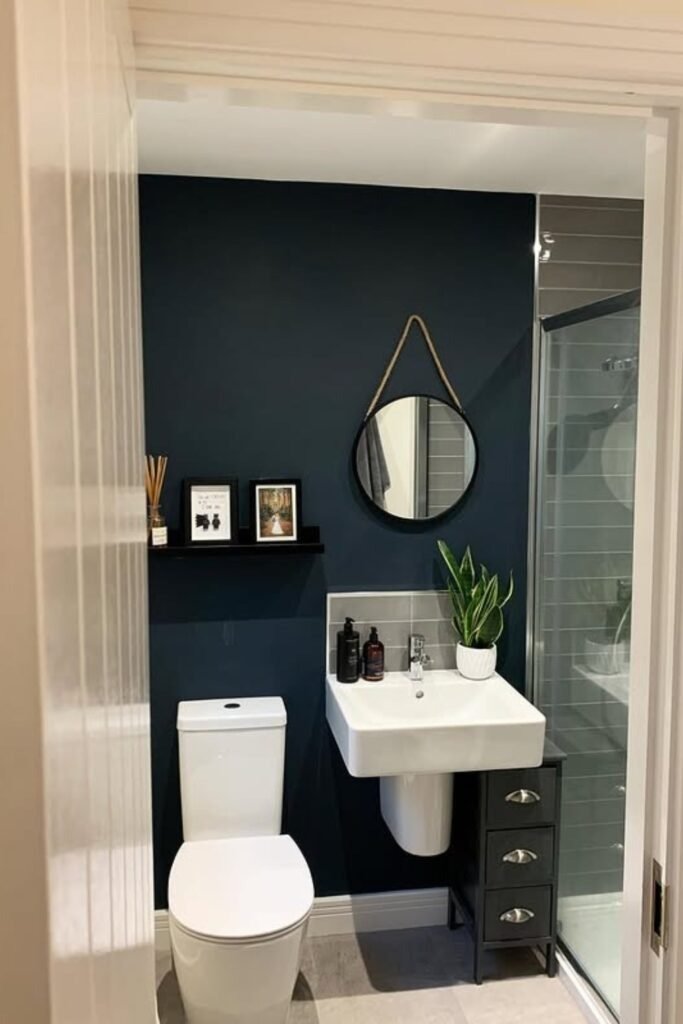
Dark Tile Contrast
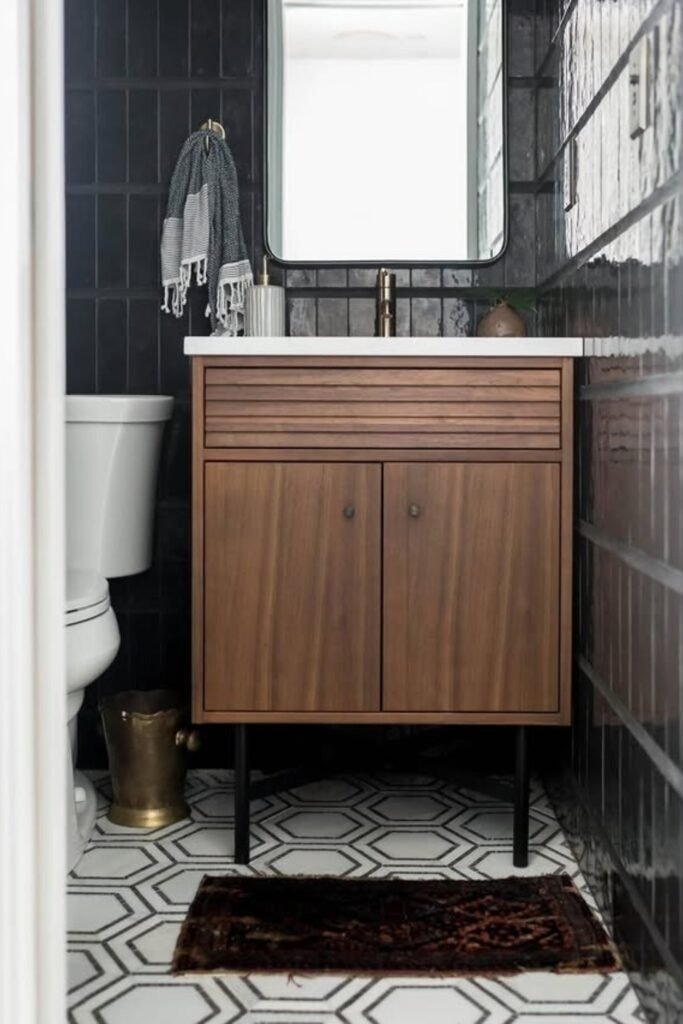
Dark tile can work in small full bathrooms when used with purpose. Dark floors or shower walls create contrast that defines space. This approach works best when balanced with light walls and good lighting.
Contrast helps the eye read the room clearly. Instead of shrinking the space, it adds structure and depth, which can actually make the bathroom feel more grounded.
Tub-and-Shower Combo
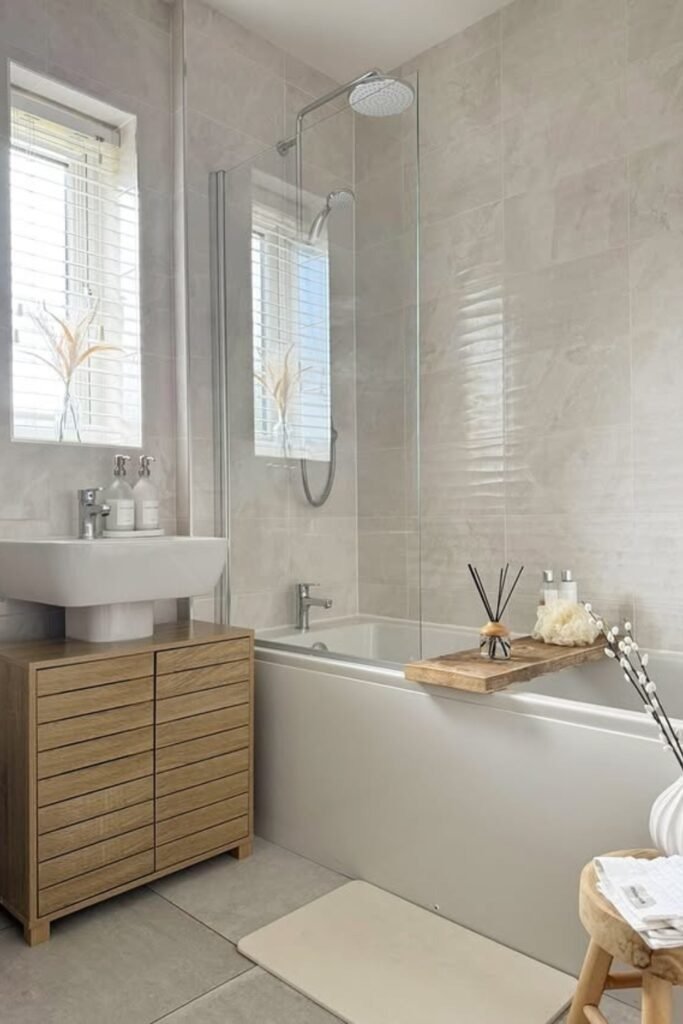
A tub-and-shower combo remains one of the most practical solutions for small full bathrooms. It saves space while meeting the needs of families and future buyers. The key is choosing a simple tub with clean lines.
Wall-mounted fixtures and built-in niches keep the area neat. When the combo is designed well, it feels intentional rather than like a compromise.
Bold Blue Accents
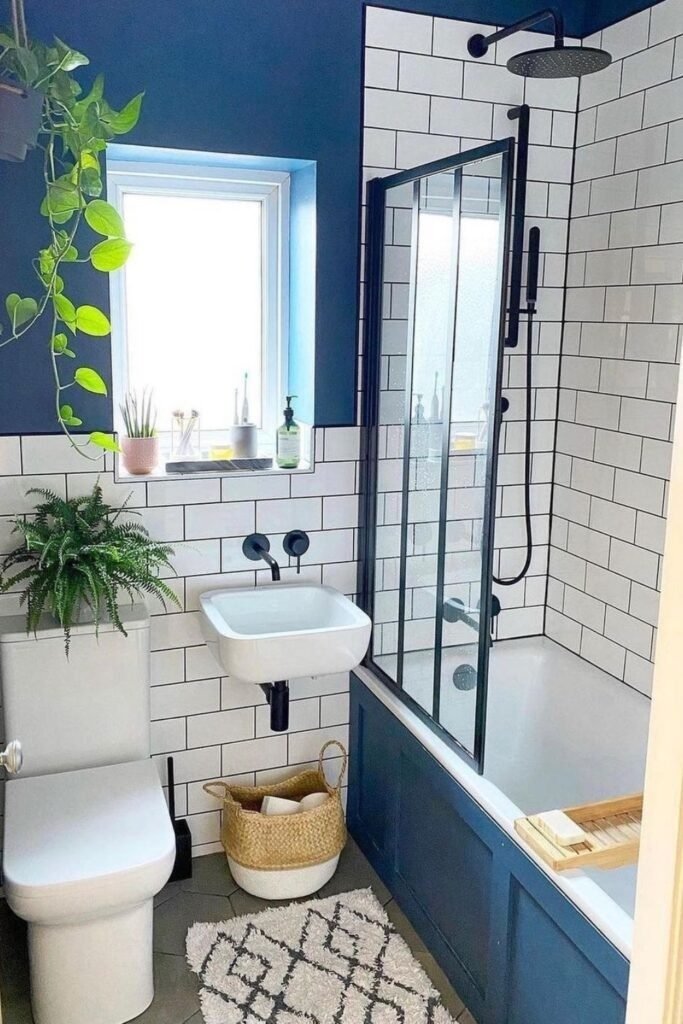
Blue works well in small bathrooms because it feels clean and calm. A bold blue vanity, tile strip, or wall adds interest without overwhelming the space. Blue also pairs well with white and light wood.
The secret is control. One strong blue feature is enough. Too many bold elements can make a small room feel busy.
Minimal Warm Neutrals
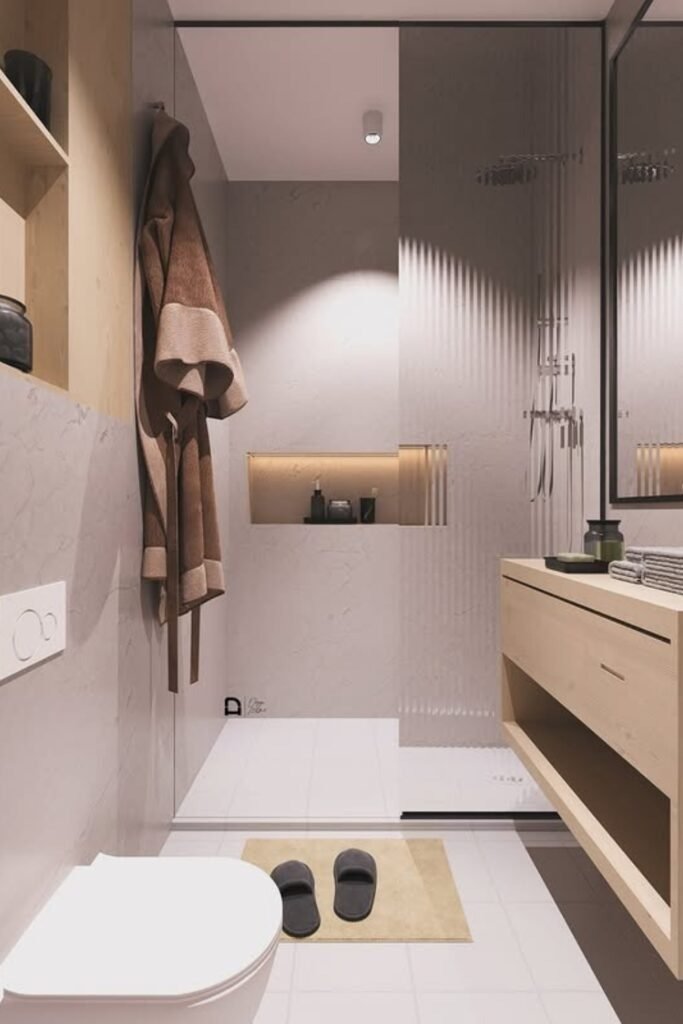
Warm neutrals like beige, cream, and soft taupe create a steady base for small bathrooms. These colors reflect light better than dark tones and feel softer than bright white.
Keeping finishes matte helps avoid glare. When everything works in the same tone range, the bathroom feels larger and more peaceful.
Wall Towel Storage
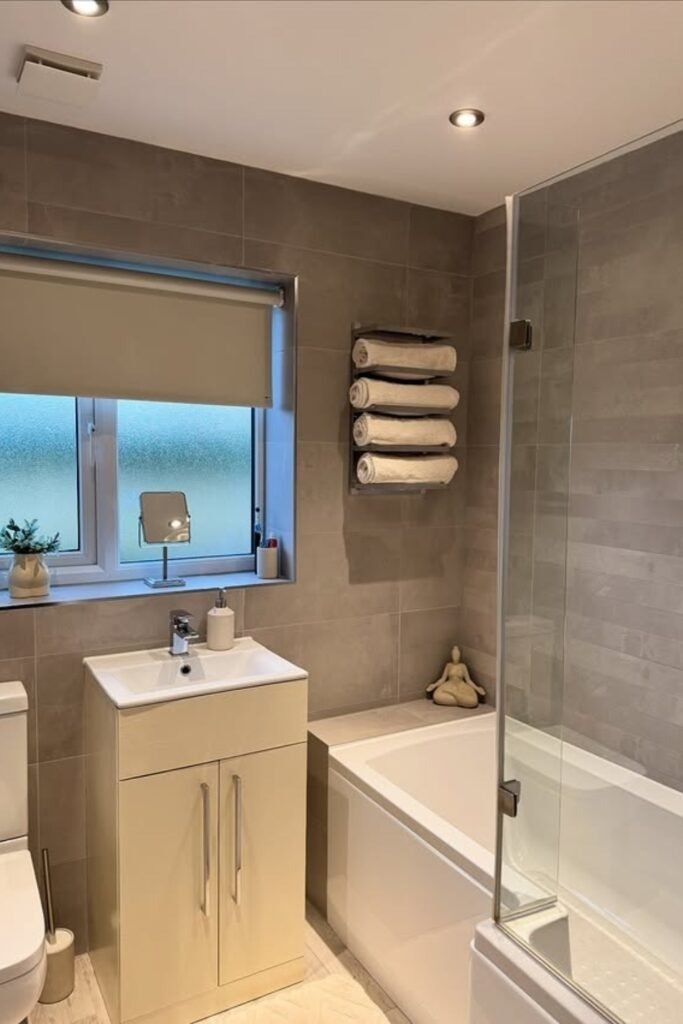
Wall-mounted towel bars and hooks free up floor space and keep towels dry. In small bathrooms, vertical storage matters more than people expect.
Placing towels near the shower or tub improves daily use. When storage is easy to reach, the room feels more functional and less cluttered.
Wood Accents
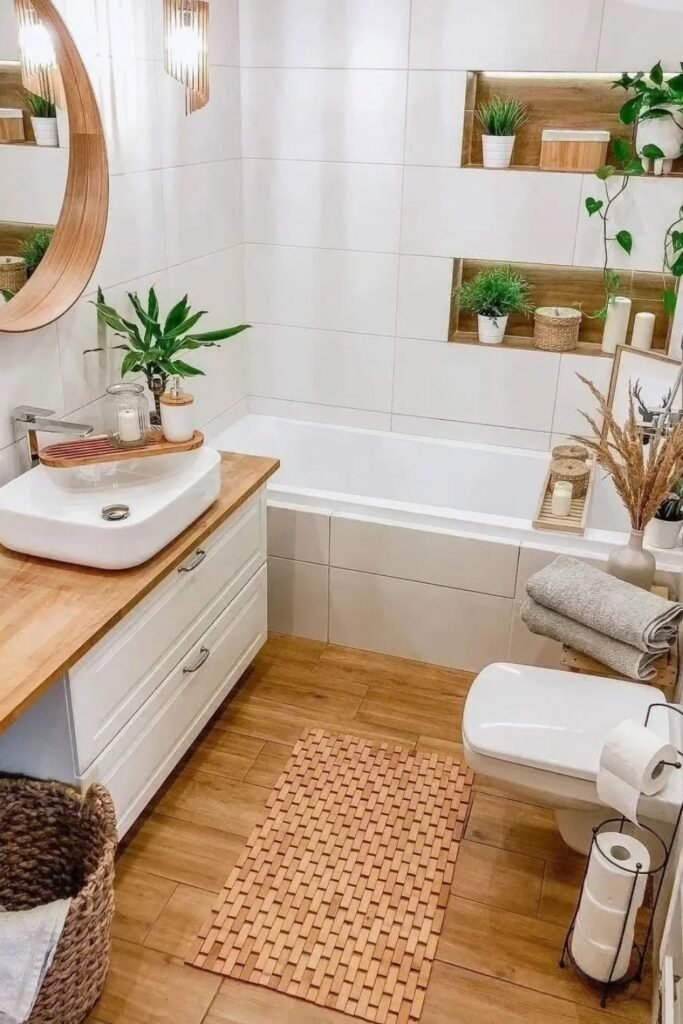
Small wood accents, like mirror frames or shelf edges, add warmth without taking over the space. These details work best when repeated once or twice for balance.
Wood accents also help soften modern designs. They keep the bathroom from feeling too sharp or cold.
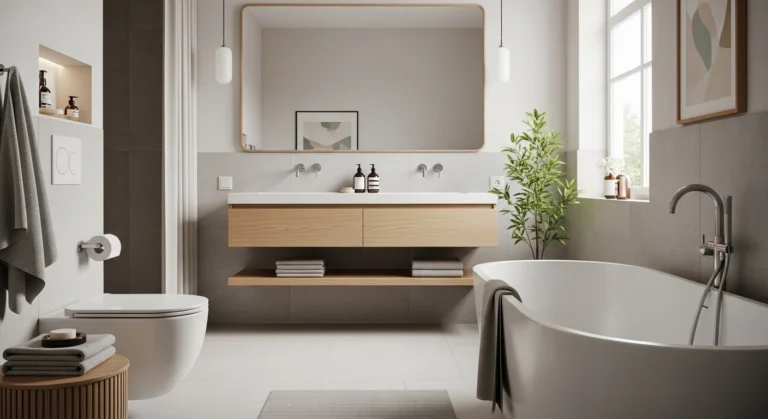
Light Oak Vanity
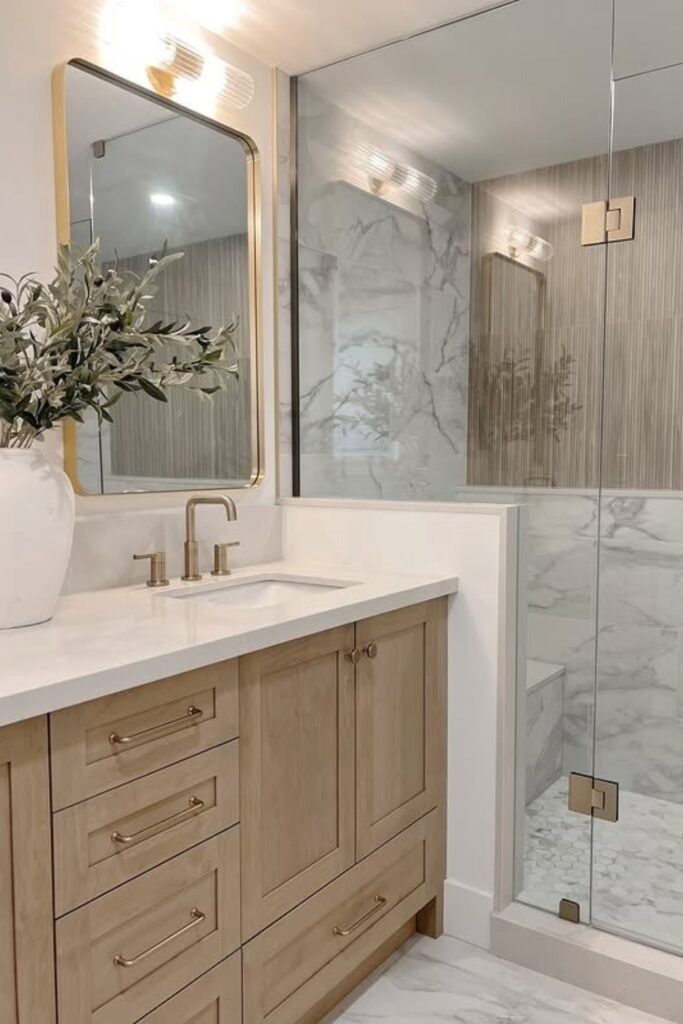
A light oak vanity is a strong choice for small full bathrooms in 2026. It brings warmth while keeping the room bright. Oak grain adds texture without feeling busy.
Floating versions improve floor visibility, which helps the room feel larger. Paired with simple hardware, this vanity style stays timeless.
Streamlined Glass Shower
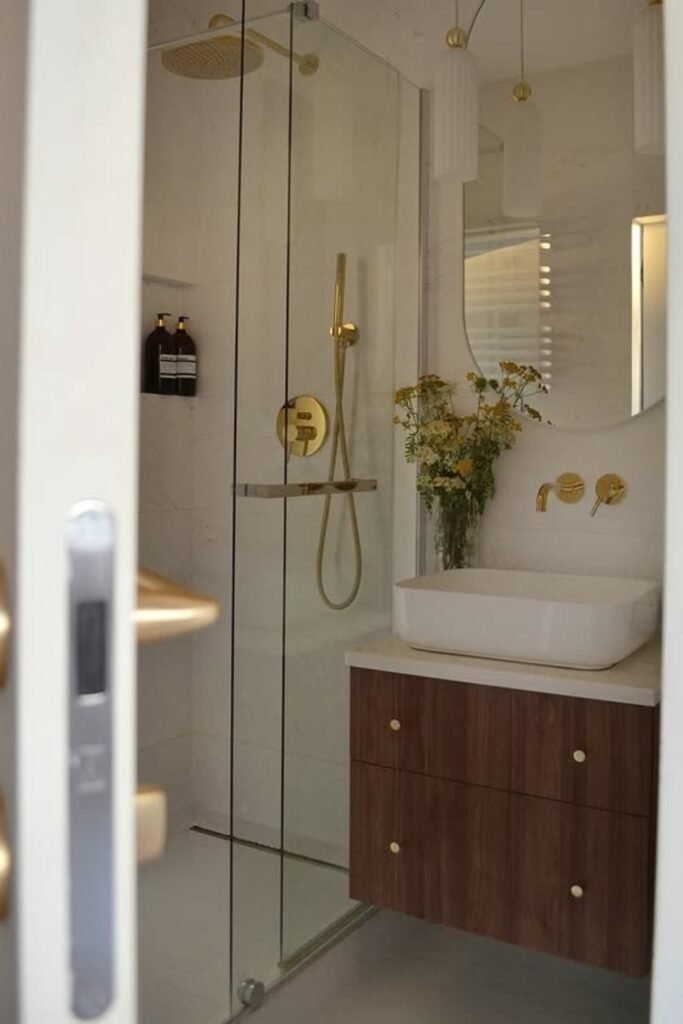
A clear glass shower enclosure opens the room visually. It removes hard lines that break up space and allows light to travel freely.
Frameless or thin-frame glass works best. The goal is to make the shower feel like part of the room, not a separate box.
Layered Lighting
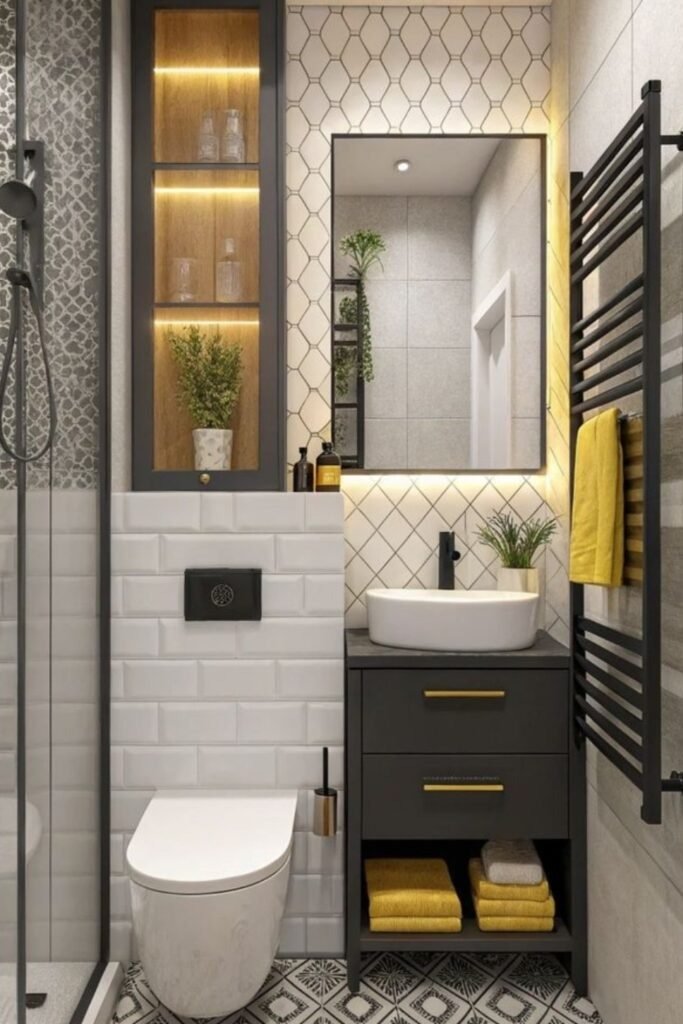
Lighting is one of the most overlooked parts of small bathroom design. A single ceiling light rarely works well. Layered lighting includes overhead light, mirror lighting, and soft accent light.
This approach removes shadows and improves daily tasks. Good lighting also makes the room feel larger and more comfortable.
Black Grid Shower
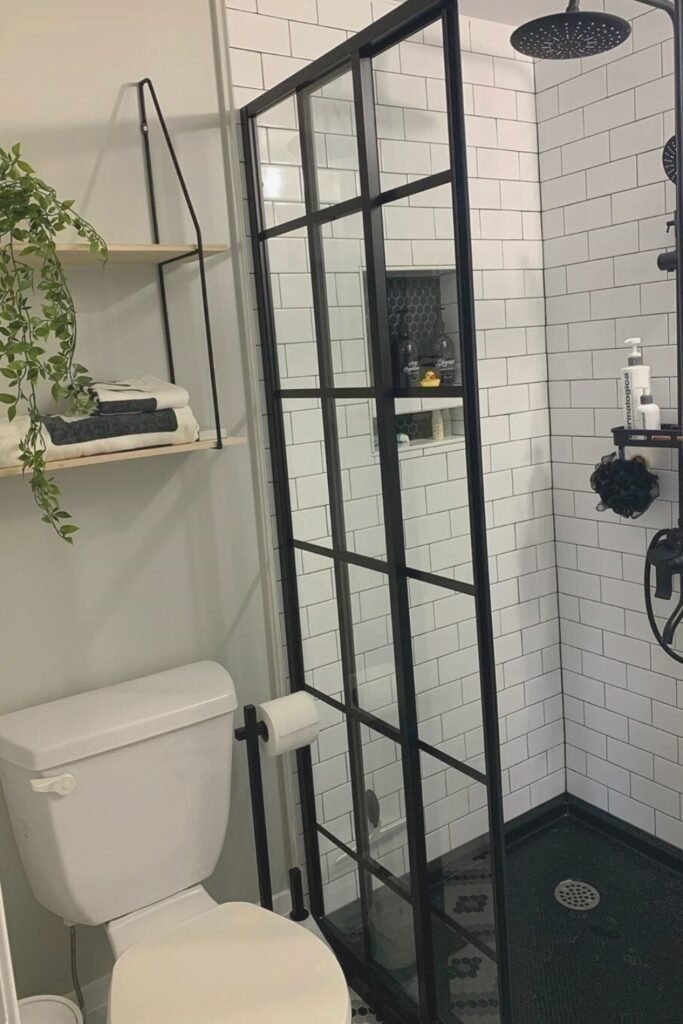
Black grid shower frames add structure and contrast. In small bathrooms, they work best when paired with light tile and simple walls.
The grid adds interest without clutter. It also helps define the shower area in open layouts.
Warm Neutral Layers
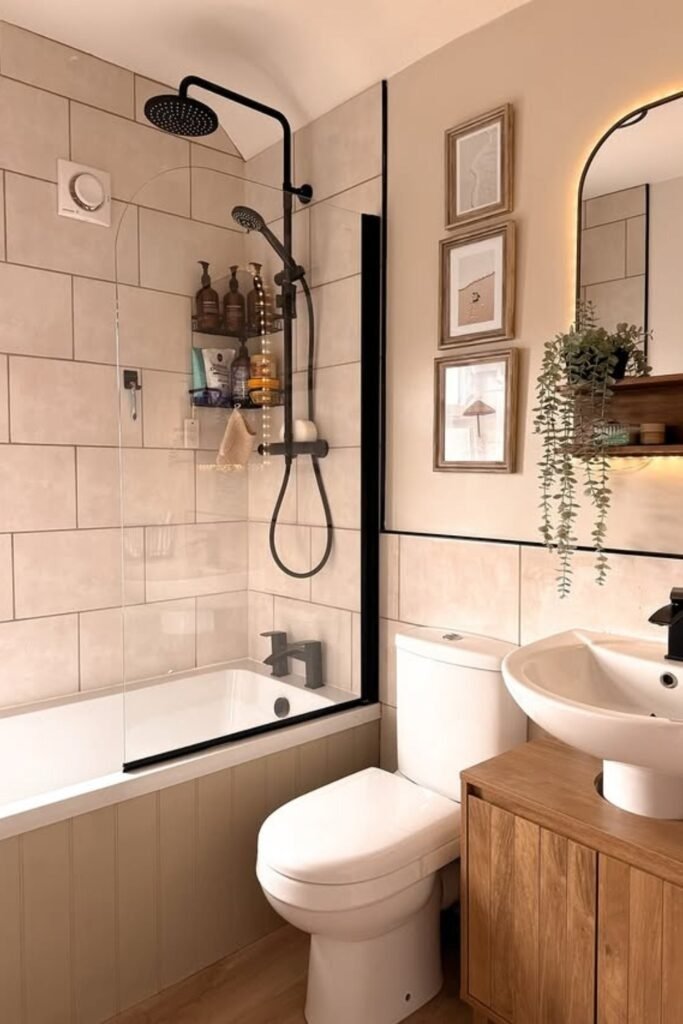
Layering warm neutrals through tile, paint, and textiles creates depth. Slight tone changes keep the room from feeling flat.
This method works well in bathrooms with limited natural light. It adds comfort without darkening the space.
Subtle Luxe
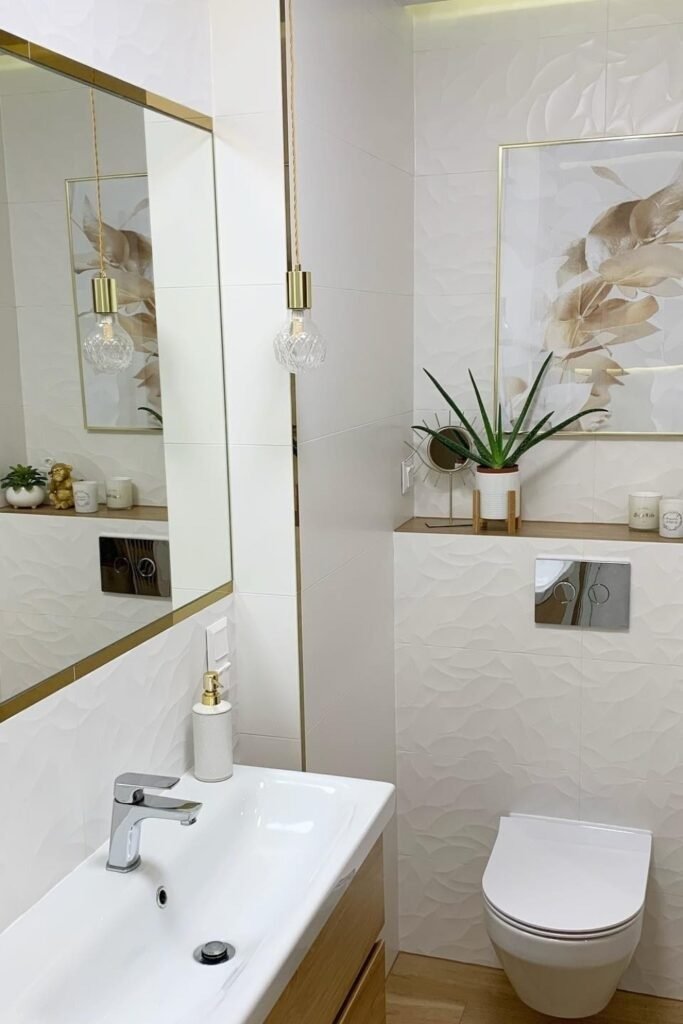
Luxury in a small bathroom comes from details, not size. Soft-close drawers, solid fixtures, and smooth finishes elevate the room.
Keeping the design simple lets these details stand out. Subtle luxury feels calm and lasts longer than bold trends.
Minimal Pedestal Sink
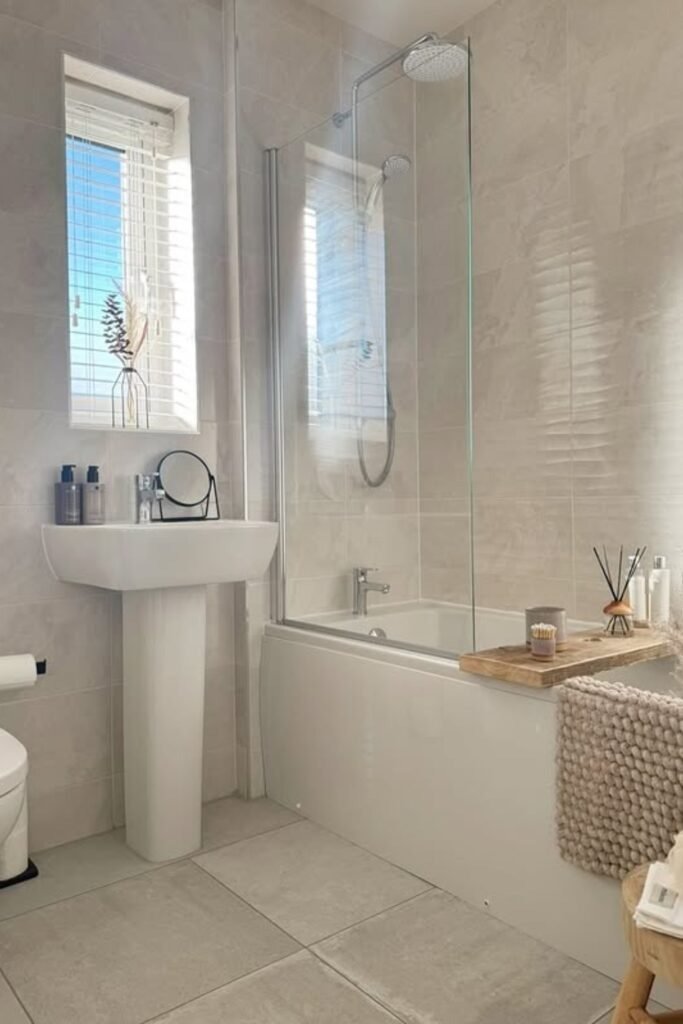
A pedestal sink works well when storage needs are low. It opens floor space and keeps the room feeling airy.
This option suits guest bathrooms or secondary spaces. Pairing it with wall storage helps balance function.
Classic Tub Setup
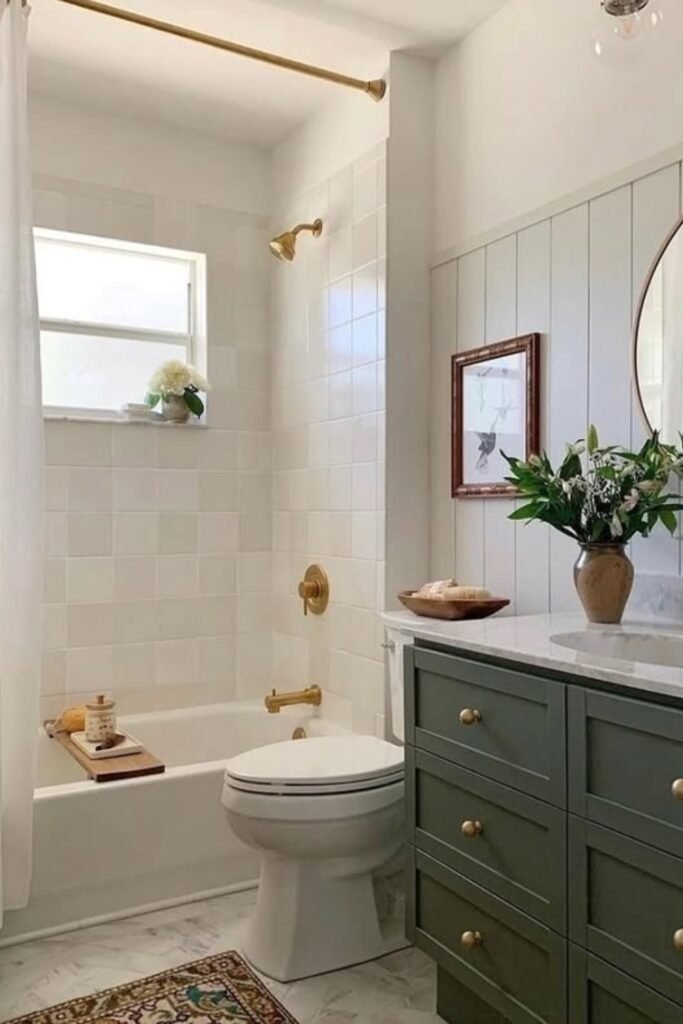
A classic tub with clean lines fits many small bathrooms. This setup works well in traditional homes and adds resale value.
Neutral tile and simple fixtures keep the look timeless and easy to maintain.
Blush Pink Tile
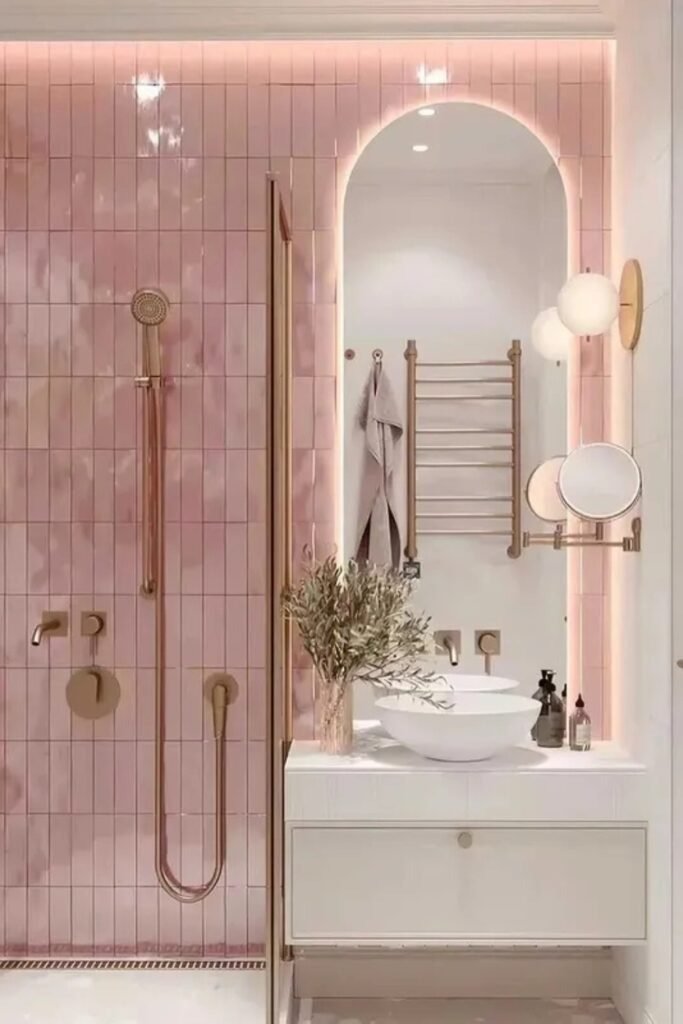
Blush pink tile adds warmth without feeling loud. In small bathrooms, it works best as a wall feature or shower accent.
When paired with neutral floors and simple fixtures, blush tones feel soft and modern.
Light Neutrals
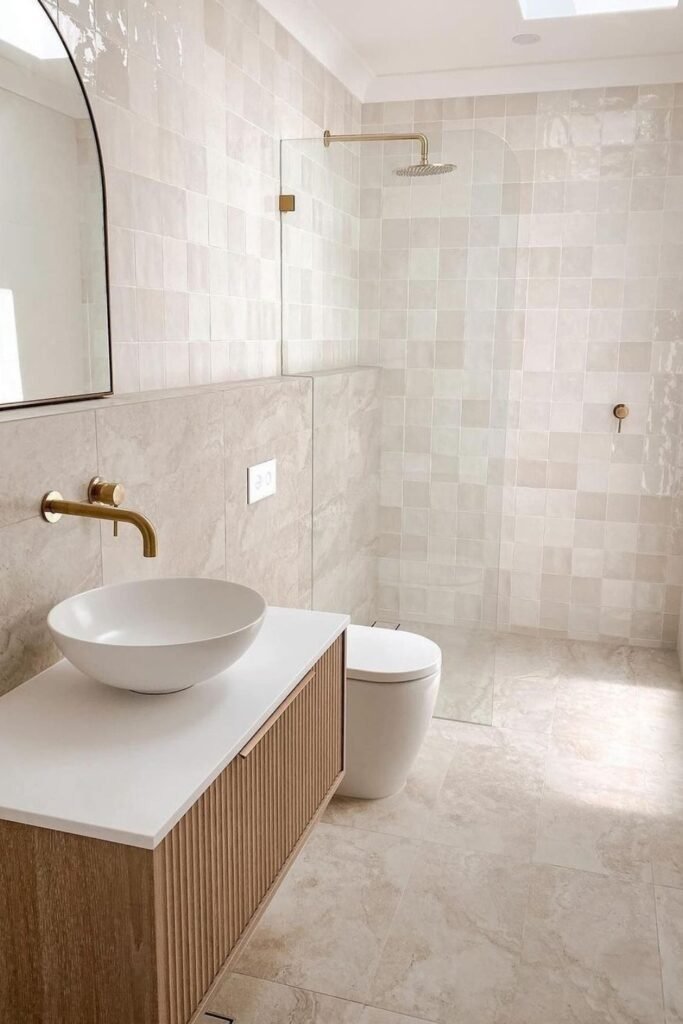
Light neutral colors remain a top choice for small full bathrooms. They reflect light and make walls feel farther apart.
Consistency matters. Using the same tone on walls and trim helps blur edges and expand the feel of the room.
Modern Black Frame
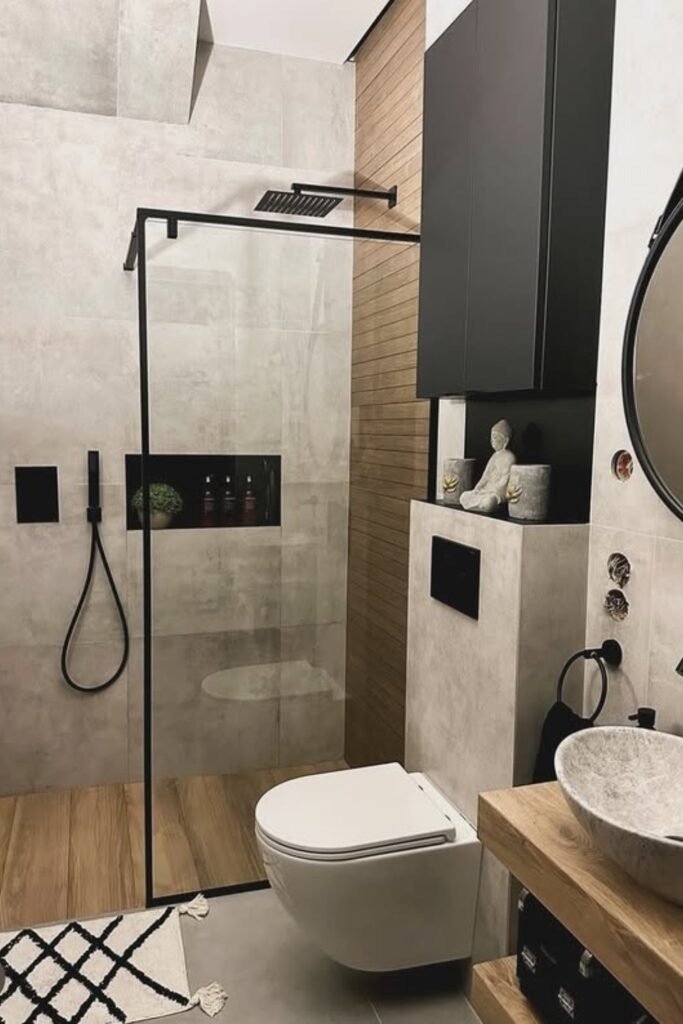
Black-framed mirrors or shower panels add contrast and structure. In small spaces, these elements work best when used once or twice.
Too much black can overpower the room. Balance keeps the look clean and modern.
Clean Minimalism
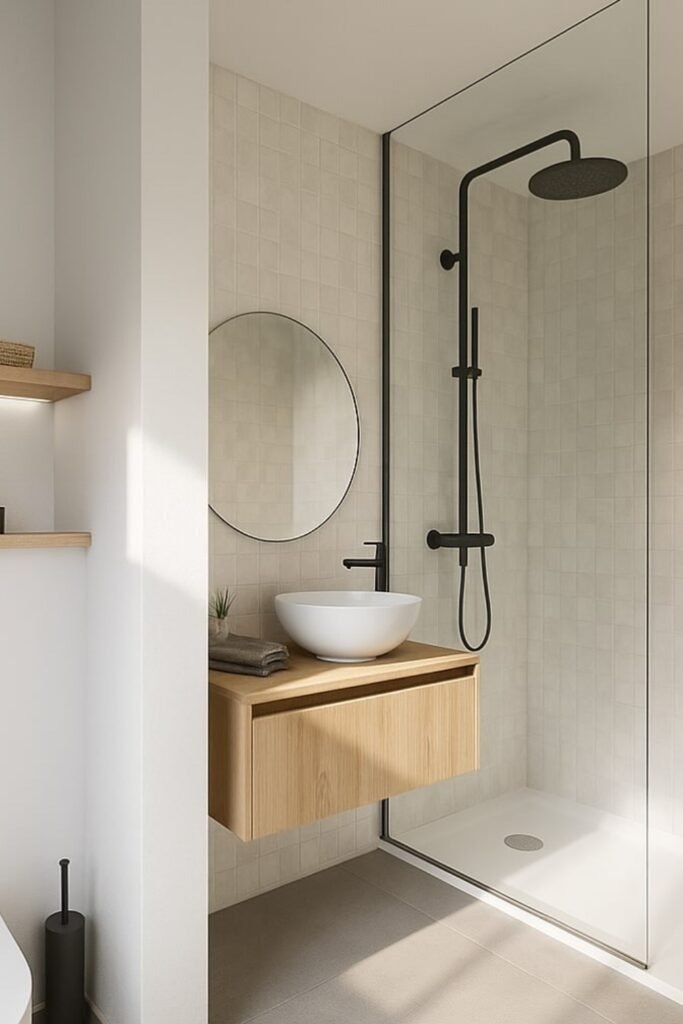
Clean minimalism focuses on what you actually use. Fewer items on display means less visual stress.
Built-in storage, flat surfaces, and simple colors create a bathroom that feels easy to maintain and pleasant to use.
3+ FAQs
What is the ideal layout for a small full bathroom?
The ideal layout keeps all major fixtures aligned and allows clear walking space. Placing the sink closest to the door, followed by the toilet, and ending with the shower or tub usually works best. This layout feels natural and avoids crowding.
How do you make a small bathroom look bigger?
A small bathroom looks bigger when light can move freely. Clear glass, light colors, and good lighting help most. Reducing clutter, using wall storage, and keeping finishes consistent also make a big difference.