Give Your Home a Subtle Modern Coastal Makeover With These 15+ Decor Ideas

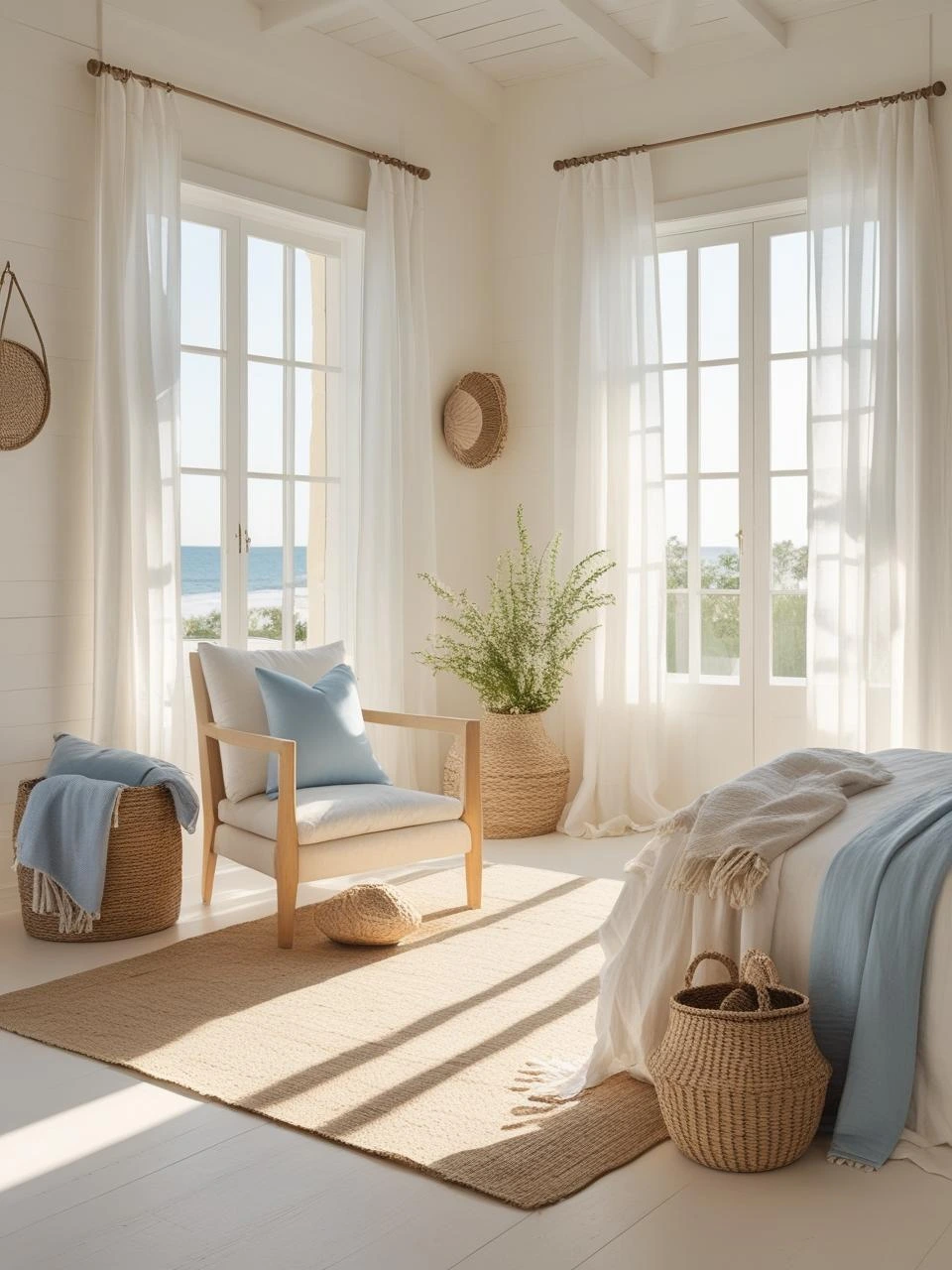
You don’t need seashells on every shelf or blue walls in every room to bring a coastal vibe into your home. A subtle modern coastal style is calm, clean, and effortless to live with. It captures the peaceful feeling of the beach without being loud or overbearing. With the right touches, you can enjoy the sense of a gentle ocean breeze even far from the shore. Here are over 15 simple, thoughtful ideas that create a fresh, airy coastal mood throughout your home—always natural, never forced.
1. Start With a Lighter Base
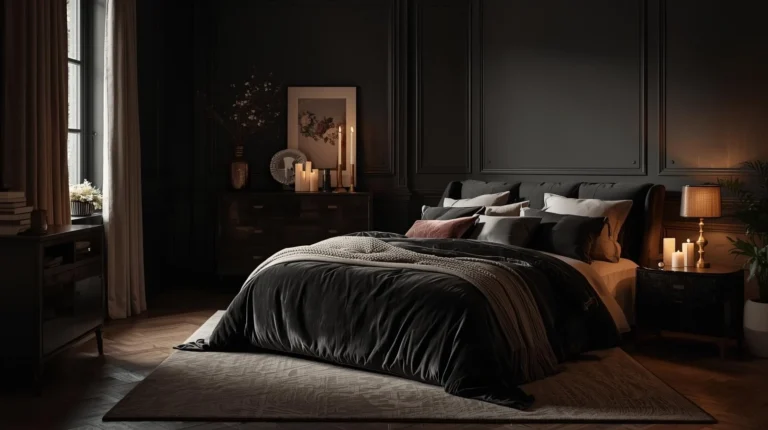
Modern coastal rooms always feel open, bright, and airy, and heavy, dark walls work against that. If your walls are dark brown, gray, or other bold colors, consider painting them soft white or pale beige. This isn’t just about color—it’s about the sense of space and light these shades create. Light walls reflect natural light, make the room feel larger, and give your eyes a calm place to rest, much like sand or seafoam. For extra warmth, choose a white with a subtle yellow or creamy undertone. This soft base becomes the quiet backdrop for everything else in the room.
2. Add a Hint of Blue the Right Way
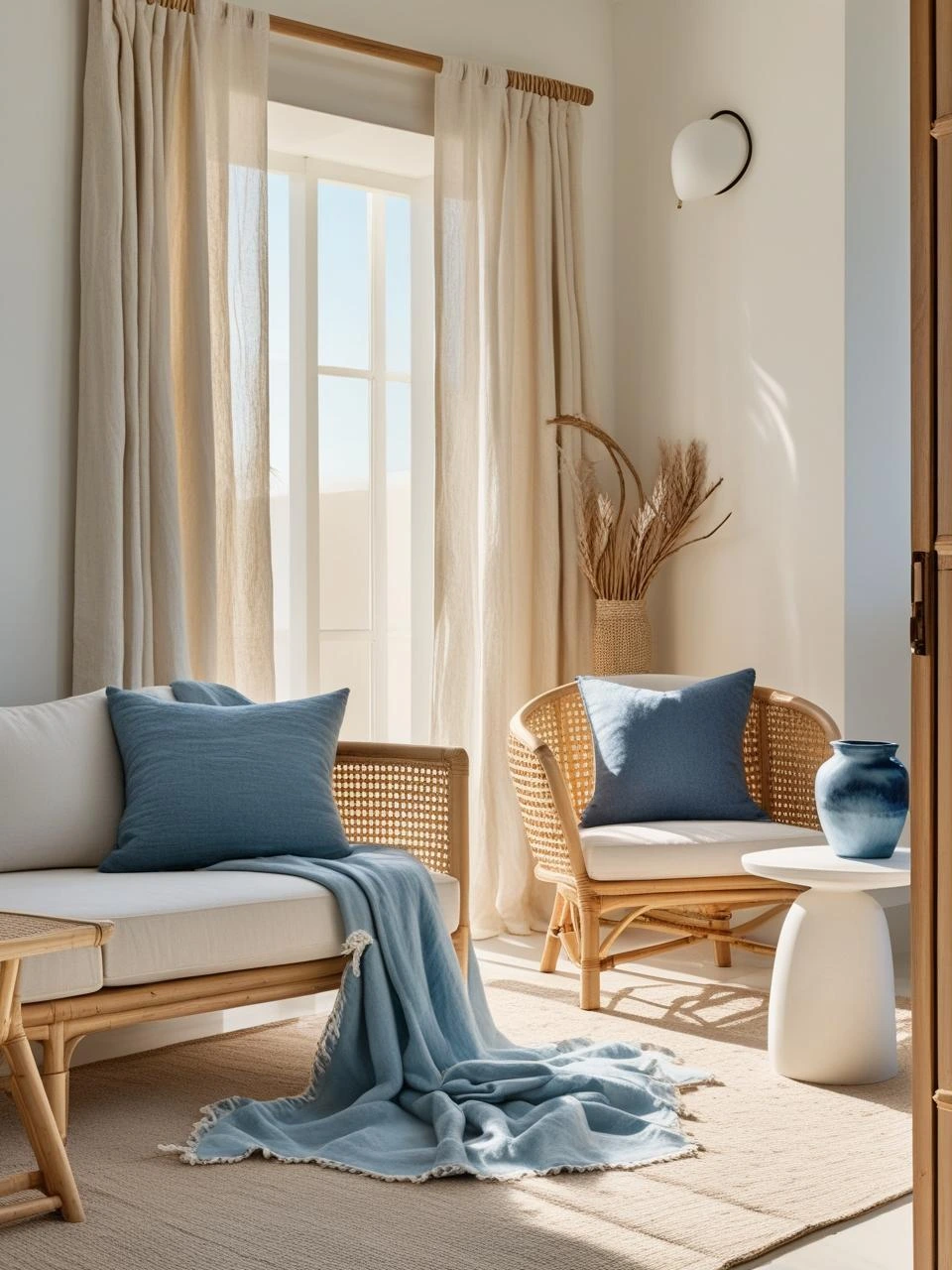
A coastal room benefits from a touch of blue, but it should feel natural, not themed. Use blue like you see it in nature—soft, subtle, and spread across the space. A linen throw, a cushion, or a piece of artwork in dusty blue, faded navy, or a hue that recalls the morning sky works beautifully. Avoid neon or busy nautical prints. This style is about feeling and memory, not decoration for show. Even a denim-blue slipcover or a deep blue vase in a corner can bring more calm and charm than any anchor-themed pillow.
3. Bring in Raw and Washed Wood Tones
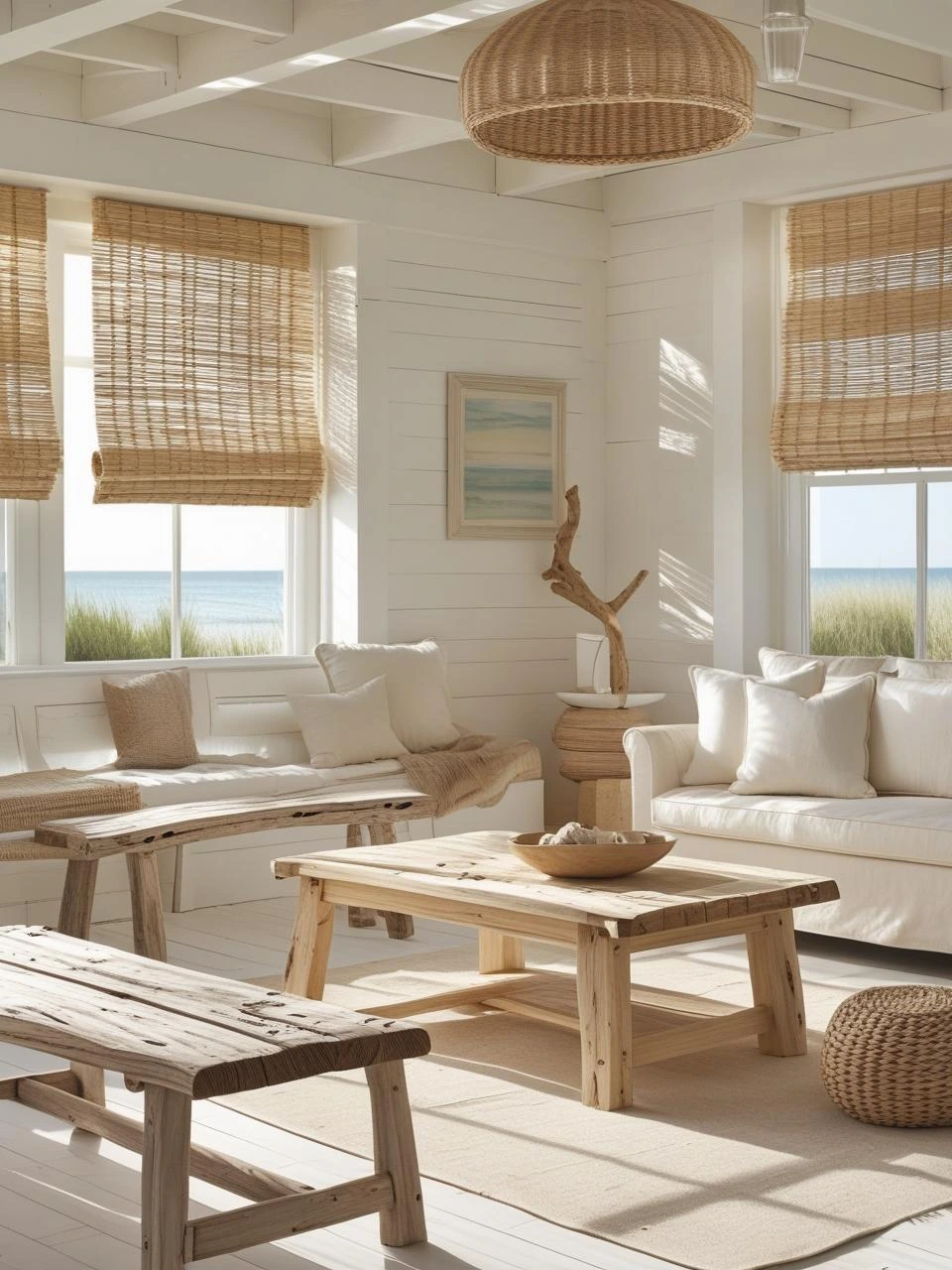
Coastal rooms shouldn’t feel overly polished or formal. Skip glossy wood or dark cherry finishes and choose pieces that look naturally softened over time, as if by sun, salt, or wind. Driftwood tones, white oak, or light gray and blonde woods work beautifully. A reclaimed bench at the end of the bed, a pine coffee table with natural knots, or bamboo blinds with a sandy finish can all bring a subtle beachy feel—without turning the room into a nautical theme.
4. Use Fabrics That Breathe
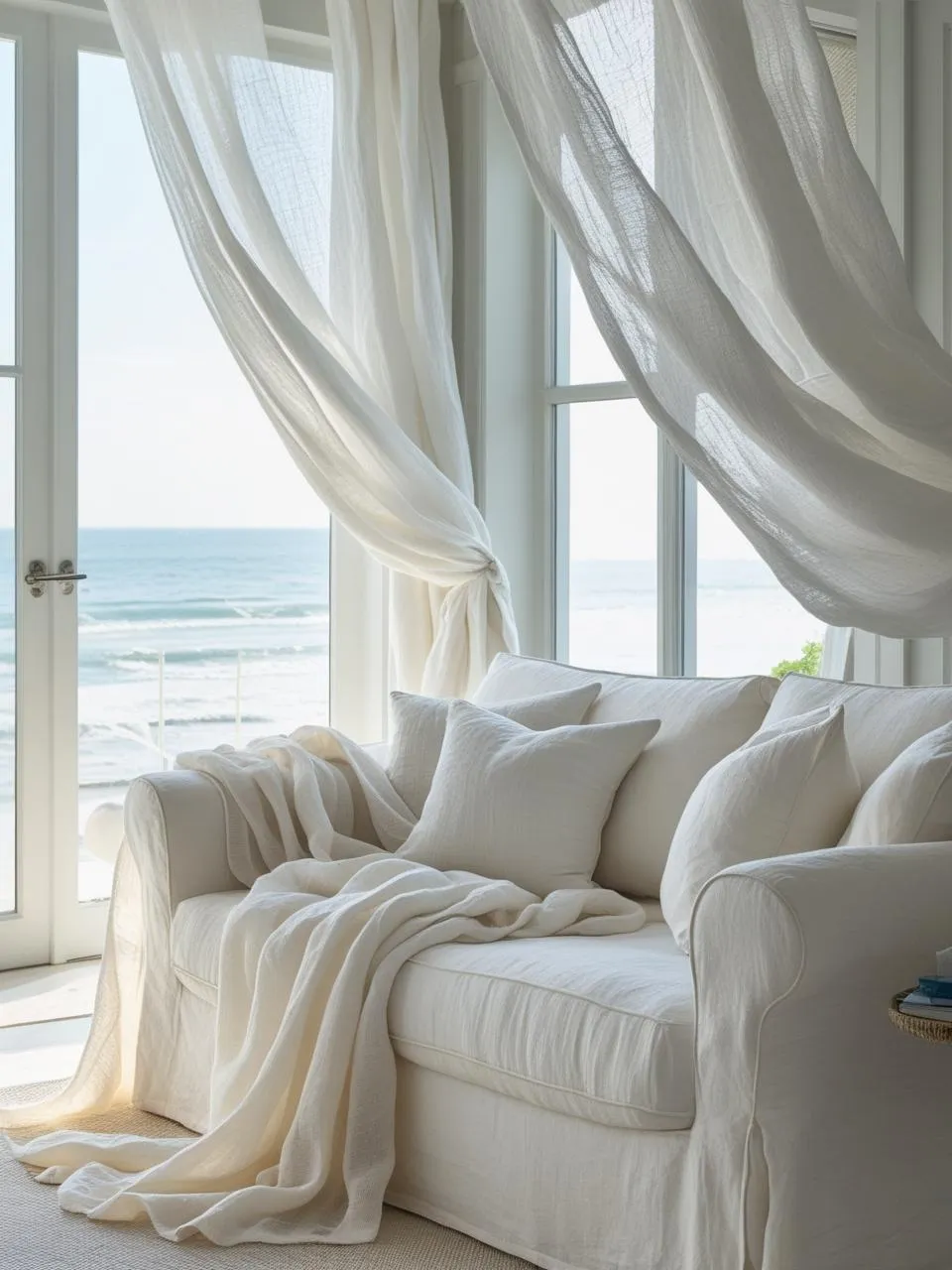
Modern coastal decor should never feel stiff. It has a soft, relaxed flow, and your fabrics help create that feeling. Materials like linen, cotton, and gauze work best because they move easily and look natural, even when they wrinkle. That gentle texture is part of the charm. These rooms aren’t meant to feel formal. They’re spaces where you can sit back, breathe, and feel at ease.
When you can, trade heavy curtains like velvet for white linen panels that sway when the window is open. Pick a slipcovered couch instead of a tight, structured one so the room stays light and comfortable. The way your fabrics move in the space matters because it brings in the quiet, breezy feeling that makes modern coastal design feel so calm and effortless.
5. Let the Light Come In
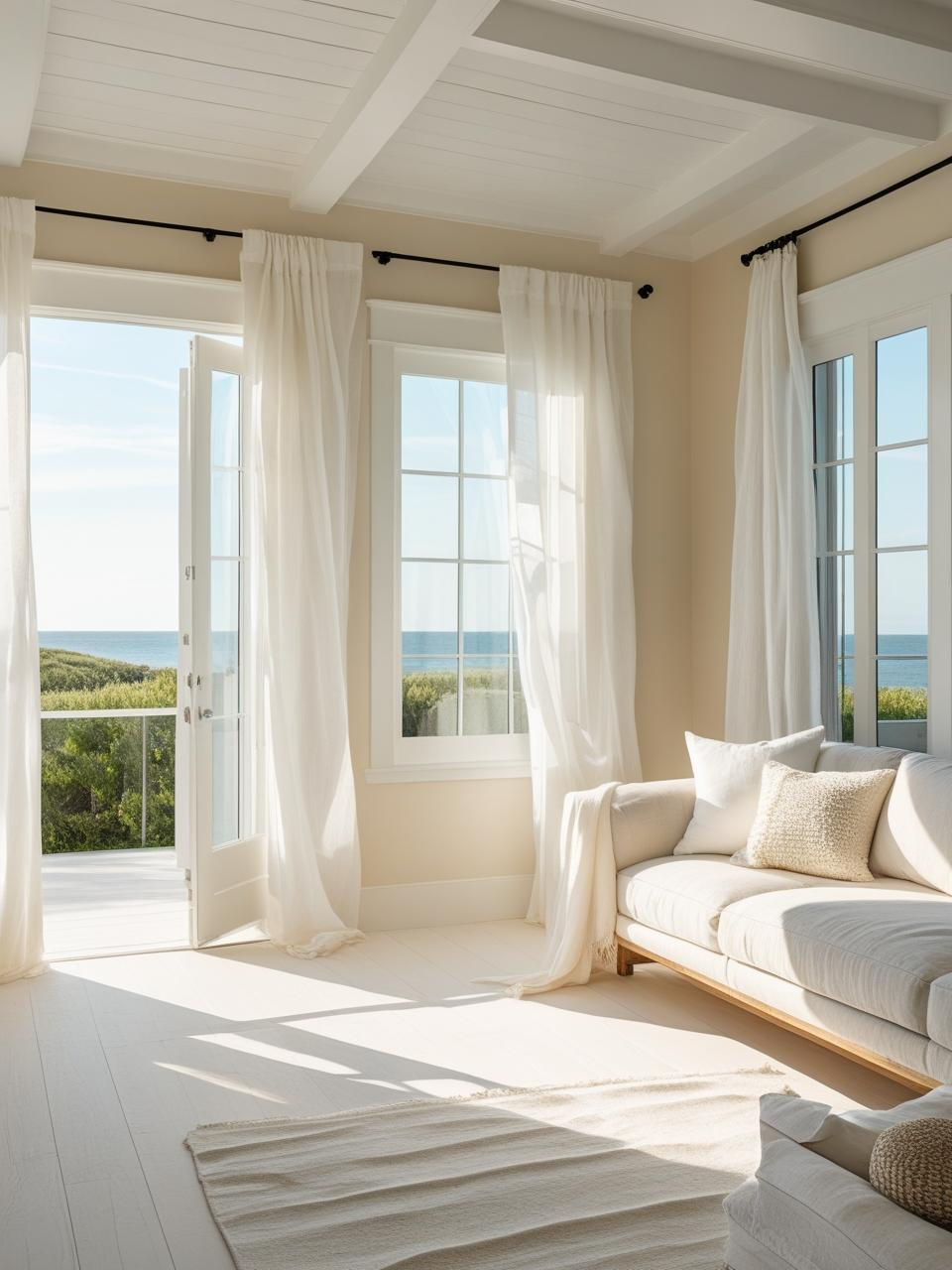
The fastest way to lose the coastal feeling in a room is by blocking the natural light. Coastal spaces depend on sunlight because it gives the room that open, airy mood you feel near the water. If your blinds stay closed or your drapes are heavy, pull them back and let the light in. If your window frames are dark, painting them white can brighten the whole space instantly.
Even small things make a big difference—cleaning the windows, removing screens during cooler months, or clearing clutter from the window sill. None of this costs much, but it changes the way the room feels. A home can feel closer to the coast simply by how it lets in and welcomes the light.
6. Bring the Outside Inside
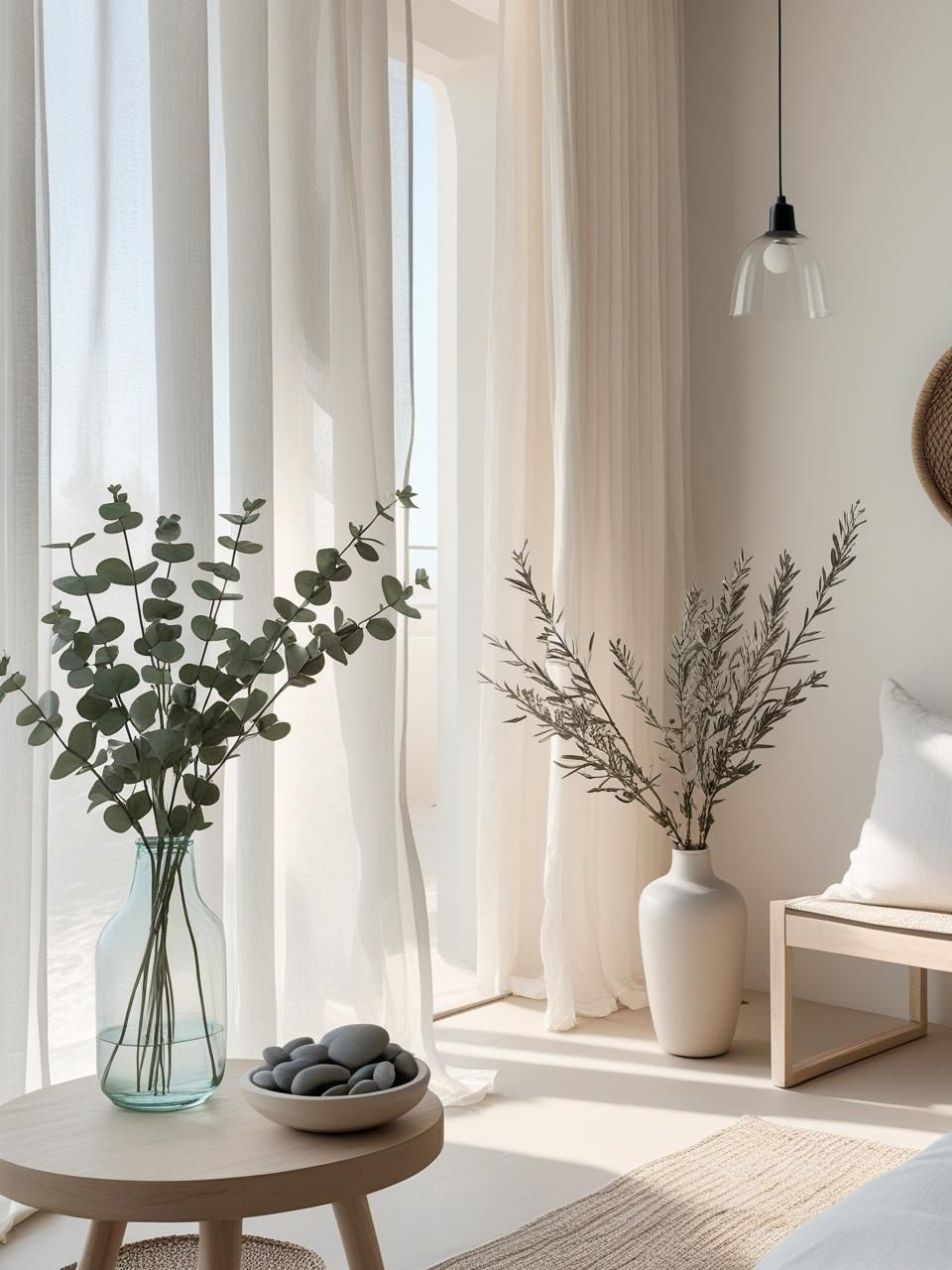
You don’t need large tropical plants or a room full of palms to make a coastal space feel natural. What matters is bringing in a little bit of life—something soft, simple, and easy. A few gentle greens like eucalyptus, olive branches, or even a pot of lavender blend perfectly with coastal colors and textures. They don’t steal attention. They just add a quiet, living touch.
If you live near the coast, you can keep it even simpler. A small bunch of beach grass in a vase or a handful of smooth stones from a walk can bring the outdoors inside in the most natural way. The goal isn’t to decorate with plants—it’s to let nature have a small, calm presence in your home.
7. Choose Art That Feels Like Air
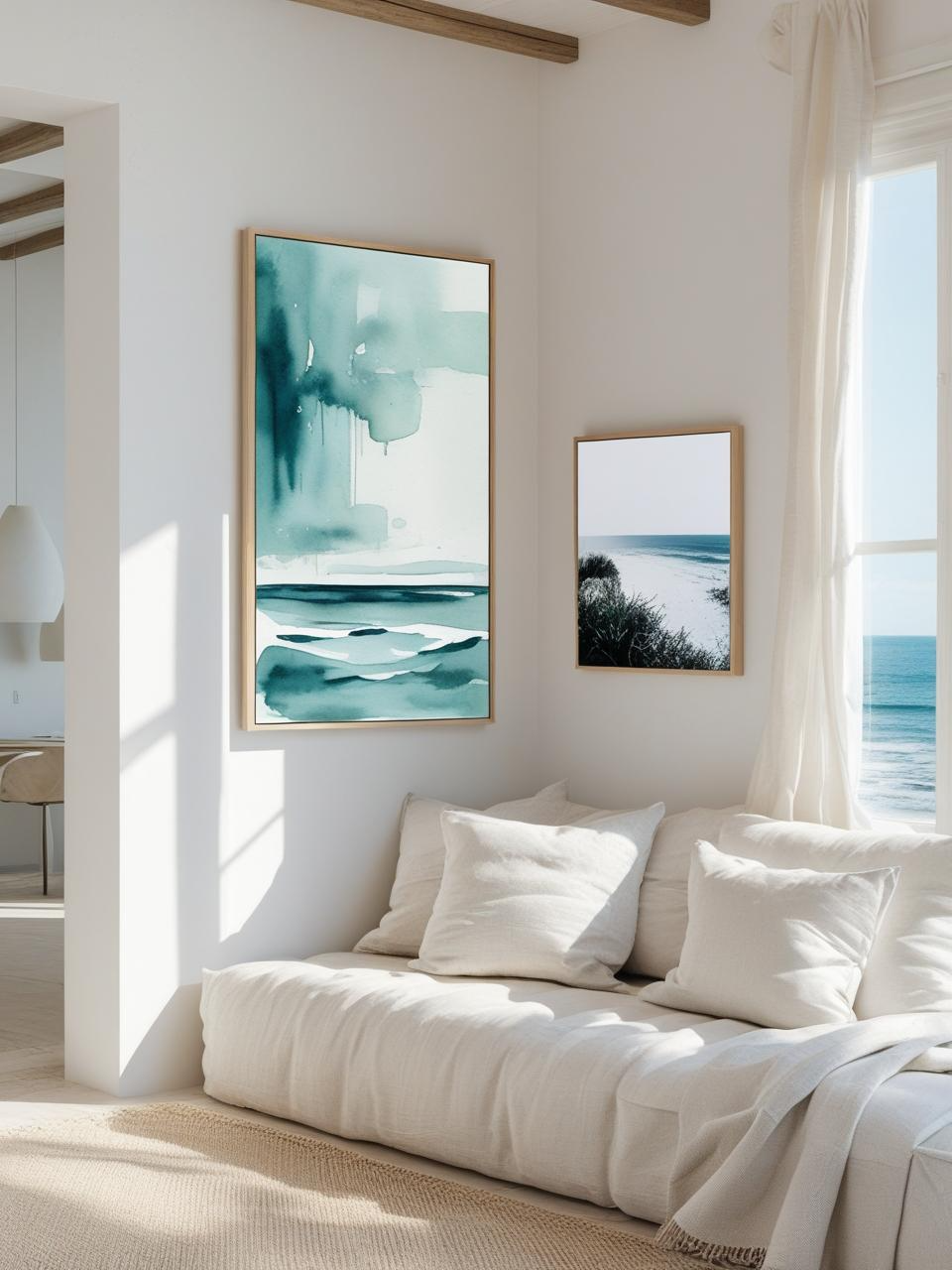
Art in a modern coastal home should feel quiet and gentle, almost like taking a soft breath. Stay away from bold text art or loud, trendy graphics. Instead, choose pieces that feel washed-out, calm, and natural. Watercolors, aerial beach photos, or abstract shapes in soft sea tones work beautifully. Even simple black-and-white prints of waves or sand can bring the right mood.
It’s less about the subject and more about the feeling. Good coastal art doesn’t shout for attention—it opens the room, slows your mind, and gives you space to breathe.
8. Edit Down Your Decor
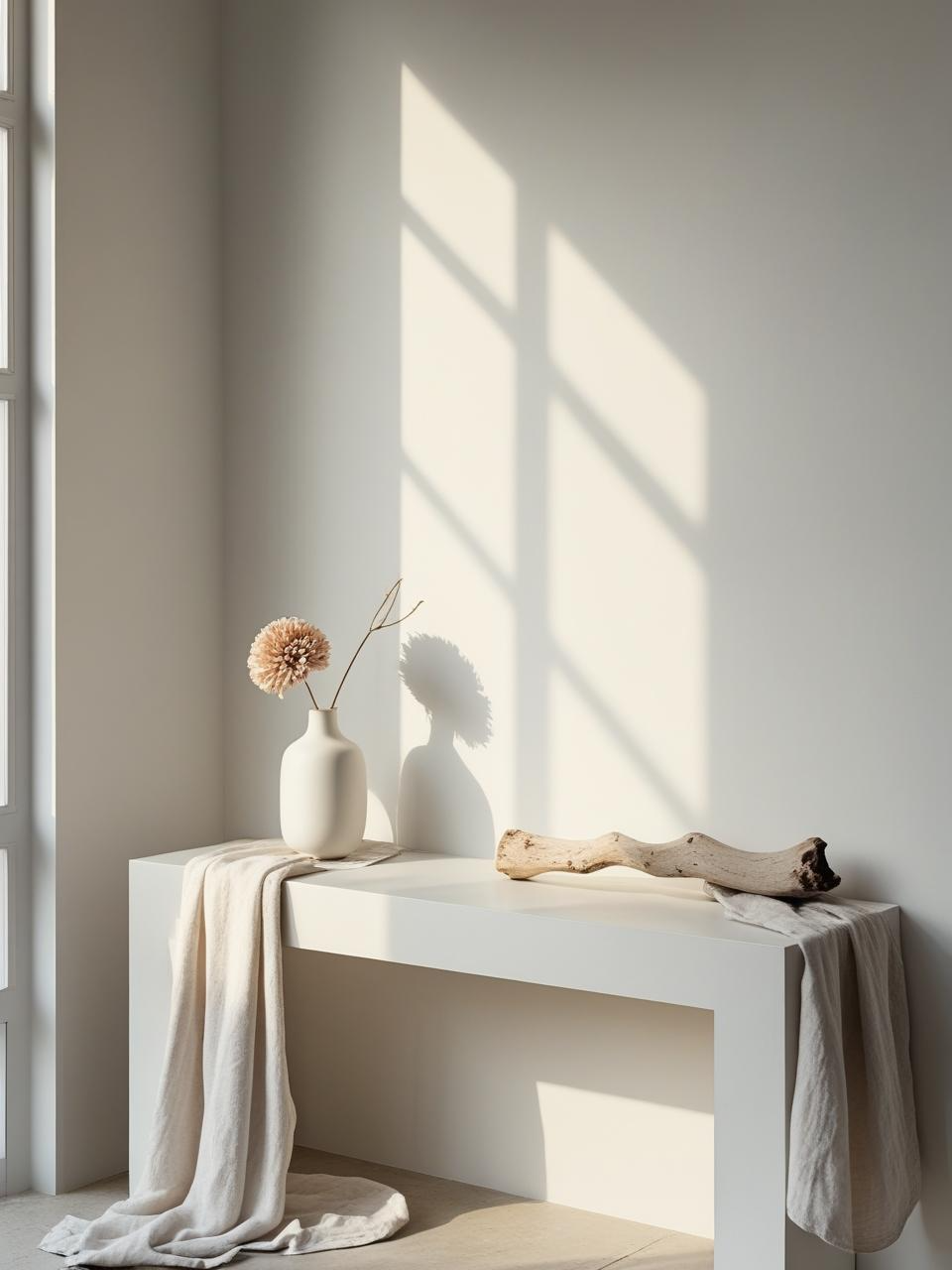
Modern coastal spaces stay calm because they stay simple. They don’t rely on clutter to feel decorated. That doesn’t mean the room is empty—it just means everything has a purpose. Look at your shelves with a fresh eye. Do you really need every candle, every stacked book, every little object? Most of the time, the answer is no.
Keep the pieces that matter. Keep the items that feel peaceful or carry a small story. Let the rest go. A shelf with just two or three meaningful objects feels far more coastal than one crowded with things you barely notice. Space itself is part of the design. It lets your home breathe.
9. Use Rugs That Feel Like Sand
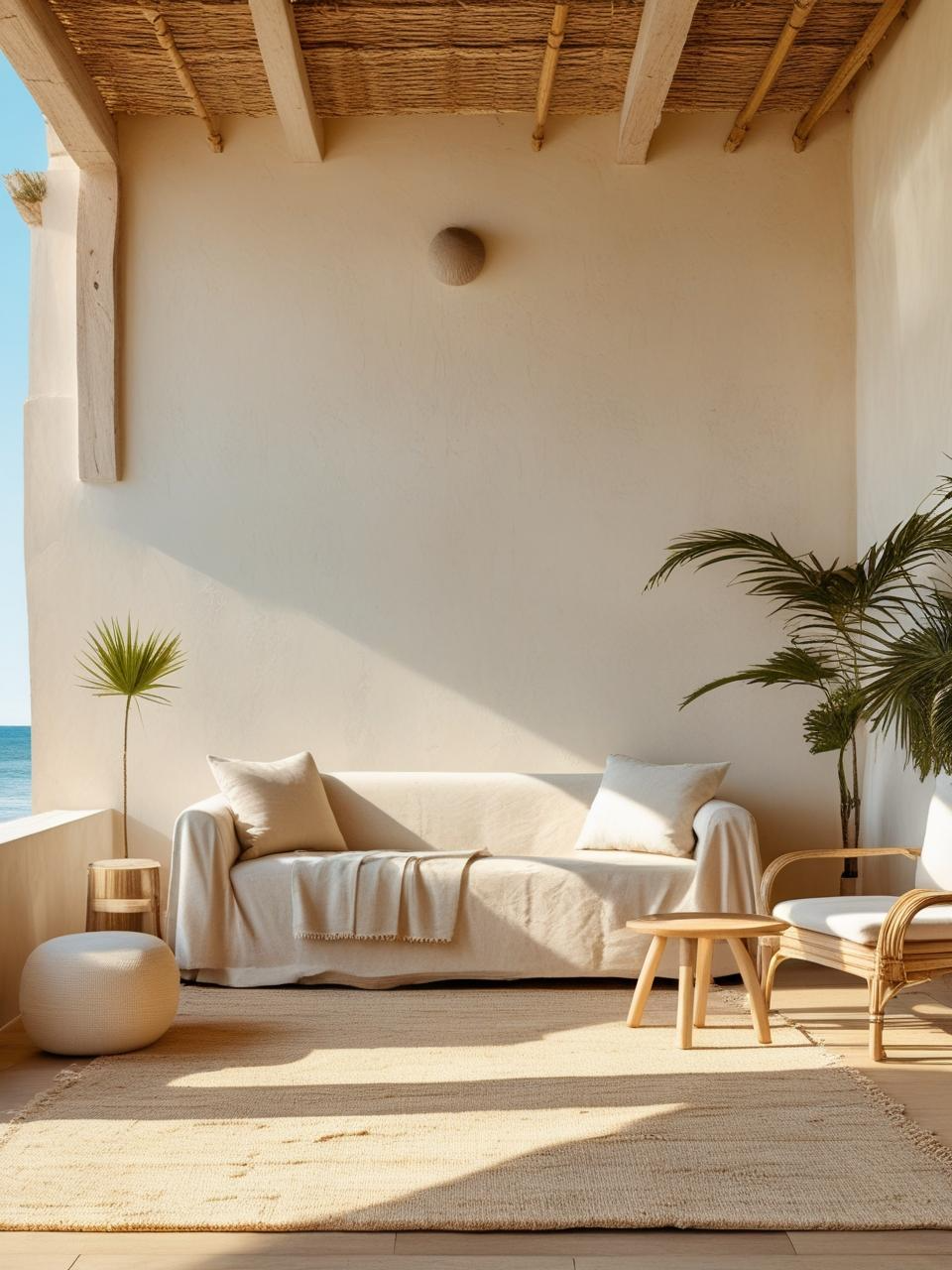
The floor plays a bigger role in a coastal room than most people realize. Heavy patterns or thick shag rugs pull the space away from that calm, beach-like feeling. A flat, natural rug does the opposite. Jute, sisal, or low-pile wool in soft tans, creams, or even a faded blue keep the room grounded without drawing too much attention. They feel easy, relaxed, and simple—just like the coast. The goal is for the rug to blend into the space, not compete with it.
10. Keep Metal Warm and Minimal

Modern coastal rooms don’t rely on metal, but the little bits you do use should feel warm and soft. Cold, shiny finishes can break the calm. Instead of chrome or harsh black, choose brass, matte gold, or brushed nickel. These tones blend gently with wood, linen, and natural textures. A simple lamp base, a set of drawer pulls, or a small accent frame is enough. The goal is for the metal to disappear into the room, not jump out of it. When the finish feels warm, the whole space feels more connected to nature.
11. Let Imperfections Stay
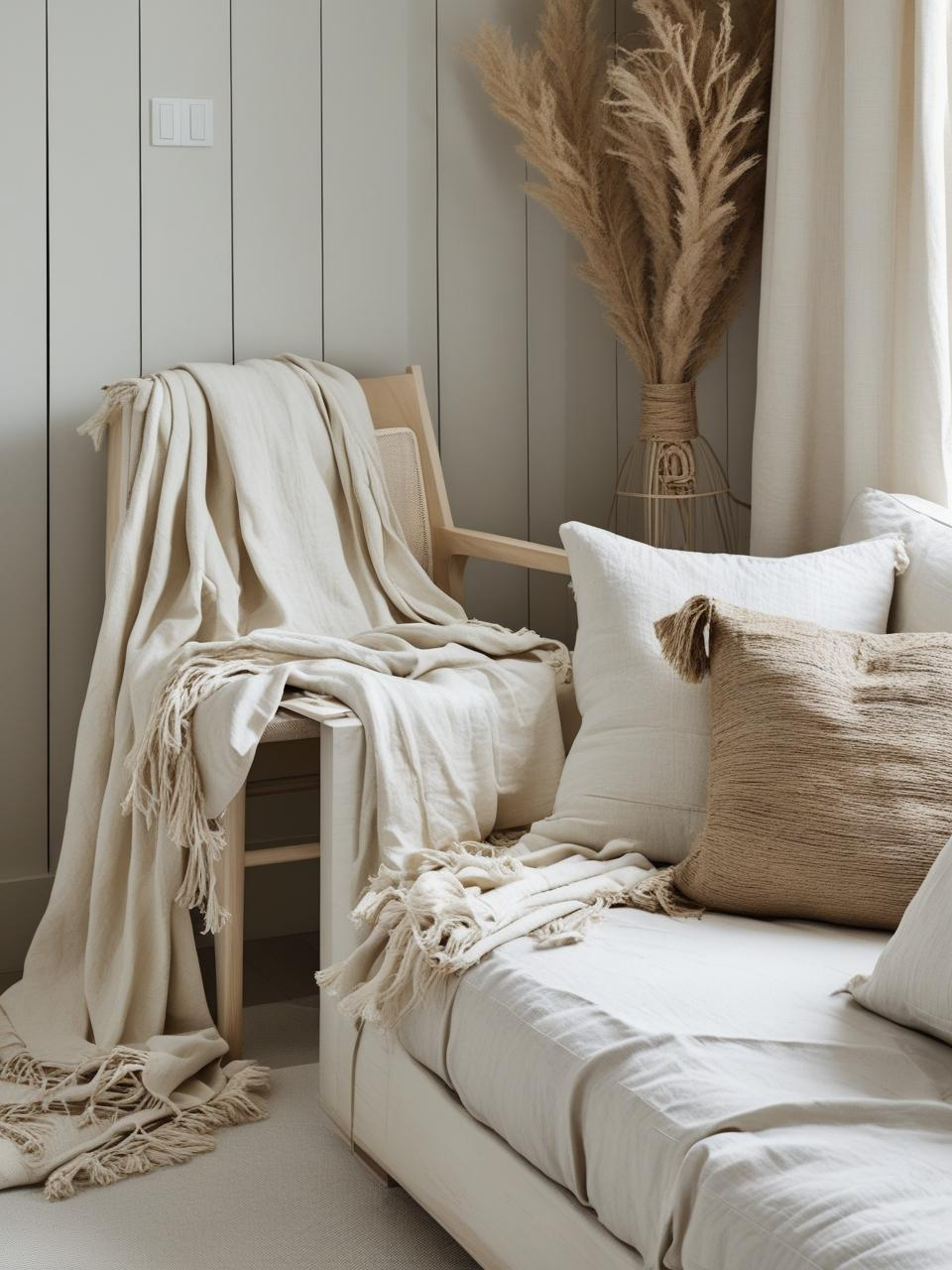
A modern coastal home feels warm because it isn’t perfect. It has soft lines, lived-in textures, and little signs of real life. You don’t need every pillow lined up or every throw folded tight. Let the bed look a bit relaxed. Let a blanket fall naturally over a chair. These small imperfections make the space feel inviting. Think about the beach—nothing there is perfectly arranged, yet it’s always peaceful. Bring that same quiet, natural ease into your home.
12. Don’t Overdo the “Coastal” Signs
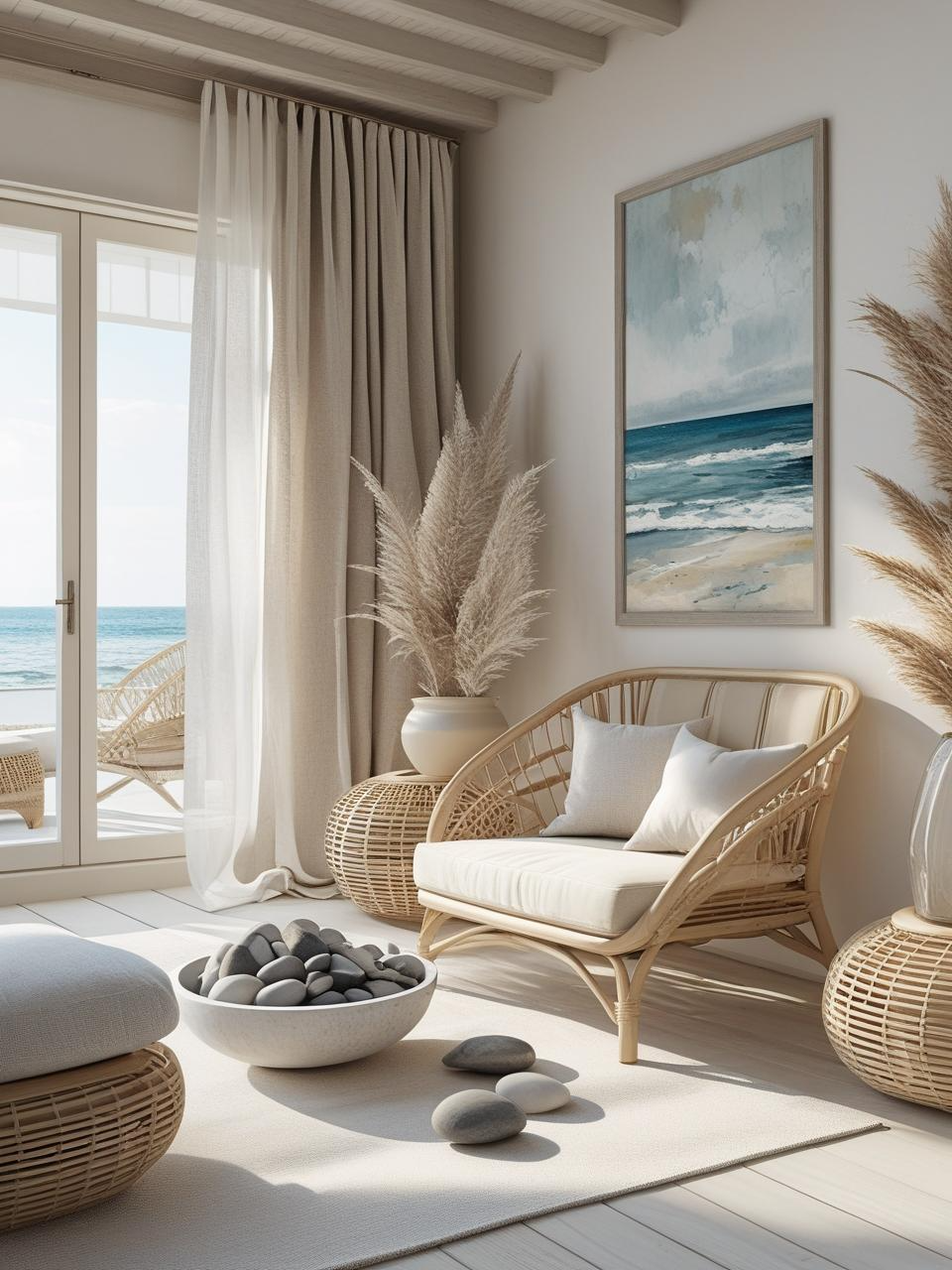
A sign that spells everything out—like “Beach House” or “Welcome to the Shore”—can make a room feel more themed than coastal. Real coastal decor doesn’t need labels. It shows itself through soft colors, natural textures, and easy light. Let your space speak on its own. If you truly want a sign, choose one that means something to you, like a family phrase or a place you love. Keep it personal, not Pinterest-made.
13. Add One Vintage Piece
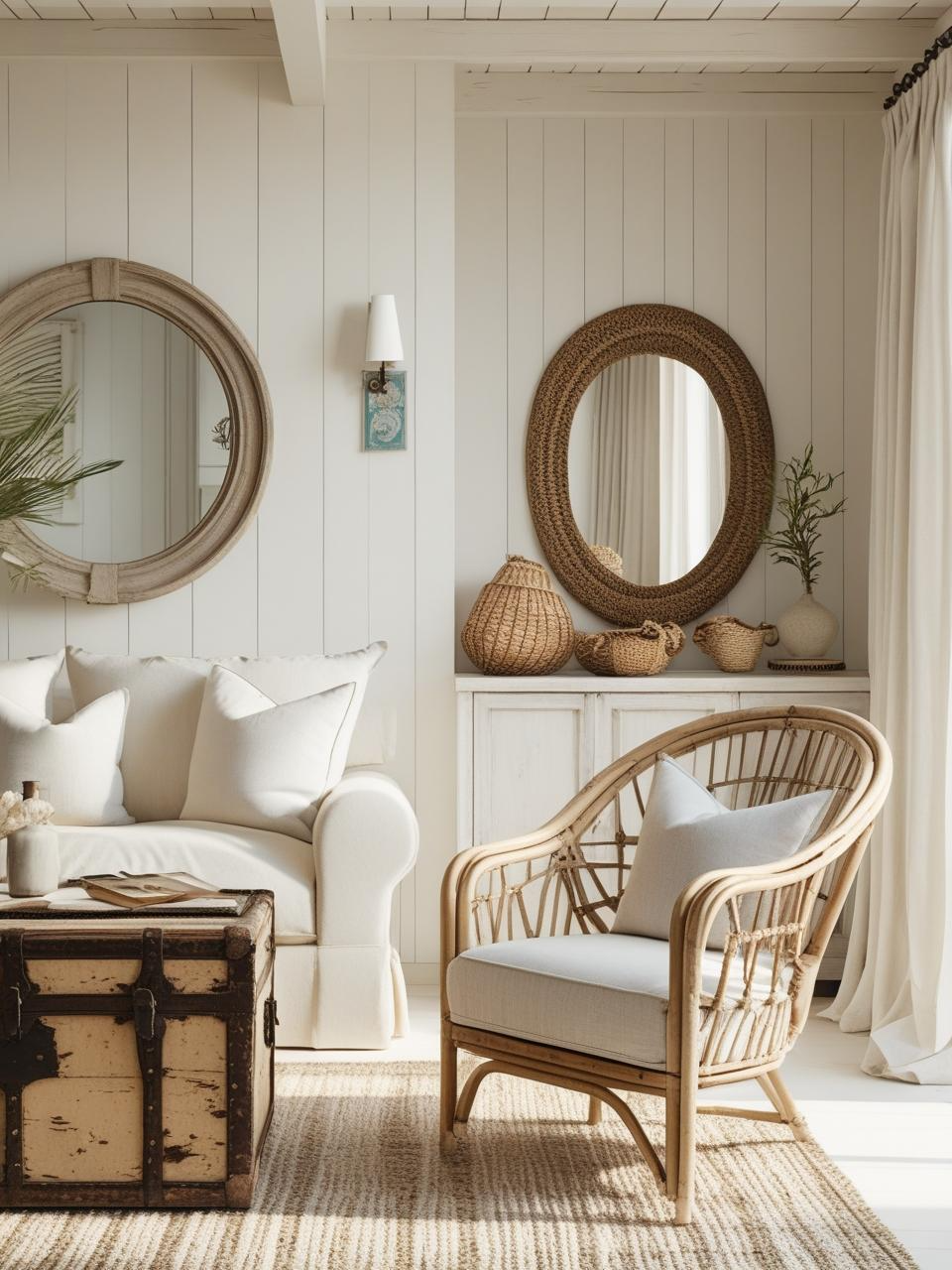
Modern coastal style doesn’t require every item to be brand new. A single vintage piece—an old trunk, a rattan chair, or a weathered mirror—can add depth and character to the room. It’s not about looking aged; it’s about creating a sense of groundedness. Just as the coast carries its own history, your space can tell a story too. One thoughtfully chosen piece with a past is all it takes to anchor the room and give it warmth.
14. Focus on the Feeling, Not the Look
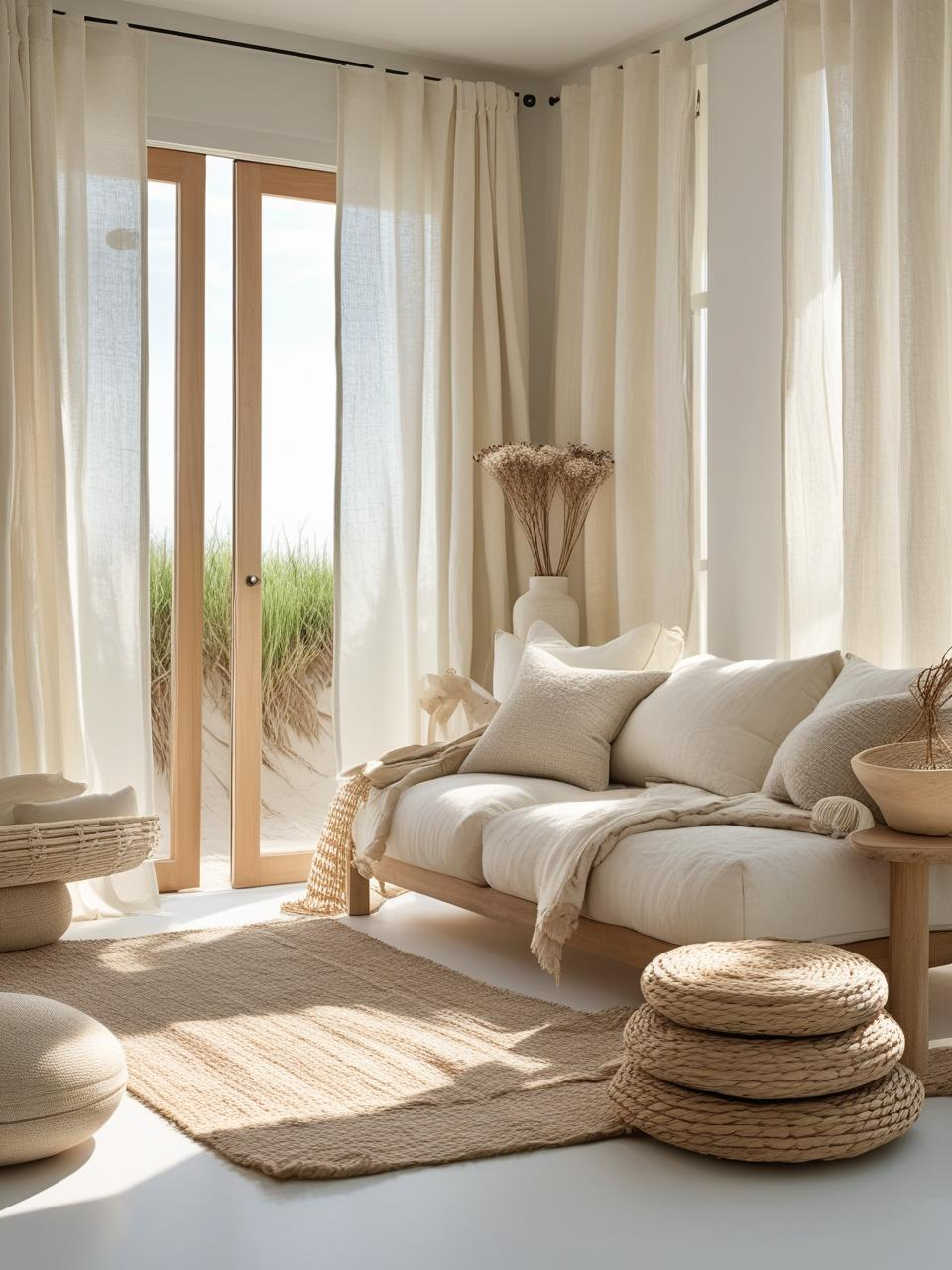
The heart of a modern coastal home isn’t its appearance—it’s the feeling it creates. It should feel calm, open, and safe. Every choice, from the wall color to the texture of your pillows, should support that sense of ease. If something feels harsh, too bright, or heavy, it doesn’t belong. You’re not decorating to impress anyone; you’re creating a space that feels effortless to come home to. That quiet comfort is what makes a home truly enduring.
15. Let the Room Change Slowly
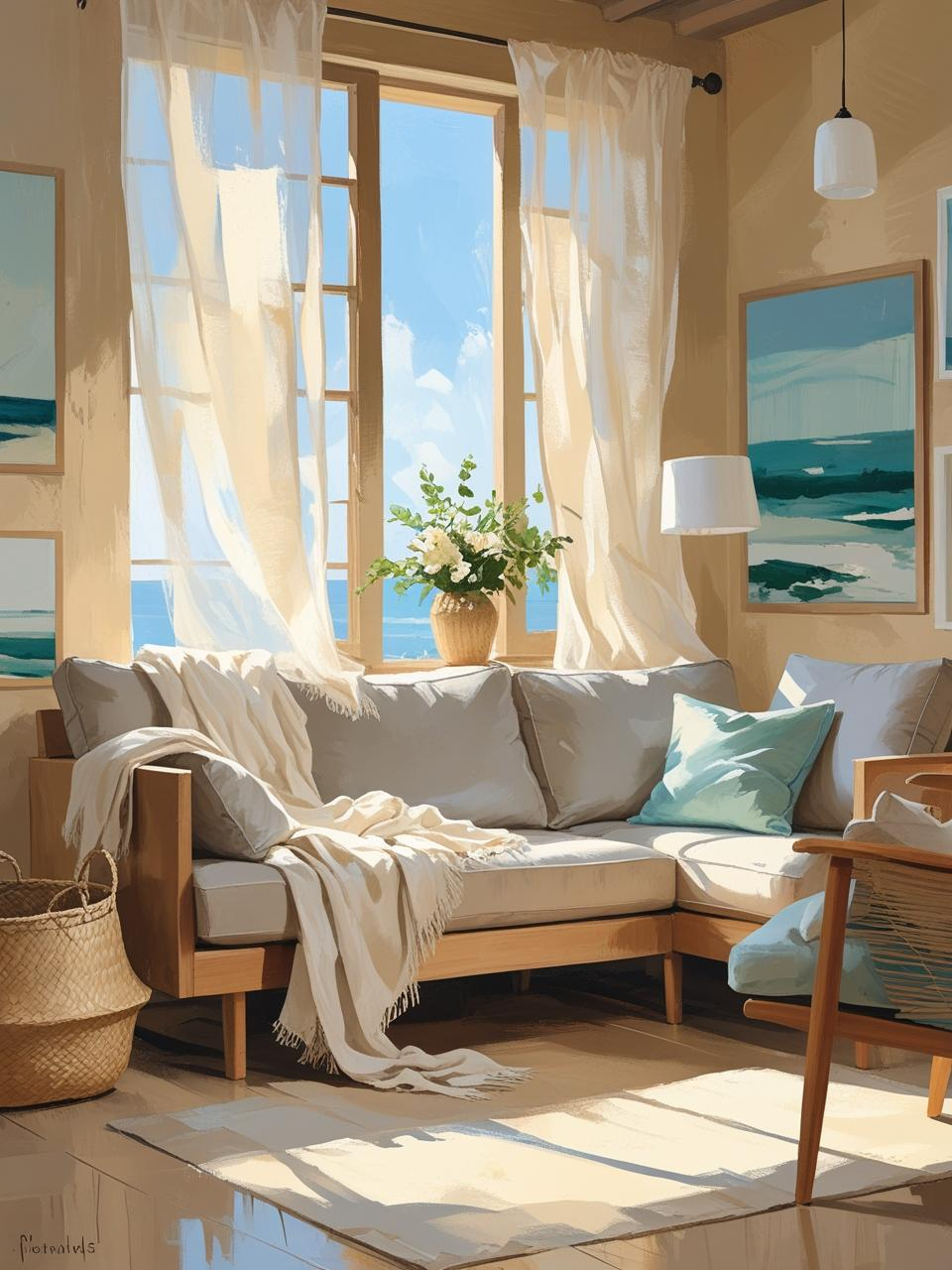
A coastal home develops slowly, much like the shoreline itself. It shifts with the light, the seasons, and your life. You might discover a perfect basket months later or decide to move a chair after the holidays. That’s part of the process. The best spaces take time to feel right. There’s no need to finish it all in one weekend. Let your home evolve naturally. Just like the coast, it works best when it unfolds at its own gentle pace.
16. Keep the Story Personal
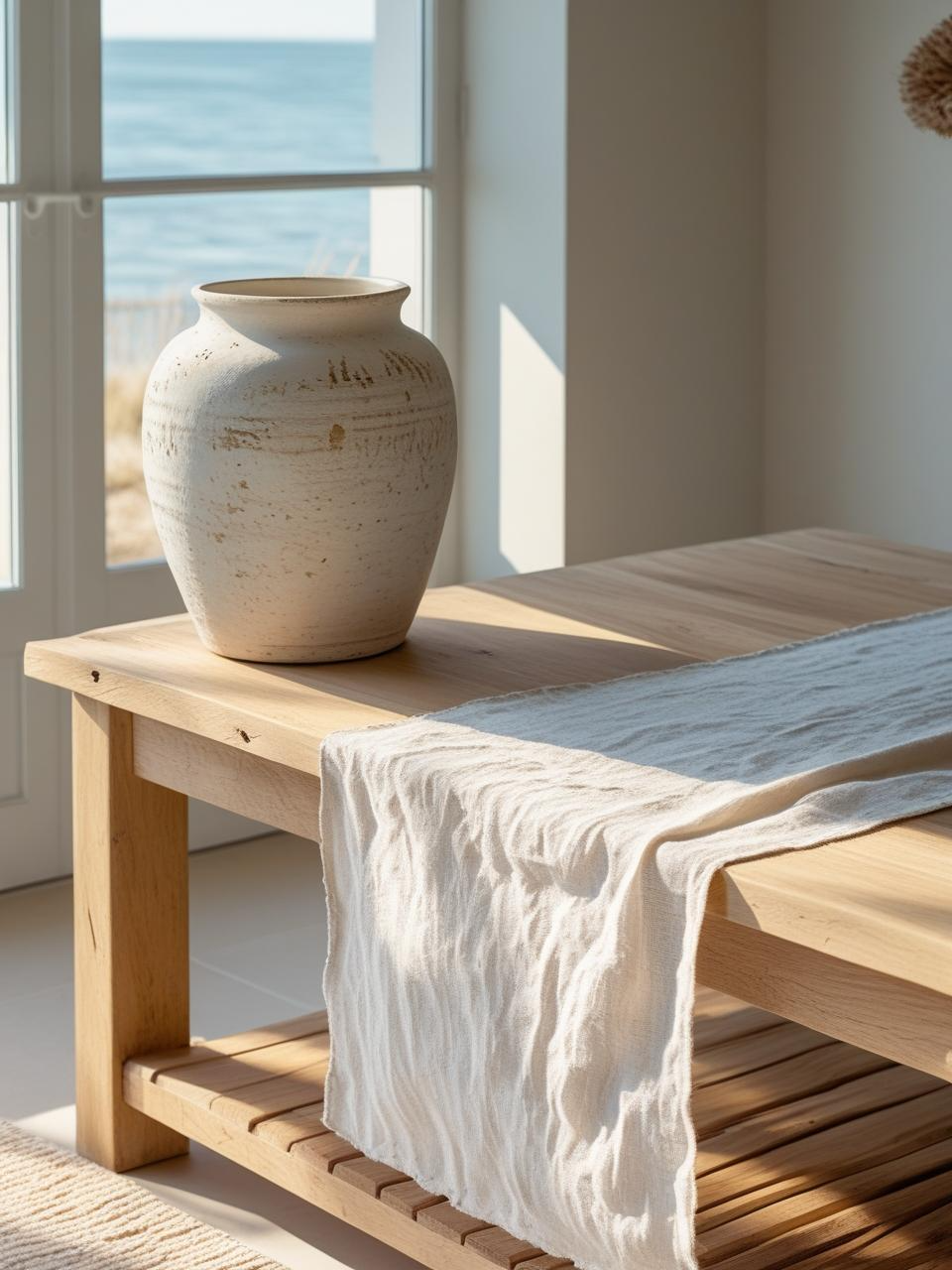
What makes a room truly yours isn’t only the design—it’s the story behind it. That white vase you found at a thrift shop on vacation, or the linen runner from a small beach market, brings your memories into the space. Even a simple room can feel rich and warm when each piece carries personal meaning. The secret to a welcoming home isn’t in the style itself—it’s in the story each item tells.
Final Thoughts
Modern coastal design is subtle and understated. It isn’t about looking like a magazine spread; it’s a style you feel more than see. It captures the spirit of the beach—soft, natural, and relaxed—without relying on clichés or trendy signs. When done well, it becomes a home you look forward to returning to, a space that feels effortless and alive.
If your home already has light, warmth, and pieces with personal history, you’re already partway there. The rest comes from small, thoughtful touches added over time. That gradual layering is what makes a coastal home both beautiful and authentic.