22 Long Rectangular Living Room Layout Ideas For 2026

Designing a long rectangular living room is one of the most common layout problems I’ve seen in over twenty years of working with real homes. These rooms often feel narrow, hard to furnish, and awkward to use. The goal is never to fight the shape but to guide the eye, control movement, and make the room feel calm and useful. When done right, a long living room can feel balanced, open, and welcoming instead of stretched and confusing. This guide walks you through proven layout ideas that actually work in real homes in 2026, not showroom spaces.
How Do You Maximize Space In A Rectangular Room?
Maximizing space in a rectangular room starts with understanding how people move through it. A long room usually becomes a hallway by accident, which steals comfort. The first fix is to protect the center of the room from becoming a walking lane. When seating floats slightly inward and pathways hug the edges, the room feels wider and more intentional. This small shift changes how the space is used every day.
The next step is scale control. Oversized furniture makes a long room feel tighter, while pieces that are too small feel lost. Choosing seating that fits the width of the room keeps things balanced. Low-profile sofas and chairs help the ceiling feel taller and the floor feel more open. This is one of the simplest ways to make the room feel larger without removing anything.
Light also plays a quiet but powerful role. Long rooms often have uneven lighting, with one bright end and one dark end. Spreading light sources evenly helps the entire room feel active. When both ends of the room feel equally important, the space feels fuller and more usable instead of stretched.
How to Arrange Furniture in Long Rectuangular Living Room?
Furniture arrangement in a long rectangular living room should always support how the room is used, not just how it looks. The biggest mistake is lining everything up against the walls. This creates a bowling lane effect and kills comfort. Pulling furniture inward builds a sense of purpose and makes conversations easier.
Another key idea is to let one element lead the layout. This might be a sofa, a fireplace, or even a large window. Once one anchor is chosen, every other piece should relate to it. This keeps the room from feeling scattered and helps the layout feel calm and planned.
Finally, balance matters more than symmetry. Perfect mirror layouts often feel stiff in long rooms. Instead, visual balance comes from matching weight, not shape. A sofa on one side can feel balanced by two chairs or a bench on the other. This flexible thinking makes the room feel natural and lived-in.
How to Decorate Long Narrow Living Room?
Decorating a long narrow living room is about guiding the eye across the width, not along the length. Horizontal elements help break the tunnel feeling. Rugs, artwork, and even wood grain direction can shift how the room is seen. When the eye moves side to side, the room feels wider.
Color control is also important. Keeping walls calm and consistent helps the space feel open. Adding contrast through furniture, textiles, or art adds depth without shrinking the room. This layered approach works better than bold wall changes that can cut the room in half visually.
Texture finishes the space. Long rooms feel flat when everything is smooth. Mixing soft fabrics, natural finishes, and subtle patterns creates interest and warmth. These layers keep the room engaging without overwhelming the shape.
Soft Curved Seating
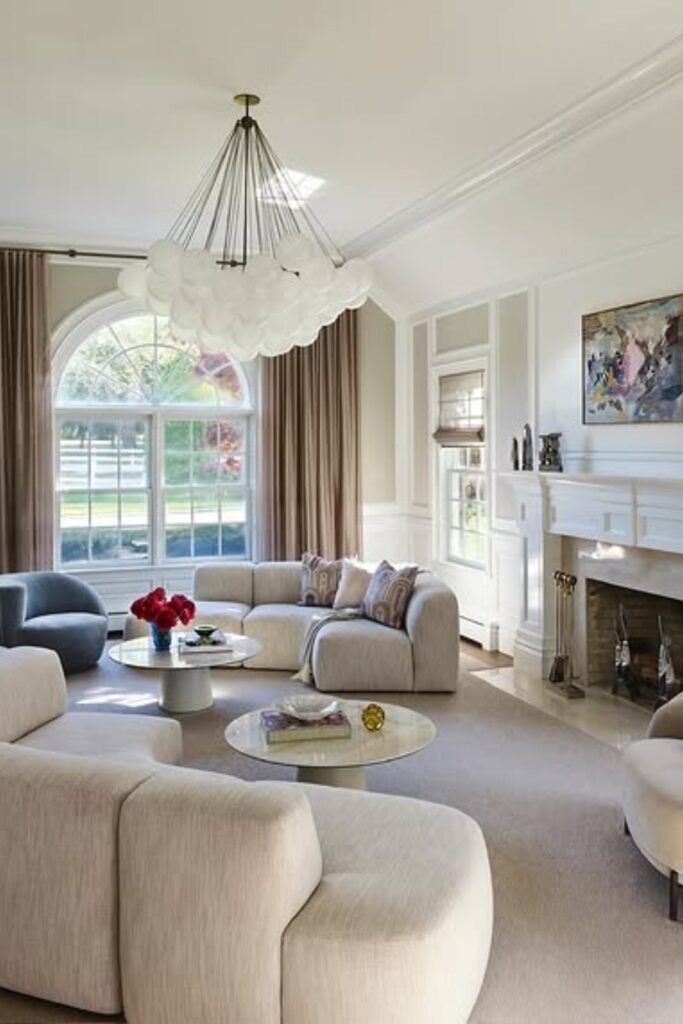
Soft curved seating works well in long rectangular living rooms because it breaks straight lines. Rounded sofas or chairs gently interrupt the sharp edges of the room. This makes the space feel calmer and more inviting. Curves help guide movement naturally instead of forcing straight paths.
Curved seating also improves conversation flow. People face each other more easily, which makes the room feel social and relaxed. In narrow spaces, this matters more than visual drama. Comfort becomes the focus instead of fitting furniture against walls.
Defined Seating Zones
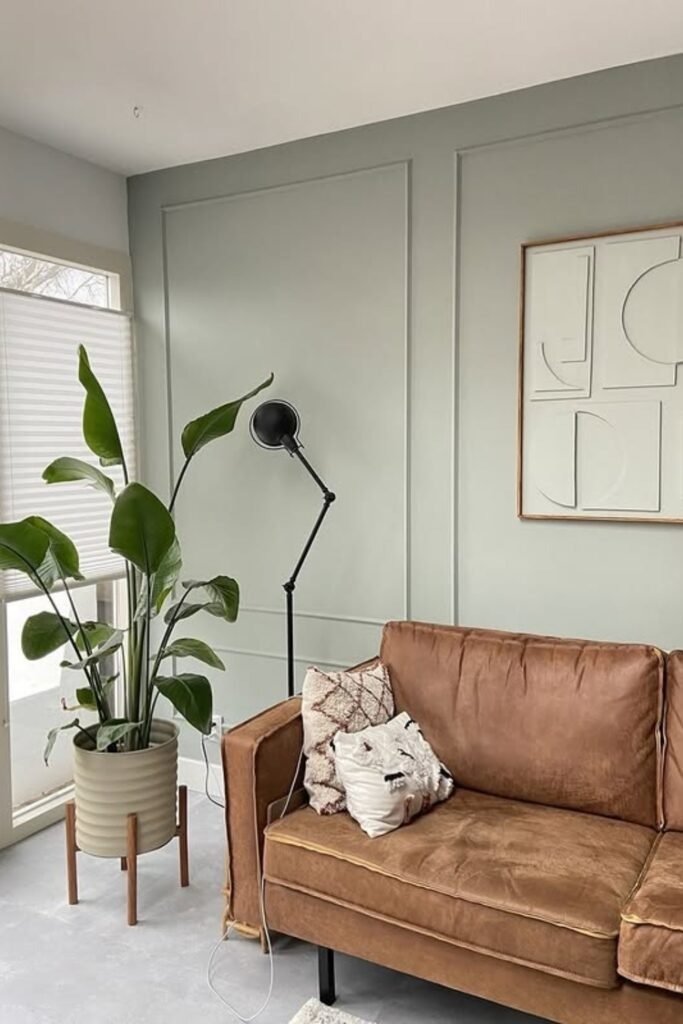
Defined seating zones turn a long room into a series of usable spaces. One zone might focus on conversation, while another supports reading or media. The room instantly feels more flexible and less like a single stretched area.
Rugs and lighting help define these zones without walls. Each zone should feel complete on its own. When zones feel intentional, the room feels larger and easier to use.
Wall Anchored Seating
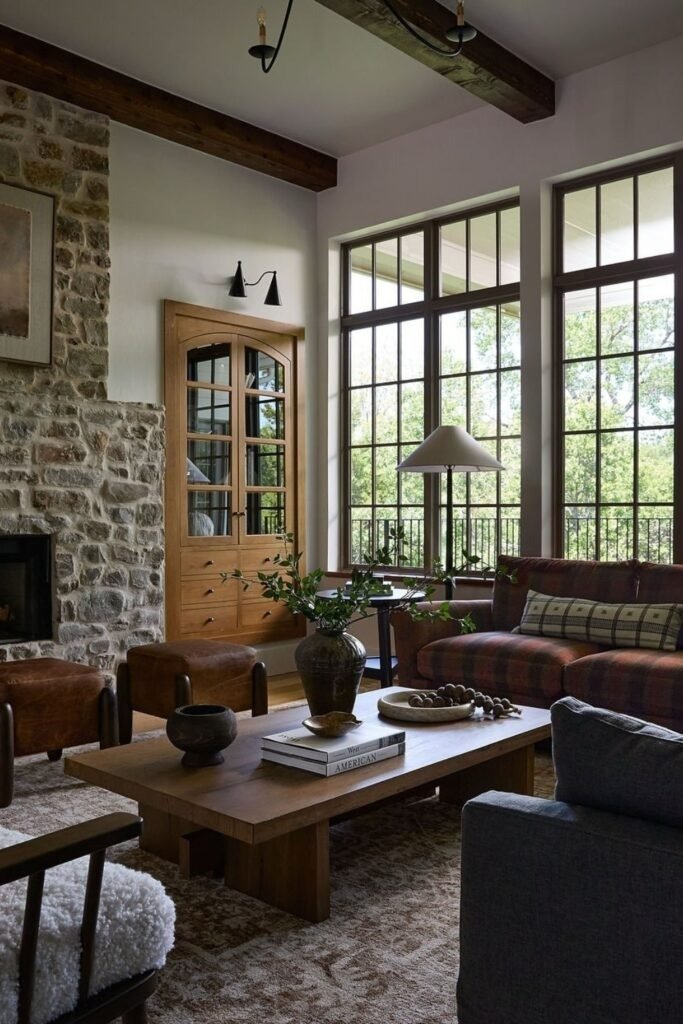
Wall anchored seating uses one long wall as a grounding element. A sofa placed along the wall creates structure while leaving space open across from it. This works especially well when paired with chairs or benches that float.
The key is keeping the wall seating visually light. Low backs and slim arms prevent the wall from feeling heavy. This approach keeps the room open while still providing structure.
Fireplace As Anchor
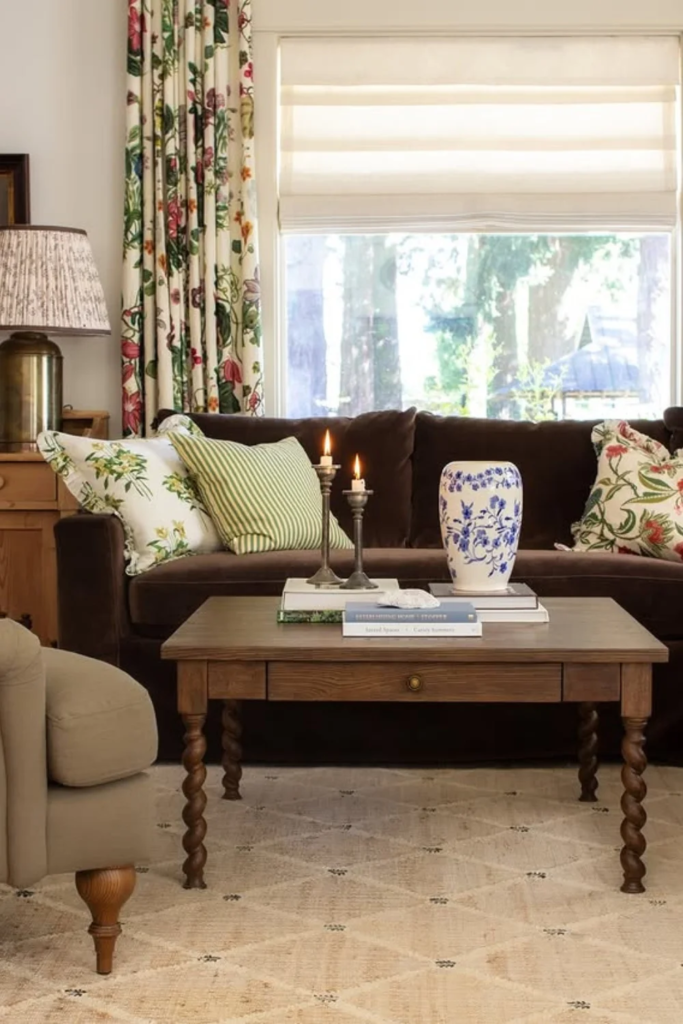
A fireplace naturally anchors a long living room. When seating faces the fireplace instead of the length of the room, the space instantly feels balanced. The fireplace becomes a stopping point for the eye.
Even in rooms where the fireplace sits off-center, it can still guide the layout. Furniture arranged around it creates a sense of purpose and warmth. This works well for both traditional and modern homes.
Balanced Symmetry Setup
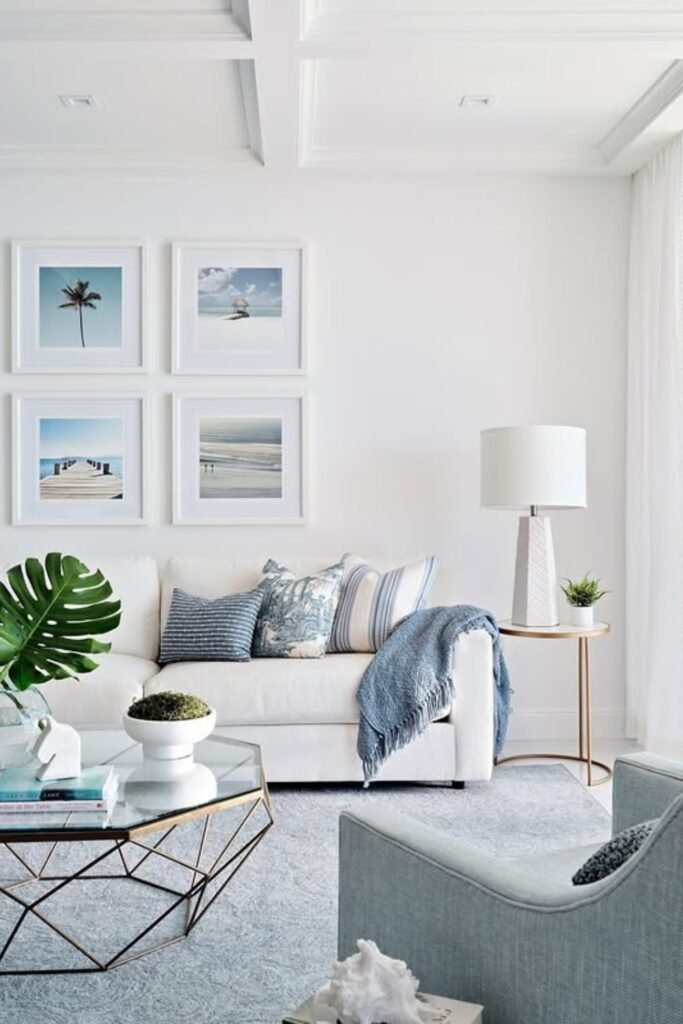
Balanced symmetry helps calm a long space without making it stiff. Matching chairs or lamps on either side of a sofa create order. The room feels intentional but not forced.
The trick is to keep symmetry limited to key areas. Too much symmetry can feel rigid. When used carefully, it adds structure and ease to the room.
Visual Width Trick
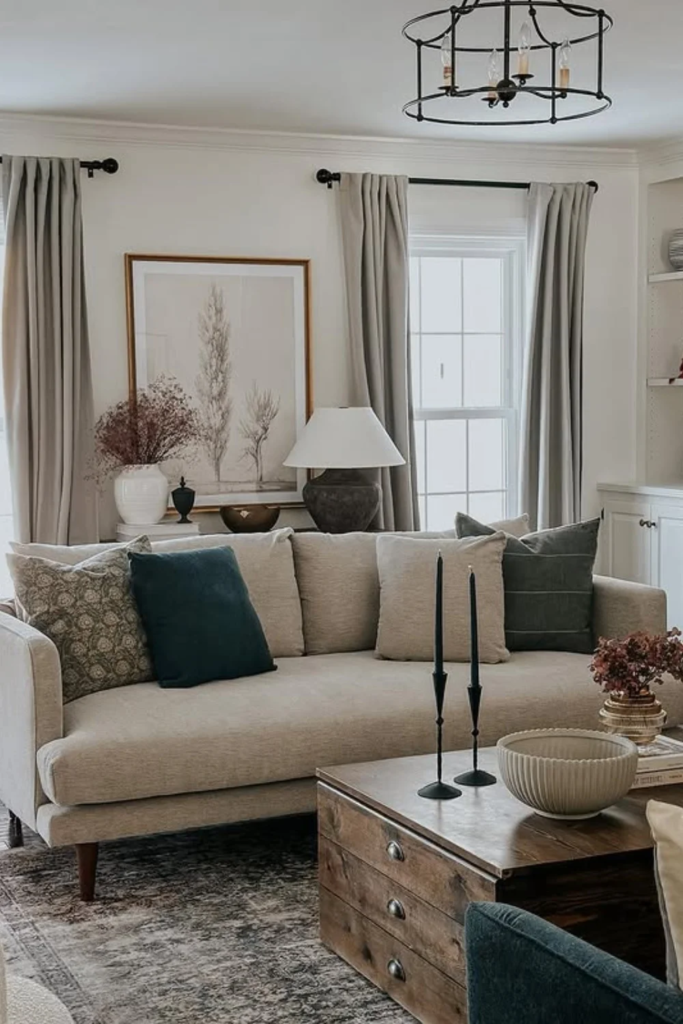
Creating visual width is essential in a narrow room. Horizontal artwork, low furniture, and wide rugs help stretch the room sideways. These elements quietly change how the room feels without changing its size.
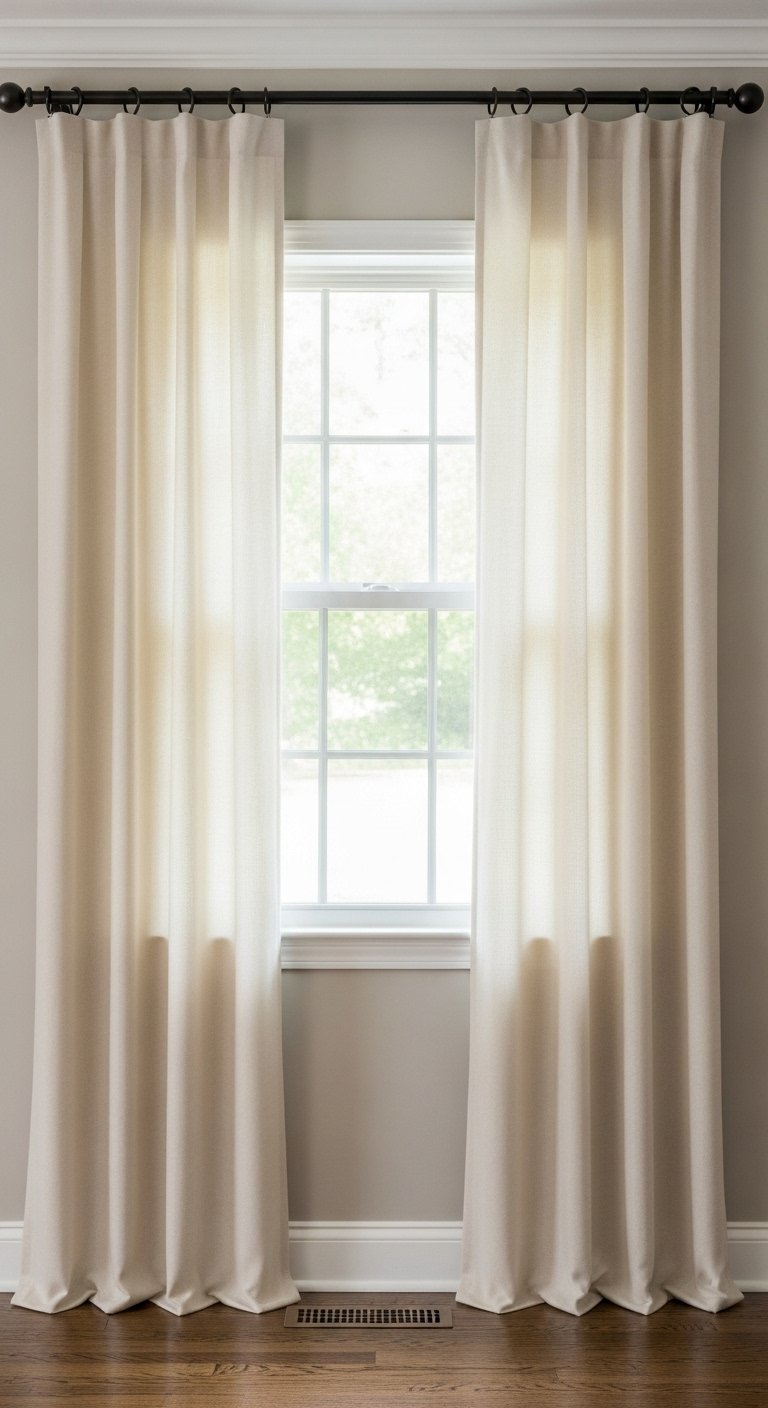
Window treatments also help. Curtains hung wide and high draw the eye outward. This makes the room feel more open and balanced.
Centered Sofa Balance
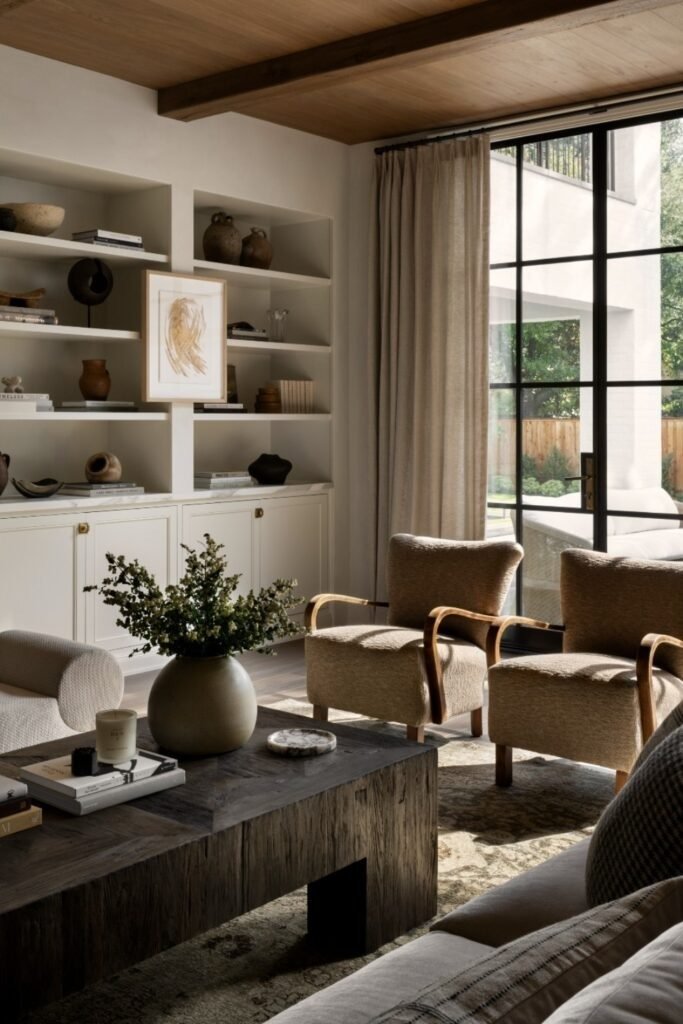
Centering the sofa in a long room helps establish order. When the sofa floats in the middle zone, it prevents the room from feeling like a hallway. This layout works well when paired with chairs or benches behind it.
The space behind the sofa can still be useful. A slim console or reading chair keeps the area active without crowding it.
Floating Furniture Layout
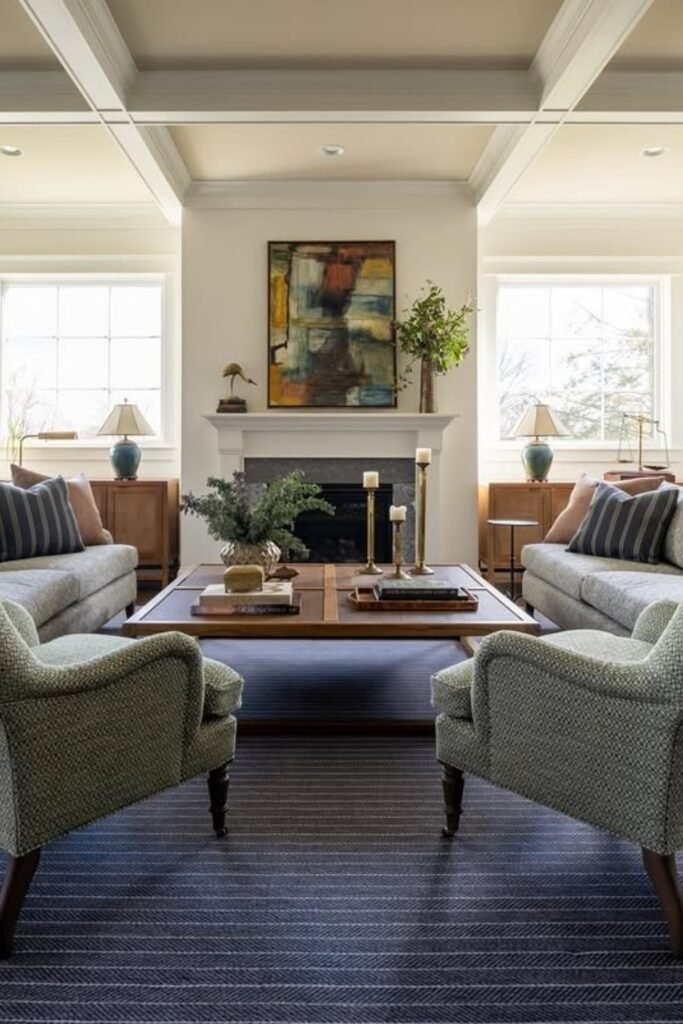
Floating furniture breaks the habit of wall-hugging layouts. When pieces sit away from walls, the room feels wider and more intentional. This approach works best when walking paths are clearly defined.
Floating layouts also allow for better flow. People move around seating instead of through it. This makes the room feel calm and organized.
Mirrored Seating Setup
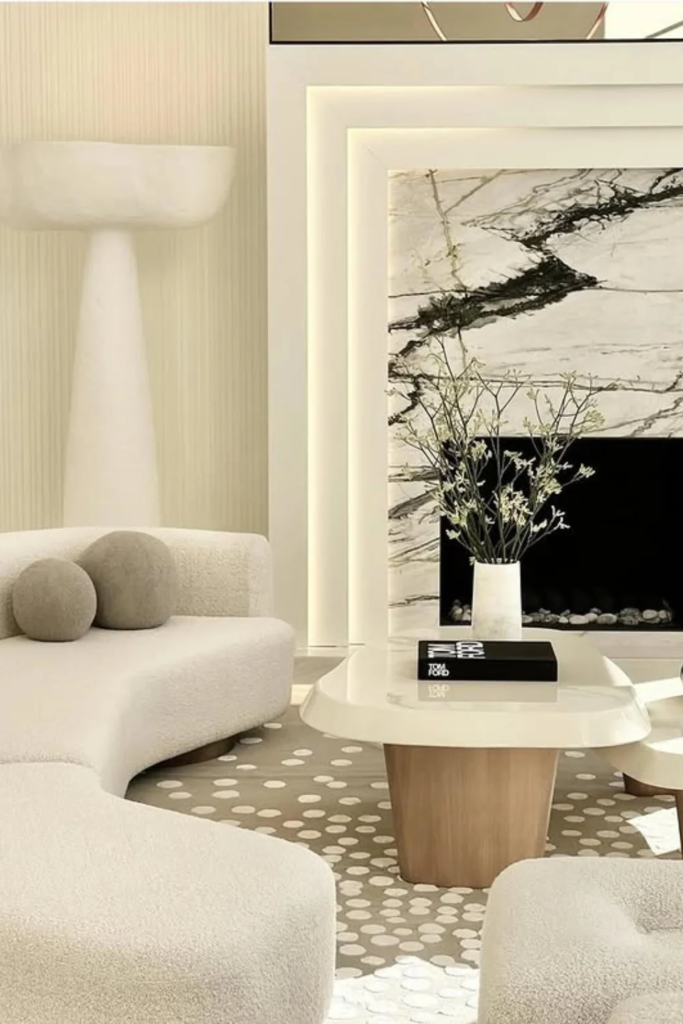
Mirrored seating setups use pairs of chairs or sofas to create balance. This layout works well in long rooms because it centers attention. Conversations feel natural and focused.
Mirrored layouts don’t need perfect symmetry. Matching scale and placement is enough to create harmony. This keeps the room from feeling stiff.
Rounded Furniture Shapes
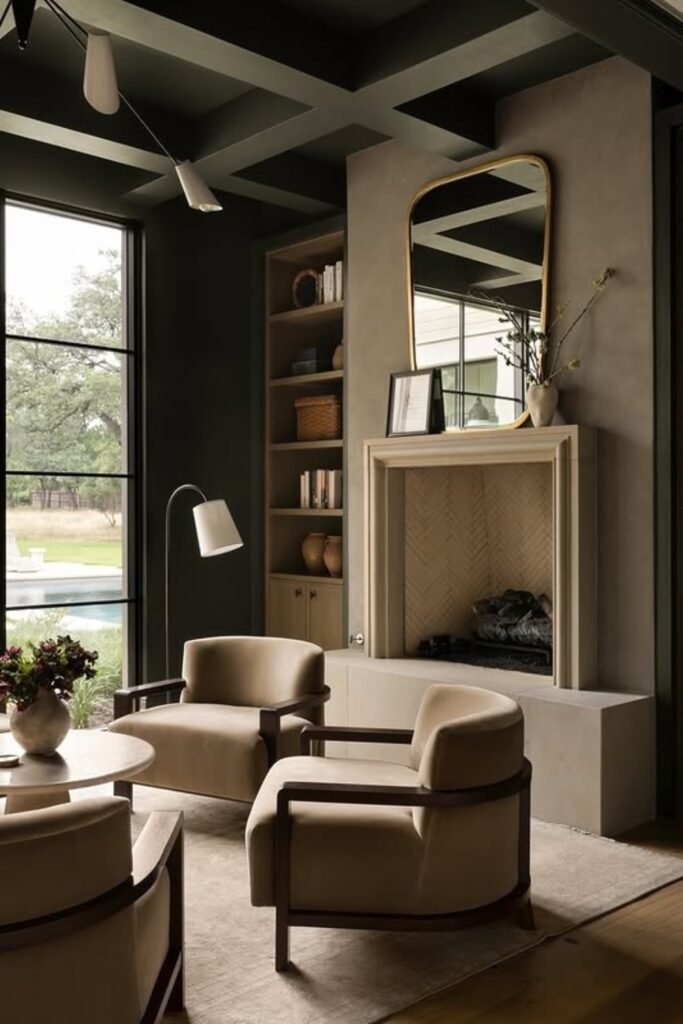
Rounded furniture softens long rooms. Circular tables and curved chairs break linear patterns. This reduces the tunnel effect and adds comfort.
These shapes also improve movement. People naturally move around curves instead of stopping short. This keeps the room feeling fluid.
Depth Through Contrast
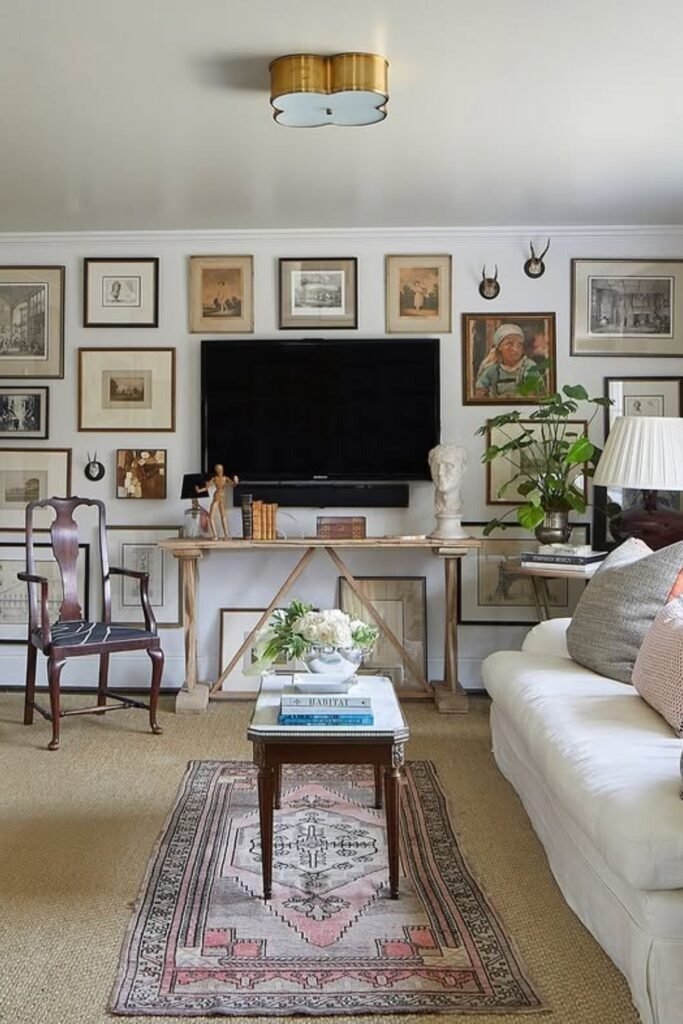
Contrast adds depth to long spaces. Dark furniture against light walls or textured fabrics against smooth surfaces create layers. This depth helps the room feel fuller and more engaging.
The key is balance. Too much contrast can shrink the space. Subtle shifts work best in narrow rooms.
Gallery Wall Balance
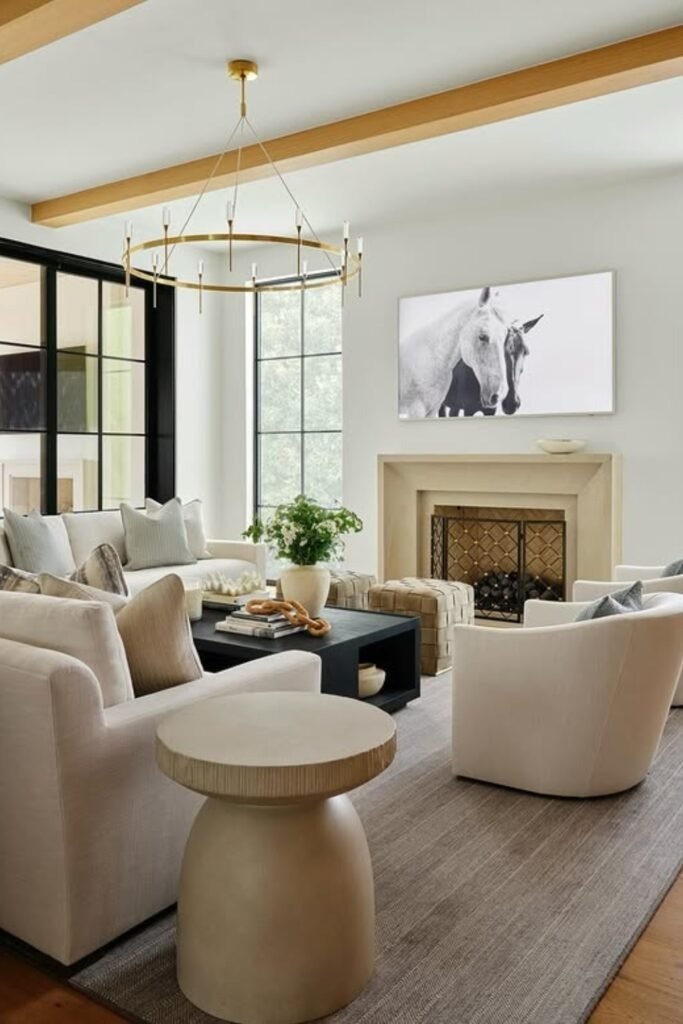
Gallery walls work well in long rooms when done with care. Keeping frames consistent in size or color prevents visual clutter. The wall becomes a feature instead of a distraction.
A gallery wall can also shorten the room visually. When placed on one end, it creates a stopping point for the eye.
Clear Walking Paths
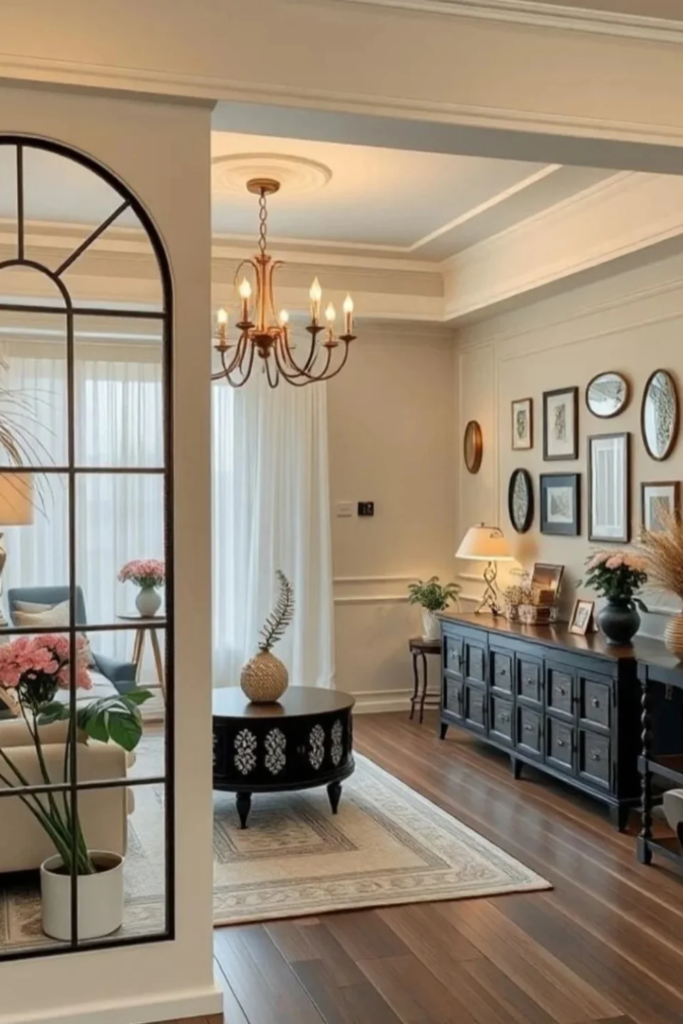
Clear walking paths are essential in long rooms. When people know where to walk, the room feels calmer. Paths should be obvious but not dominant.
Furniture placement should protect these paths. This prevents awkward movement and keeps the room functional.
Visual Room Division
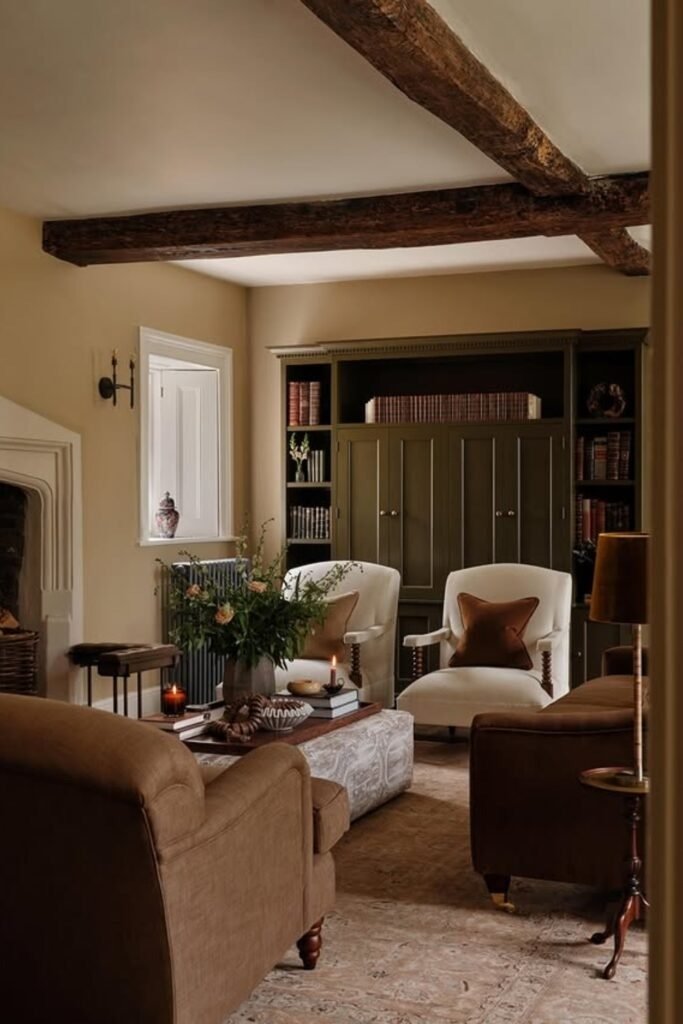
Visual division helps long rooms feel organized. Changes in rug placement, lighting, or ceiling detail can divide the room gently. These divisions create purpose without walls.
Each section should feel connected but distinct. This balance makes the room flexible and comfortable.
Cozier Seating Cluster
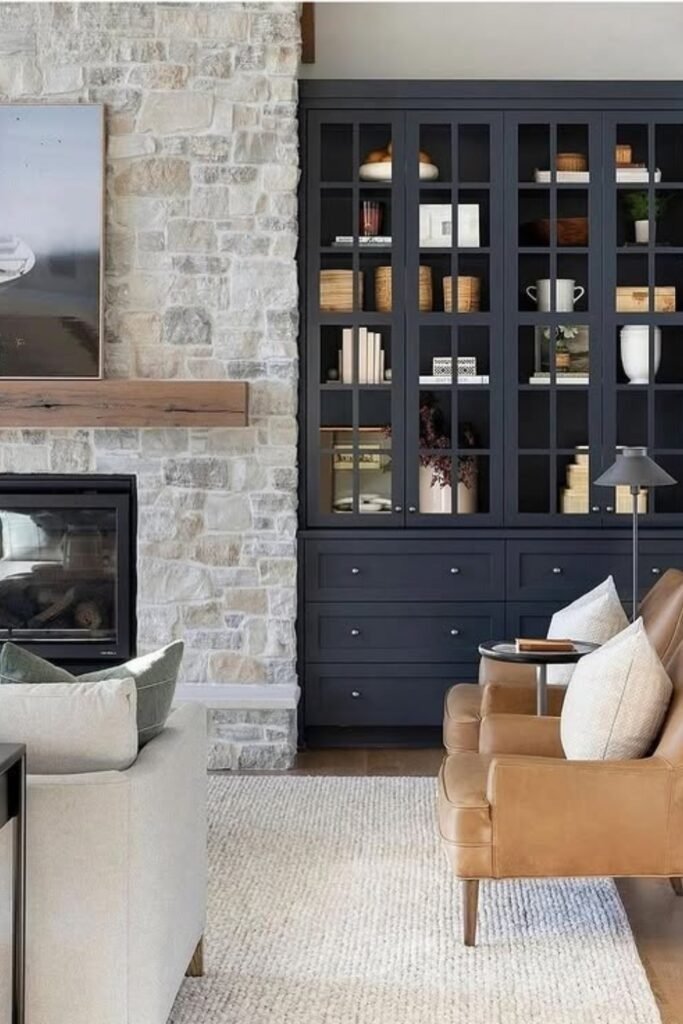
Cozier seating clusters work well in larger long rooms. Grouping furniture tightly encourages conversation. The room feels warm instead of stretched.
This approach works best when extra space is used for storage or display rather than empty floor area.
Heavy Visual Anchor
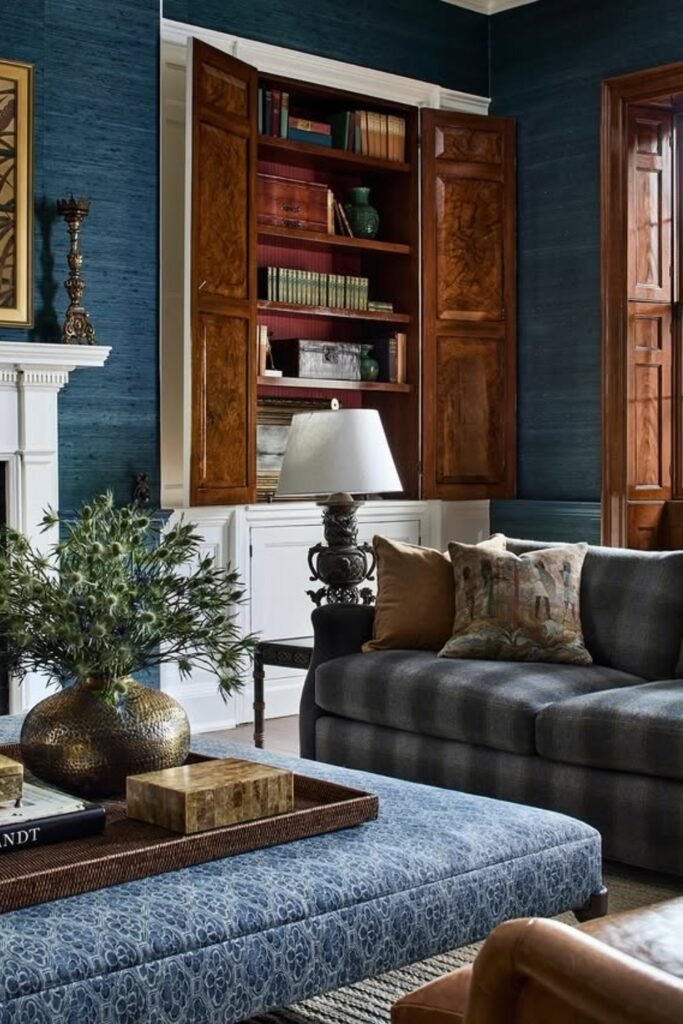
A heavy visual anchor like a large sofa or media unit grounds the room. This gives the eye a place to rest. Without an anchor, long rooms feel unsettled.
The anchor should sit perpendicular to the length when possible. This shortens the room visually.
Built-In Enclosure
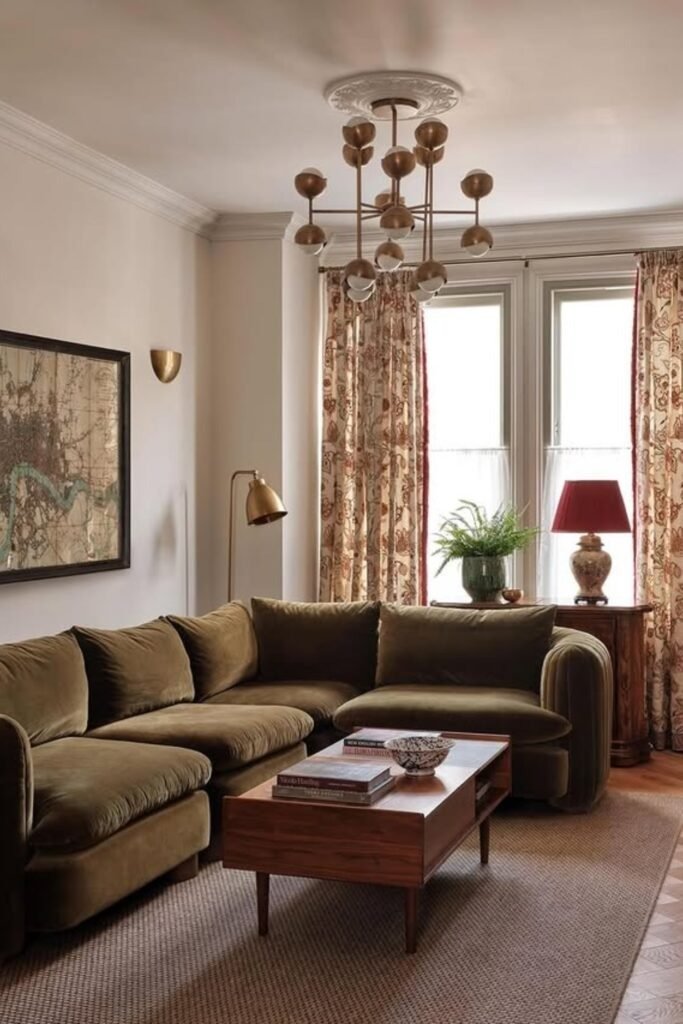
Built-in seating or shelving helps control long spaces. These elements feel intentional and save space. Built-ins also reduce clutter by hiding storage.
They work especially well at the ends of the room. This gives the space a clear beginning and end.
Corner Focus Layout
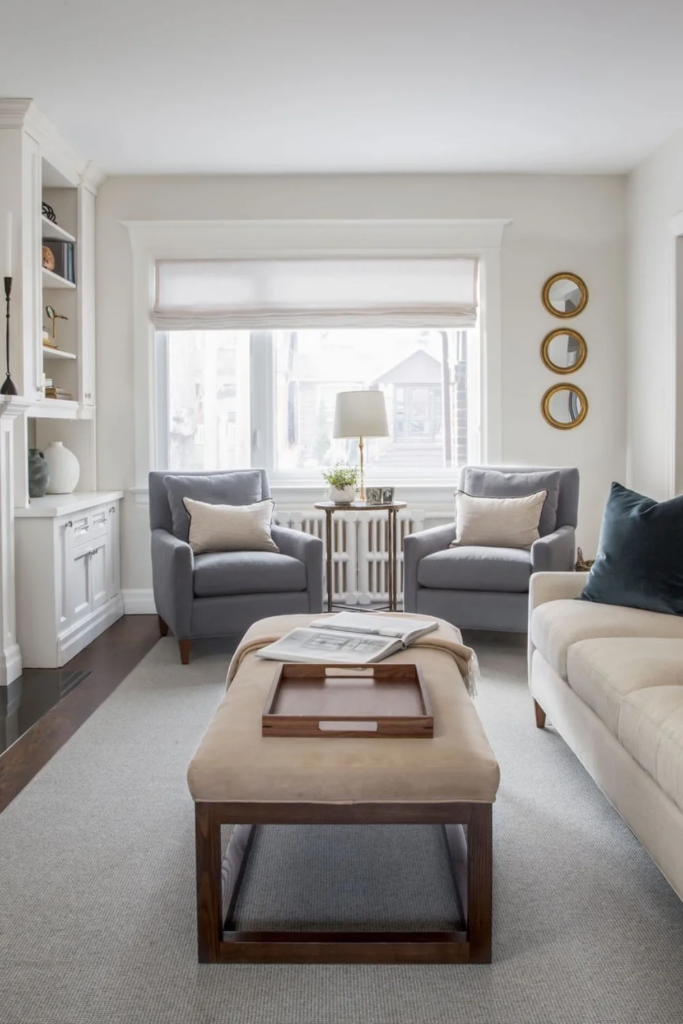
Corner-focused layouts shift attention away from the length. Seating angled toward a corner creates intimacy. This works well in rooms with windows or fireplaces in corners.
This layout also improves flow. Movement feels natural instead of forced.
Paired Chair Seating
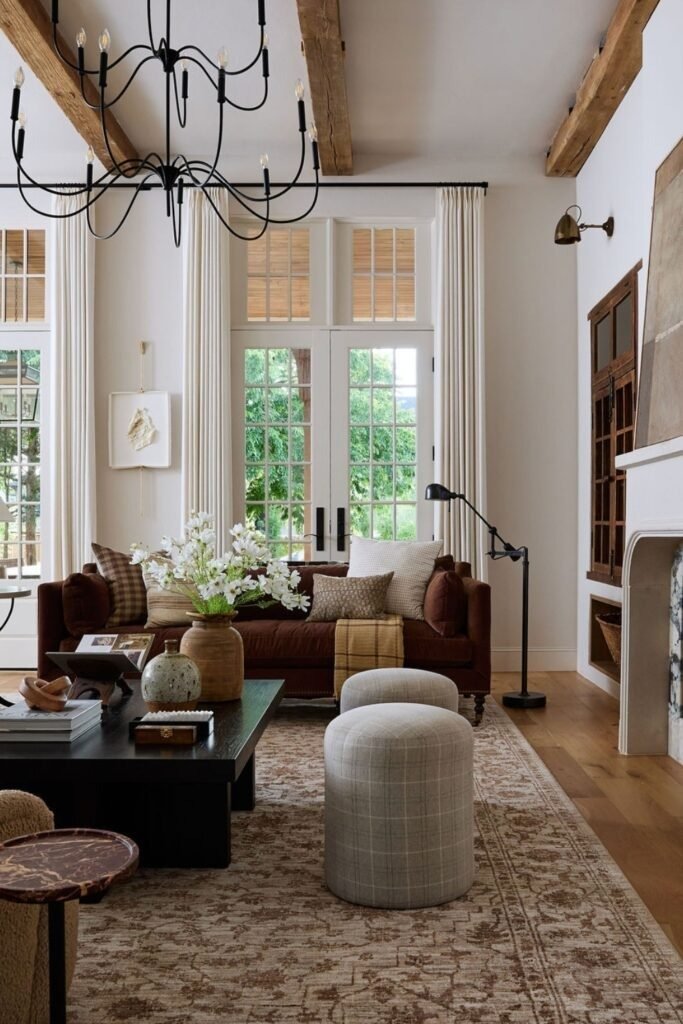
Paired chairs add flexibility to long rooms. They can face each other or a sofa. This creates balance without taking up too much space.
Chairs are easier to move than sofas. This allows the layout to adapt over time.
Conversation Focused Layout
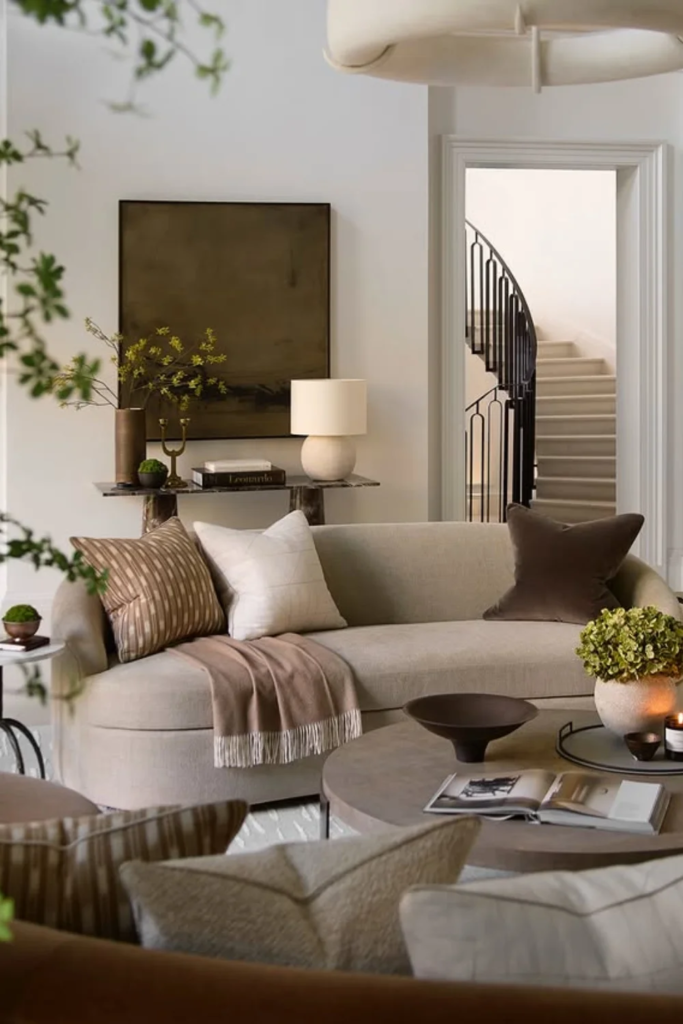
Conversation-focused layouts prioritize comfort over screens. Seating faces inward instead of toward walls. This makes the room feel social and welcoming.
This approach works well for families and entertaining. The room feels alive and useful.
Two Zone Layout
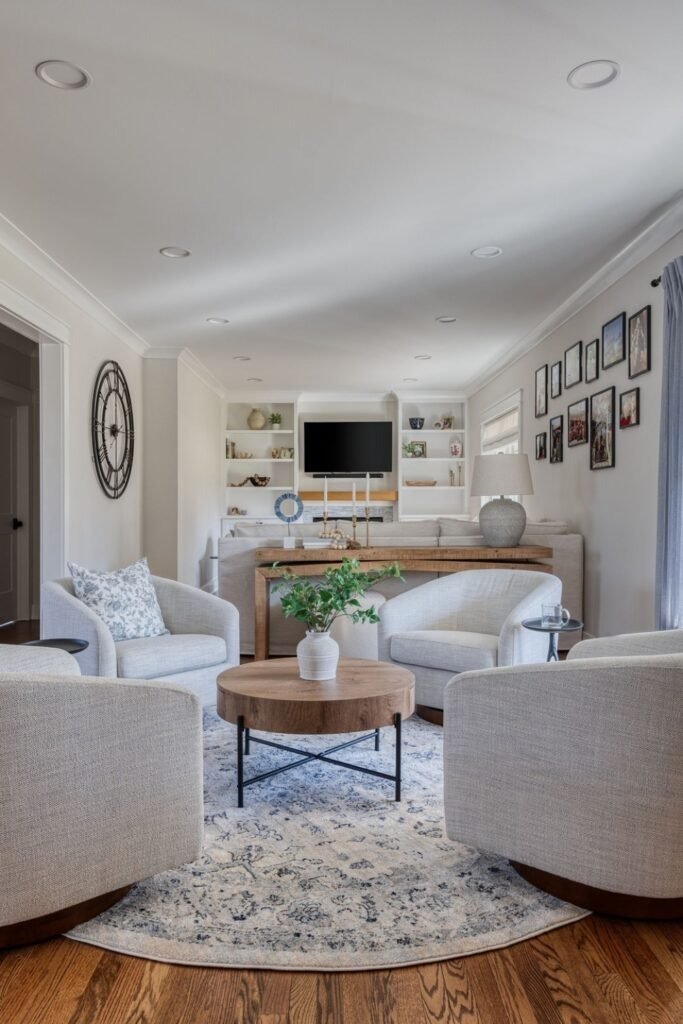
Two-zone layouts divide the room into clear functions. One zone may support lounging while the other supports work or play. This makes long rooms more practical.
The transition between zones should feel smooth. Visual cues help without blocking space.
Circular Seating Plan
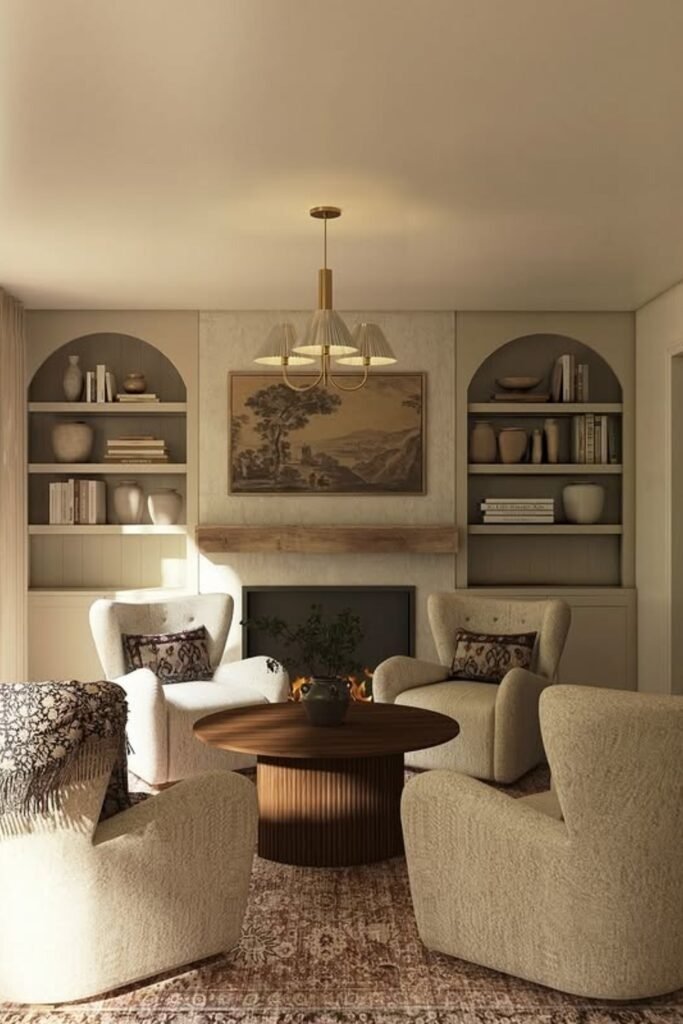
Circular seating plans work well in wider long rooms. Seating arranged in a loose circle encourages connection. The room feels balanced and relaxed.
This layout breaks straight lines and improves flow. It works especially well for social spaces.
FAQs
Can a long rectangular living room have two seating areas?
Yes, a long rectangular living room can easily support two seating areas when the space is divided with intention. Using rugs, lighting, and furniture placement helps each area feel complete without closing the room off. This approach often makes the room feel more useful and less stretched.
Should furniture be placed against the walls in a long living room?
Furniture does not need to sit against the walls in a long living room. In fact, pulling furniture inward usually improves balance and comfort. Floating layouts help the room feel wider and more intentional while improving how people move and interact within the space.