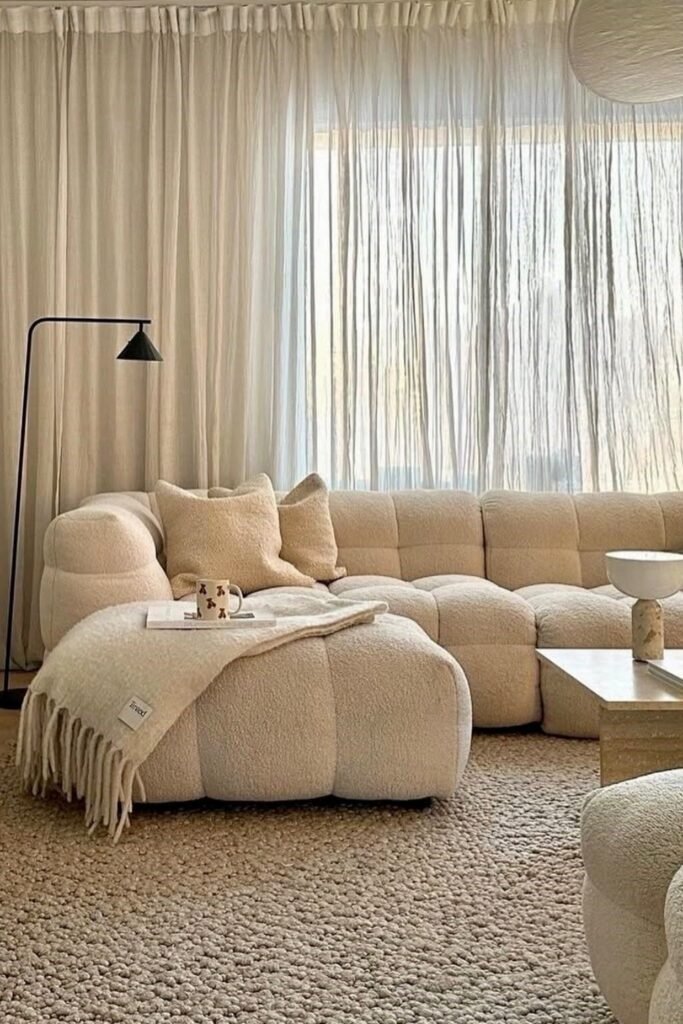
10 Living Room Daybed Couch Ideas

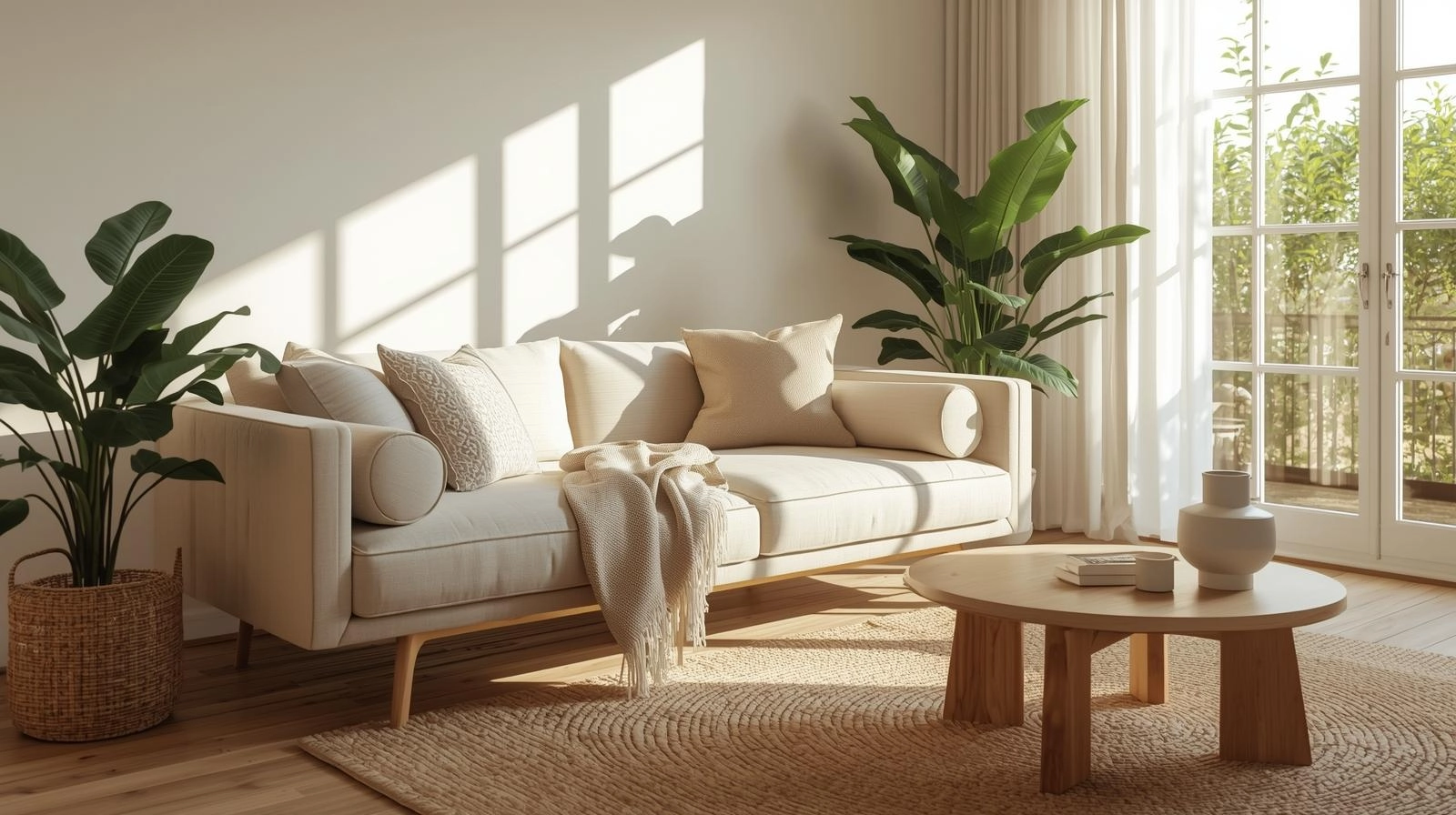
A daybed can change how your living room feels in a way that few other pieces of furniture can. Over the years, I’ve seen homes of every size struggle with the same issue: people want comfort, flexibility, and warmth, but they don’t want their space to feel crowded or stiff. A daybed solves that problem quietly. It gives you a place to sit, stretch out, rest, or host without forcing the room into one role. It feels relaxed without looking careless, and intentional without feeling formal.
Unlike a standard couch, a daybed doesn’t tell you how to use it. It adapts to your day. In the morning, it can be a calm spot with coffee. In the afternoon, it becomes a place to read or pause. In the evening, it turns into extra seating or even a bed. This flexibility is why daybeds work so well in modern homes, where rooms often serve more than one purpose. The ideas below show how a daybed can fit naturally into your living room and support real life, not just looks.
1. Use a Daybed as the Main Sofa
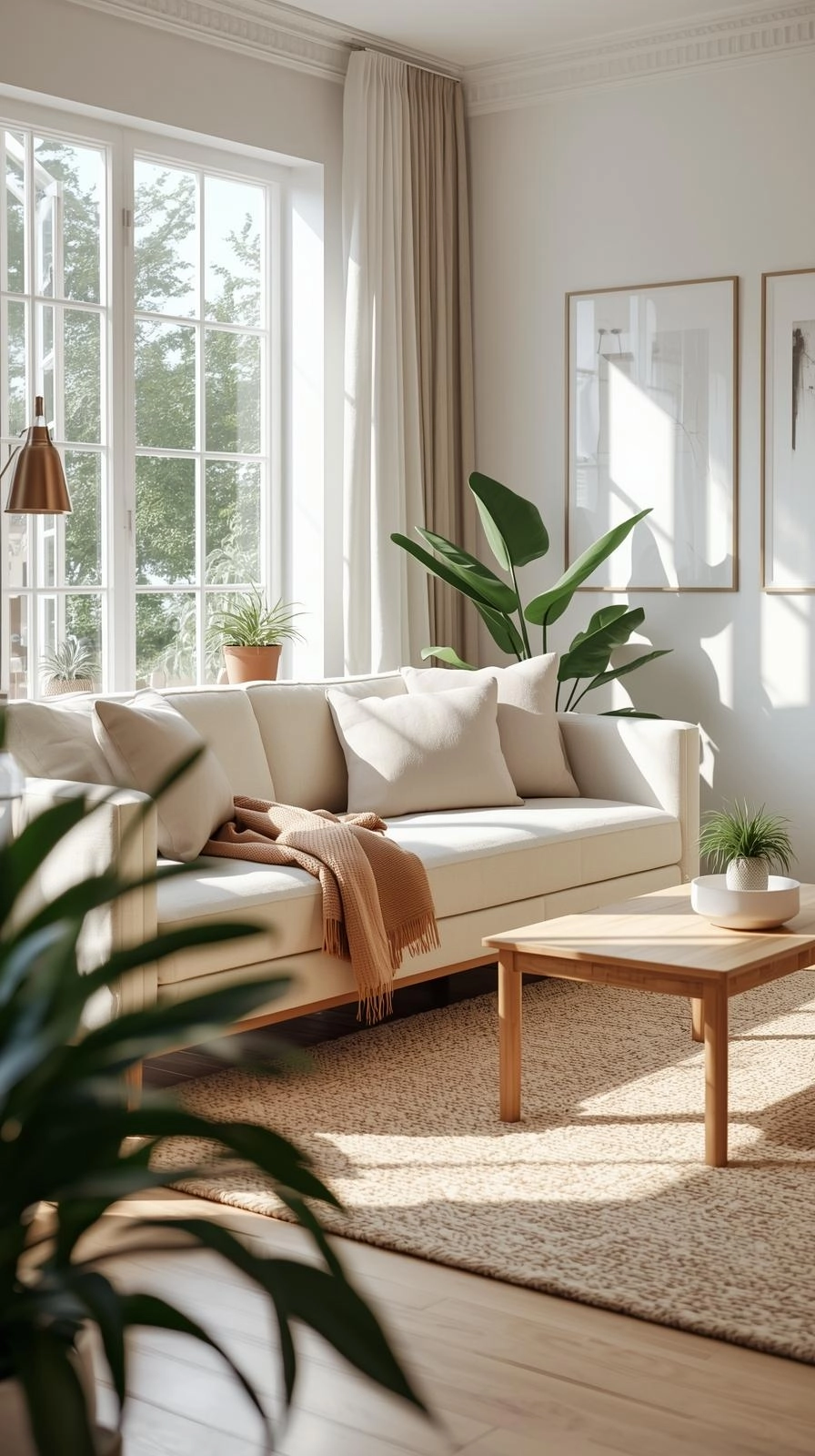
Replacing a traditional sofa with a daybed is one of the simplest ways to soften a living room. In smaller spaces, bulky couches can overwhelm the layout and block movement. A daybed feels lighter and more open, yet still gives you enough room to sit comfortably or stretch out. When chosen well, it doesn’t feel temporary or secondary. It feels intentional.
The key is comfort. A supportive mattress or thick cushion makes a big difference when a daybed is used daily. Adding large back cushions gives proper support while sitting, which helps it function like a true sofa. Over time, people find they use this setup more than a standard couch because it invites relaxation without rules. You can sit upright, lean back, or lie down without shifting furniture. It supports everyday living instead of forcing posture.
2. Place a Daybed by the Window
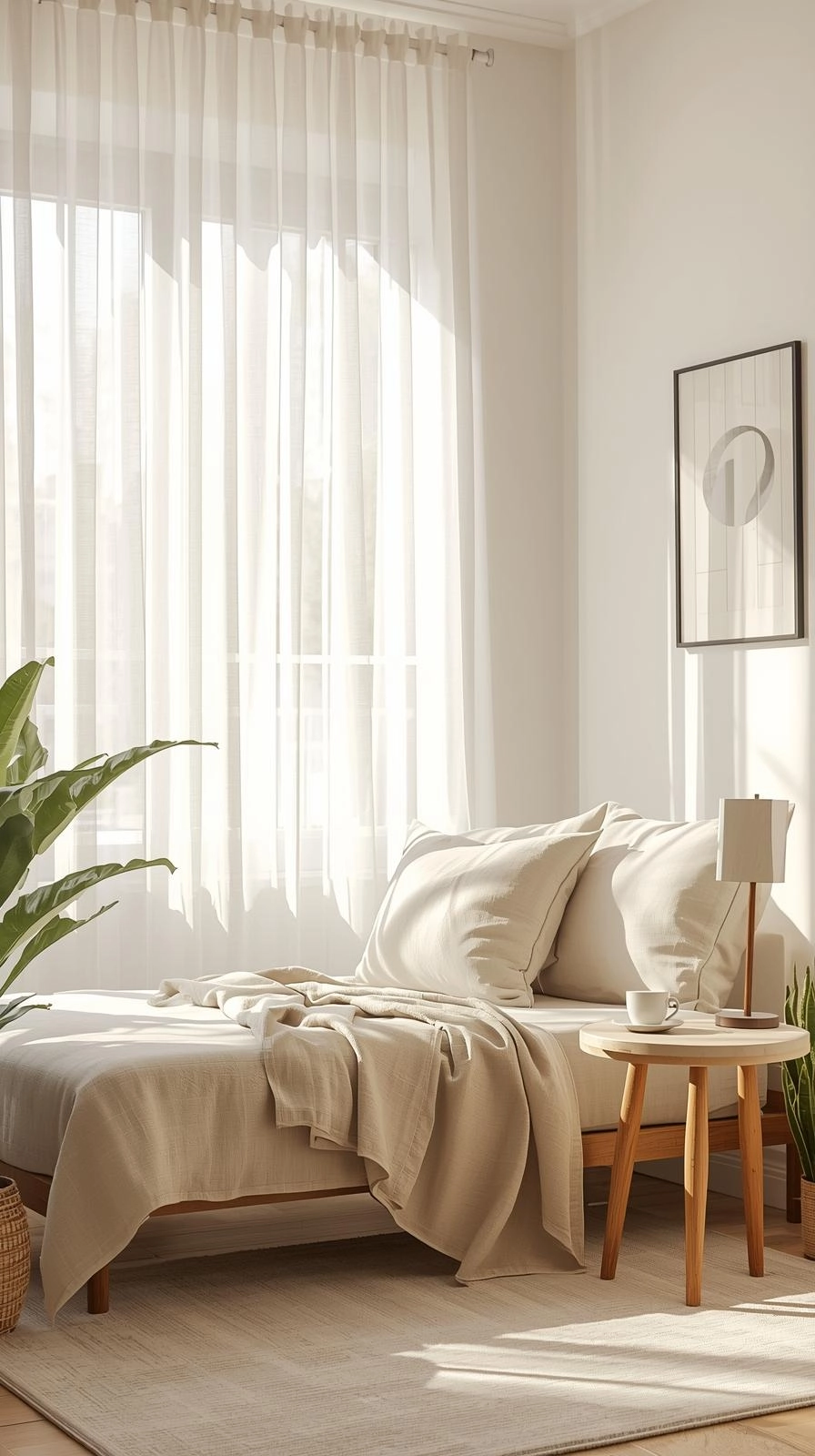
A daybed near a window creates one of the most calming areas in a home. Natural light changes the mood of a space throughout the day, and placing a daybed there allows you to enjoy that shift. Morning light feels gentle, afternoon light feels warm, and evening light feels quiet. This spot often becomes the most used part of the living room.
Fabric choice matters here. Natural materials like cotton or linen handle sunlight better and feel breathable. Lighter tones help reflect light and keep the area from feeling heavy. A small table nearby makes the space practical for daily use. Over time, this setup becomes a natural pause point in the home, offering rest without isolation.
3. Make It Double as a Guest Bed
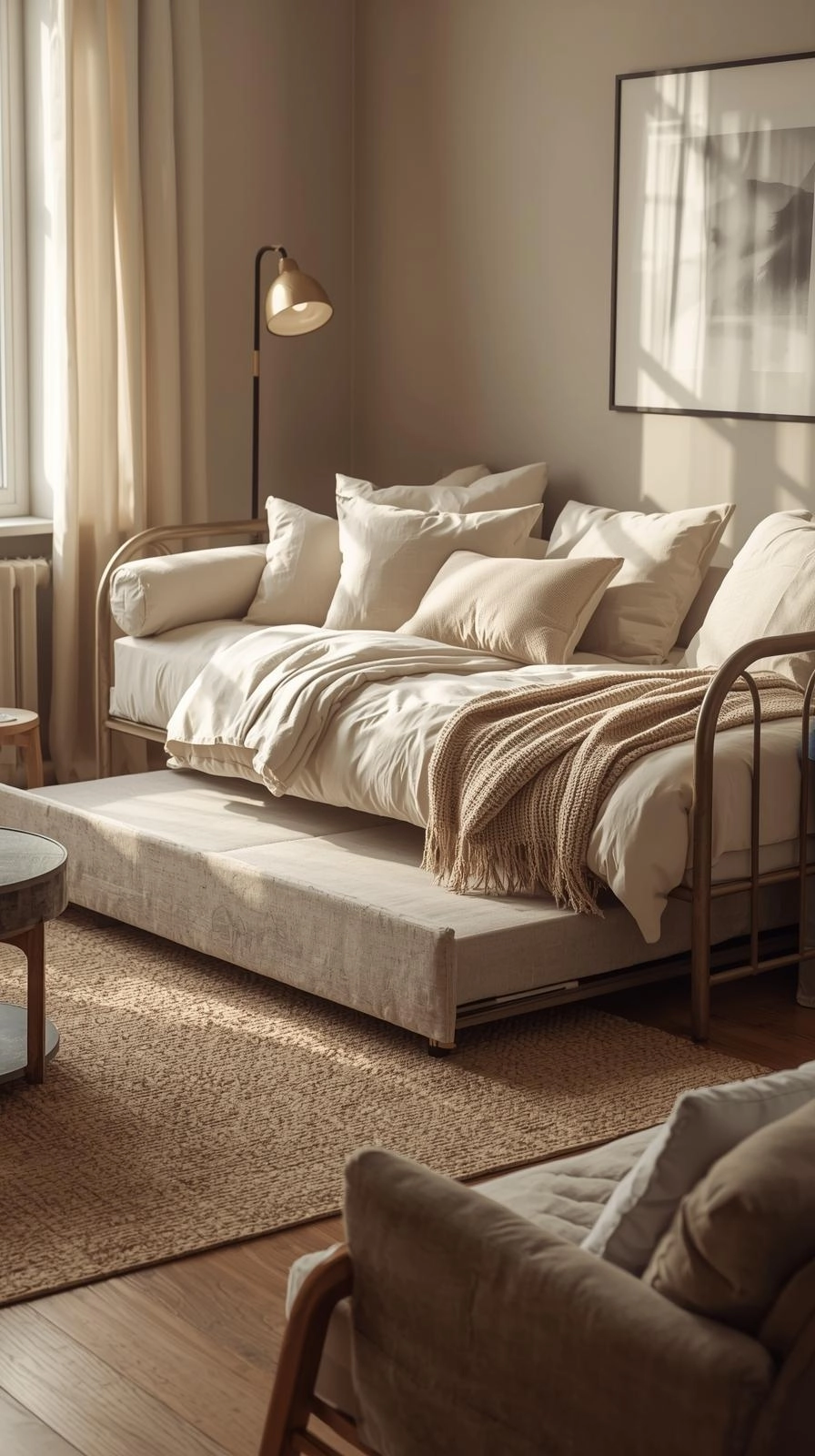
Many homes don’t have a spare room, but they still need to welcome guests. A daybed solves this without forcing a living room to look like a bedroom. During the day, it blends in as seating. At night, it offers real comfort for sleeping.
Layered bedding helps keep the look tidy. Folded blankets and neutral pillows make the daybed look intentional even when it’s ready for use. Trundle daybeds add even more flexibility, especially for families or frequent visitors. This setup removes stress because your home stays ready without extra effort. Guests feel cared for, and the space stays calm.
4. Style a Daybed for a Small Living Room
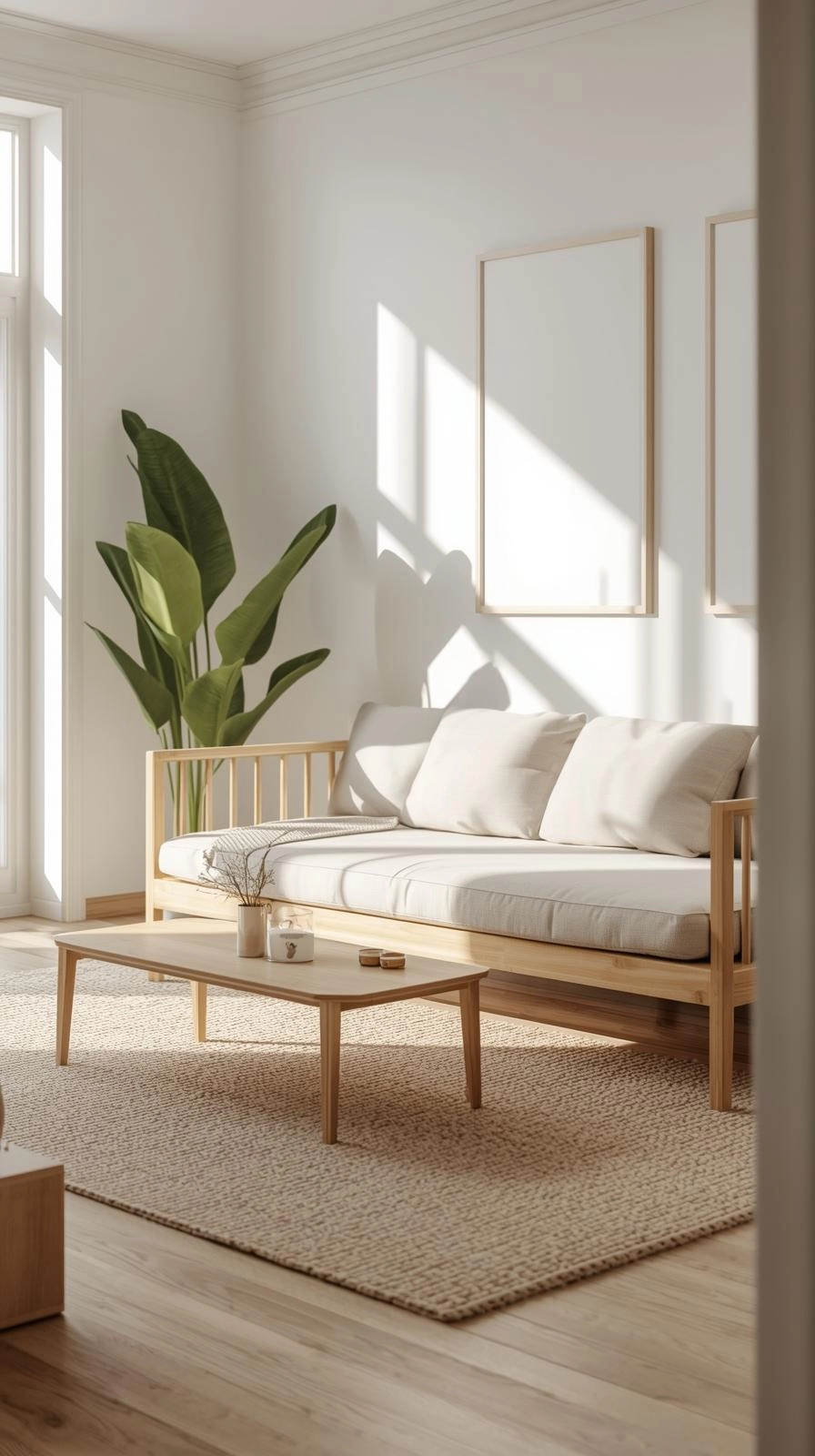
In small living rooms, visual weight matters. Heavy furniture makes spaces feel crowded, even when there is enough room to walk. A daybed, especially one with an open frame or slim legs, allows light to move freely. This makes the room feel larger than it is.
Light upholstery helps maintain balance, while simple lines keep the design calm. A small table and a rug define the seating area without closing it off. This layout works because it respects the space instead of fighting it. Over time, people notice they move more easily through the room and feel less boxed in.
5. Add Storage Underneath
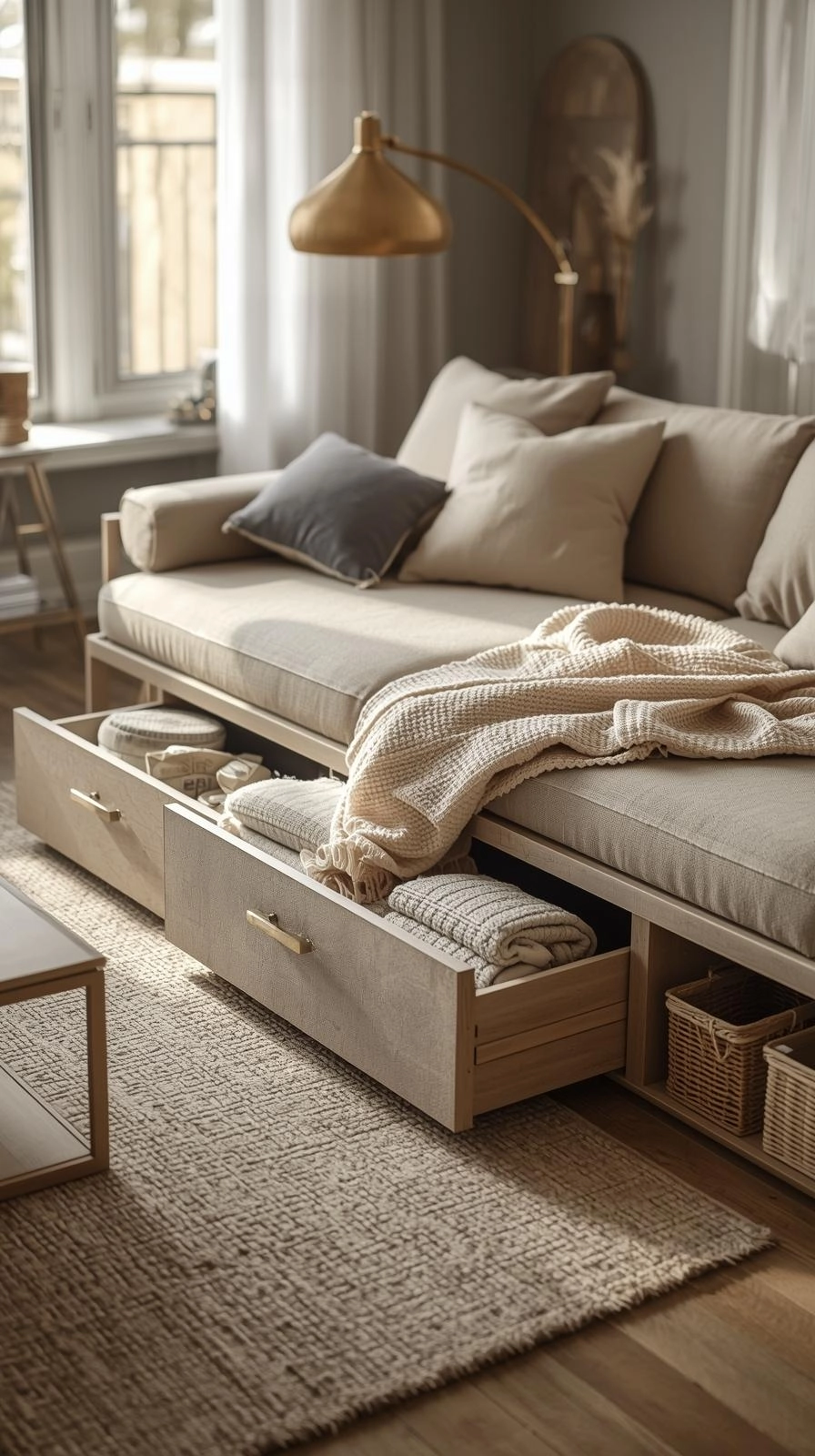
Living rooms collect things. Blankets, pillows, games, and extra items need a place to go. A daybed with built-in storage handles this quietly. Drawers or shelves beneath the seat keep items close without adding clutter.
Even without built-in storage, baskets under a daybed work well. They keep the room tidy while still feeling natural. Organization reduces stress, even if we don’t always notice it. When a space stays clear, it feels easier to relax. This is one of the reasons storage-focused daybeds remain popular year after year.
6. Create a Cozy Corner Nook
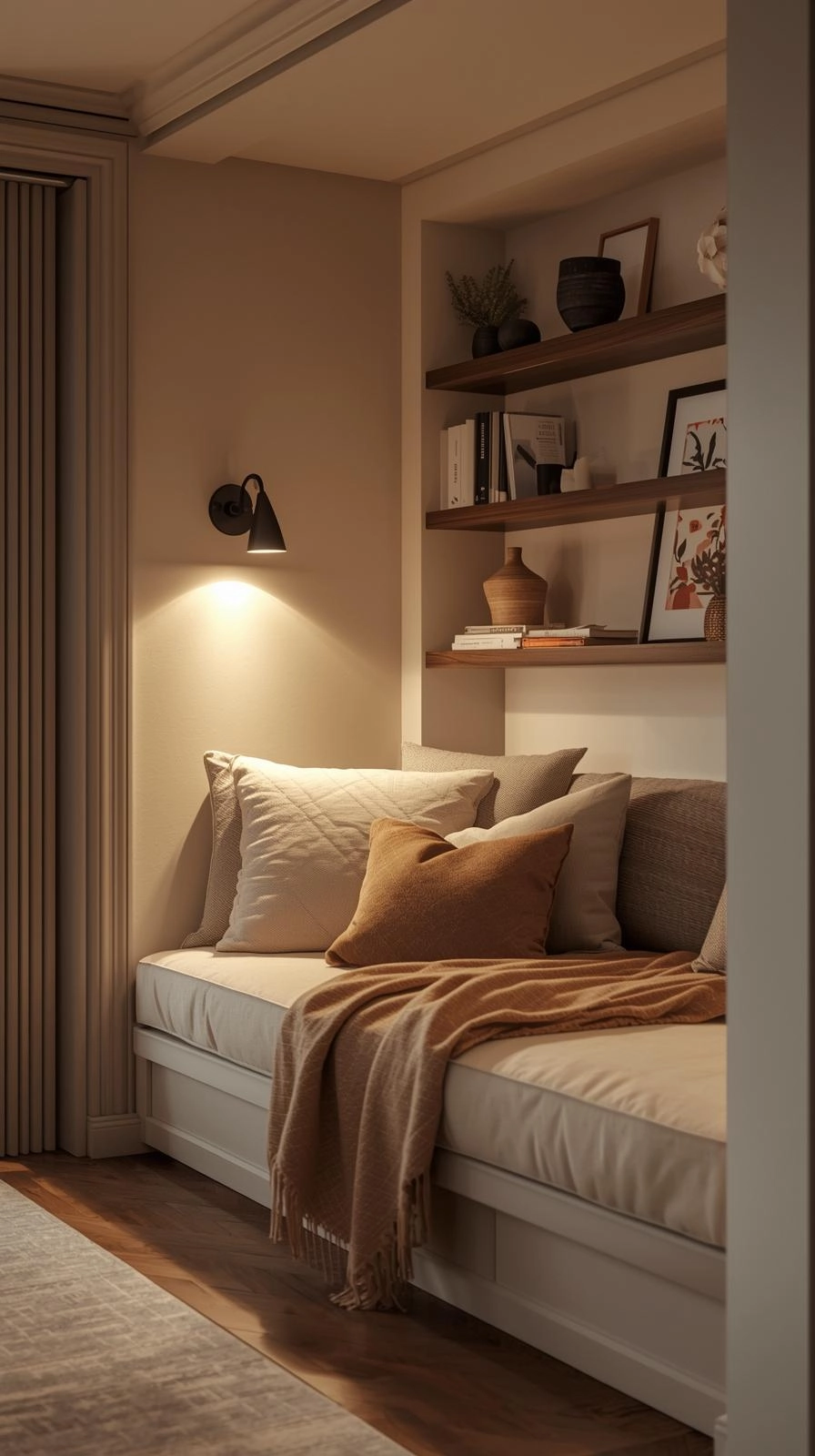
Unused corners often go unnoticed, but they can become the most comforting parts of a home. A daybed fits into these spaces easily, turning them into quiet retreats. Placed against two walls or angled slightly, it creates a sense of enclosure without closing the room off.
Soft cushions add comfort, while simple colors help the nook blend into the room. A reading light or wall lamp makes it functional at any time of day. This kind of space supports rest in a busy home. It offers comfort without demanding attention.
7. Use a Daybed with a Backrest
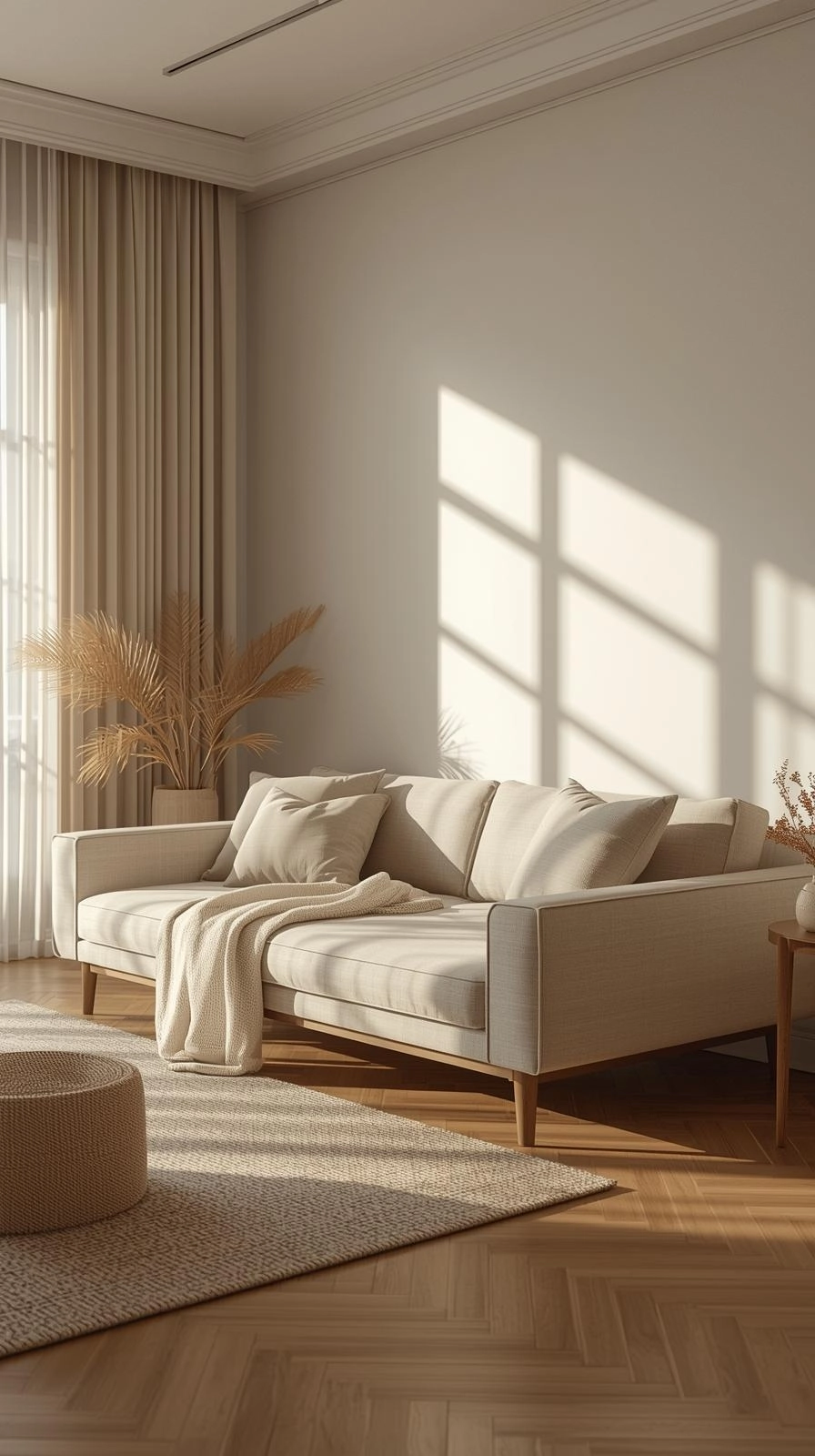
Daybeds with backrests feel closer to traditional sofas, which makes them easier to integrate into existing layouts. The backrest provides support for sitting while keeping the option to lie down open. This design suits people who want comfort without a full couch.
Wooden frames feel grounded and simple. Upholstered frames feel soft and welcoming. Both work well depending on the room’s style. With the right cushions, this setup blends so well that many people forget it’s a daybed at all.
8. Style It for a Modern Look
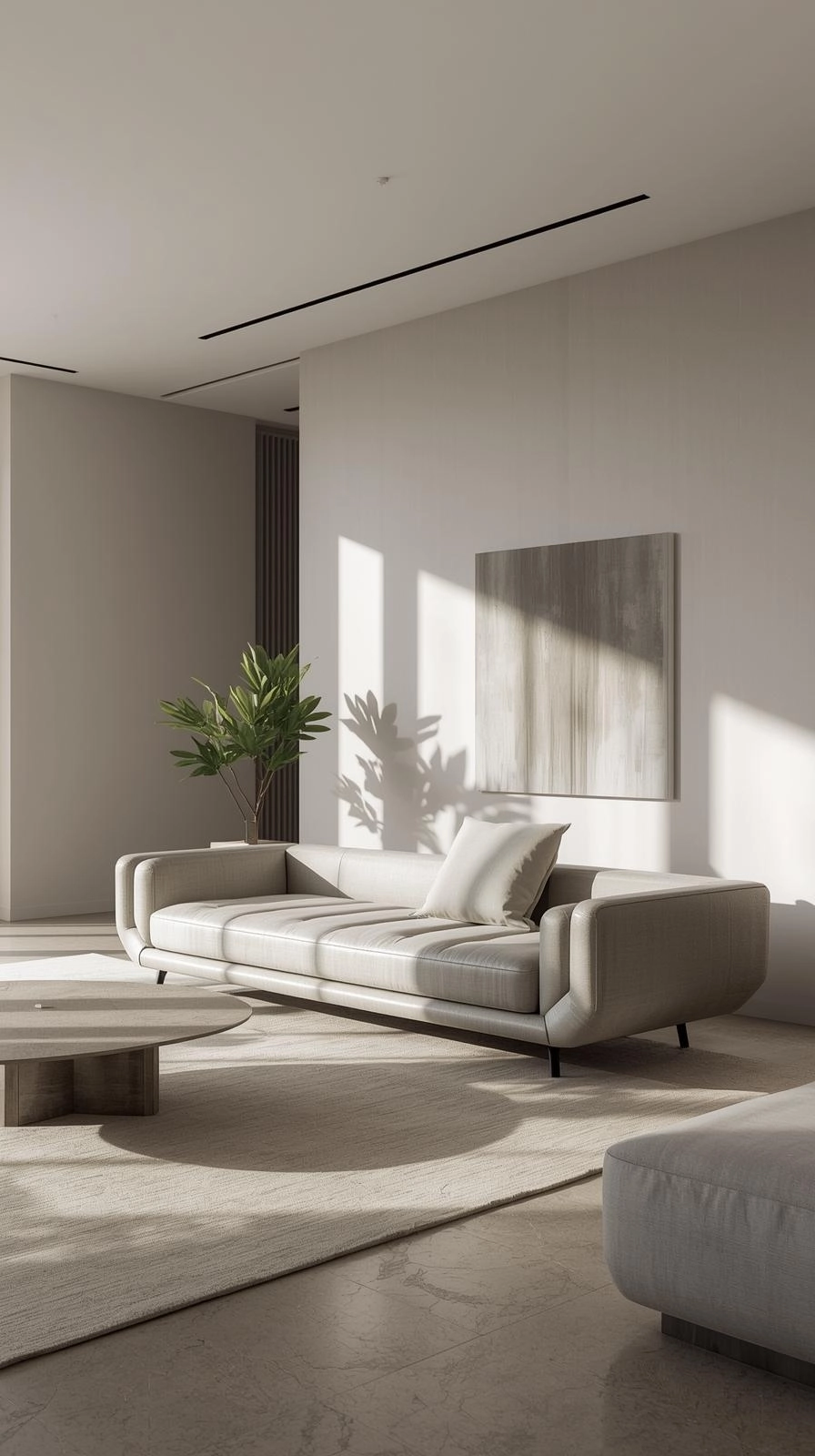
Modern living rooms benefit from furniture that is simple and flexible. A daybed fits this approach naturally. Clean lines, neutral colors, and low profiles help the space feel calm and uncluttered.
Keeping decor minimal allows the shape of the daybed to stand out without effort. One piece of wall art or a simple lamp is often enough. This style works because it feels honest. Nothing feels forced, and everything has a purpose.
9. Choose a Daybed for Open Living Spaces
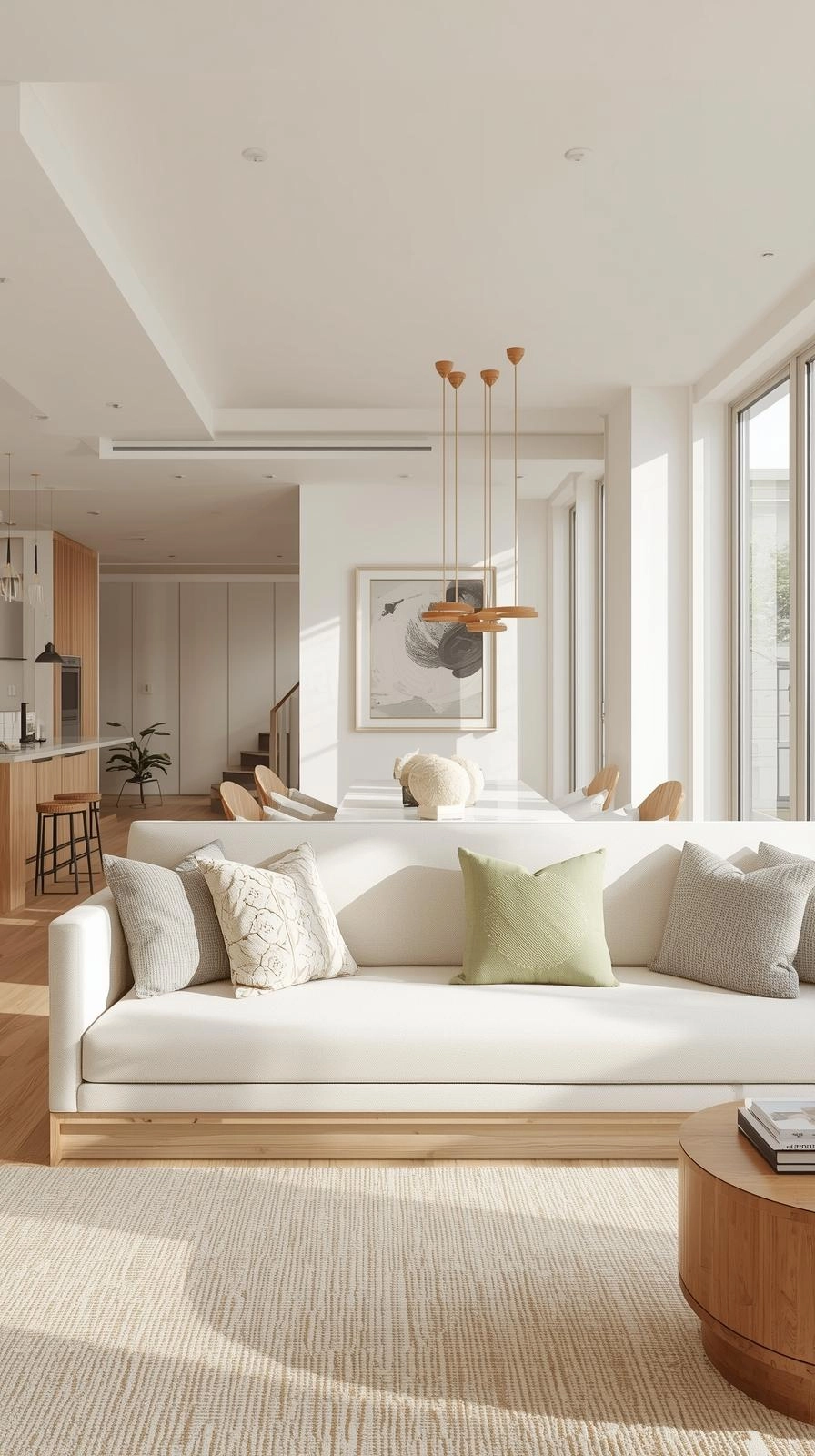
Open layouts can feel undefined without clear furniture placement. A daybed helps create separation without walls. Placed between zones, it marks the living area while keeping sightlines open.
Backed daybeds offer clearer boundaries, while open frames maintain flow. This flexibility is especially helpful in apartments or shared spaces. It keeps the layout practical while preserving openness, which supports daily movement and comfort.
10. Layer with Textures for Comfort

Texture gives a daybed personality. Mixing fabrics like cotton, linen, and light knits creates warmth without clutter. Even within neutral tones, texture adds interest.
Seasonal changes keep the space feeling fresh. Lighter layers in warm months and thicker ones in colder seasons help the room stay comfortable year-round. The daybed becomes a steady base that adjusts naturally with time.
Making Your Daybed Fit Your Life
A daybed works best when it supports how you live. Some people use it for afternoon rest. Others use it as extra seating. Families appreciate its flexibility, while small households value its efficiency. The most successful setups feel natural, not staged.
Over time, a well-placed daybed becomes part of daily routines. It adapts without effort, which is what makes it so valuable.
Choosing the Right Daybed for Your Living Room
Before choosing a daybed, consider how it will be used most often. Comfort should come first if it replaces a sofa. Durability matters if it hosts guests. Material choices affect both look and longevity.
Size is equally important. Slim designs suit small rooms, while deeper frames add comfort in larger spaces. The right balance ensures the daybed feels intentional rather than squeezed in.
Keeping It Balanced with Other Furniture
A daybed should feel anchored without overpowering the room. Leaving space around it helps it stand out while keeping movement easy. Rugs and lighting help define its place.
Balance comes from contrast. Light furniture pairs well with darker accents and vice versa. These small choices make the layout feel complete.
How to Keep It Looking Fresh
Because daybeds are used often, small care habits matter. Rotating cushions, washing covers, and adjusting layers keep it looking clean. Simple changes maintain comfort without effort.
A tidy daybed invites use. When a space feels calm, people naturally spend more time there.
Why Daybeds Are Making a Comeback
Modern homes value flexibility. Daybeds answer that need without sacrificing comfort. They suit changing routines and smaller spaces while still feeling intentional.
Their return reflects a shift toward relaxed living. People want furniture that adapts, not dictates. Daybeds offer that freedom.
Final Thoughts
A living room daybed couch is not just a design choice. It’s a practical solution that supports real life. It offers rest, seating, and flexibility in one form. When chosen and styled thoughtfully, it blends into the home and becomes part of daily rhythm.
This is why daybeds continue to last. They meet people where they are, offering comfort without excess. That kind of design never goes out of style.