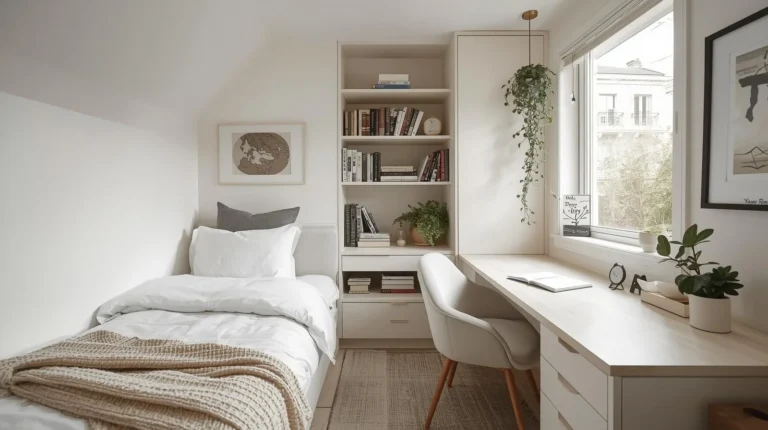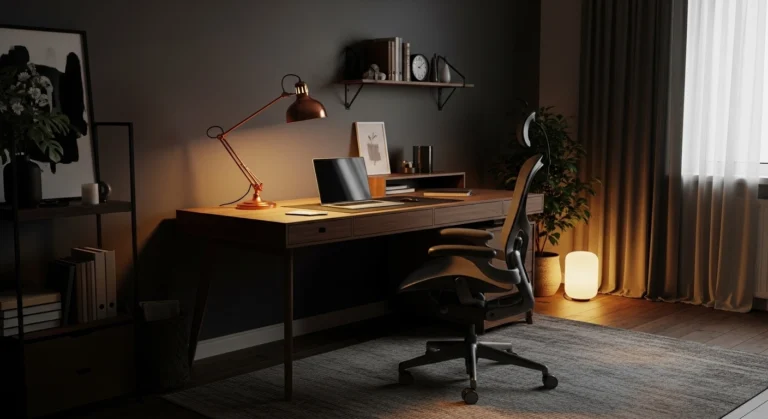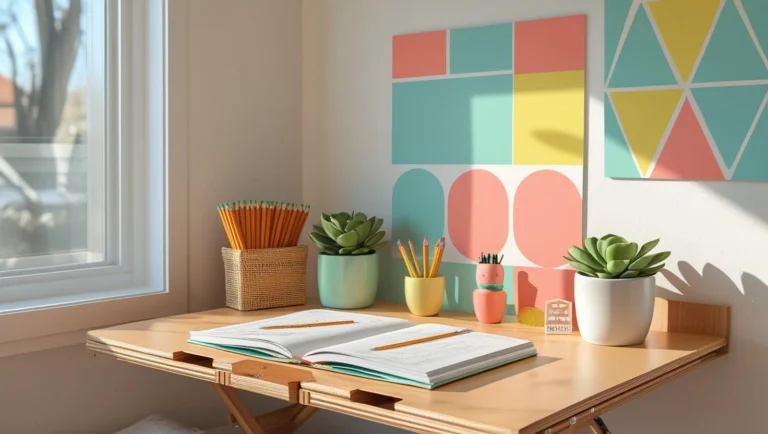
10 Japandi Home Office Ideas That Mix Calm and Function

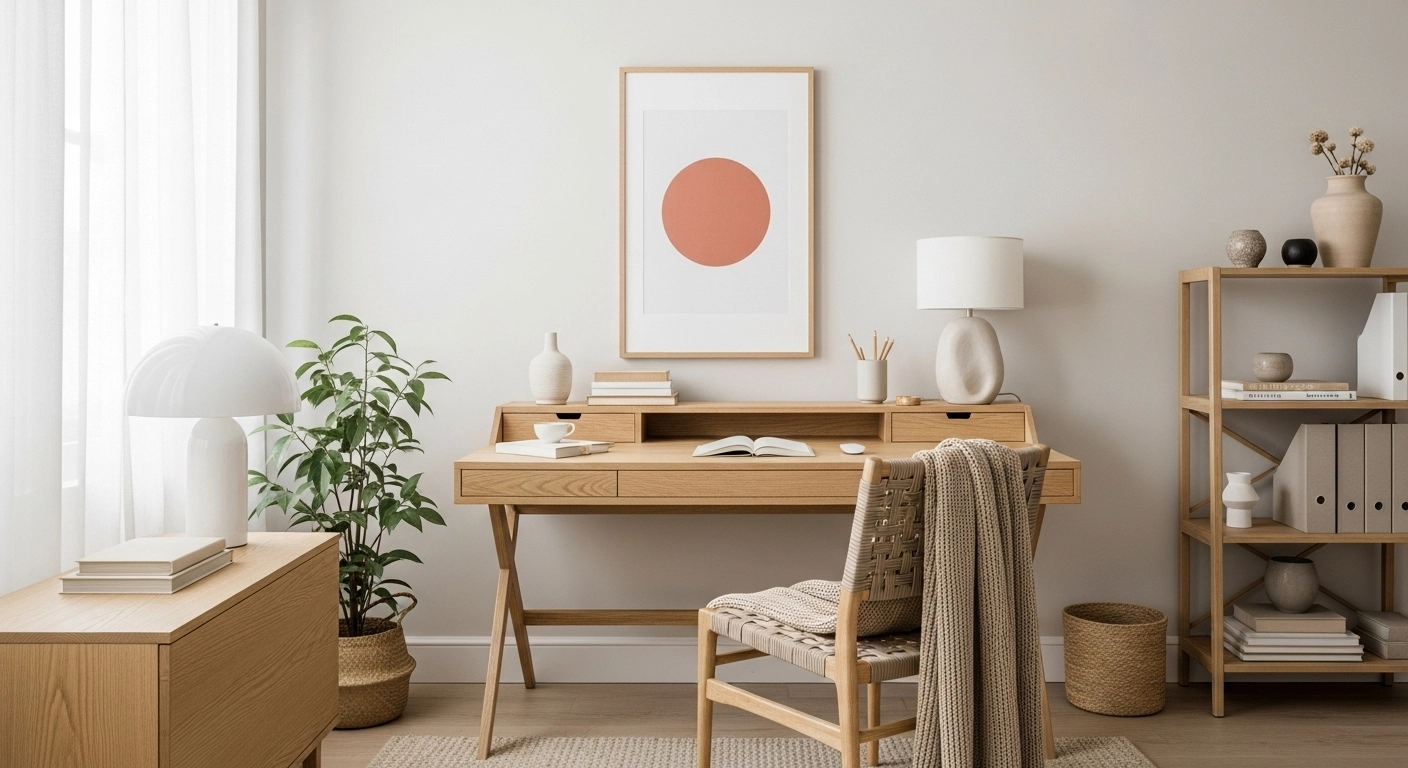
A Japandi home office feels calm the moment you step into it. It does not push ideas at you or fill the room with noise. Instead, it gives your mind space to slow down and focus. This style blends Japanese calm with Scandinavian function, and together they create a workspace that feels steady and easy to live with. After working with home layouts and functional spaces for more than twenty years, one thing is clear. People do their best work in rooms that feel balanced, not busy. A Japandi office supports that balance in a quiet way.
Working from home has changed how people think about their spaces. A desk is no longer just a place to sit for an hour. It is where focus, comfort, and daily routine meet. When a home office feels heavy or cluttered, work feels harder than it needs to be. Japandi style removes that weight. It keeps what helps and removes what distracts. The result is a space that works with you instead of against you.
This kind of office does not need a large room or expensive furniture. It works because of how each choice supports the next. Light supports movement. Furniture supports posture. Storage supports clarity. When these elements work together, the room feels calm even on busy days. Below are ten ideas that build on this approach. Each one focuses on how the space feels and how it supports real work, day after day.
1. A Desk That Brings Steady Flow to the Room
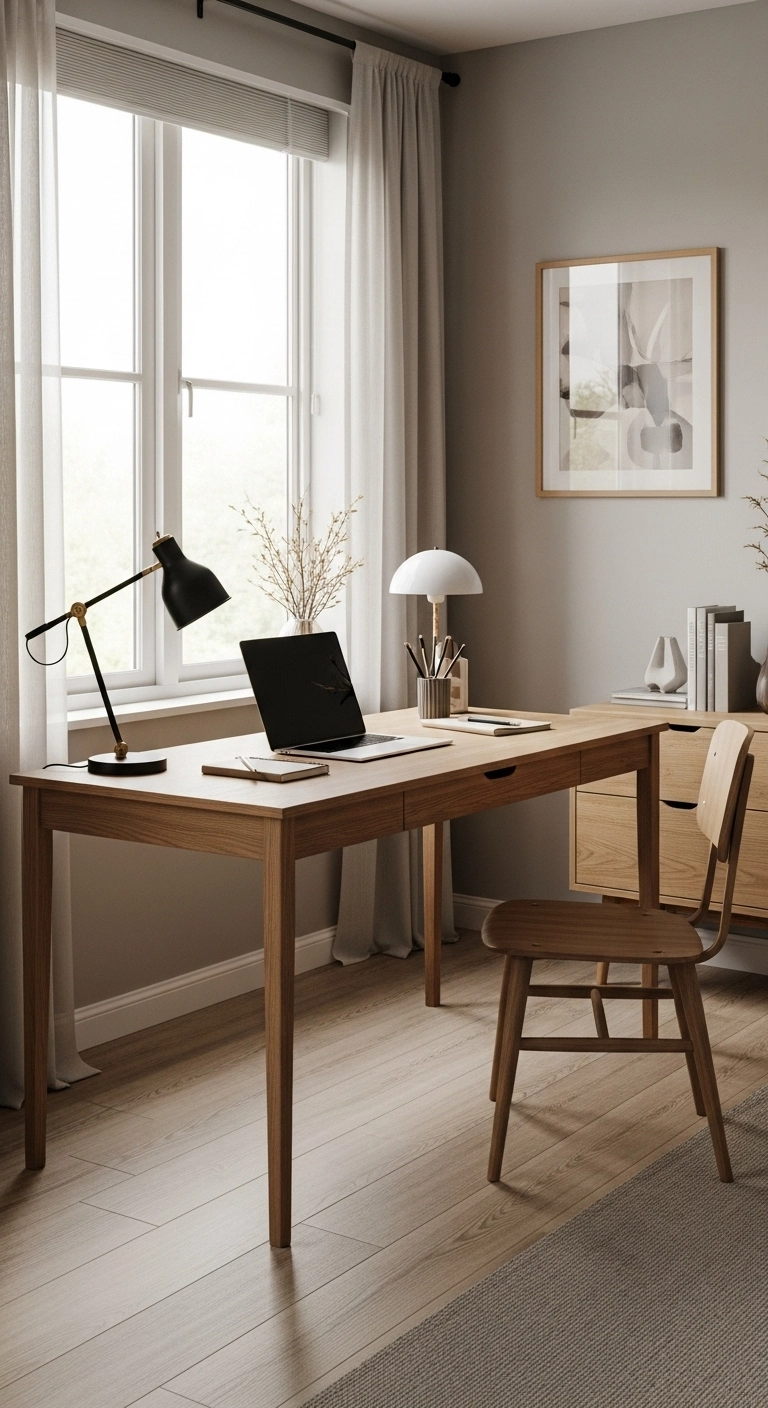
The desk is the heart of a Japandi home office. If the desk feels wrong, the rest of the room never settles. A good desk feels steady when you lean on it, smooth when you move your hands across it, and open enough that your work does not feel crowded. Wood desks work well because they bring warmth and a sense of grounding. They also age well, which fits the Japandi belief that a space should feel lived in, not staged.
The size of the desk matters more than people think. Too small, and your work spills over. Too large, and the room feels heavy. The goal is balance. You want space for your laptop, papers, and hands without needing to shift things around all day. When the desk surface stays clear, your mind stays clearer too. Over long hours, this reduces stress without you even noticing it.
Placement matters just as much as the desk itself. The desk should sit where natural light reaches it but does not cause glare. Light that falls softly across the desk keeps your eyes relaxed and your energy steady. The desk should not block movement or make the room feel tight. When you can walk around it easily, the room feels open. Over time, this open feeling helps work feel less draining.
2. A Quiet Color Palette That Clears the Mind
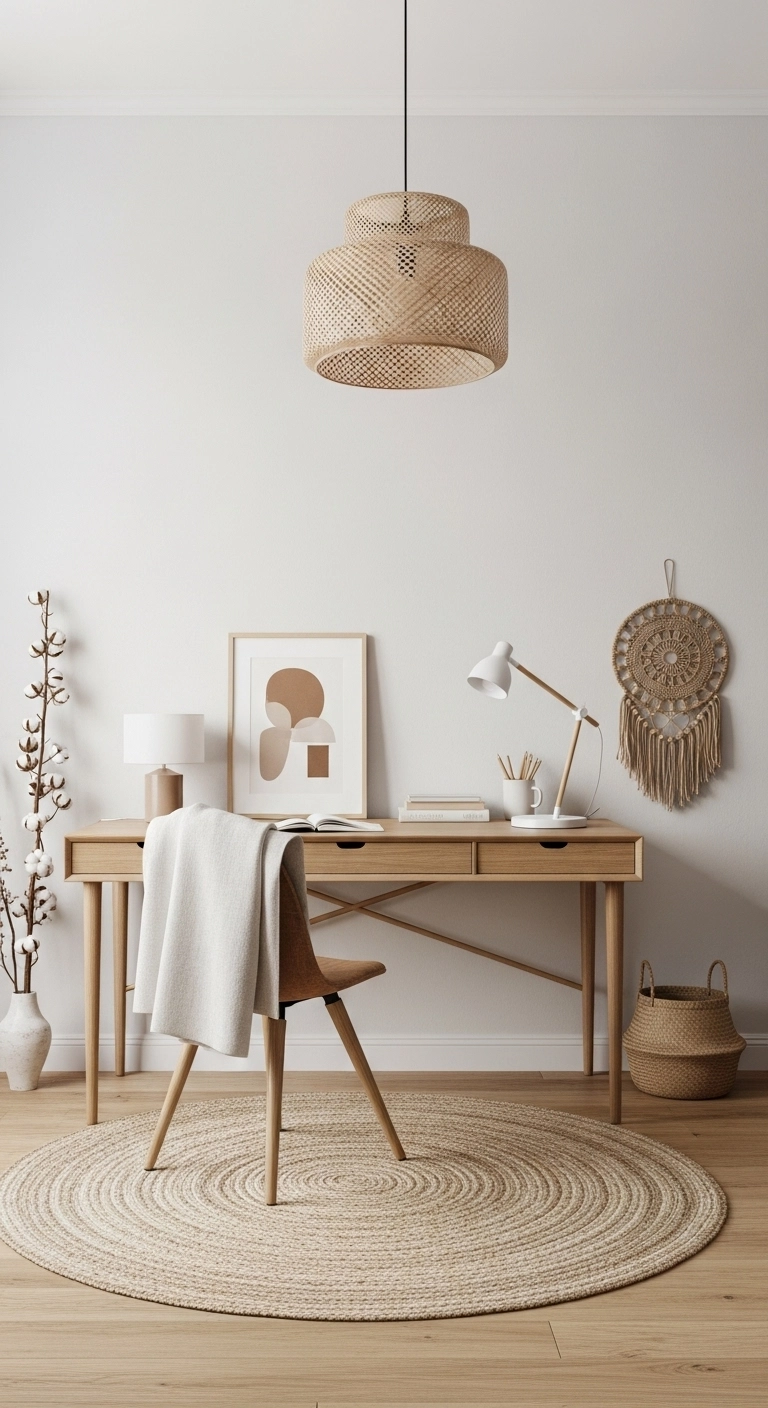
Color sets the tone for how a room feels before you even sit down. In a Japandi home office, color should support focus, not fight it. Soft whites, warm beiges, gentle grays, and light wood tones work together to create a calm base. These colors do not demand attention. They let your thoughts take the lead.
Bright or harsh colors can pull focus without you realizing it. Over time, this creates mental noise. When the palette stays quiet, your mind settles faster. You spend less energy adjusting to the room and more energy on your work. This is why Japandi spaces feel restful even during long workdays.
A calm palette also makes the room feel larger and cleaner. Light tones reflect natural light and help the space breathe. When paired with natural textures, these colors add depth without clutter. The room does not feel empty. It feels intentional. This balance helps you stay focused without feeling boxed in.
3. Natural Light That Keeps the Space Awake Without Strain
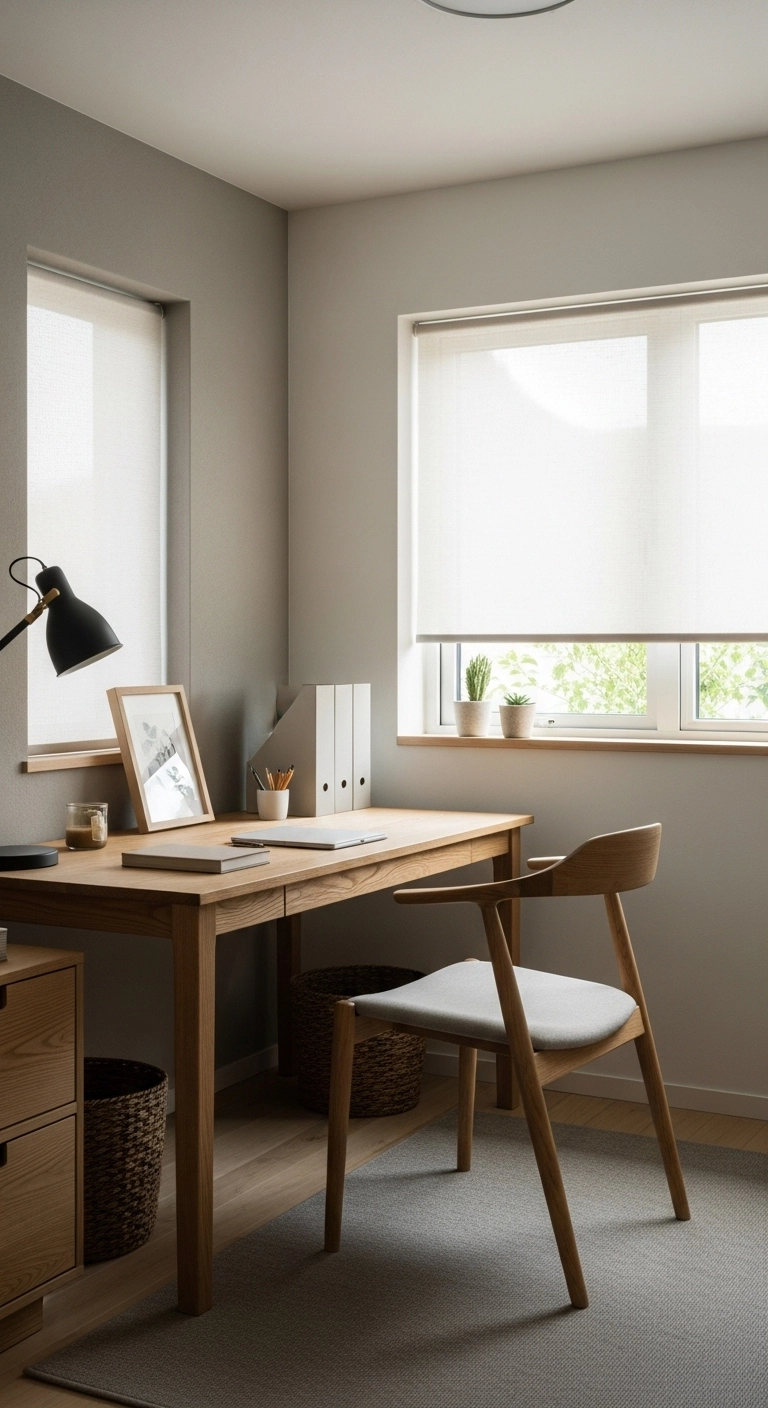
Natural light is one of the most important parts of a Japandi home office. It affects mood, focus, and energy. When light enters the room in a soft way, work feels easier. You stay alert without feeling tense. Placing your desk near a window allows daylight to support your work throughout the day.
The goal is not harsh brightness. It is even light that moves naturally as the day goes on. This gentle change helps your body stay in rhythm. Simple window coverings allow you to control the light without blocking it completely. When light is softened, shadows feel gentle and the room feels calm.
Natural light also connects the office to the outdoors. This connection matters more than people realize. Even when you stay indoors all day, light reminds your body that time is moving forward. This reduces fatigue and helps you stay present. In a Japandi office, light works quietly in the background, supporting focus without calling attention to itself.
4. A Chair That Supports Long Work Days Without Distraction
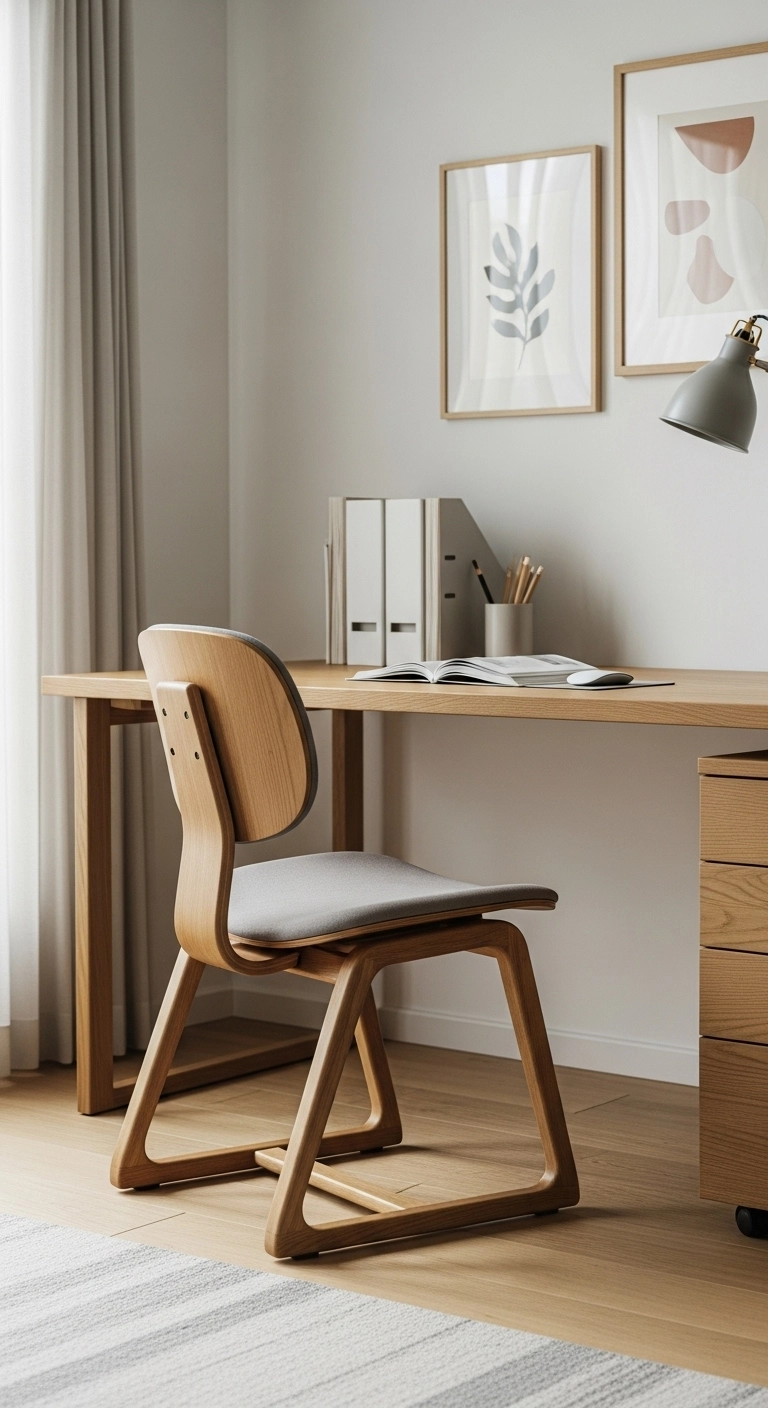
A chair should support your body so your mind can focus. In a Japandi home office, the chair is simple, stable, and comfortable. It does not need extra features that distract you. It needs to support your back, allow your feet to rest flat, and let you sit naturally for long periods.
When a chair fits your body well, you shift less and stay focused longer. This reduces physical strain that slowly builds during the day. Chairs made with wood, fabric, or woven materials often blend well with Japandi style. They feel warm and grounded instead of cold or stiff.
The chair should move smoothly and feel quiet. No squeaking, no wobbling. When the chair fades into the background, your attention stays on your work. This is a key idea in Japandi design. Furniture should support life, not interrupt it.
5. Storage That Keeps the Space Light and Clear

Clutter is one of the biggest enemies of focus. In a Japandi home office, storage plays a quiet but powerful role. When everything has a place, the room feels lighter. You do not waste time searching for items or feeling overwhelmed by piles.
Storage should be simple and easy to reach. Drawers, shelves, or cabinets made from wood work well because they blend with the rest of the room. The goal is not to hide everything. It is to keep daily tools organized and within reach. When storage works well, your desk stays clear and your thoughts stay ordered.
Over time, good storage changes how you work. You reset the space easily at the end of the day. This makes it easier to start fresh the next morning. The room stays calm because clutter never gets the chance to build up.
6. Natural Materials That Bring a Sense of Warmth

Natural materials are at the core of Japandi design. They bring warmth without adding noise. Wood, cotton, linen, stone, and bamboo feel good to touch and easy to live with. These materials ground the space and make it feel real.
When your hands rest on wood or your feet touch a soft rug, the body relaxes slightly. These small signals matter. They tell your body that the space is safe and steady. Over time, this reduces stress during long work hours.
Natural materials also age with grace. Small marks and changes add character instead of looking worn. This fits the Japandi belief that beauty comes from use, not perfection. The room feels lived in and honest, which helps you feel comfortable and focused.
7. A Layout That Guides Movement Without Friction
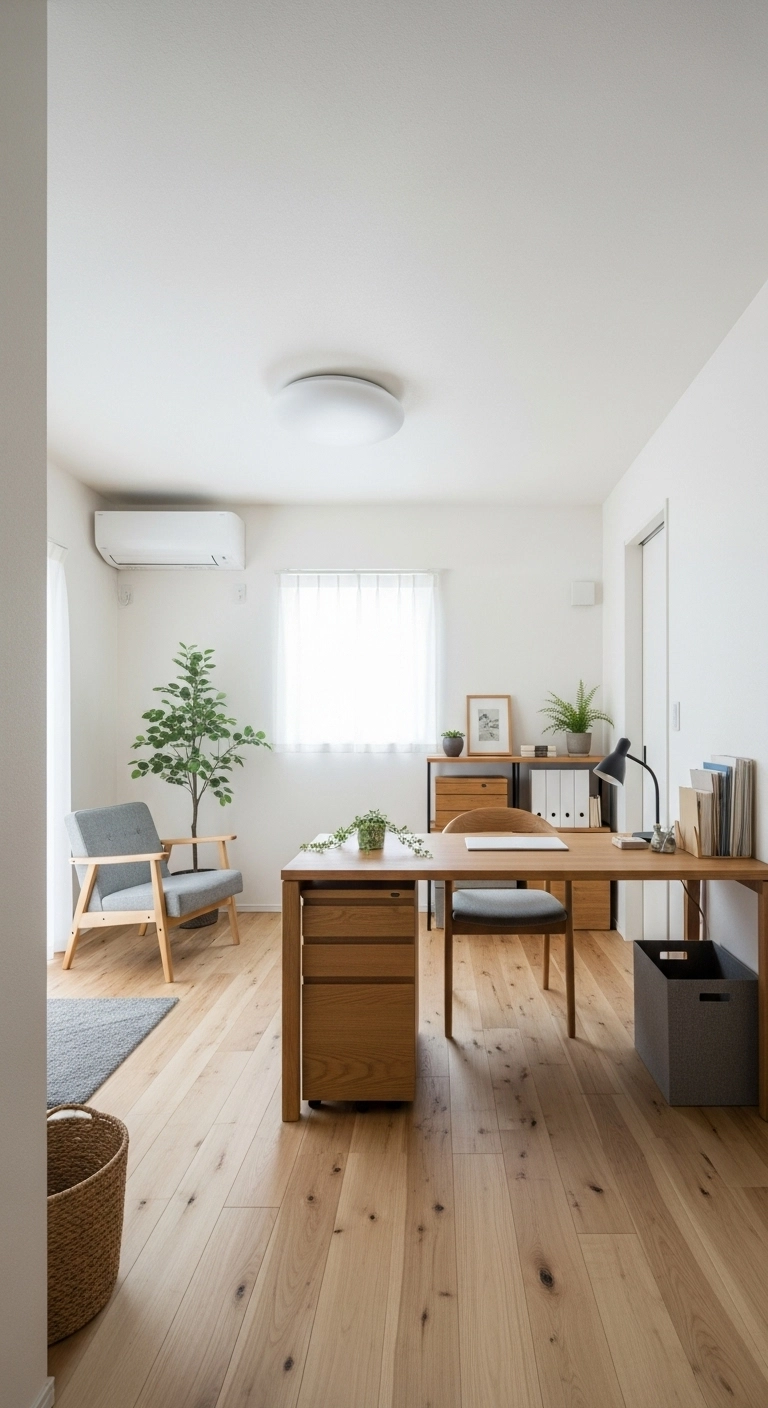
How you move through a room affects how you feel in it. A Japandi home office layout should feel easy from the moment you enter. Paths should stay open. You should reach your desk, storage, and seating without effort.
When movement feels smooth, your mind stays calm. You do not feel boxed in or rushed. Keeping the main work area open helps the room feel larger. Placing storage close to the desk reduces unnecessary movement and keeps your workflow steady.
A thoughtful layout also helps you shift between tasks. When the room guides movement naturally, work feels less forced. You move with purpose instead of friction.
8. Quiet Decor That Brings Balance Without Clutter

Decor in a Japandi home office should feel calm and intentional. One plant, one piece of art, or one handmade object can be enough. These items bring life without overwhelming the space.
The goal is balance. Too much decor pulls focus. Too little can feel empty. When decor is chosen with care, it adds warmth and personality without clutter. Plants work especially well because they add life and improve the feel of the room.
Decor should support the mood, not dominate it. When the room feels balanced, your mind mirrors that balance. You work with more ease and less distraction.
9. A Reading or Break Corner That Lets You Reset
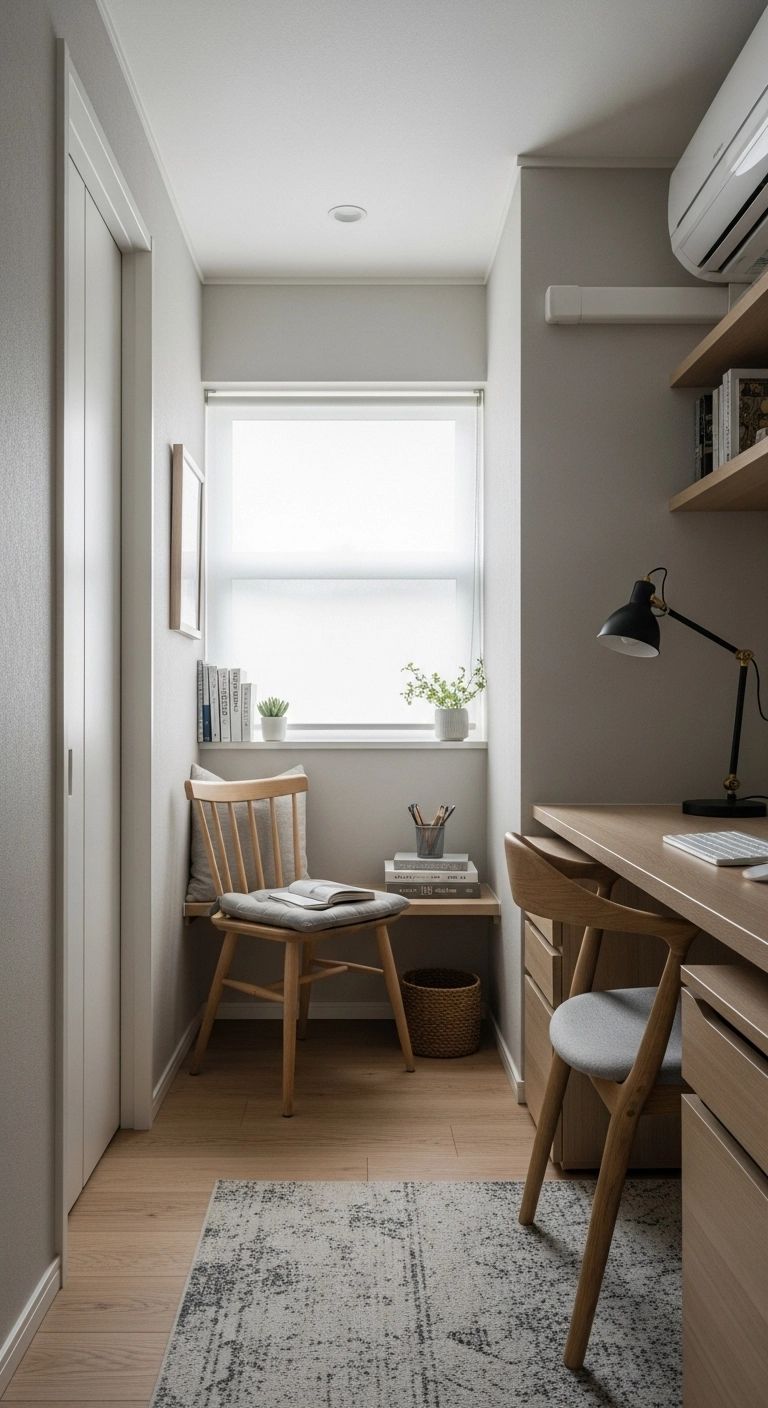
Even the best workspace needs a place to pause. A Japandi home office often includes a small break corner. This space allows you to step away from the desk without leaving the room. A chair, a cushion, or a small bench can create this area.
This corner should feel calm and separate from work. Soft light and minimal items help your mind reset. Short breaks improve focus and reduce fatigue. When the break space feels inviting, you actually use it.
Returning to work after a short pause feels easier. Your thoughts feel lighter and more organized. This small detail supports long-term focus and balance.
10. A Mindset of Simplicity That Keeps the Office Steady
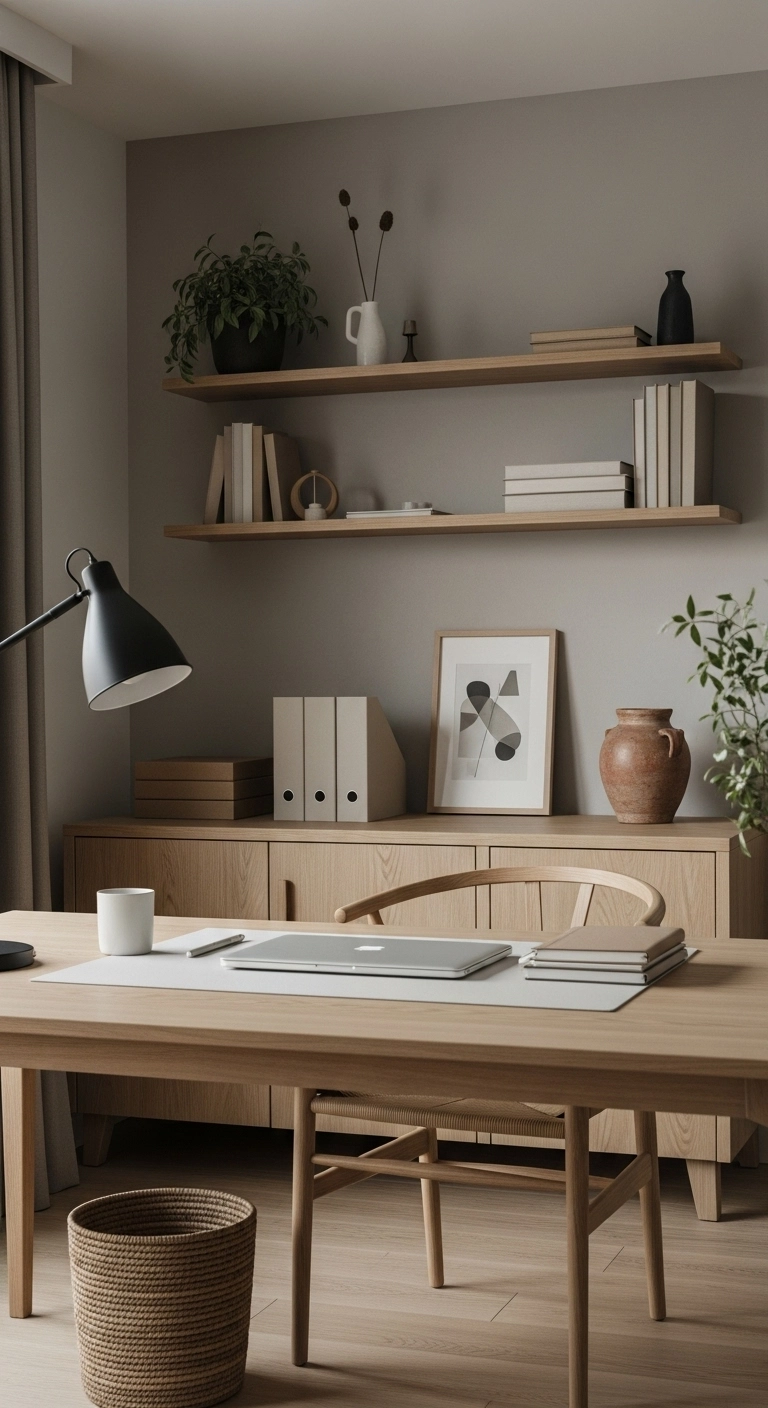
Japandi style is not just about furniture. It is about mindset. You choose items with purpose. You let go of what does not serve you. This mindset keeps the office steady over time.
When you stay intentional, the space stays calm. You clean without stress. You replace items only when needed. The room evolves naturally with your work. This creates a sense of trust in the space.
Over time, the office becomes more than a workspace. It becomes a place where you feel grounded. This steady feeling carries into your work and your daily routine.
Final Thoughts
A Japandi home office supports focus by keeping life simple. It blends calm materials, soft light, and thoughtful layout into a space that feels easy to use every day. It does not chase trends or perfection. It focuses on how the room works for real life.
When your office feels steady, your work feels steadier too. You think clearly, move easily, and feel less drained at the end of the day. This is why Japandi style continues to work so well. It supports the way people actually live and work, and that is what makes it powerful.