10 Dark Feminine Aesthetic Room Ideas

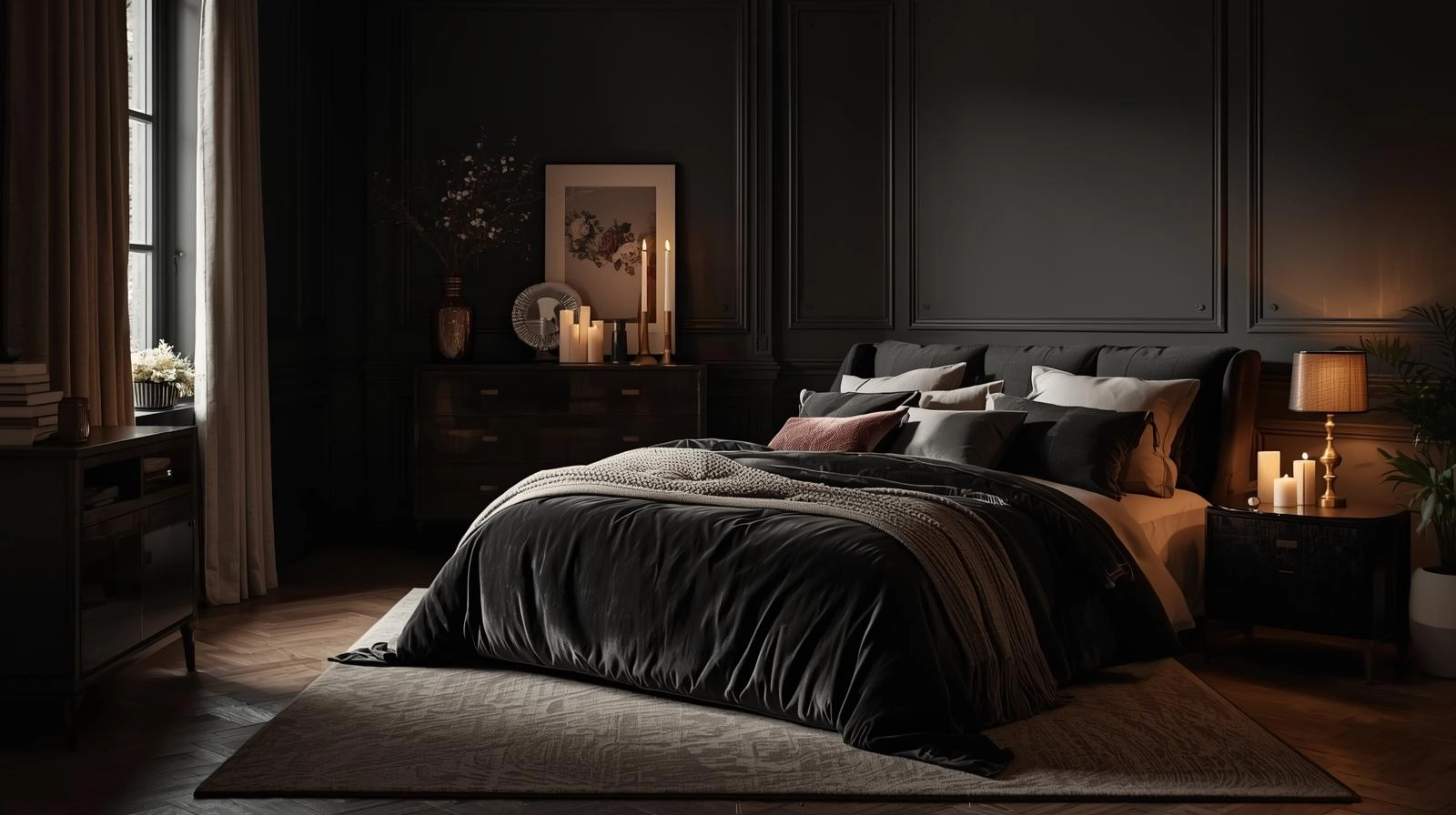
Creating a dark feminine aesthetic room is about shaping a space that feels steady, personal, and emotionally safe. This style is not about copying a trend or filling a room with dark paint and calling it done. It is about how a room supports you when the door closes. A dark feminine space feels calm but strong. It feels quiet but full. It allows softness without weakness and depth without heaviness.
Over many years of designing homes, bedrooms, and personal spaces, one thing has always stayed true. People feel better in rooms that reflect how they want to feel, not just how they want the room to look. The dark feminine aesthetic works because it gives permission to slow down. It creates comfort through shadow, warmth through depth, and clarity through intention. Every choice, from wall color to lighting, plays a role in how the room holds you.
Below are ten detailed ways to bring this feeling into your space. Each idea is practical, realistic, and designed to last. These are not fast fixes or surface ideas. They are thoughtful choices that work in real homes and real lives.
1. Start with Deep, Grounding Colors

The foundation of a dark feminine room always begins with color. Deep tones like charcoal, deep brown, navy, plum, and soft black help the room feel steady and secure. These colors create a sense of grounding that lighter shades often cannot. When used correctly, dark colors do not shrink a room. Instead, they wrap the space and make it feel intentional.
The finish matters just as much as the color. Matte and satin finishes soften how light lands on the walls, which keeps the space from feeling harsh. If painting the entire room feels overwhelming, using one darker wall can still create depth. Furniture in similar tones can also build that grounded base without touching the walls.
Balance is important here. Dark colors work best when paired with lighter neutrals like cream, warm beige, or soft taupe. This contrast keeps the room from feeling flat. Over time, these colors continue to feel calm rather than tiring, which is why they work so well in bedrooms and personal spaces.
2. Add Texture Instead of Brightness

In dark feminine design, texture replaces brightness. Instead of relying on light colors to add interest, texture does the work. Soft fabrics, rough materials, and mixed finishes bring warmth and movement into the room without breaking the mood.
Velvet, linen, wool, and cotton each interact with light in a different way. A velvet chair absorbs light and feels soft. Linen bedding keeps things relaxed and breathable. A thick rug grounds the space and adds comfort underfoot. These details make the room feel lived in rather than staged.
Texture also keeps dark rooms from feeling closed. When surfaces vary, the eye moves gently across the space. This creates comfort. Even small changes, like a textured throw or a ceramic lamp base, can shift how the room feels without adding clutter or color.
3. Use Lighting That Glows, Not Glares

Lighting is one of the most important parts of a dark feminine room. The goal is never harsh brightness. The goal is a soft glow that feels calm and steady. Warm light supports rest and makes dark colors feel rich instead of heavy.
Layered lighting works best. An overhead light provides basic visibility, but it should never be the only source. Table lamps, wall sconces, and candles help soften corners and create depth. Dimmers are especially helpful because they allow the room to change with your mood and time of day.
Where you place lights matters. Light near reflective surfaces spreads gently across the room. Light placed too high or too direct can flatten the space. Over time, well-placed warm lighting becomes part of the room’s rhythm, helping you relax without effort.
4. Mix Strength with Softness Through Furniture

Furniture choices shape how a dark feminine room feels. Strong, solid pieces give the space structure, while softer shapes and fabrics keep it comfortable. This balance is what makes the style feel confident without feeling cold.
Low beds, sturdy tables, and grounded seating create stability. Rounded edges, upholstered chairs, and soft cushions bring comfort. When these elements work together, the room feels supportive rather than strict.
Scale matters as well. One solid anchor piece, like a bed or sofa, helps define the space. Smaller pieces add flexibility. Over the years, this mix has proven to create rooms that feel calm and usable, not overly designed.
5. Let Art and Photography Set the Mood

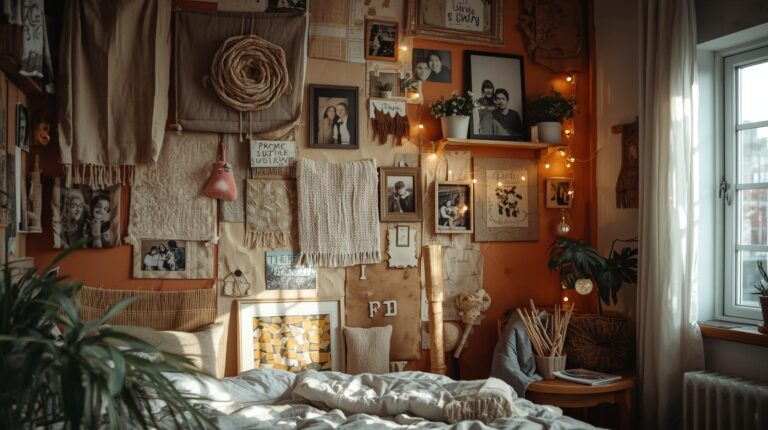
Art in a dark feminine room should feel personal, not decorative. The goal is not to fill walls but to choose pieces that carry emotion. Black-and-white photography, abstract forms, and quiet portraits often work well because they support the mood without distracting from it.
Frames should feel grounded. Matte black, dark wood, or aged metal blends art into the space rather than separating it. Large pieces can stand alone, while smaller pieces can be grouped thoughtfully.
Art sets emotional tone. When you choose pieces that speak to you, the roo
6. Bring in Nature with a Quiet Touch

Nature brings balance to dark interiors. Even a small natural element can soften the space and make it feel alive. Deep green plants work especially well against dark walls because they add contrast without brightness.
When natural light is limited, dried plants or simple branches still add organic shape. Natural materials like wood, stone, and clay also bring this effect. These elements help the room breathe.
The key is restraint. One or two natural pieces are enough. Too many can distract from the calm. Nature in a dark feminine room should feel intentional and quiet.
7. Layer Fabrics for Depth and Comfort

Fabric layering adds comfort that you can feel as soon as you enter the room. In dark feminine spaces, layers are subtle and purposeful. Each fabric should add warmth without creating clutter.
Bedding works best when it feels soft but simple. Curtains that filter light instead of blocking it help keep the room calm. Rugs add warmth and sound control, which is especially helpful in bedrooms.
Mixing textures within a similar color range keeps the room cohesive. Over time, these layers create a sense of care that makes the space feel safe and welcoming.
8. Use Mirrors and Metal to Reflect Light Gently

Dark rooms benefit from reflection, but it must be controlled. Mirrors help spread light and make the room feel more open. The frame choice keeps the mirror grounded in the design.
Antique finishes, dark frames, or simple shapes work best. Position mirrors where they catch soft light rather than direct glare. This keeps reflections calm.
Metal accents also help. Brass, bronze, and blackened steel add structure while reflecting light gently. These materials bring quiet strength without pulling attention away from the room.
9. Add Personal Rituals Through Scent and Sound
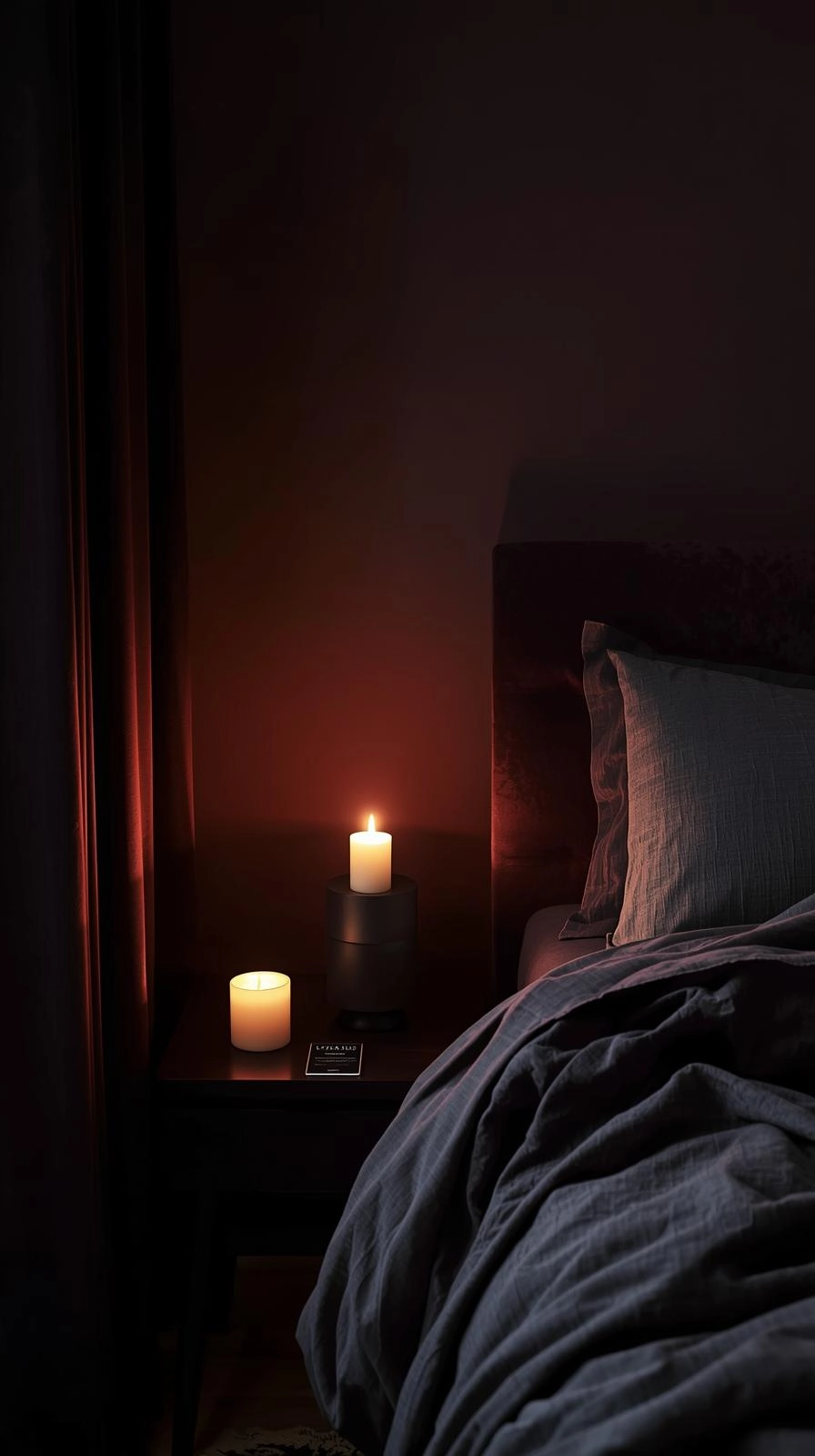
A room becomes meaningful through daily use. Scent and sound add layers that visuals cannot. Warm scents like wood, resin, or spice support calm and grounding.
Sound matters too. Soft music, natural noise, or silence all shape how the room feels. These choices turn a designed space into a lived-in one.
When scent and sound align with your routine, the room supports you emotionally, not just visually.
10. Keep It Personal, Not Perfect

A dark feminine room should never feel finished in a rigid way. It should grow with you. Personal items add truth to the space. Books, worn objects, and meaningful details tell your story.
Perfection feels distant. Personality feels warm. Let the room reflect your life, not a fixed image. Over time, this approach creates a space that feels real and grounding.
Final Thoughts
A dark feminine aesthetic room is built with intention, not trends. It balances depth and softness in a way that supports rest and reflection. When done well, the room feels steady and personal.
This kind of space does more than look good. It holds you. It changes with the light. It feels calm at night and grounded during the day. That is what makes dark feminine design powerful. It lasts because it feels true.