10 Curtains Living Room On Small Windows Ideas That Look Bigger

Small windows can make a living room feel tight, dark, and closed in. After working with homes of all sizes for more than twenty years, I’ve seen one truth repeat again and again. The right curtains can change how big a room feels without moving a single wall. Curtains do more than cover glass. They guide the eye, shape the space, and control how light moves across the room. When done right, small windows can look wider, taller, and more open than they really are.
This guide focuses on curtains for living rooms with small windows and how to use them in smart, simple ways. Every idea here is based on real homes, real mistakes, and real fixes that actually work. Nothing is trendy fluff. These are proven choices that help small windows look bigger and help the whole living room feel lighter and calmer.
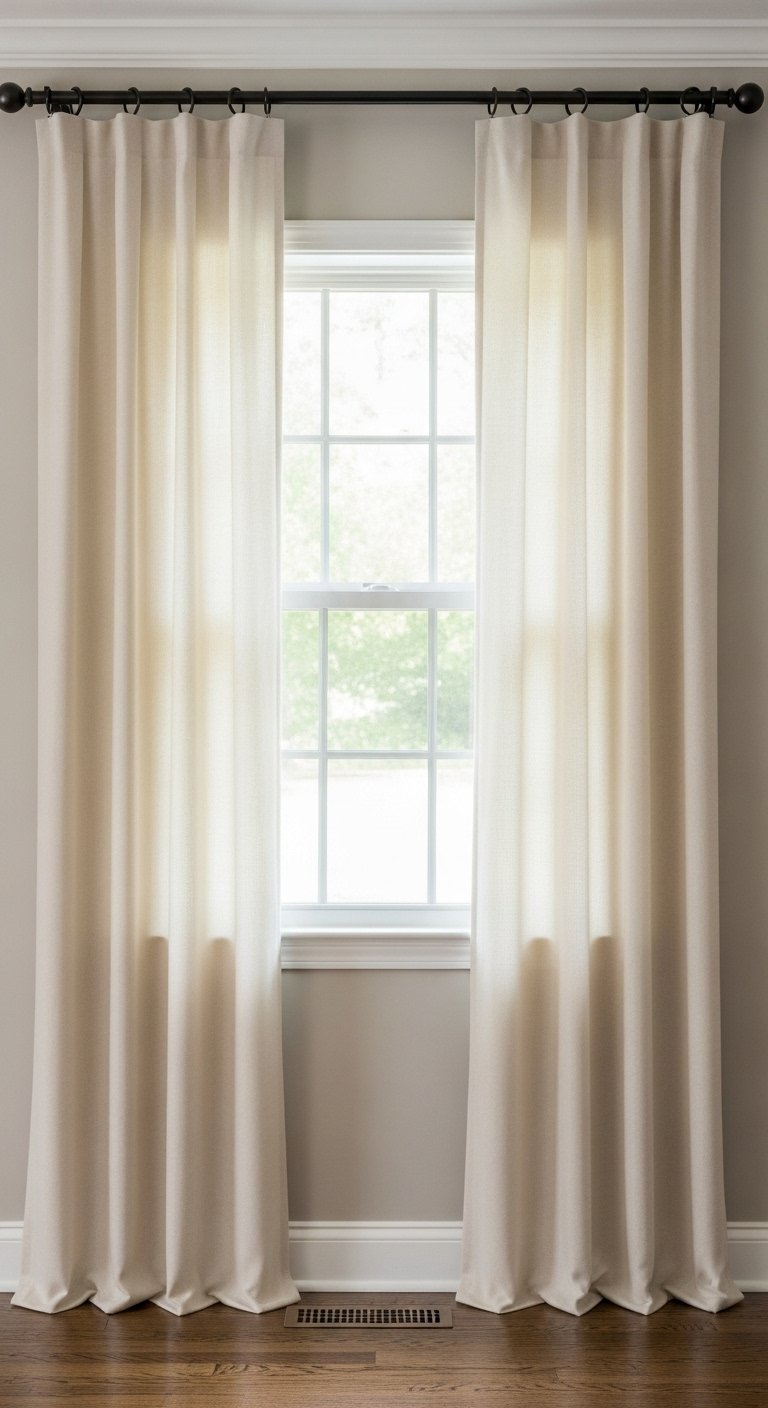
1. Floor-Length Curtains That Start Above the Window Frame
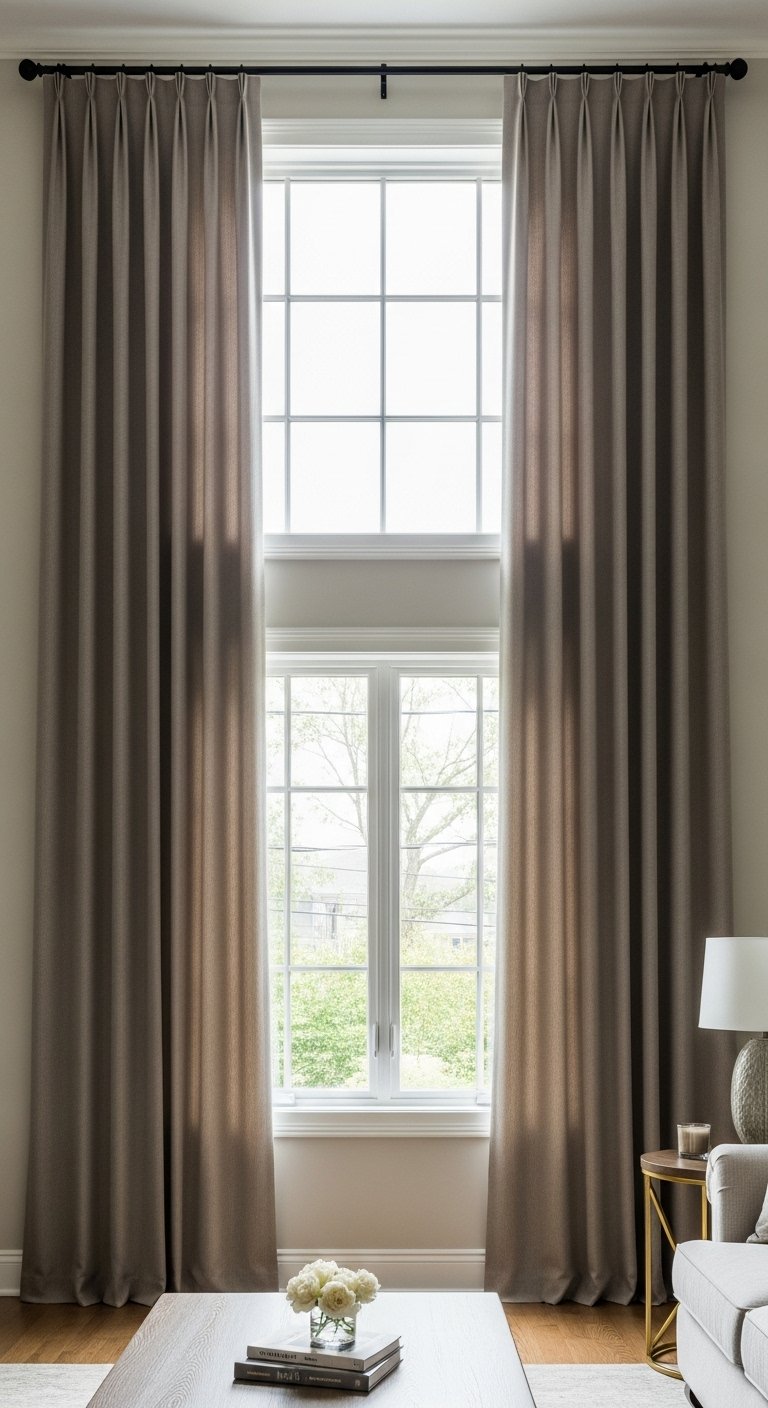
One of the biggest mistakes people make with small windows is hanging curtains too low. When curtains start right at the window frame, they tell your eyes exactly how small the window is. Hanging curtains higher changes the story. When the curtain rod is placed several inches above the window frame and the fabric runs all the way to the floor, the wall looks taller. The window feels larger because the eye follows the fabric up and down instead of stopping at the glass.
This works especially well in living rooms with low ceilings. The extra height creates a vertical line that pulls attention upward. Even narrow windows gain presence this way. The key is to keep the fabric straight and smooth so the line stays clean. Short curtains or ones that stop at the sill break the flow and shrink the space. Floor-length panels help small windows feel like full wall features instead of tiny openings.
2. Curtains Hung Wider Than the Window Opening
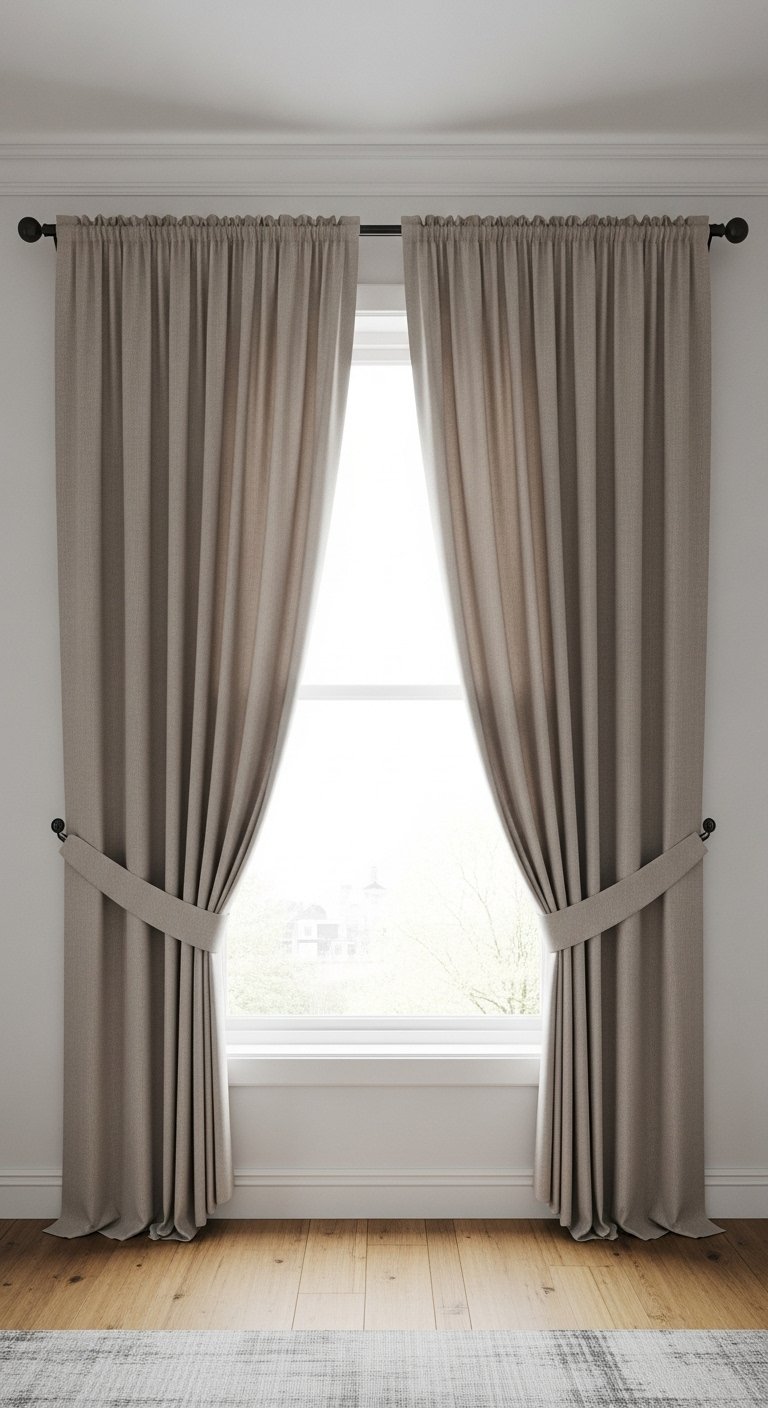
Small windows often feel boxed in because the curtains sit right on the edges of the frame. This traps the window visually and limits how much light comes in. Hanging the curtains wider than the window opening solves both problems at once. When the rod extends past the frame on both sides, the window appears wider. When the curtains are open, they sit mostly on the wall instead of covering the glass.
This trick allows more natural light to enter the room, which always makes a space feel bigger. It also creates the illusion that the window is larger than it really is. The wall space becomes part of the window zone. This approach works in modern living rooms and older homes alike. It is one of the simplest changes with the biggest payoff, especially when the room feels narrow.
3. Light-Colored Curtains That Blend With the Wall
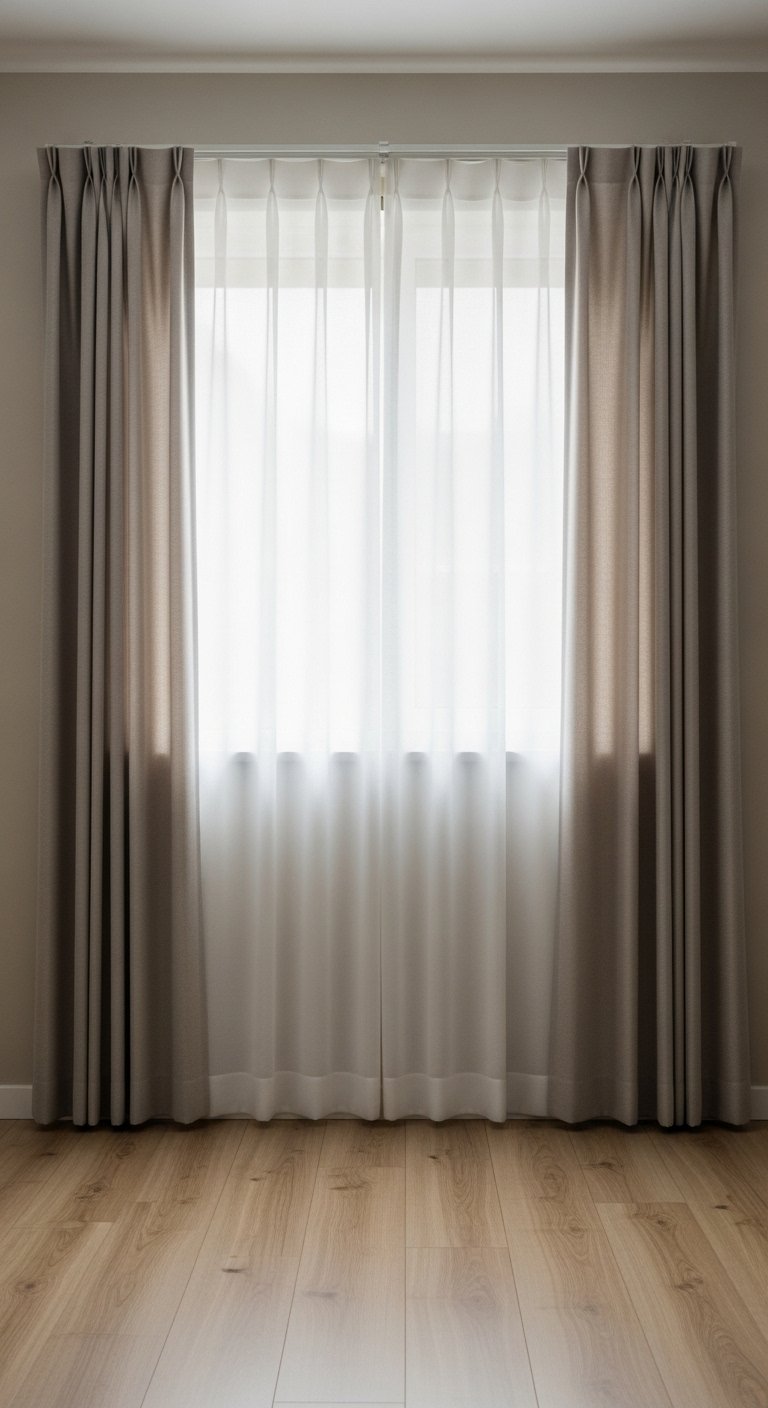
Dark curtains can look beautiful, but in a living room with small windows they often make the space feel heavier. Light-colored curtains help reflect natural light and soften the edges of the window. When the curtain color is close to the wall color, the transition feels smooth. The window does not stand out as a small feature. Instead, it blends into the room.
Soft whites, warm creams, light grays, and pale beige tones work well in most homes. These shades do not fight the wall. They allow light to spread instead of being absorbed. This makes the living room feel brighter and more open during the day. At night, the room still feels calm instead of closed in. Matching curtains to the wall is a quiet trick, but it is very effective for small windows.
4. Sheer Curtains That Let Light Fill the Room
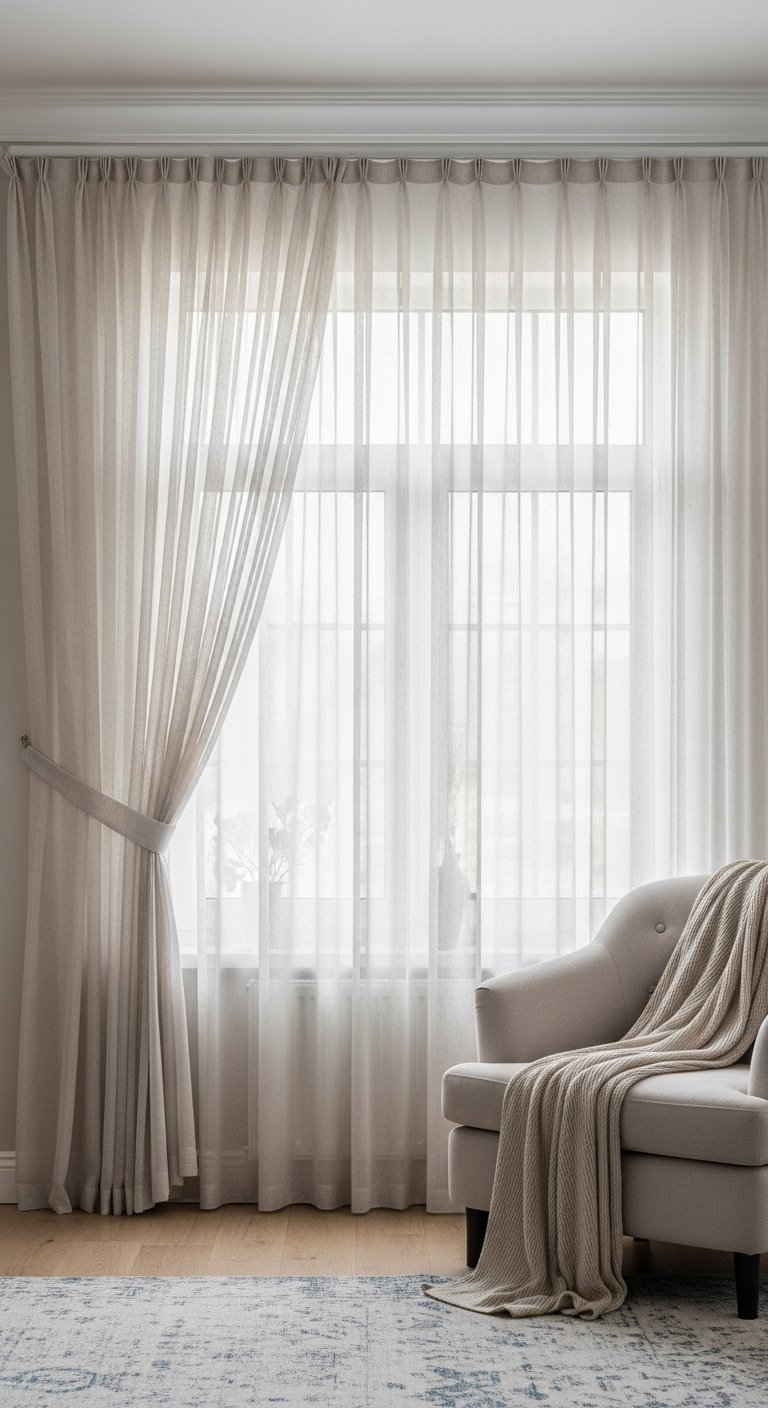
When privacy is not a major concern, sheer curtains are a strong choice for small windows. Thick fabrics block light, and blocked light makes rooms feel smaller. Sheer curtains filter light instead of stopping it. They soften harsh sun while keeping the room bright. This balance helps the living room feel open and lived in rather than dim.
Sheers also reduce visual weight. Heavy curtains draw attention to themselves. Sheer panels fade into the background, allowing the window area to feel lighter. In small living rooms, this can make a big difference. If privacy is needed at night, sheer curtains can be layered with simple panels that stay open during the day. The key is keeping the window area light and breathable.
5. Simple Curtain Styles With No Heavy Details
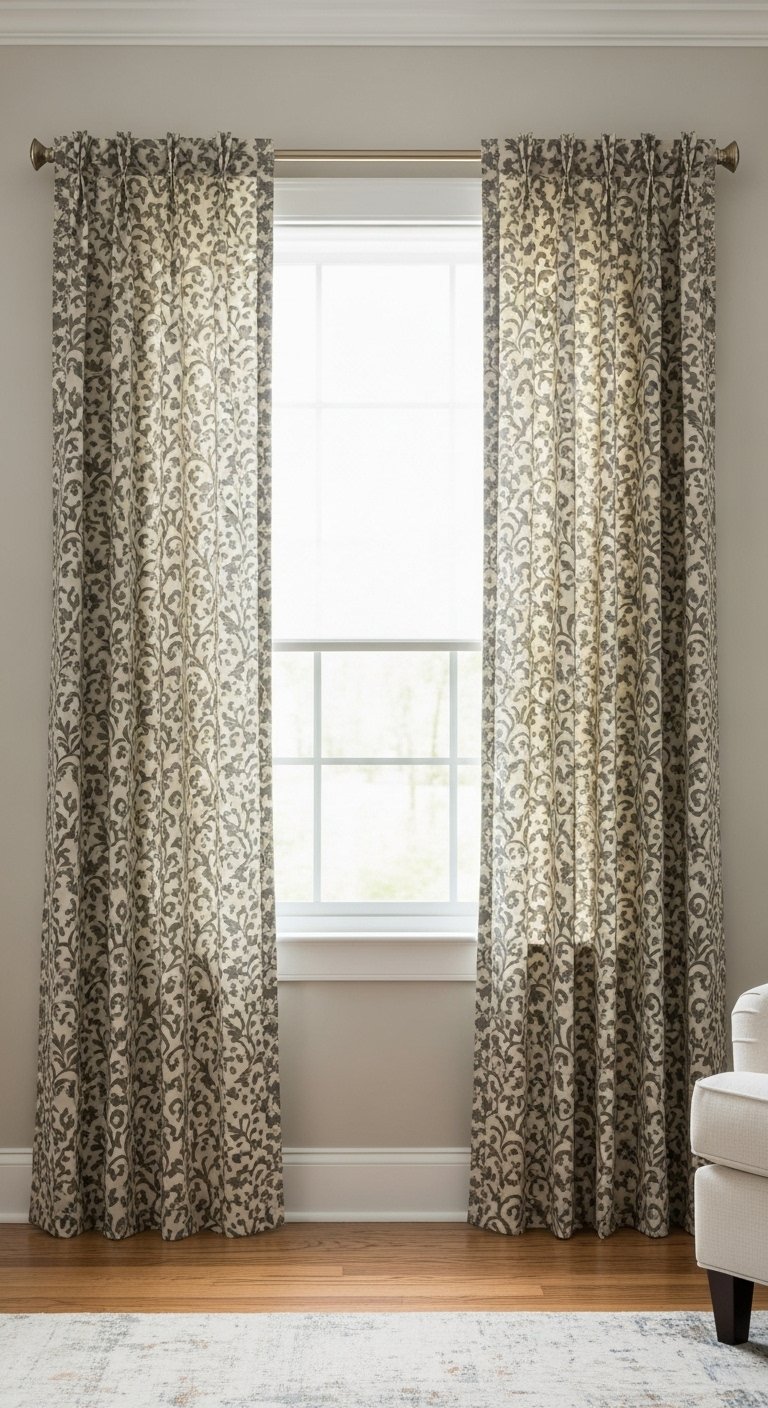
Details can overwhelm small spaces. Curtains with large patterns, deep folds, or heavy trims often steal attention from the room. For small windows, simple styles work better. Clean panels with smooth fabric allow the window to feel taller and wider. They also keep the room from feeling busy.
Flat panels or soft pleats are easier on the eye. They let the fabric fall straight instead of bunching up. This creates a calm look that helps the room feel larger. When everything around a small window is simple, the space feels more open. The focus stays on light and shape, not decoration. This approach works well in both modern and traditional living rooms.
6. Vertical Texture That Draws the Eye Upward
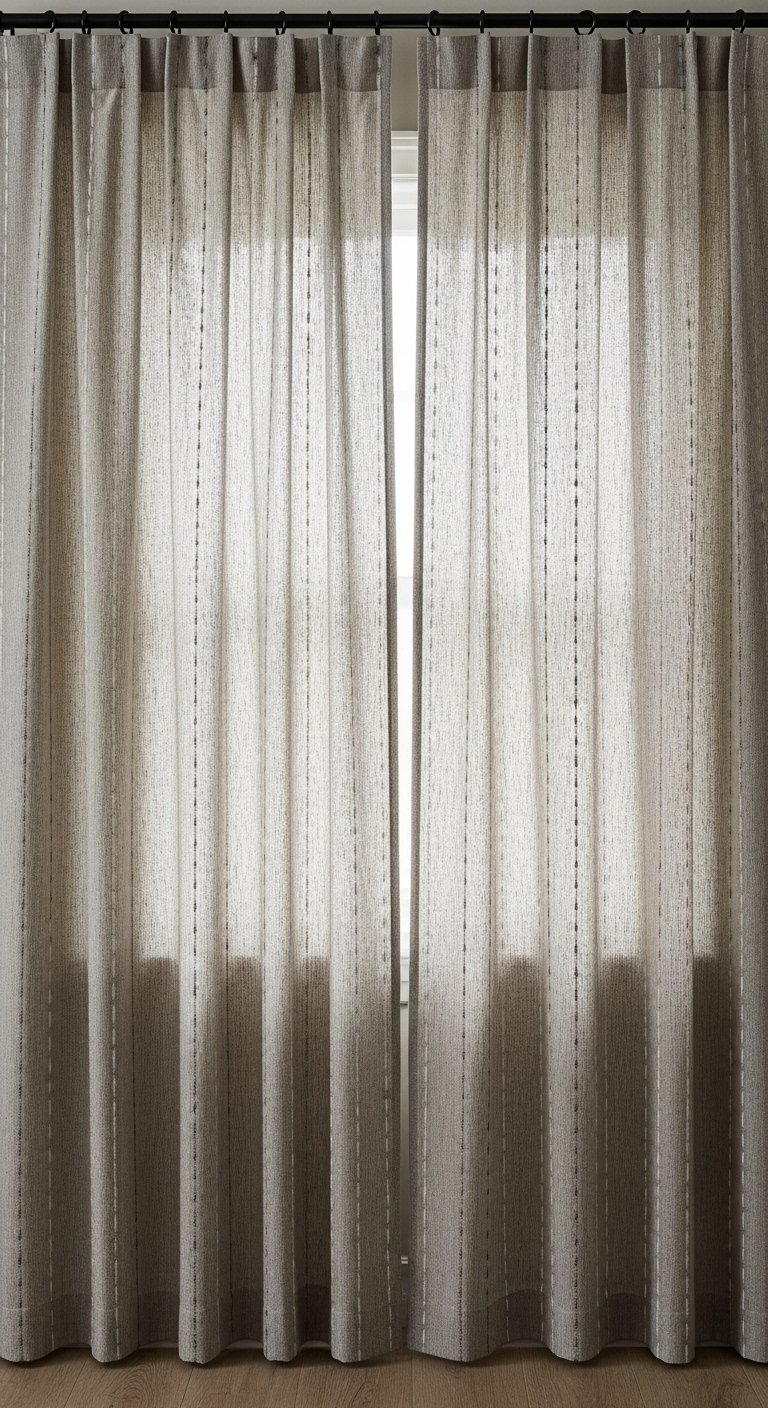
Vertical texture can make a small window feel taller. Curtains with subtle vertical lines or woven textures guide the eye from floor to ceiling. This creates the feeling of height without changing the structure of the room. The texture should be gentle, not bold. Strong stripes can feel busy and distracting in a small space.
Soft ribbing, light linen weaves, or stitched vertical patterns work well. These textures add interest without adding weight. They also keep the curtains from looking flat or cheap. In living rooms with low ceilings or narrow walls, vertical texture helps balance the proportions. The window feels taller, and the room feels more comfortable.
7. Curtain Rods That Match the Wall or Trim
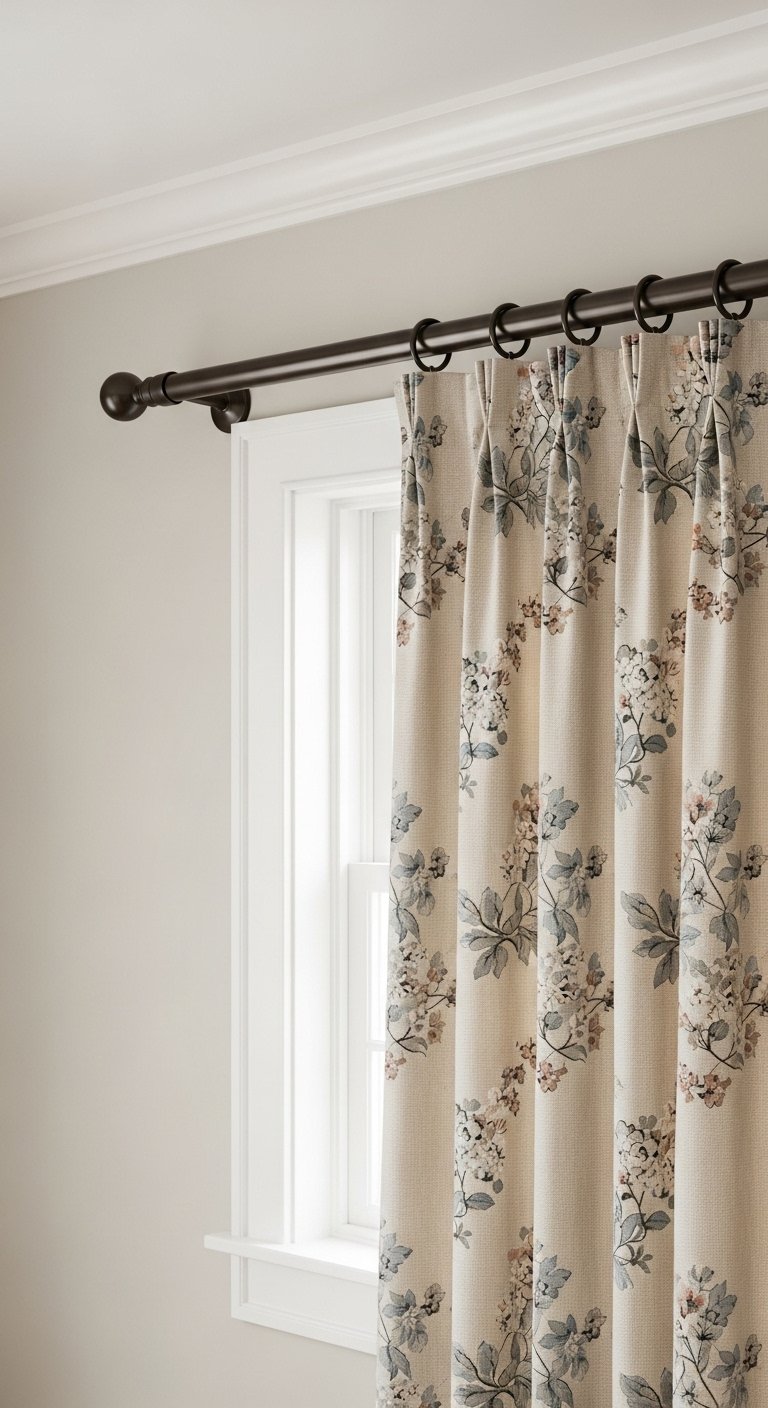
Curtain rods are often overlooked, but they matter more than most people think. A dark rod on a light wall can cut the space visually. This draws attention to the window size and breaks the flow of the wall. When the rod blends with the wall or trim, the window feels more natural in the space.
Choosing rods that match the wall color or are close in tone helps them disappear. This keeps the focus on the curtains and the light instead of the hardware. Slim rods also work better than thick ones for small windows. They provide support without adding bulk. A clean rod choice supports the illusion of a bigger window.
8. Full Panels Even When the Window Is Narrow
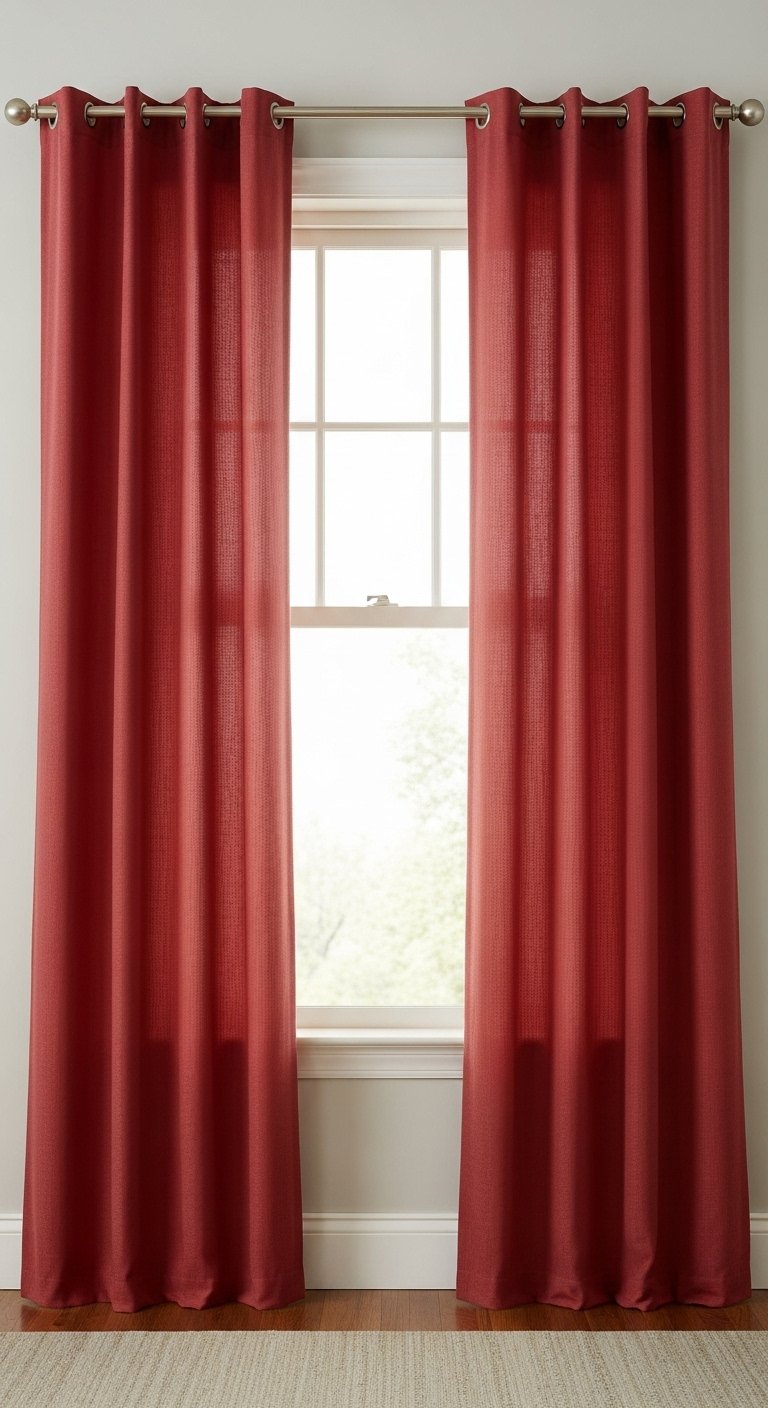
Many people choose narrow curtain panels for narrow windows, thinking it fits better. In reality, narrow panels make the window look even smaller. Full-width panels create balance. When the curtains have enough fabric to look generous, the window feels more important in the room.
When open, the panels should sit comfortably on each side without pulling tight. When closed, they should meet without strain. This fullness gives the window presence. It makes the wall feel dressed instead of bare. In small living rooms, this sense of completeness helps the space feel intentional and larger.
9. Neutral Curtains That Work With Furniture and Rugs
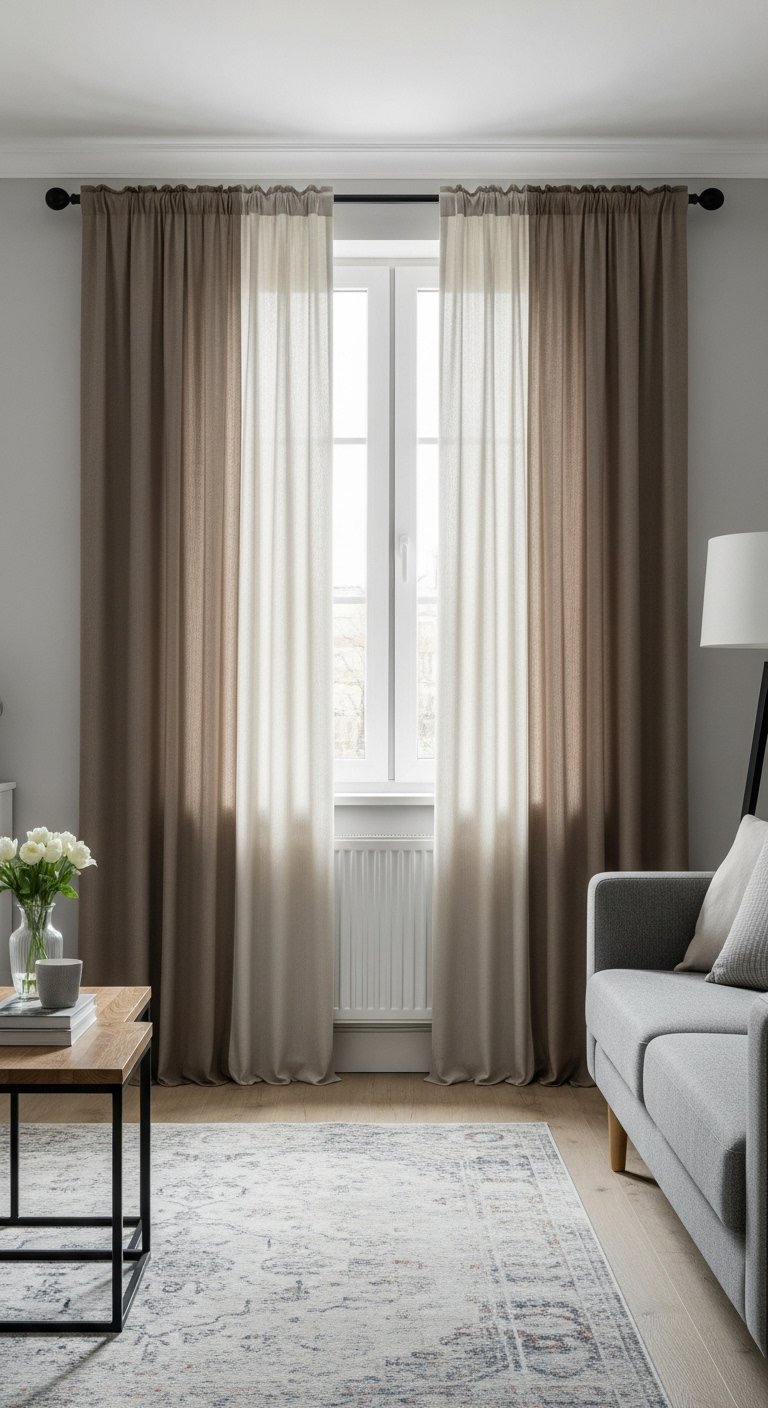
Curtains should support the room, not compete with it. In small living rooms, strong contrast can make the space feel broken up. Neutral curtains that connect with the furniture and rugs help create flow. When the eye moves smoothly from one element to another, the room feels larger.
This does not mean everything must match exactly. It means the curtain color should feel related to the rest of the room. Warm tones work well with wood furniture. Cool tones pair better with gray or stone finishes. When the window area feels connected to the rest of the living room, it stops feeling like a small feature and becomes part of the whole.
10. Layered Curtains That Add Depth Without Bulk
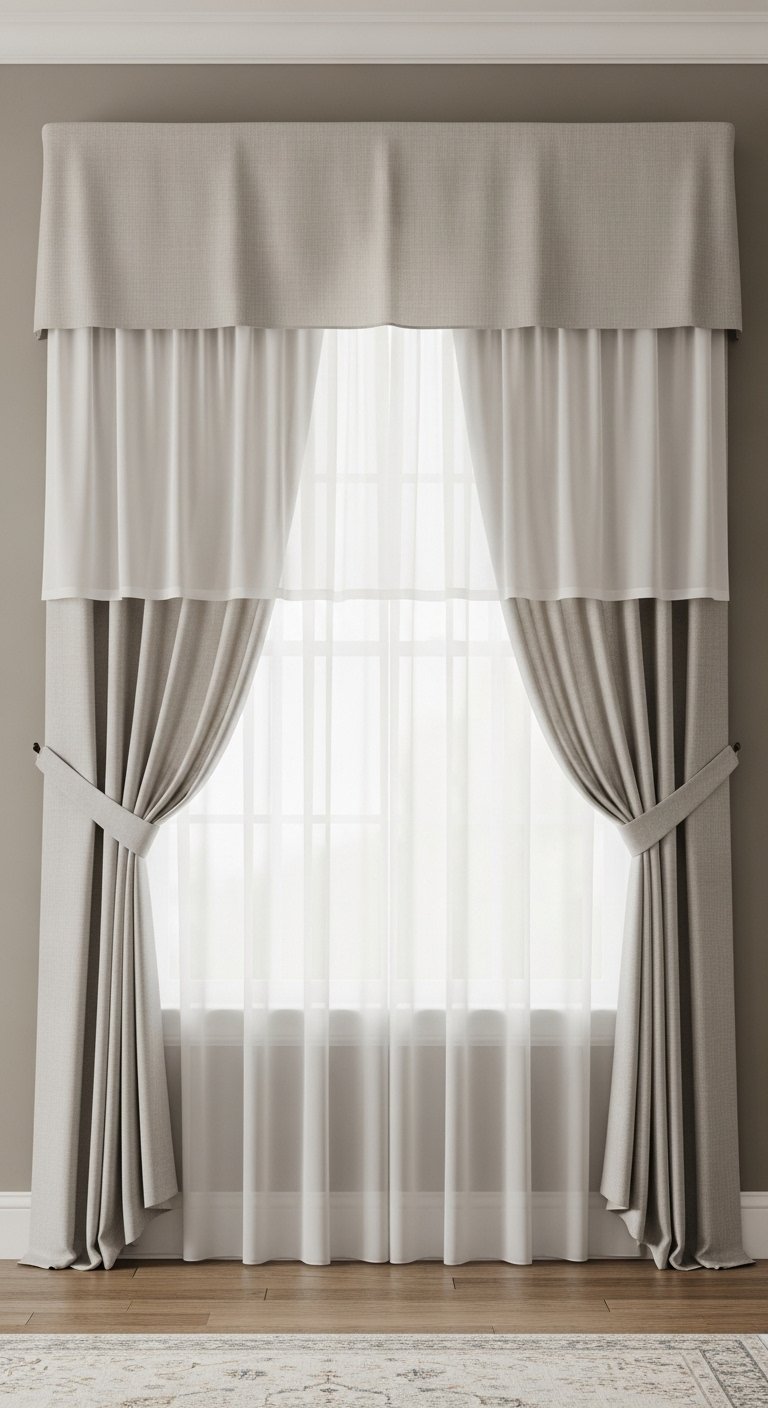
Layering can work for small windows if done carefully. The goal is depth, not weight. A sheer layer paired with a light outer panel gives flexibility. During the day, the sheer lets light in and keeps the room open. At night, the outer panel adds privacy and comfort.
The fabrics should stay light and simple. Heavy layers can crowd the window and shrink the space. Proper layering adds softness and dimension without closing the room in. This works especially well in living rooms that need both brightness and privacy. When layered correctly, even small windows feel rich and welcoming.
How Curtain Placement Changes the Whole Living Room
Curtains do not only affect the window. They shape how the entire living room feels. Small windows often make rooms feel unfinished or tight. Proper curtain placement helps define the space. It creates vertical lines, softens walls, and controls light. When curtains are treated as part of the room design instead of an afterthought, the space feels complete.
Small living rooms benefit the most from smart curtain choices. Light moves better, walls feel taller, and the room feels calmer. These changes are subtle, but they add up. Many homes feel larger simply because the curtains are working with the space instead of against it.
Common Curtain Mistakes That Make Small Windows Look Smaller
Short curtains are one of the most common mistakes. They cut the wall in half and draw attention to the window size. Heavy fabrics are another issue. They block light and add weight where it is not needed. Dark colors can also make windows feel smaller when they dominate the wall.
Another mistake is placing the rod too low or too narrow. This traps the window visually. When these errors are fixed, the improvement is immediate. The room feels brighter and more open without changing furniture or layout.
Why Curtains Matter More Than You Think
Many people focus on furniture size when dealing with small spaces. Curtains are just as important. They frame light, guide the eye, and shape the room. A small window with the right curtains can feel generous. A small window with poor curtains will always feel small.
Curtains are also one of the easiest changes to make. They do not require construction or major expense. With careful choices, they can completely change how a living room feels. This is why experienced designers always start with windows.
Final Thoughts on Making Small Windows Feel Bigger
Small windows do not have to limit your living room. With thoughtful curtain choices, they can become strengths instead of flaws. Height, width, light, and flow all matter. When curtains support these elements, the room feels larger and more welcoming.
The ideas shared here are based on years of real experience, not trends. They work because they respect how people see space. When the eye is guided gently and light is allowed to move freely, even the smallest windows can feel just right.