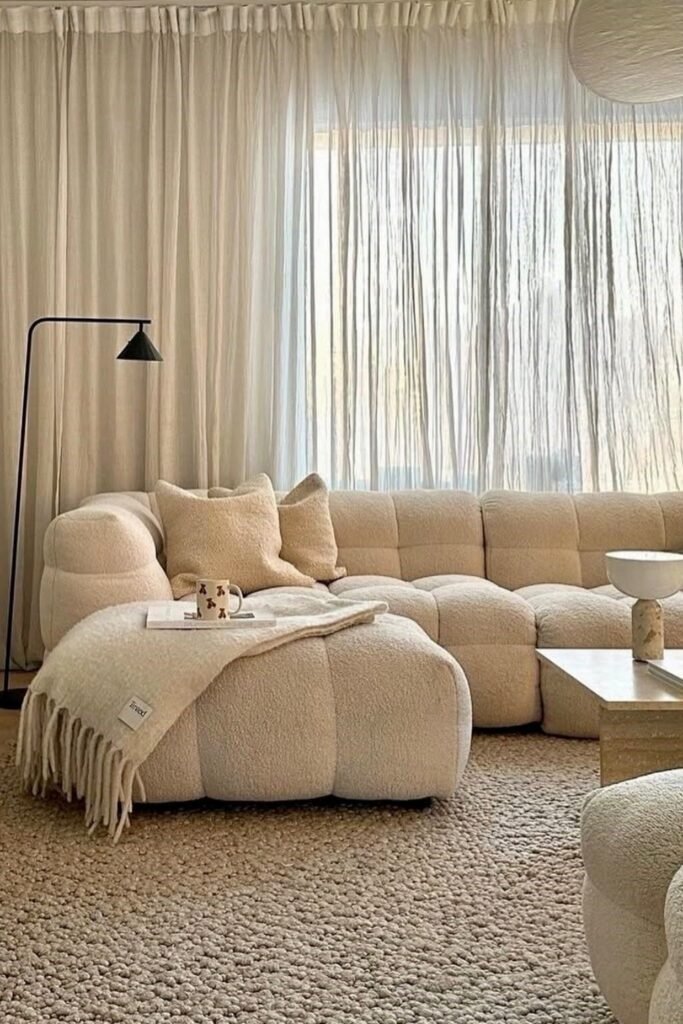
12 Curtains for Living Room Windows That Transform Your Space

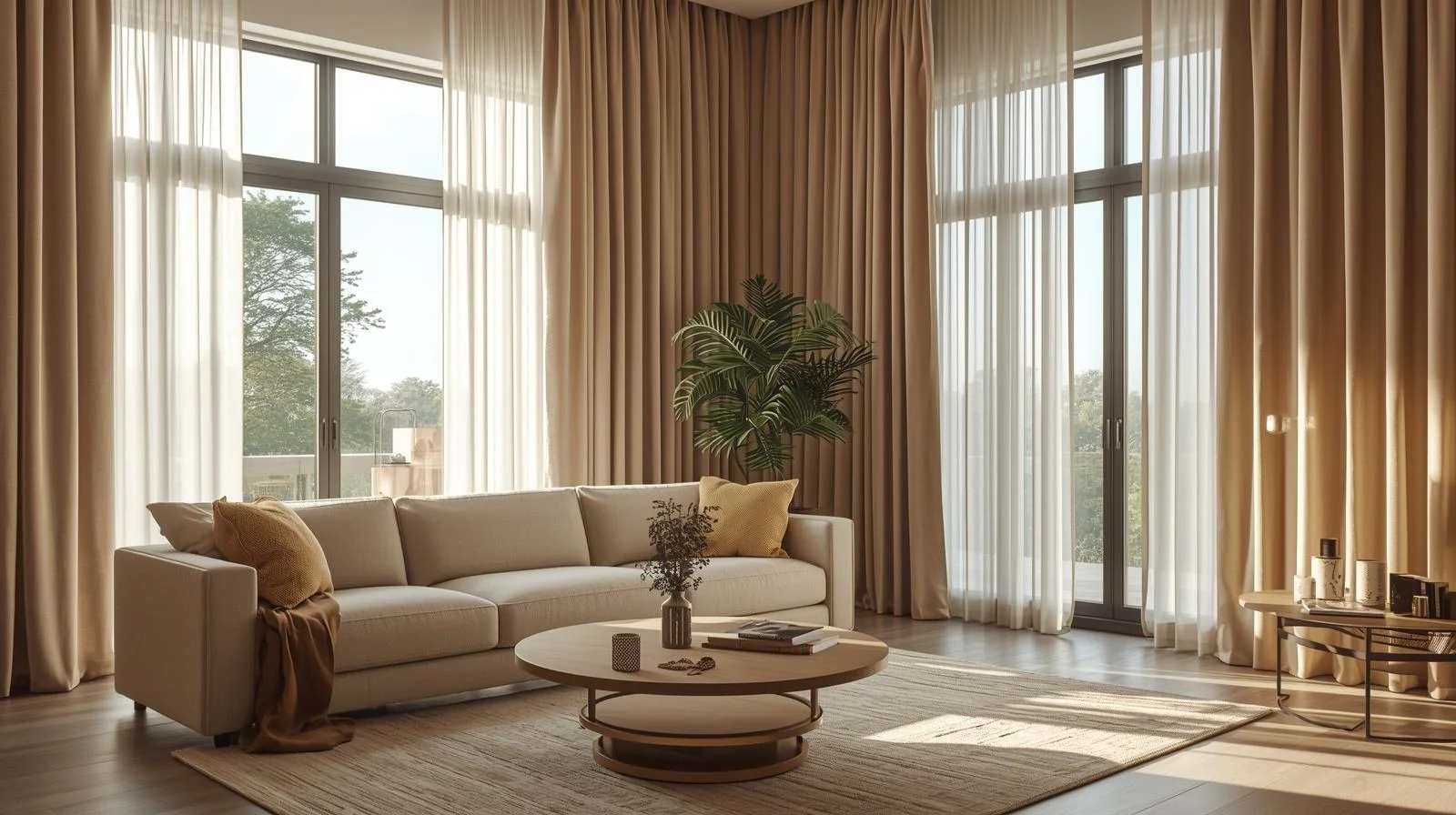
1. Classic Drapes That Never Go Out of Style
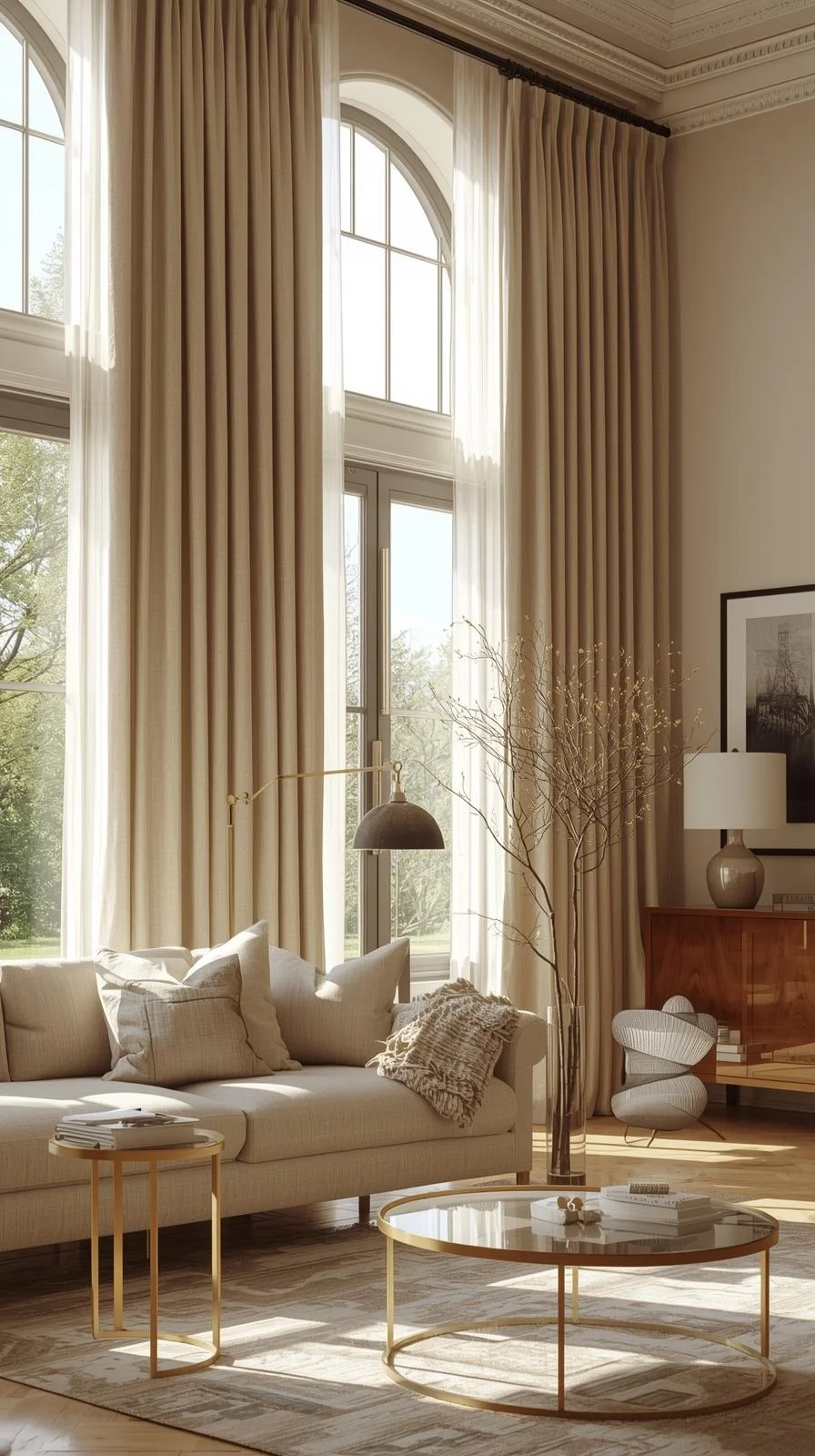
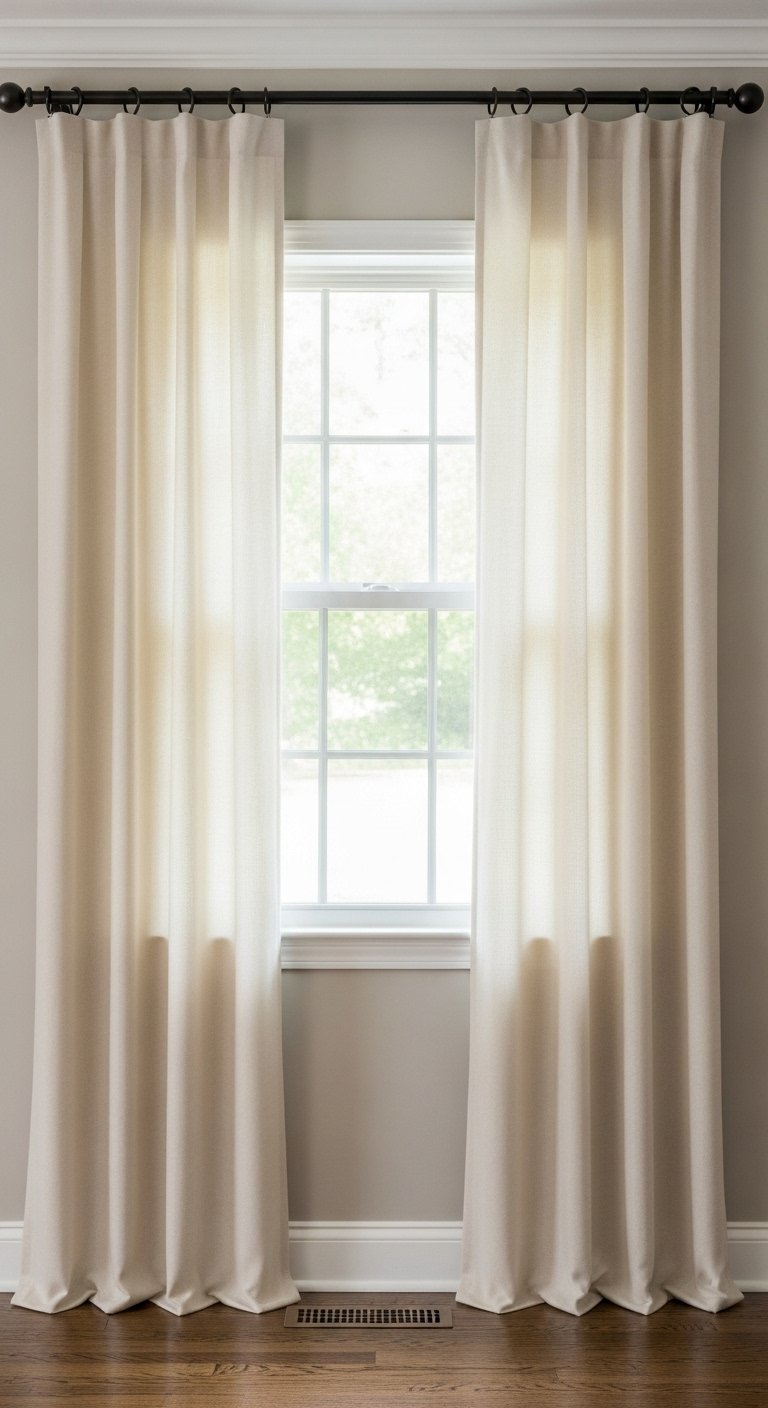
When most people imagine living room curtains, they often picture long, flowing drapes. These remain the foundation of window styling because they frame the space without overpowering it. The strength of classic drapes comes from their flexibility. Heavier fabrics like velvet add warmth in cooler regions, while cotton or linen blends create a lighter, more casual mood. What truly matters is how they fall. Curtains that reach the floor visually lift the ceiling, helping even smaller living rooms feel more spacious. They act as a gentle backdrop, letting furniture, artwork, and lighting take focus. A properly sized drape can change the entire feel of a room with minimal effort.
2. Sheer Curtains for a Soft and Airy Glow

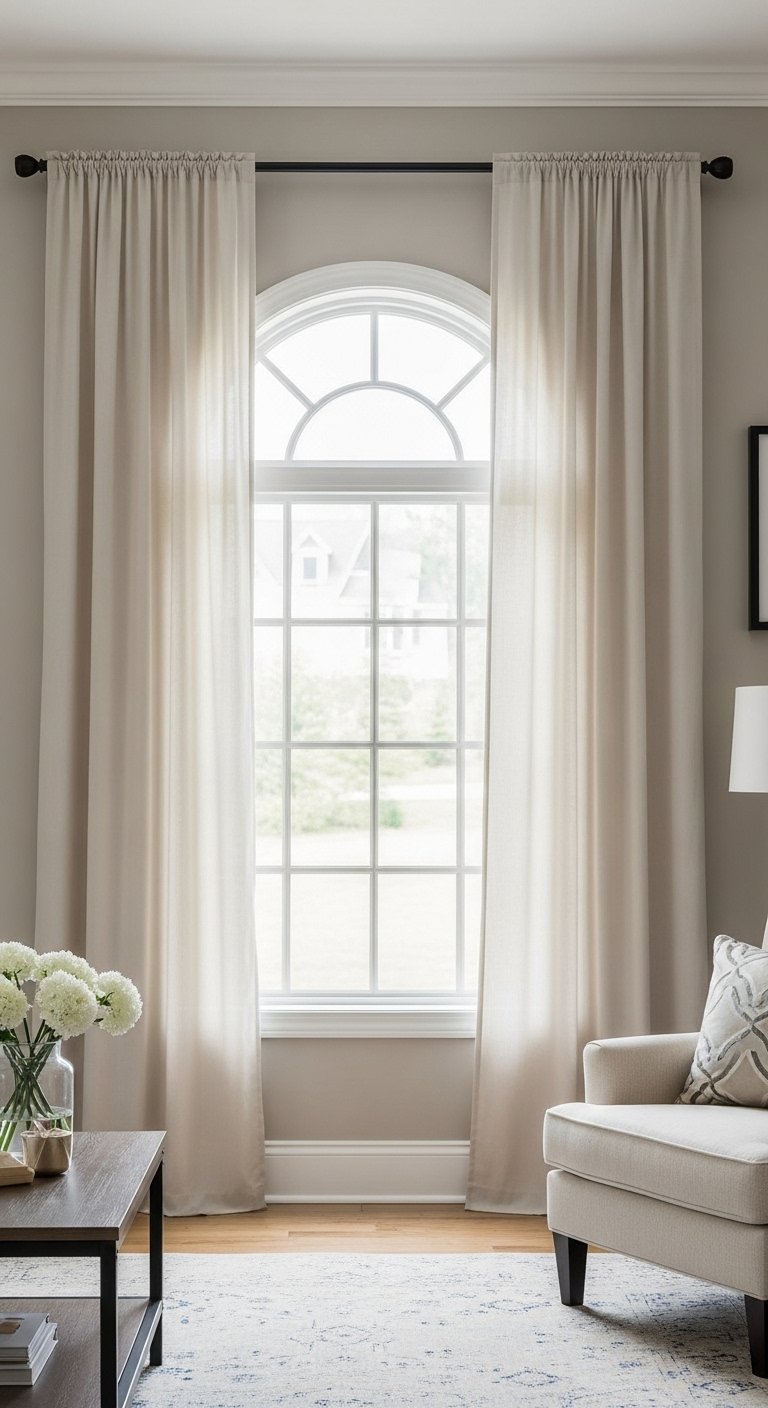
Sheer curtains are often underestimated because they look simple, yet they offer something unique. They let daylight pass through while still providing a level of privacy. This softened light creates a calm, relaxed atmosphere. In living rooms meant to feel open and welcoming, this effect is especially valuable. Sheers also work well when layered. Heavier curtains can be pulled aside during the day, allowing sunlight to filter through the sheers. This creates flexibility, giving you two moods in one setup and allowing light control without ever making the space feel closed off.
3. Linen Curtains That Bring Natural Texture
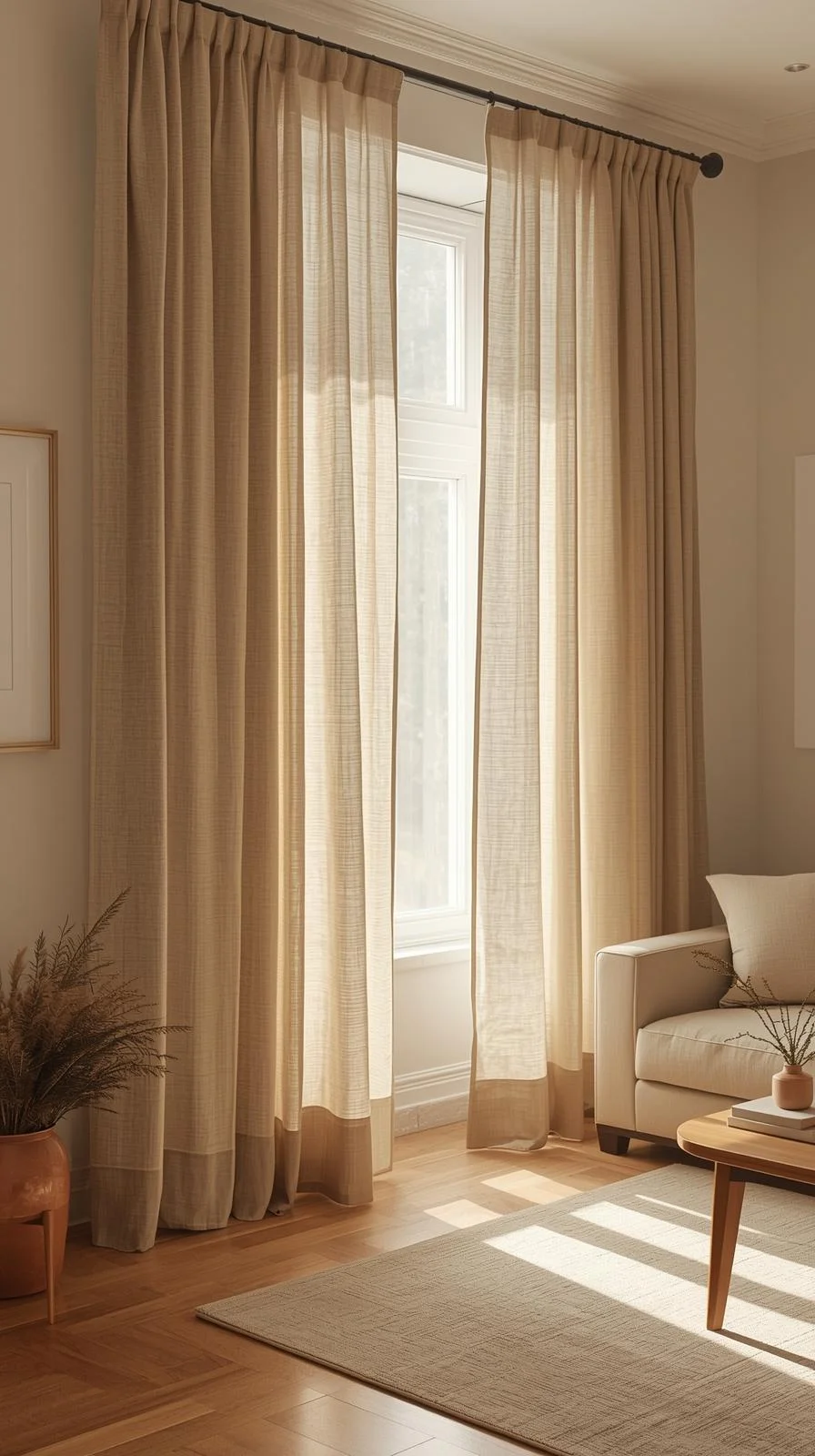
Linen has a way of making a room feel grounded and comfortable. Linen curtains introduce texture that feels both relaxed and refined. Unlike synthetic fabrics, linen has a natural weave that interacts with light in an organic way. In a living room, this softens sharp lines and adds warmth. They work particularly well in neutral spaces where subtle texture carries the design. Linen also allows air to move freely, making it ideal for sunny windows. Over time, linen develops a worn-in look that adds character instead of looking tired.
4. Velvet Curtains for a Luxurious Touch
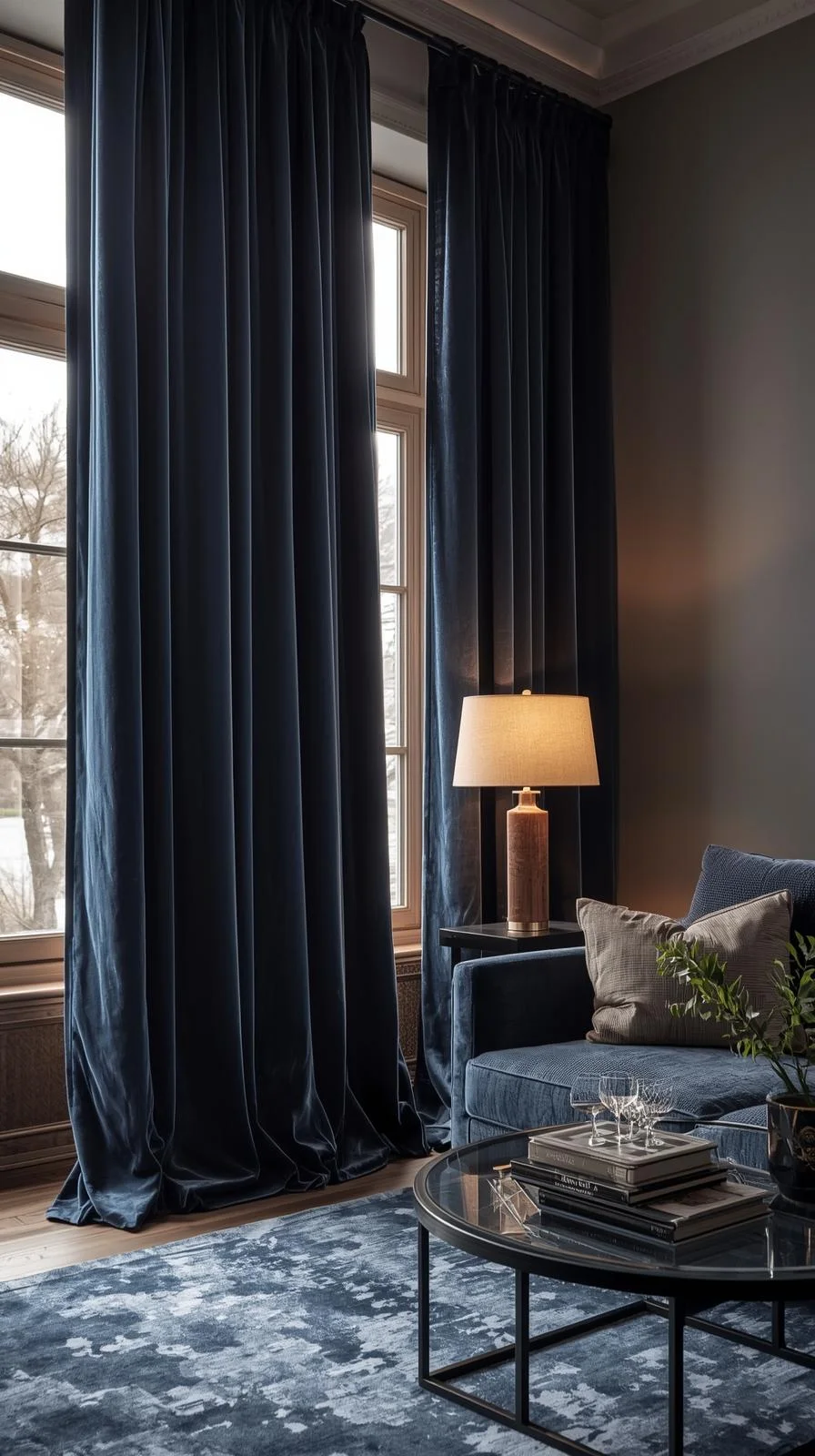
Velvet has long been linked with elegance. In a living room, velvet curtains feel rich and substantial. They block light effectively, help insulate against drafts, and create impact without bold patterns. The beauty of velvet lies in its texture. It reflects light in a way that deepens color and adds dimension. Even a simple room feels more complete with velvet curtains in place. They are especially suited to spaces meant for evening use, where low lighting and comfortable seating create an intimate atmosphere.
5. Roman Shades for a Clean and Tailored Look
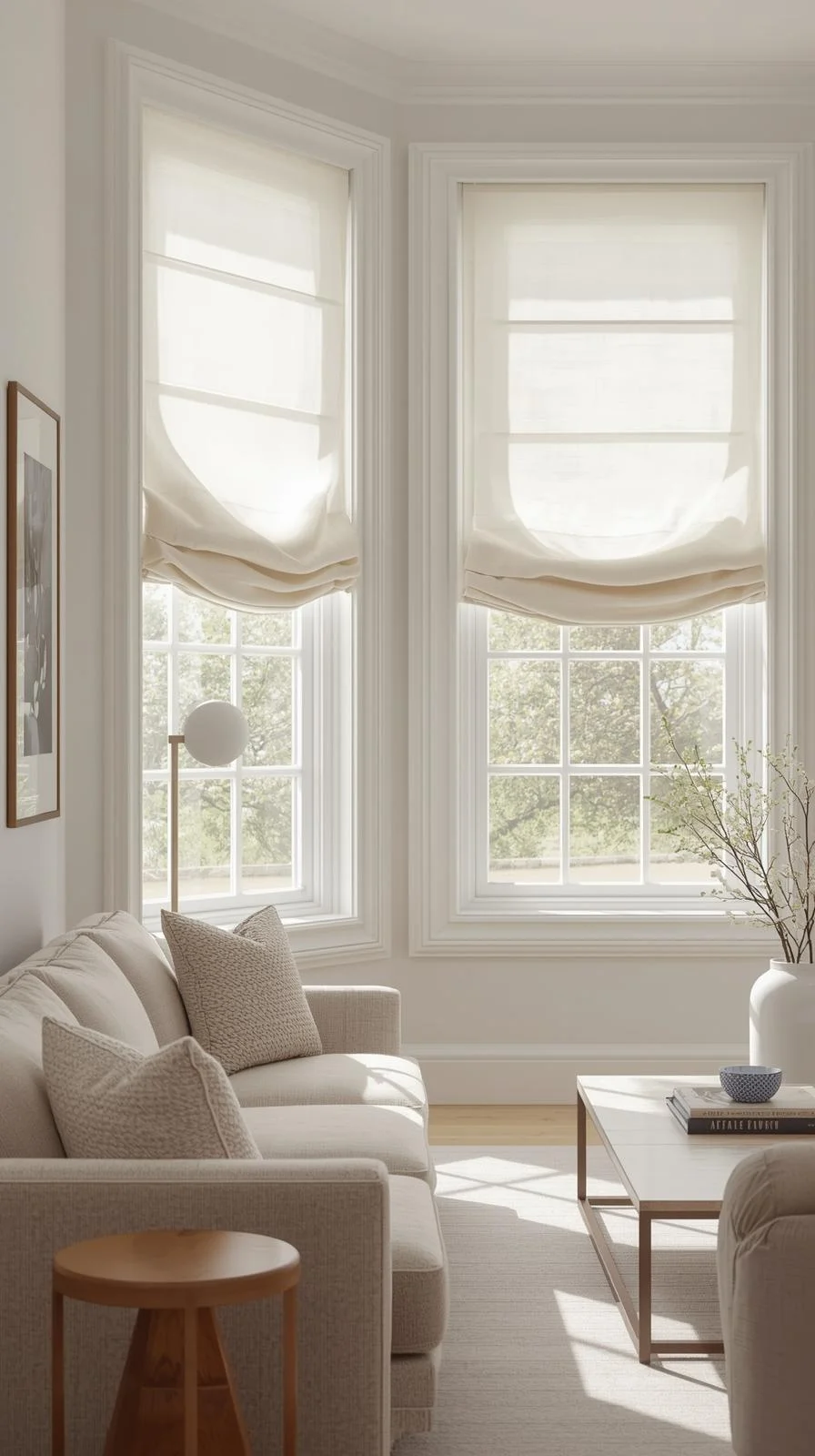
Roman shades are ideal for those who want window coverage without fabric gathering on the floor. These shades fold neatly upward, creating a crisp, structured appearance. In living rooms with modern or transitional styles, they offer function without visual clutter. Roman shades are available in many fabrics, from light cottons to heavier materials, allowing flexibility in design. They can also be paired with side panels for added depth. Their greatest advantage is how they balance practicality and style, offering privacy while keeping attention on the room as a whole.
6. Patterned Curtains That Add Personality
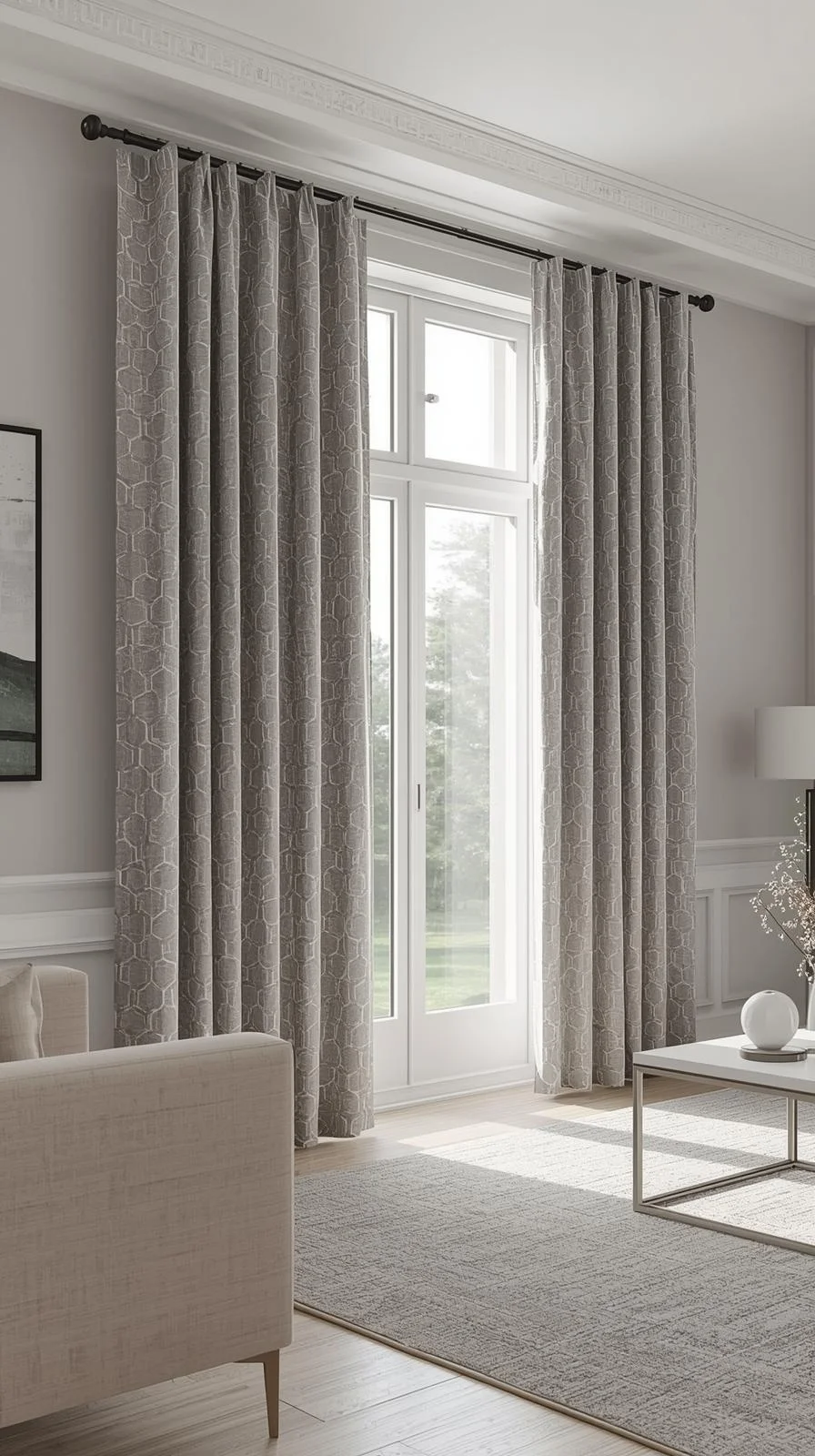
Some living rooms need more than a quiet backdrop. Patterned curtains can act like artwork. Vertical stripes can stretch the room visually, florals add softness, and geometric designs bring energy. The key is moderation. Patterns should support the space rather than compete with it. They work best when walls and furniture stay mostly neutral, allowing the curtain design to stand out. In rooms that feel flat or unfinished, patterned curtains quickly add personality without requiring major changes.
7. Layered Curtains for Flexibility
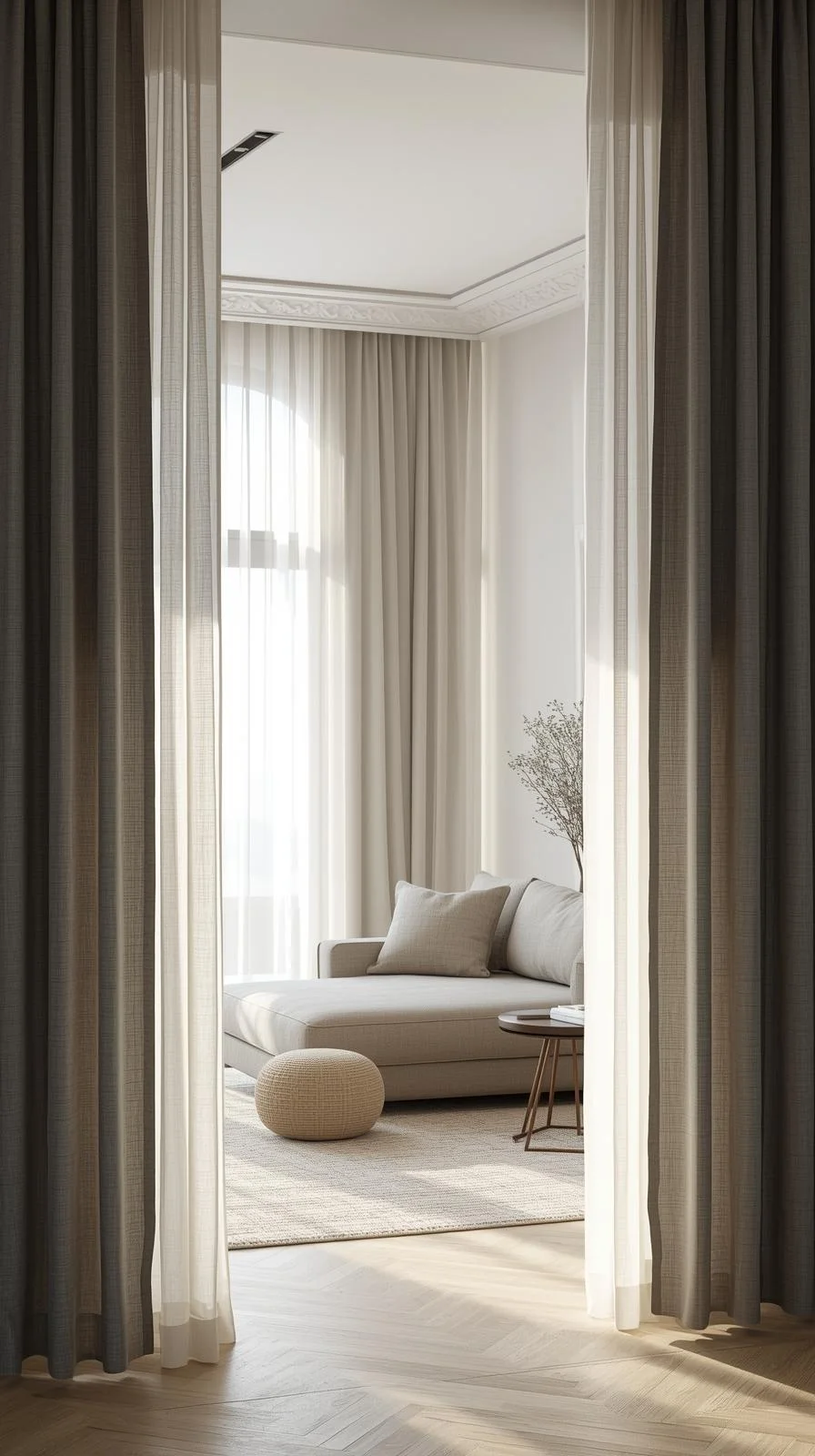
Layering curtains is about creating options rather than rules. Combining sheer panels with heavier drapes allows the room to shift throughout the day. Morning light can pass through sheers, while evenings call for full coverage and warmth. Layering also adds depth, making windows appear more intentional. This method suits both small and large living rooms because it adapts easily. Few curtain styles offer as much control over lighting, mood, and design as a layered setup.
8. Café Curtains for a Casual Feel

Café curtains are often associated with kitchens, but they also work in certain living rooms. These half-length curtains cover the lower portion of the window, providing privacy while keeping the top open for light. In cozy spaces with smaller windows, they feel warm and inviting. Café curtains are easy to care for since they use less fabric and can be changed seasonally. Their relaxed style suits cottages, bungalows, or homes where comfort matters more than formality.
9. Grommet Curtains for a Modern Finish

Grommet curtains feature large metal rings that slide smoothly along the rod. This design gives them a clean, modern appearance. The evenly spaced folds feel structured yet relaxed. Grommet curtains are also easy to use, making them practical in busy living rooms where curtains are adjusted often. They pair best with medium-weight fabrics, which help the folds hang naturally. Their mix of function and style makes them a dependable choice for everyday living.
10. Blackout Curtains for Full Control
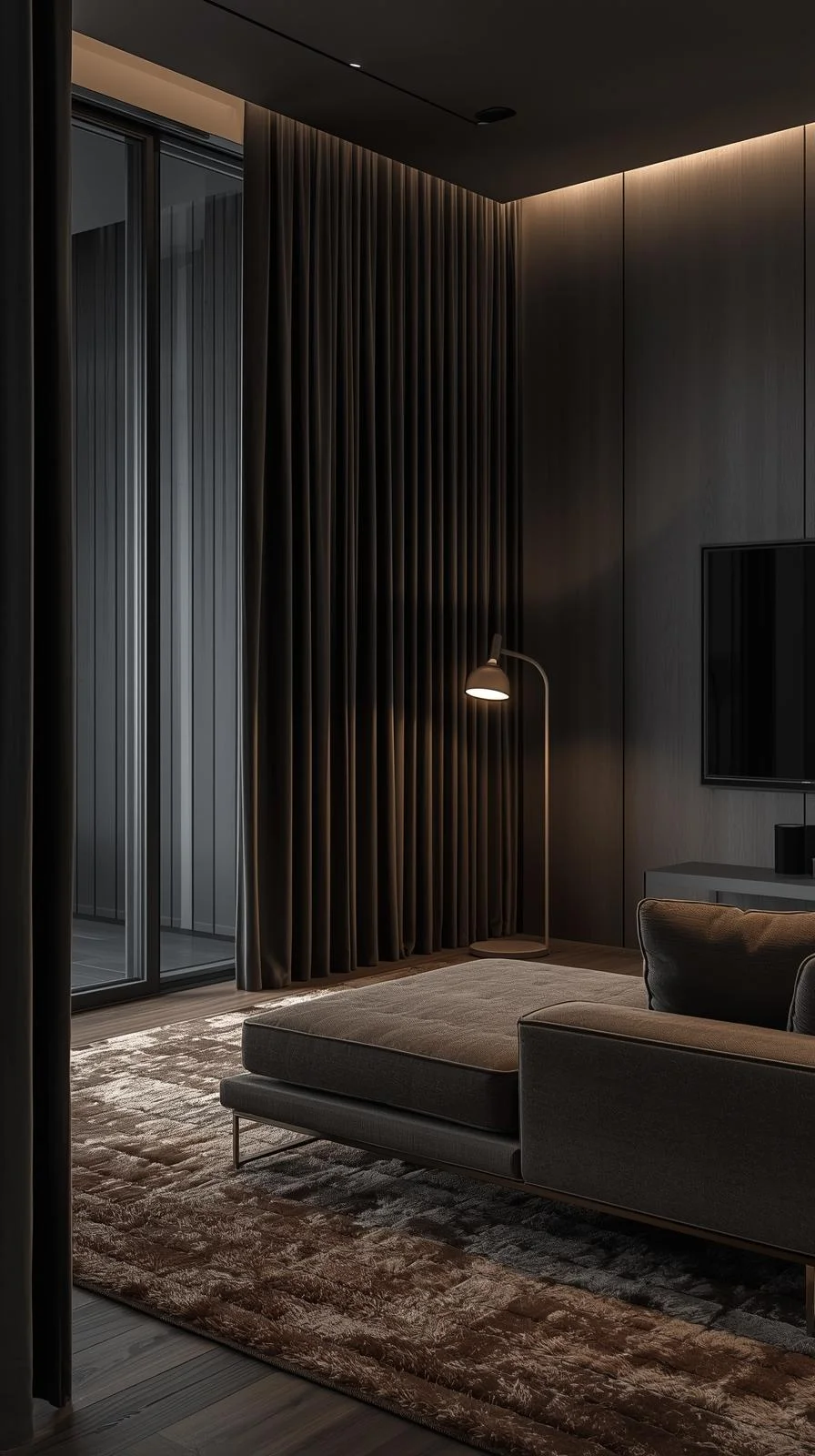
Living rooms often serve more than one purpose. They may be bright social spaces during the day and cozy movie rooms at night. Blackout curtains offer complete light control. Made with dense fabric or special linings, they block sunlight effectively. They also help regulate temperature and reduce outdoor noise. In sun-facing living rooms, blackout curtains can greatly improve comfort. Despite their function, many are designed with attractive fabrics that keep them looking stylish rather than technical.
11. Tie-Top Curtains for a Relaxed Charm

Tie-top curtains use fabric ties instead of hooks or rings, giving them a casual, handcrafted feel. In a living room, they create a warm and welcoming mood. Because they tie directly to the rod, the fabric falls more loosely, with soft gathers rather than sharp pleats. This style works best in relaxed spaces where comfort comes before precision. They can be made from lightweight cotton for an airy look or heavier fabrics for more coverage. Their appeal lies in their simplicity and character.
12. Layered Valances for a Polished Finish
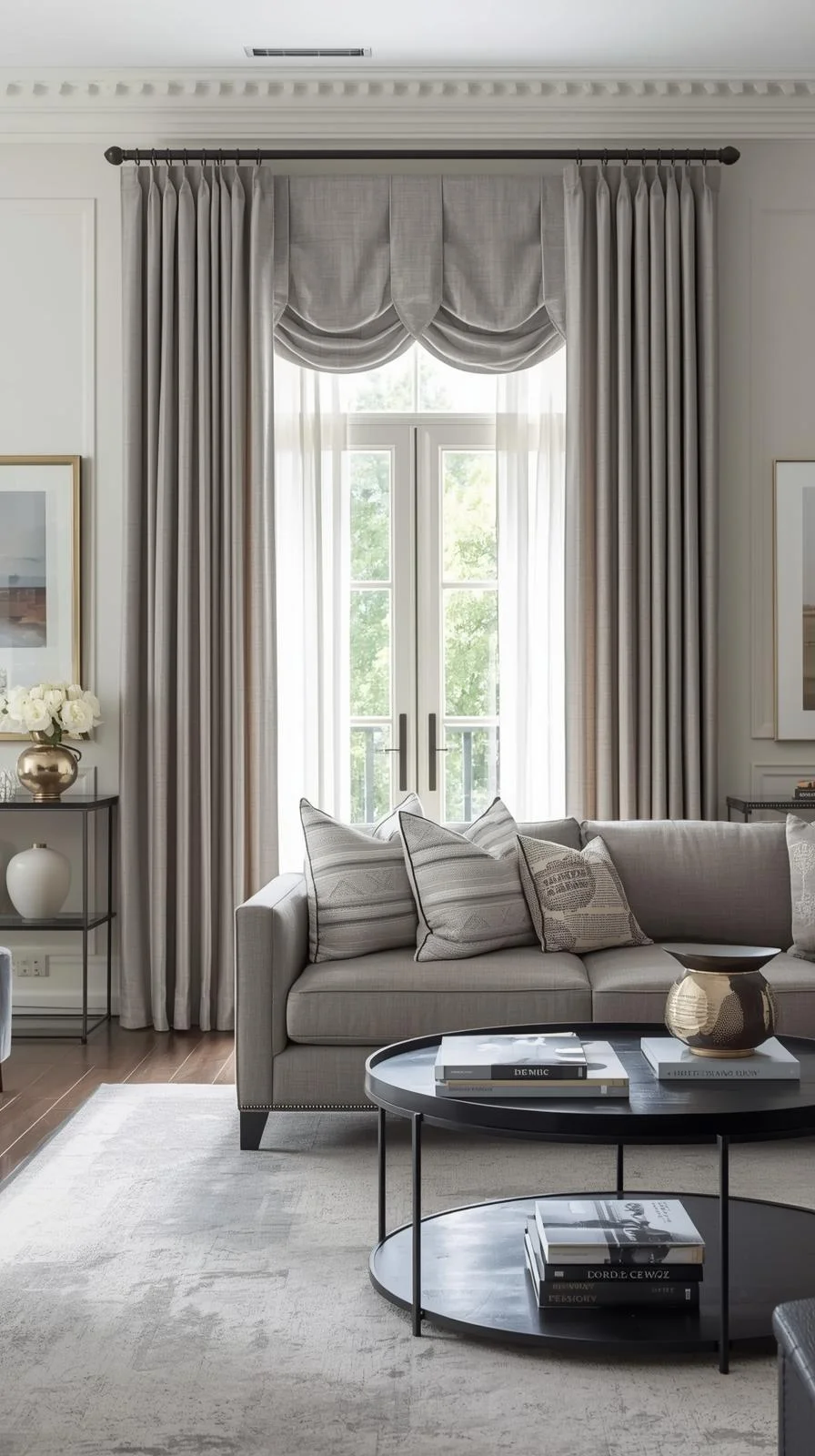
Valances are short fabric panels placed at the top of windows. On their own, they can feel dated, but paired with full-length curtains, they add structure and polish. A layered valance softens the window frame, making it feel complete without dominating attention. In rooms with high ceilings, valances help balance proportions. They also allow you to introduce another color or texture subtly. When used carefully, valances turn curtains into a finished design feature.
Final Thoughts
Selecting curtains for a living room goes beyond choosing fabric. It shapes the atmosphere, manages light, and connects the design. These twelve styles show the wide range of possibilities, from timeless drapes to detailed valances. The best choice depends on how the room is used, the amount of light desired, and the feeling you want to create. Curtains remain one of the simplest yet most impactful design elements, and the right choice can make a living room truly feel like home.