10 Basement Kids Hangout Room Ideas

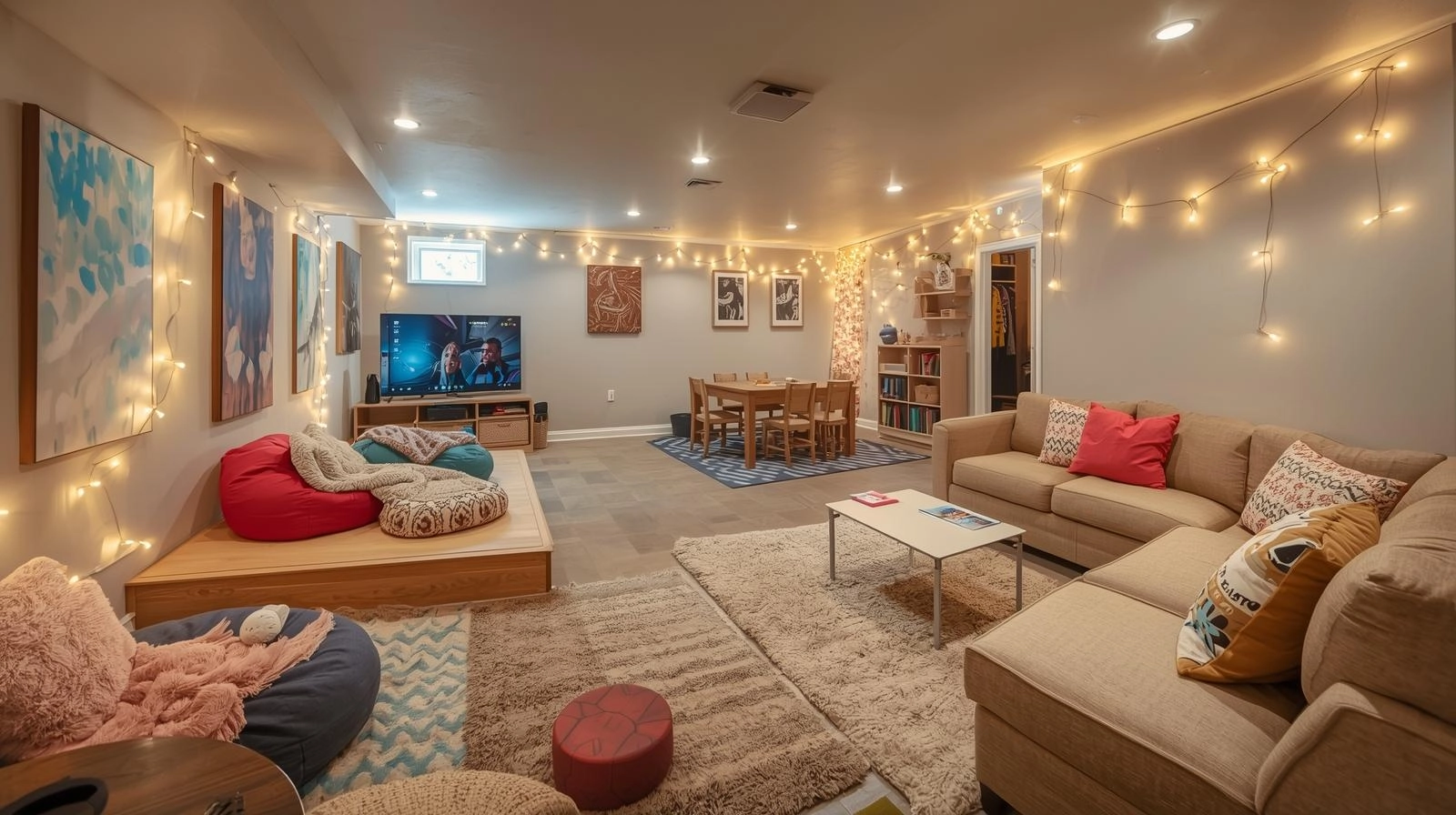
Basements are often overlooked spaces, used mainly for storage, laundry, or forgotten boxes, yet they offer some of the greatest potential in a family home. With thoughtful planning, a basement can become a dedicated kids’ hangout that feels safe, fun, and adaptable. Over more than two decades of designing family-friendly interiors, I have watched basements transform into lively play areas, creative studios, and comfortable teen retreats. The most successful designs always balance imagination with everyday practicality, creating a space that works for children now while remaining flexible enough to evolve as they grow older.
The ten basement kids’ hangout room ideas below are meant to inspire while also providing realistic, usable solutions. Each idea focuses on comfort, creativity, and long-term value, ensuring your basement becomes a place your children genuinely enjoy spending time in. At the same time, these designs help keep the rest of the home organized, quieter, and more functional for the entire family.
1. A Dedicated Playroom for Younger Kids
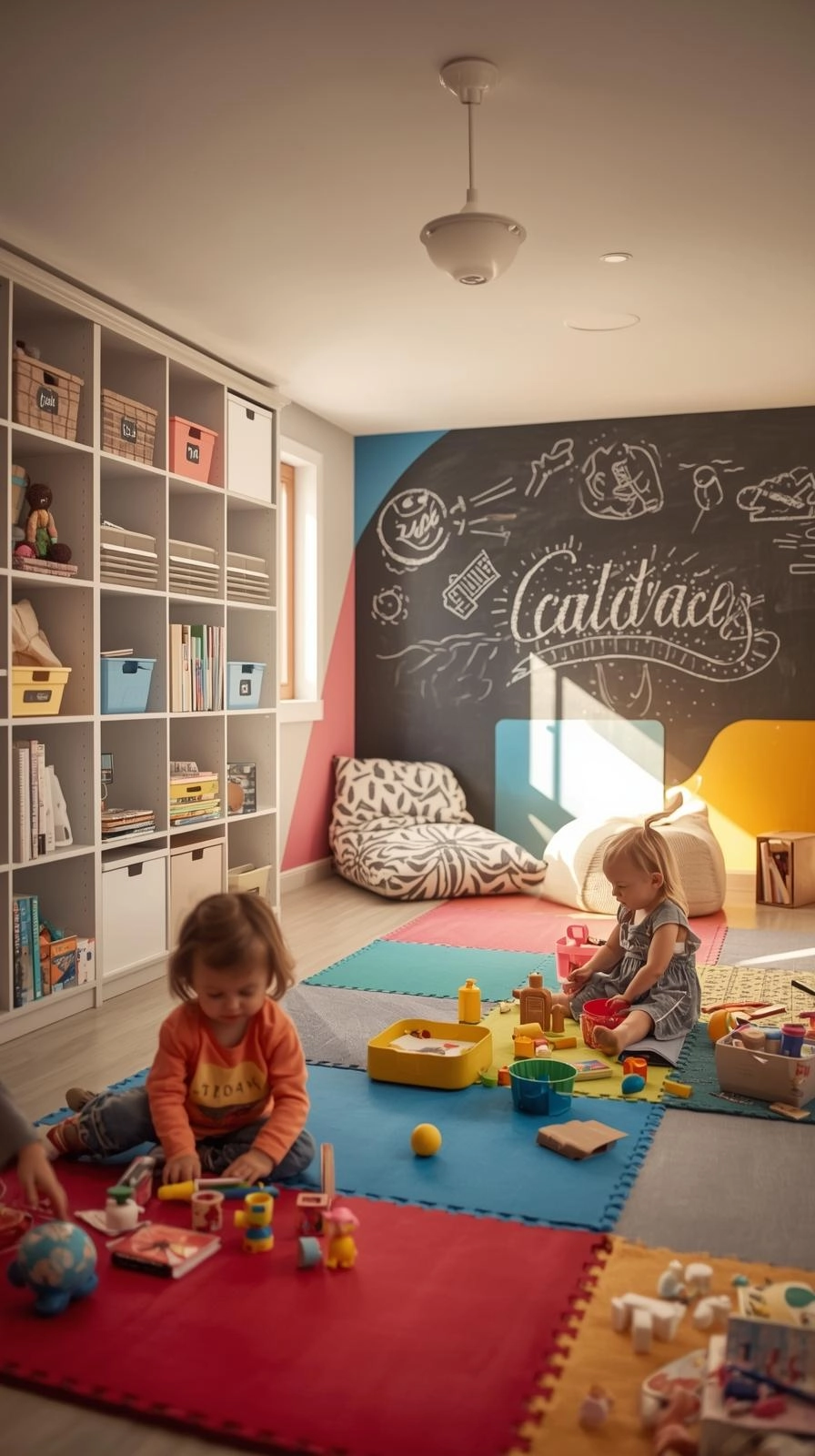
For families with toddlers and younger children, the basement can become a bright, engaging playroom designed entirely around safety and fun. Basements often provide large, open floor plans, making it easy to divide the space into zones for toys, pretend play, building blocks, and quiet reading corners. Soft flooring such as foam mats or thick rugs cushions falls and makes floor play more comfortable for little ones.
Color plays an important role in keeping kids interested. Cheerful paint, playful murals, or a chalkboard wall encourage imagination without overwhelming the space. Storage should be simple and accessible, with low shelves, open cubbies, and labeled bins that make cleanup part of the routine. When designed thoughtfully, this type of playroom allows children to stay active indoors while giving parents peace of mind and better organization.
2. A Tween-Friendly Gaming Zone
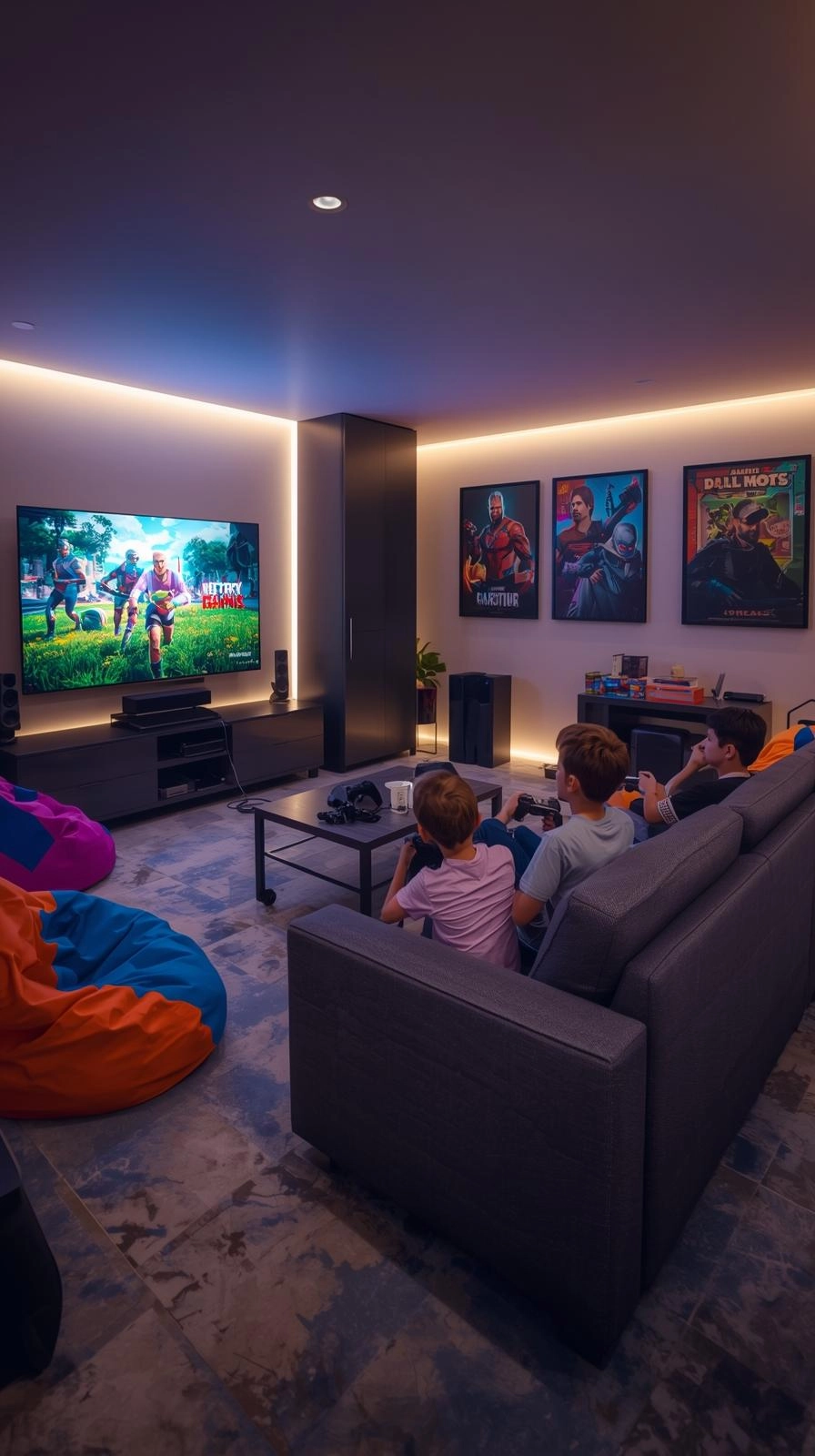
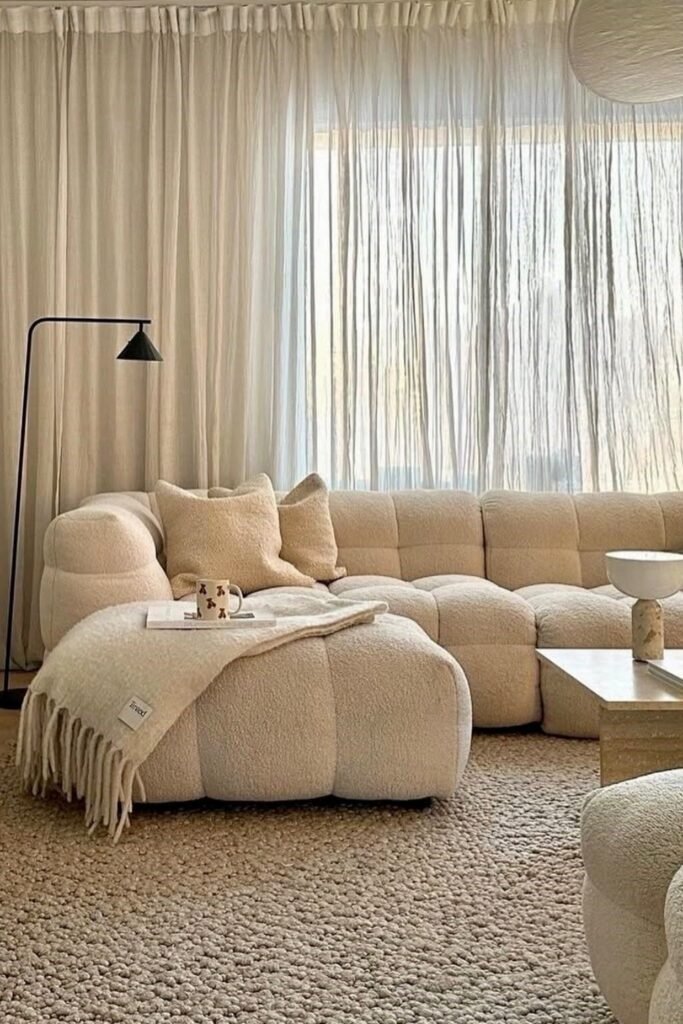
As kids grow into their tween years, their interests naturally shift toward gaming, movies, and social time with friends. A basement gaming zone is ideal because it keeps sound and activity away from main living areas while offering kids a sense of independence. Comfortable seating such as sectionals, beanbags, or gaming chairs should be positioned around a large television or projector for maximum enjoyment.
Practical details matter here. Charging stations, organized storage for controllers, and a strong internet connection help keep the space functional. Adding soft soundproofing panels improves acoustics and reduces noise throughout the home. Accent lighting, themed décor, and simple shelving give the room personality without making it cluttered. This type of hangout becomes a place where tweens can relax, connect, and have fun while staying safely at home.
3. A Creative Arts and Crafts Studio
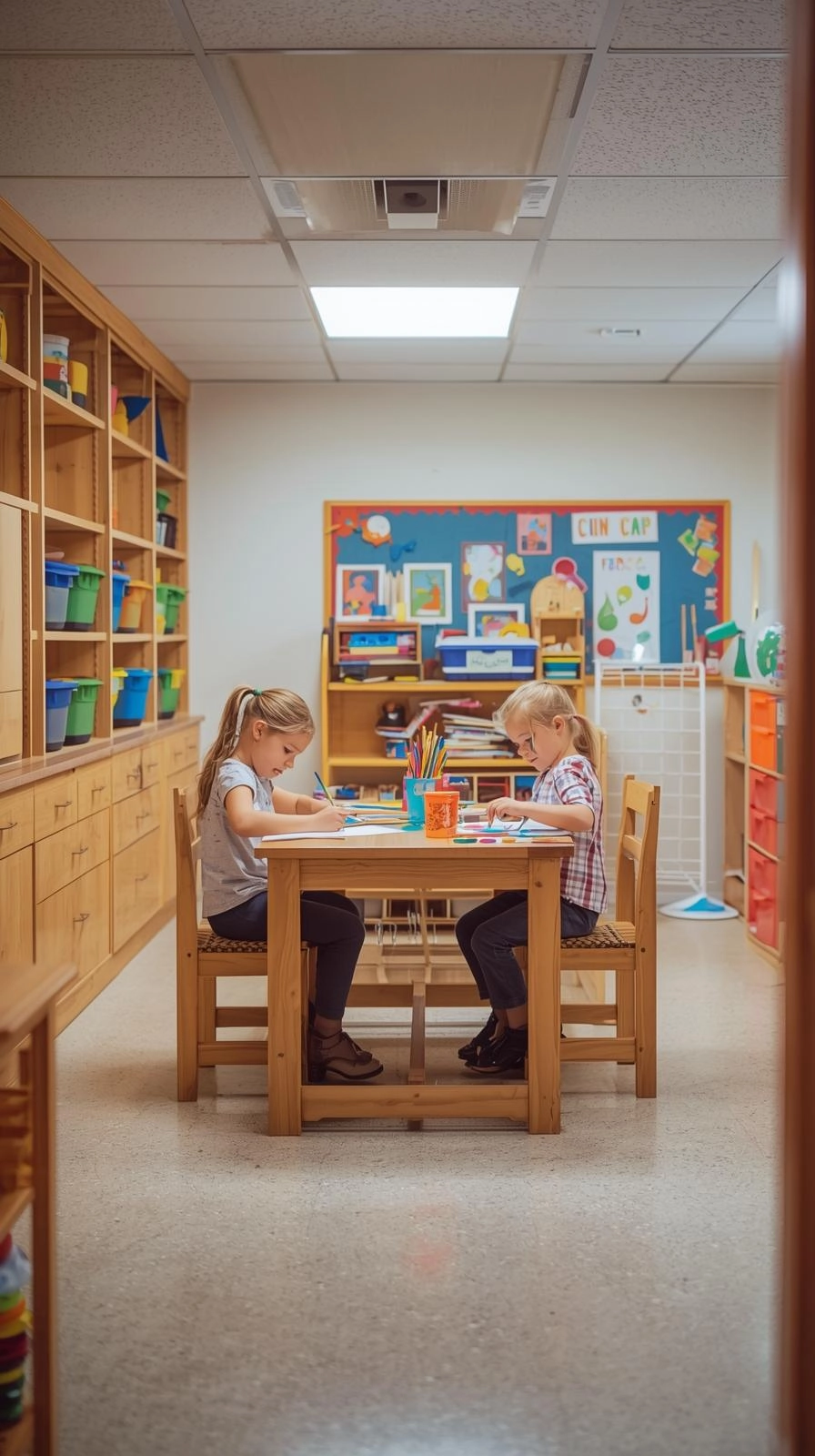
For children who enjoy hands-on creativity, a basement arts and crafts studio can be incredibly rewarding. This type of space should focus on light, durability, and easy cleanup. Bright overhead lighting or daylight bulbs help with detailed work, while a long, sturdy table provides room for drawing, painting, and building projects.
Flooring should be chosen carefully. Vinyl, laminate, or sealed concrete makes it easier to clean up spills and splatters. Storage is key, with shelves, drawers, and containers keeping supplies visible and accessible. A display wall or corkboard allows kids to showcase their artwork, building confidence and pride in their creativity. By dedicating space to crafts, families encourage imagination while keeping messes contained.
4. A Cozy Reading and Study Nook

Not every child wants constant activity. For those who enjoy quiet time, a basement reading and study nook offers a peaceful escape. Comfort is essential, so soft rugs, floor cushions, beanbags, or small sofas help make the area inviting. Bookshelves filled with favorite reads create a sense of ownership and encourage daily reading habits.
Lighting deserves special attention since basements often lack natural light. Table lamps, wall sconces, and task lighting help reduce eye strain and create a focused atmosphere. Adding a compact desk allows the space to double as a homework area, giving kids a place to concentrate away from distractions. This setup supports both relaxation and learning, making it useful well into the teen years.
5. An Indoor Sports and Activity Zone
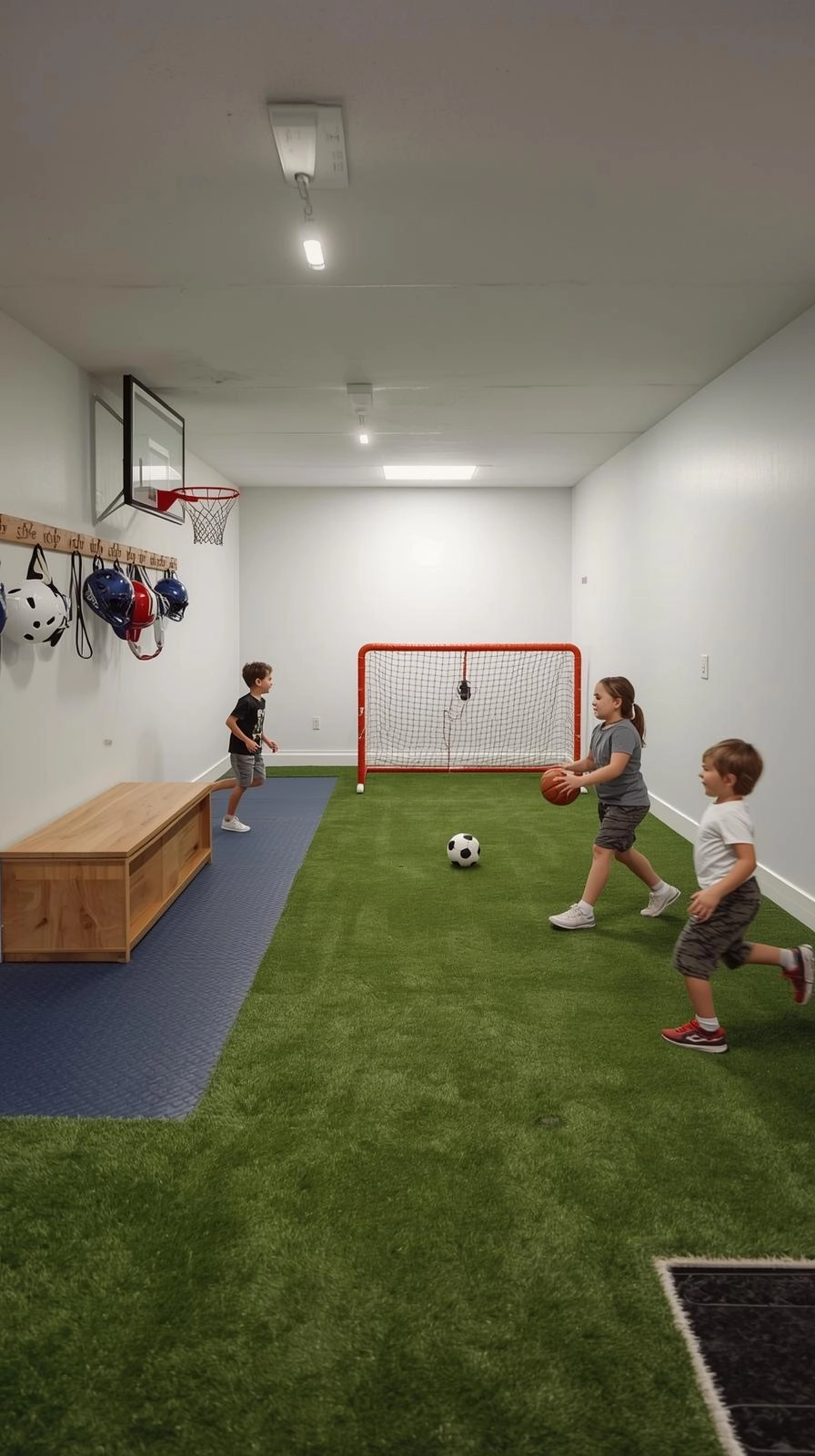
For active children, a basement can become a safe indoor space for movement and exercise. Open layouts work well for activities like mini basketball hoops, foam obstacle courses, or small soccer goals. Adding padded flooring or turf reduces the risk of injury and keeps the space comfortable for jumping and running.
Storage solutions keep the area tidy, with hooks for gear, shelves for equipment, and benches for changing shoes. This kind of activity zone is especially valuable during colder months or rainy days when outdoor play is limited. With the right safety measures in place, it gives kids a healthy outlet for energy without disrupting the rest of the house.
6. A Teen Lounge with Style
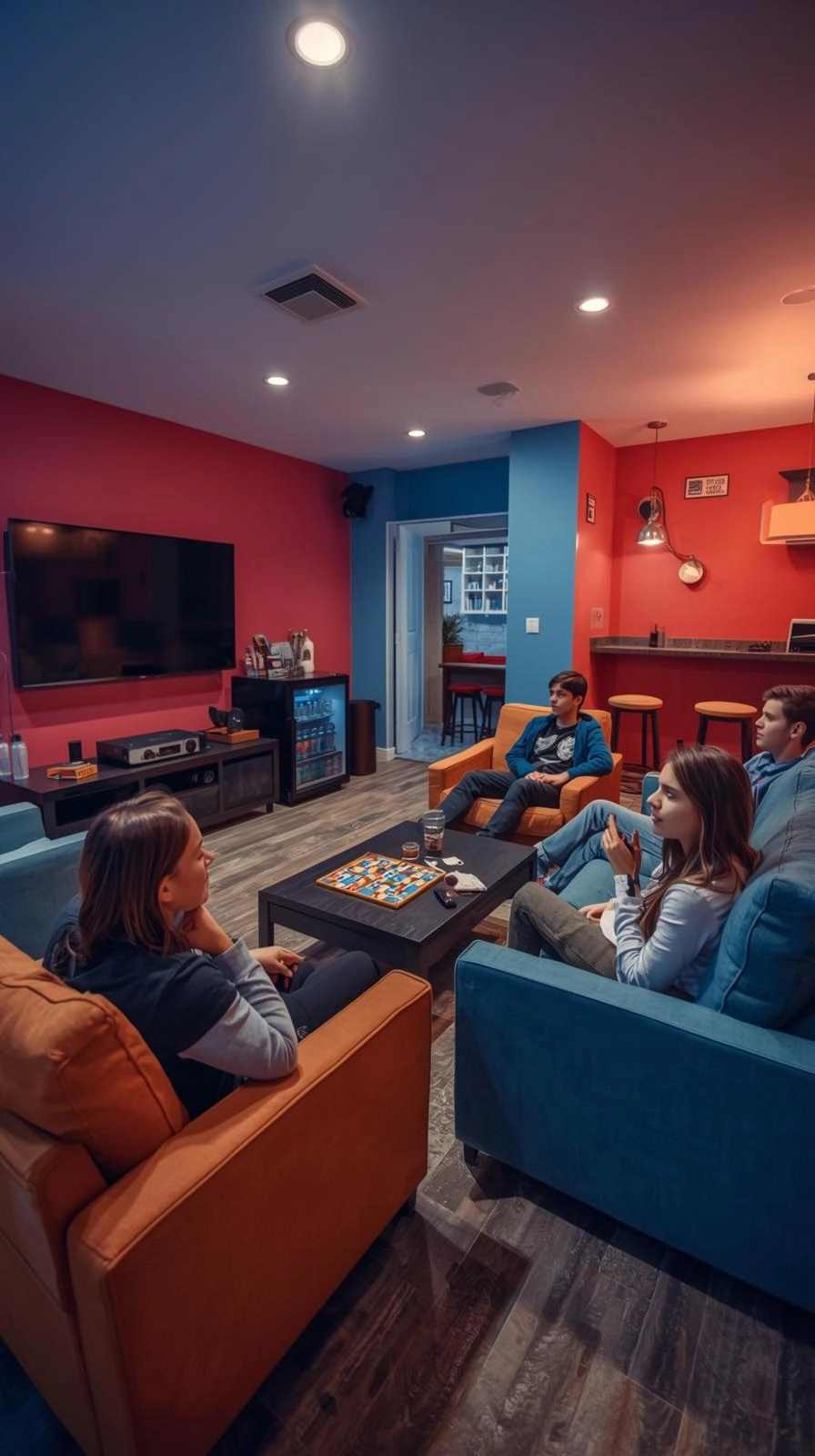
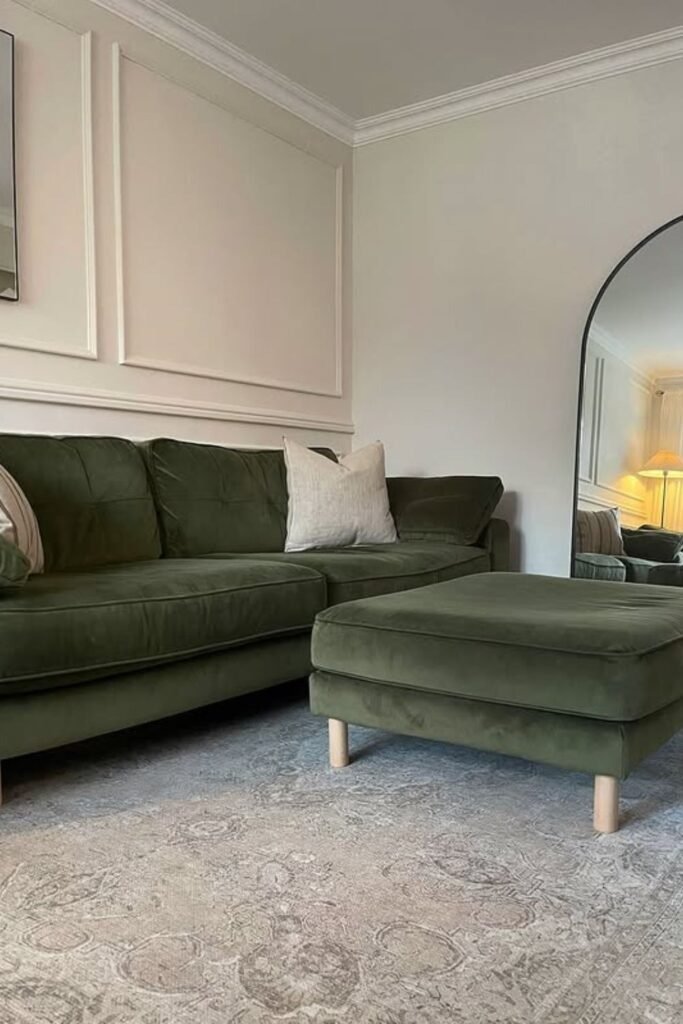
Teenagers value independence, but parents often want to keep them close. A basement teen lounge creates that balance. This space should feel relaxed and slightly more grown-up, using comfortable seating, modern finishes, and darker or neutral color palettes.
Features like a mini fridge, snack station, or small bar area add to the feeling of ownership. Entertainment options such as a TV, music system, or board games make the lounge a natural gathering place. The design should be flexible enough to evolve into a general family space later, making it a smart long-term investment.
7. A Movie Theater Experience
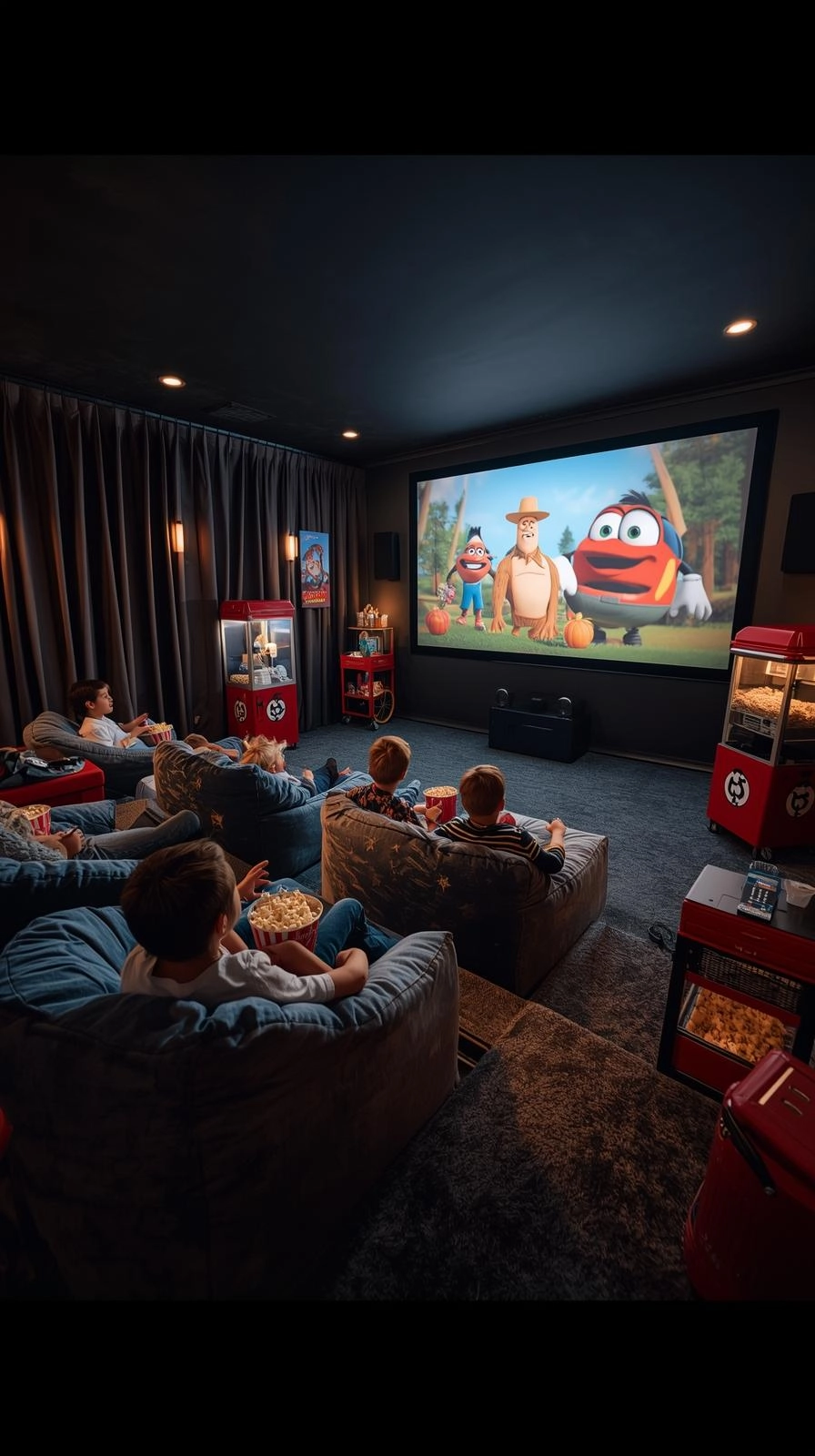
A home movie theater is one of the most exciting basement transformations for kids. Basements are naturally suited for this because they can be darkened easily. A projector and large screen instantly set the tone, while comfortable seating keeps everyone relaxed during long movie sessions.
Sound quality enhances the experience, so acoustic panels or soft furnishings help improve audio. Blackout curtains and dim lighting create an authentic theater feel. Snacks, themed décor, and movie posters add fun while making the space feel special. This setup becomes a shared family space that everyone enjoys.
8. A Music and Dance Studio
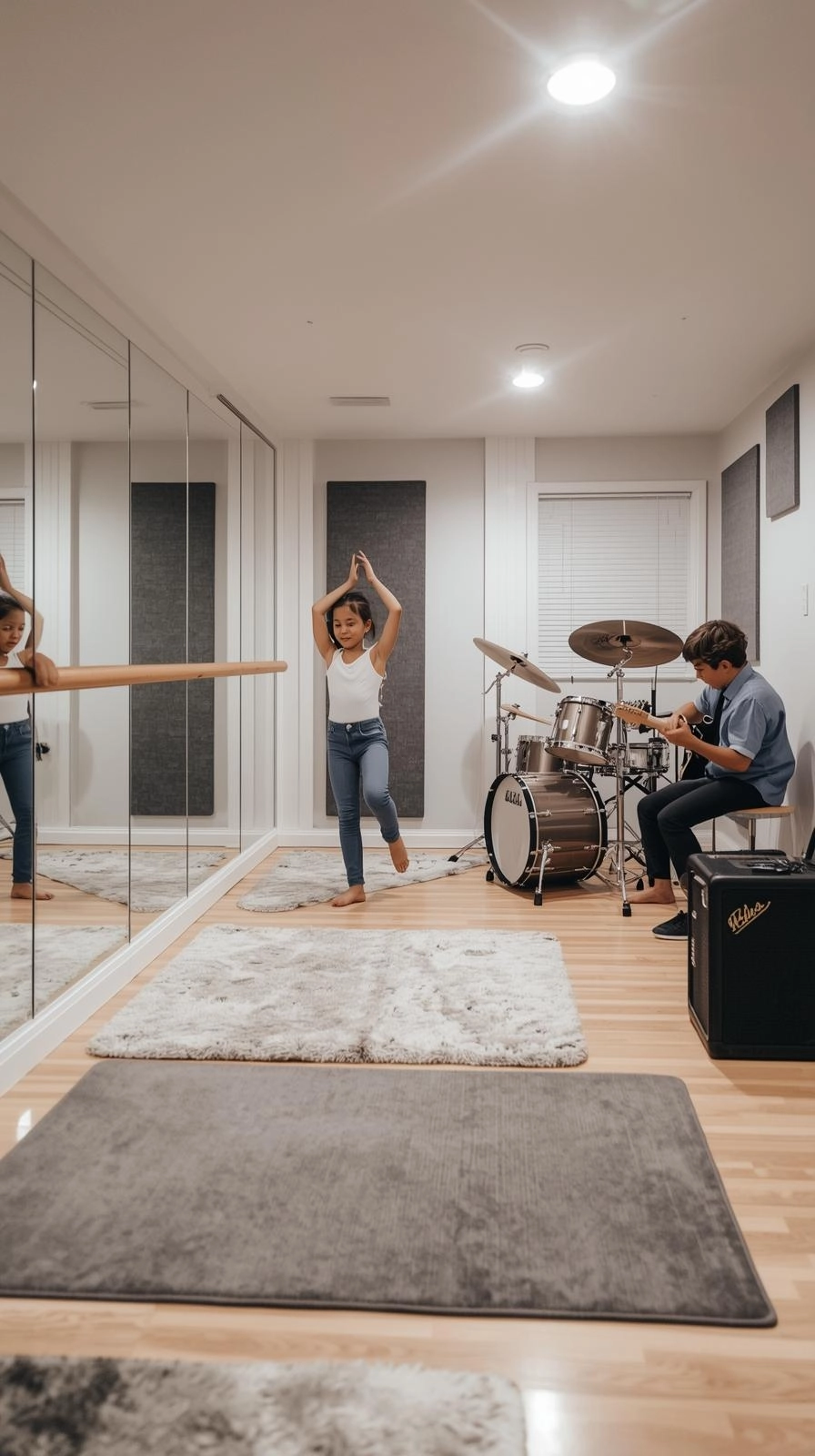
For children interested in music or dance, a basement studio provides freedom to practice without disturbing the rest of the household. Soundproofing is essential, helping contain noise while improving acoustics. Mirrors allow dancers to refine their movements, while open floor space supports practice and performance.
Musicians benefit from organized storage for instruments and equipment, along with good ventilation. Rugs and soft materials improve sound quality and comfort. This kind of space encourages discipline, creativity, and confidence while keeping practice sessions stress-free for parents.
9. A STEM and Learning Lab
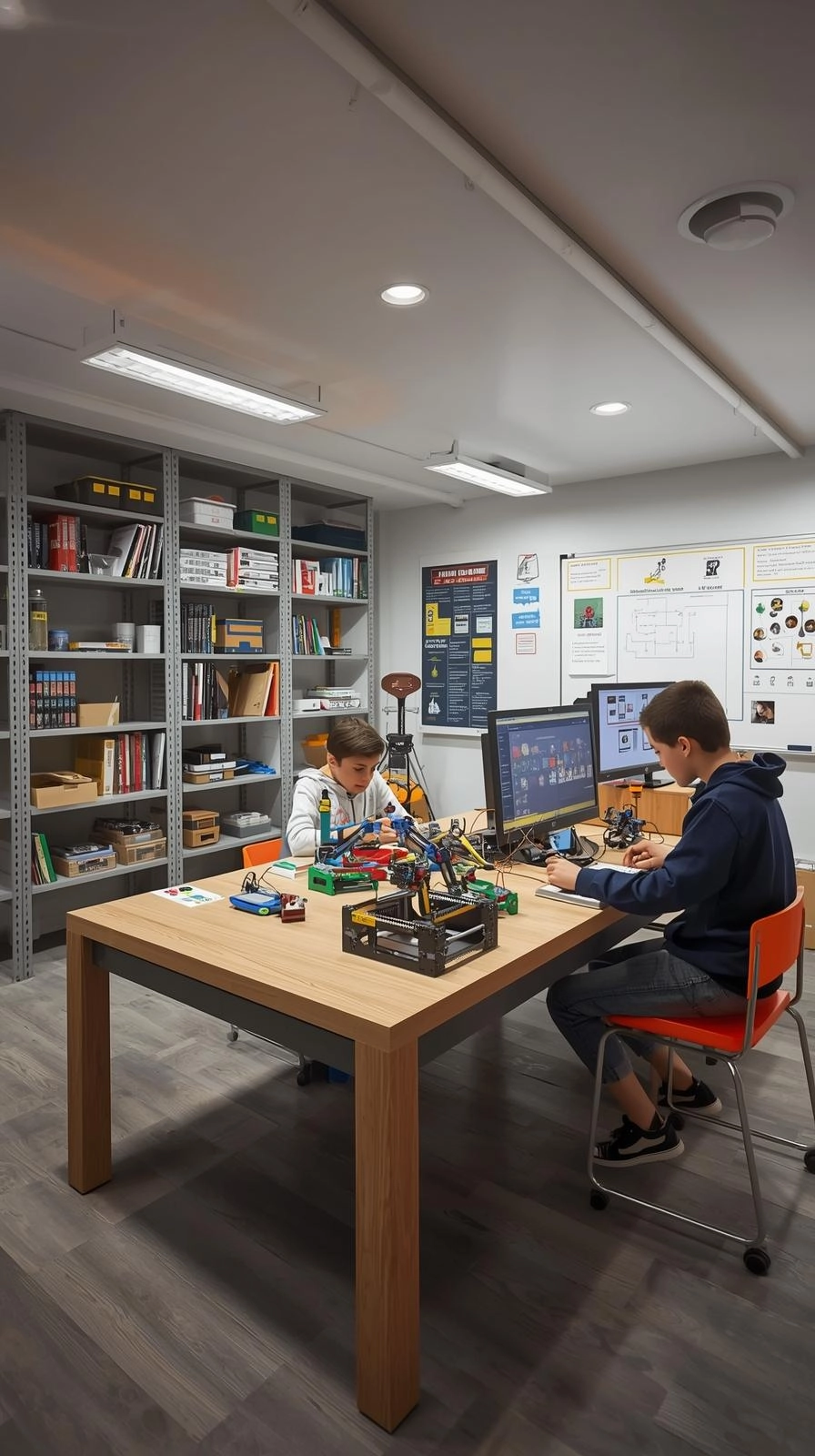
A basement learning lab supports curiosity and hands-on education. This type of room focuses on exploration, with worktables, computers, and storage for science kits, robotics, or building tools. Durable surfaces and bright lighting make experiments and projects easier to manage.
A whiteboard or chalkboard wall helps kids plan ideas and track progress. The space can also double as a tutoring or homeschooling area. Unlike traditional study rooms, a STEM lab promotes problem-solving and creativity in a structured yet flexible environment.
10. A Cozy Sleepover Retreat
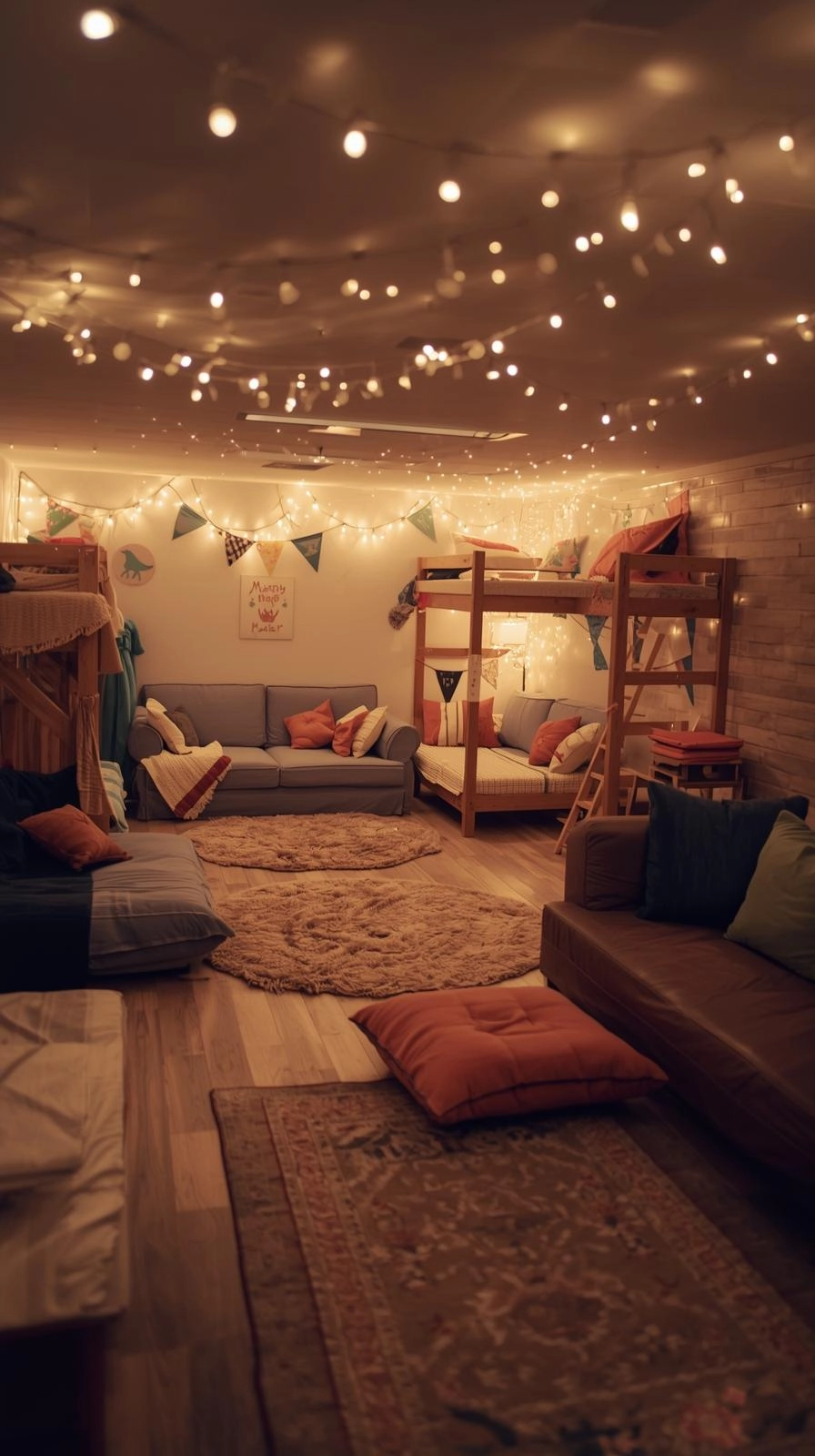
Sleepovers are a highlight of childhood, and a basement retreat makes hosting easy. Fold-out sofas, futons, or bunk-style sleeping options give kids a comfortable place to rest. Soft lighting, rugs, and playful décor help create a welcoming atmosphere.
This space works for movie nights, game marathons, or indoor camping. It also adapts well as a guest room when needed. A basement sleepover retreat offers independence for kids while keeping them safely under one roof.
Conclusion
Designing a basement kids’ hangout room is about creating a space that supports growth, creativity, and connection. Rather than remaining an unused area, the basement can become a meaningful part of daily family life. Whether your focus is play, learning, relaxation, or social time, these ideas show how flexible a basement can be.
With thoughtful planning and intentional design, a basement can shift from overlooked storage to the most loved room in the home. It becomes a place where kids feel comfortable being themselves, where families gather, and where lasting memories are made year after year.