24 Minimalist Living Room Ideas for 2026

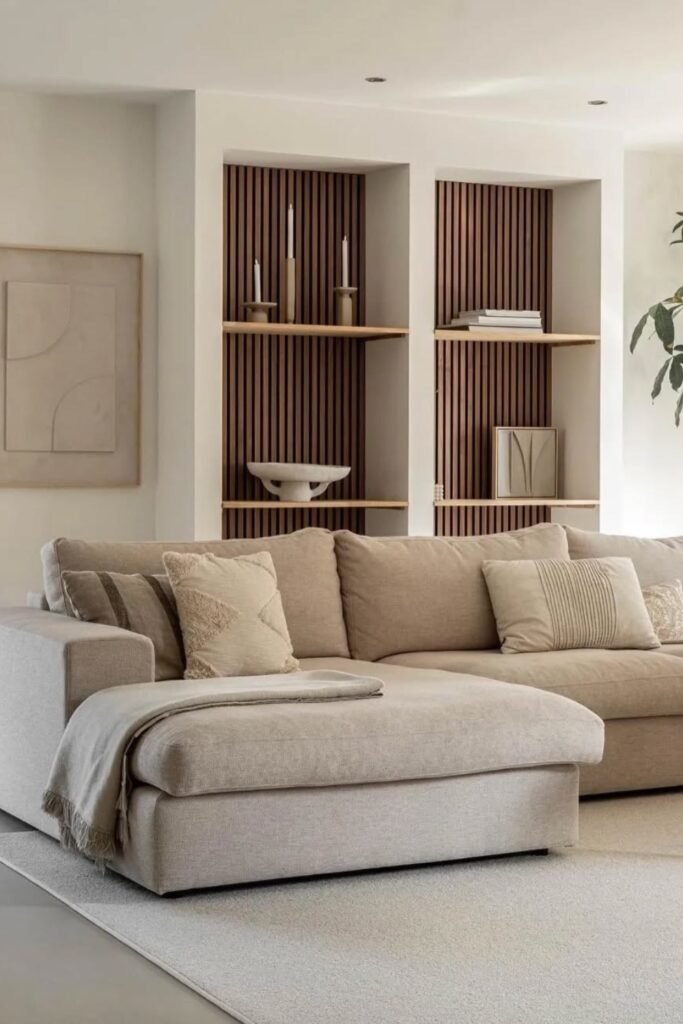
Minimalist living rooms are about more than clean lines and open space. They are spaces that balance simplicity, function, and comfort. In 2026, minimalist design is evolving to include warmth, layered textures, and intentional lighting, ensuring that even the simplest rooms feel inviting. The key is thoughtful design: every piece, every color, and every layer should have a purpose. Here are 24 minimalist living room ideas that show how to achieve balance, calm, and style in your home.
What Is a Minimalistic Living Room?
A minimalistic living room emphasizes clarity, functionality, and space. It avoids clutter while maintaining personality and comfort. The focus is on clean lines, open layouts, and neutral palettes that allow textures and light to take center stage. Minimalism is not about stark emptiness; it’s about giving each element a role. Furniture should be simple yet comfortable, lighting purposeful, and décor selective. The goal is a room that feels open, calm, and intentional, where every piece contributes to the overall harmony.
What Are the Rules of Minimalism?
Minimalism has a few guiding principles. First, less is more: limit unnecessary furniture and decorative items. Second, choose quality over quantity: every piece should have value and purpose. Third, prioritize function: furniture and layout must serve the way the room is used. Fourth, embrace neutral color schemes to create visual calm. Fifth, introduce subtle textures to add warmth and depth without visual clutter. Following these rules ensures a minimalist living room that is both practical and visually appealing.
Neutral Layers That Let Texture Speak
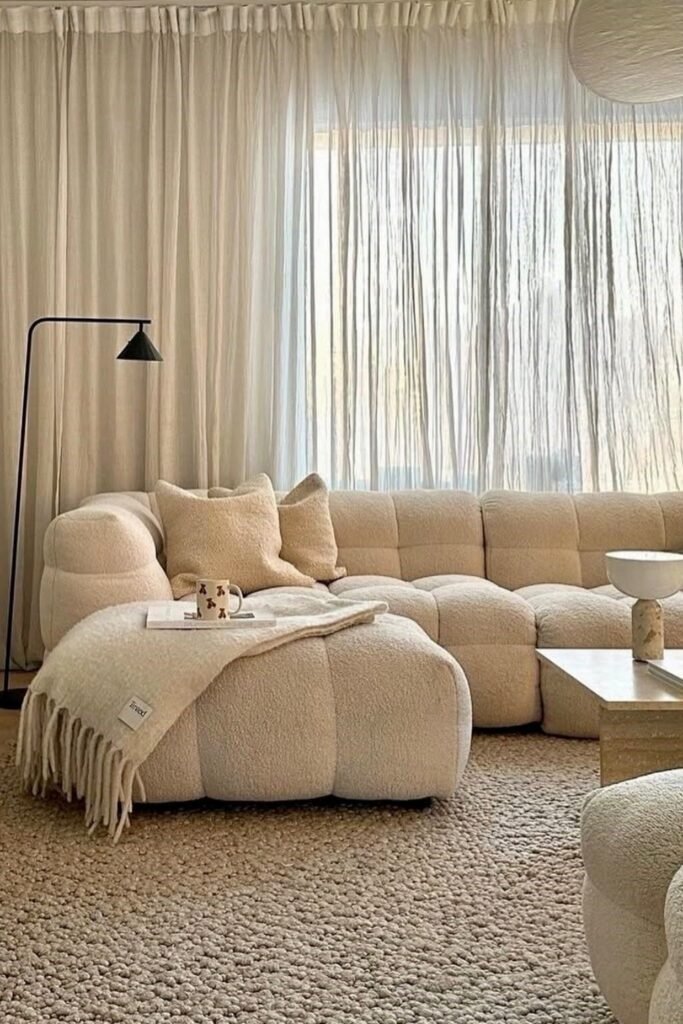
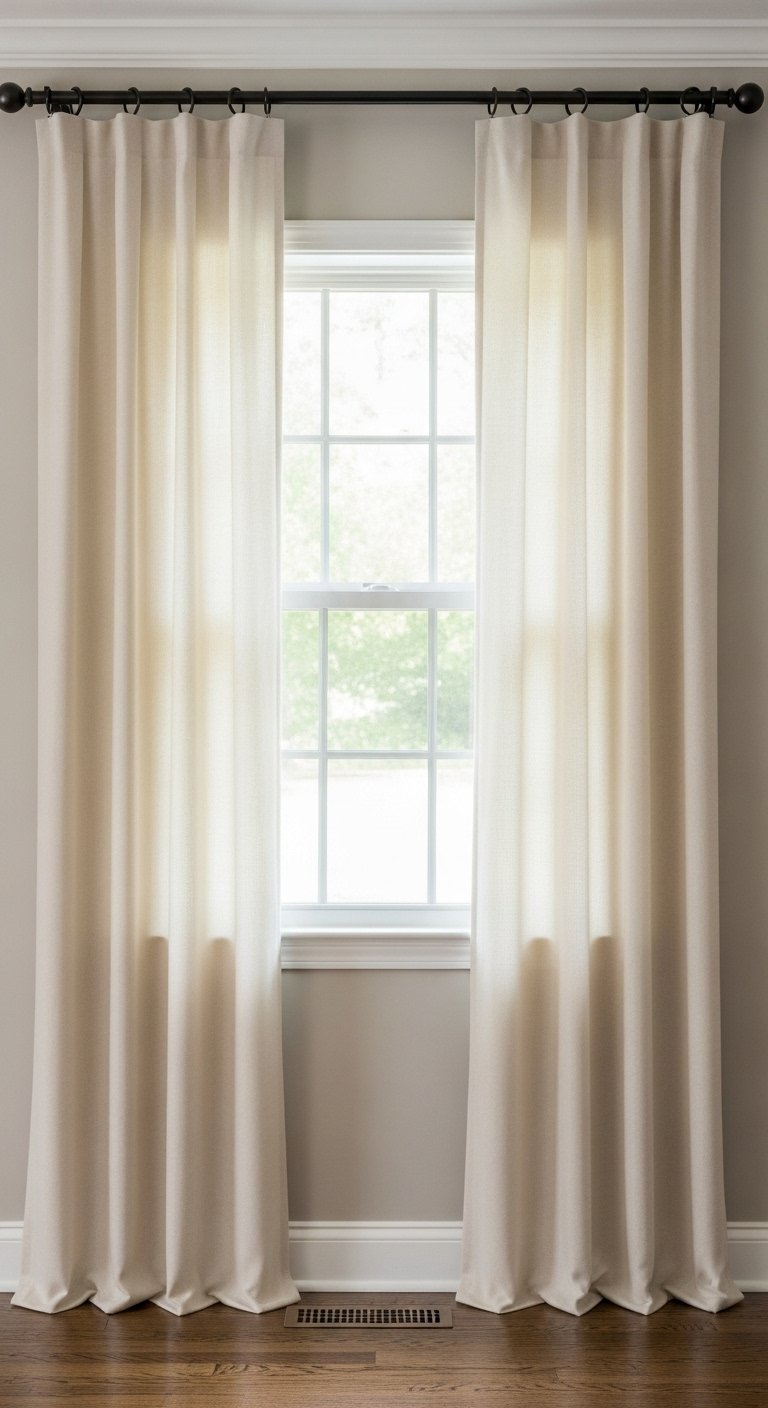
Neutral tones form the foundation of a minimalist living room. Whites, creams, and soft grays create a calm backdrop, allowing textures to stand out. Linen curtains, woven rugs, and wooden floors provide subtle contrast and tactile interest. The key is to layer textures rather than colors, giving depth to a simple palette. This approach keeps the room serene while ensuring it doesn’t feel flat or lifeless.
Warm Light That Frames the Room
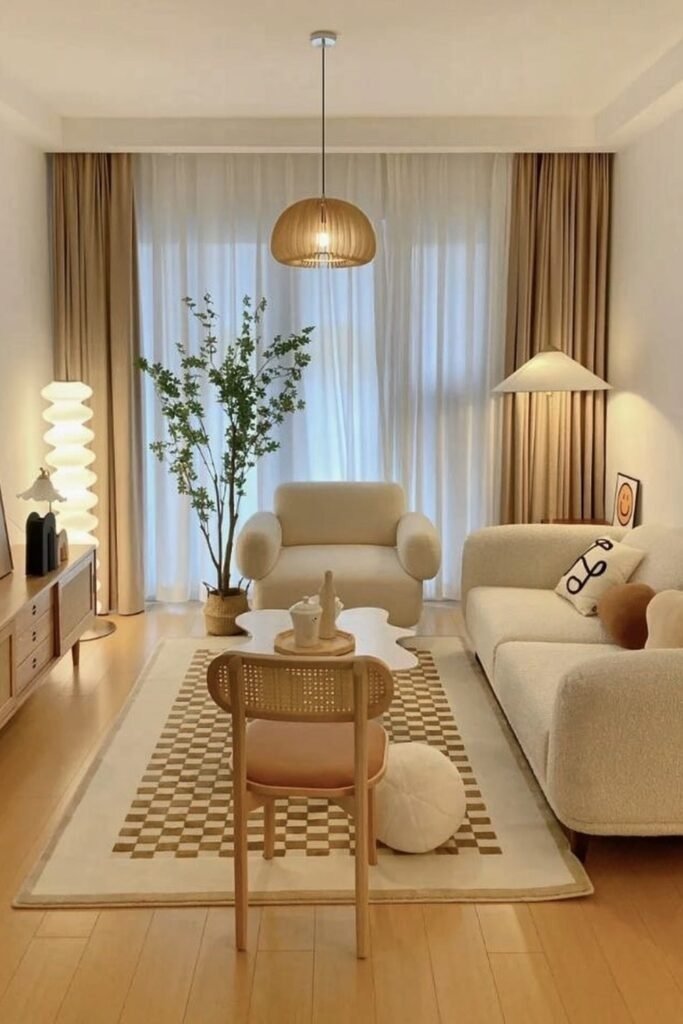
Lighting is essential in minimalist spaces. Warm light can define edges, create focus, and enhance textures. Floor lamps and strategically placed ceiling lights highlight seating areas and architectural features. Soft, indirect lighting prevents stark shadows and adds a welcoming glow. In 2026, minimalist living rooms often use dimmable fixtures that allow flexibility, balancing practical illumination with cozy ambiance.
Airy Corners That Let Light Lead
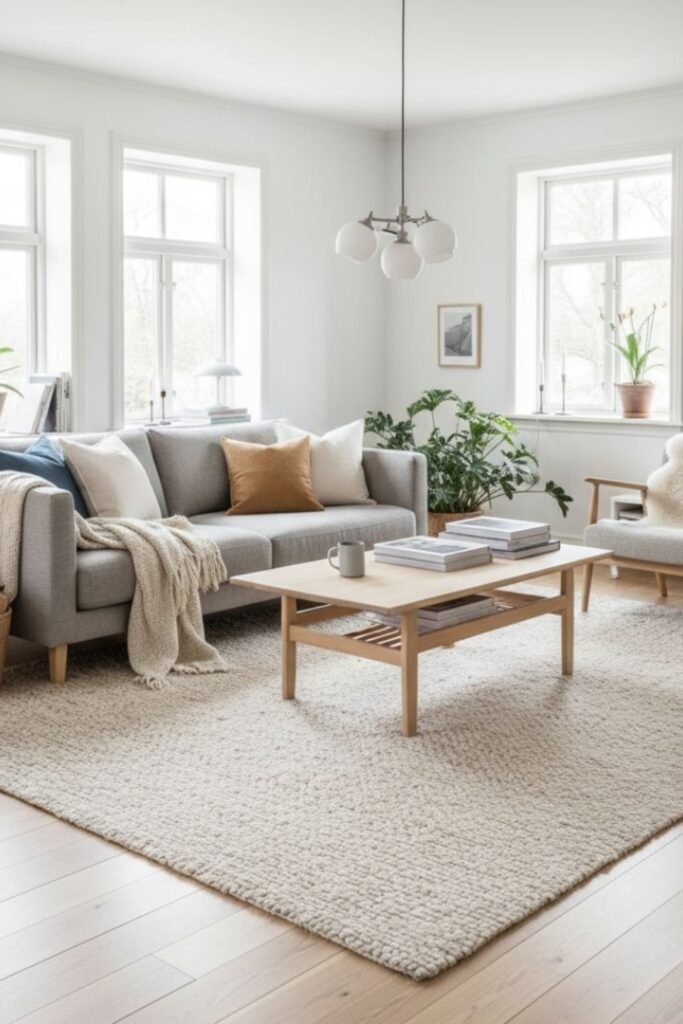
Open corners create breathing space and maximize natural light. Minimizing furniture in these areas allows sunlight to flow freely, enhancing the room’s calm atmosphere. Placing a low sofa or small chair near a window can create a quiet reading nook while maintaining openness. Airy corners make minimalist living rooms feel expansive and uncluttered, reinforcing the core principle of simplicity.
Moody Warmth That Grounds the Space
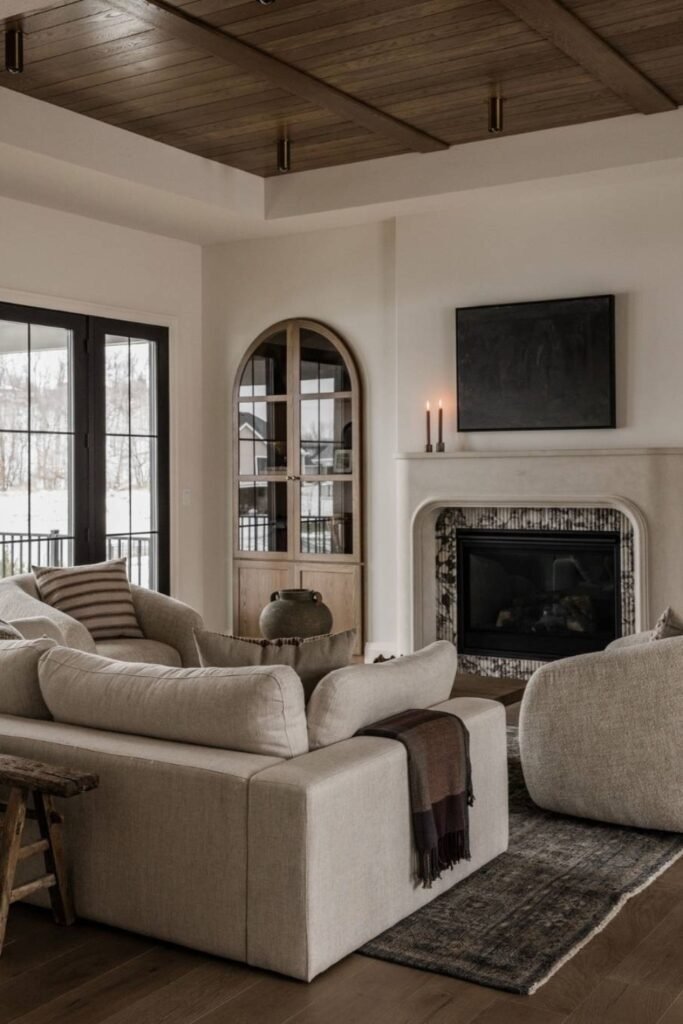
Minimalism doesn’t have to feel cold. Deep, muted tones like charcoal, olive, or rust provide grounding and create intimate pockets in larger rooms. When paired with soft neutrals and natural textures, moody shades can define spaces without adding clutter. In 2026, this approach adds sophistication while keeping the living room cozy and approachable.
Character Through Quiet Details
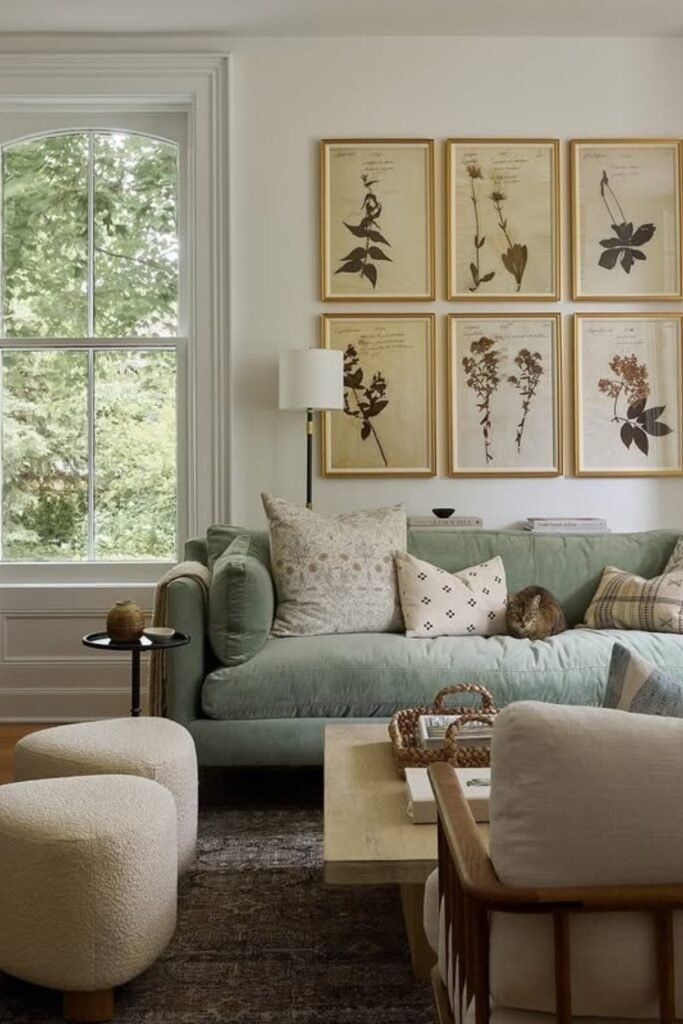
Minimalist living rooms rely on subtle details to create interest. A handcrafted vase, a carefully framed artwork, or a sculpted coffee table can bring personality without overwhelming the space. The idea is restraint: each detail should complement the room rather than compete for attention. Over time, these quiet touches develop the character and soul of a minimalist home.
Built-In Calm That Frames the Focus
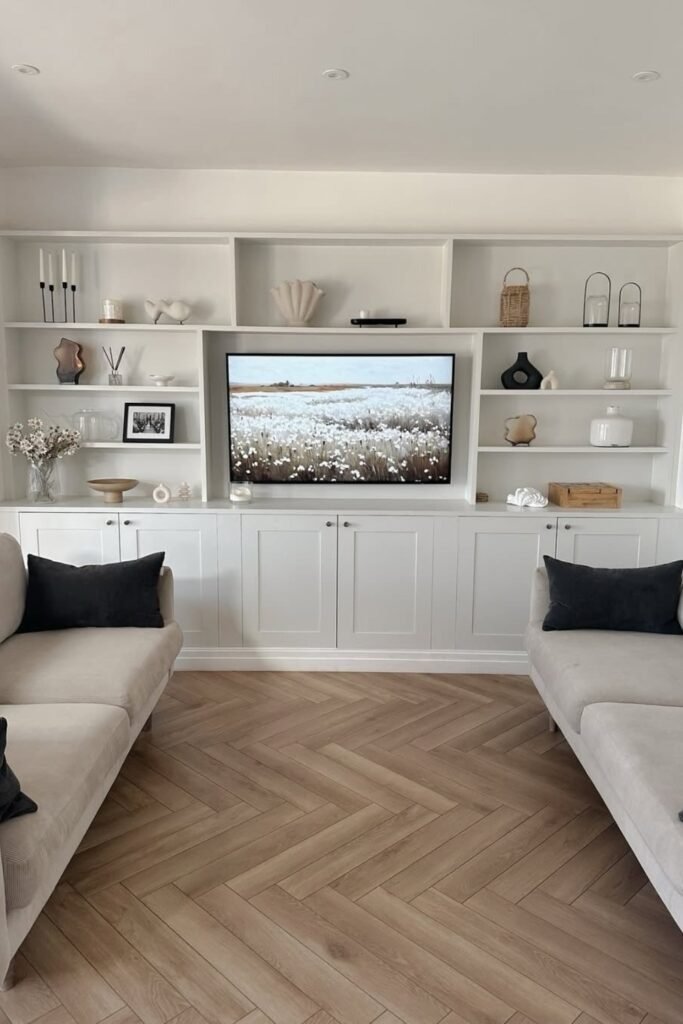
Built-in furniture and shelving maintain clean lines and reduce visual noise. Low-profile storage units or recessed shelves keep surfaces uncluttered, allowing focus on essential items. Using built-ins with simple finishes ensures the room remains serene, while selective display items add personality. This method blends utility with minimal aesthetic.
Soft Curves That Quiet the Room
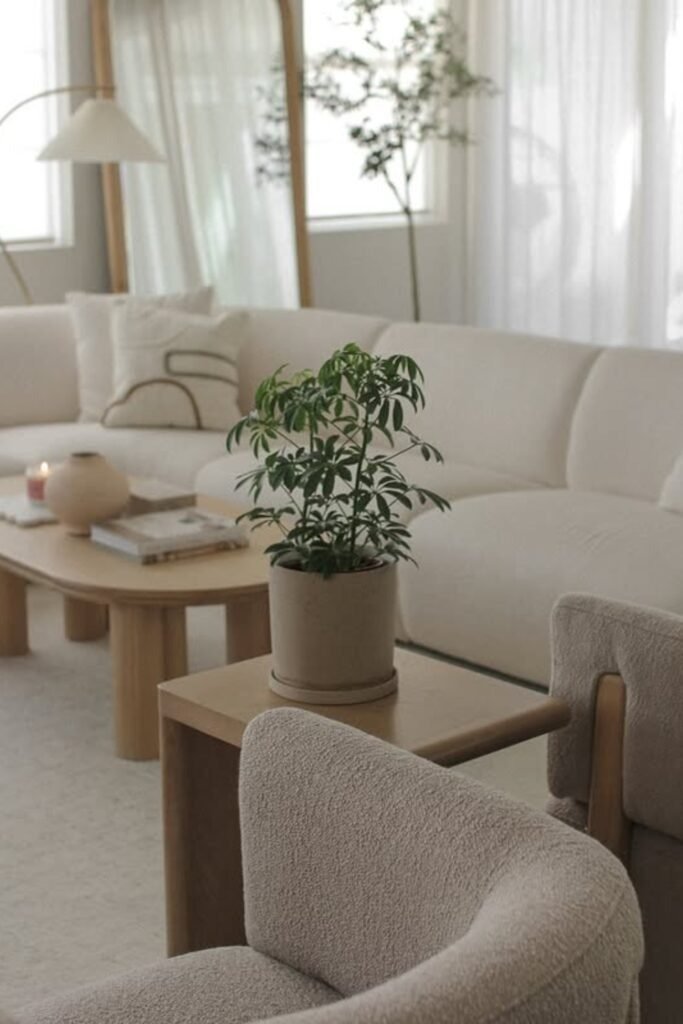
Curved furniture softens rigid lines, creating a sense of calm. Rounded sofas, circular coffee tables, and curved chairs contrast straight edges, introducing fluidity without clutter. Soft curves encourage relaxation and enhance comfort, demonstrating how minimalist rooms can feel inviting rather than austere.
Light That Does All the Heavy Lifting
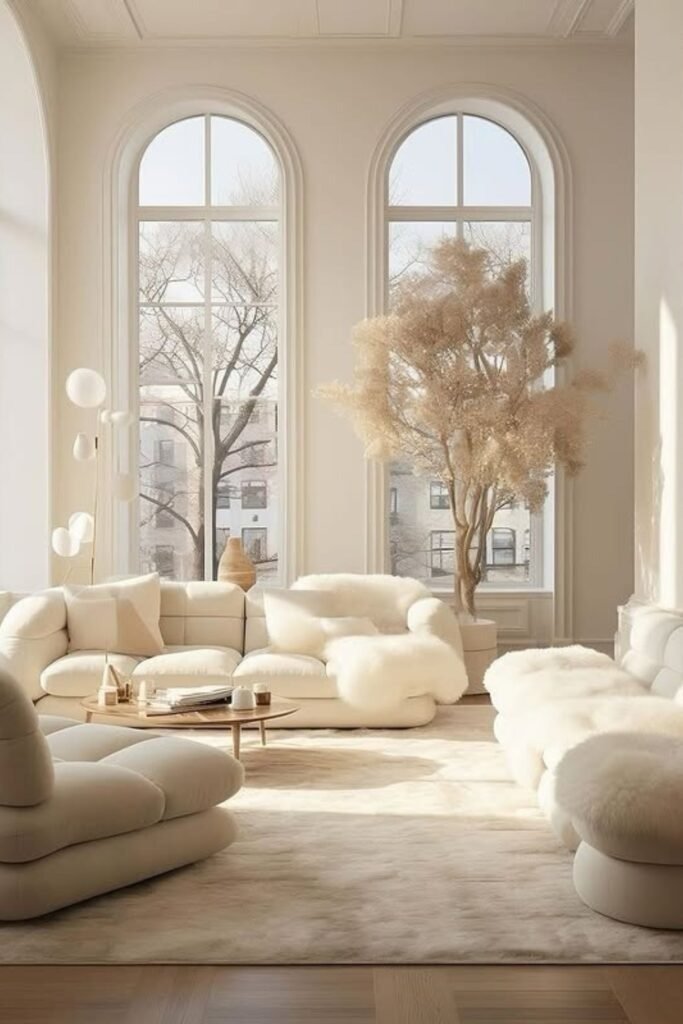
In minimalist design, lighting can be the most expressive element. Large windows, skylights, or strategically positioned lamps transform a neutral palette. Sunlight enhances textures, highlights furniture, and emphasizes room proportions. Well-planned light creates drama and focus without adding unnecessary furniture or décor, making the space feel complete.
Cozy Corners That Wrap You In
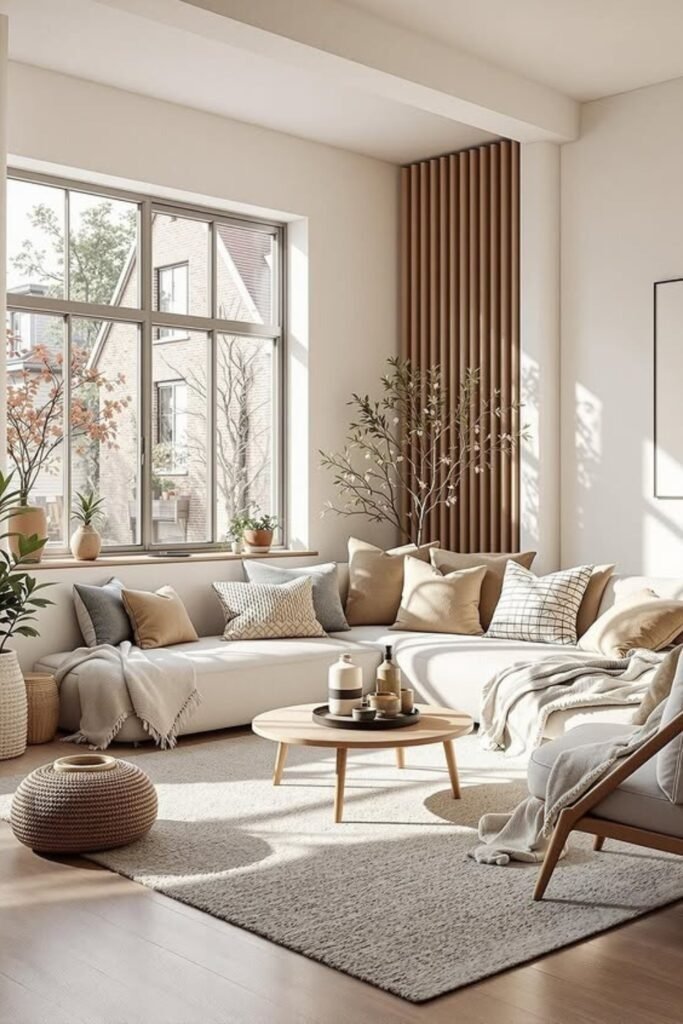
Even minimalist rooms need intimate spaces. A small armchair, soft throw, and side table can form a corner for reading or conversation. Keeping the surrounding area open maintains the minimalist ethos while creating a human-centered space. Cozy corners allow for comfort without cluttering the visual line.
Natural Textures That Anchor the Room
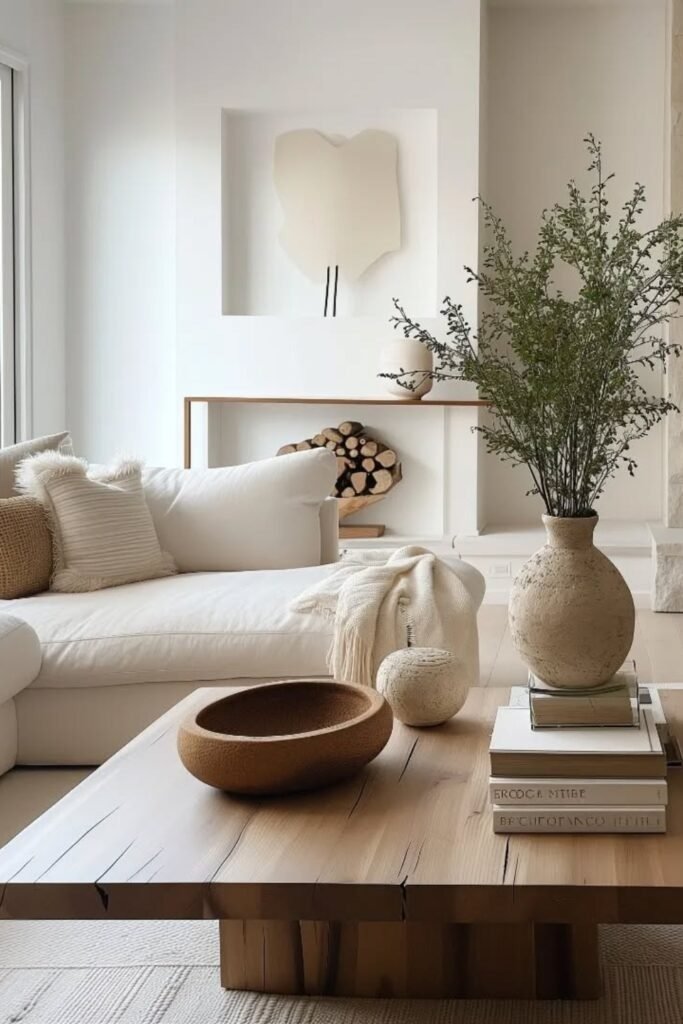
Wood, stone, and woven fibers bring warmth and grounding to minimalist living rooms. A wooden floor, a jute rug, or a stone accent wall adds tactile and visual depth. Natural textures prevent neutral spaces from feeling sterile and connect the interior to the environment outside, reinforcing the minimalist connection with nature.
Firelight That Shapes the Mood
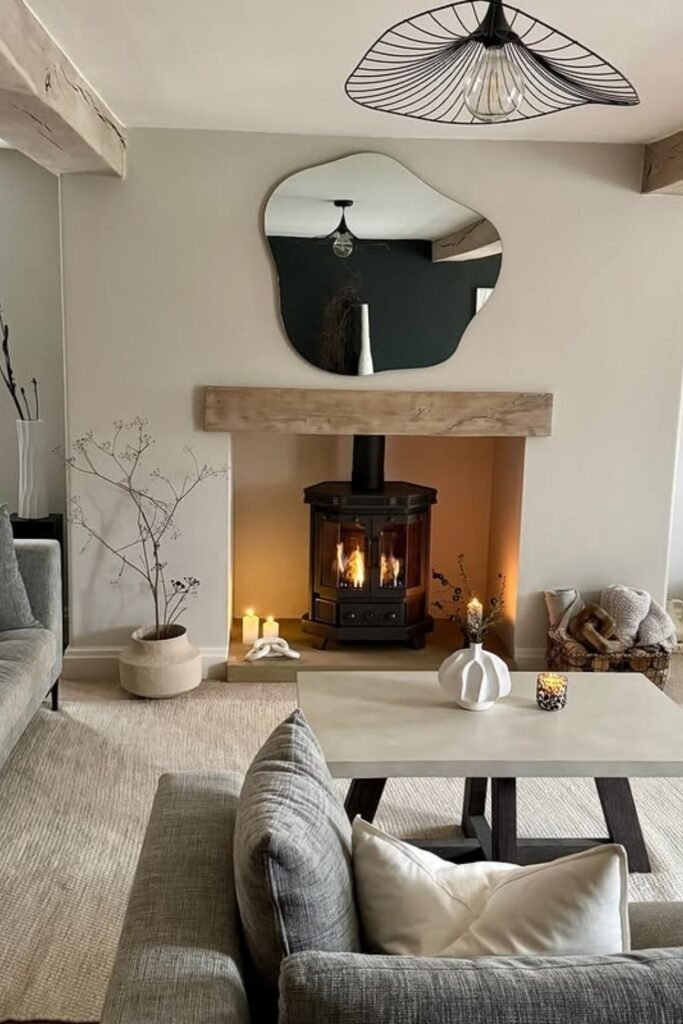
Fireplaces or candle arrangements add focus and warmth. A simple hearth or built-in fireplace with clean lines creates a cozy anchor. Firelight introduces dynamic movement and color without adding physical objects. In 2026, minimalists favor sleek designs that integrate fire features subtly, emphasizing atmosphere over decoration.
Sculpted Curves That Command Quiet Attention
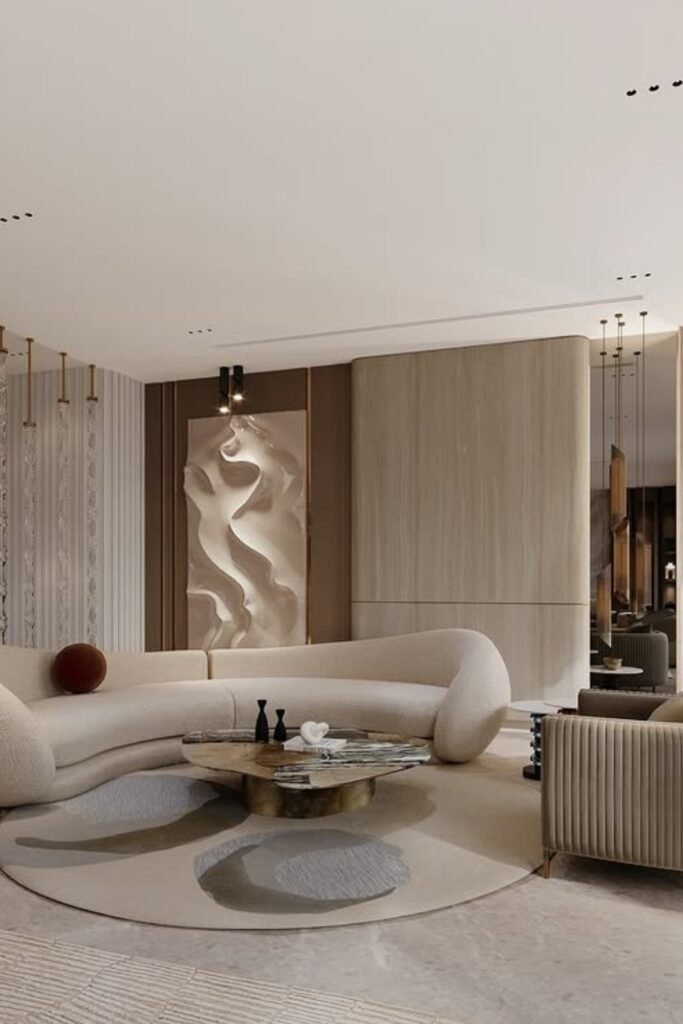
Sculptural furniture or décor serves as both function and art. A curved sofa or rounded shelving unit commands attention without disrupting simplicity. The key is restraint: these pieces should have presence but maintain the overall calmness of the room. Sculptural elements make minimalist spaces feel intentional and sophisticated.
Golden Hour That Warms Everything
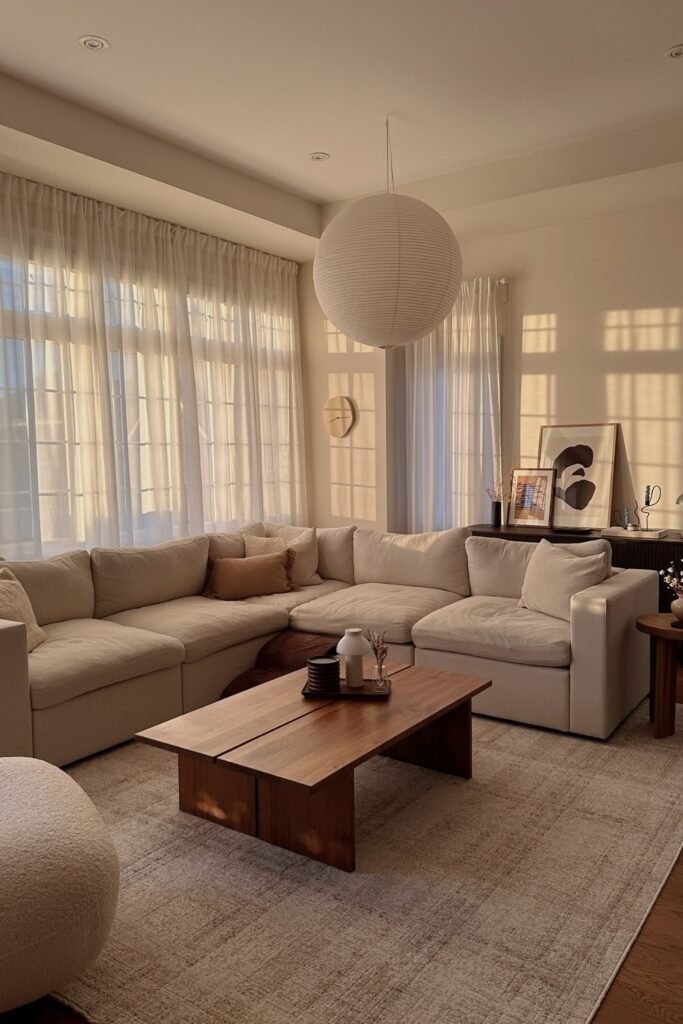
The quality of light affects perception in minimalist rooms. Golden-hour sunlight accentuates textures and warms neutral tones. Positioning seating or focal points to capture this light enhances comfort. This technique allows minimal spaces to feel alive and adaptable throughout the day.
Creamy Neutrals That Soften Everything
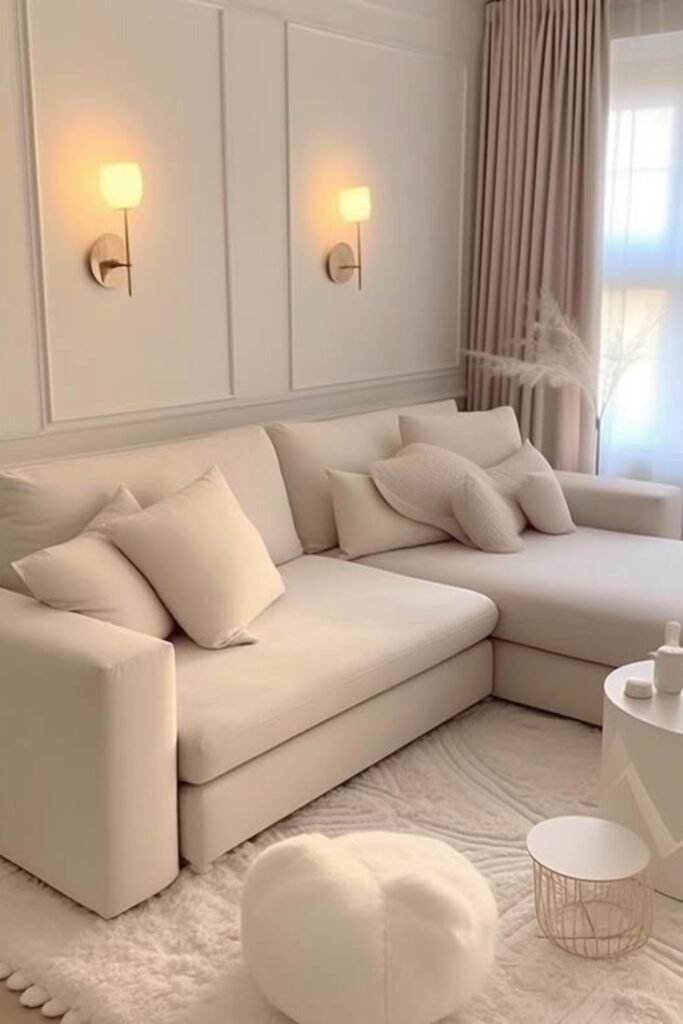
Cream tones create a warm, welcoming base for minimalist living rooms. Sofas, rugs, and walls in creamy shades enhance light and make the space appear larger. Layered textures in these neutrals—linen, wool, and soft cotton—provide subtle contrast, keeping the room visually interesting while staying calm and uncluttered.
Evening Glow That Makes Minimalism Feel Warm
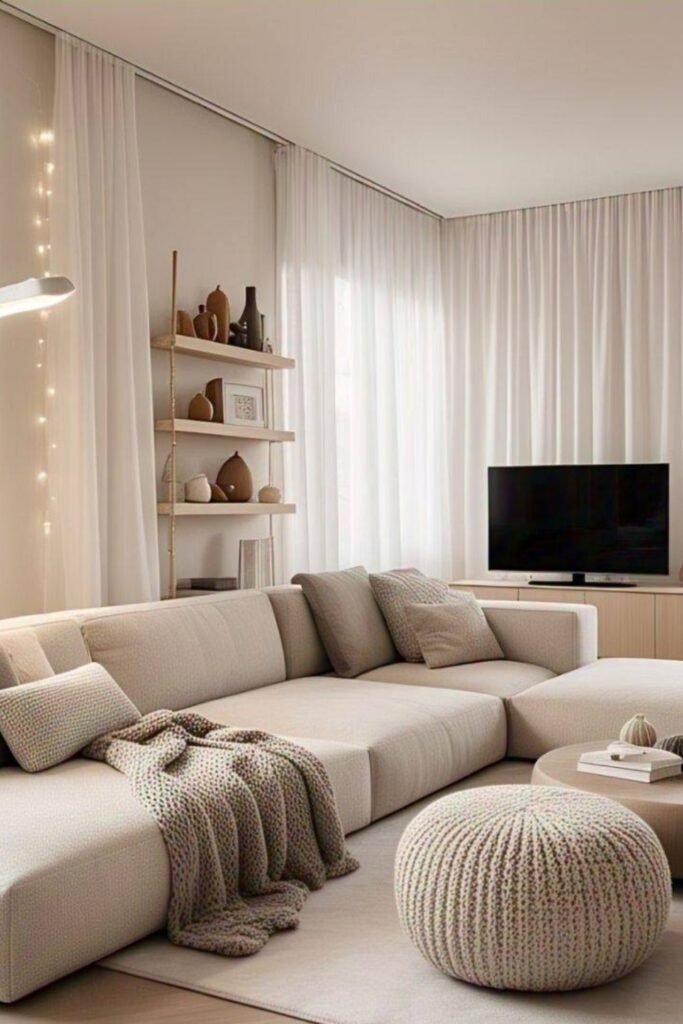
Artificial lighting is crucial for evening ambiance. Warm-toned bulbs in recessed fixtures or floor lamps create a relaxed, inviting feel. The goal is a glow that complements textures and furniture rather than dominates the room. This approach ensures minimalism never feels cold or unapproachable.
Shelf Glow That Shapes a Corner
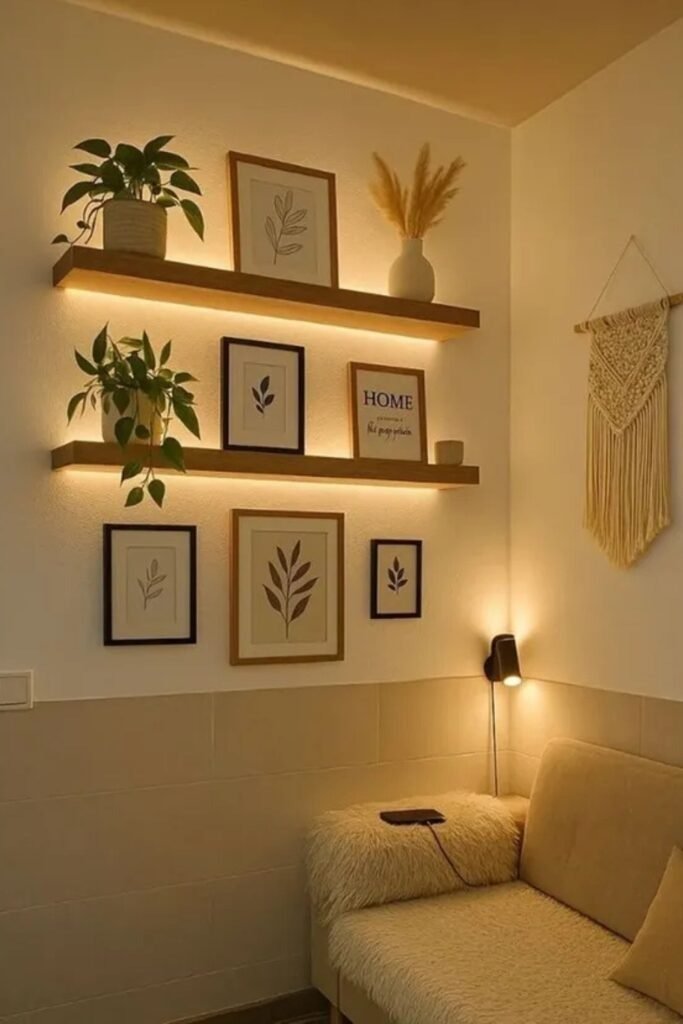
Illuminated shelving or display niches highlight personal items without cluttering surfaces. Backlit shelves create subtle focus and depth. By controlling light, minimalist rooms can emphasize what matters—art, books, or curated objects—while maintaining a calm, uncluttered backdrop.
Layers That Blend Classic and Modern
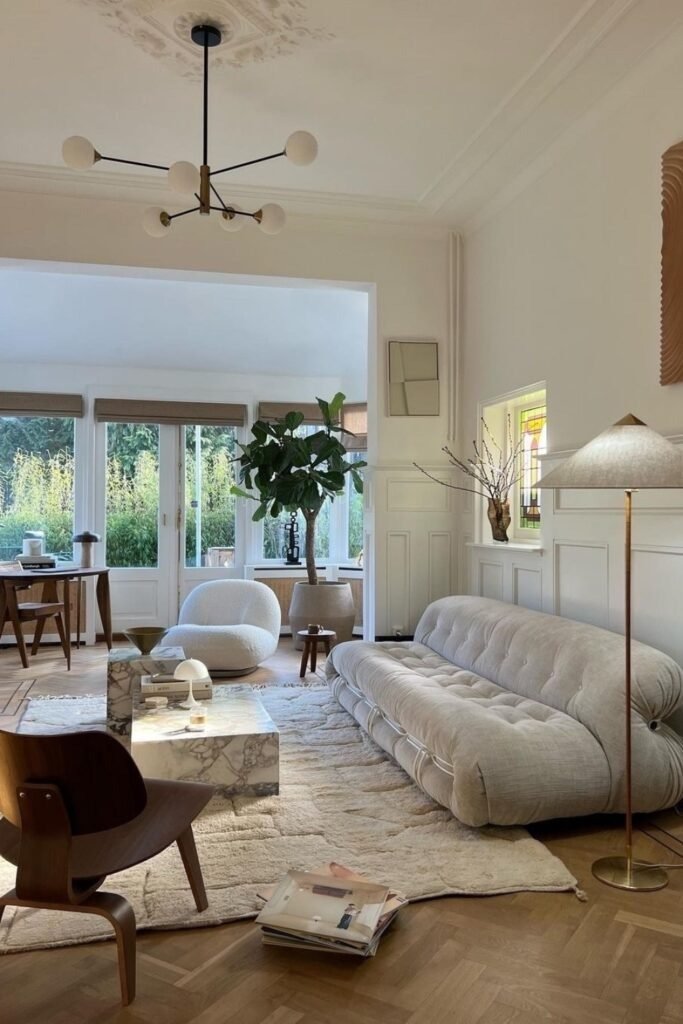
Minimalist living rooms can incorporate both classic and modern elements. A sleek sofa paired with a traditional rug or a wooden table with a contemporary lamp blends eras subtly. Layering materials and styles enhances depth and visual interest without breaking minimalist principles.
Strong Lines That Keep Calm Energy
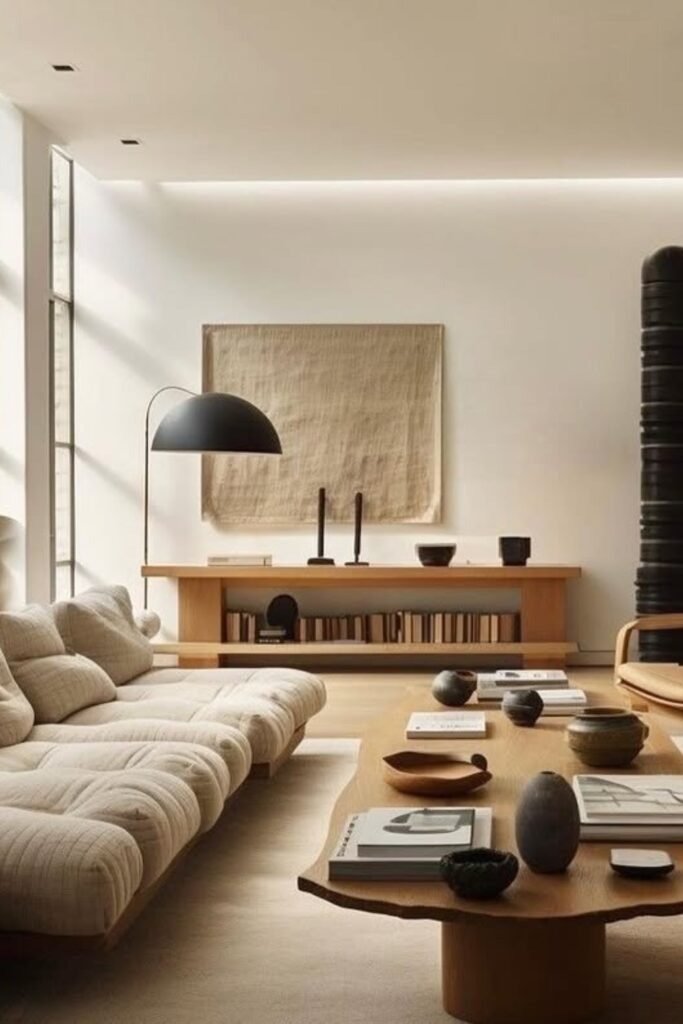
Sharp lines in furniture, shelving, and architectural details maintain order and clarity. Straight edges create rhythm and structure, guiding the eye naturally. Strong lines establish calm energy, ensuring the room remains cohesive while supporting functional use.
Clean Whites That Let Form Take the Lead
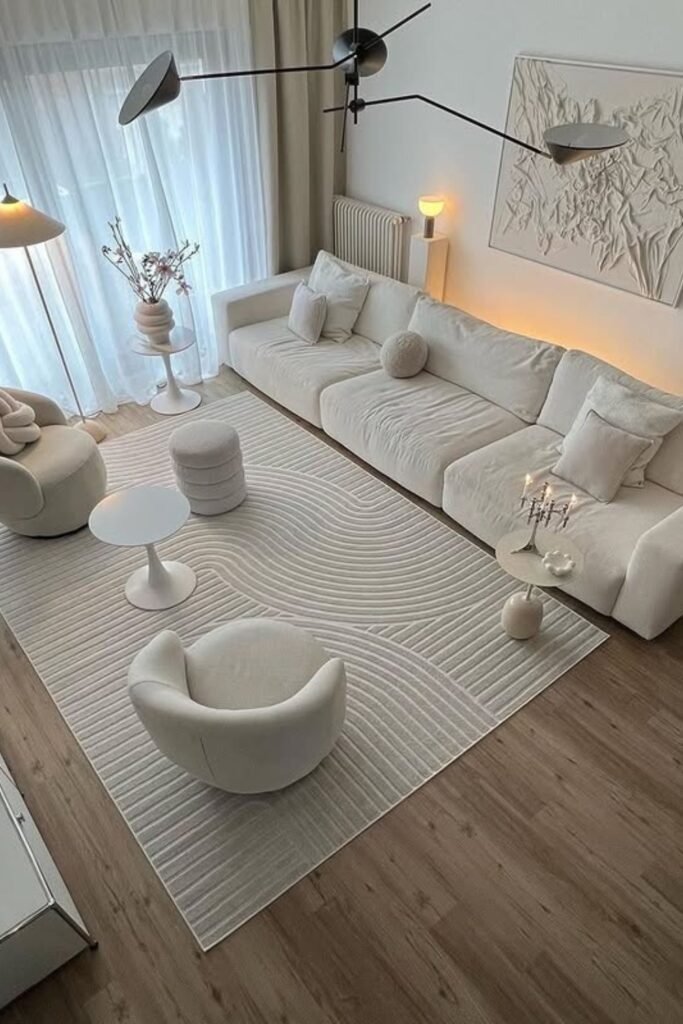
White walls and surfaces allow furniture shapes and textures to take prominence. Minimalist design thrives on this principle: form over color. Clean whites enhance space, reflect light, and provide a neutral canvas for strategic accents.
Warm Wood That Grounds the Space
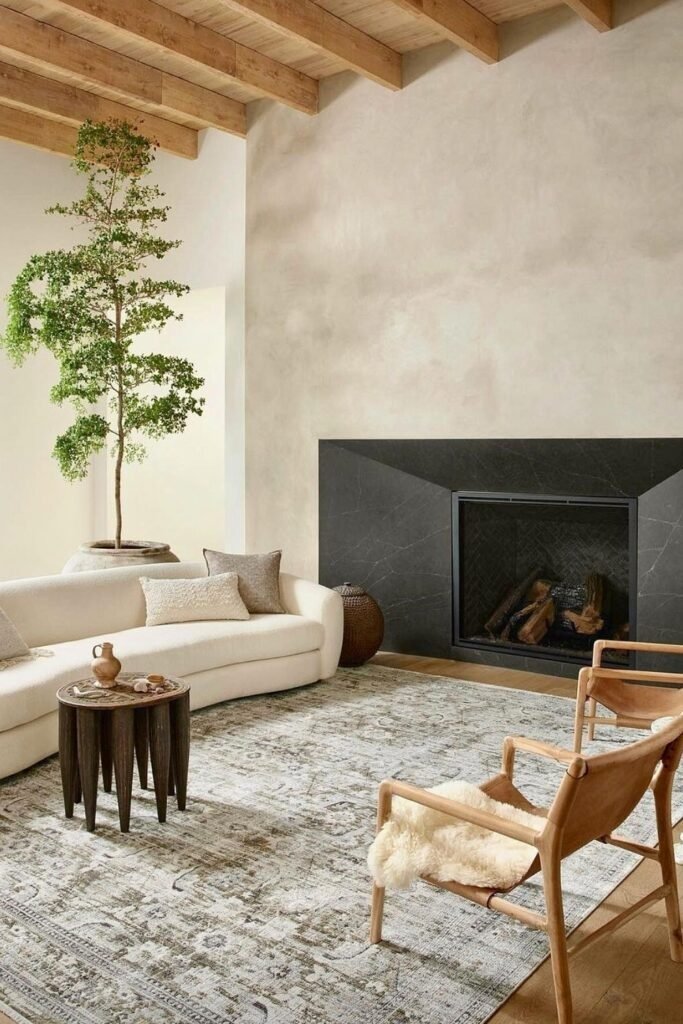
Wood tones anchor minimalist living rooms. Oak, walnut, or maple floors, furniture, and paneling introduce warmth and natural texture. Wood balances the neutrality of minimalist palettes, preventing the room from feeling sterile or flat.
Elegant Neutrals That Speak Softly
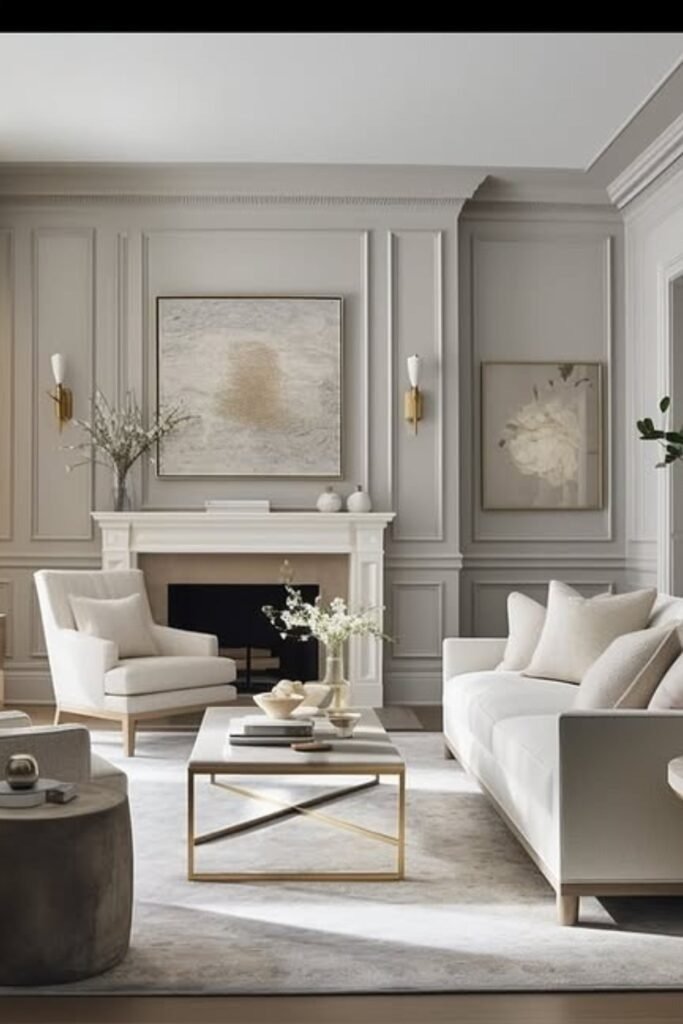
Subtle neutral palettes—taupe, beige, soft gray—allow minimalist spaces to convey sophistication without overstatement. These shades provide depth and contrast through layering, creating calm spaces that feel intentional and inviting.
Clean Lines That Keep the Room Effortless
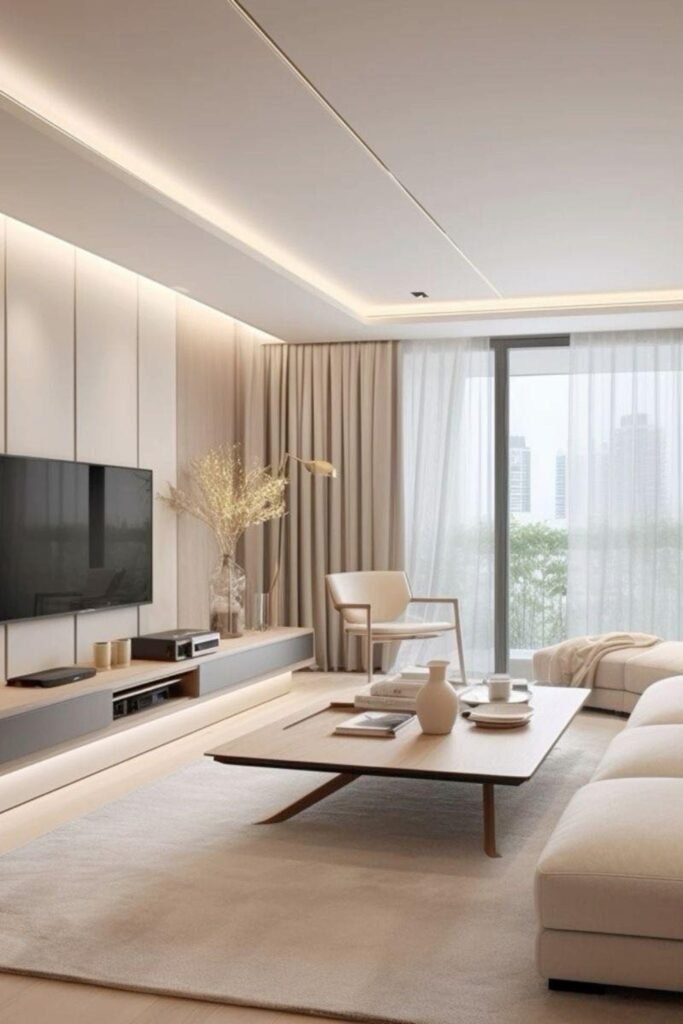
Furniture with simple profiles reinforces minimalist principles. Clean lines ensure visual clarity, emphasizing functionality. Combined with neutral tones and natural textures, the room remains calm, open, and purposeful.
Natural Layers That Bring the Outside In
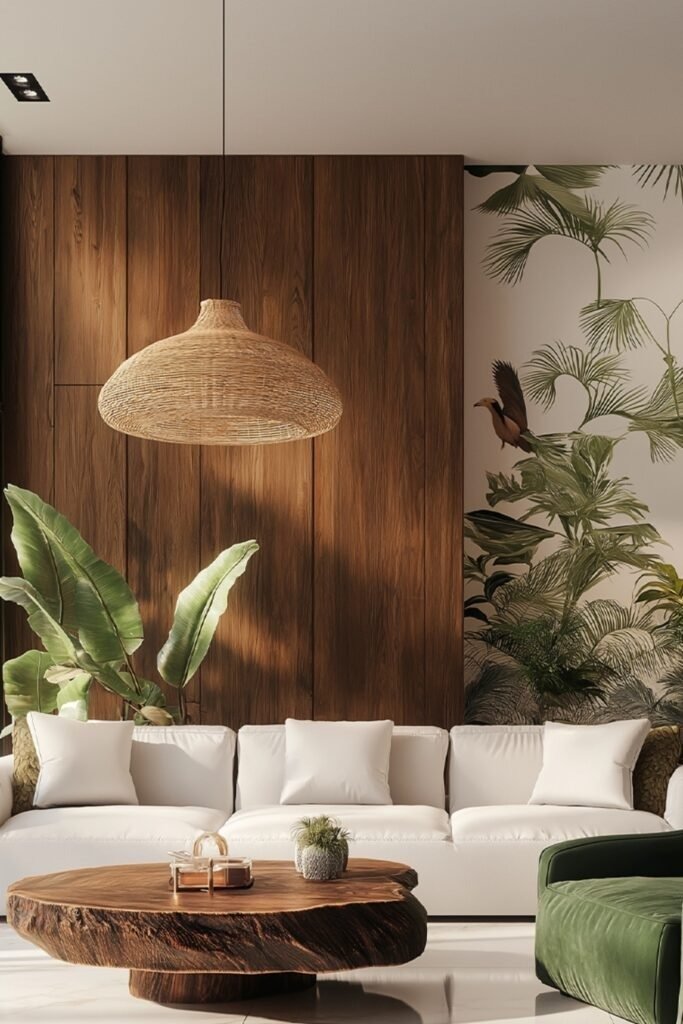
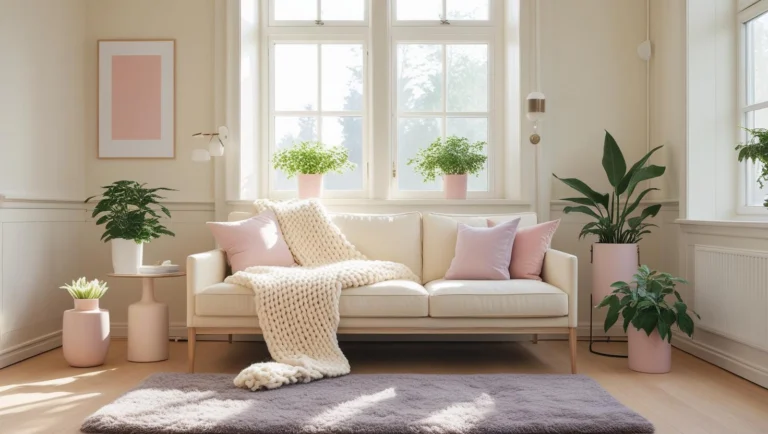
Plants, woven baskets, and wooden accents connect interiors to nature. These layers provide life and vibrancy without cluttering space. Bringing the outside in reinforces calmness and enhances the sensory experience of the room.
Depth Through Dark and Soft Contrast
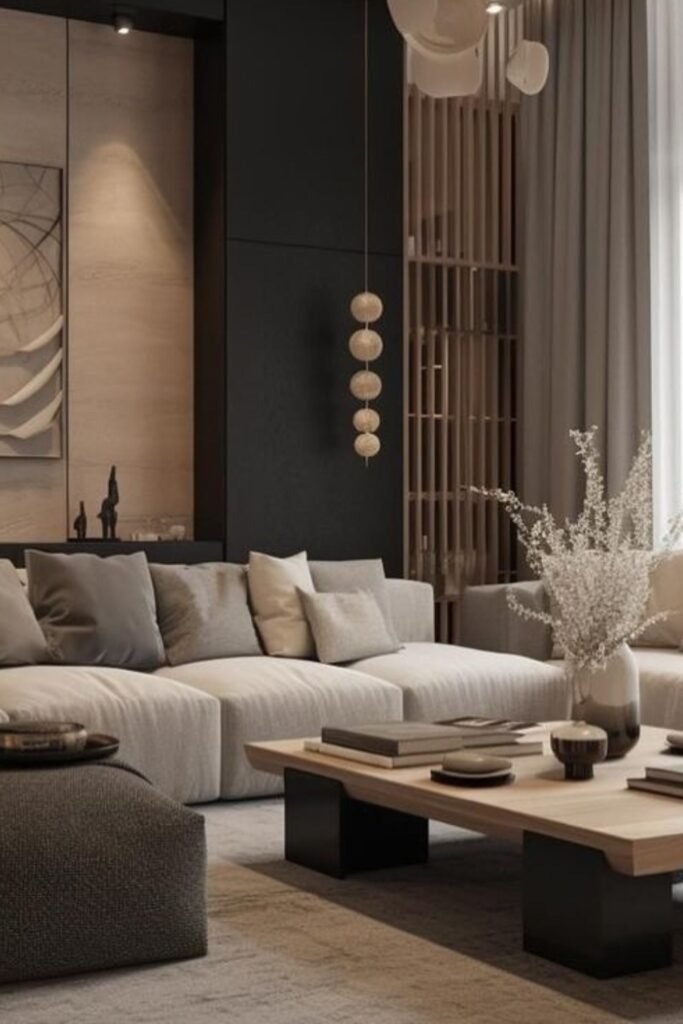
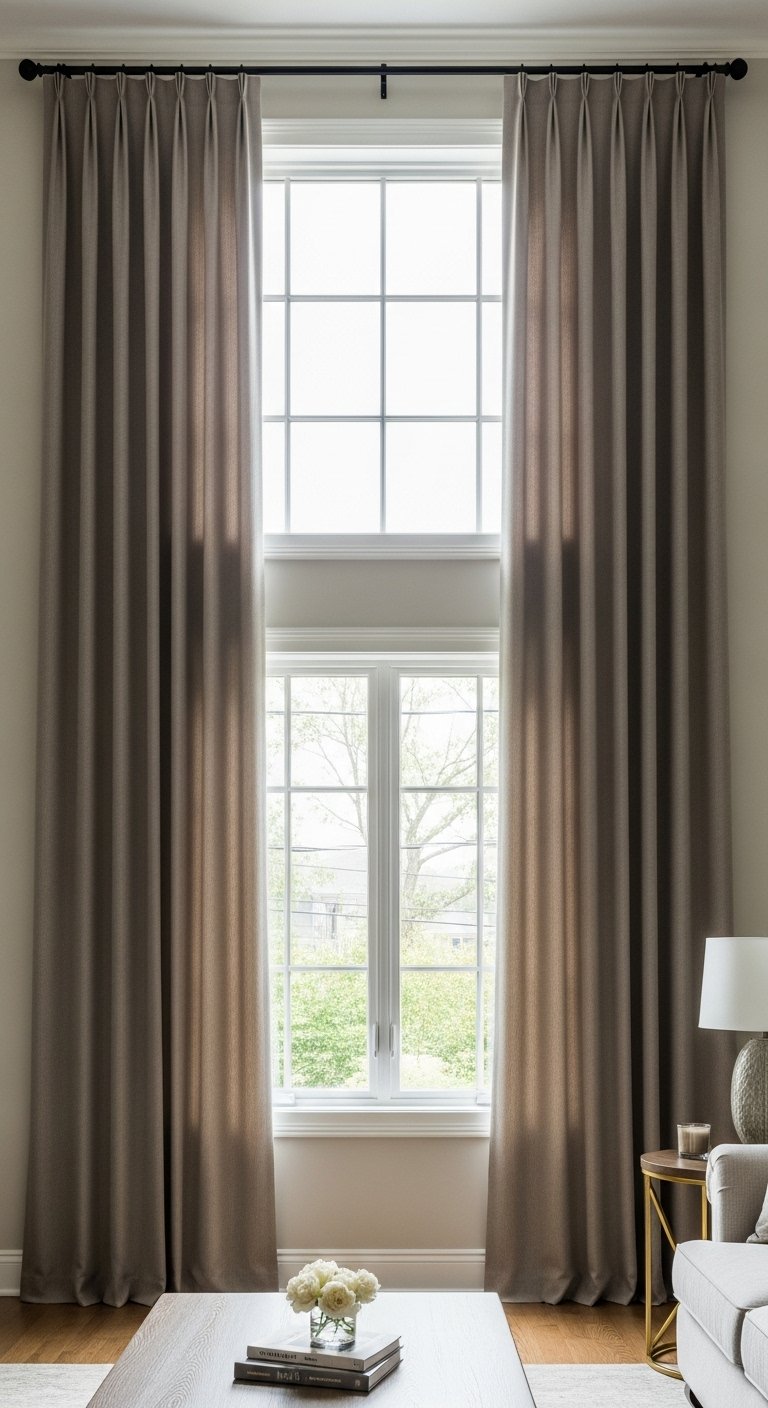
Strategic use of dark accents—charcoal cushions, black lamp bases, or deep wood tones—adds depth. Paired with soft neutrals, these contrasts define areas, highlight furniture, and maintain visual interest in minimalist interiors.
FAQs
How do you make a minimalist living room feel warm?
Introduce natural textures such as wood, wool, and linen. Use warm lighting, including floor lamps and candles, to soften hard edges. Layer textiles with throws and cushions. Add subtle accent colors in earthy or muted tones. These strategies make the room inviting without cluttering it.
What colors work best for a minimalist living room?
Neutral palettes are ideal: whites, creams, soft grays, and taupes. Warm wood tones and muted accent colors like olive, terracotta, or navy provide depth. The focus should remain on calm, cohesive tones that support textures and light rather than dominate the room.