12 European Kitchen Ideas For 2026

European kitchens have always focused on comfort, balance, and smart use of space. In 2026, this style is not about trends that come and go. It is about kitchens that feel lived in, calm, and built to last. After working with homes for more than twenty years, one thing is clear. European kitchen design works because it puts daily life first. It mixes beauty with function in a way that feels natural, not forced. This guide breaks down twelve European kitchen ideas that are shaping real homes in 2026, not just showrooms.
1. What Is A European Style Kitchen?
A European style kitchen is built around how people actually cook, eat, and gather. It values clean lines, soft colors, and practical layouts. Cabinets often reach the ceiling to avoid wasted space. Storage is hidden but easy to reach. Materials feel solid and honest, like wood, stone, and metal that age well over time. Instead of bold trends, European kitchens focus on calm design that still feels warm and welcoming.
This style is also known for balance. Nothing feels too heavy or too empty. Open shelves are used with care. Decor is minimal but thoughtful. Every item has a reason to be there. In 2026, European kitchens continue to move away from flashy finishes and focus more on comfort, light, and long-term use. These kitchens are designed to look good today and still feel right ten years from now.
European Farmhouse Kitchen
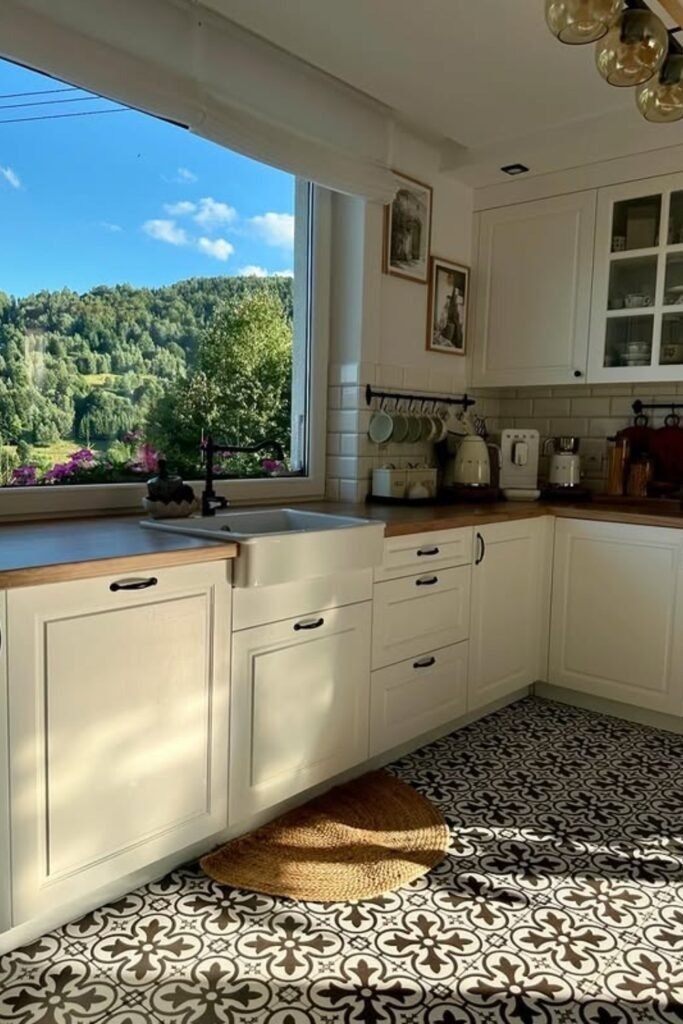
The European farmhouse kitchen blends old traditions with modern needs. It feels warm without looking messy. Cabinets are often painted in soft whites or light creams, paired with natural wood counters or floors. Open shelving is common, but it is kept neat and practical. This style works well because it feels welcoming without trying too hard.
In 2026, European farmhouse kitchens focus more on function. Large sinks are deep and easy to use. Islands are sized for real cooking, not just looks. Lighting is soft and spread out, making the space feel calm at all hours. This kitchen style fits both large homes and smaller spaces because it is built around daily routines.
Soft Two-Tone Kitchen
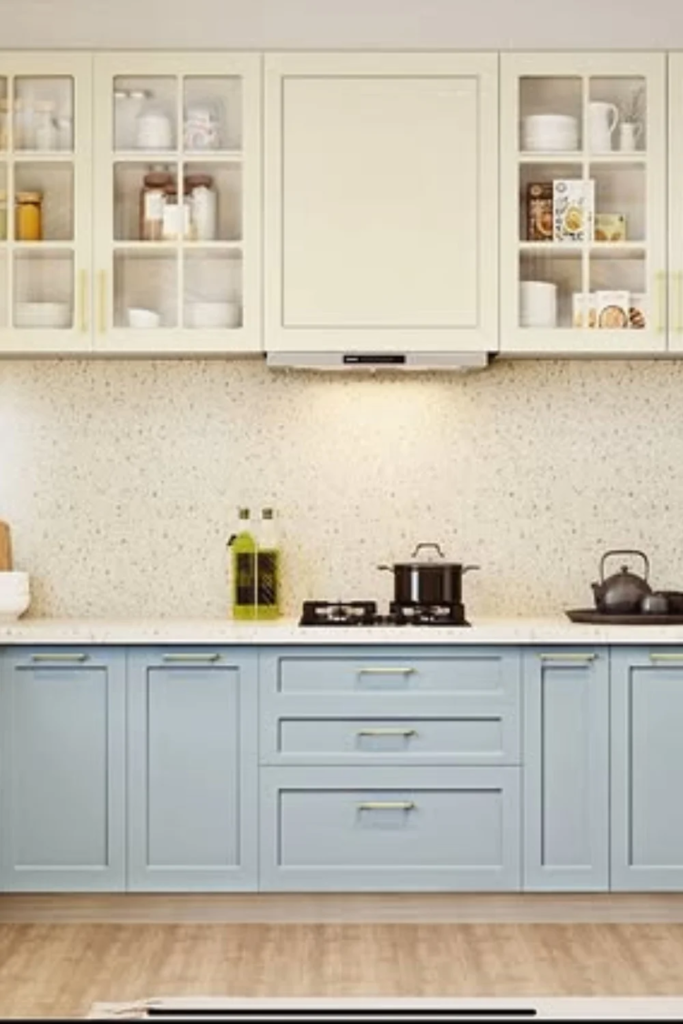
A soft two-tone European kitchen uses two calm colors to create depth without noise. Lower cabinets may be darker, while upper cabinets stay light. This keeps the room grounded while still feeling open. The colors are usually gentle, like warm gray with cream or muted blue with off-white.
What makes this idea strong in 2026 is how it helps define space without adding clutter. The contrast guides the eye and makes the kitchen feel organized. Two-tone kitchens also age better than bold single-color designs. They feel flexible and easy to update later with small changes like hardware or lighting.
Rustic European Range
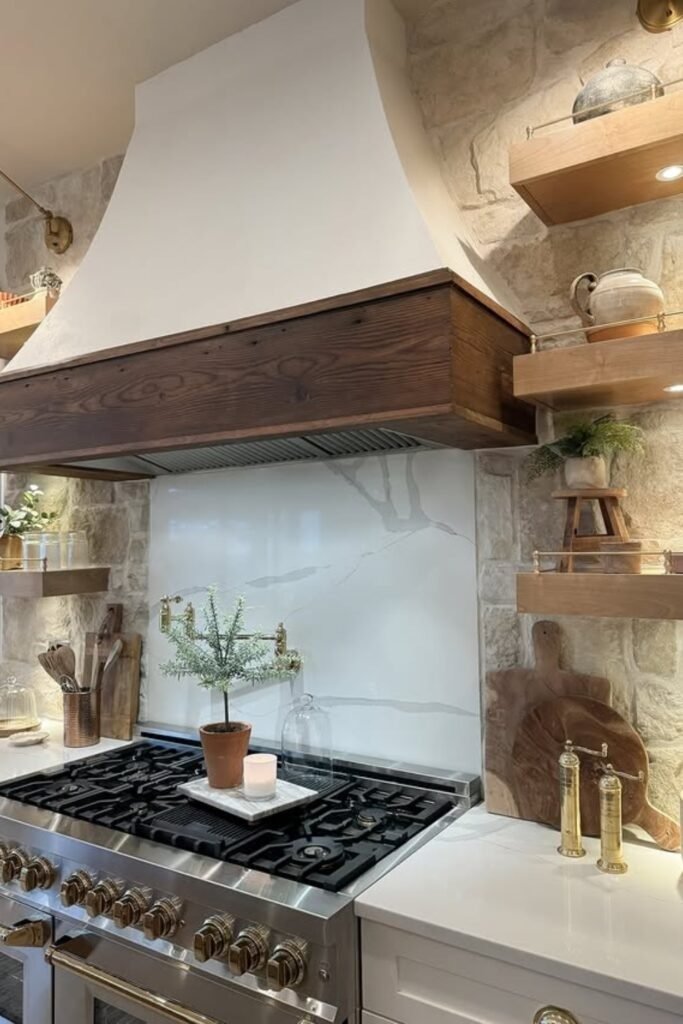
The range is often the heart of a European kitchen. A rustic European range brings a sense of history into the space. It may be wider than standard and framed with stone or plaster. This feature feels built-in, not added later.
In 2026, this idea is about balance. The range looks old-world, but the tools around it are modern and efficient. Vent hoods are simple and shaped to blend into the wall. This approach makes the kitchen feel grounded and calm, even in newer homes.
Soft Green Cabinets
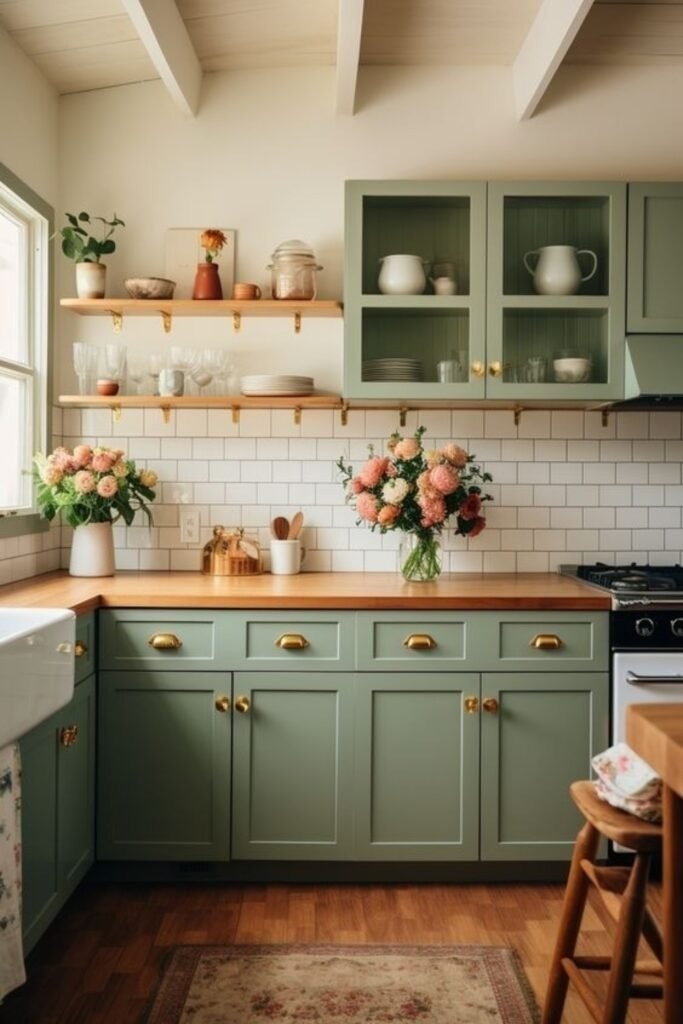
Soft green cabinets are becoming a strong choice in European kitchens for 2026. This color brings nature indoors without feeling bold or loud. It works well with wood floors, stone counters, and warm metal finishes.
Green cabinets help kitchens feel relaxed and steady. They reflect light gently and work in both bright and dim spaces. This color also hides wear better than pure white, making it practical for busy homes. Over time, soft green feels familiar, not dated.
Classic European Elegance
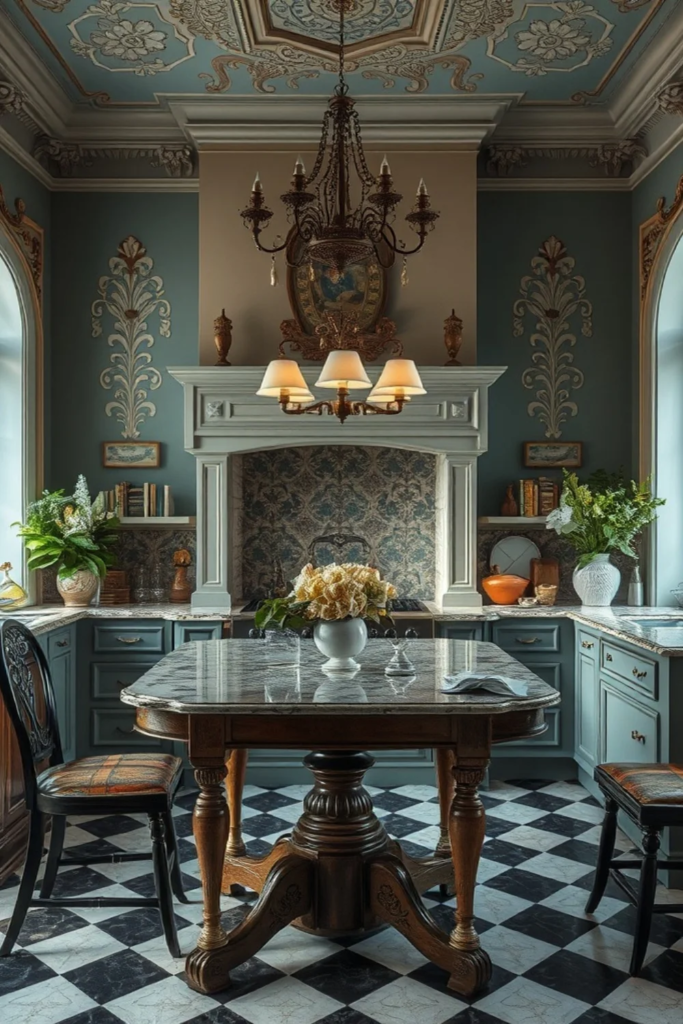
Classic European elegance is about quiet confidence. Cabinets are often framed, but not heavy. Colors stay neutral, with soft whites, warm beiges, or light gray tones. Details are subtle, like thin molding or simple handles.
This style remains popular in 2026 because it feels timeless. It does not chase trends. The layout focuses on symmetry and balance. Everything feels intentional. This kitchen style works well in homes that want a refined look without feeling formal or cold.
Old-World European Kitchen
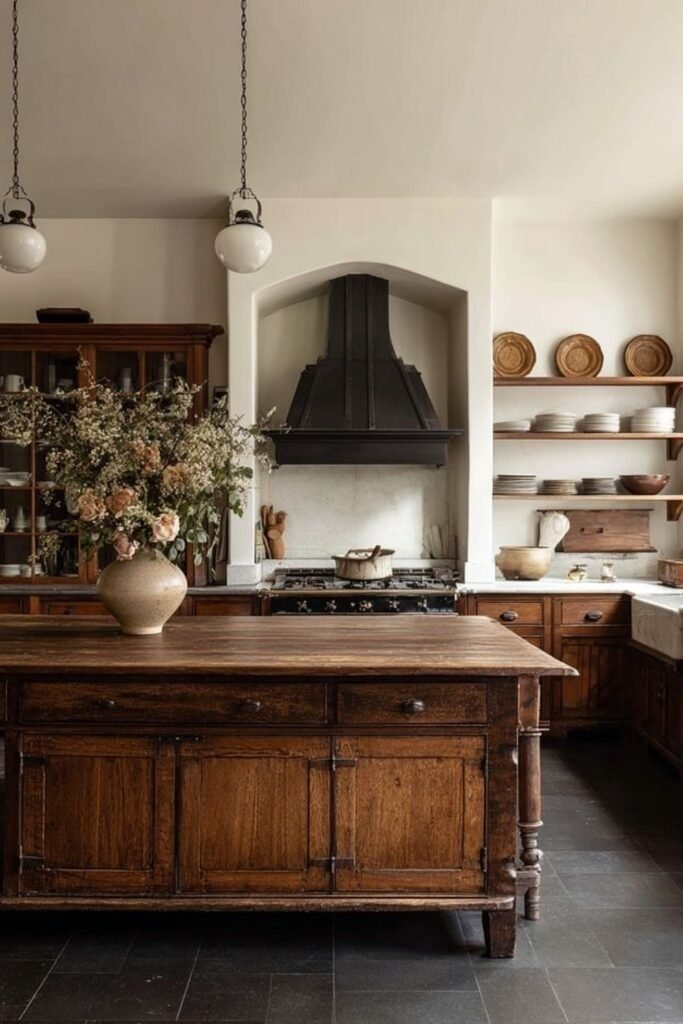
An old-world European kitchen draws inspiration from historic homes. It often includes textured walls, aged wood, and natural stone. Nothing looks brand new, and that is the point. The charm comes from small imperfections.
In 2026, this style is updated with better lighting and smarter storage. While the look feels old, the function is modern. Drawers glide smoothly. Appliances are hidden behind cabinet fronts. This mix allows homeowners to enjoy history without sacrificing comfort.
Relaxed European Cottage
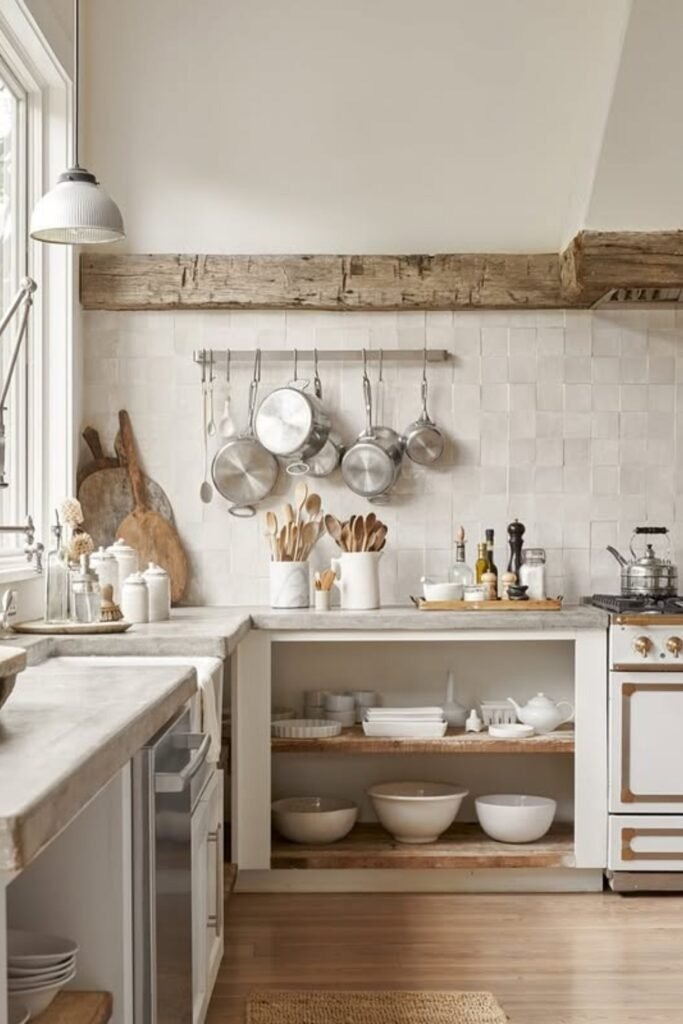
The relaxed European cottage kitchen feels light and lived in. Cabinets are often painted in soft tones, and surfaces are simple. There is a sense of ease in how the space comes together.
This style works well in 2026 because it supports slower living. Kitchens are not overcrowded with decor. There is room to move, cook, and talk. Natural light plays a big role. Windows are left open when possible, and window treatments stay simple.
Warm Classic European
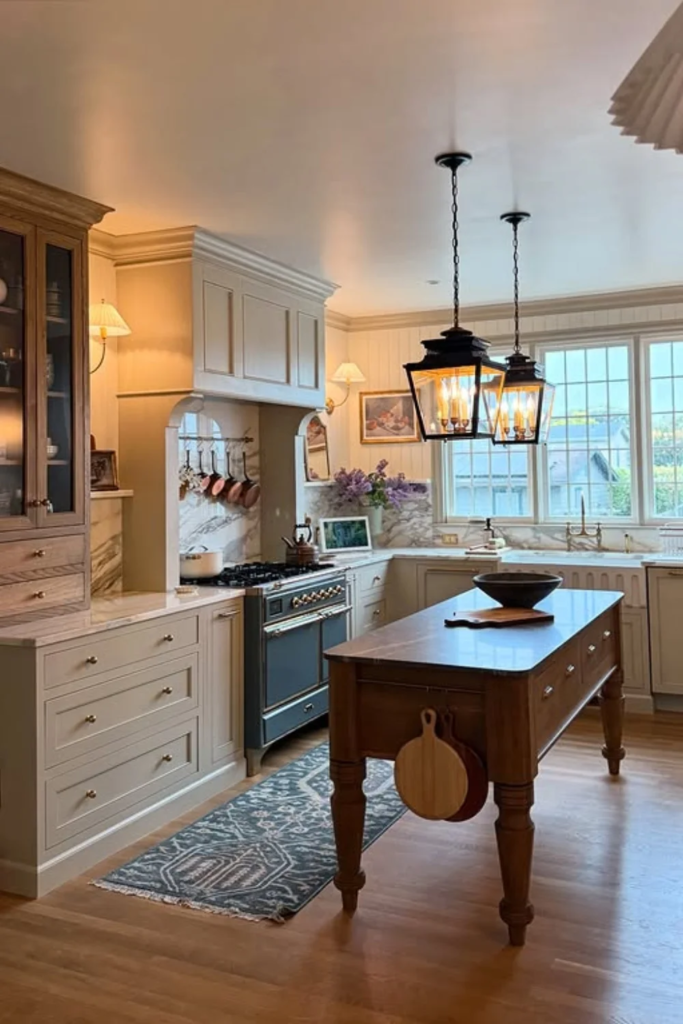
Warm classic European kitchens focus on comfort. Wood tones are rich but not dark. Lighting is soft and spread evenly. The space feels cozy without feeling small.
In 2026, this idea is popular in family homes. It supports long meals and shared moments. Storage is designed to keep counters clear. This helps the kitchen stay calm even during busy days. The warmth comes from materials, not decoration.
Patterned European Galley
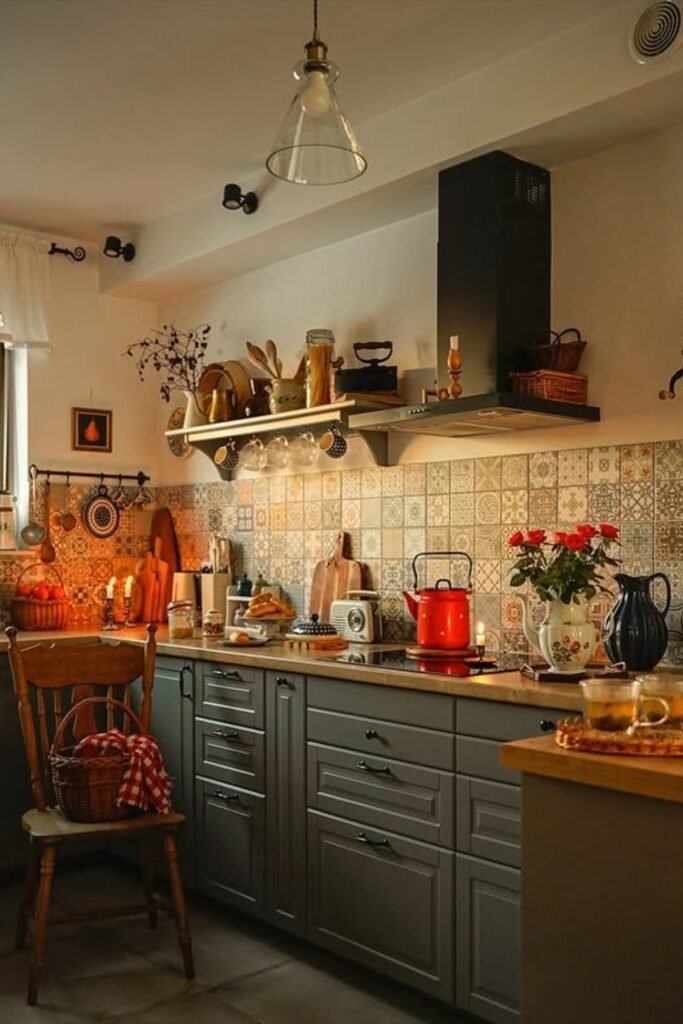
A patterned European galley kitchen uses pattern in a careful way. This is often seen on floors or backsplashes. The rest of the space stays simple so the pattern does not overwhelm.
In 2026, this idea helps narrow kitchens feel more interesting without losing function. Patterns guide the eye and add depth. The key is restraint. One patterned surface is enough. Everything else supports it quietly.
Decorative European Backsplash
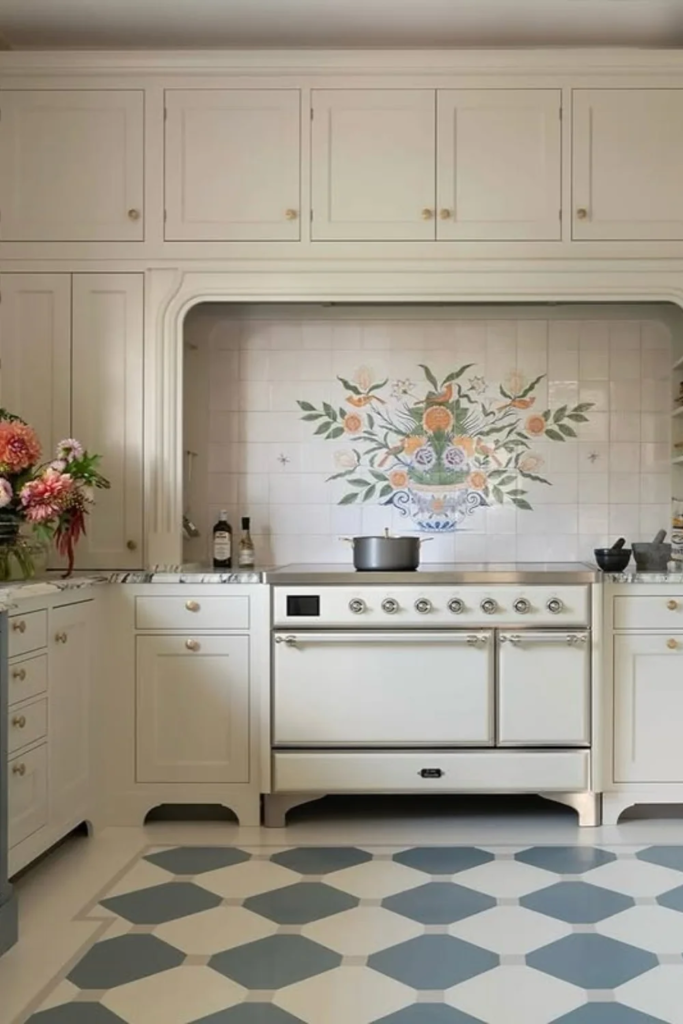
A decorative backsplash in a European kitchen is not just for style. It protects the wall while adding personality. Tiles may have soft patterns or handmade textures.
In 2026, backsplashes are used to tell a story. They connect the kitchen to the rest of the home. Colors stay calm, and patterns are subtle. This approach adds interest without turning the kitchen into a trend piece.
Refined European Symmetry
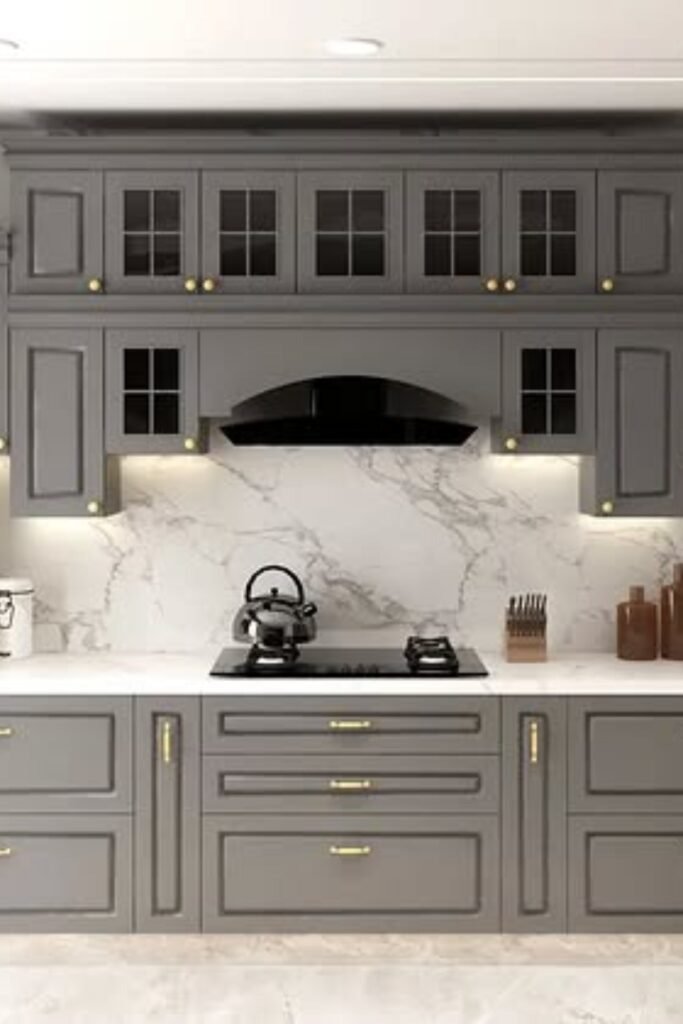
Symmetry plays a big role in European kitchens. Cabinets, shelves, and appliances are aligned carefully. This creates a sense of order that feels calming.
In 2026, refined symmetry helps kitchens feel balanced even when they are small. It makes the space easier to use because everything feels where it should be. This design approach also helps kitchens look cleaner and more organized every day.
Bright European Compact
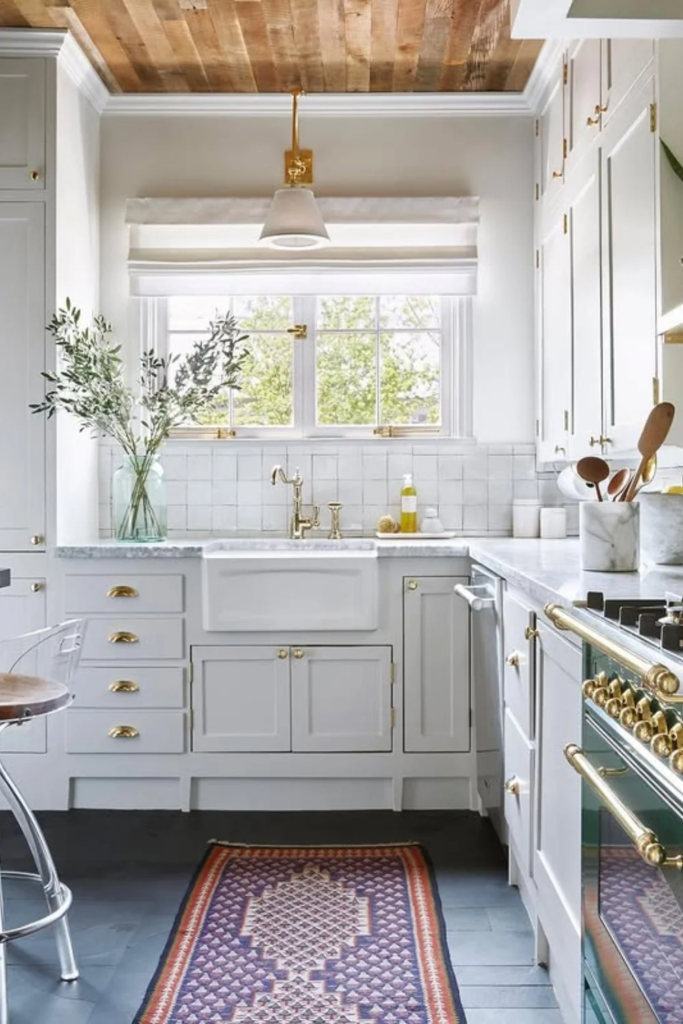
A bright European compact kitchen proves that small spaces can still feel open. Light colors, reflective surfaces, and smart layouts make the room feel larger.
In 2026, this idea is essential as more people live in smaller homes. Storage is built into every corner. Appliances are sized to fit the space. The result is a kitchen that feels efficient, not cramped.
2. FAQs
Are European kitchens only for modern homes?
European kitchens are not limited to modern homes. They work just as well in traditional spaces. The reason is their focus on balance and function. Whether the home is old or new, a European kitchen adapts by using materials, colors, and layouts that suit the space. This flexibility is why the style remains popular across different home types.
Do European kitchens cost more than regular kitchens?
European kitchens do not always cost more. The price depends on materials, layout, and finishes. While some European designs use high-quality materials, the focus on simplicity can also reduce costs. Smart storage and clean design often mean fewer extras. In many cases, a European kitchen offers better long-term value because it ages well and needs fewer updates over time.
European kitchen ideas for 2026 are not about chasing trends. They are about creating spaces that feel calm, useful, and lasting. When done right, these kitchens support daily life and grow better with age. That is why they continue to outperform other styles year after year.