20 Freestanding Bathtub Ideas For 2026

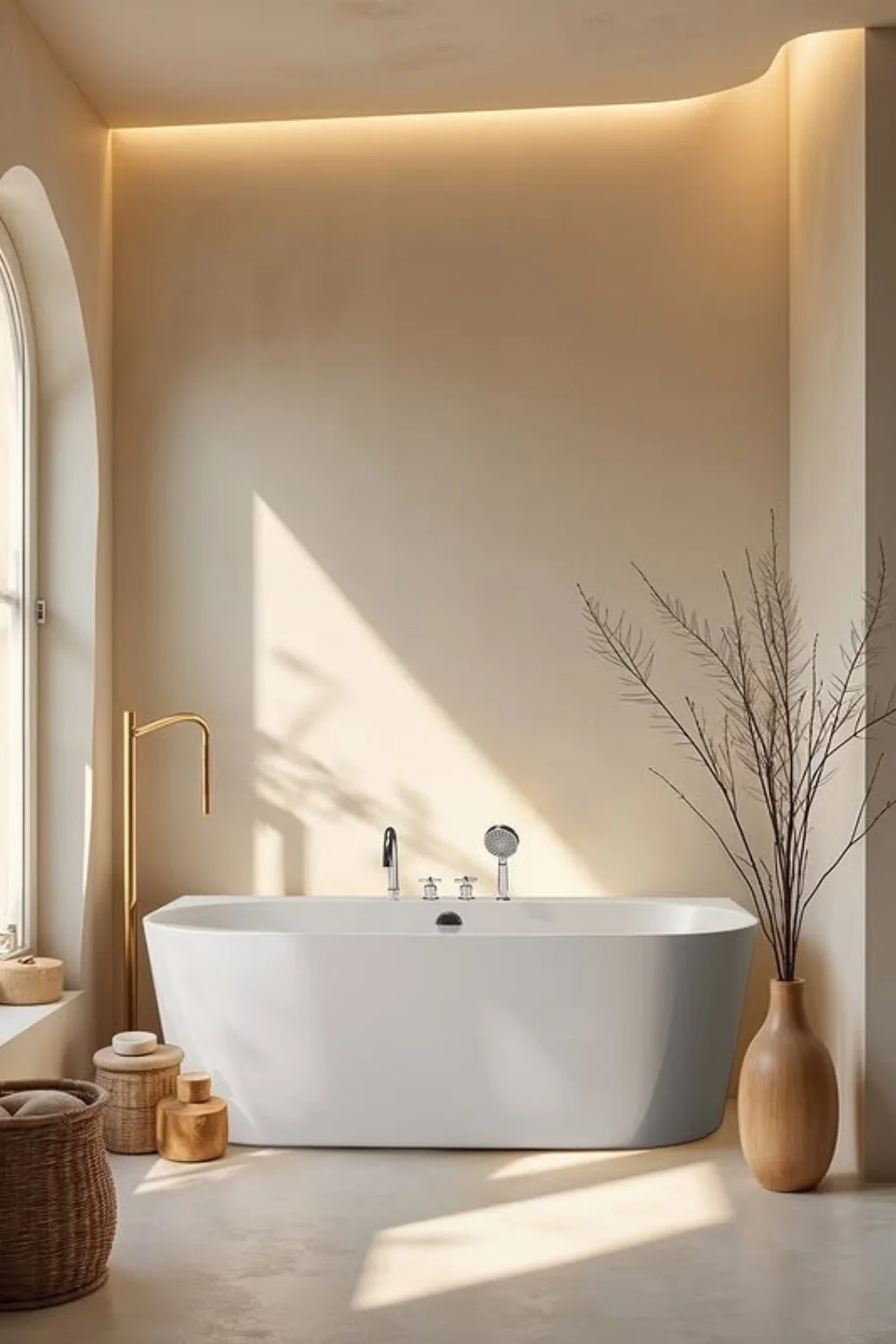
Freestanding bathtubs are no longer just a trend. In 2026, they are a smart design choice for people who want comfort, function, and a calm bathroom that feels well planned. After working with bathrooms for over twenty years, I have seen this style move from rare to reliable. The reason is simple. These tubs solve layout problems, improve flow, and create a strong focal point without heavy construction. This guide explains how freestanding bathtubs actually work in real homes, not just staged photos, and how each idea fits modern living.
1. Are Freestanding Baths A Good Idea?
Freestanding baths are a good idea when they are chosen with space, use, and layout in mind. They work best when the bathroom plan is clear and not forced. Unlike built-in tubs, they do not rely on walls for support, which gives more layout freedom. This also means plumbing must be planned early, not added later. In homes where comfort matters as much as looks, freestanding tubs perform well because they allow easy access, deeper soaking, and better cleaning around the tub. In 2026, many designs focus on balance, not excess, making freestanding baths practical for daily use, not just visual impact.
Soft Minimal Luxury
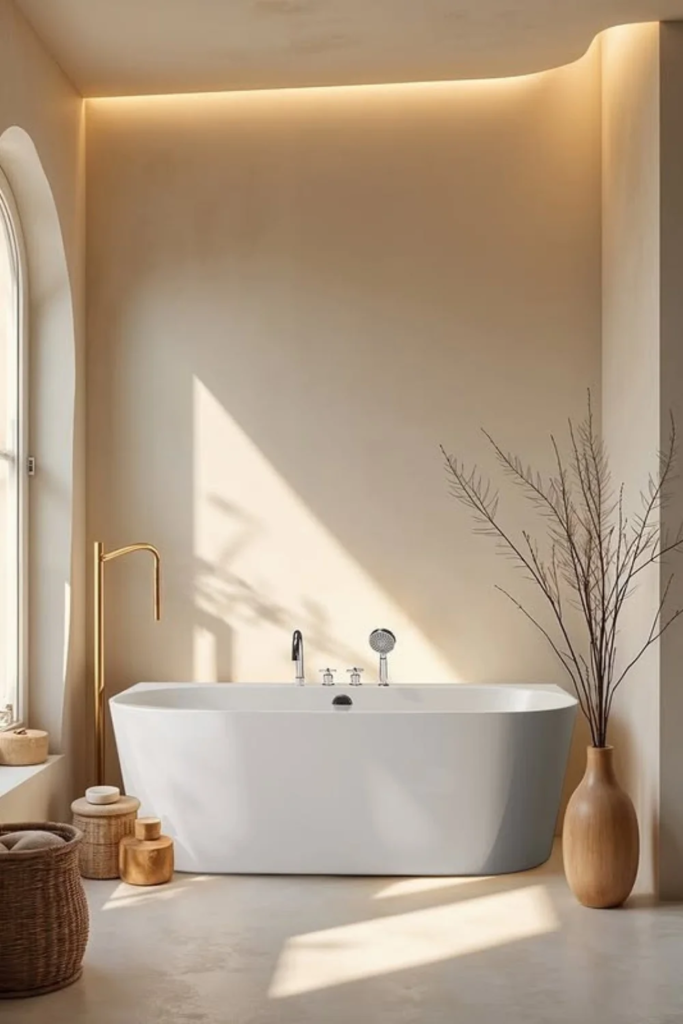
This idea works well in homes that value calm over show. A soft-shaped freestanding tub placed in an open bathroom creates a relaxed feel without needing extra decor. The focus is on clean lines and gentle curves. Walls stay simple, colors stay warm, and the tub becomes the quiet center of the room. This setup works best with matte finishes and soft lighting. It feels high-end but not cold, making it ideal for daily routines and long evenings alike.
Small Space Win
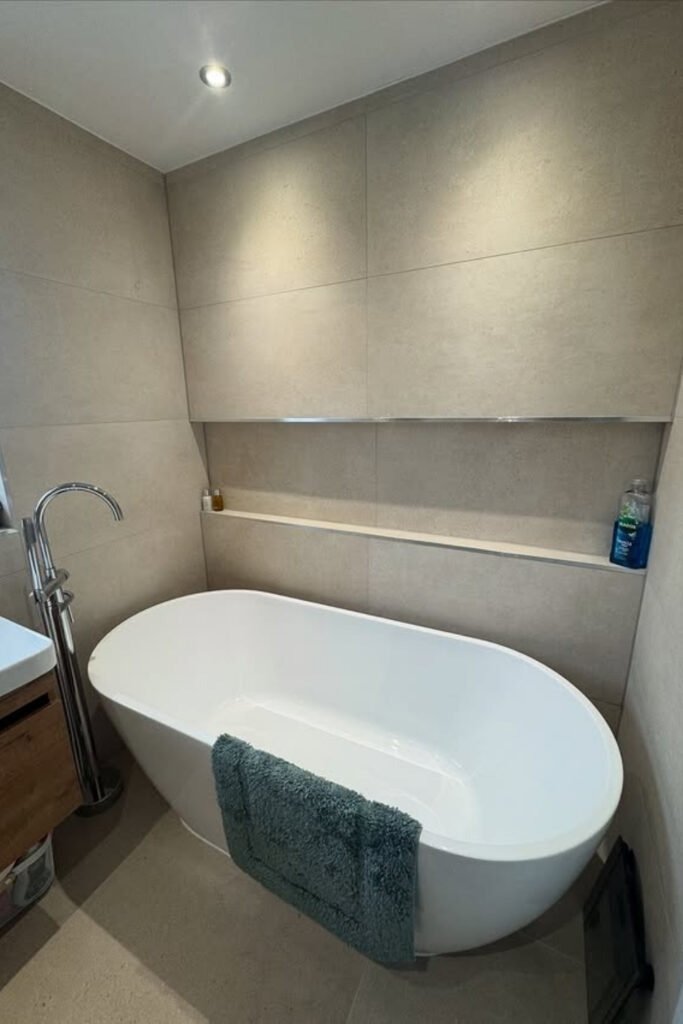
Freestanding tubs can work in small bathrooms when the scale is right. Compact designs with shorter lengths and slimmer edges allow movement around the tub. Placing the tub near a window or along the longest wall helps the room feel open. In 2026, many homeowners choose oval or narrow tubs that give full soaking depth without wasting floor space. When planned well, this choice can replace bulky built-in tubs and actually improve flow.
Balanced And Practical
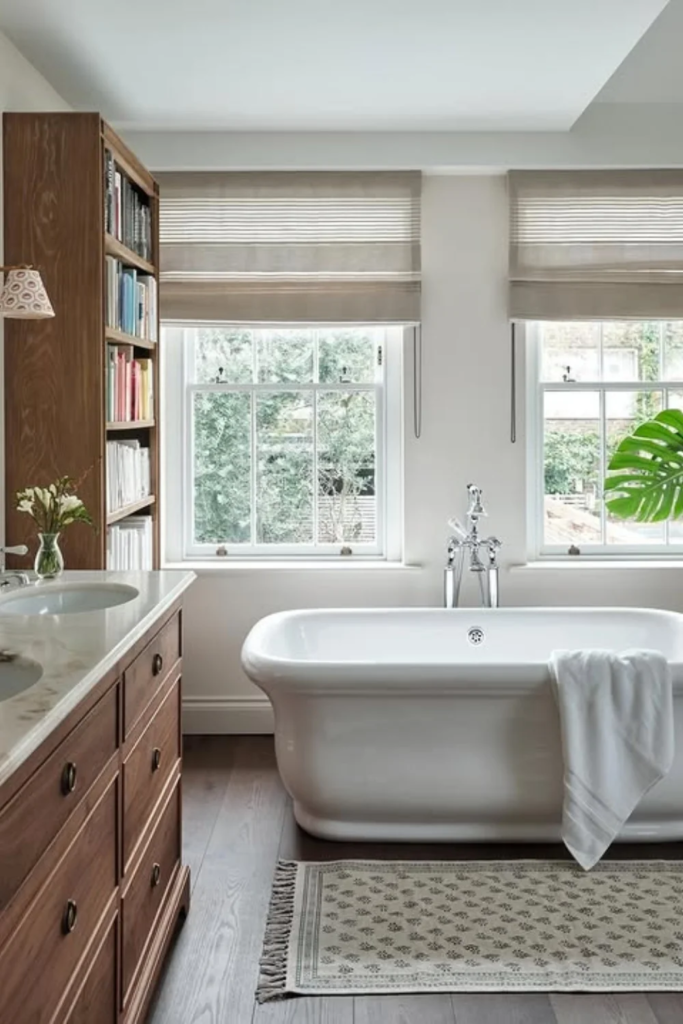
This approach focuses on daily use. The tub is placed where it makes sense, often near the shower or vanity, to keep plumbing simple and cleaning easy. The shape is comfortable, not sharp. Storage is kept nearby but not crowded. This layout suits families or shared bathrooms where the tub is used often. It proves that freestanding does not mean fragile or hard to live with.
Drama Done Right
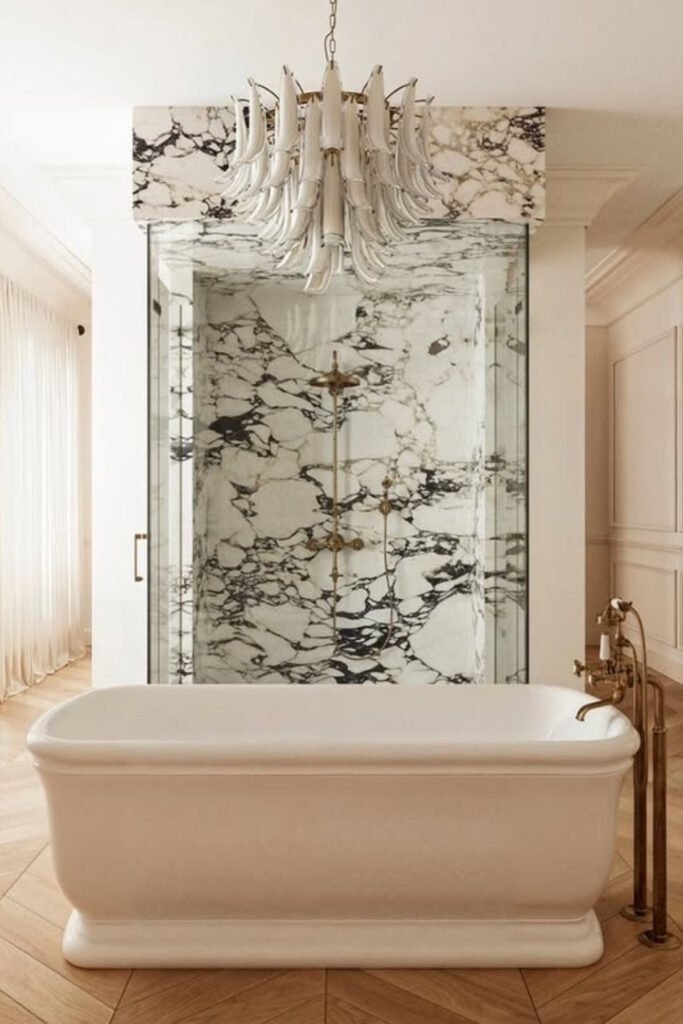
Some bathrooms need a strong center point. A freestanding tub placed under a feature light or against a textured wall can create impact without feeling loud. The key is control. One bold element is enough. In 2026 designs, this often means pairing a smooth tub with a darker wall or stone surface. The contrast adds depth while keeping the space grounded and usable.
Built-In Feel
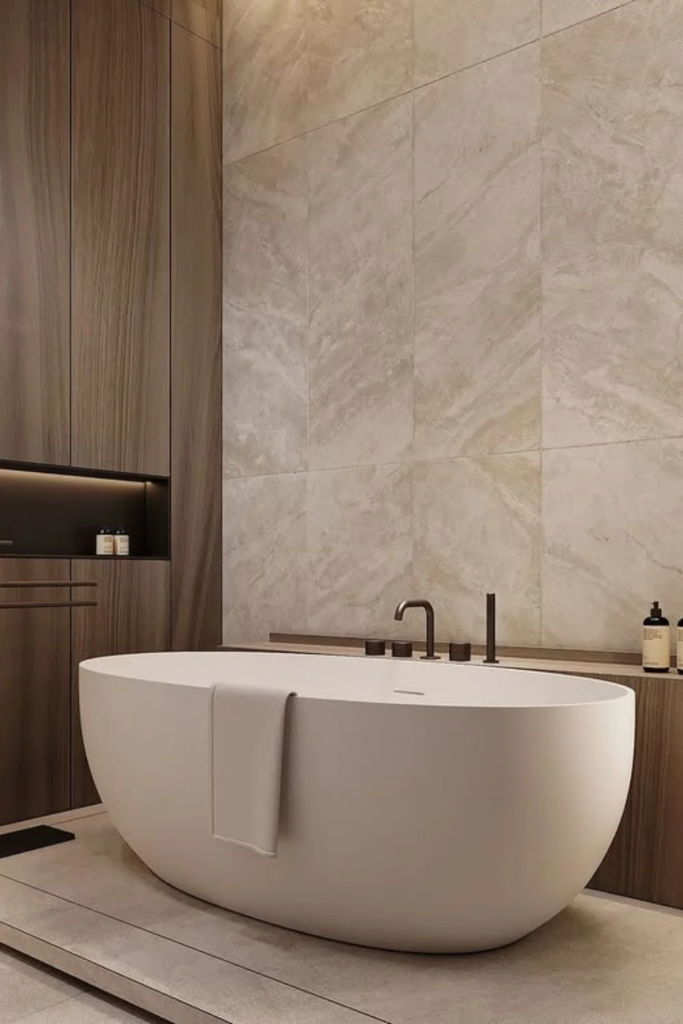
This idea blends freestanding style with built-in comfort. The tub is placed close to a wall or between two surfaces, giving a secure feel while keeping the open look. This works well in narrow bathrooms where full separation would waste space. Shelves or ledges nearby add function without turning the tub into a boxed feature. It offers the best of both worlds.
Calm With Texture
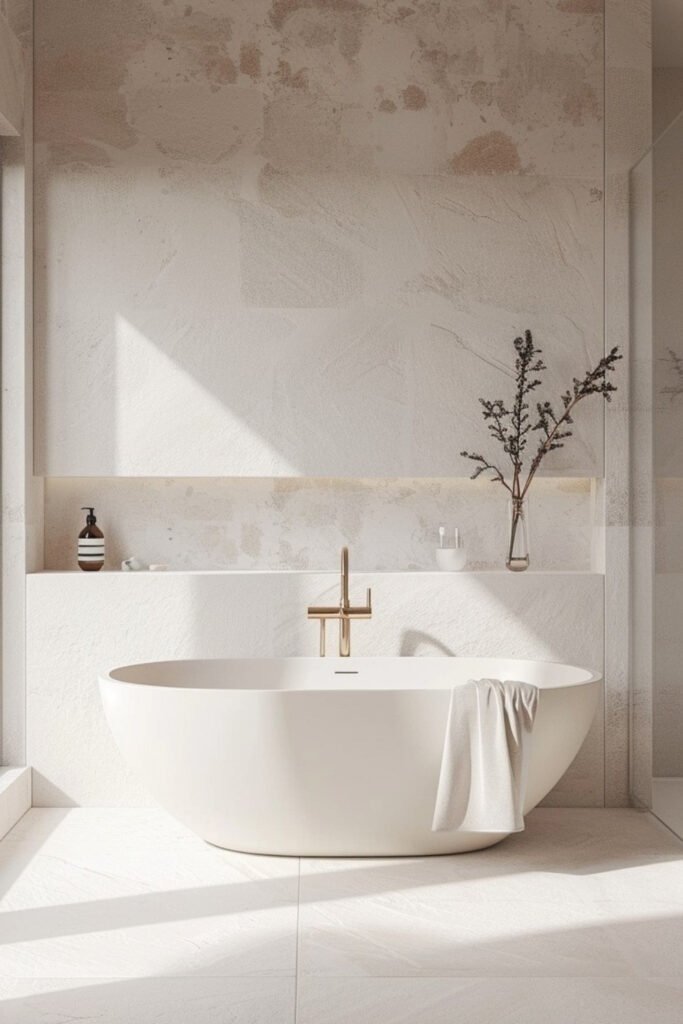
Texture plays a big role in modern bathrooms. A freestanding tub paired with textured walls, soft stone floors, or natural plaster creates warmth. The tub stays simple so the room does not feel busy. This design works well for people who want a calm space that still feels rich and layered. In 2026, this balance is key to lasting style.
Sculptural Statement Zone
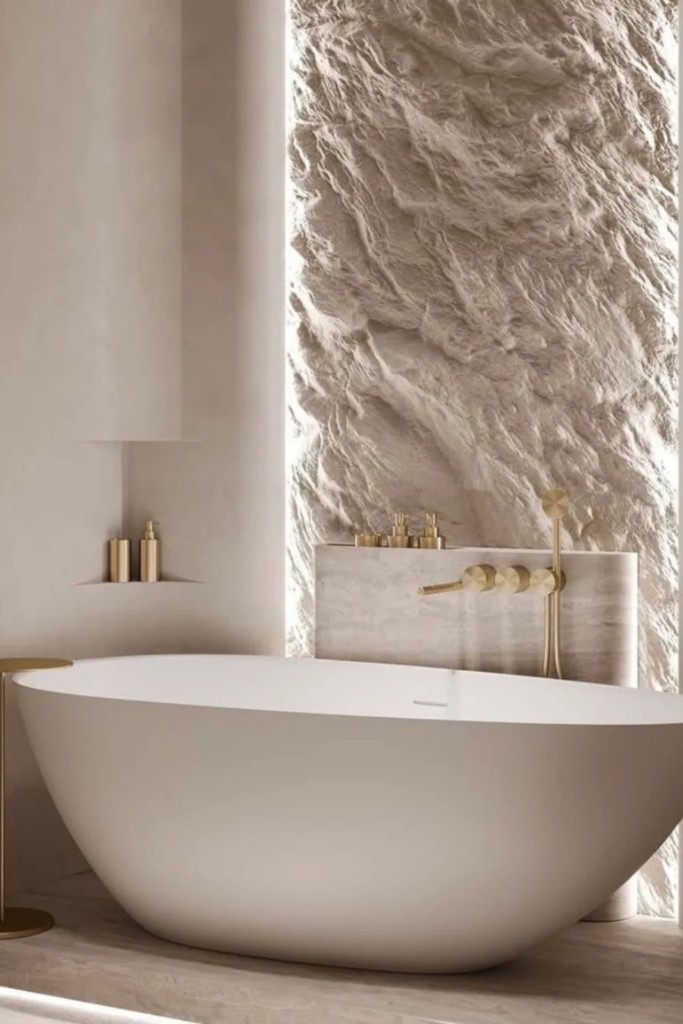
Some tubs are designed to be seen. Sculptural shapes with smooth curves or strong lines turn the tub into a design feature. This works best in larger bathrooms where the tub has space to breathe. The rest of the room stays simple to avoid distraction. This idea is less about trend and more about form, making it age well over time.
Contrast With Control
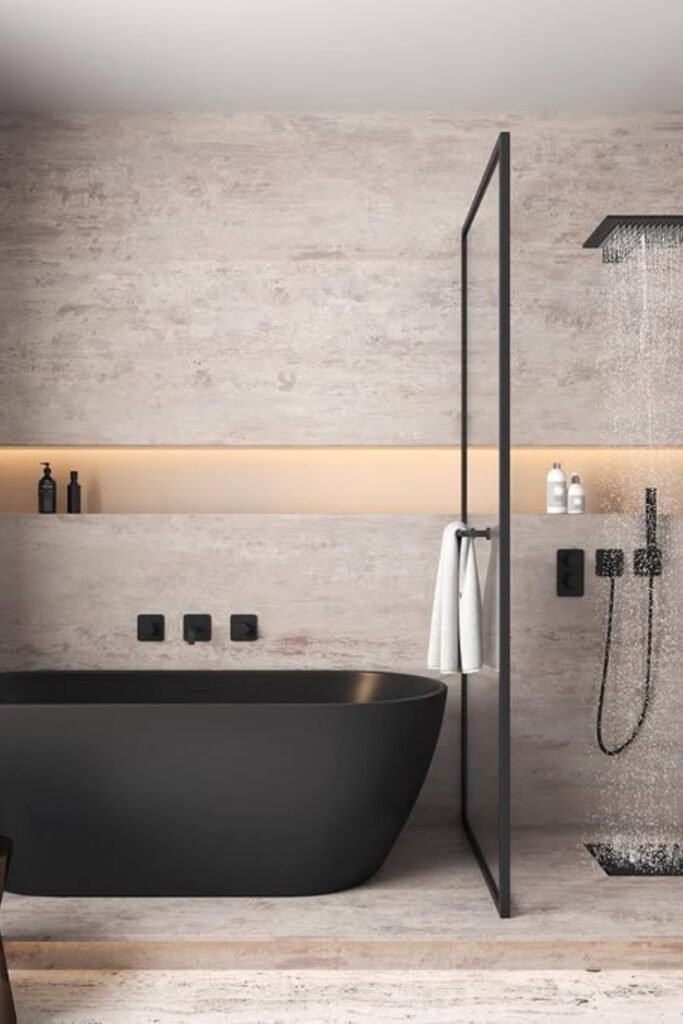
Contrast adds interest when done with care. A white freestanding tub against darker walls or floors creates a clear focal point. The trick is keeping the contrast limited to one or two elements. Too much contrast can feel sharp and tiring. In 2026, designers focus on controlled contrast that adds depth without breaking the calm of the space.
Attic Space Solved
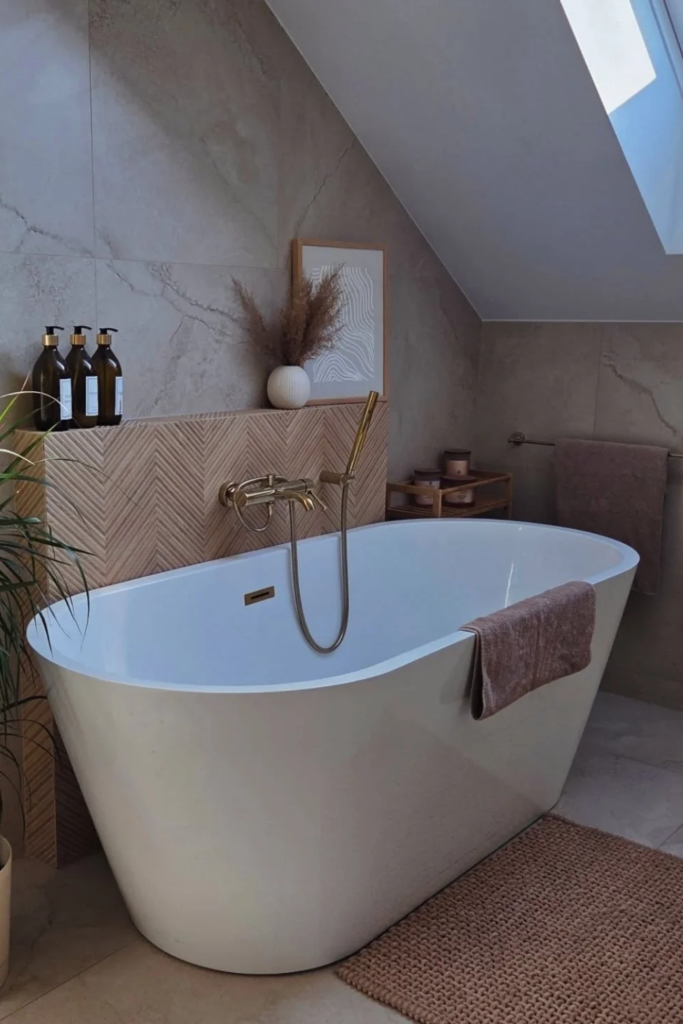
Attic bathrooms often have sloped ceilings and awkward corners. Freestanding tubs solve this problem because they do not need wall attachment. Placing the tub under a slope makes use of low headroom areas that are not ideal for showers. This turns a challenge into a feature and adds comfort to spaces that might otherwise feel limited.
Zoned Without Walls
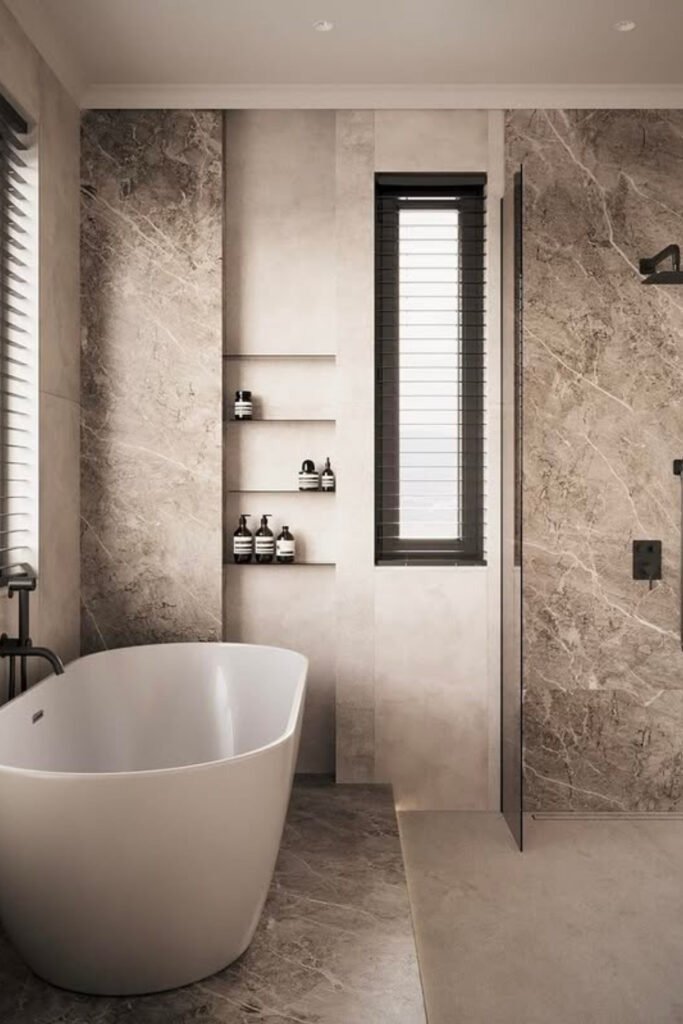
Open-plan bathrooms are more common now, especially in main suites. A freestanding tub can define a bathing zone without walls or screens. Placement does the work. The tub signals function while keeping sight lines open. This approach improves light flow and makes the bathroom feel larger and more relaxed.
Depth Through Layout
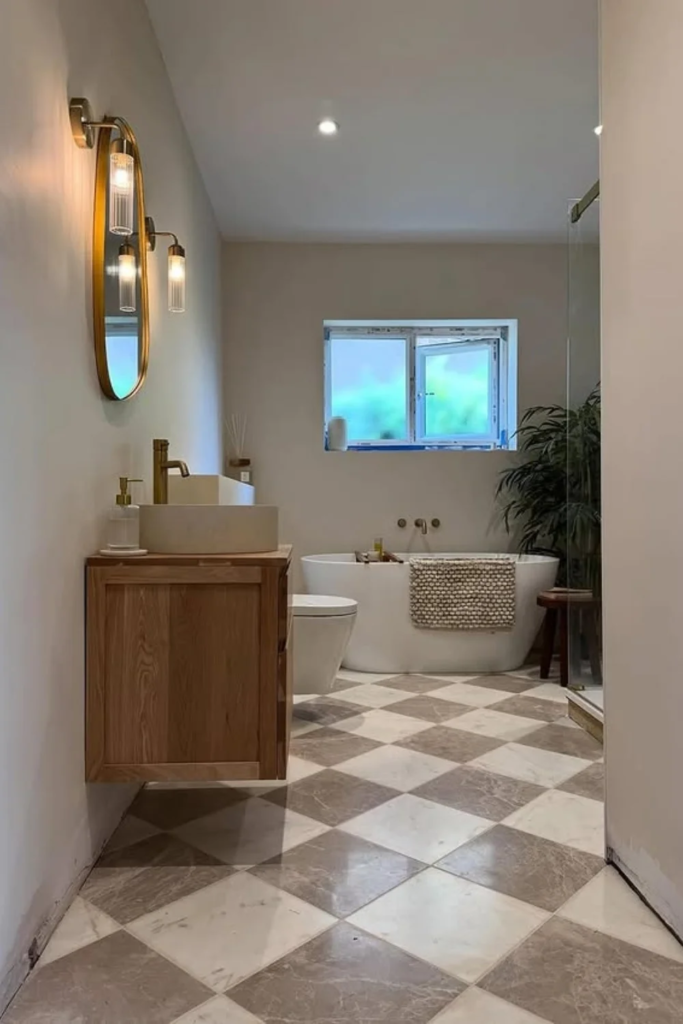
Depth is not just about size. It is about how the room is experienced. Placing a freestanding tub further into the room, rather than against a wall, creates layers. This layout adds interest and improves movement. It also allows light to wrap around the tub, making the space feel open and balanced.
Clean And Compact
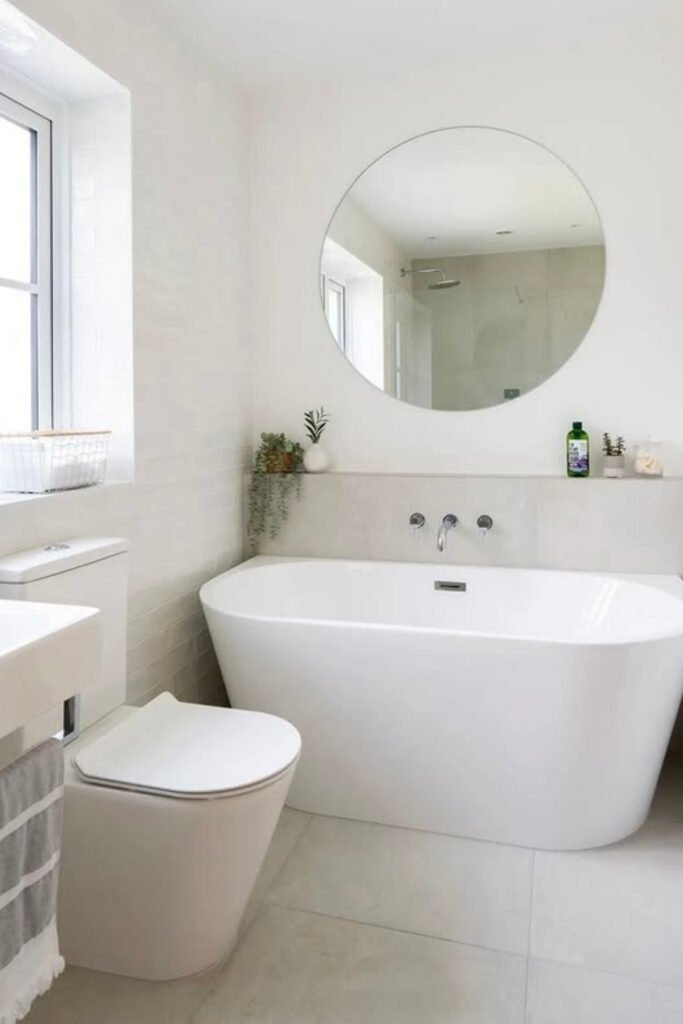
Not every home needs a large tub. Compact freestanding tubs offer comfort without excess. These designs focus on clean shapes and smart placement. They are easy to clean, easy to access, and fit well in modern homes where space is shared. In 2026, compact does not mean basic. It means efficient and thoughtful.
Warm Stone Balance
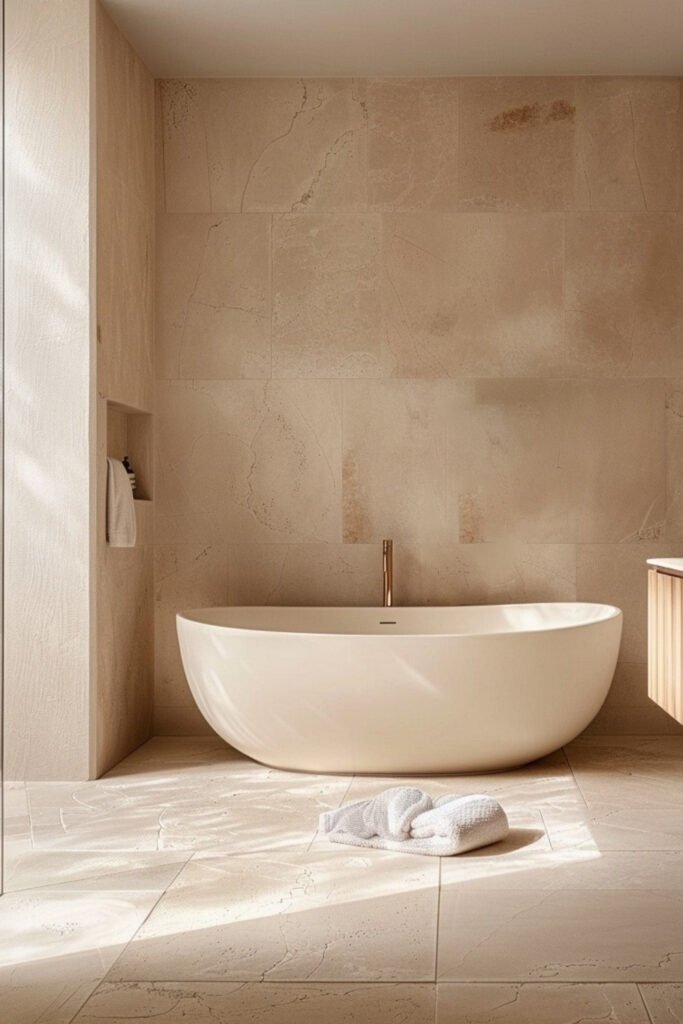
Stone floors and walls can feel cold if not balanced. A freestanding tub with a soft finish helps bring warmth. The contrast between hard stone and smooth tub creates comfort. This idea works well in bathrooms that aim for a natural feel without looking rough or unfinished.
Vintage With Comfort
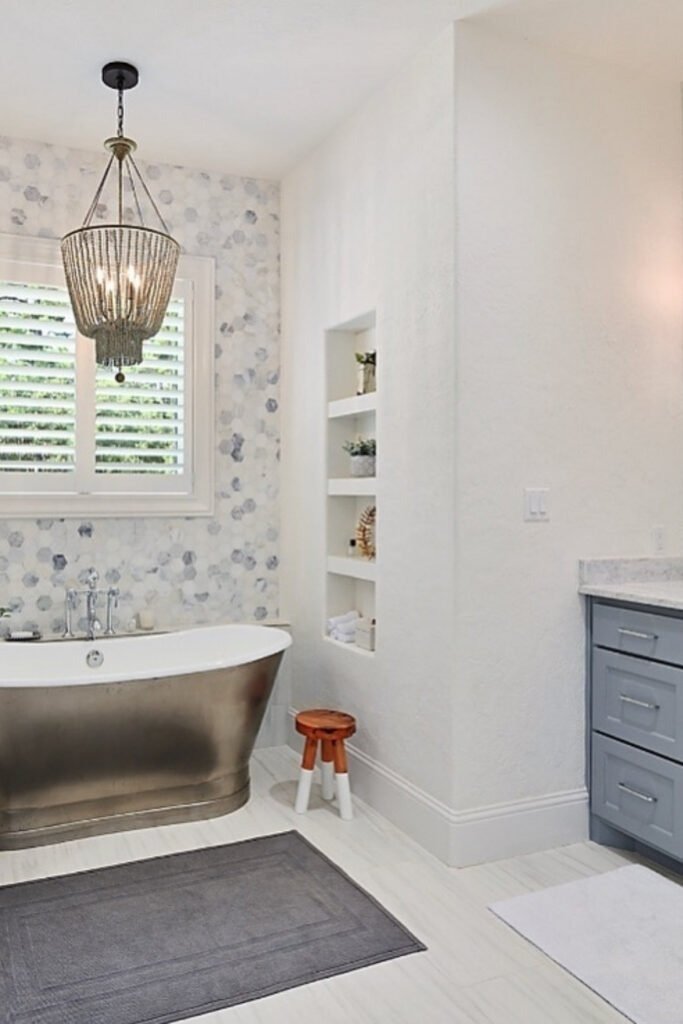
Vintage-inspired freestanding tubs are still popular, but the focus has shifted to comfort. Modern versions offer better depth and support while keeping classic shapes. This idea suits homes with character or older architecture. It blends history with current comfort standards, making it practical as well as stylish.
Framed Like Art
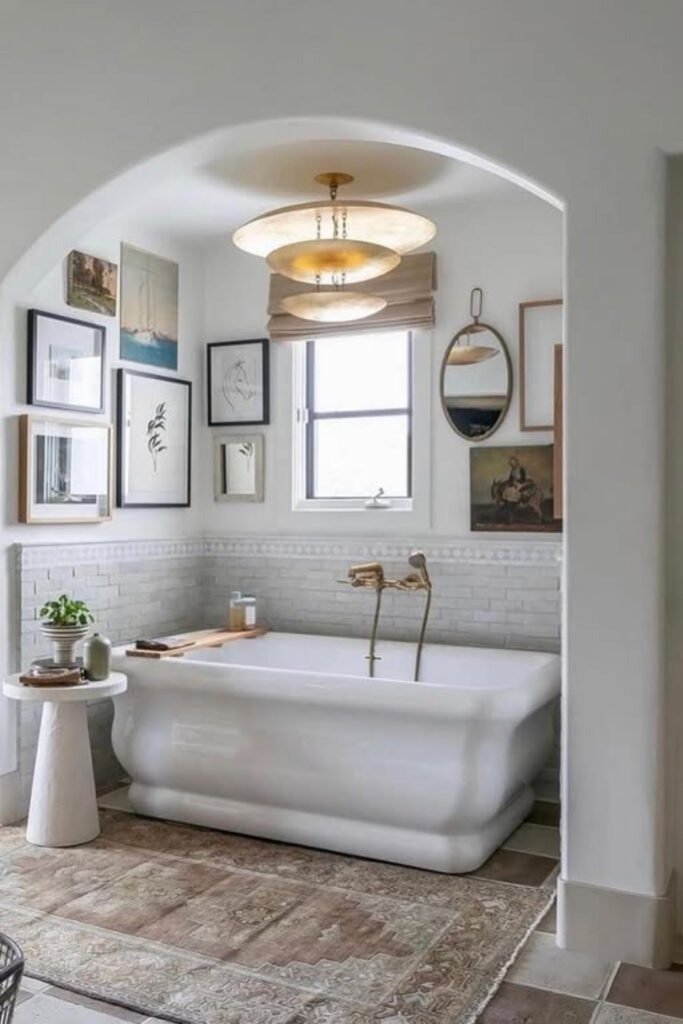
A freestanding tub can be framed by architecture rather than furniture. Recessed walls, ceiling features, or floor changes can highlight the tub without adding clutter. This makes the tub feel intentional, not added later. It also helps guide the eye and improve room balance.
Compact Yet Complete
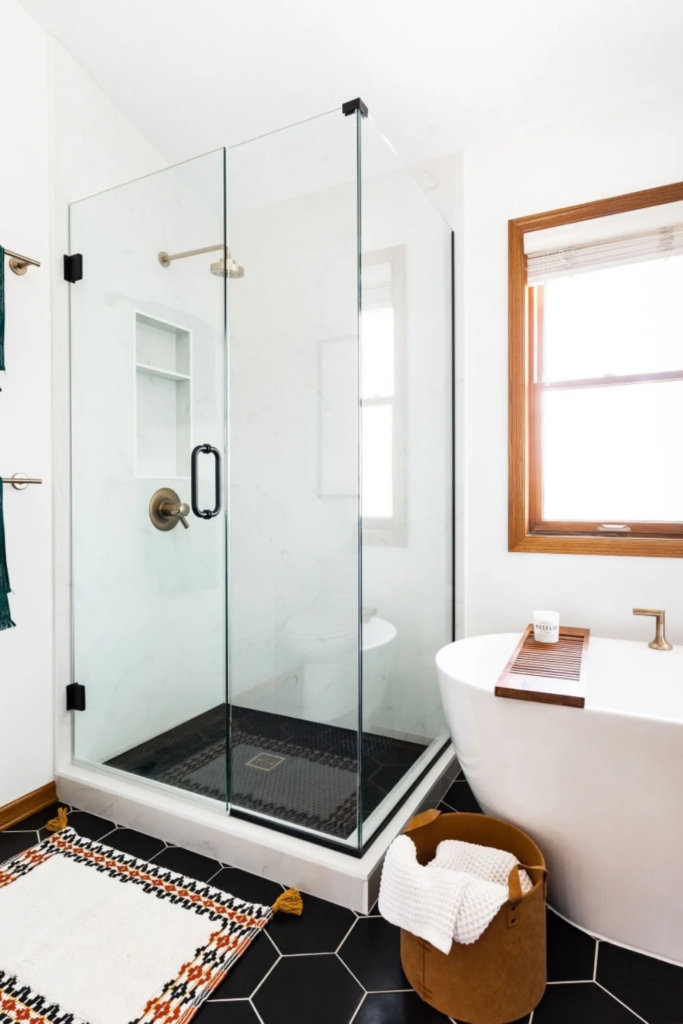
This idea proves that small bathrooms can still feel finished. A compact freestanding tub paired with a simple shower and smart storage creates a full bathing experience. Nothing feels missing. Everything has a place. This approach is ideal for urban homes or guest bathrooms.
Practical Everyday Luxury
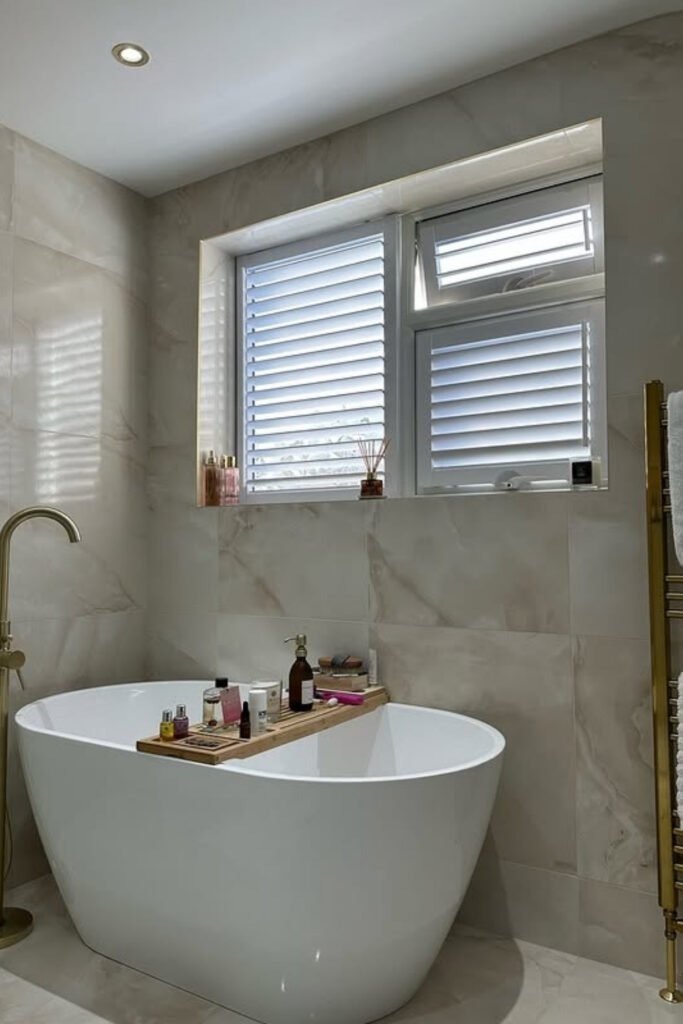
Luxury is not about size. It is about ease. A freestanding tub that is easy to enter, easy to clean, and comfortable to use every day offers real value. In 2026, more homeowners choose tubs based on daily comfort rather than looks alone. This shift makes freestanding tubs more relevant than ever.
Light From Above
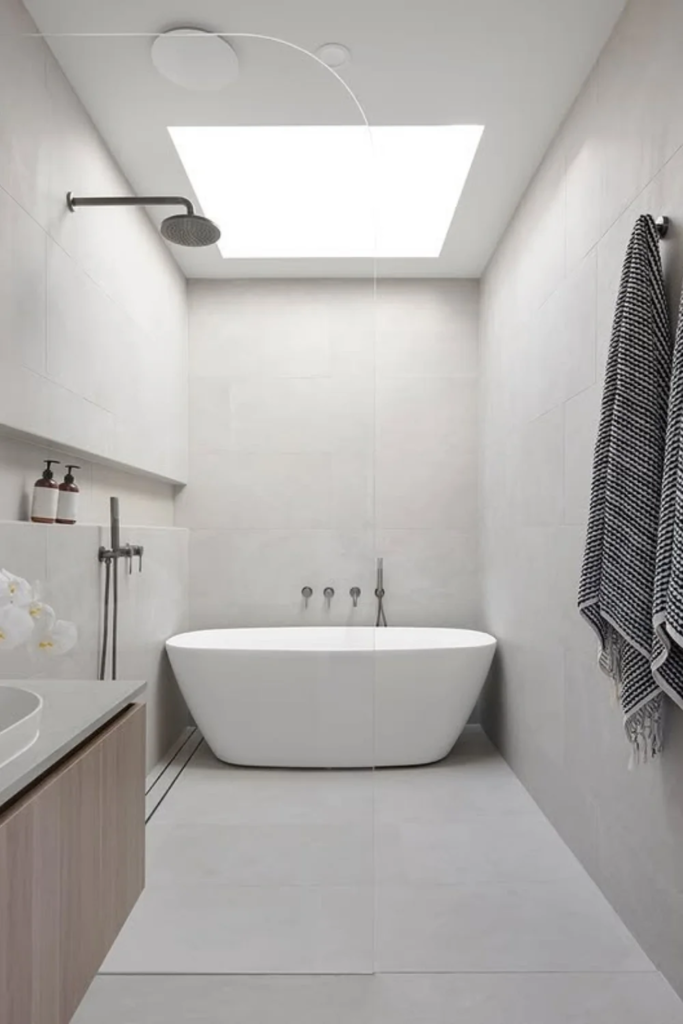
Natural light changes how a bathroom feels. Placing a freestanding tub under a skylight or near a high window creates a calm bathing experience. Light from above highlights the tub shape and adds softness. This idea works in both modern and traditional homes and improves mood without extra cost.
Art As Anchor
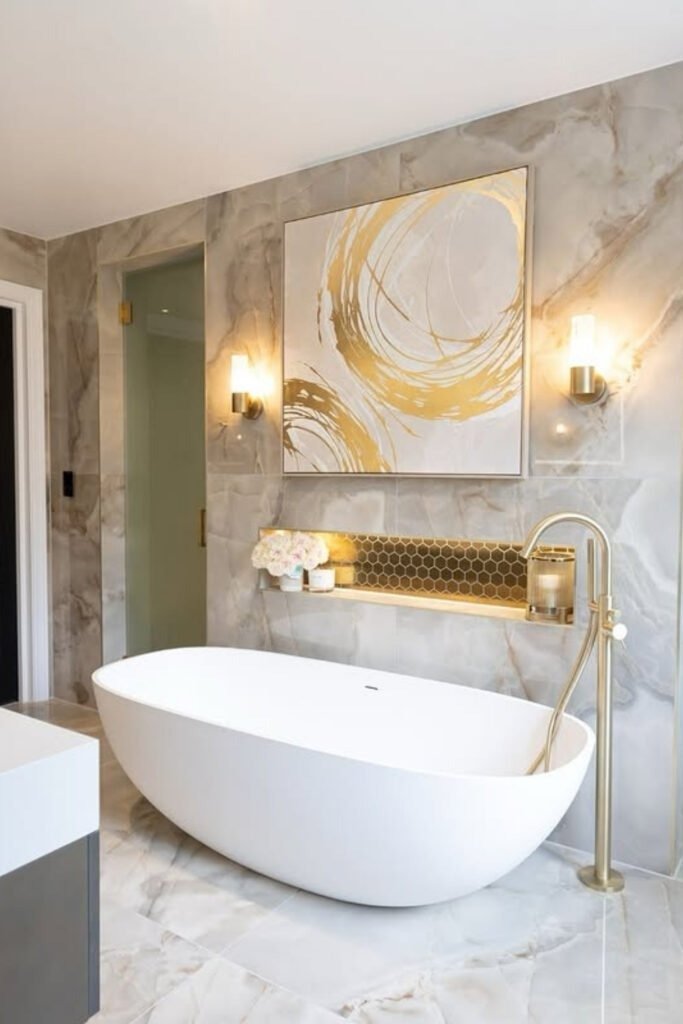
Art and baths can work together when planned well. A single artwork placed near a freestanding tub adds personality without clutter. The tub remains the main feature, while the art adds depth and interest. This approach suits homeowners who want a personal touch without overdesigning.
Hotel-Level Finish
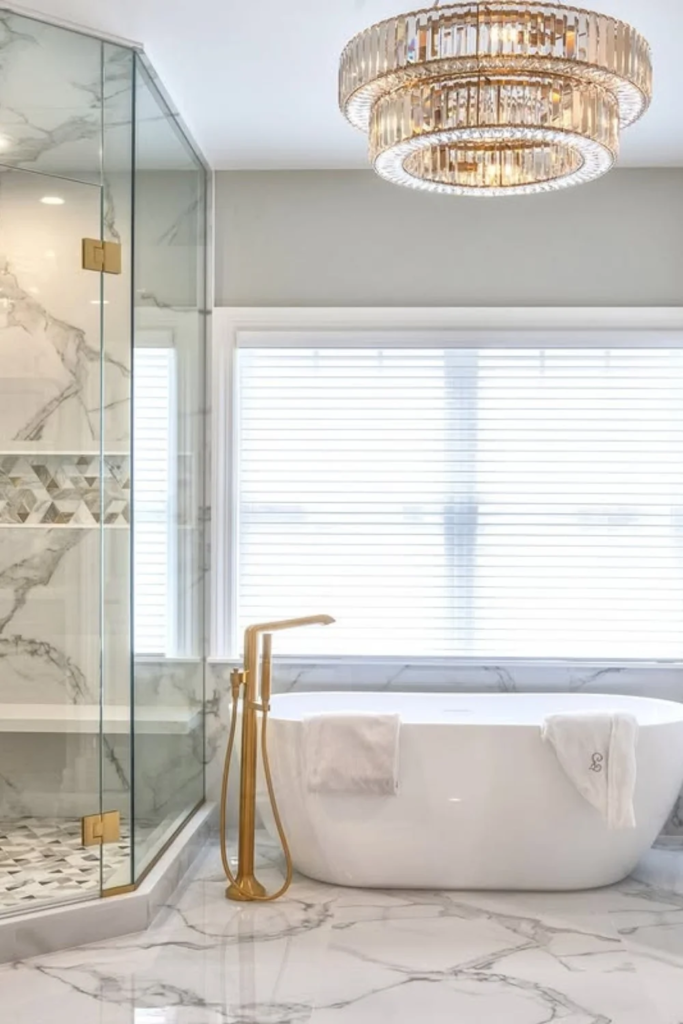
Hotel bathrooms feel good because they are simple and well finished. A freestanding tub with quality materials, good lighting, and clear layout brings that feeling home. The focus is on comfort, not excess. This idea is about doing fewer things better, which is why it lasts.
2. FAQs
Do freestanding baths work in small bathrooms?
Yes, freestanding baths can work in small bathrooms when the size and placement are planned carefully. Compact models and smart layouts allow movement without crowding. The key is choosing a tub that fits the room, not forcing a large design into a tight space. When done right, a freestanding tub can even make a small bathroom feel more open.
Are freestanding baths harder to maintain?
Freestanding baths are not harder to maintain if installed correctly. Cleaning around the tub is often easier because all sides are accessible. Plumbing should be planned early to avoid exposed pipes that collect dust. With proper placement and finish, freestanding tubs are practical for everyday use and long-term care.