21 Living Room Lighting Ideas for 2026

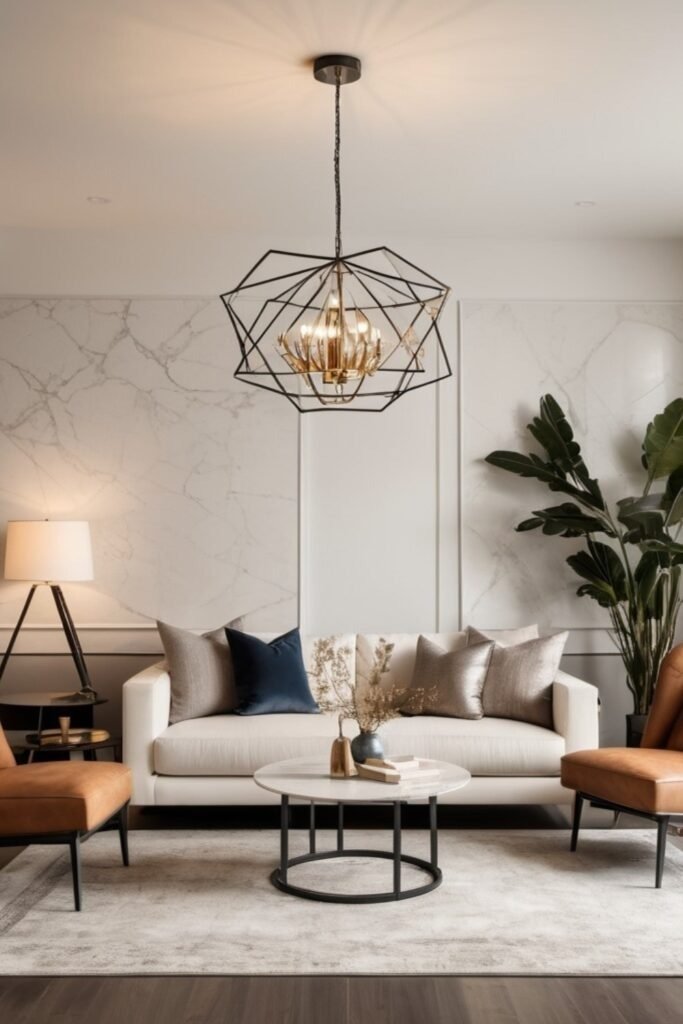
Living room lighting has changed a lot in the last twenty years. Homes are no longer lit by one bright ceiling light that does all the work. In 2026, good lighting is about comfort, control, and balance. The living room now needs to support rest, family time, TV watching, guests, and quiet evenings. Lighting must adapt without feeling complicated. After decades of designing real homes, one truth stays the same. The best lighting never calls attention to itself. It simply makes the room feel right at every hour of the day.
1. What Type Of Lighting Is Best For A Living Room?
The best lighting for a living room is lighting that works in layers and changes with how the space is used. A living room is not a hallway or a kitchen. It is a place where people sit, talk, watch screens, and relax. One strong light from above creates shadows, glare, and eye strain. A better approach uses several softer light sources that work together.
In 2026, living rooms benefit most from a mix of ceiling light, wall light, and low-level lamps. This creates depth and keeps the room from feeling flat. Light should come from different heights so the eyes stay relaxed. When light hits walls instead of only the floor, the room feels larger and calmer.
Warm light is still the top choice for living rooms. It supports rest and makes skin tones look natural. Cooler light can feel sharp and tiring, especially at night. Dimmable lighting is no longer a luxury. It is a basic need. The ability to lower light in the evening helps the body wind down and makes the room feel welcoming.
Good living room lighting should also respect the layout. Seating areas need soft light nearby. TV zones need controlled light that avoids screen glare. Open shelves, artwork, and textures look better when gently lit. The best lighting choice is always one that matches how the room is actually used, not how it looks in a photo.
2. What Are The 4 Types Of Lighting In A Living Room?
A well-lit living room uses four lighting types working together. Each type has a clear role, and when one is missing, the room feels off balance. These lighting types have guided professional design for decades, and they remain the foundation for modern homes in 2026.
Ambient lighting provides overall brightness and sets the base level of light. This usually comes from ceiling fixtures or hidden ceiling glow. Task lighting supports specific activities like reading or working. Accent lighting draws attention to walls, art, or shelves and adds depth. Decorative lighting adds personality and style while still serving a purpose.
The key is not choosing one type over another. The goal is to blend all four so the room feels flexible and comfortable at all times. Below are twenty-one lighting ideas that show how these types work together in real living rooms.
Balanced Light Layers
Balanced light layers create a living room that feels steady and easy on the eyes. This approach uses ceiling light for general brightness while adding table lamps and wall lights at seating height. The room feels evenly lit without harsh shadows. Over time, this setup proves comfortable for long evenings and daily use.
Layered Warm Glow
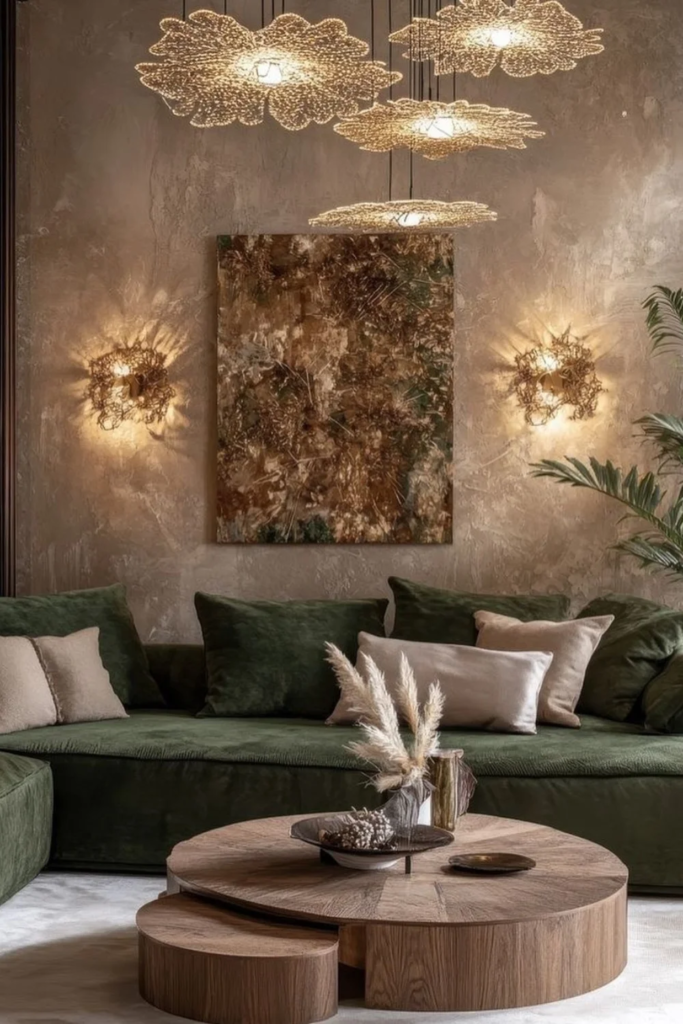
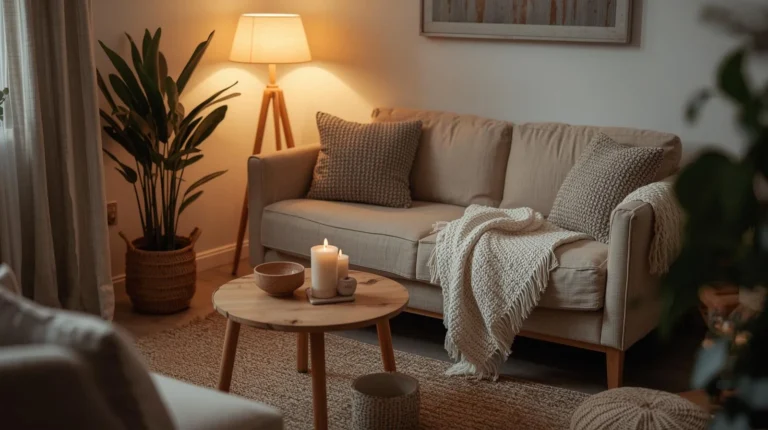
Layered warm glow focuses on soft, warm-toned light from several sources. Lamps with fabric shades, warm wall lights, and dim ceiling lighting work together. This style suits family living rooms where comfort matters more than drama. The warmth helps the space feel lived-in and calm.
Soft Evening Corners
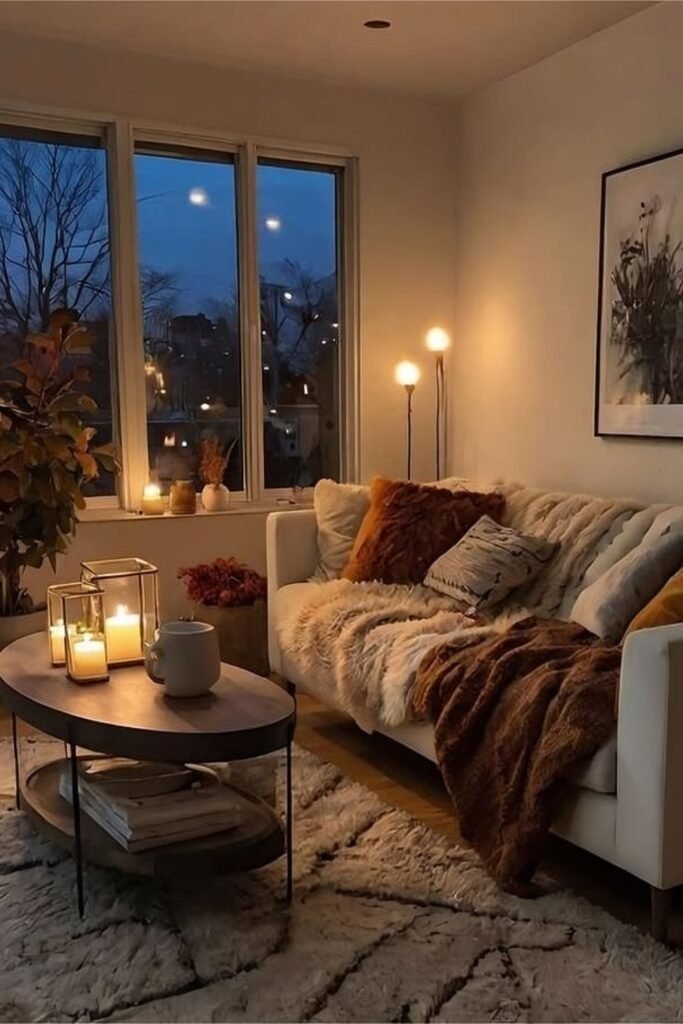
Soft evening corners use floor lamps or small wall lights placed in quiet parts of the room. These lights stay on when the main lights are off. They support relaxed evenings and prevent the room from feeling dark or empty. This approach works especially well in larger living rooms.
Highlight Vertical Drama
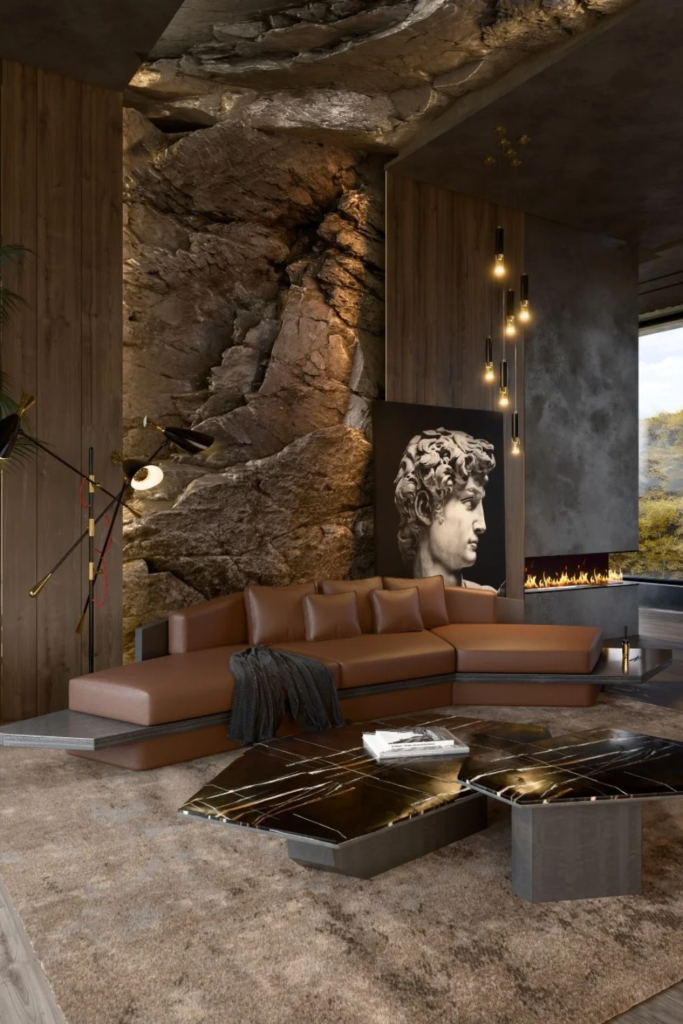
Highlighting vertical drama means lighting walls instead of floors. Wall washers or upward-facing lights make ceilings feel higher. This technique changes how the room feels without adding brightness. It is a smart way to add depth without cluttering the space.
Warm Layered Zones
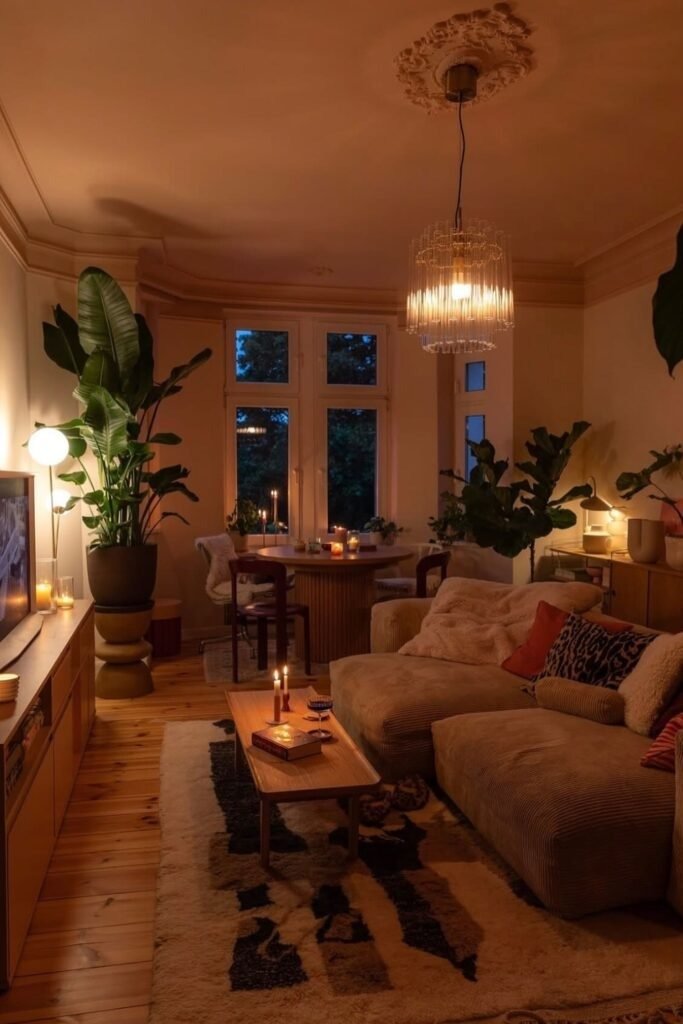
Warm layered zones divide the living room into usable areas using light. Seating areas, reading corners, and open spaces each get their own soft glow. This makes open-plan rooms easier to live in. Light quietly guides how the space is used.
Soft Fairy Layers
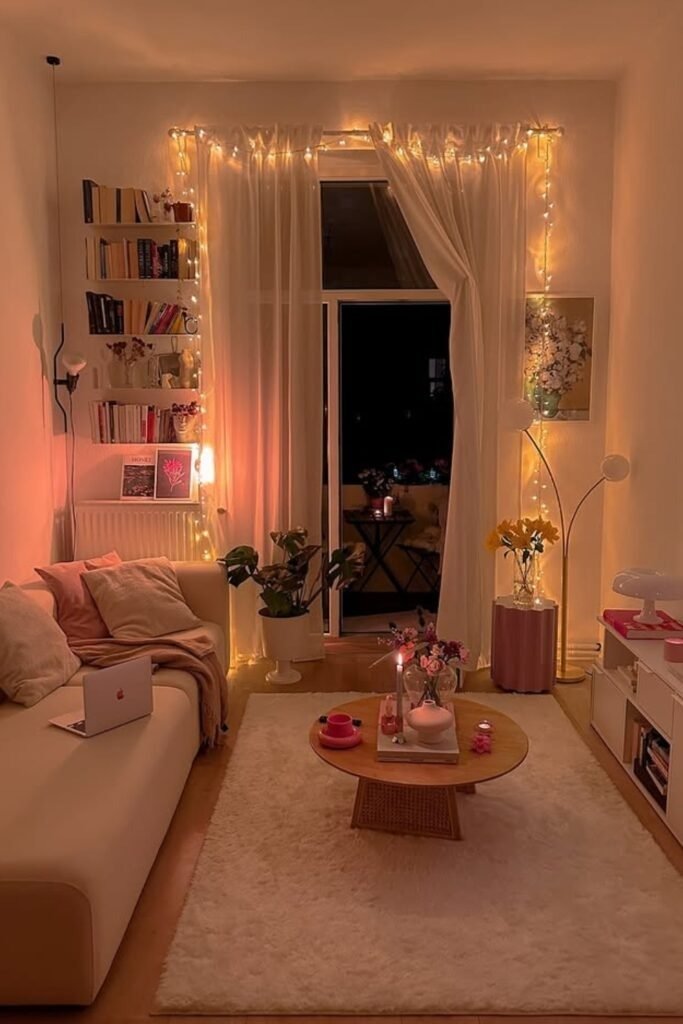
Soft fairy layers use small decorative lights in a subtle way. When placed behind shelves or along edges, they add a gentle glow. The goal is not sparkle but softness. Used carefully, this style adds charm without feeling childish or seasonal.
Calm Pendant Focus
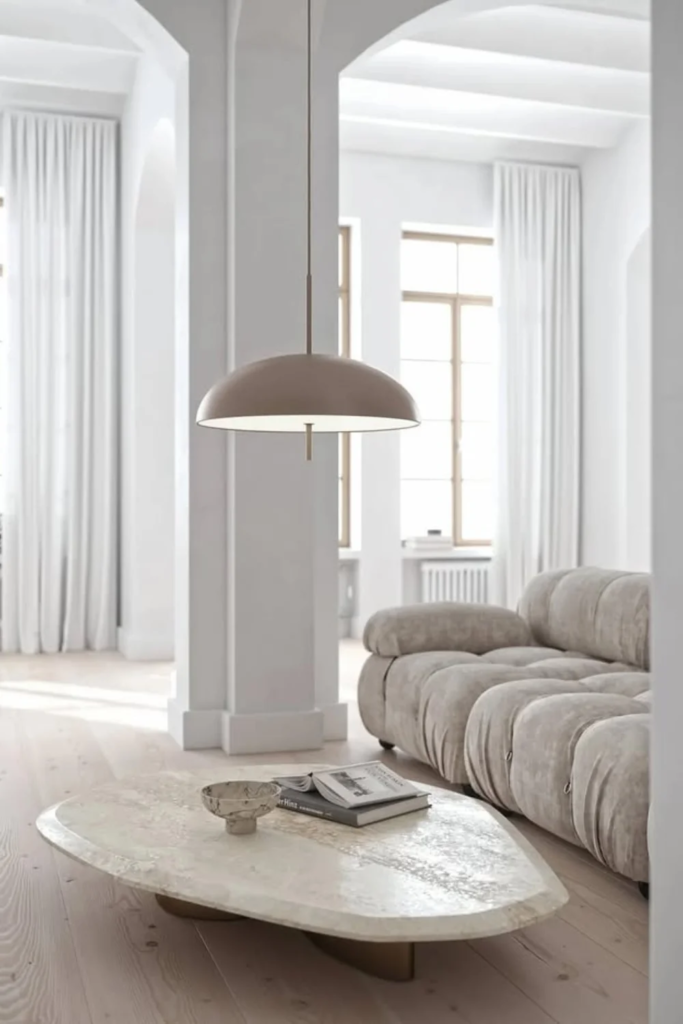
A calm pendant light above a coffee table or seating area creates focus without overpowering the room. In 2026, pendants are simpler and sit lower. They work best when paired with dimmers and other light sources so they never feel harsh.
Low Hanging Glow
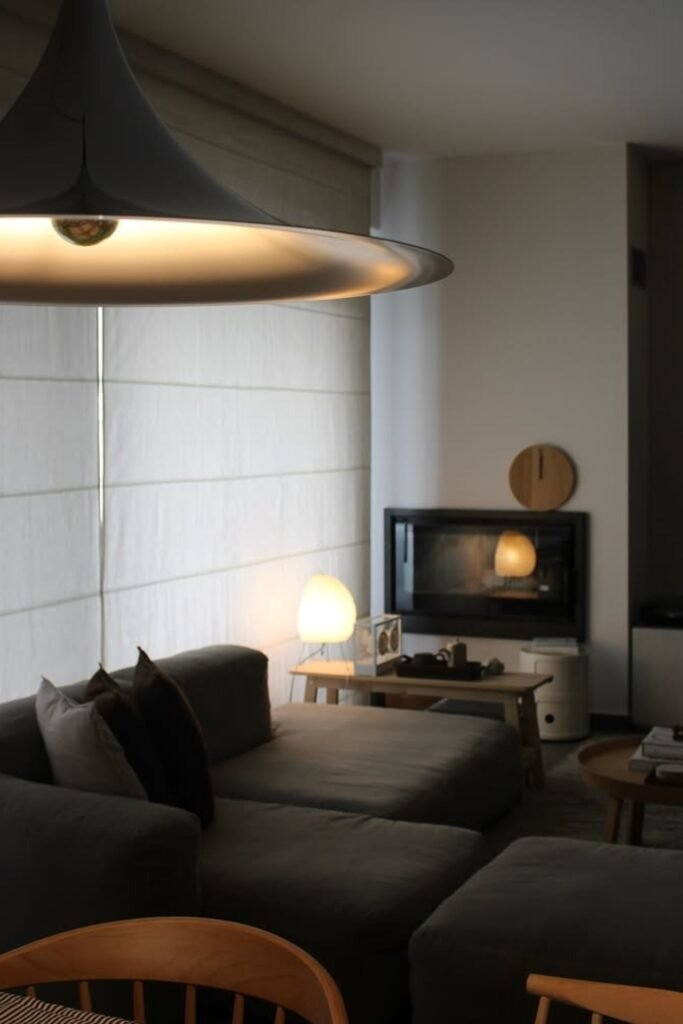
Low hanging glow brings light closer to eye level. This reduces glare and makes conversations feel more personal. Hanging lights over side tables or near seating help anchor the room and add warmth where it matters most.
Polished Layered Luxury
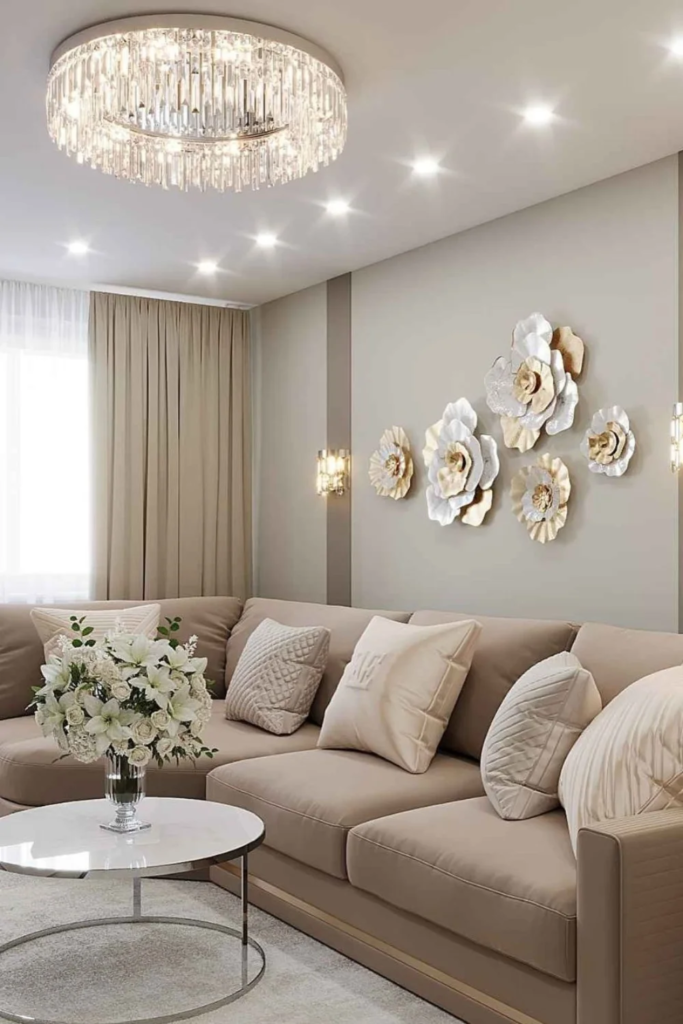
Polished layered luxury uses clean fixtures with soft output. The finish may look refined, but the light itself stays gentle. This style works well in modern homes where simplicity matters. The luxury comes from balance, not brightness.
Soft Wall Balance
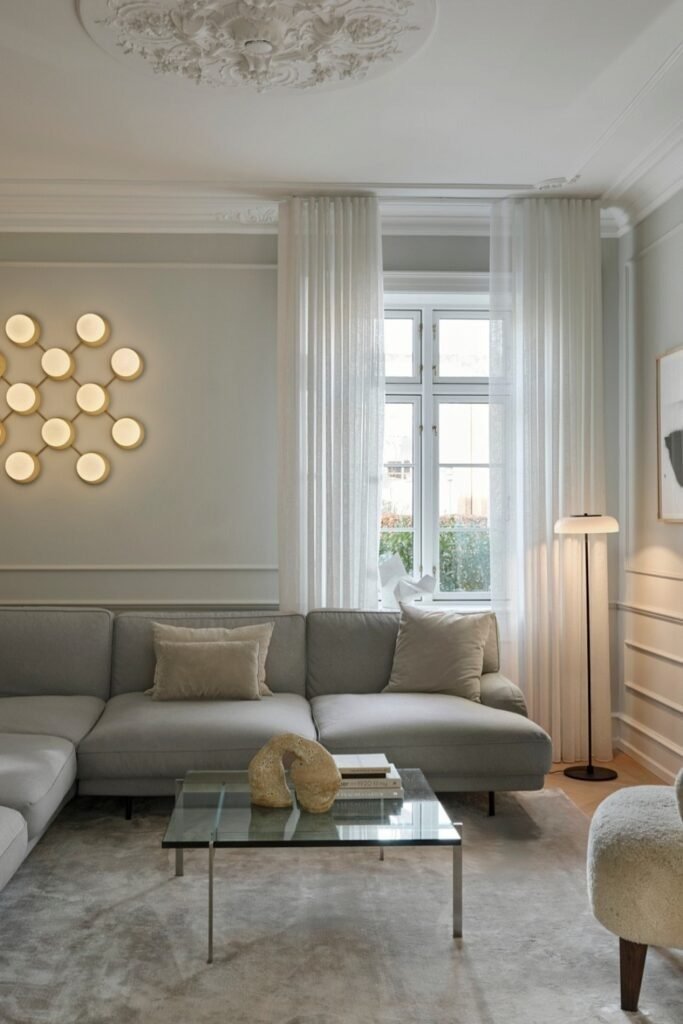
Soft wall balance relies on wall-mounted lights placed evenly around the room. This keeps walls bright and prevents dark corners. It also reduces the need for strong ceiling lights. Over time, this setup proves easy to live with.
Simple Ceiling Softness
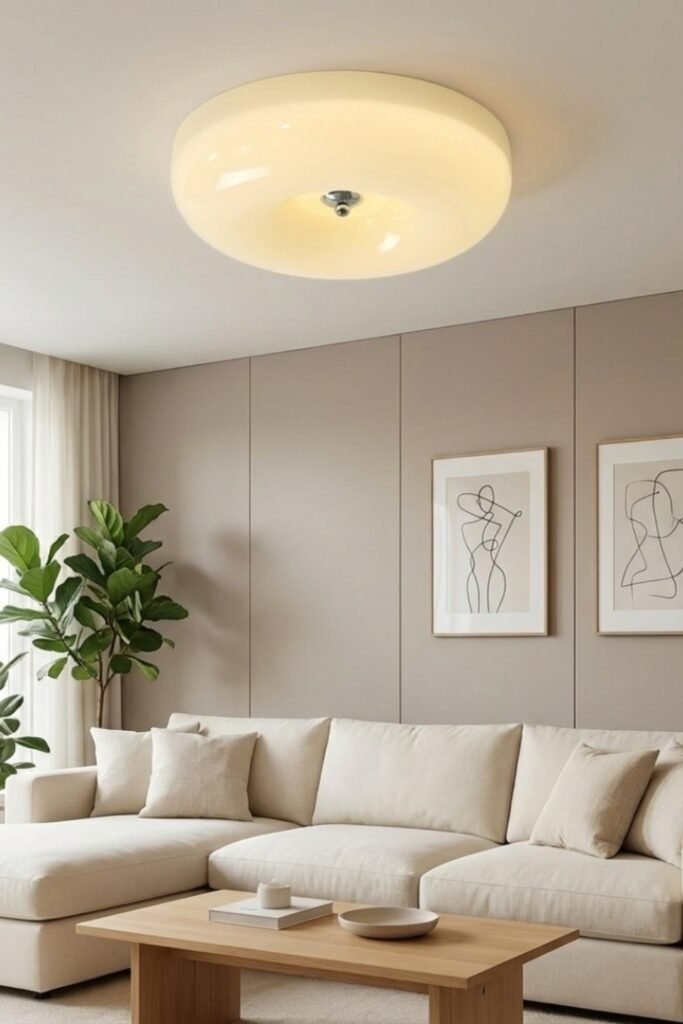
Simple ceiling softness uses diffused ceiling light instead of exposed bulbs. The light spreads evenly and avoids harsh lines. This works well in homes with lower ceilings where strong fixtures can feel heavy.
TV-Friendly Lighting
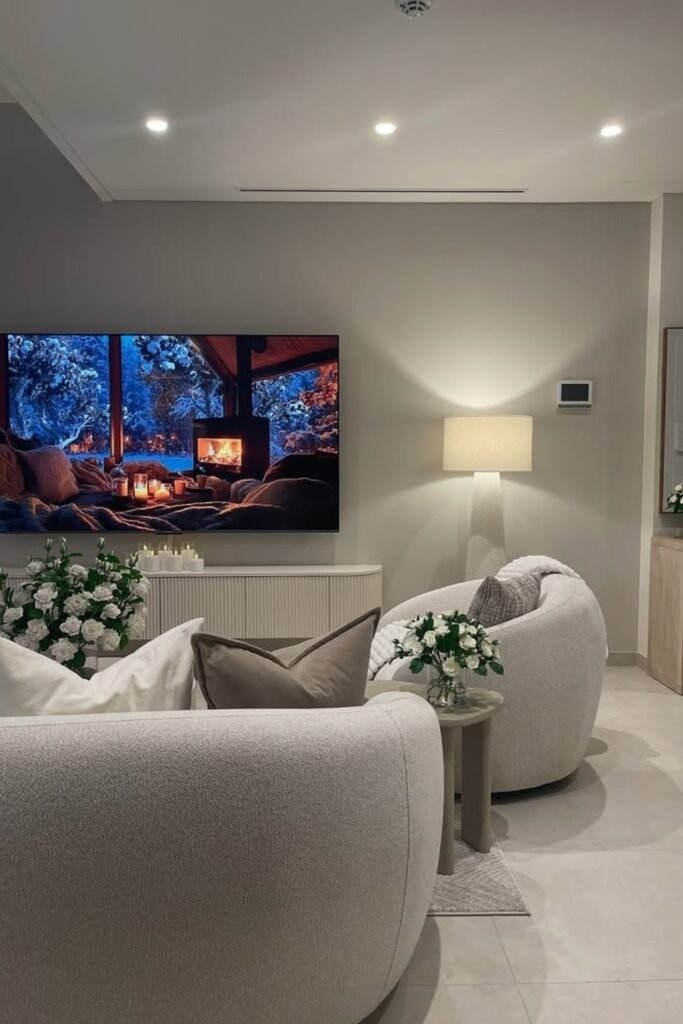
TV-friendly lighting avoids glare and eye strain. Soft lights behind the screen or along nearby walls keep contrast low. This protects the eyes and makes long viewing sessions more comfortable without darkening the room completely.
Evening Glow Control
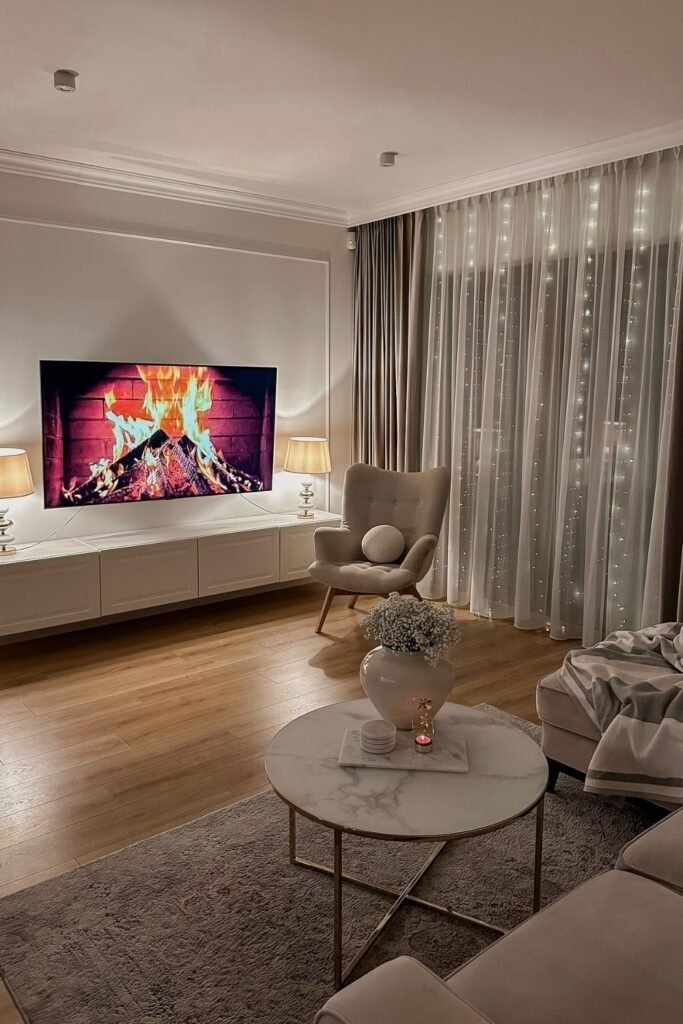
Evening glow control focuses on dimmers and smart lighting. Being able to lower light levels smoothly changes how the room feels. This supports natural sleep patterns and makes the living room more relaxing after sunset.
Soft Day-Night Balance
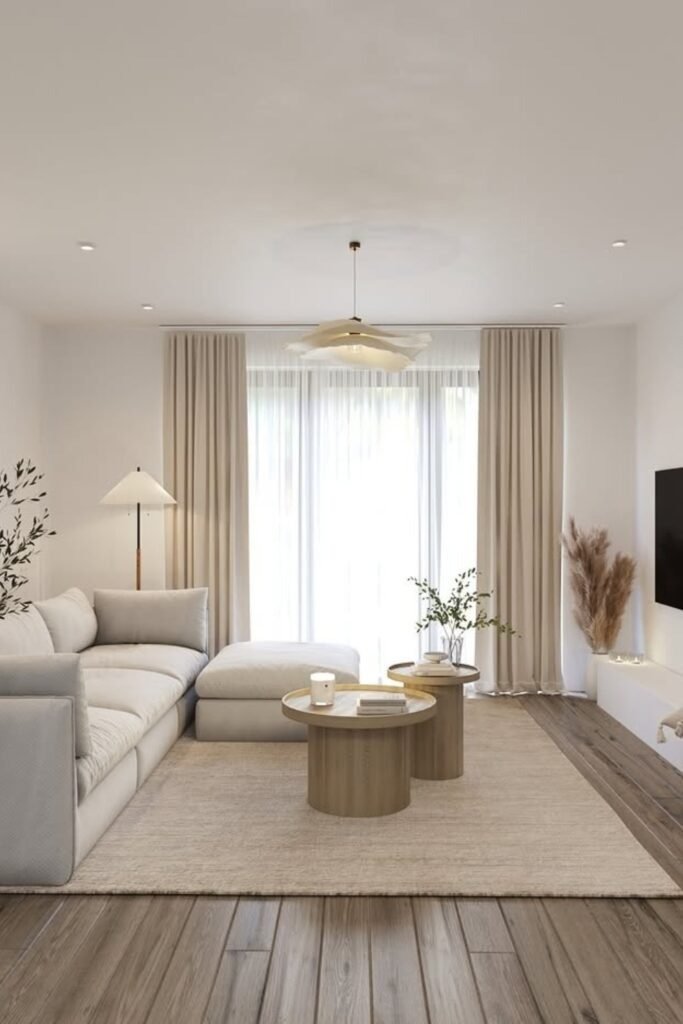
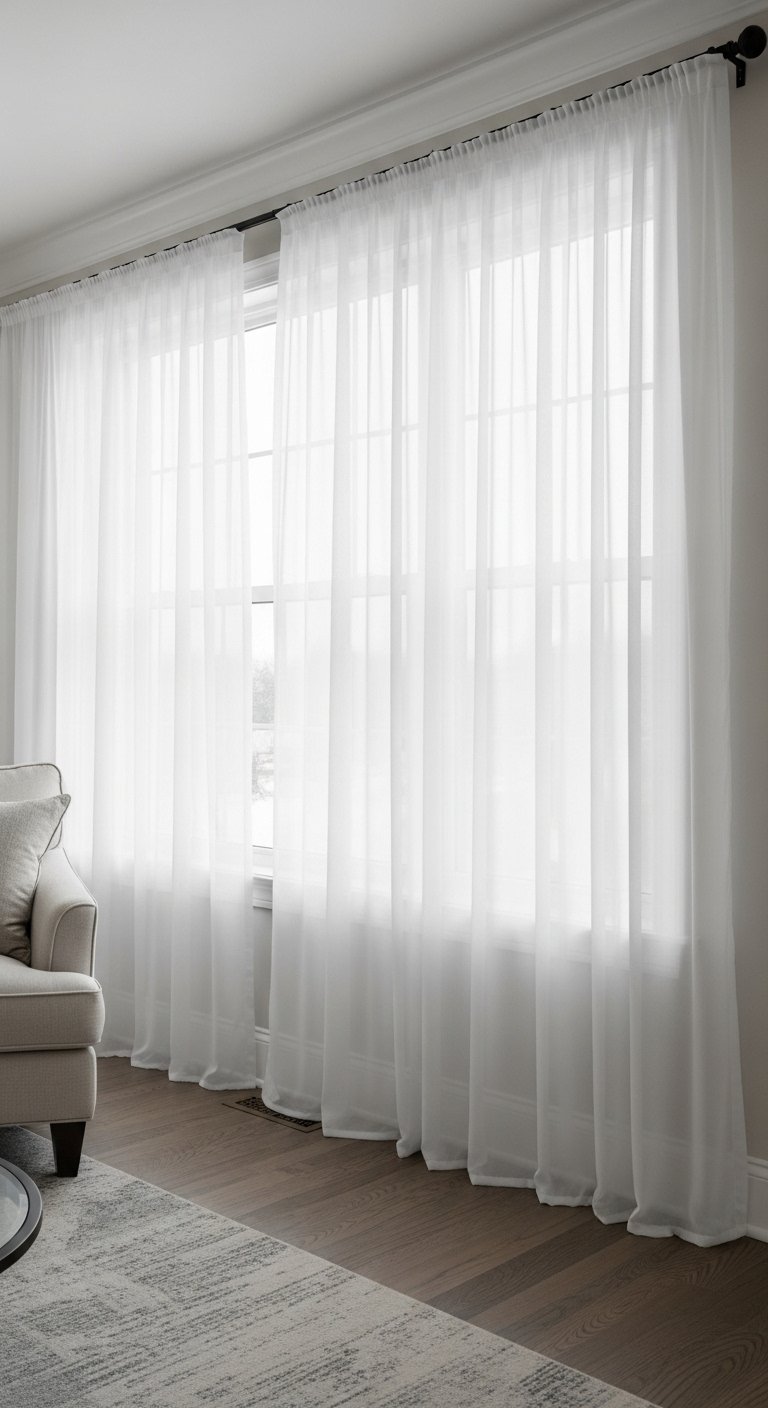
Soft day-night balance uses natural light during the day and warm artificial light at night. Sheer curtains, reflective surfaces, and adjustable lighting help the room shift gently between modes. This keeps the space feeling natural.
Backlit Wall Depth
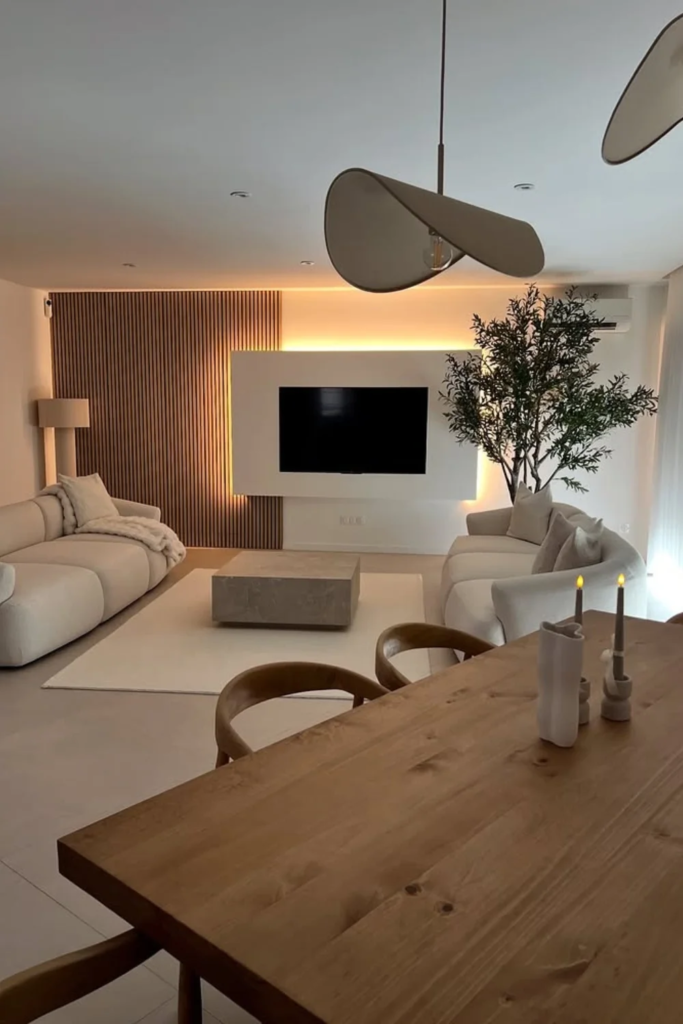
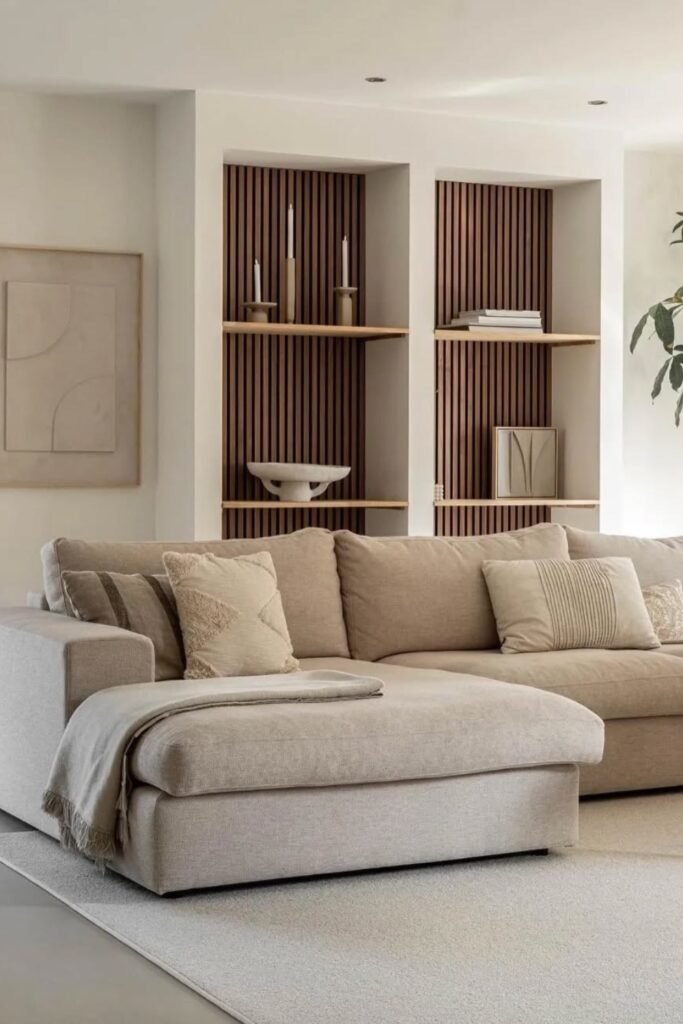
Backlit wall depth adds light behind panels, shelves, or feature walls. This creates a floating effect and adds dimension. It is subtle but powerful, especially in modern living rooms with clean lines.
Elegant Wall Framing
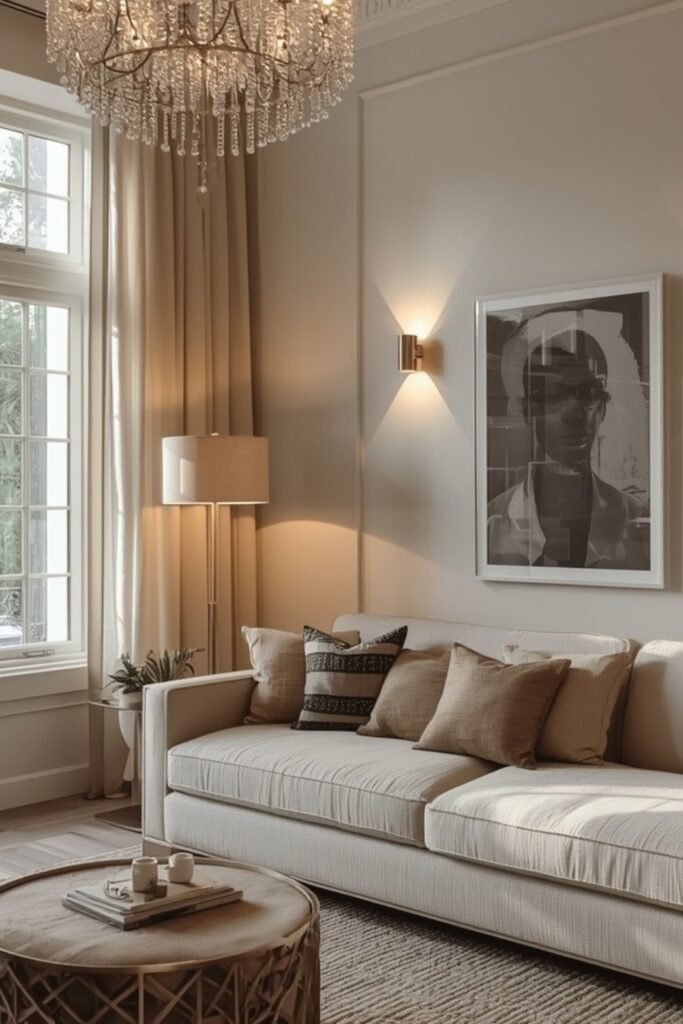
Elegant wall framing uses light to outline architectural features. Arches, panels, or textured walls benefit from soft edge lighting. This highlights design without adding clutter or strong contrast.
Fireplace Glow Layers
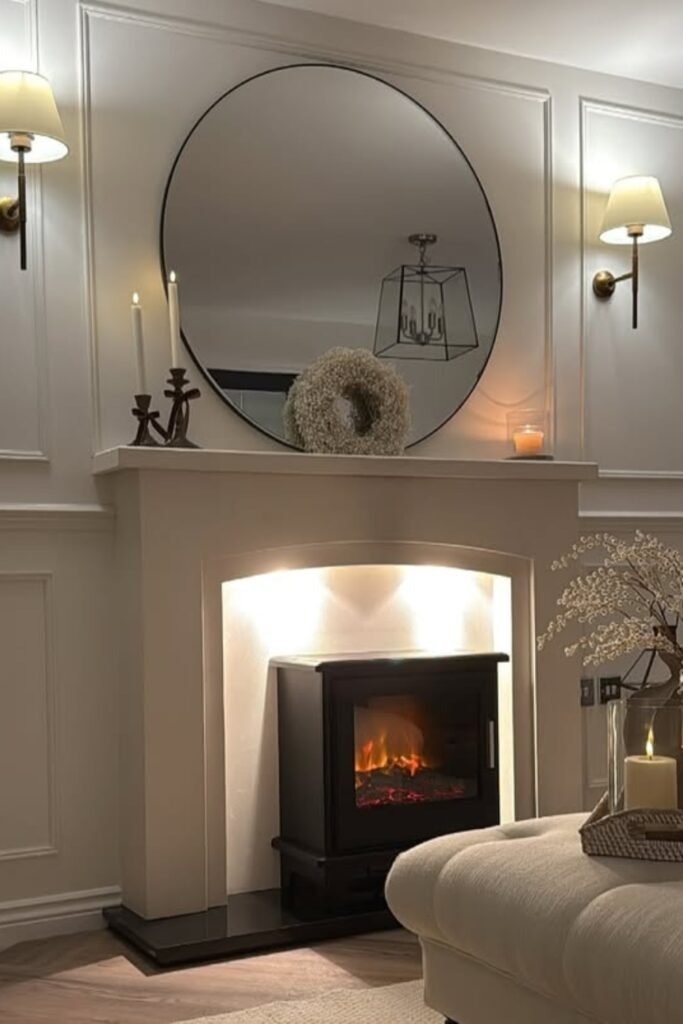
Fireplace glow layers combine firelight with soft surrounding lights. The goal is to support the natural glow, not compete with it. Gentle wall or floor lighting nearby keeps the room usable while preserving atmosphere.
Sculptural Ceiling Balance
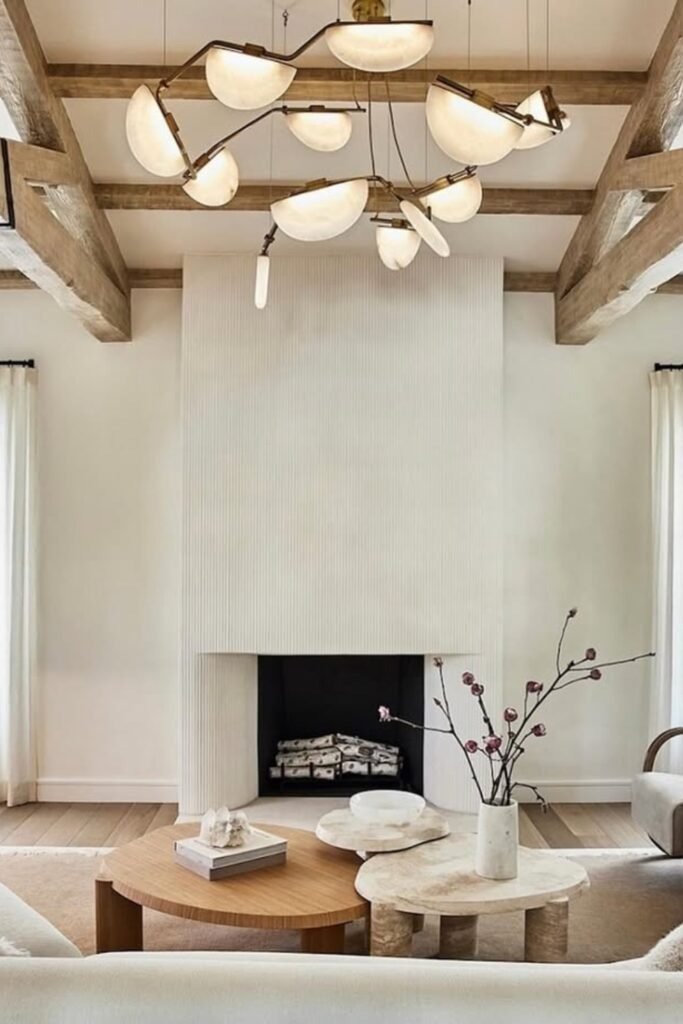
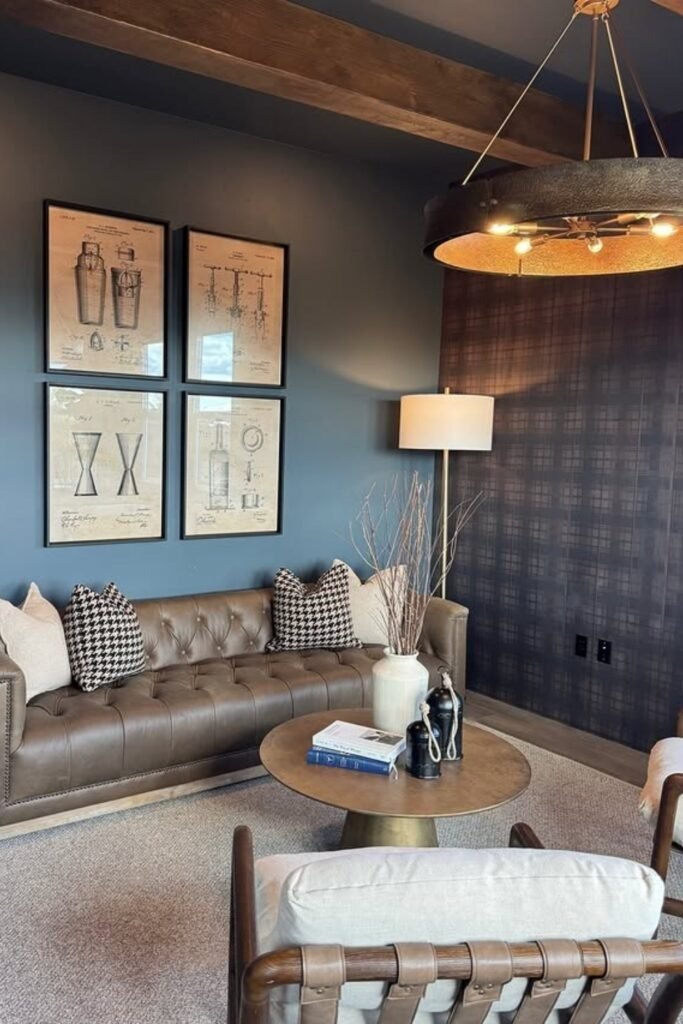
Sculptural ceiling balance uses a statement fixture paired with supporting lights. The fixture adds interest, but other lights carry the workload. This keeps the room practical while allowing personality overhead.
Hidden Ceiling Glow
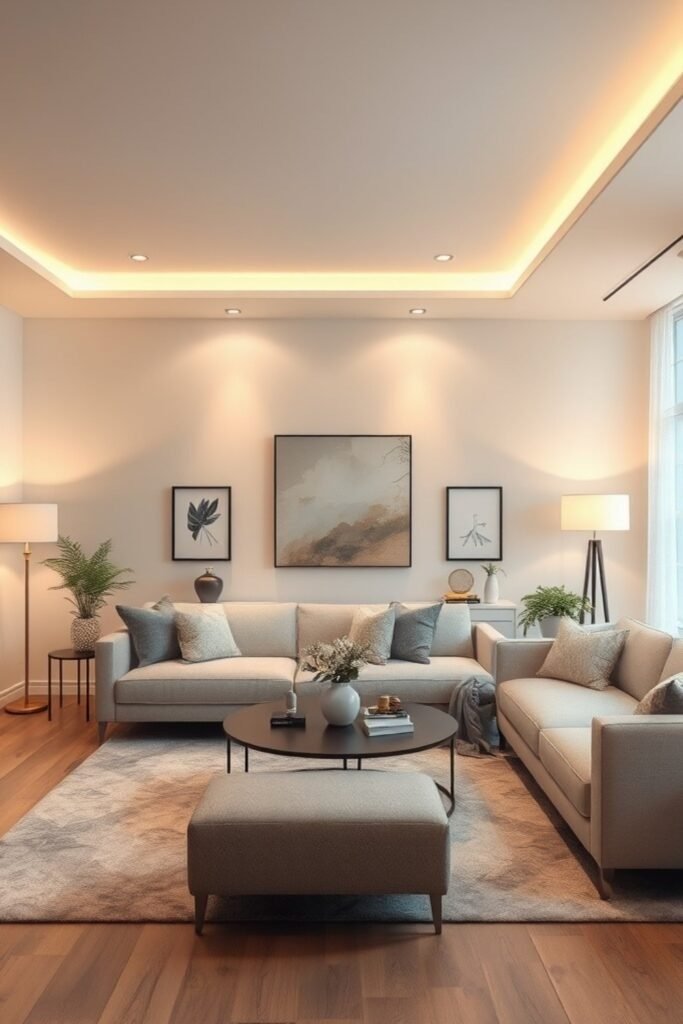
Hidden ceiling glow uses recessed or cove lighting to wash light across the ceiling. This makes the room feel open and calm. It is one of the most effective lighting methods for modern homes.
Zone Lighting Mix
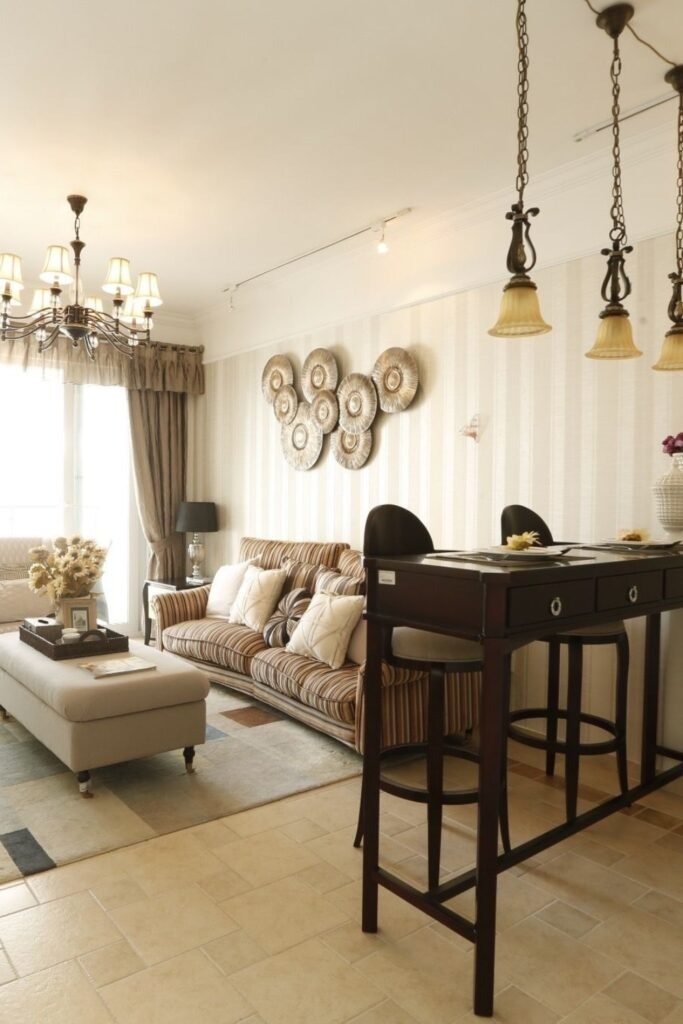
Zone lighting mix combines all lighting types into clear zones. Each part of the living room has its own light purpose. This approach works well for busy households where the room serves many roles.
Cozy Wall Framing
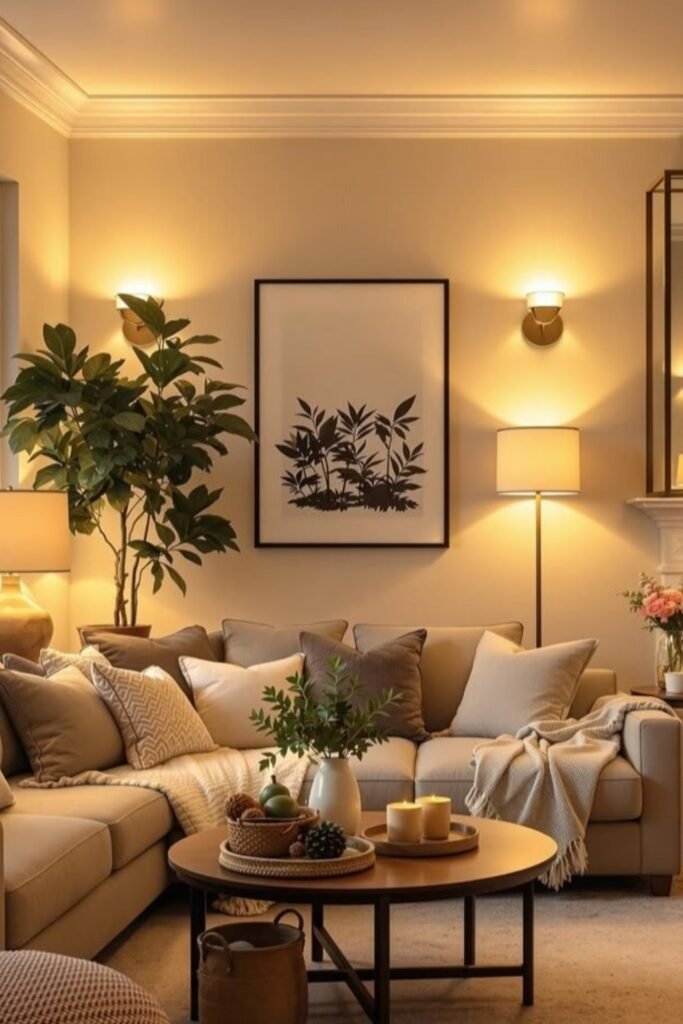
Cozy wall framing uses warm wall lights near seating areas. These lights frame the room and create a sense of shelter. Over time, this style proves comforting and timeless.
3. FAQs
How many lights does a living room need?
There is no fixed number that fits every living room. Most rooms work best with several light sources rather than one. A mix of ceiling light, two or more lamps, and a few wall lights usually creates balance. The size of the room and how it is used matter more than the number itself.
Should living room lights be warm or cool?
Warm light is better for living rooms. It supports rest and makes the space feel welcoming. Cool light can feel sharp and is better suited to work areas. For most homes, warm light with dimming options offers the best long-term comfort.