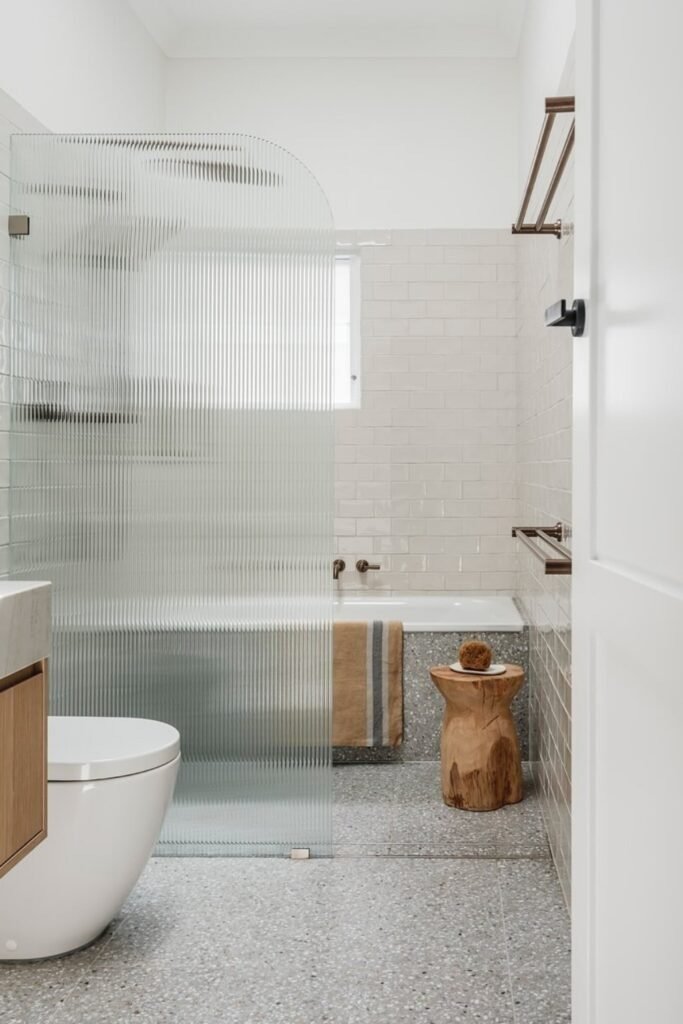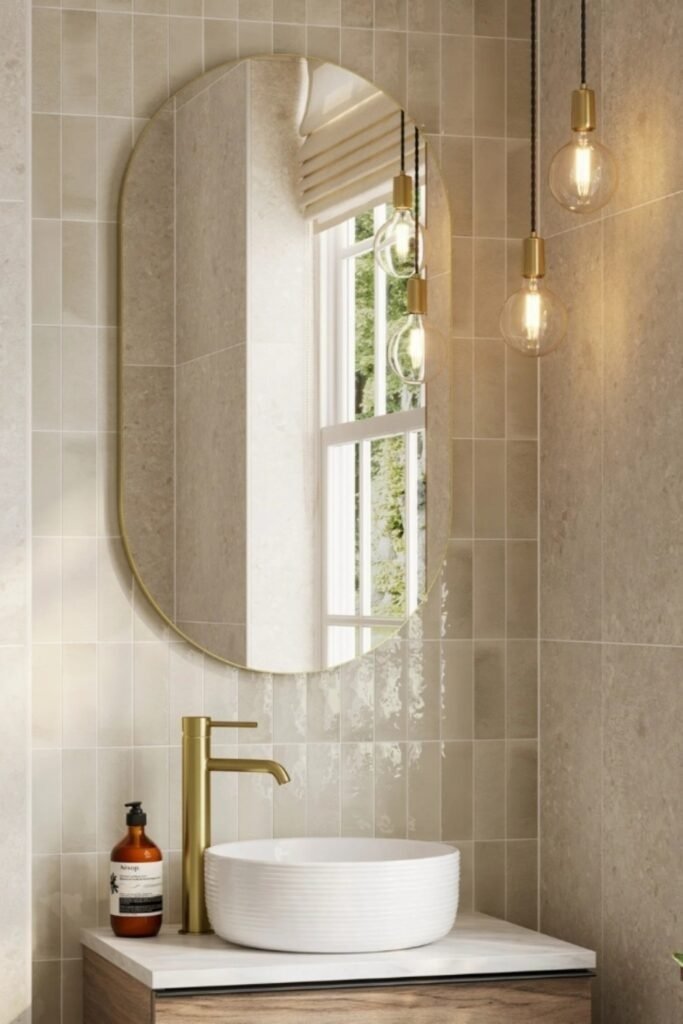
11 Japandi Bathroom Design Ideas

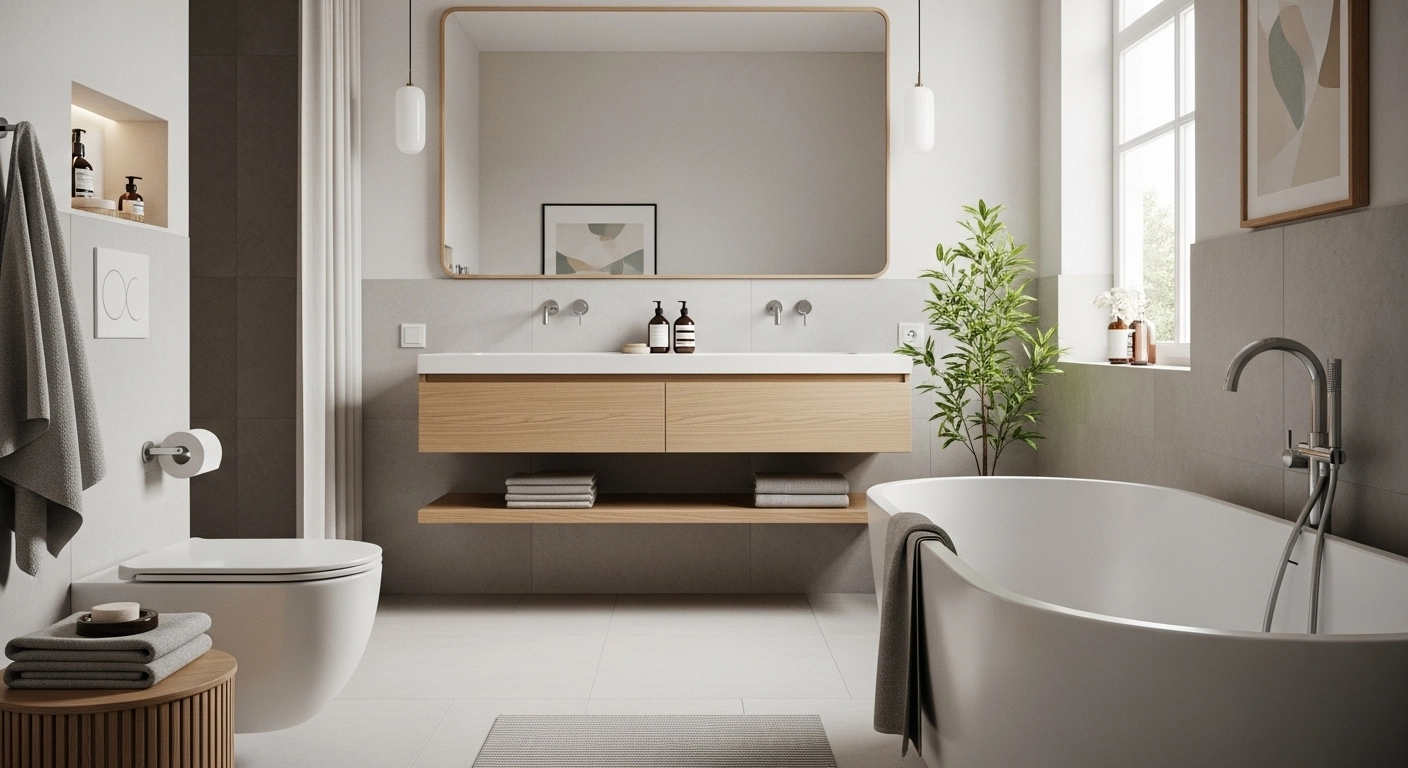
Japandi design blends Japanese simplicity with Scandinavian practicality. When these two styles meet in a bathroom, the result feels calm, balanced, and easy to live with. A Japandi bathroom does not shout for attention. Instead, it supports your daily routine in a quiet way. It helps you slow down without losing function. For many homes, the bathroom is one of the busiest rooms. Japandi works because it turns that busy space into one that feels steady and clear.
This style is not about luxury or trends. It is about thoughtful choices. Every surface, fixture, and material has a role. Nothing feels added just for show. When done well, a Japandi bathroom feels peaceful the moment you walk in. Below are eleven ideas that show how to bring this design approach into your bathroom in a way that feels real, useful, and lasting.
1. Focus on Clean Lines and Simple Shapes
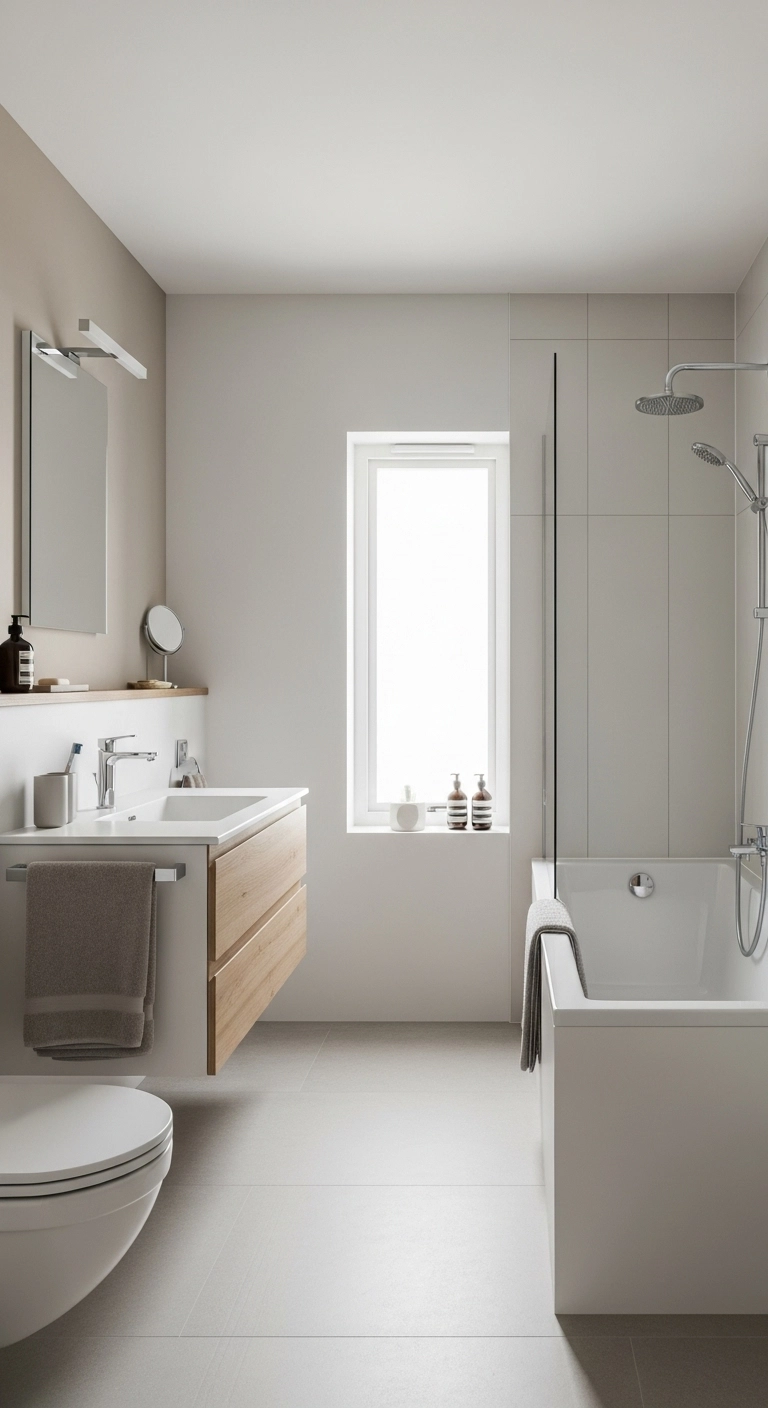
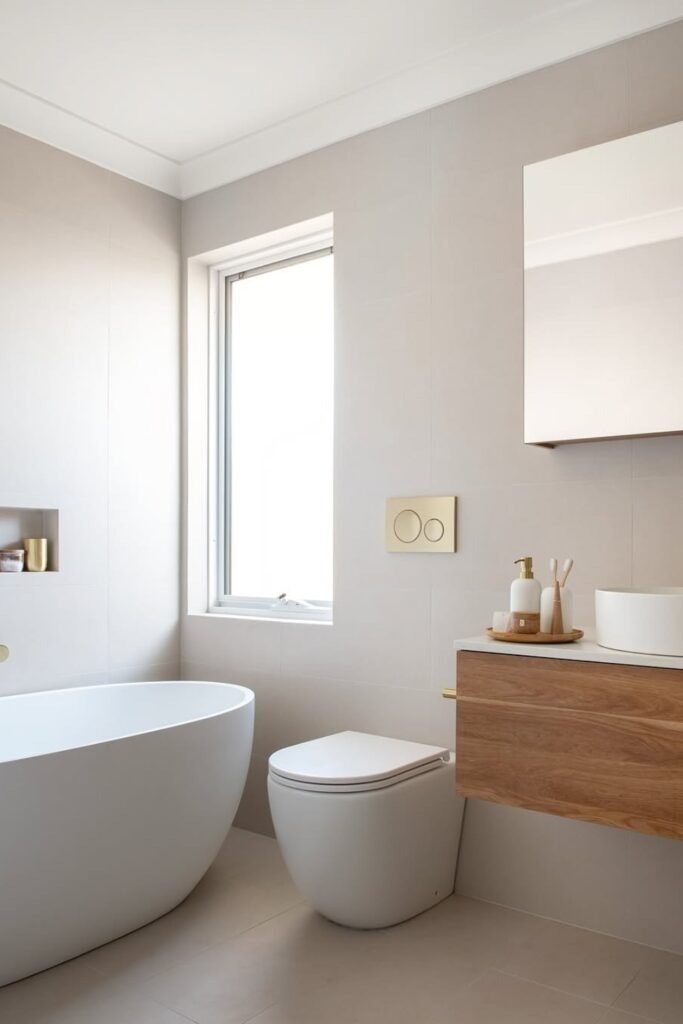
A Japandi bathroom begins with structure. Clean lines help the eye move through the space without stopping. This creates a sense of order, even in small bathrooms. Fixtures with simple edges make the room feel calm instead of busy. A sink with straight sides, a tub with smooth curves, or a vanity without extra trim all support this feeling.
Simple shapes also help the room feel larger. When details are reduced, the space opens up. This is especially helpful in bathrooms where every inch matters. Clean lines also make daily use easier. There are fewer edges to clean and fewer places for dust or water to collect. Over time, this makes the bathroom easier to maintain, which is a big part of Japandi function.
2. Neutral Colors That Promote Calmness

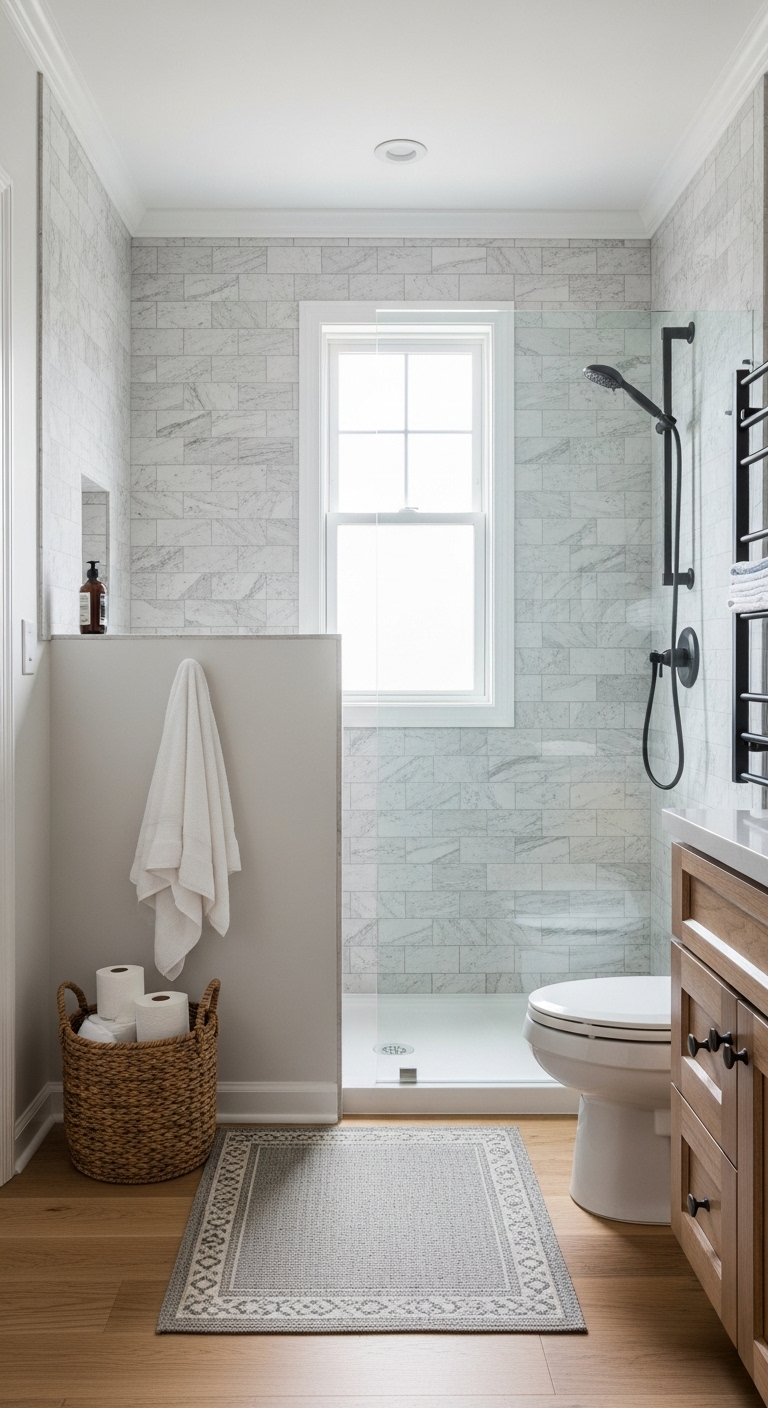
Color sets the tone of a Japandi bathroom. Soft, neutral shades help the space feel quiet and grounded. Light beige, warm white, soft gray, and gentle stone tones work well because they reflect light without feeling harsh. These colors do not compete with each other. They blend together and let the room breathe.
Darker tones can be used in small amounts. A dark faucet, mirror frame, or towel hook can add contrast without breaking the calm. The key is balance. Too much dark can feel heavy, while too much white can feel cold. Japandi finds the middle ground. When colors stay soft, the bathroom feels welcoming every day, not just when it is perfectly clean.
3. Use Natural Wood Wisely

Wood brings warmth into a Japandi bathroom. It softens hard surfaces like tile and stone. Scandinavian design often uses lighter wood, while Japanese design may use deeper tones. Mixing these gently can create balance. A wooden vanity, shelf, or stool adds comfort without clutter.
Wood should always be treated properly for bathroom use. Sealed finishes protect it from moisture and help it last longer. Matte finishes work best because they feel natural and calm. Wood should never feel shiny or plastic. When used well, wood makes the bathroom feel lived in and steady, not cold or staged.
4. Let Light Flow Freely

Light changes how a bathroom feels more than almost anything else. Japandi design favors soft, natural light. A window that lets daylight in can instantly lift the space. If privacy is a concern, light curtains or textured glass can help.
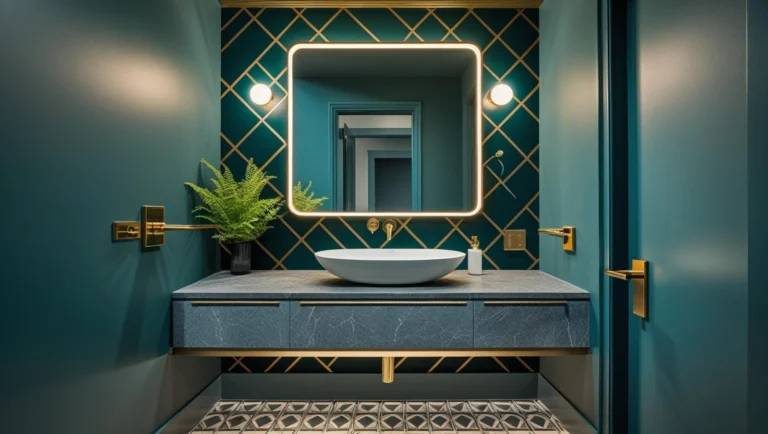
When natural light is limited, artificial light should feel gentle. Wall lights near mirrors, soft ceiling lights, or hidden lighting under shelves can brighten the room without glare. Light should support your routine, not strain your eyes. When light spreads evenly, the bathroom feels open and calm, even early in the morning or late at night.
5. Minimalism in Storage Solutions
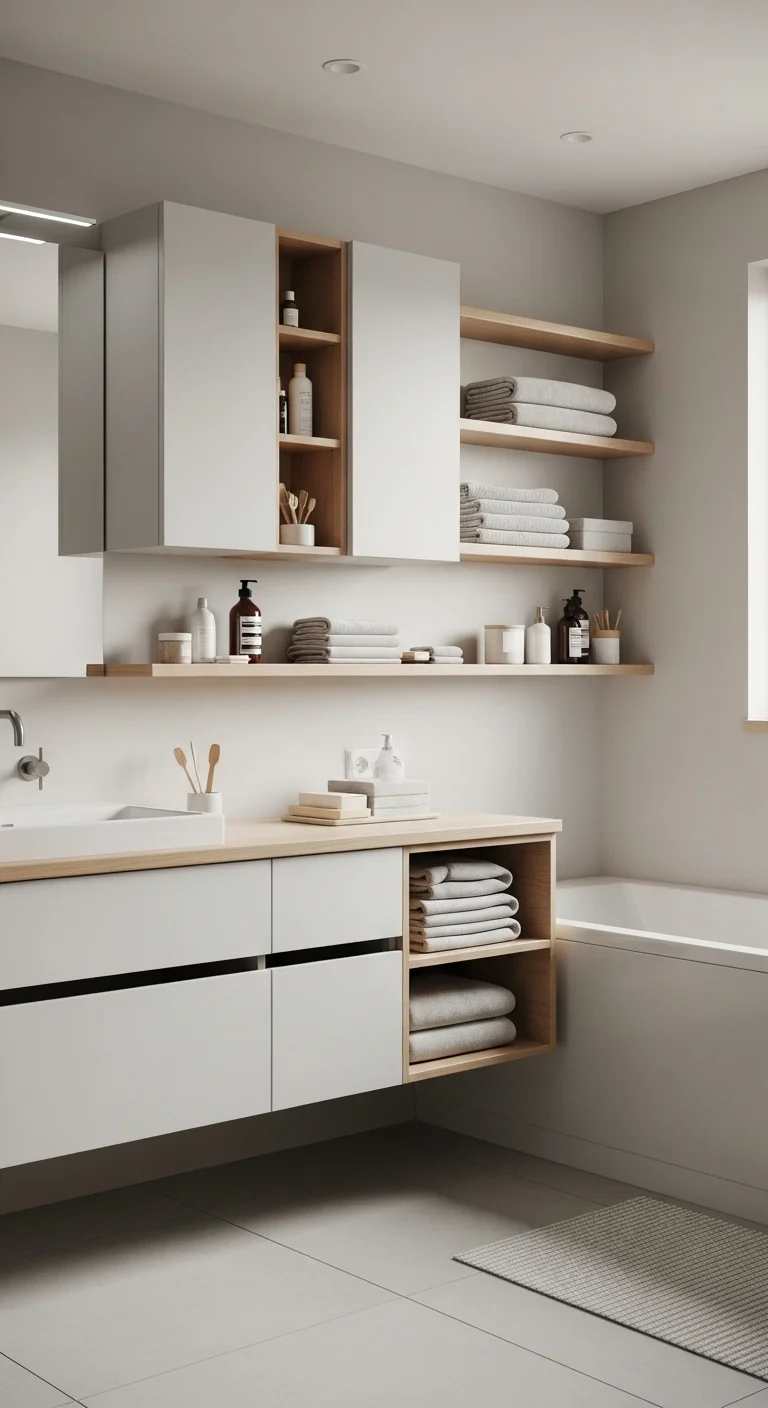
Japandi storage is simple and useful. The goal is to keep what you need close and hide the rest. Floating cabinets, open shelves, or drawers under the sink work well. These options keep the floor clear, which makes the room feel larger.
Too many storage pieces can make the room feel crowded. Japandi design asks you to be selective. Store only what you use often. Keep surfaces clear so the eye can rest. When storage is planned well, the bathroom stays tidy with less effort. This supports both calm and function in daily life.
6. Integrate Natural Textures

Texture adds depth without adding clutter. In a Japandi bathroom, textures come from natural materials. Stone sinks, cotton towels, linen curtains, or woven mats all bring subtle variation. These materials feel good to touch and look honest.
Texture keeps neutral spaces from feeling flat. When light hits a stone surface or soft fabric, it adds quiet interest. The key is restraint. One or two textures in each area are enough. This keeps the room balanced and calm while still feeling warm and real.
7. Balance Between Open Space and Function
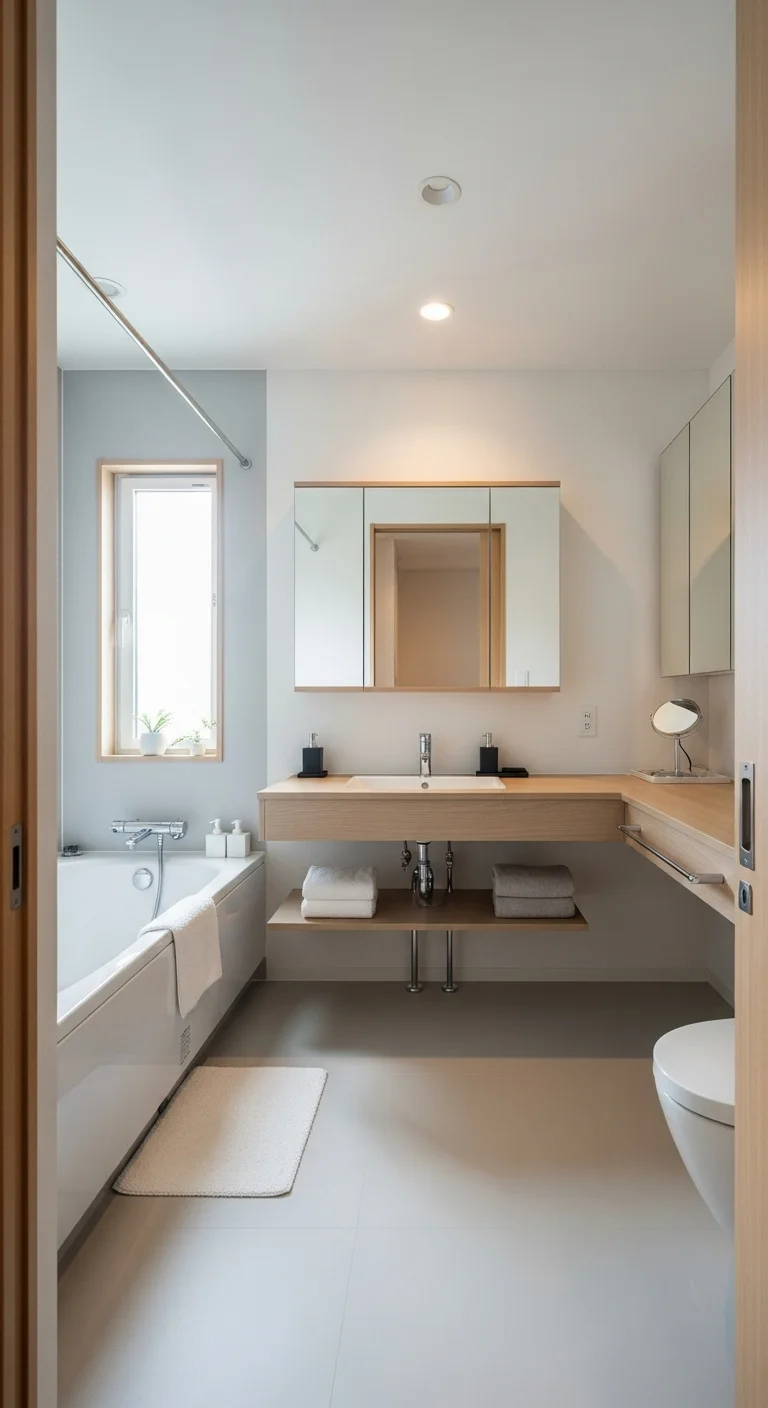
Open space is a core part of Japandi design. Each element should have room around it. This does not mean the bathroom feels empty. It means the layout feels thoughtful. The sink should not feel crowded. The tub should have space around it. Walkways should stay clear.
Good balance comes from planning. Think about how you move through the space. Can you open drawers easily? Can you step out of the shower without bumping into something? When movement feels easy, the bathroom feels calm. This flow supports daily use and reduces stress without you even noticing.
8. Subtle Japanese Influence

Japanese design values natural imperfection and quiet beauty. In a Japandi bathroom, this might show up in small ways. A handmade ceramic soap dish, a slightly uneven wooden shelf, or a simple plant can bring this influence in gently.
These details should feel natural, not decorative. The goal is not to copy a spa. The goal is to bring mindfulness into the space. Small imperfections remind us to slow down. They make the room feel human and warm rather than overly polished.
9. Scandinavian Functionality
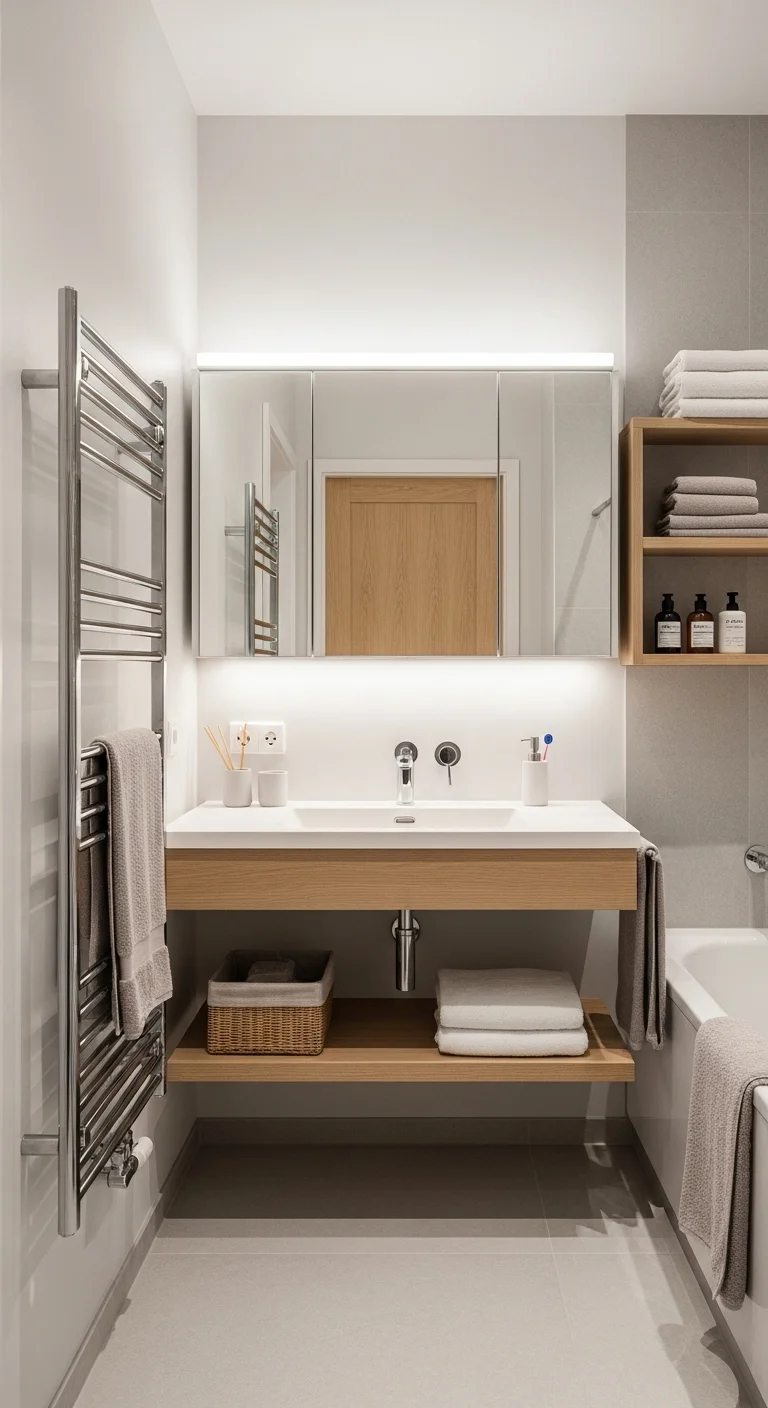
Scandinavian design brings practicality into Japandi bathrooms. Every feature should make daily life easier. Heated floors, towel warmers, or mirrors with built-in lighting are good examples. These features improve comfort without adding visual noise.
Even small details matter. Easy-to-clean surfaces, well-placed hooks, or refillable containers all support function. Scandinavian influence ensures the bathroom works well in real life, not just in photos. When function is strong, the space feels supportive and calm.
10. Greenery for Freshness
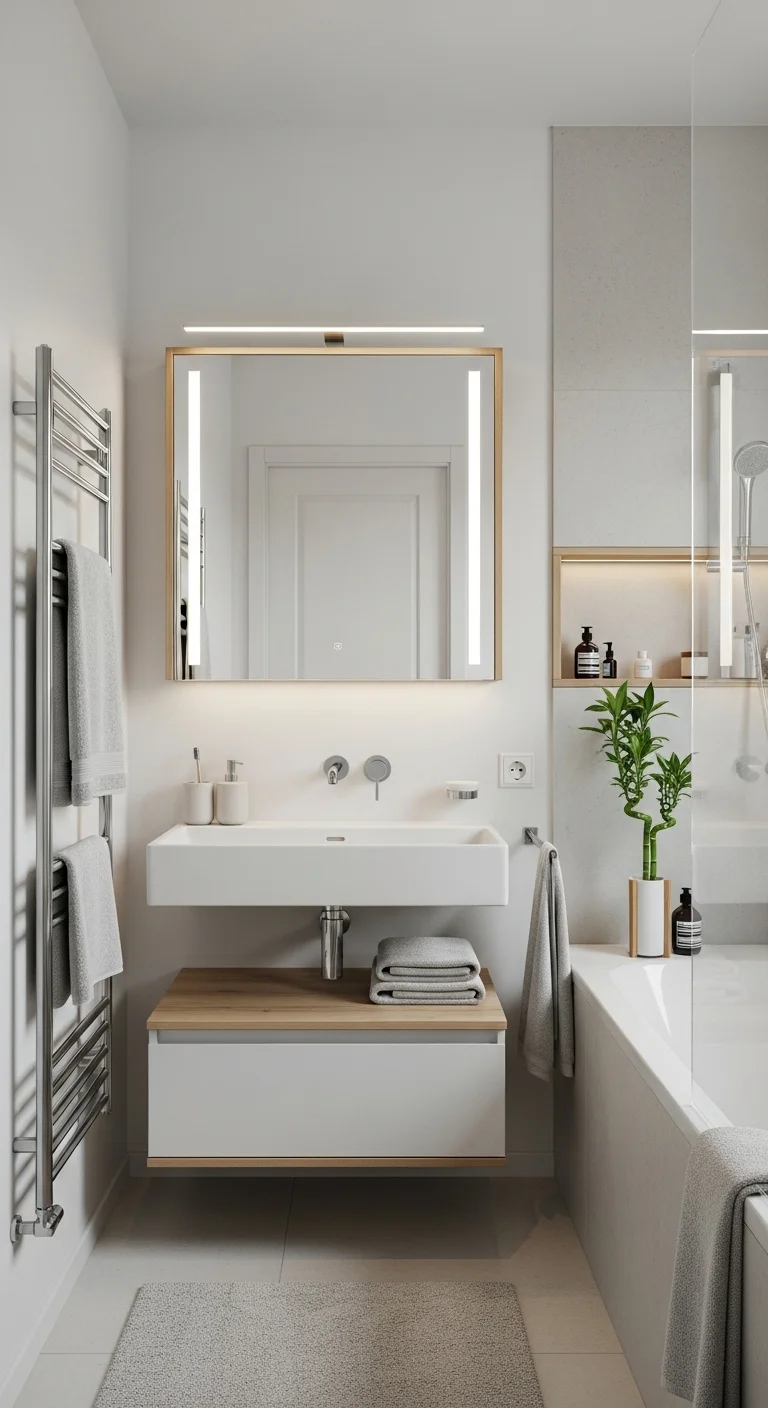
Plants bring life into a Japandi bathroom. They soften the space and connect it to nature. Plants also help with air quality and humidity. Choose varieties that handle moisture and low light well.
Placement matters. A small plant on a shelf or near a window is enough. Pots should stay simple and natural. The greenery should blend into the space, not stand out. When done right, plants make the bathroom feel fresh and balanced every day.
11. Keep the Mindset of Simplicity

Japandi design is not just about looks. It is about how you use the space. Simplicity means choosing fewer items that serve real purposes. It means letting go of clutter and keeping what supports calm.
This mindset helps the bathroom stay peaceful over time. You clean less. You organize less. The space works with you instead of against you. When simplicity guides your choices, even small bathrooms feel open and intentional.
Bringing It All Together
Japandi bathroom design works because it blends calm and function naturally. Every choice supports daily life without adding stress. The materials feel honest. The layout feels clear. The light feels gentle. Together, these elements create a space where routines feel easier and more grounded.
This style works in any size bathroom. The key is intention. When you focus on simplicity, balance, and natural materials, the bathroom becomes more than a functional room. It becomes a quiet retreat that supports you every day.
A Japandi bathroom is not about trends. It is about creating a space that lasts. When the design supports calm and function, it stays meaningful for years to come.