10 Cozy Teen Bedroom Designs

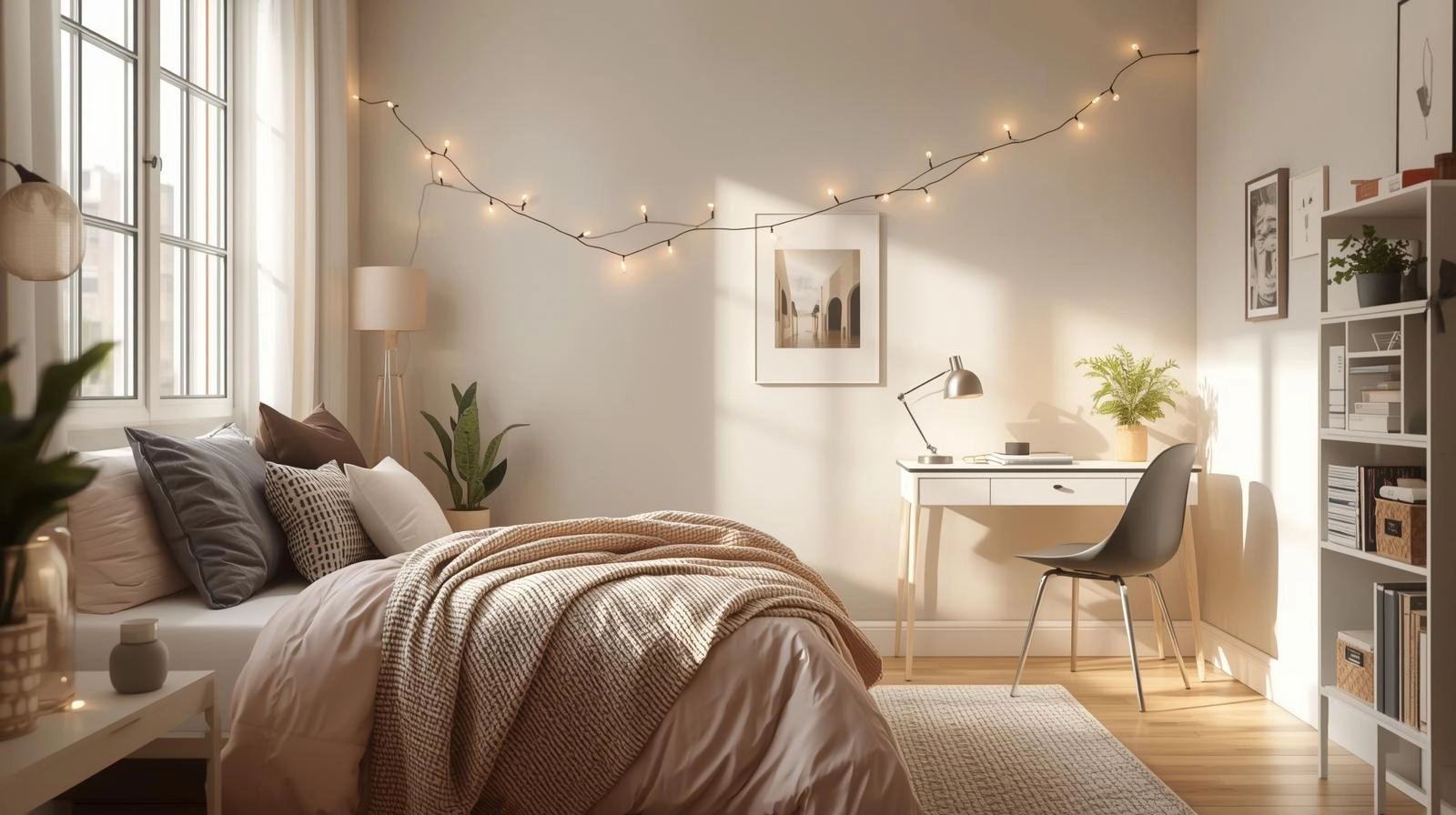
A teen bedroom is not just a place to sleep. It is where a young person learns who they are. It is where homework happens, music plays, thoughts unwind, and quiet moments feel safe. After more than twenty years of working with families, I have learned that a cozy teen bedroom does not come from trends or expensive decor. It comes from smart choices that support real life.
A cozy room helps a teen feel calm after long school days. It helps them focus when work needs to get done. It also gives them a place where they feel understood and comfortable being themselves. This guide walks through practical ways to create that feeling without overdoing the design or making the space hard to maintain.
Everything shared here works for both small and large rooms. These ideas are meant to grow with your teen, not fight against change.
1. Creating Warmth with Soft Layers
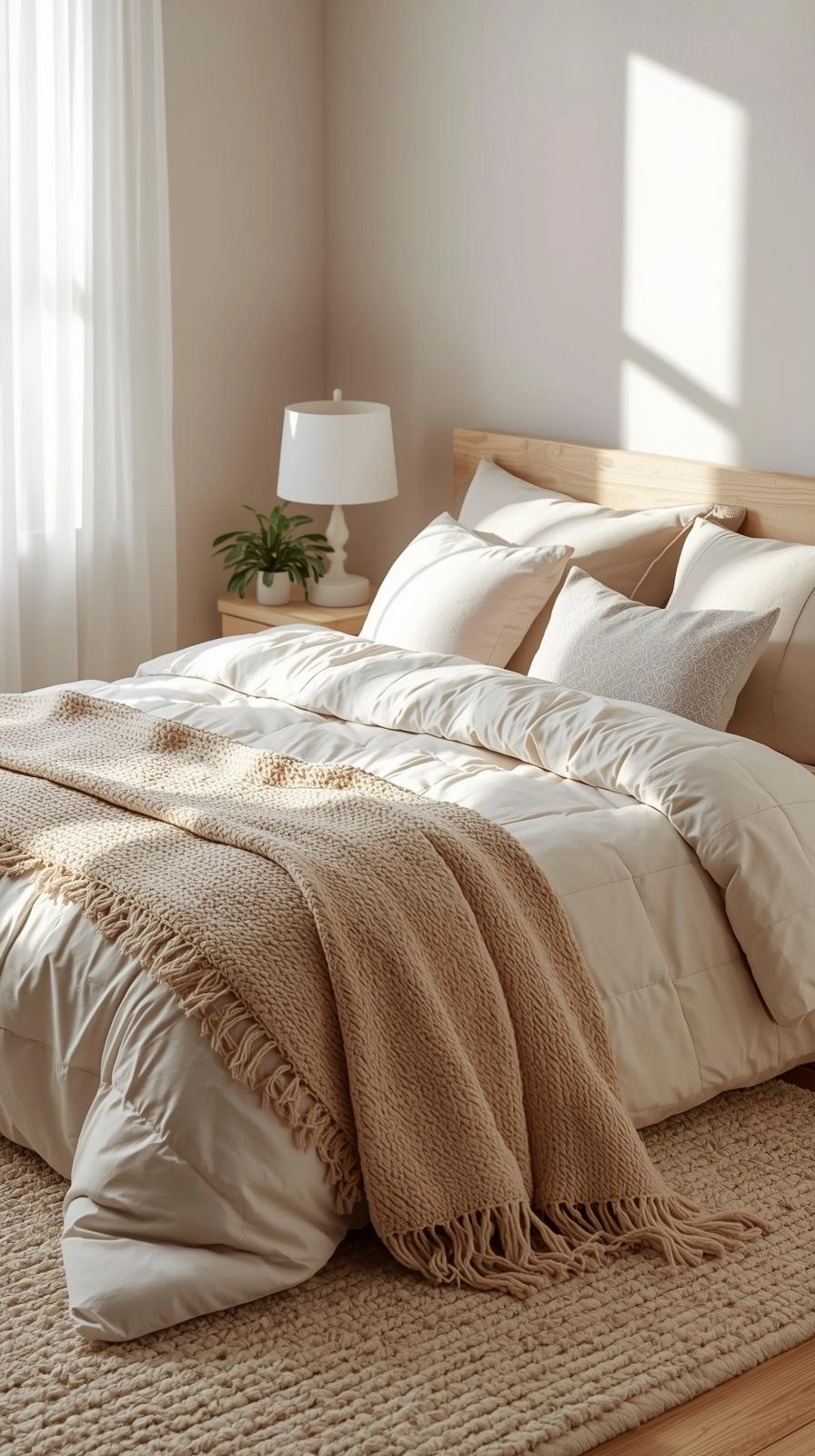
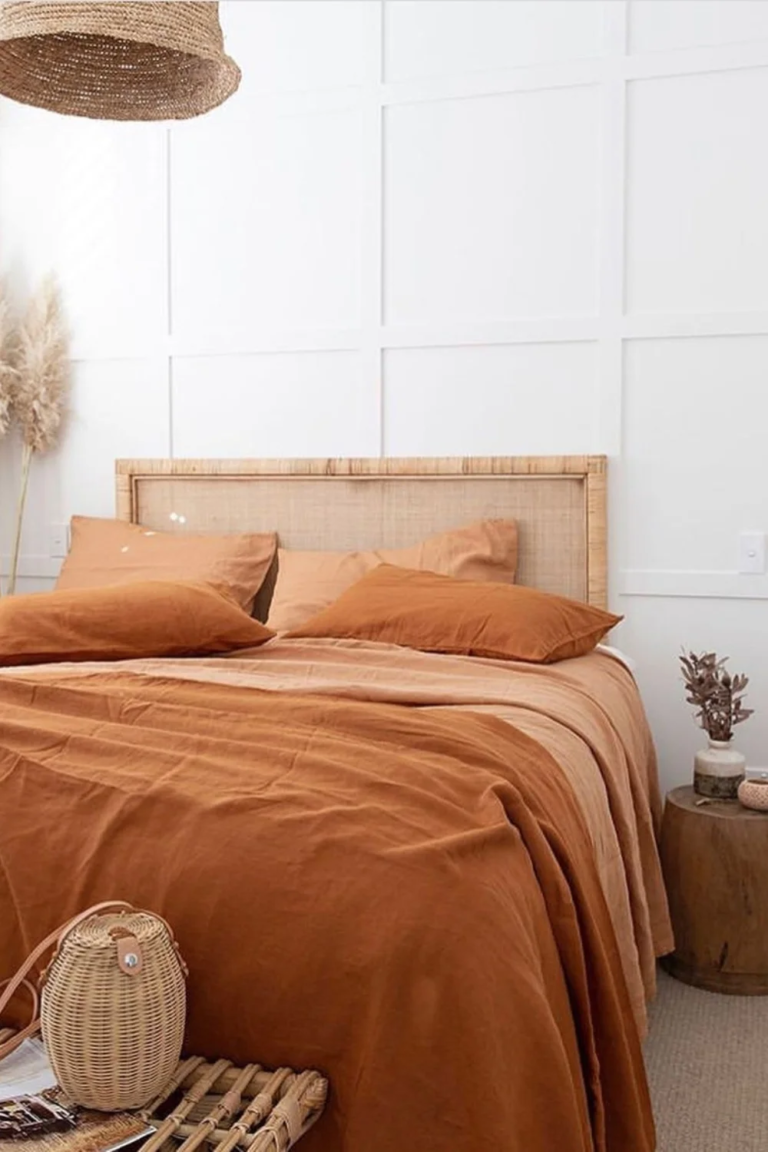
Soft layers are the foundation of a cozy teen bedroom. Teens spend more time on their beds than most adults realize. They study there, relax there, talk with friends, and rest between busy days. When the bed feels soft and welcoming, the whole room feels better. Layers add comfort without taking up extra space.
The key is to layer with purpose. One main comforter or duvet gives structure. A lighter blanket folded at the foot of the bed adds warmth when needed. A few pillows give support during reading or phone time. Too many pillows can feel annoying, so balance matters. Textures like cotton, knit, or fleece feel good without being heavy.
Soft layers also allow the room to change over time. Teens can switch a blanket color, add a new pillow, or remove layers during warmer months. This keeps the bedroom feeling fresh without a full redesign. Comfort should always come before decoration, and soft layers deliver both.
2. Using Lighting to Shape the Mood

Lighting affects how a teen bedroom feels more than most people realize. Bright overhead lights are useful but rarely cozy. A room with only one strong light often feels flat and cold. Adding layered lighting makes the room feel softer and more inviting.
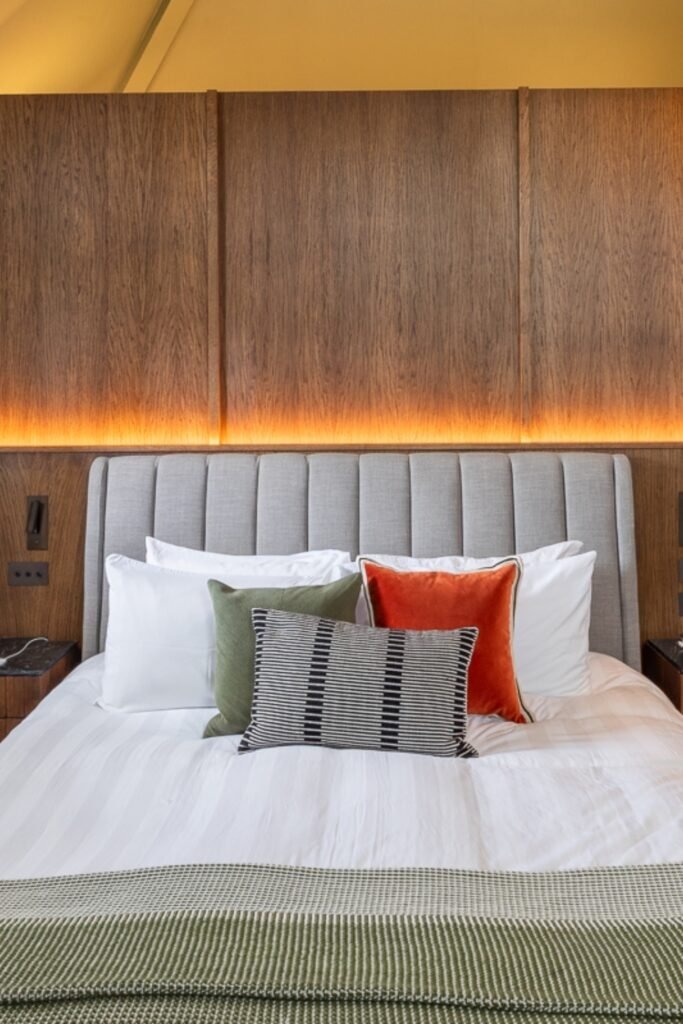
Small table lamps, floor lamps, or wall lights help spread light gently around the room. Warm bulbs reduce harsh glare and make evenings feel calmer. Lighting near the bed helps with reading, while softer lights near seating areas support relaxation. Teens also benefit from lights that can be turned on and off easily without leaving bed.
Decorative lighting adds personality without clutter. String lights around a mirror or headboard create a soft glow. LED strips under shelves or beds add interest without taking up space. The goal is not brightness but comfort. Good lighting helps teens unwind at night and feel focused during homework time.
3. Bringing Calm with Neutral Tones
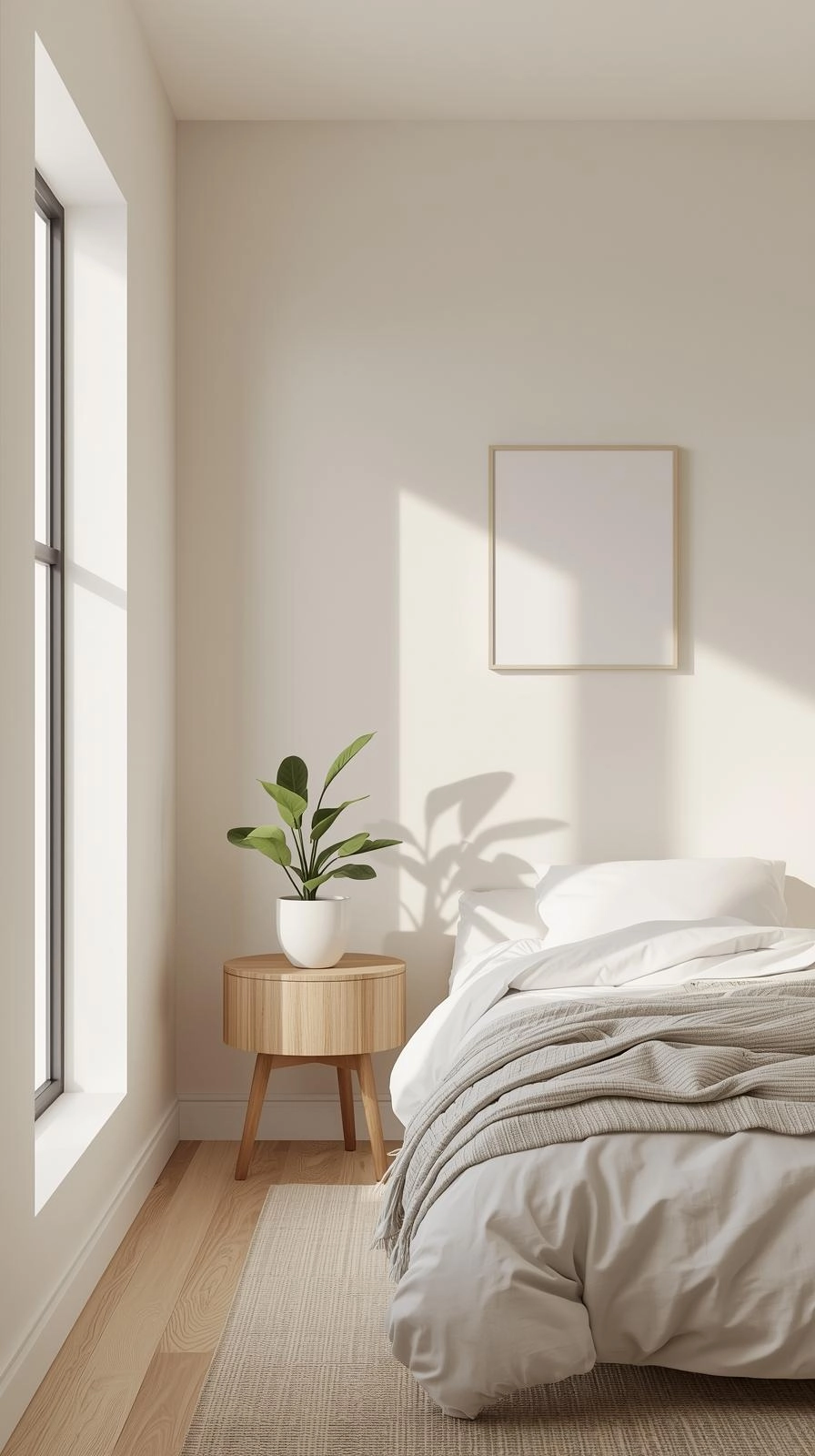
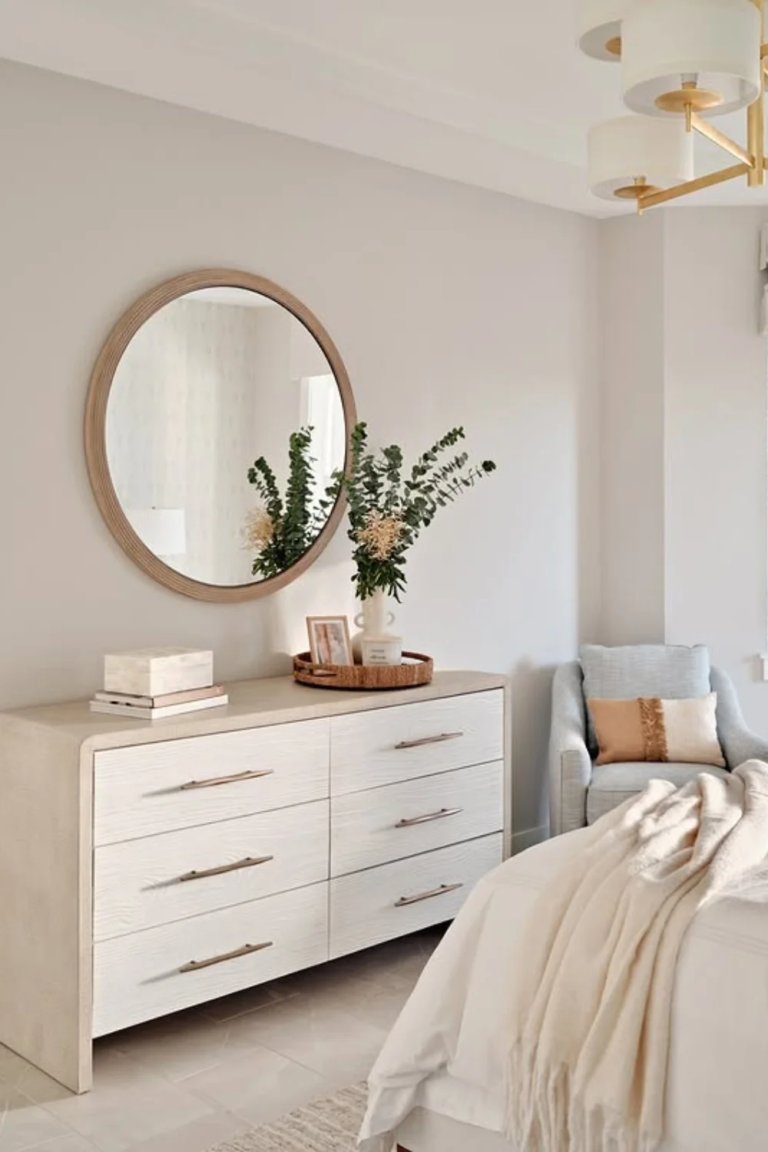
Color sets the tone of a bedroom. While bold colors can be fun, too many strong tones often make a space feel busy and tiring. Neutral colors create a calm base that helps the room feel balanced and restful. Shades like white, cream, beige, and light gray work well in teen bedrooms because they reflect light and keep the space open.
Neutral walls do not mean boring rooms. They allow teens to express themselves through bedding, artwork, and small decor items. When tastes change, those items are easier to replace than wall color. This makes neutral tones practical for long-term use.
A calm color base also supports better sleep. Softer tones help the brain relax at night. When paired with cozy textures and warm lighting, neutral colors create a space that feels peaceful without feeling plain.
4. Adding Personality Through Wall Decor
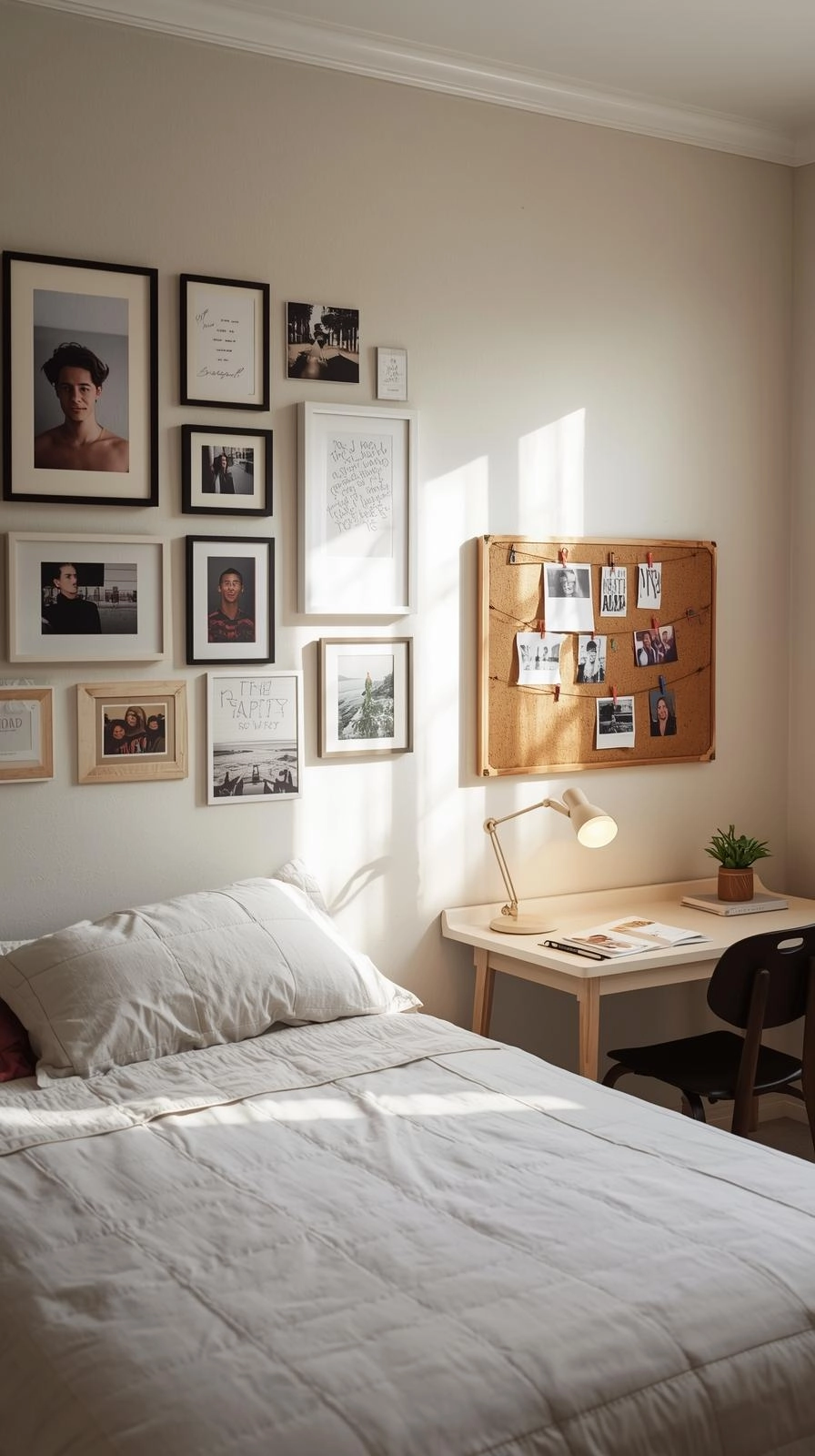
Wall decor gives teens a chance to make their room feel personal. Blank walls can feel empty, while overly filled walls can feel overwhelming. Finding balance helps the bedroom feel cozy and lived-in.
Photos, posters, art prints, and small shelves allow teens to show what matters to them. These items do not need to be expensive. Printed photos, postcards, or simple frames work well. Removable wall options are helpful because tastes change quickly during teen years.
Wall decor should support comfort, not distraction. Keeping designs simple and spacing items out helps the room feel calm. A bedroom should reflect who the teen is while still being a place where they can relax and rest.
5. Making Space for Study Corners
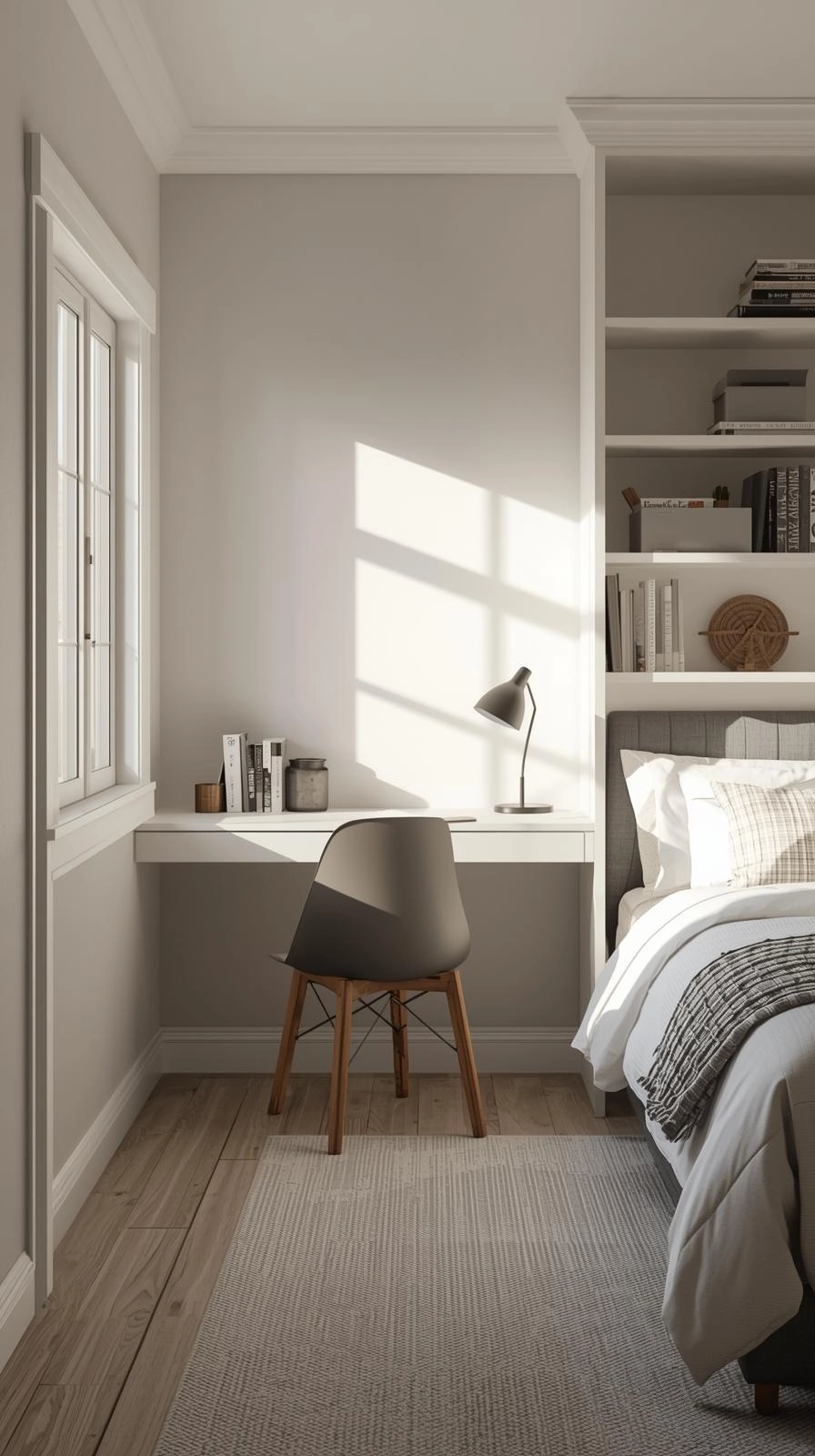
Most teens use their bedrooms for schoolwork, so creating a study area matters. A desk does not need to be large to be useful. It just needs enough space for books, a laptop, and a lamp. When the study area feels organized, it is easier to focus.
Keeping the study corner separate from the bed helps the brain shift between work and rest. Even a small visual difference, like a desk lamp or rug, helps define the space. Storage nearby prevents clutter from spreading across the room.
A cozy study area does not feel stiff or formal. A comfortable chair, soft lighting, and personal touches make it easier for teens to sit and work. When the study space feels good, teens are more likely to use it.
6. Choosing Furniture That Fits the Room

Furniture size plays a big role in how cozy a teen bedroom feels. Oversized furniture can make a room feel crowded, while furniture that fits the space keeps it open and easy to move around in. Choosing the right scale makes the room feel balanced.
Beds should fit the room without blocking walkways. Desks and dressers should leave enough open floor space. When furniture fits well, the room feels calmer and easier to live in. Teens need room to move, stretch, and relax.
Furniture with built-in storage helps keep things organized. Beds with drawers or desks with shelves reduce the need for extra pieces. This keeps the room from feeling stuffed while still meeting daily needs.
7. Using Rugs for Comfort Underfoot
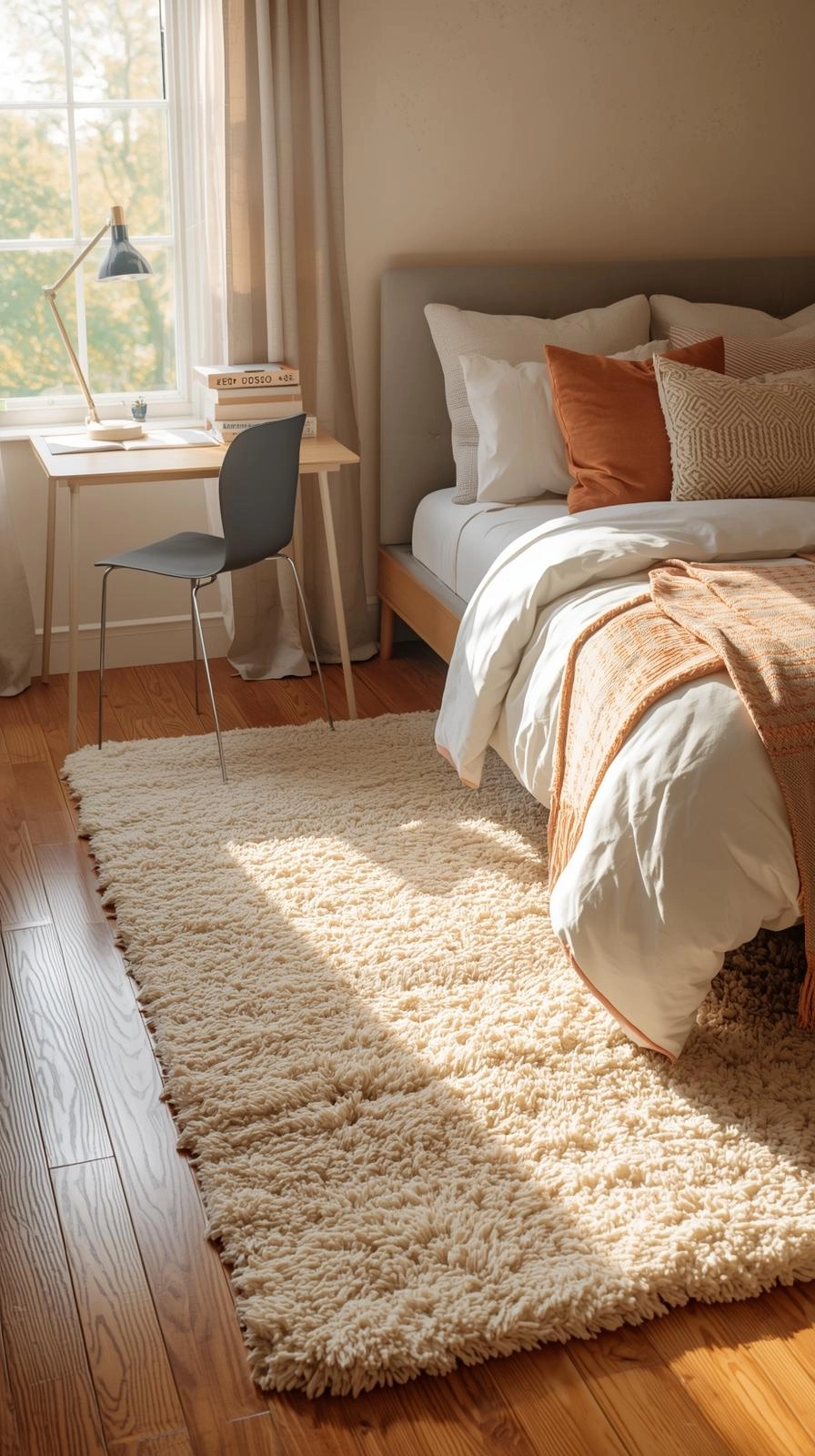
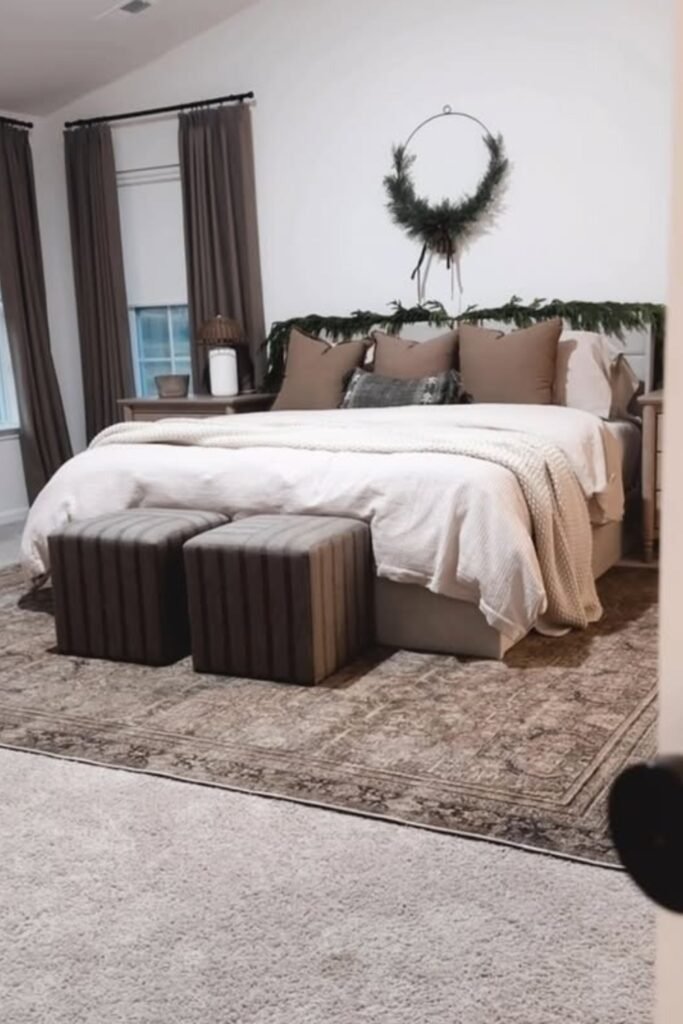
Rugs bring warmth to teen bedrooms, especially those with hard floors. Stepping onto a soft rug in the morning makes the room feel more comfortable right away. Rugs also help define different areas within the room.
A rug near the bed adds comfort where it is most needed. A smaller rug near the desk separates the study area visually. Rugs also help soften sound, which is helpful in busy households.
Choosing easy-to-clean rugs makes life simpler. Neutral or lightly patterned rugs hide wear and blend well with different styles. A good rug adds comfort without adding clutter.
8. Keeping Clutter Out of Sight
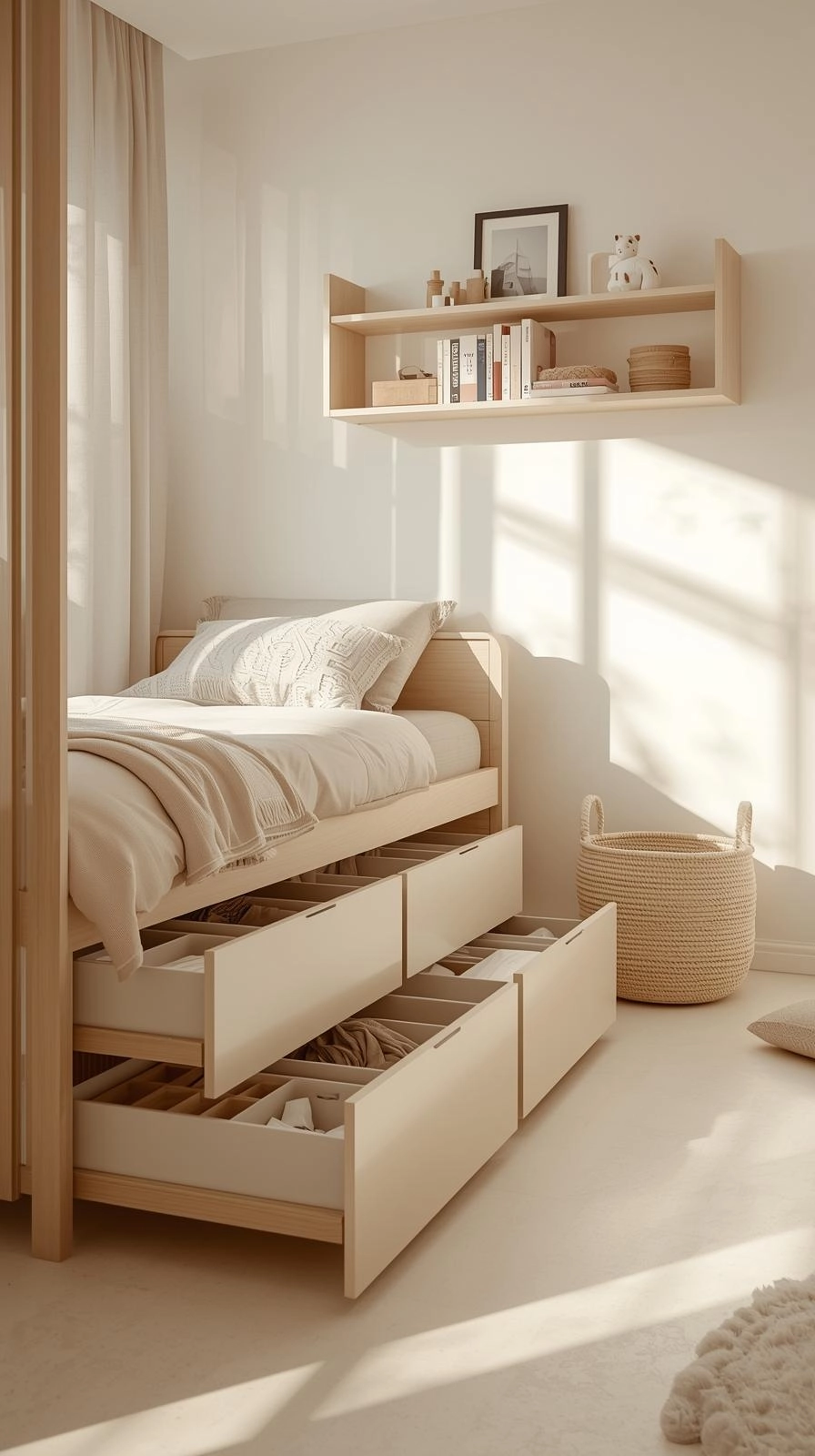
Clutter can quickly make a bedroom feel stressful. Teens often have many belongings, so smart storage helps maintain calm. When items have a place, it is easier to keep the room comfortable.
Under-bed storage works well for clothes, shoes, or extra blankets. Baskets help organize items that are used often. Shelves keep books and decor off the floor. Storage does not need to be hidden completely, but it should feel intentional.
A cozy bedroom feels open and breathable. Reducing visible clutter helps the space feel larger and more peaceful. Storage supports comfort by making daily life easier.
9. Mixing Old and New Pieces

A cozy teen bedroom feels personal, not staged. Mixing older items with newer ones adds warmth and history. A desk passed down from family or a favorite chair from childhood adds meaning to the space.
New items keep the room feeling current, while older pieces add character. This mix creates balance. Everything does not need to match perfectly. What matters is that the room feels real and lived in.
Allowing teens to keep meaningful items helps them feel connected to their space. A bedroom should support memories while making room for growth.
10. Creating a Spot for Relaxing Activities
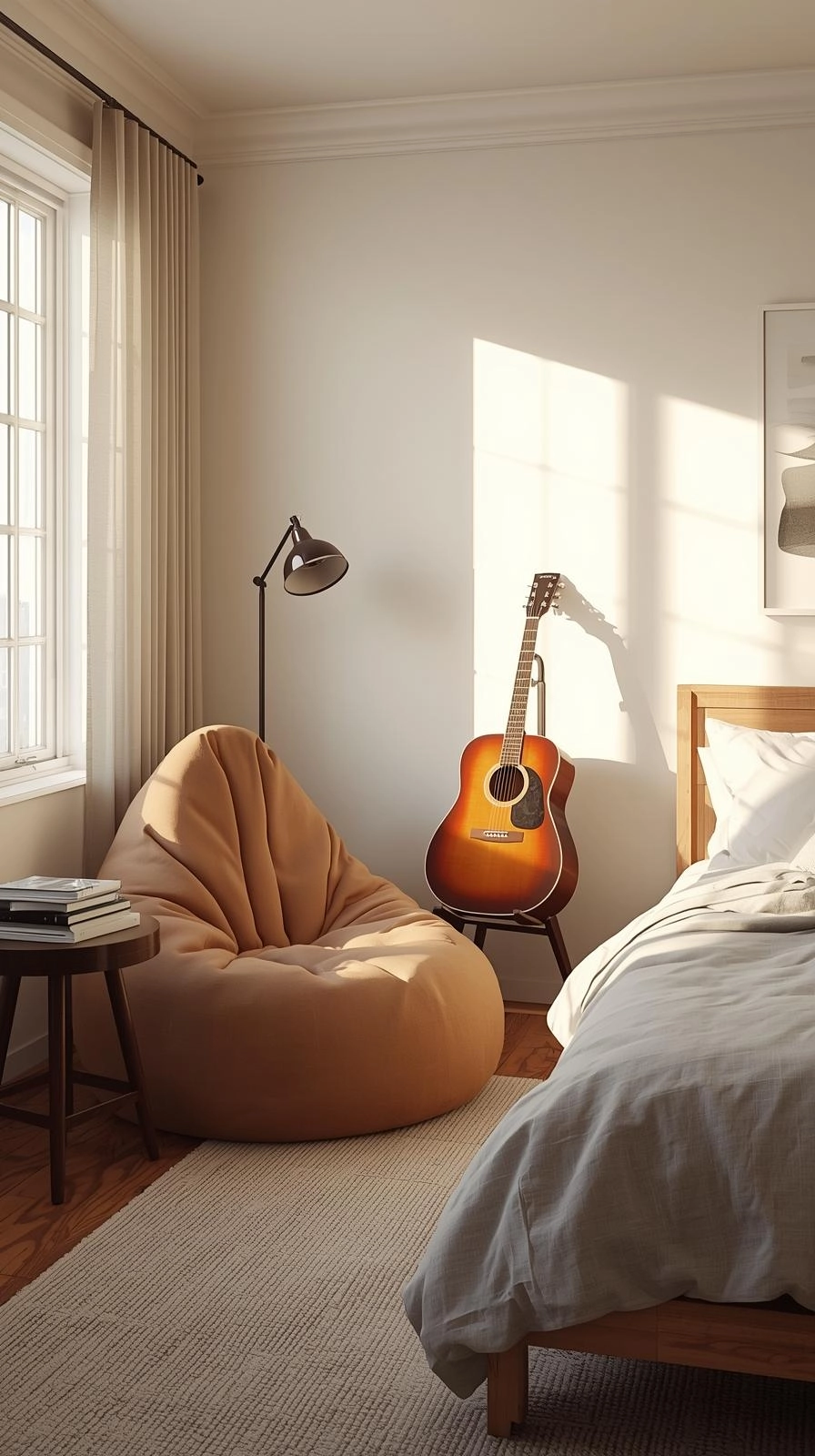
A cozy teen bedroom should support more than sleep and study. Teens need a place to relax, unwind, and enjoy their interests. Even a small corner can become a personal retreat.
This space might include a chair for reading, a corner for art, or a place to listen to music. It does not need much furniture. Comfort and intention matter more than size.
Giving teens a space just for themselves builds ownership and pride in their room. When a bedroom supports rest, focus, and fun, it becomes a true personal space.
Final Thoughts
A cozy teen bedroom is built through thoughtful choices, not trends. Comfort comes first, followed by function and personal style. Soft layers, warm lighting, calm colors, and smart storage all work together to create balance.
The best teen bedrooms grow with the person using them. They allow change without stress and support daily life with ease. When a bedroom feels calm and welcoming, teens feel more at home in their space.
Designing with care creates more than a nice room. It creates a place where teens can rest, grow, and feel comfortable being themselves.