10 Aesthetic College Dorm Room Decor Ideas

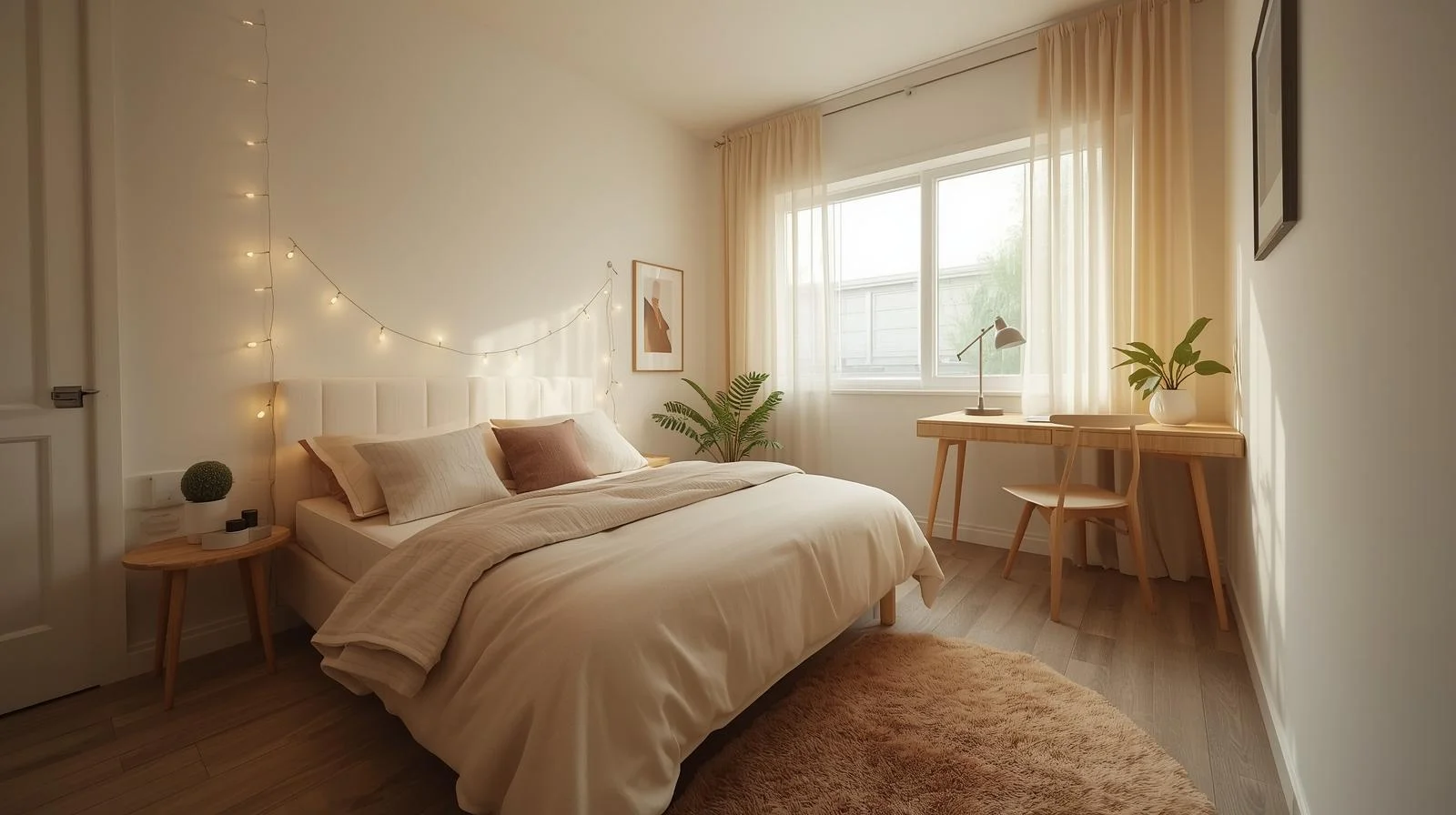
Moving into a dorm is exciting, yet it can feel plain at first. Walls are usually white, furniture looks identical, and the space is small. That doesn’t mean it has to stay that way. With smart choices, a dorm can feel warm, personal, and functional. The goal isn’t filling every inch, but creating a room that feels like home.
Having worked with student housing and small-space design for more than twenty years, I’ve seen how a few thoughtful decisions transform a dorm. Cozy doesn’t mean cluttered. It means pieces that serve a purpose, offer comfort, and reflect the person living there.
These ten ideas focus on creating a dorm aesthetic that looks good while supporting everyday college life.
1. Soft Lighting That Sets the Mood
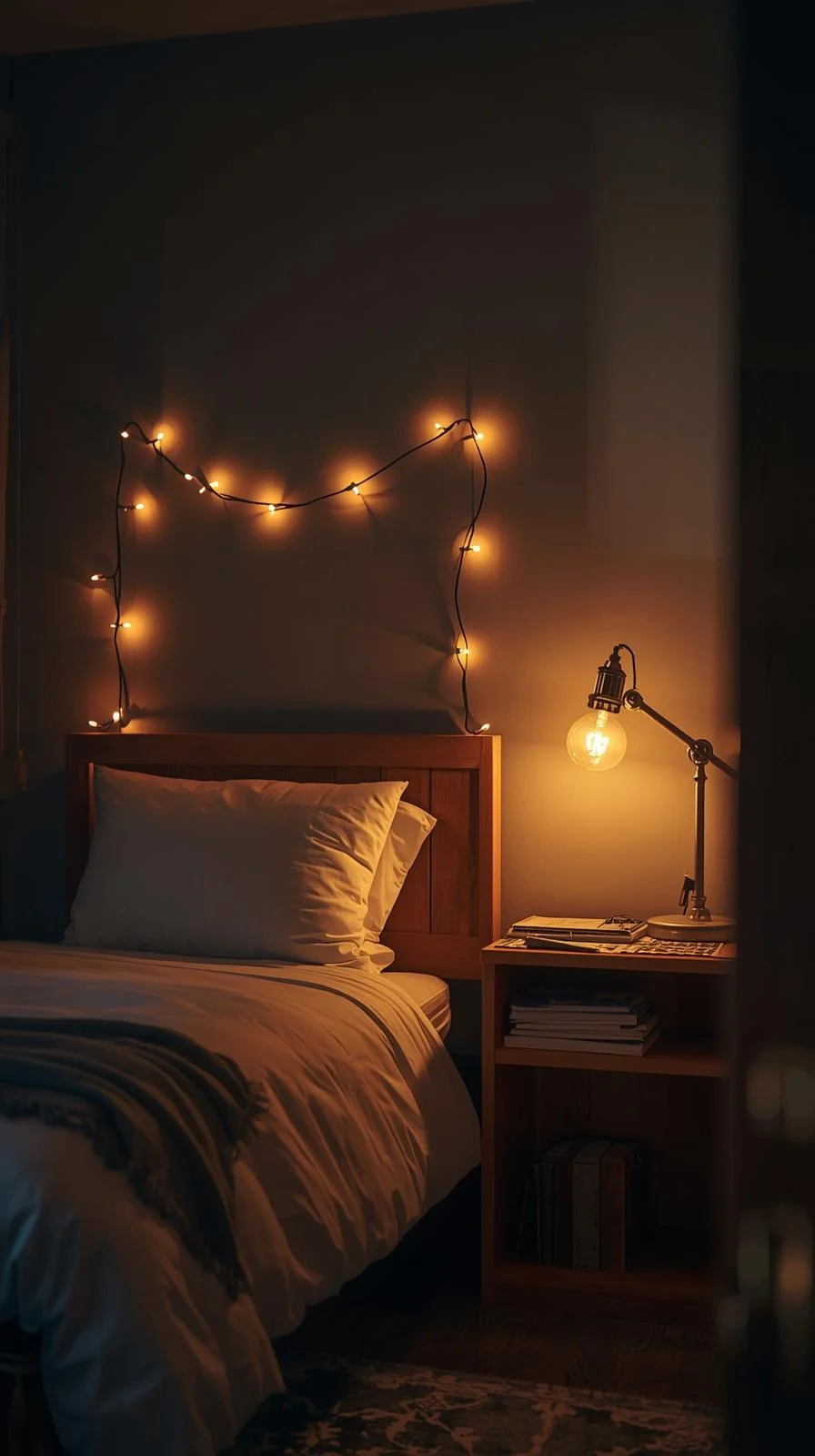
Dorm overhead lights are often bright and harsh, which can make relaxation difficult at night. Softer lighting helps the space feel calm and welcoming. String lights or small lamps with warm tones are an easy fix.
A lamp on the desk or string lights along the wall adds depth and warmth. Clip-on lights near the bed allow reading without lighting the whole room. Layering light sources makes the space flexible: bright for study, soft for rest.
Lighting isn’t only practical—it creates feeling. Warm light instantly makes a plain dorm room feel personal.
2. Bedding That Ties the Room Together
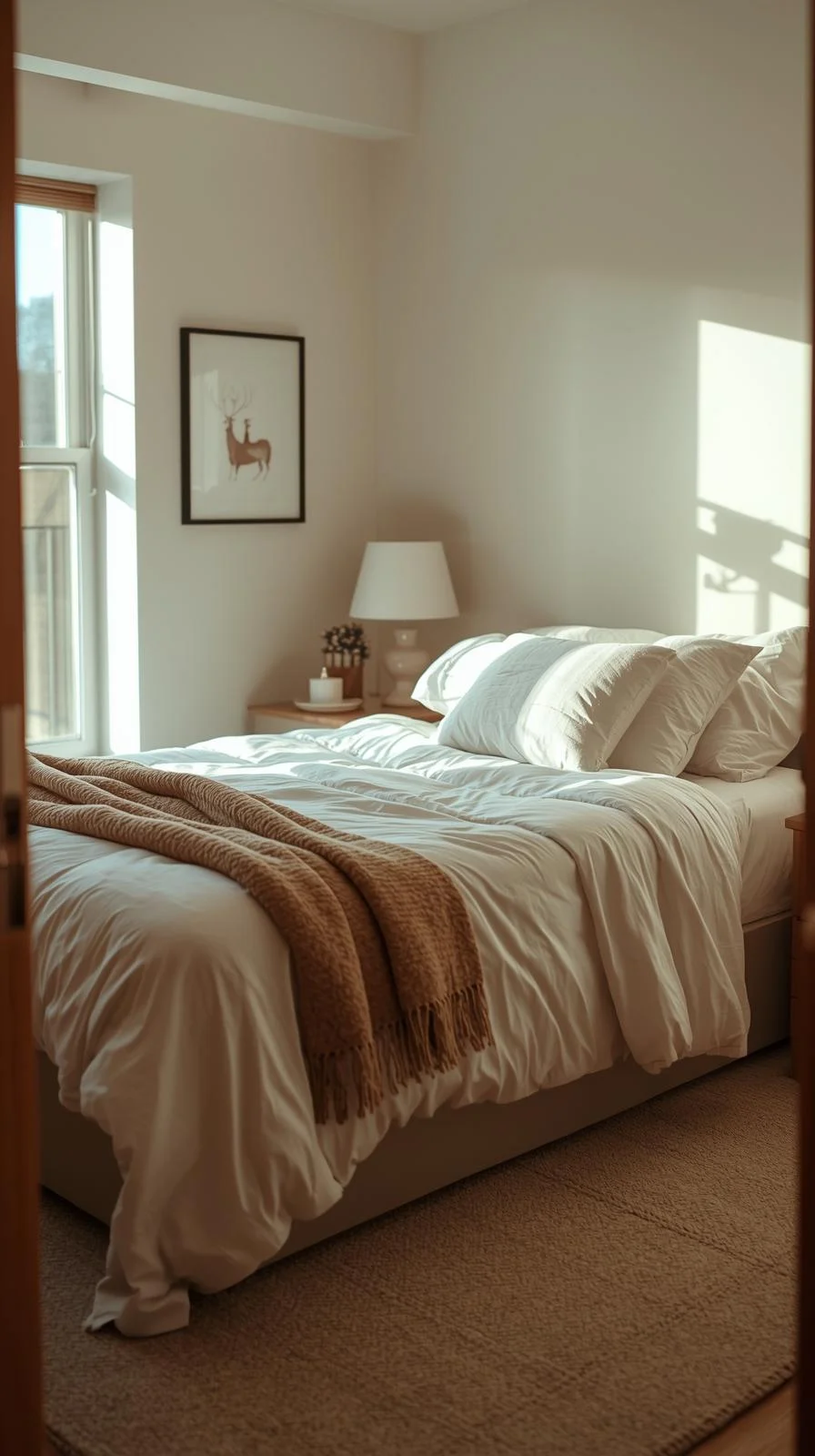
The bed is often the largest furniture piece, anchoring the room’s design. Bedding in calming colors can set the tone. Patterns work if they aren’t overwhelming, keeping the space balanced.
Adding a throw or a few pillows creates a layered look without taking up space. Students often underestimate the impact of bedding; a cozy bed at night changes how you feel about the room.
Practicality matters too. Easy-to-wash sheets and covers save time while still looking stylish. Aesthetic and function go hand in hand.
3. Wall Decor That Feels Personal
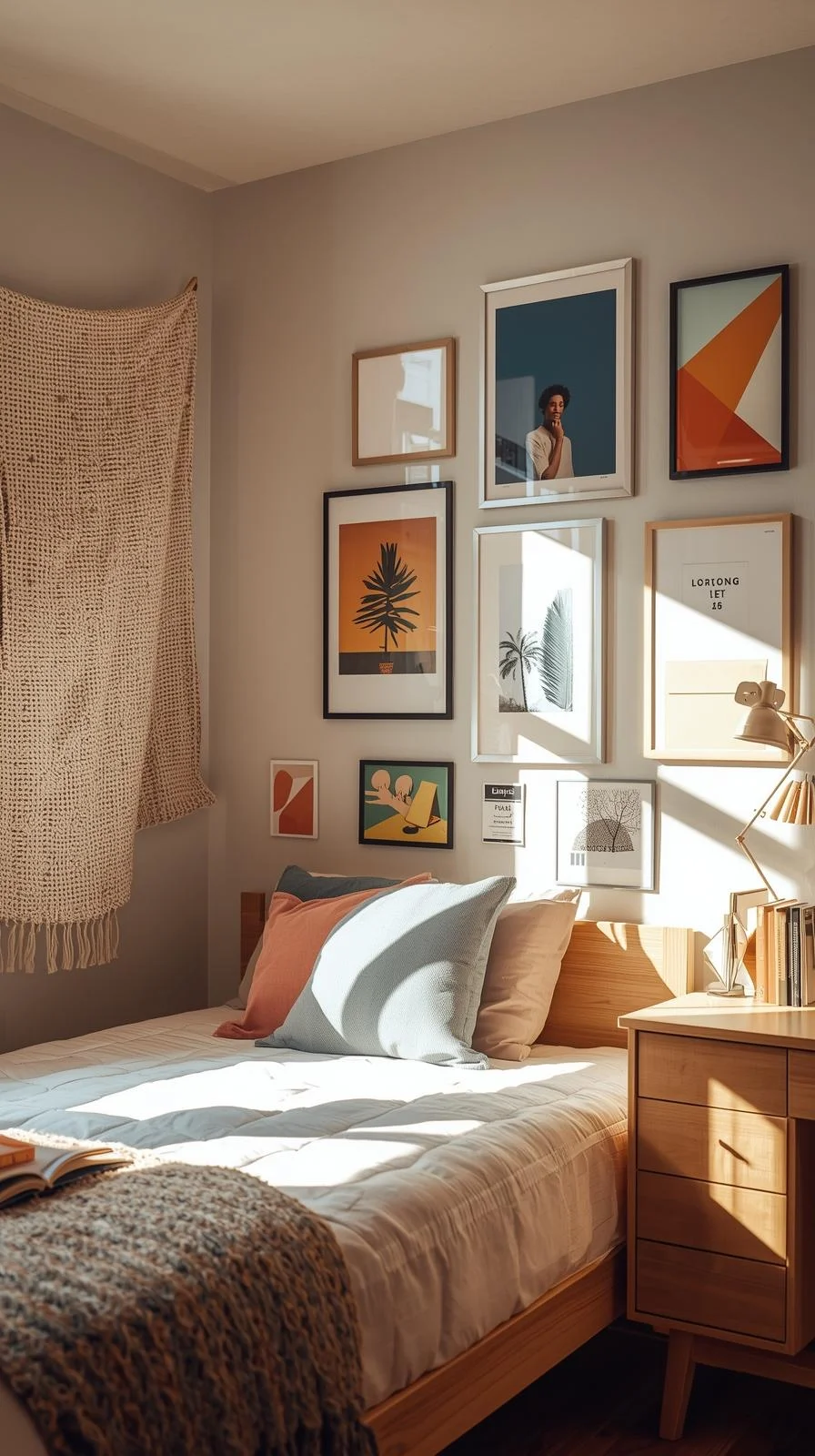
Dorm walls are usually blank, so adding decor quickly personalizes the space. Posters, framed prints, or fabric tapestries add color and texture without using floor space. The trick is moderation—a few well-chosen pieces tell a story; too many feel cluttered.
Some students create a gallery wall of friends and family photos, others use art prints or simple line drawings. Removable hooks and strips make hanging easy.
Walls should reflect the person living there, creating a stronger connection to the space.
4. Storage That Doubles as Style
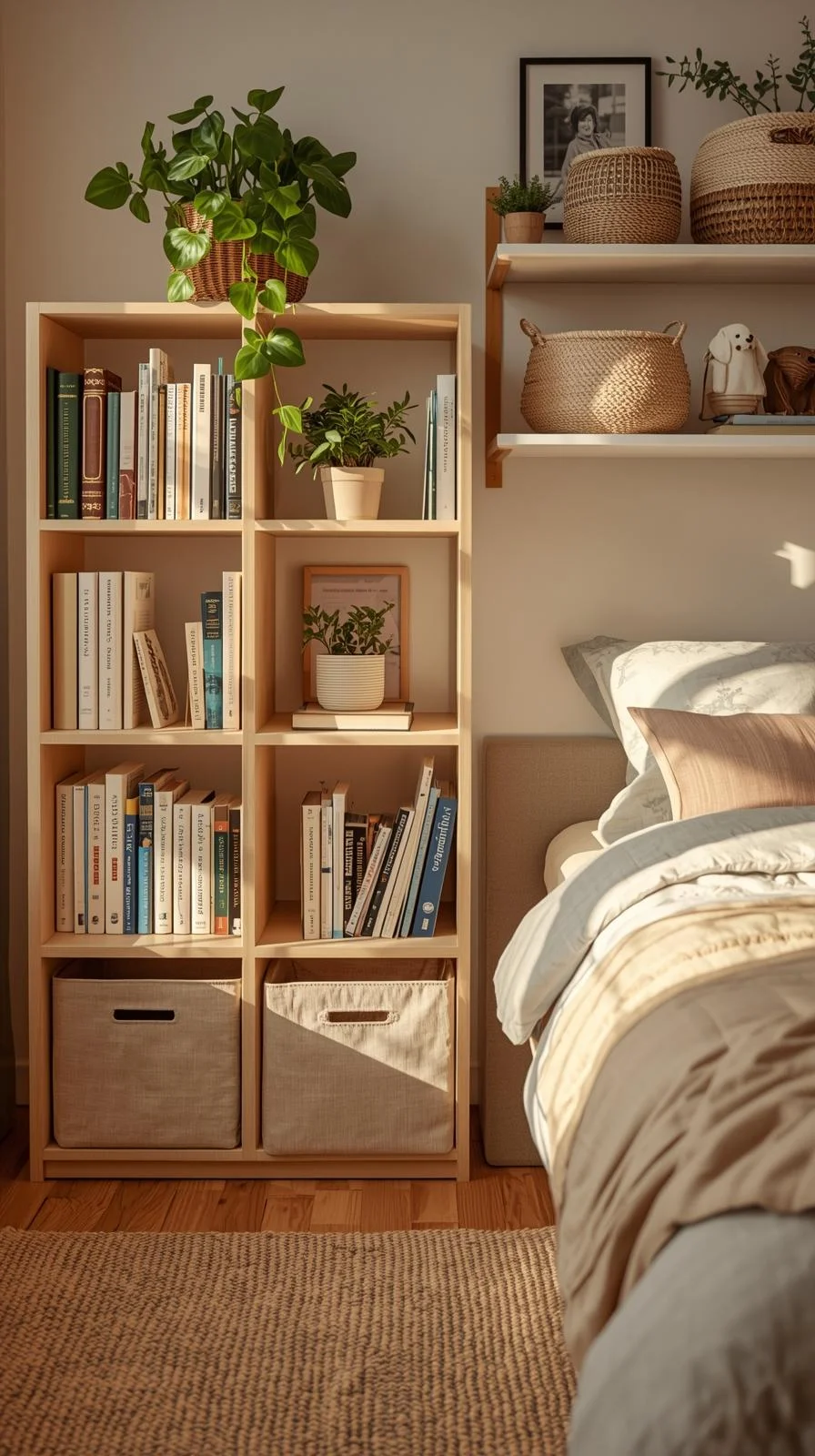
Limited storage means every choice matters. Fabric bins, woven baskets, or under-bed organizers keep items tidy and stylish. Coordinating storage colors with bedding or rugs creates cohesion.
Open shelving holds both books and decor. A small cube shelf mixes storage with display—plants or photos. Balance is key: conceal clutter, but make storage feel intentional.
When storage feels like part of the design, the room looks more polished.
5. Rugs That Add Comfort Underfoot
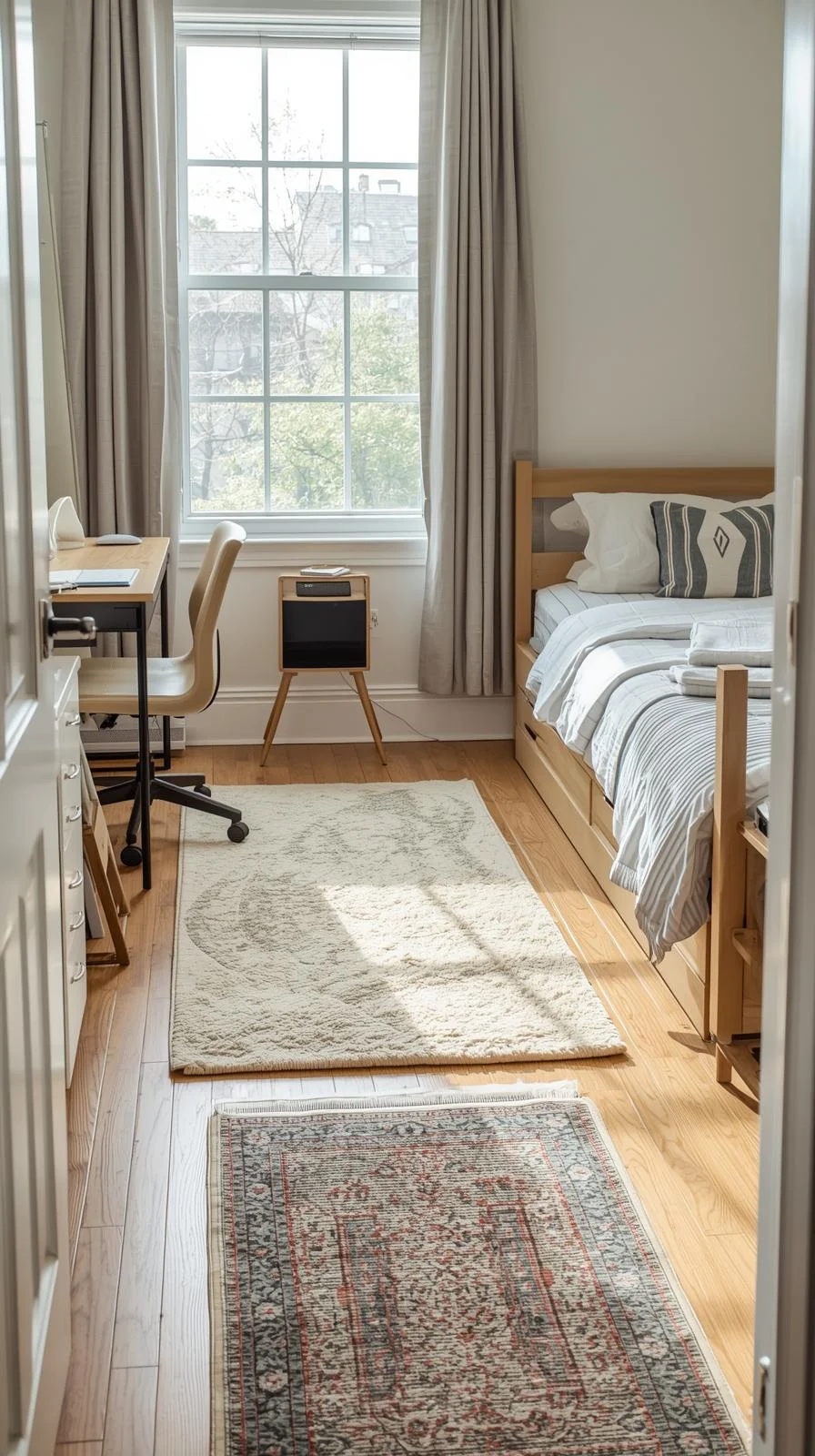
Dorm floors are often hard and cold. Rugs add texture, warmth, and comfort. Even a small rug next to the bed makes a big difference in the morning.
Placement matters more than size. A medium rug under the desk defines a study area. A long runner along the bed works in narrow rooms.
Rugs also tie together colors in the room. A simple floor layer turns bare space into a cohesive aesthetic.
6. Plants That Bring Life Inside
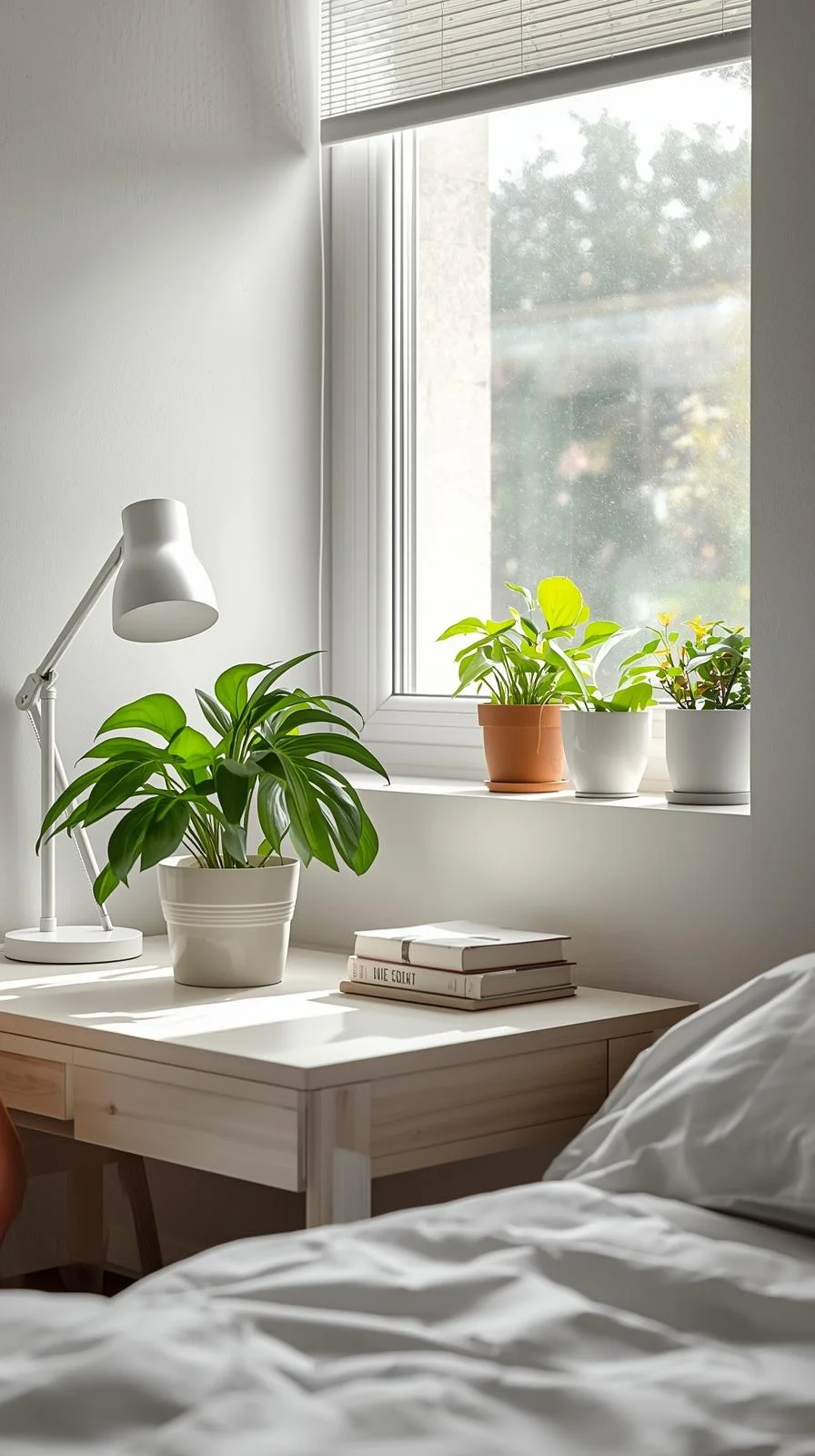
Dorms can feel stuffy or lifeless. Plants change that. Even a few small pots on a windowsill brighten the space. For students who prefer low maintenance, faux plants offer the same visual effect.
Greenery softens the room and connects it to nature. Caring for a plant can become a daily break, adding rhythm to a busy day.
Plants make the space feel alive rather than sterile.
7. Desk Areas That Stay Functional
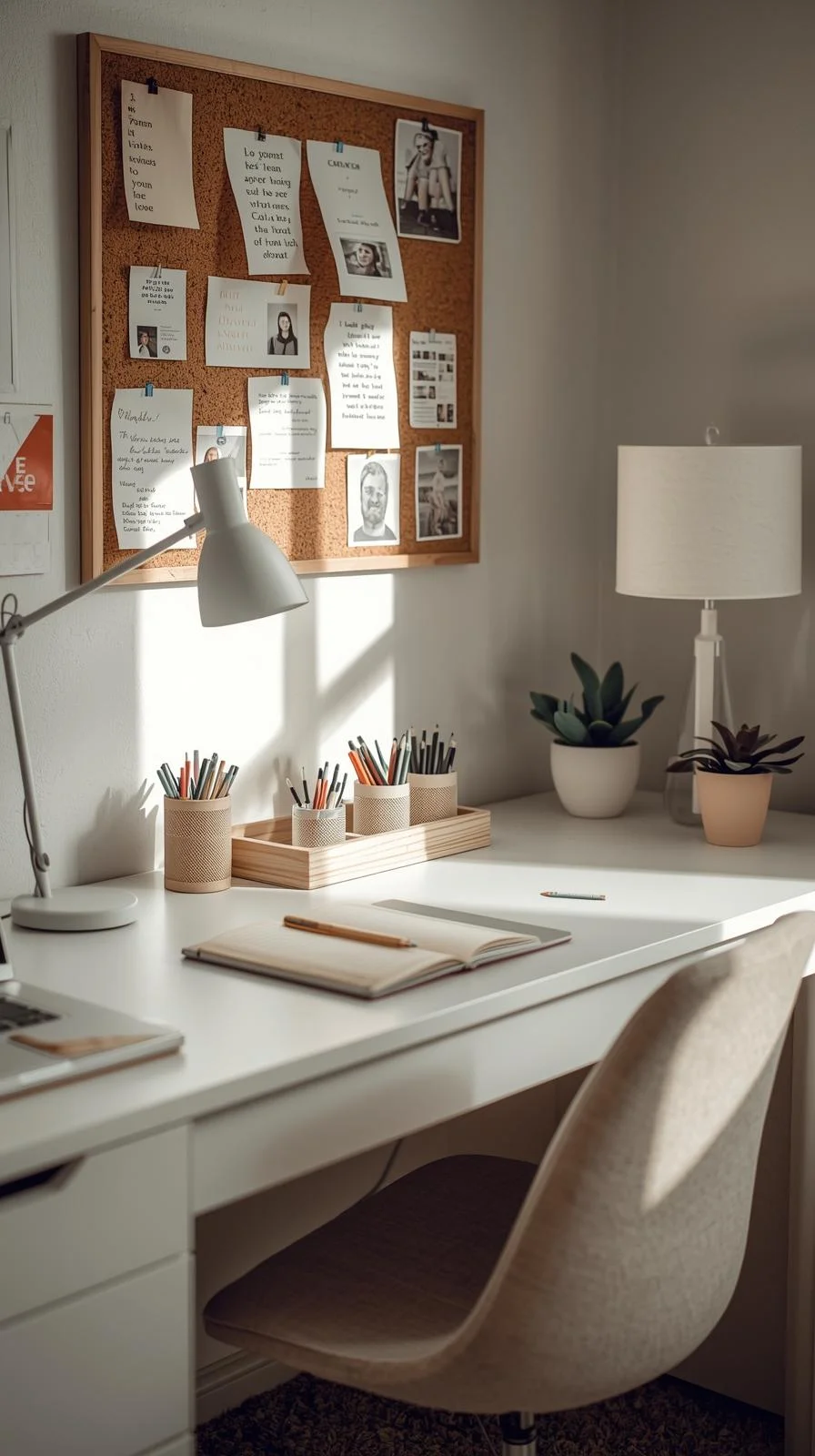
The desk is where students spend much time, so it should be functional and appealing. Organization starts with small trays, pen holders, and a lamp.
Corkboards or magnetic boards above the desk help keep papers off the surface. Personal touches—a photo or small plant—make it feel part of the room.
Balance is essential: a clean, organized desk supports focus while a decorated desk keeps studying pleasant.
8. Curtains That Soften the Space
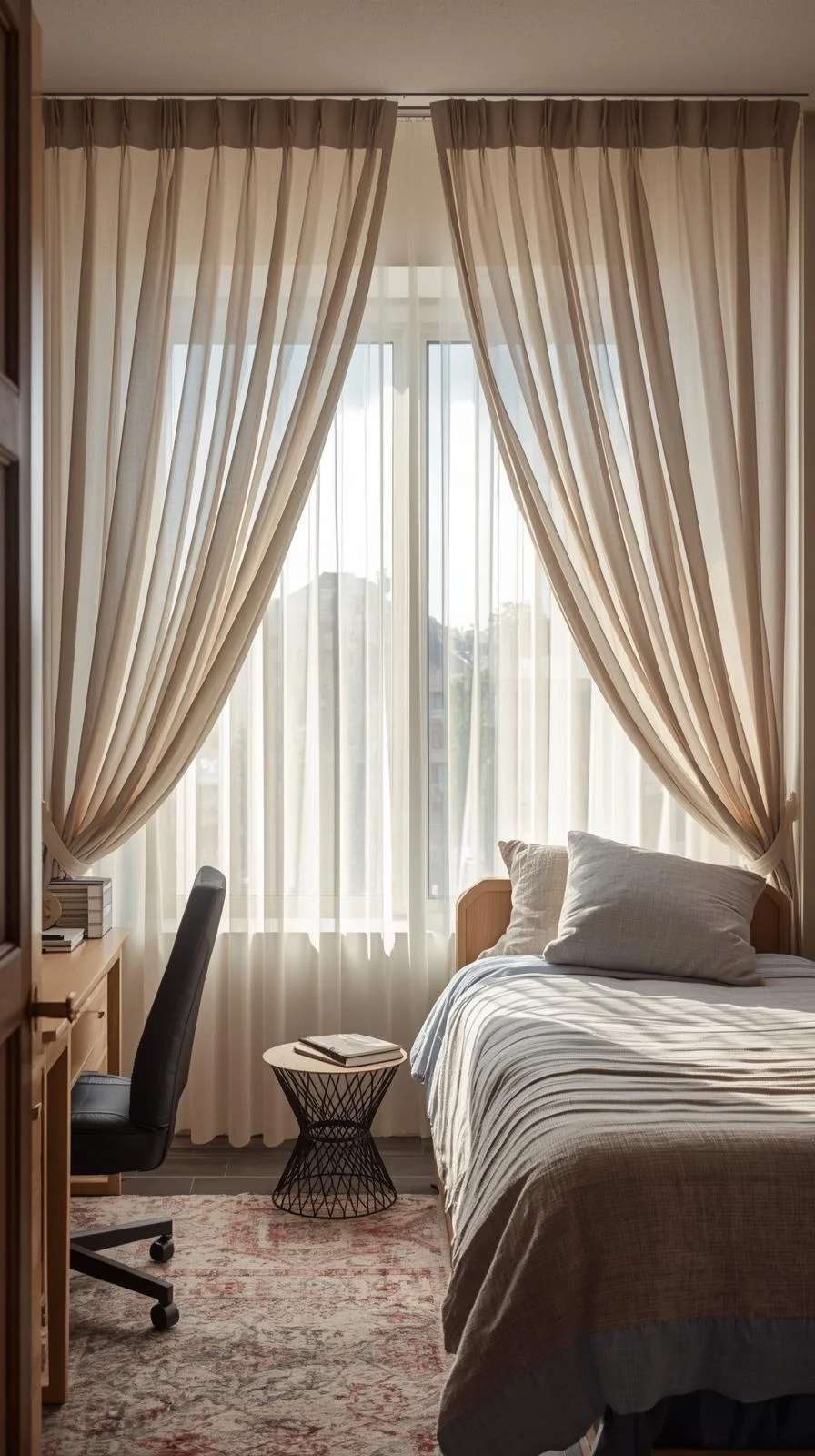
Dorm blinds can feel harsh. Curtains soften the window area and make the room feel warmer. Light fabrics let in sunlight while maintaining privacy. Darker curtains block light for better sleep.
Curtains also add height. Hanging them closer to the ceiling makes a room feel taller and ties into bedding or rugs for cohesive color flow.
A simple fabric can dramatically change the room’s feel without taking up space.
9. Shared Spaces That Feel Balanced
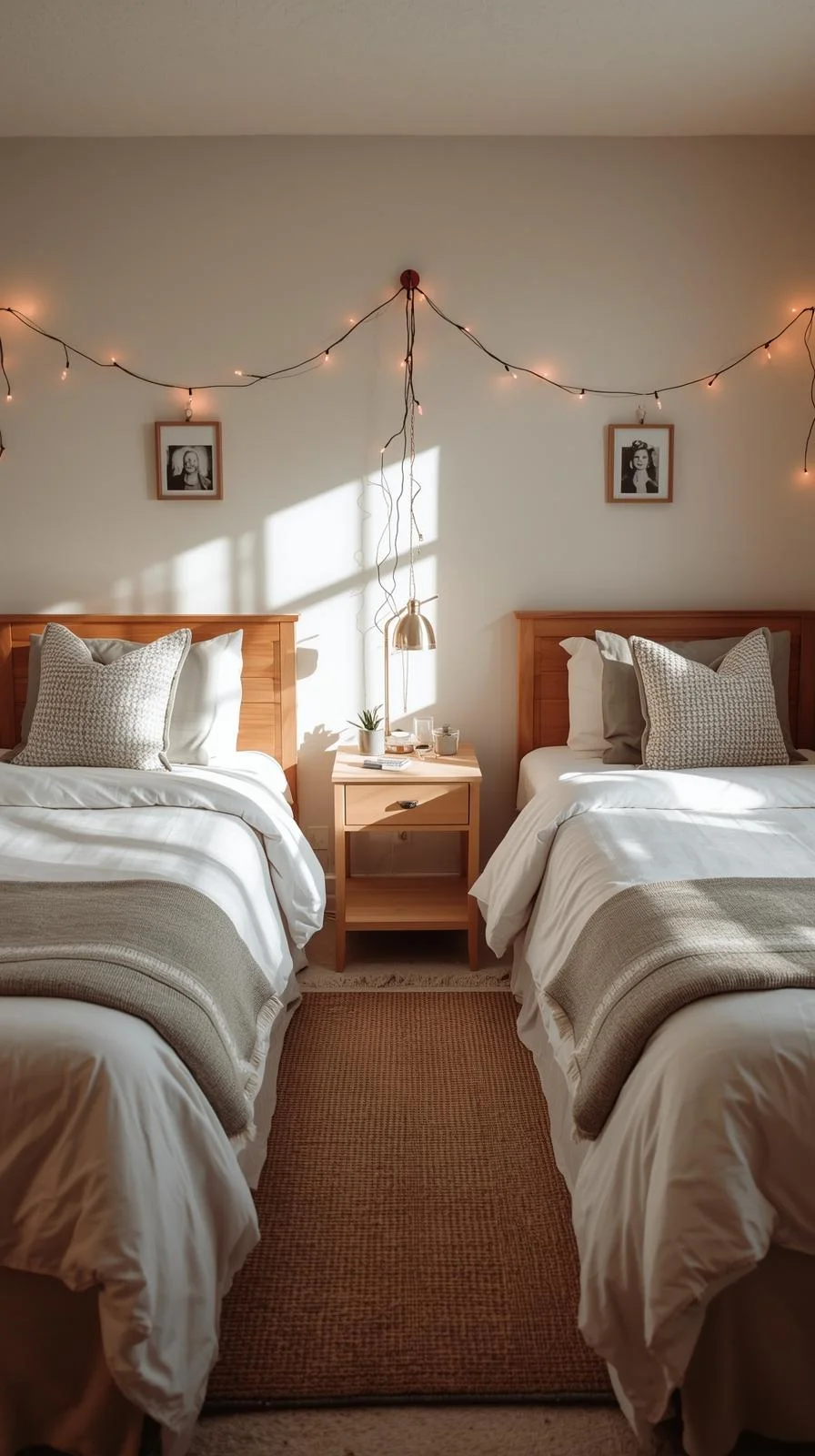
Shared dorm rooms require thoughtful design. Both sides should feel personal but connected. Coordinated colors with unique accents work well.
For instance, roommates can choose bedding in soft tones while adding individual pillows or wall art. Shared items—a rug or string lights—bring cohesion.
Balanced shared spaces give everyone ownership and make the room feel comfortable to live in.
10. Small Touches That Make It Yours

Small items complete dorm design. A favorite mug, simple clock, or soft blanket adds character. Small touches are often more meaningful than large pieces.
They remind students of home, hobbies, and memories. Personal items cannot be bought as a set—they come from choices that matter.
When small items integrate with overall design, the dorm feels lived in rather than temporary.
Final Thoughts
A dorm is more than a place to sleep or study—it is the center of daily life during key years. A room that feels personal, calm, and balanced improves the experience.
These ten ideas combine design and function. Each choice builds an aesthetic suited to college life. From lighting and bedding to storage and small details, the room becomes more than four walls. It becomes a home.
The best dorm decor doesn’t follow trends. It creates a space that feels right for the student. With thoughtful choices, even a small dorm can become a place where comfort, style, and function coexist.