10 Trendy Waldorf Playroom Setup Ideas

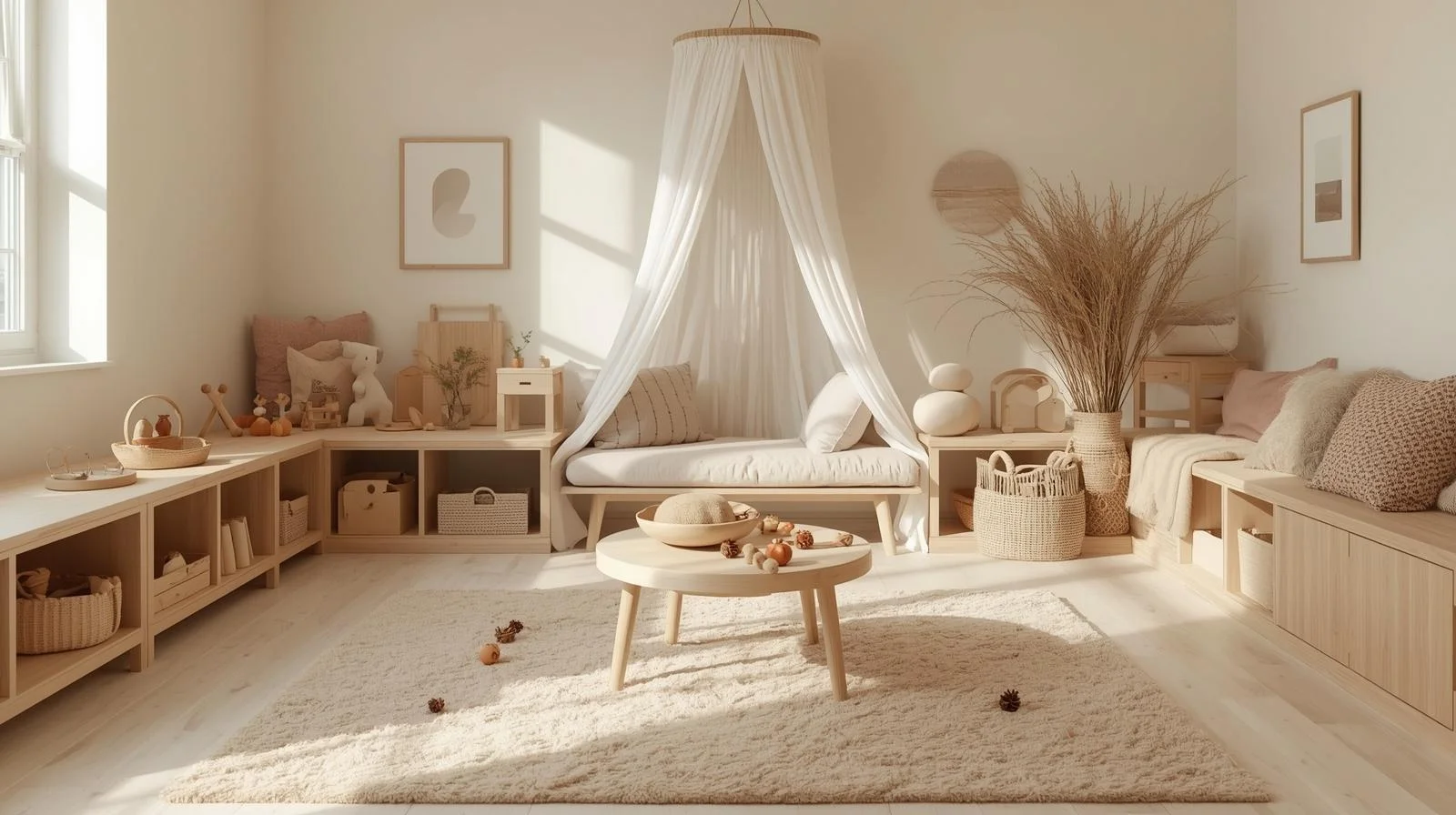
A Waldorf playroom is not about filling a room with toys. It focuses on shaping a space where children feel secure, calm, and naturally drawn into meaningful play. For more than twenty years, I have guided families in creating playrooms that support imagination and independence. The Waldorf philosophy centers on nature, beauty, and daily rhythm, and when these values are reflected in a playroom, the space begins to feel warm, alive, and purposeful.
The ideas shared here are based on what works in real family homes. Each one follows core Waldorf principles while fitting the needs of modern households that want simplicity, function, and visual harmony. These are not surface ideas. They are thoughtful approaches that support child development while keeping the room peaceful, beautiful, and easy to live with.
1. A Gentle Start with Natural Light
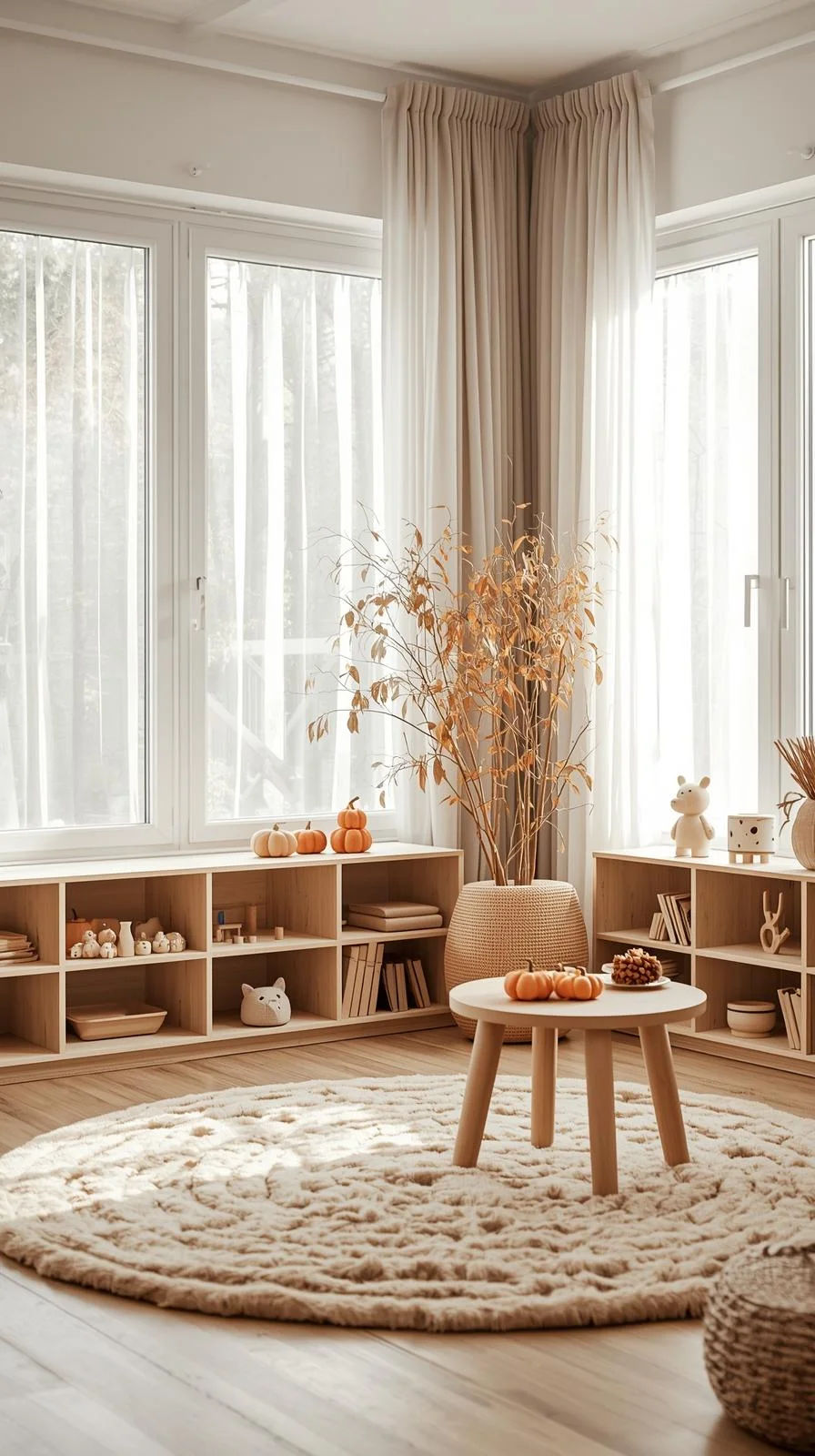
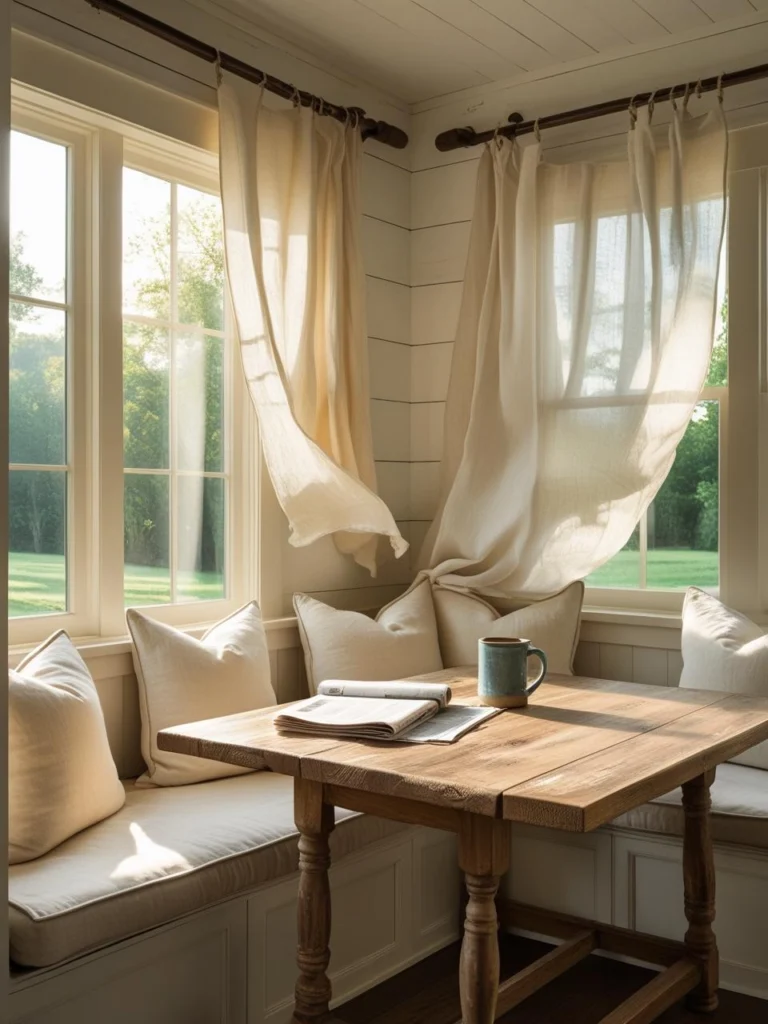
Light is the foundation of a Waldorf playroom. Bright overhead lighting can feel harsh and overstimulating, while soft natural light creates a gentle setting for play. Rooms with large windows are ideal, but when that is not available, sheer curtains or light cotton drapes can soften incoming light and create a warm glow. This kind of lighting helps children stay calm and comfortable during playtime.
Many families notice a clear change when harsh bulbs are replaced with warmer light. Children often play more quietly and stay focused for longer periods. This small shift influences the entire room. It reflects how Waldorf classrooms around the world are designed, with careful attention to how light supports emotional balance and energy.
2. Wooden Toys with Lasting Purpose
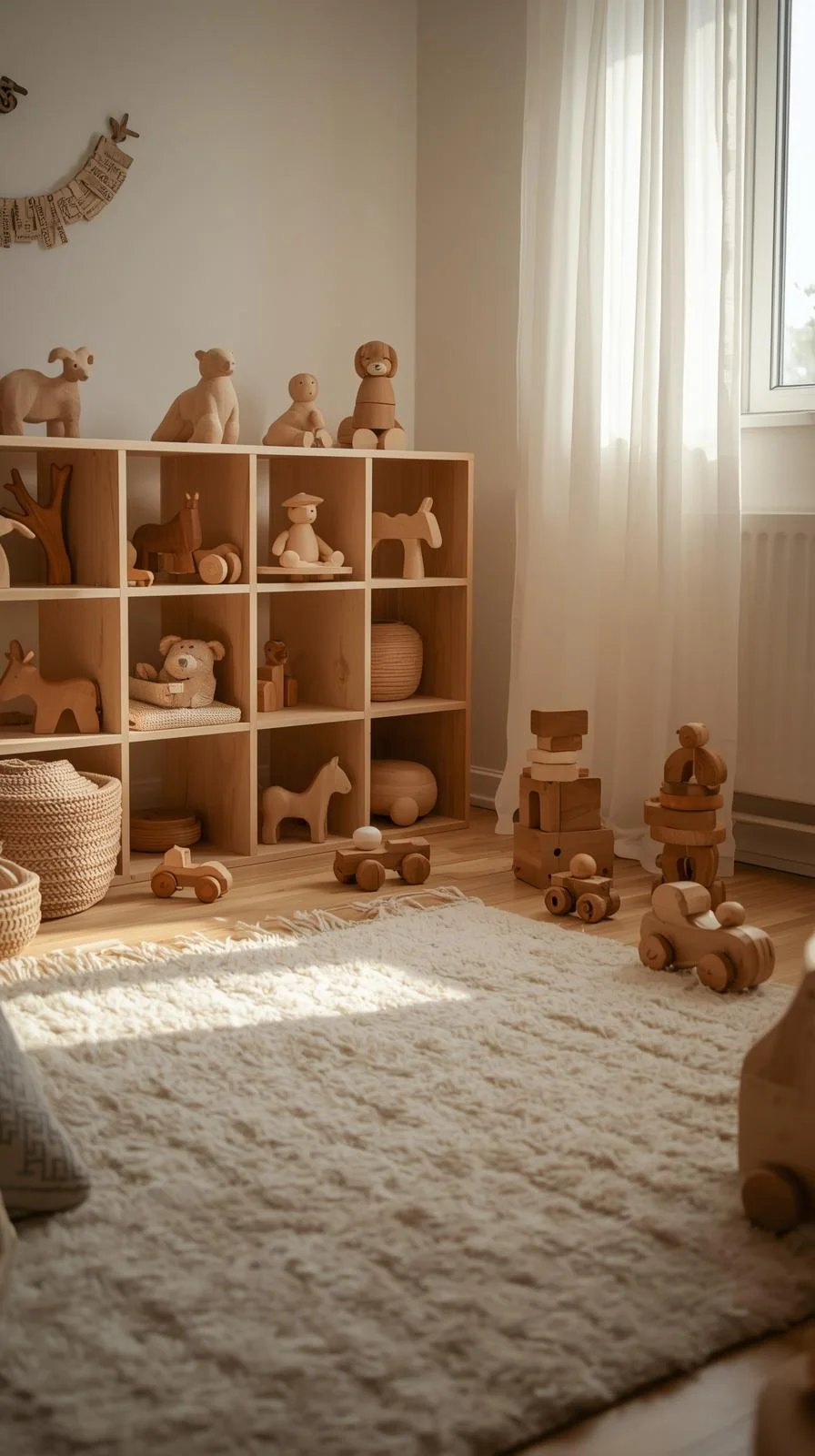
Natural materials are central to Waldorf playrooms, and wooden toys are especially valued. Plastic toys often feel cold and limiting, while wood offers warmth, texture, and a sense of authenticity. A wooden block is never just one thing. It can become a road, a house, or a bridge based on the child’s imagination.
Over years of observation, it becomes clear that wooden toys hold attention longer. They do not control the play. Instead, they invite creativity and problem solving. Open shelves with wooden animals, vehicles, and figures give the room a grounded, timeless look while offering toys that can last through many stages of childhood.
3. Open Space for Movement
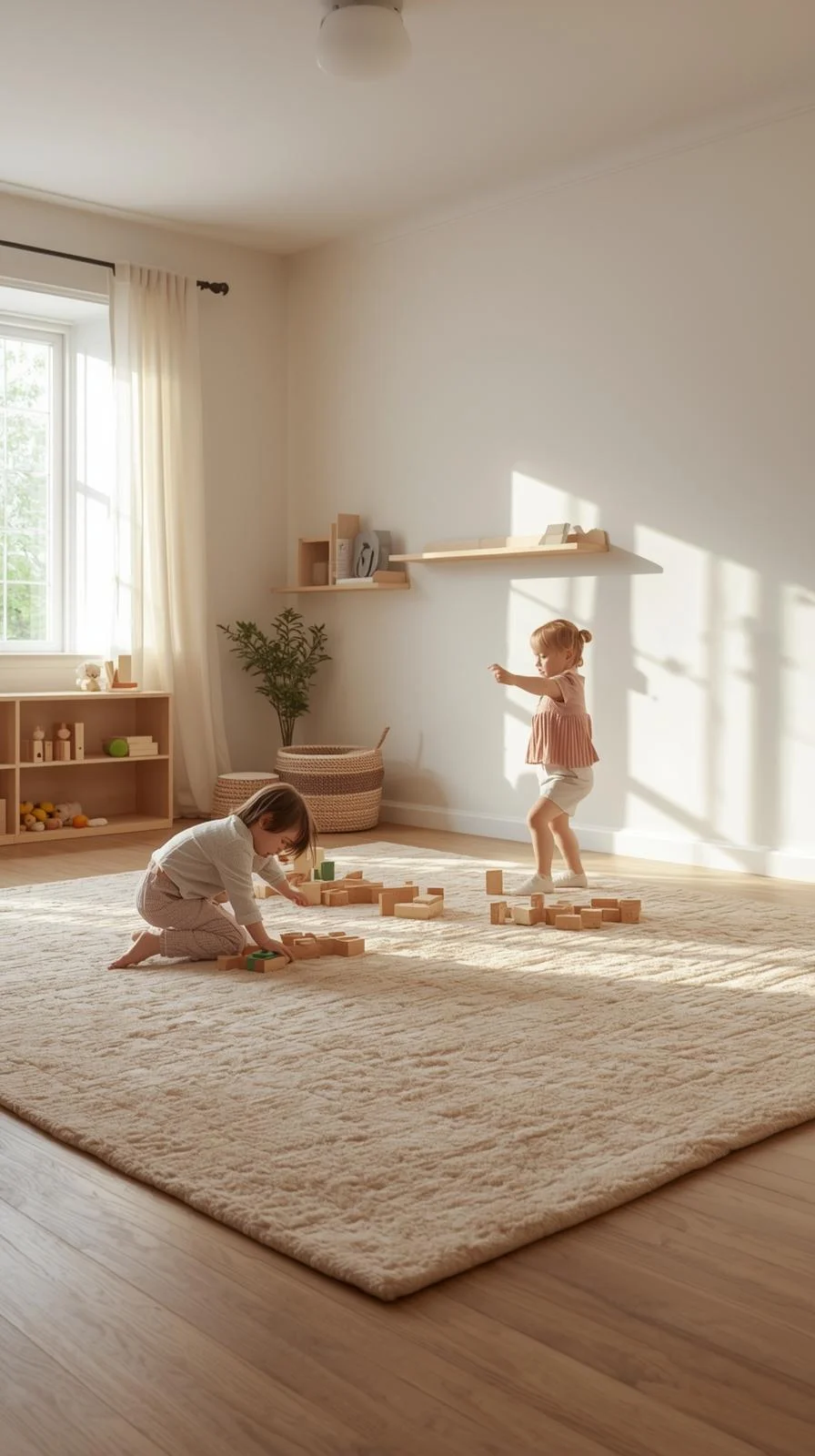
A true Waldorf playroom avoids crowding. Empty space is treated as valuable, not wasted. Children need room to move, stretch, build, and explore. A large open rug made from natural fibers like wool or cotton supports floor play far better than filling the room with excess furniture.
Movement plays a major role in healthy development. When a playroom feels cluttered, movement becomes limited. In Waldorf-inspired spaces, there is always room for full-body play. Parents often notice that children create longer games on the floor and siblings interact more peacefully when the space feels open and calm.
4. Colors that Soothe and Inspire
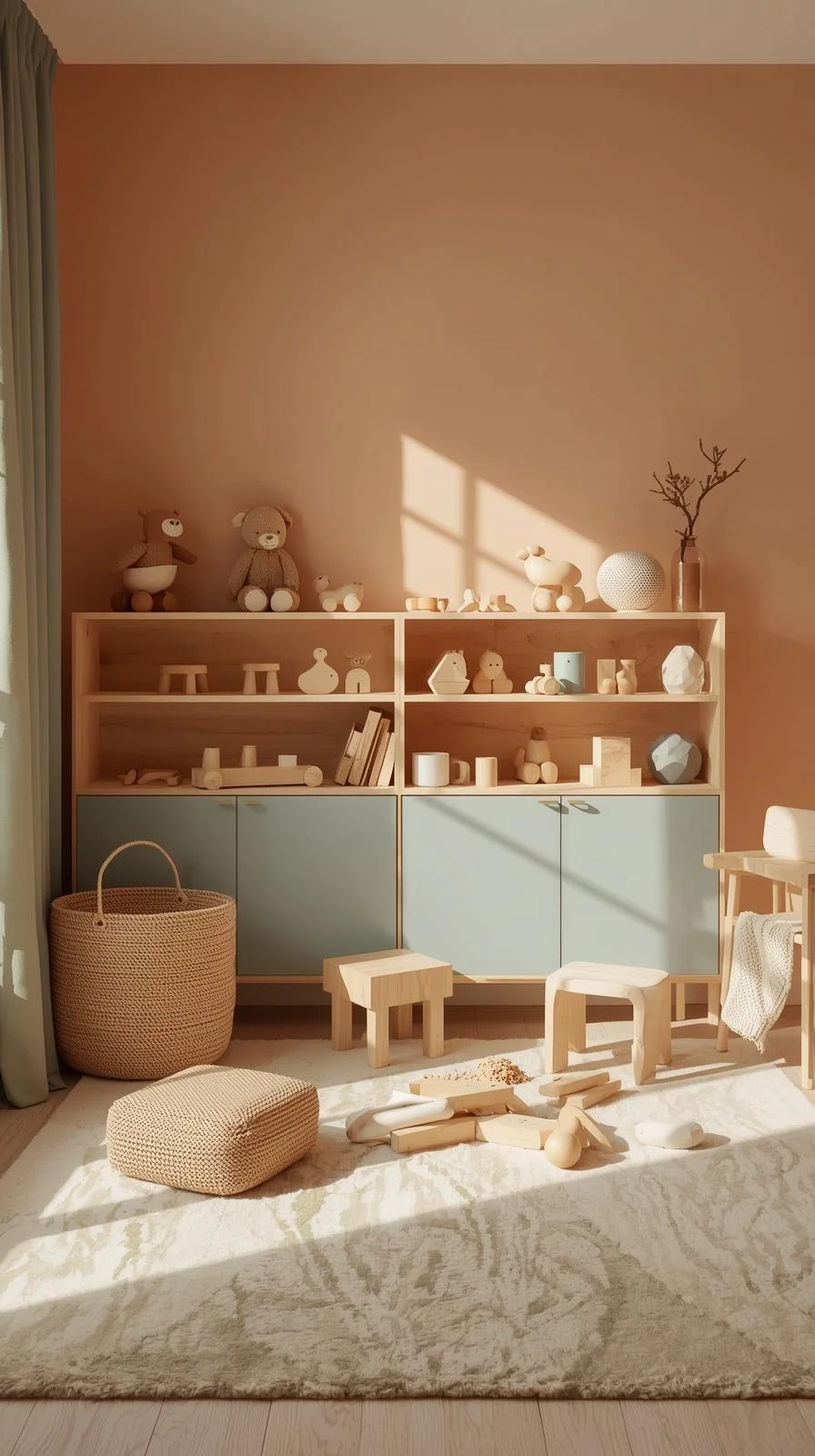
Color strongly affects how a room feels. Waldorf design avoids loud primary colors and instead favors gentle, earthy tones. Soft peach, muted green, and pale blue shades create a peaceful background for play. These colors do not overwhelm the senses. They quietly support imagination.
Years of experience show that children in brightly colored rooms often become overstimulated quickly. In contrast, softer color palettes help children remain calm and engaged for longer periods. Choosing the right colors is not only about style. It is a practical step toward emotional balance.
5. Playstands for Flexible Worlds
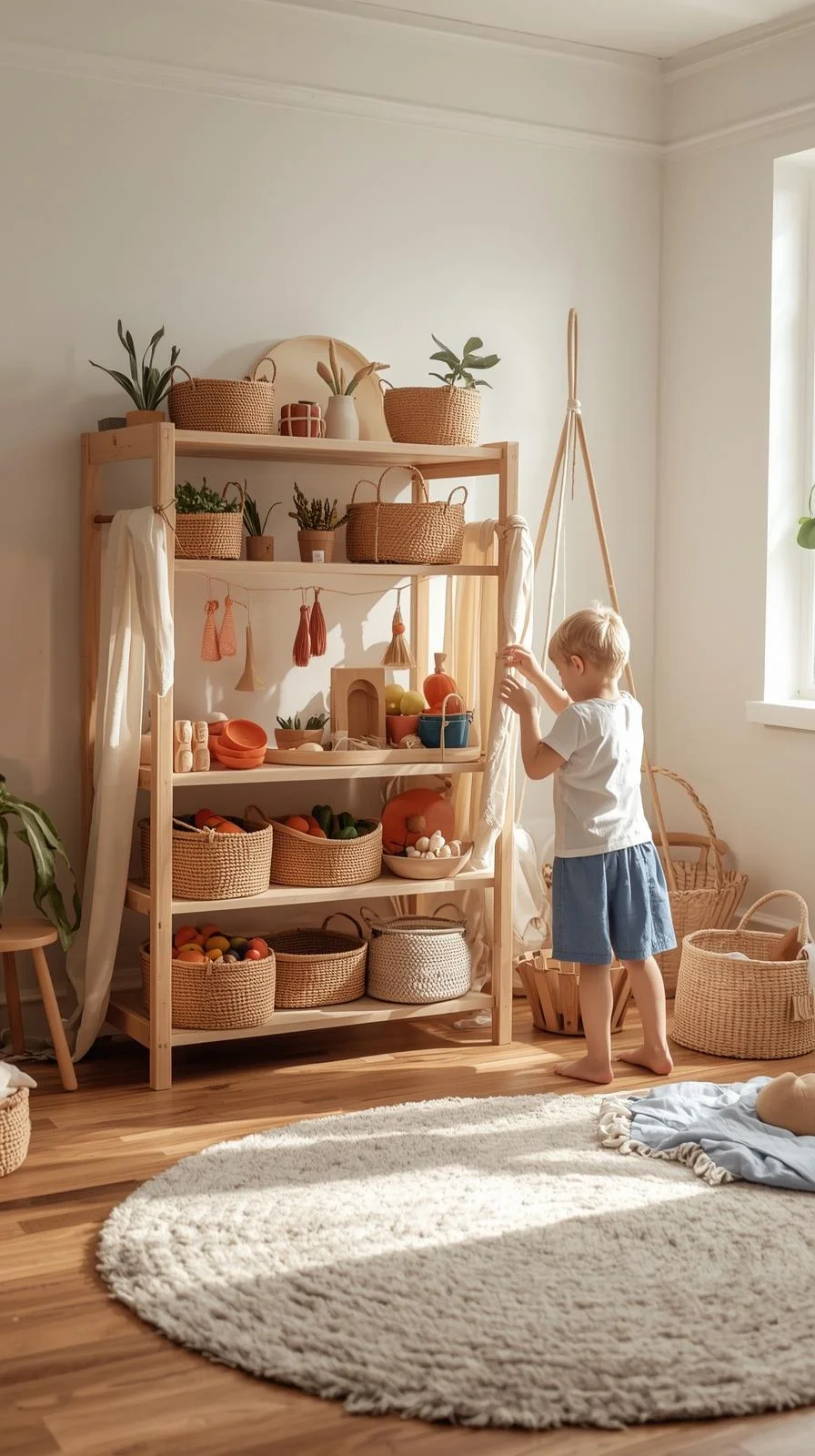
Playstands are a signature element in many Waldorf playrooms. These wooden structures with open shelving can become anything a child imagines. One day they serve as a shop, the next as a puppet stage, and later as the walls of a fort. Their flexibility fits perfectly with open-ended play.
Many families struggle with storage and play organization. Playstands often solve both problems. Children see them as part of their play rather than as furniture. This makes playstands one of the most effective and long-lasting choices in a Waldorf-inspired room.
6. Soft Textiles for Comfort and Imagination
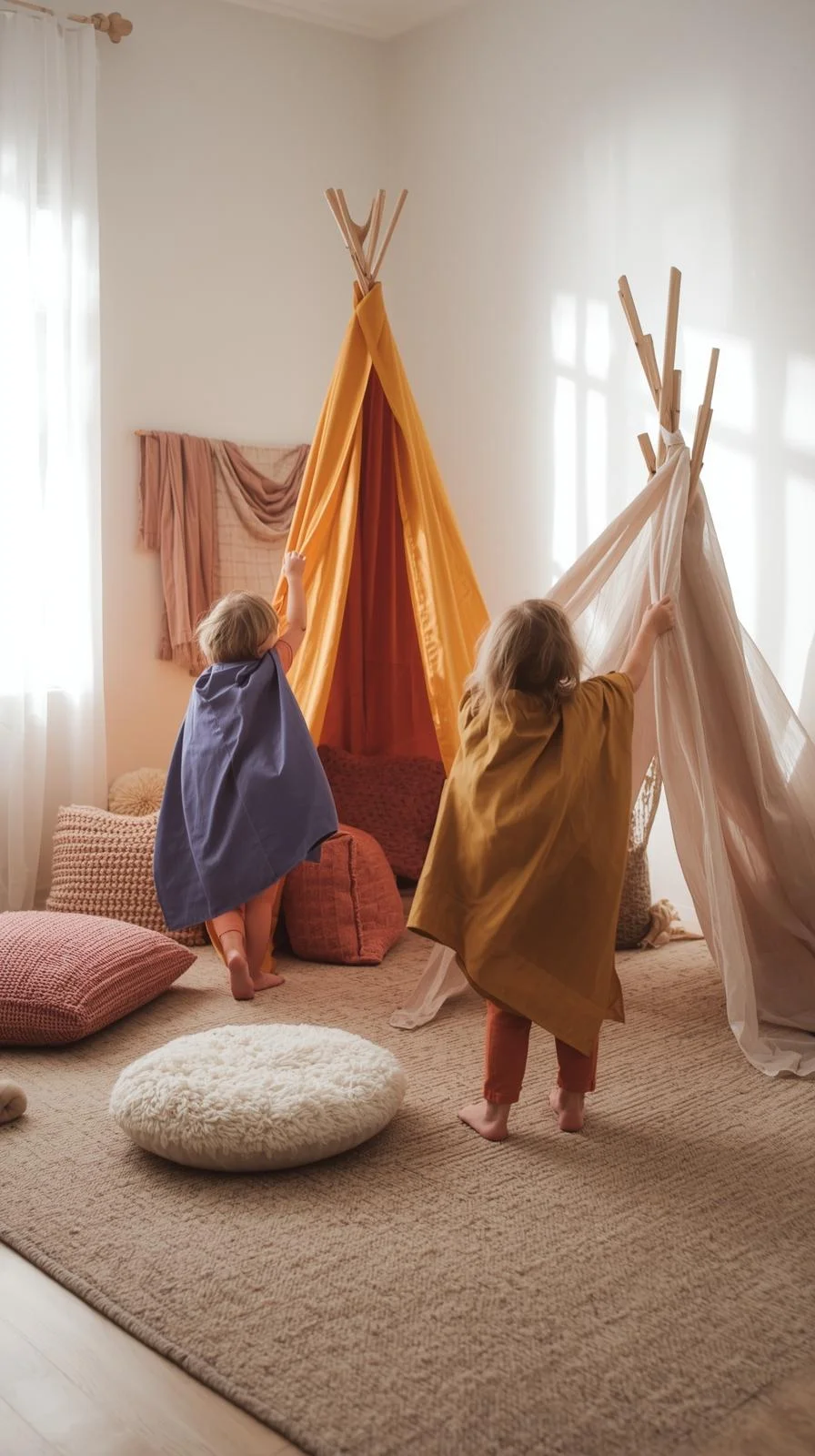
Fabric plays an important role in Waldorf spaces. Natural textiles like silk, cotton, and wool add softness and warmth. Play silks can transform into costumes, rivers, tents, or doll blankets. Wool rugs and knitted cushions create a sense of comfort and safety.
Textiles offer rich sensory experiences. Children can drape fabric, feel textures, and build imaginative scenes. Unlike synthetic materials, natural fabrics bring a quiet beauty and tactile quality that supports both creativity and calm throughout the room.
7. A Nature Table that Changes with the Seasons
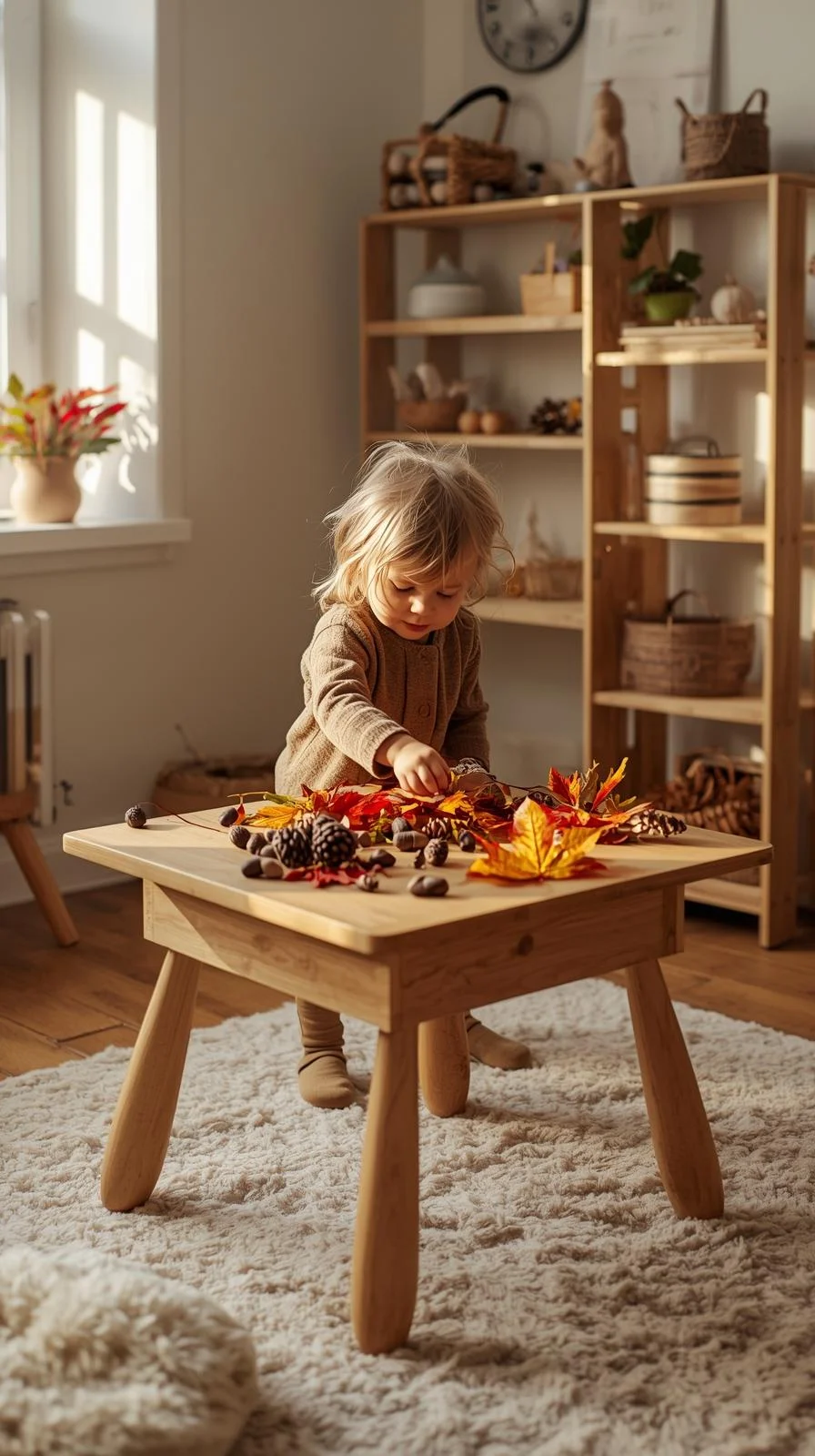
The seasonal nature table is a defining feature of Waldorf spaces. It is a small surface that holds natural items reflecting the current season. Autumn may bring leaves and acorns. Winter may include pinecones and stones. Spring often brings flowers or growing plants.
This practice helps children connect with the rhythm of the natural world. It offers a simple way to experience time and seasonal change. Many families turn this into a shared ritual, with children collecting items from outdoors. The table becomes more than decoration. It becomes a daily practice of awareness and care.
8. Cozy Nooks for Rest and Storytelling
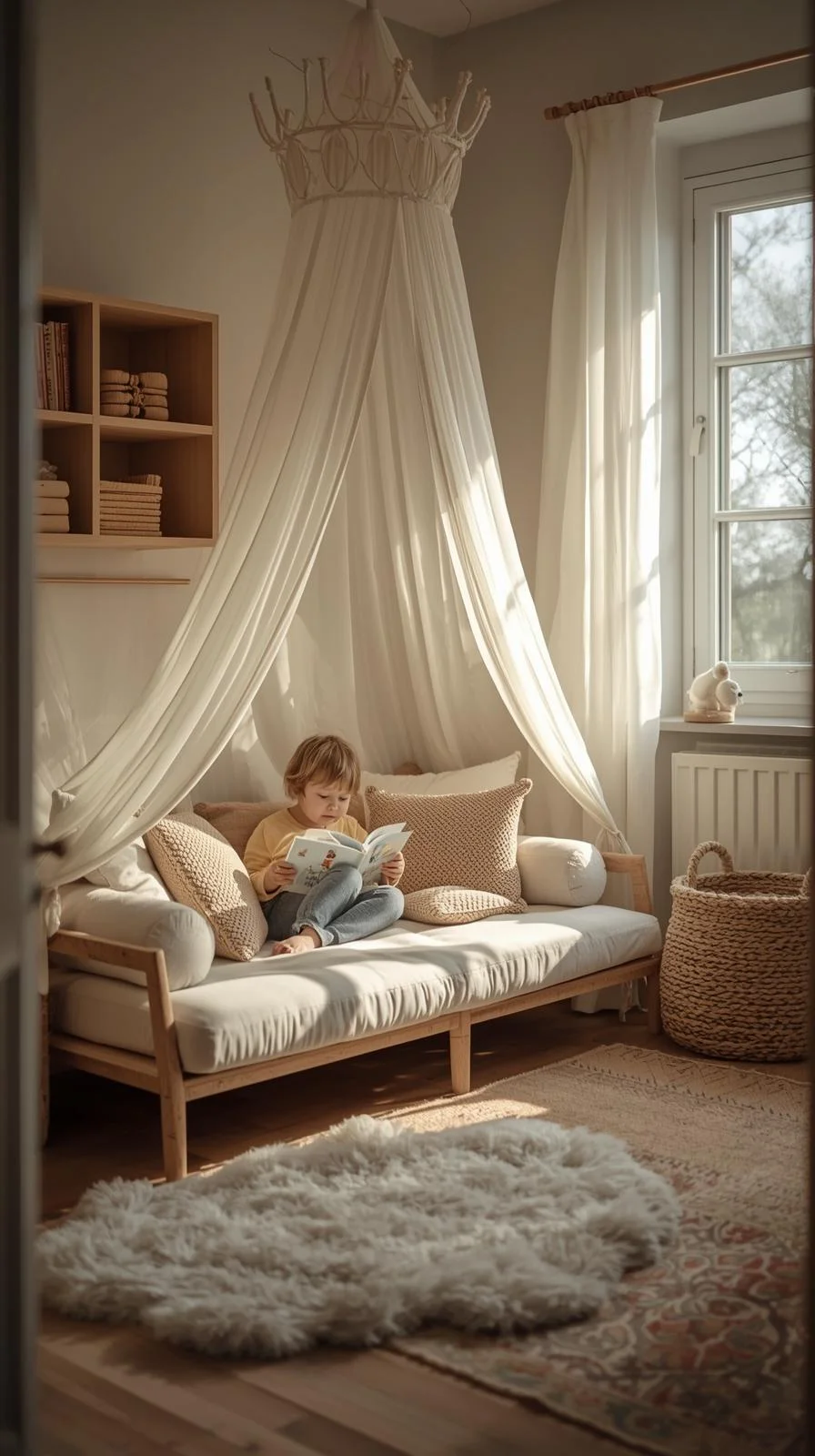
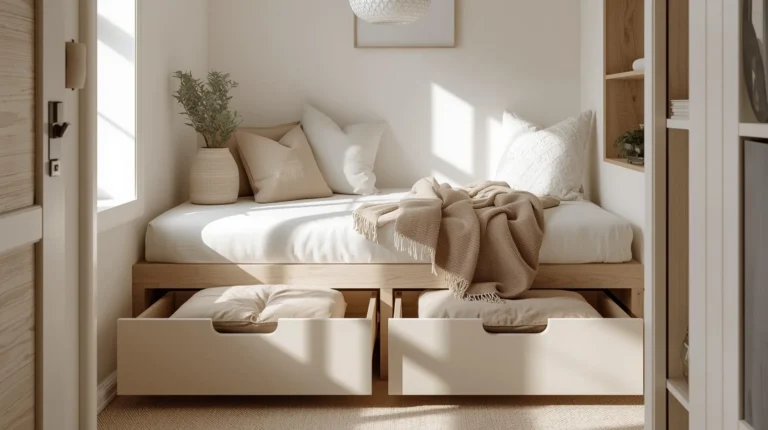
A Waldorf playroom supports both active and quiet moments. Cozy corners provide children with a place to rest, read, or daydream. A small mattress, soft pillows, and a light canopy can turn a corner into a comforting retreat.
These spaces help children regulate their energy. In busy modern homes, quiet areas are essential. A calm nook allows children to pause, reset, and feel safe. It balances the more active parts of the playroom and supports emotional well-being.
9. Simple Storage that Encourages Order
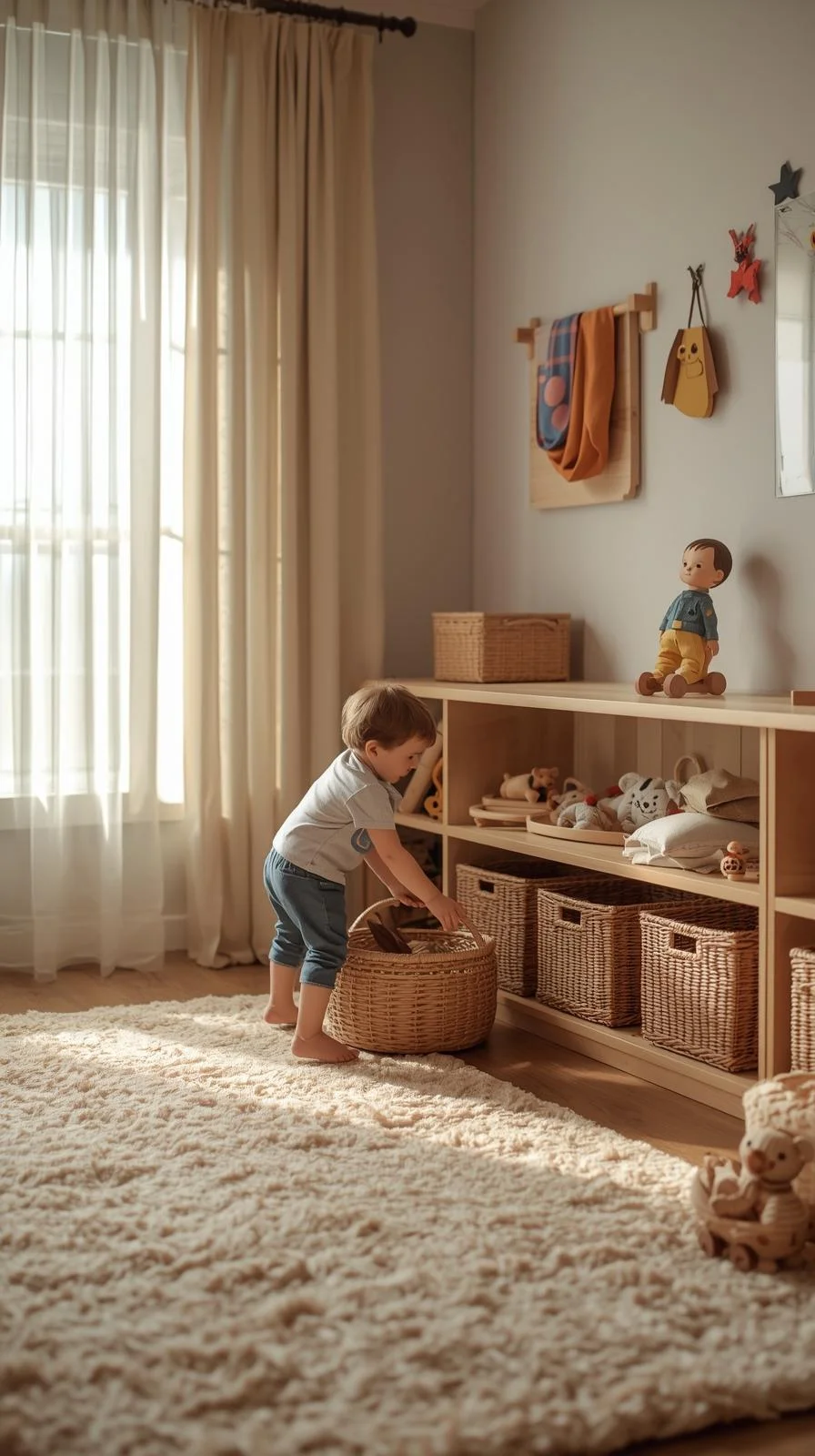
Storage in a Waldorf playroom is simple and accessible. Open shelves, baskets, and low cabinets allow children to see and reach their toys easily. This setup makes cleanup feel natural rather than stressful.
Families often notice that children become more responsible when storage is clear and inviting. Instead of reminders and pressure, children begin returning items on their own. The system works because it is orderly, visible, and respectful of the child’s ability to participate.
10. Art and Music as Everyday Life
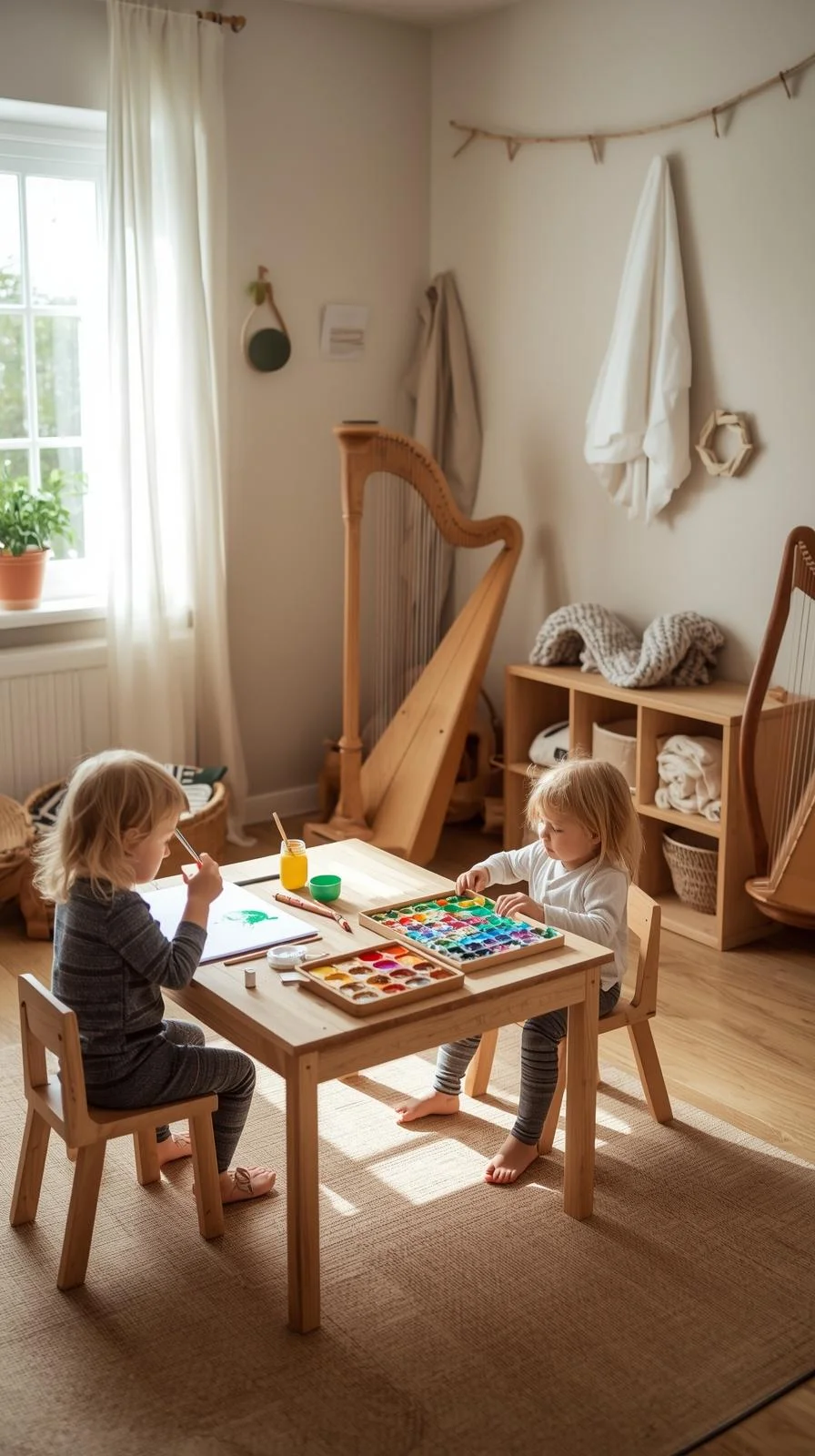
Art and music are not extras in a Waldorf playroom. They are essential parts of daily life. Simple art tools like beeswax crayons, watercolor paints, or musical instruments invite creativity without overwhelm. These materials support imagination and emotional expression.
Parents sometimes worry about clutter or mess. With thoughtful choices and limited supplies, art becomes manageable and meaningful. Children with daily access to real creative tools often grow confident in expressing themselves and exploring their inner world.
Why These Ideas Work Together
When these elements come together, the playroom becomes more than a decorated space. It becomes an environment that supports physical movement, emotional balance, and imaginative growth. There is no need to add everything at once. Begin with light, color, and a few natural toys, then build slowly.
As time passes, the room changes with the child. It reflects real play, not perfection. This living quality is at the heart of Waldorf design. The space grows naturally alongside the family.
Final Thoughts
A modern Waldorf playroom is not just a design trend. It reflects a deeper understanding of childhood. Through natural light, wood, textiles, and open-ended play, the room feels warm and alive. By balancing active areas with quiet spaces, children gain freedom and rhythm. Seasonal elements, art, and music connect daily life to nature.
Families who embrace this approach often see deeper play, fewer conflicts, and longer periods of focus. The playroom becomes a peaceful place for everyone in the home.
When creating a Waldorf-inspired playroom, move slowly and thoughtfully. Trust that simplicity and natural beauty will guide the process. As you watch your child play, you will see how the space itself teaches. That quiet guidance is the essence of Waldorf design, and it is why these ideas continue to feel timeless and relevant today.