23 Stunning Dining Room Table Centerpiece Ideas

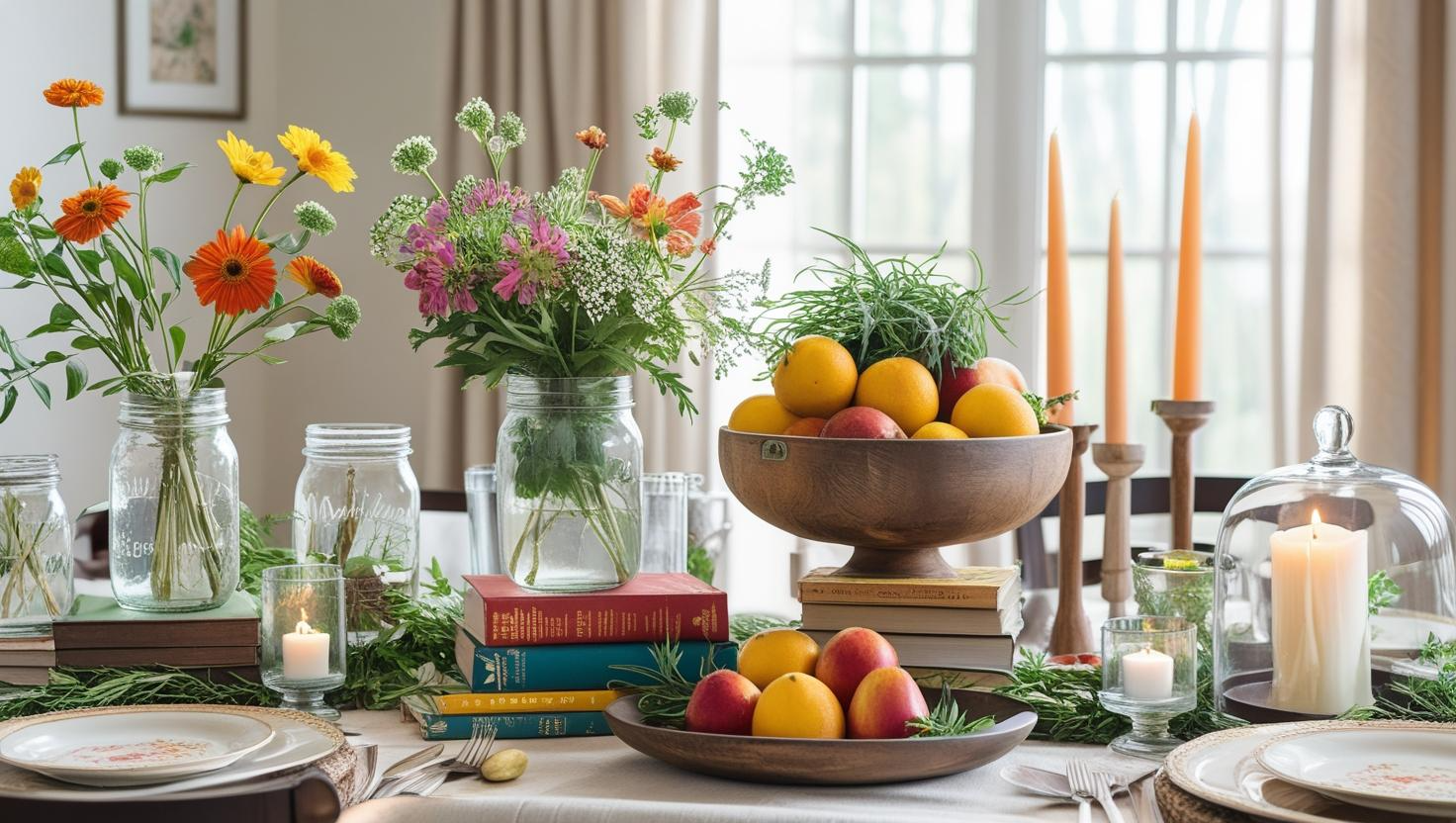
A strong centerpiece helps a dining table feel lived in and welcoming. It does not need to be fancy or expensive to work well. It can be soft and quiet or bold and eye-catching, depending on the space and the people who use it. The most successful centerpieces fit the room, respect the table size, and support daily life instead of getting in the way. This guide shares 23 practical ideas that can be used right away. Each idea relies on easy-to-find items and clear styling choices so your dining table feels finished without extra effort.
How to pick the right centerpiece
Choosing the right centerpiece starts with three simple factors: size, shape, and daily use. Size matters because the piece should never block conversation across the table. Shape matters because long, low arrangements suit rectangular tables, while round or vertical pieces work better on round tables. Daily use matters because a table used for regular meals needs items that are easy to clean and move, especially in homes with kids or pets. When colors connect with the room’s main tones, the centerpiece feels like it belongs instead of looking added later.
How to plan the look before you buy
Before buying anything new, take time to look closely at your table. Measure the length and width so the centerpiece fits comfortably without crowding place settings. Decide on the feeling you want, whether that is calm and soft, bright and fresh, or clean and modern. Choose one main color and one accent color to guide decisions. Keep textures balanced by mixing wood for warmth, glass for light, metal for structure, and fabric for softness. Using one strong focal piece or grouping three items helps the table feel intentional. Repeating a color in napkins or placemats pulls the whole look together.
Materials to keep on hand
Having a few basic items ready makes it easy to refresh your table without shopping each season. Keep one neutral vase, one tray for grouping, a small set of candles, and a shallow bowl for seasonal fillers like fruit or natural accents. A pair of scissors and a cleaning cloth help with quick touch-ups. With these simple tools, the centerpiece can change often while staying effortless and affordable.
Placement and safety tips
A centerpiece should always leave room for plates and shared dishes. Taller items should sit in narrow containers so sightlines stay open. Candles must always sit on heat-safe surfaces and should never be left unattended. In homes with children or pets, breakable items work best on trays that add stability. Trays also make it easier to clear the table when food is served, keeping fragile pieces safe.
Maintenance and easy swaps
Keeping a centerpiece looking fresh does not require a full reset. Swapping one or two elements each week can make a big difference. Flowers can be replaced, bowl fillers changed, or a runner added or removed. Solid items should be dusted weekly. Fresh flowers last longer when stems are trimmed and water is changed every two days. Dried or branch arrangements stay crisp with light dusting using a soft cloth.
23 Dining Room Table Centerpiece Ideas (each idea as one full paragraph)
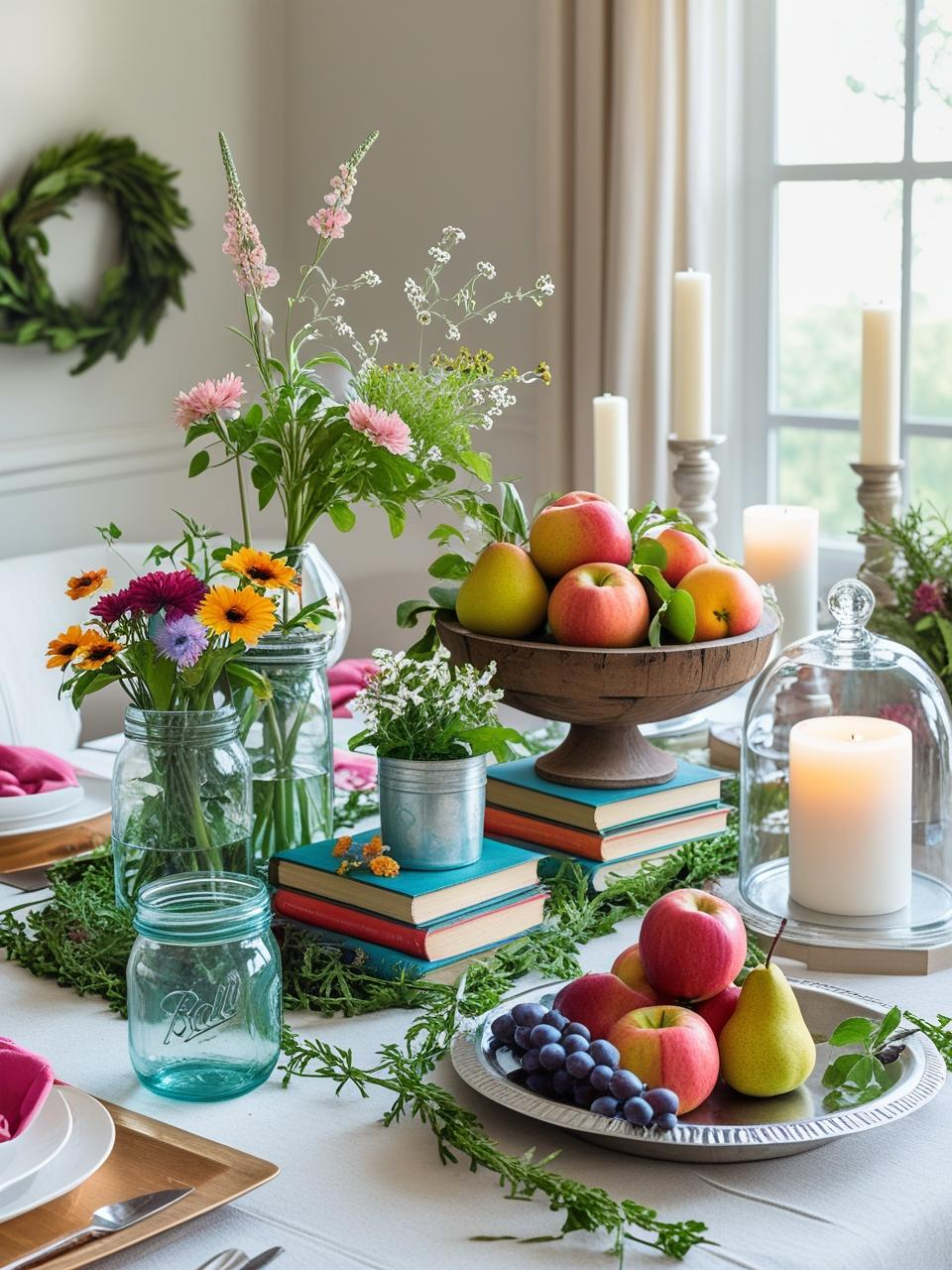
Fresh Wildflower Mix in a Low Mason Jar
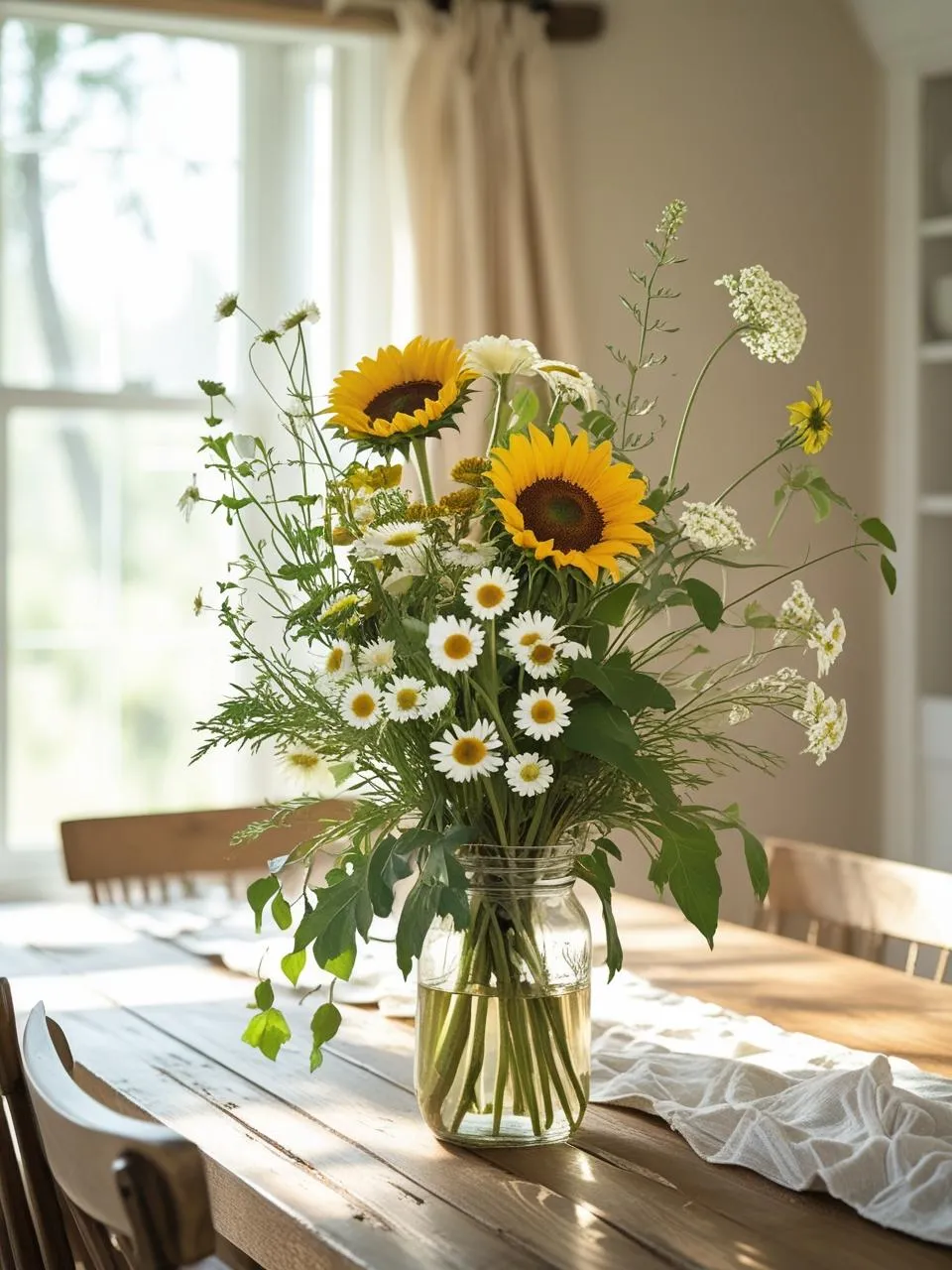
A low, wide mason jar filled with mixed wildflowers creates a relaxed and cheerful centerpiece. Keeping the stems short helps the flowers sit low and stay out of the way during meals. This arrangement is easy to refresh throughout the week by trimming stems and changing water. Seasonal blooms paired with a few green stems add contrast without feeling busy, making this option affordable and easy to maintain.
Single Sculptural Branch in a Tall Vase

One interesting branch placed in a tall, narrow vase creates a clean and modern focal point. Let the branch follow its natural curve instead of forcing it straight. Flowering branches work well in spring, while bare branches suit winter months. This approach uses very little table space while still making a strong visual impact.
Wooden Bowl with Seasonal Fruit

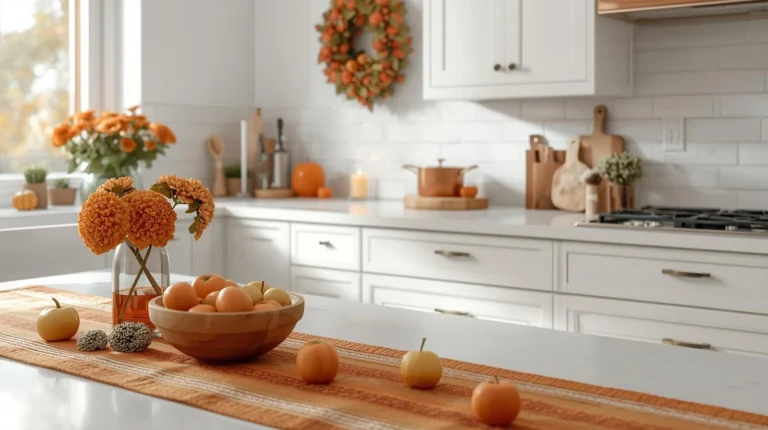
A simple wooden bowl filled with fresh fruit adds warmth and everyday charm. Fruit brings natural color and a sense of life to the table. Apples work well in fall, citrus in winter, and lighter fruits in warmer months. The bowl can be used for serving when guests arrive, making it both decorative and practical.
Clustered Pillar Candles on a Tray
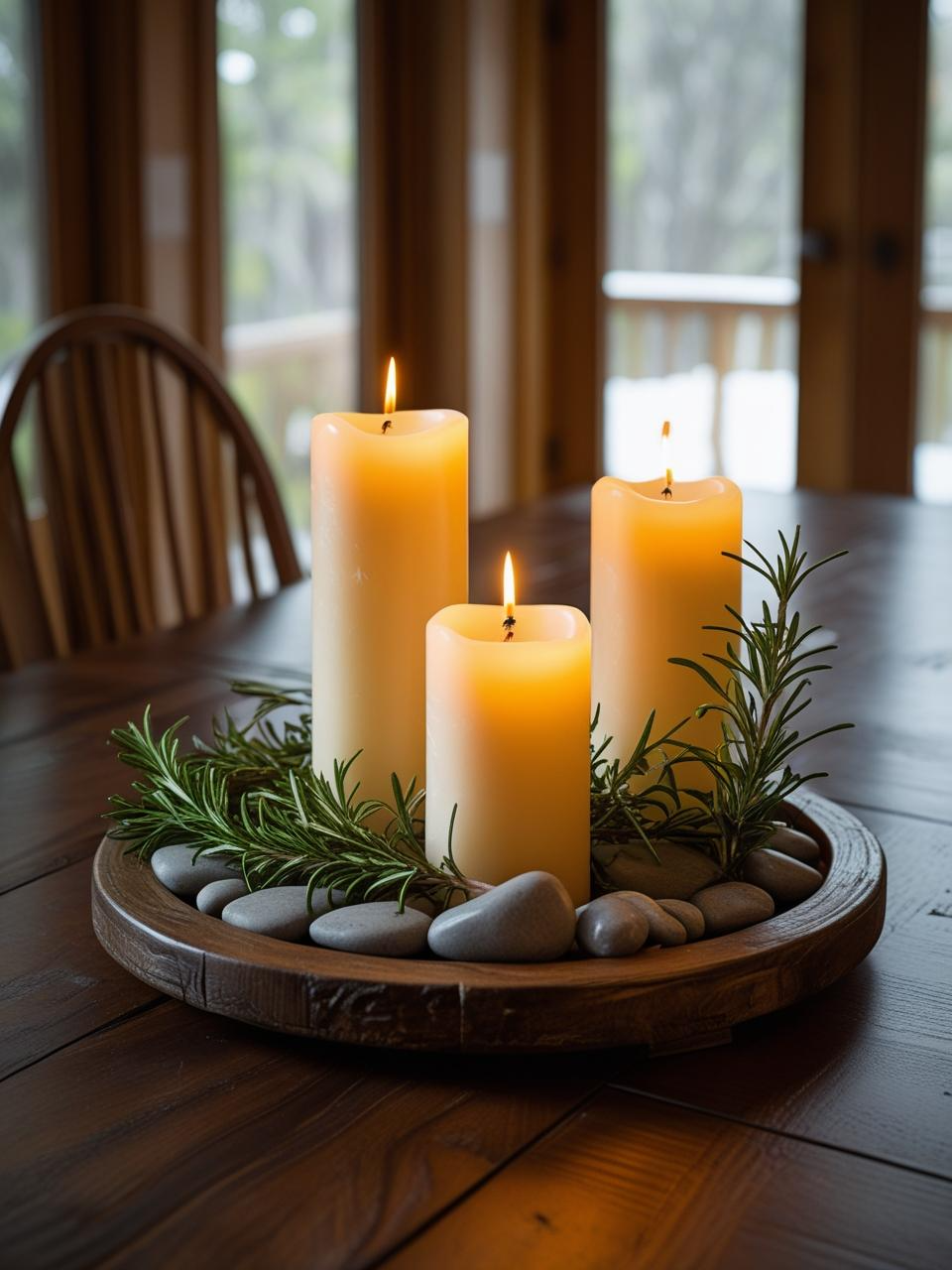
Three pillar candles in different heights grouped on a round tray create soft, balanced light. Small stones or greenery at the base add detail without clutter. This setup is easy to move when the table is needed for food. Unscented candles are best for meals so they do not interfere with food aromas.
Green Garlands with Tiny Lights
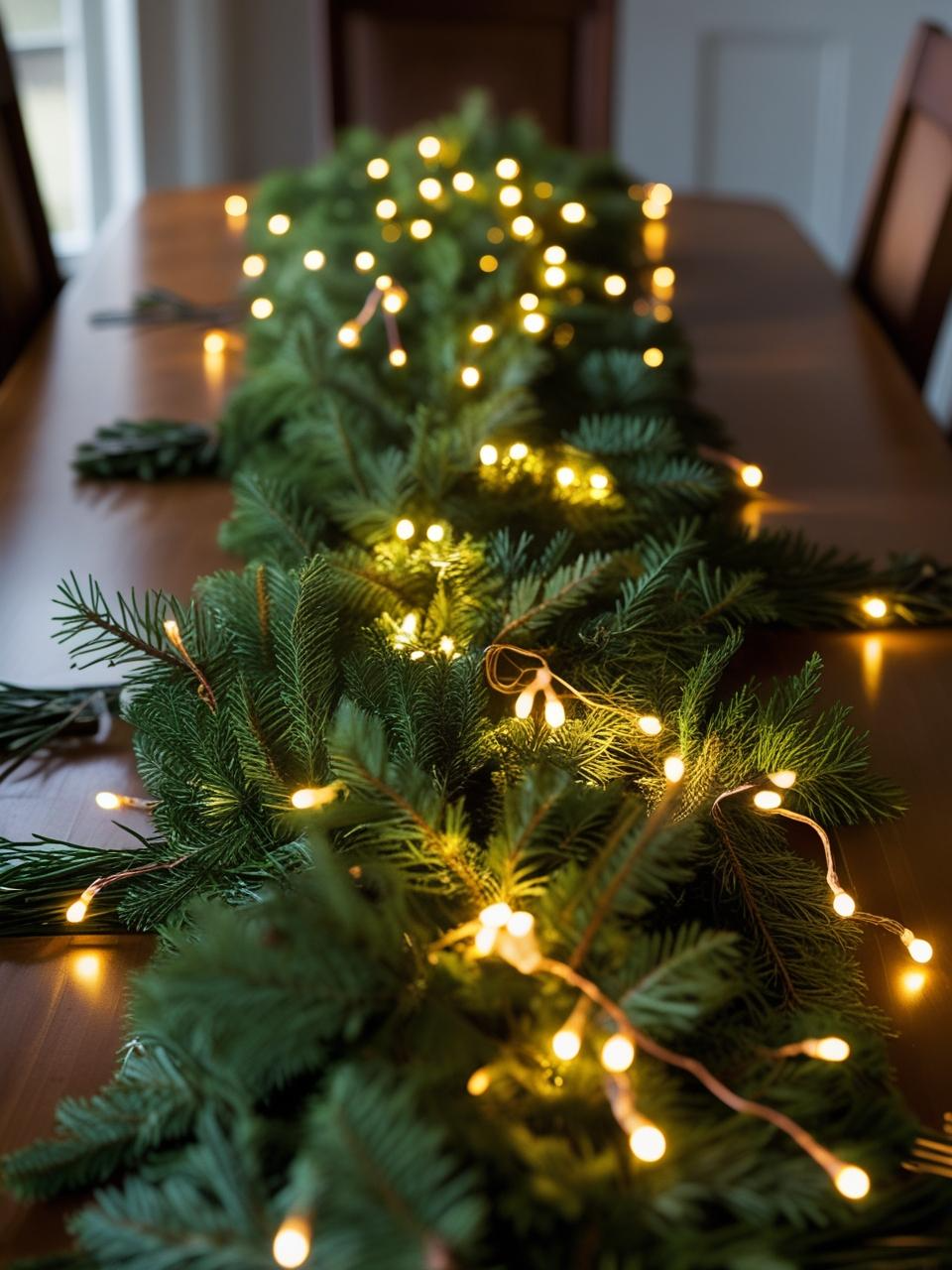
A thin greenery garland placed down the center of the table brings softness and texture. Small battery-powered lights woven through the greenery add a gentle glow without messy cords. This setup works especially well for evening meals and seasonal gatherings. Keeping the garland low ensures open conversation across the table.
Stacked Books with a Small Plant
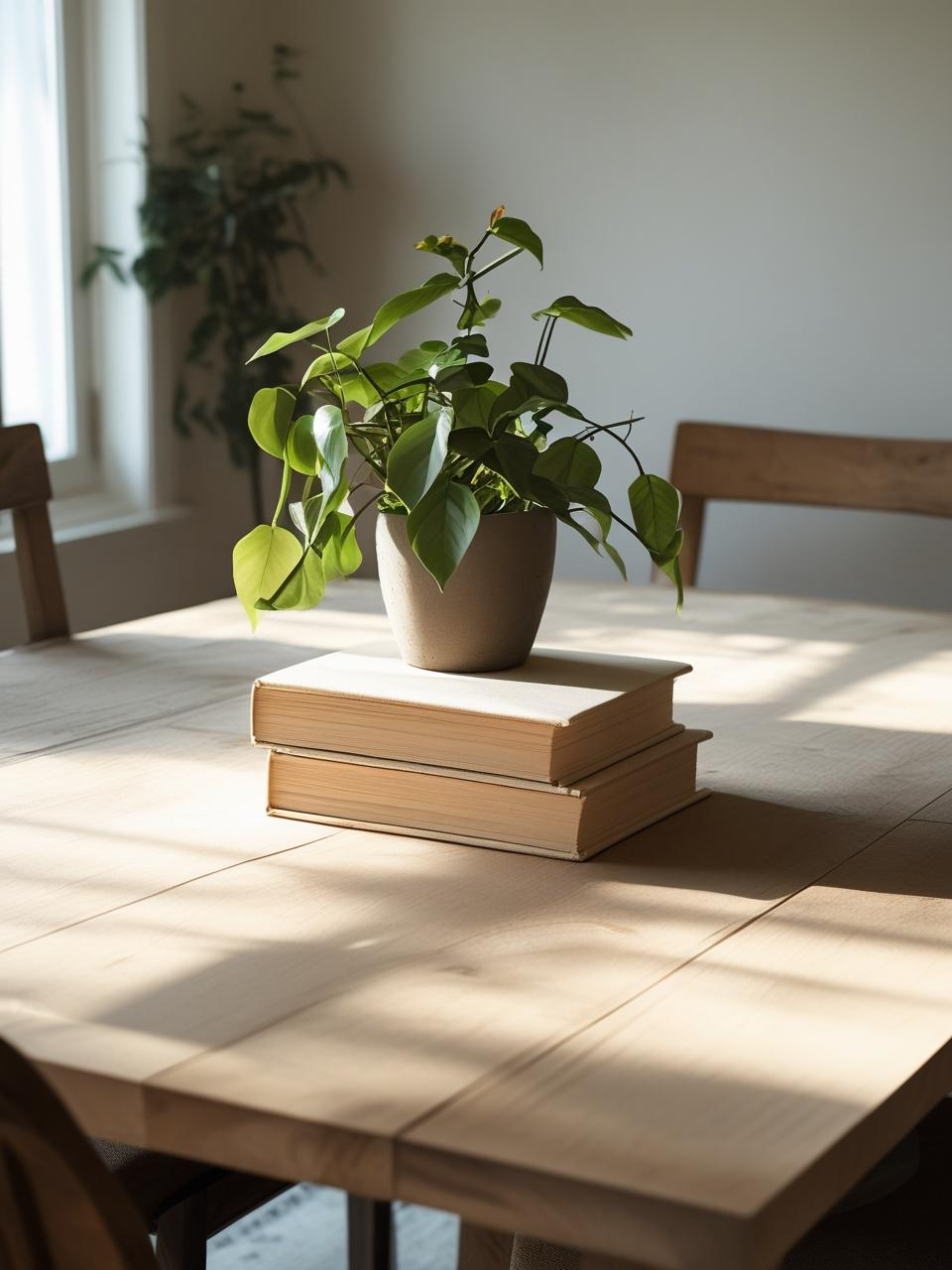
Two or three hardcover books stacked neatly and topped with a small plant create a layered look. The books add structure while the plant adds freshness. This idea suits modern and collected-style dining rooms and is easy to update by switching books or plants.
Glass Cloche over a Small Arrangement
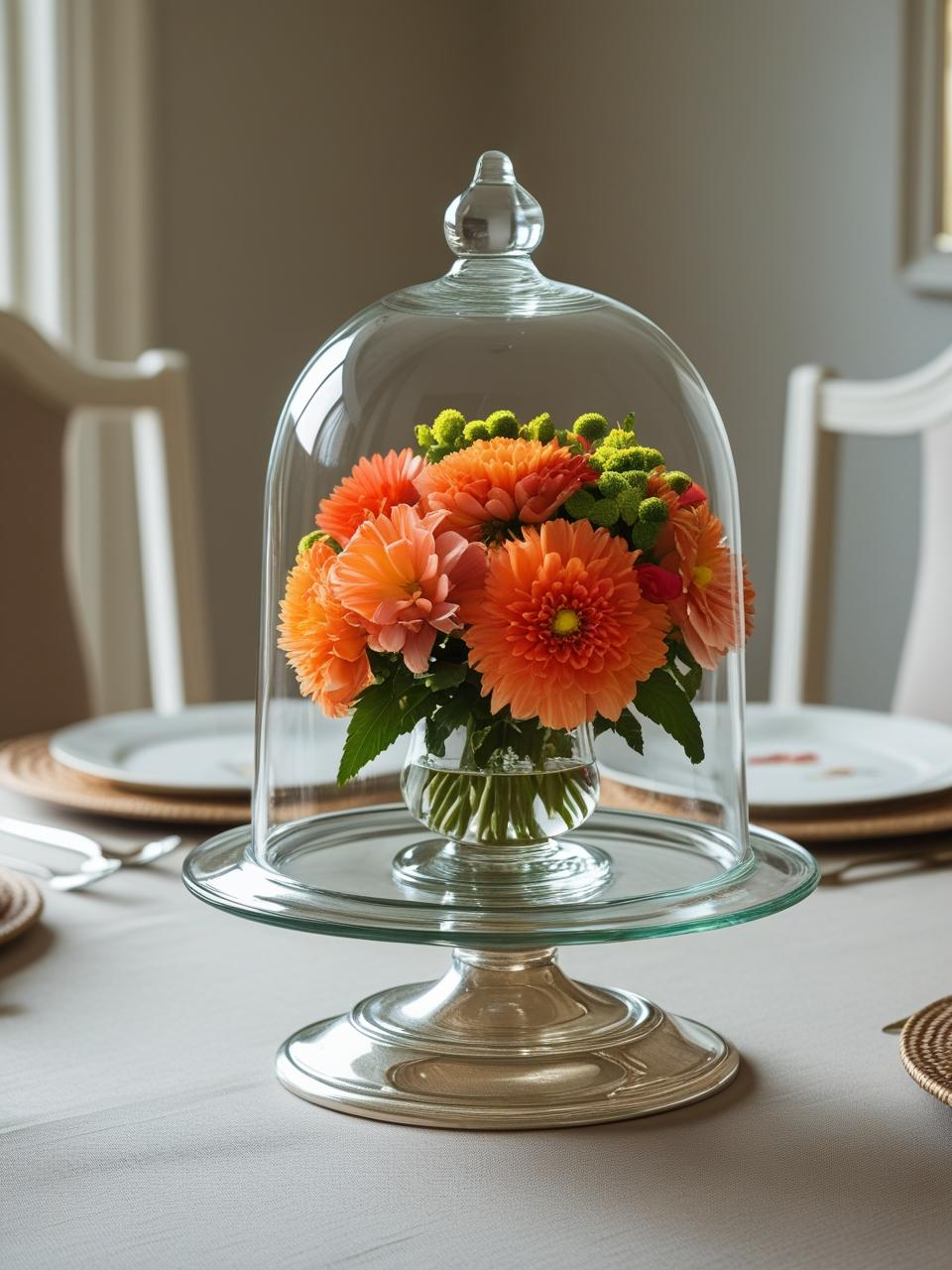
A small floral or fruit arrangement placed under a glass cloche feels thoughtful and refined. The cloche protects the display while drawing attention to what is inside. Using a low base keeps views clear across the table. This option works well for both casual and formal settings.
Antique Tray with Mixed Objects
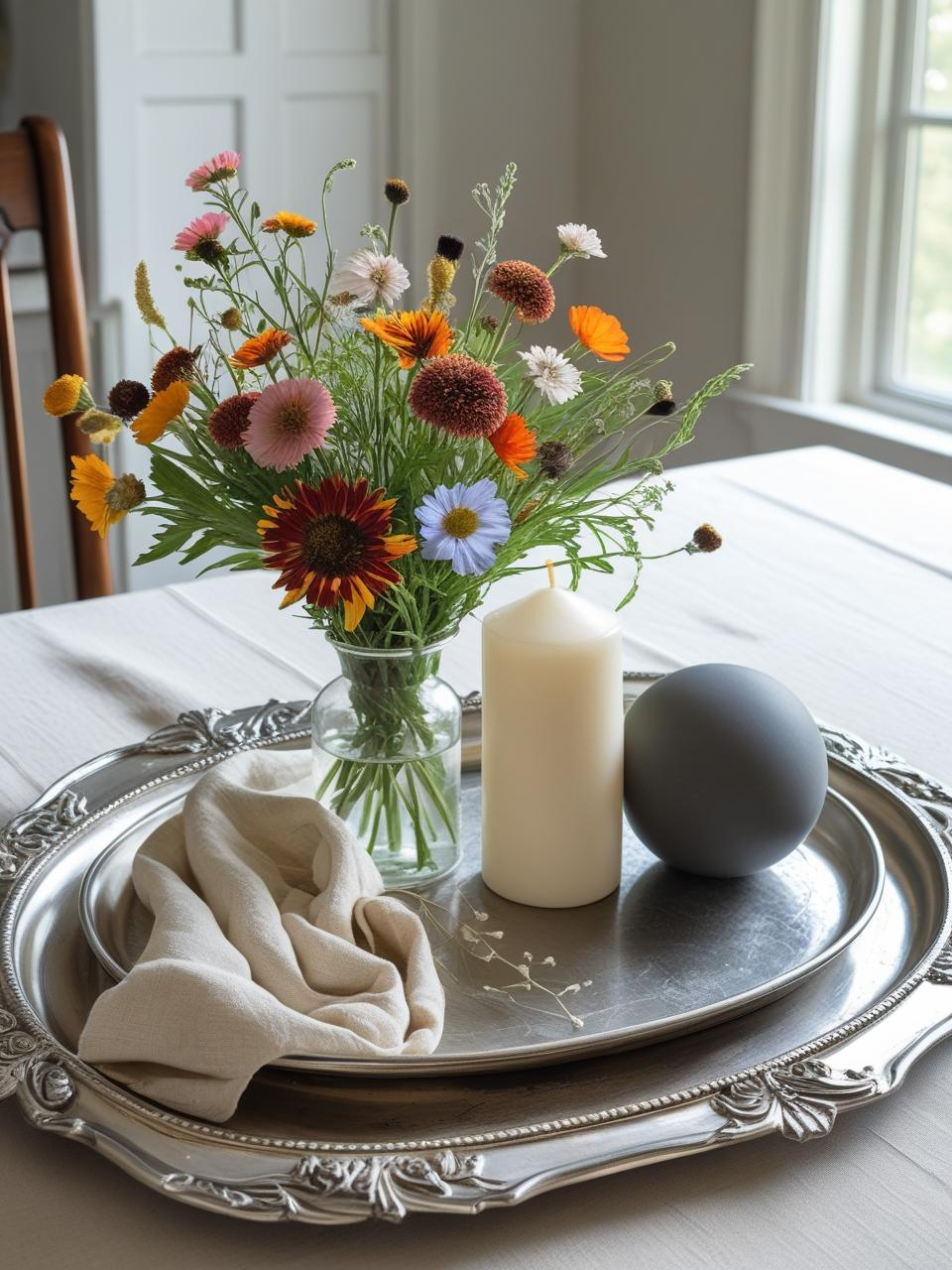
A shallow vintage tray holding a small vase, one candle, and a decorative object creates a balanced grouping. The tray helps different items feel connected and makes moving the centerpiece simple. Mixing materials like glass, metal, and fabric adds depth without overcrowding the table.
Low Succulent Garden in a Long Planter
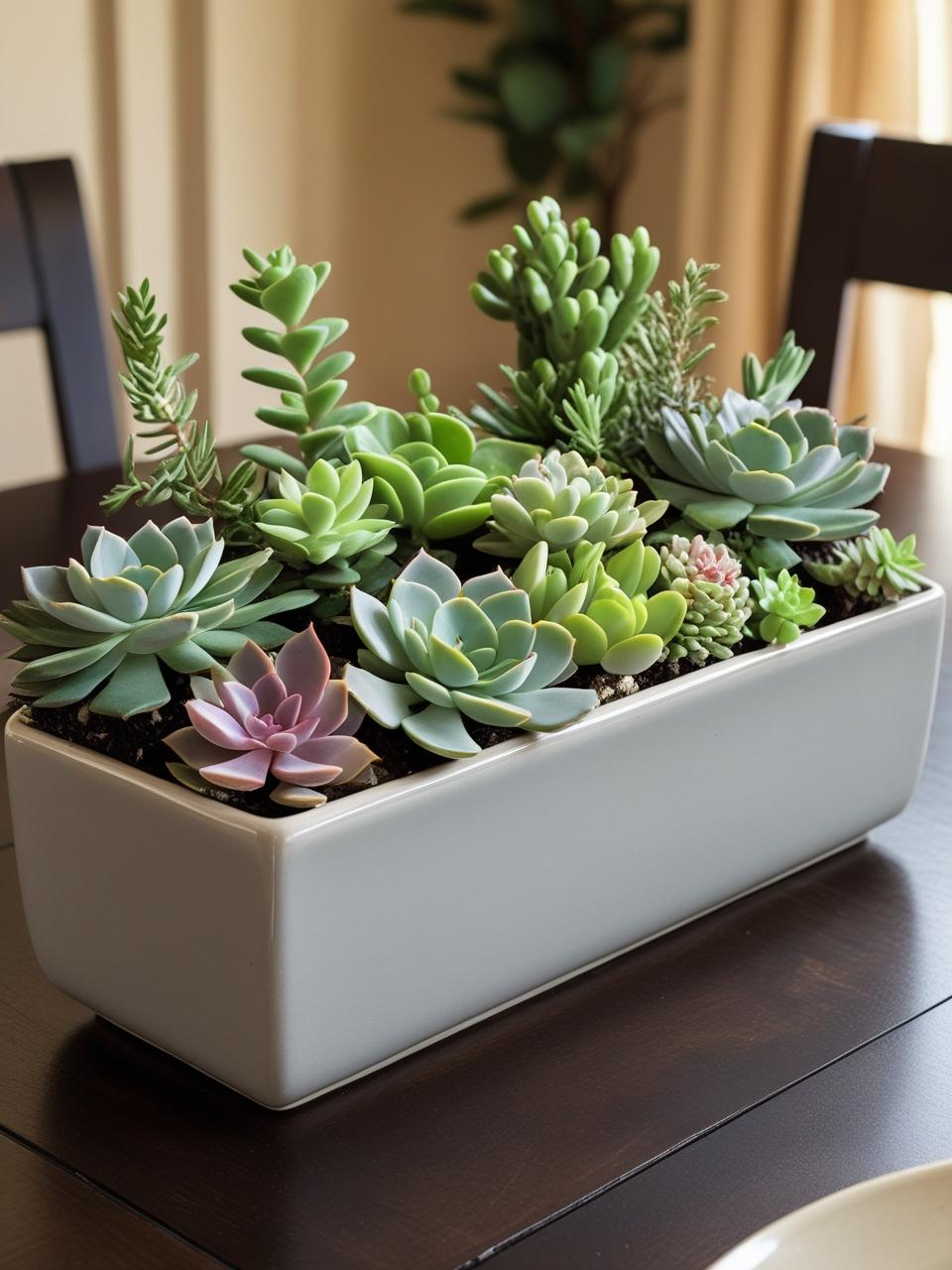
A shallow rectangular planter filled with small succulents offers texture without height. The varied shapes of the plants keep the look interesting while staying conversation-friendly. Succulents require little care, making them ideal for busy households.
Fresh Herb Pots as a Living Centerpiece
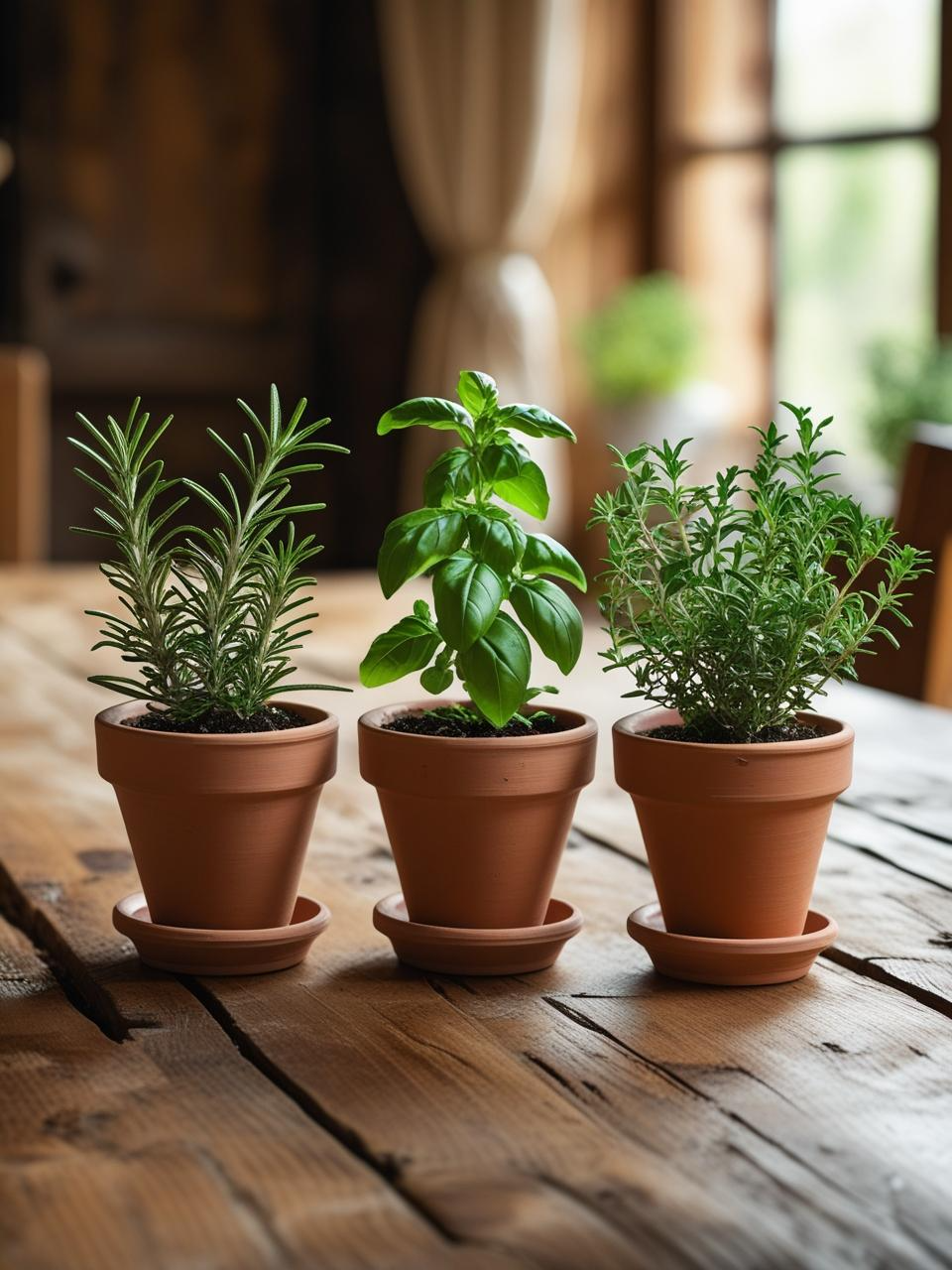
Three small herb pots lined up in the center of the table bring both beauty and function. Herbs like rosemary, basil, and thyme add scent and can be used while cooking. Regular trimming keeps the plants neat and encourages healthy growth.
Mirror Tile Runner with Small Vases
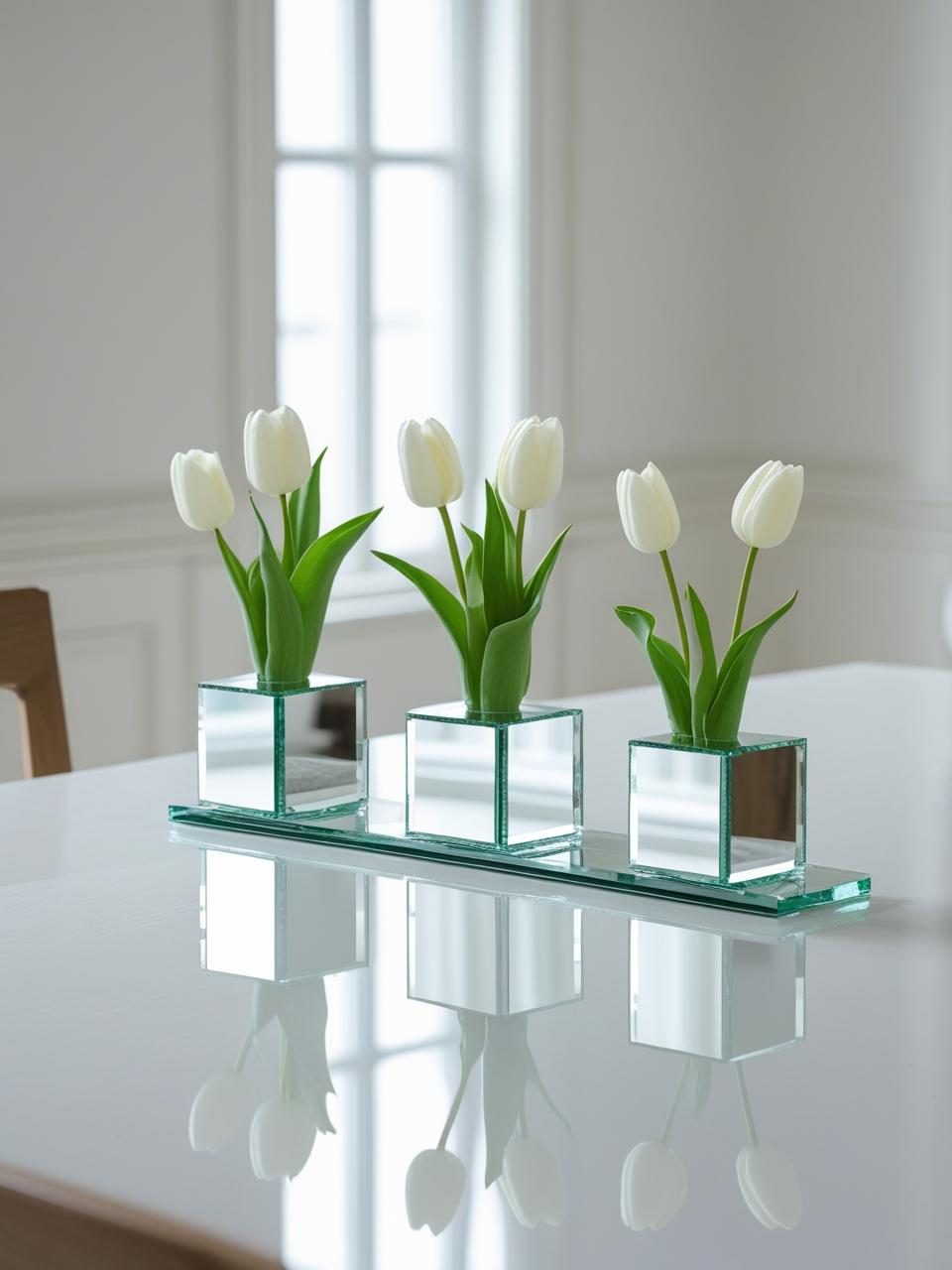
Lay three small square mirror tiles down the middle of the table and set a tiny bud vase on each tile. The mirrors reflect light and make the table feel larger. Use a single type of bloom in each vase for a clean, modern effect.
Small square mirror tiles placed in a row reflect light and make the table feel larger. A single bud vase on each tile keeps the look clean and modern. Using the single type of bloom in each vase helps maintain visual calm.
Ceramic Pitcher with Garden Flowers
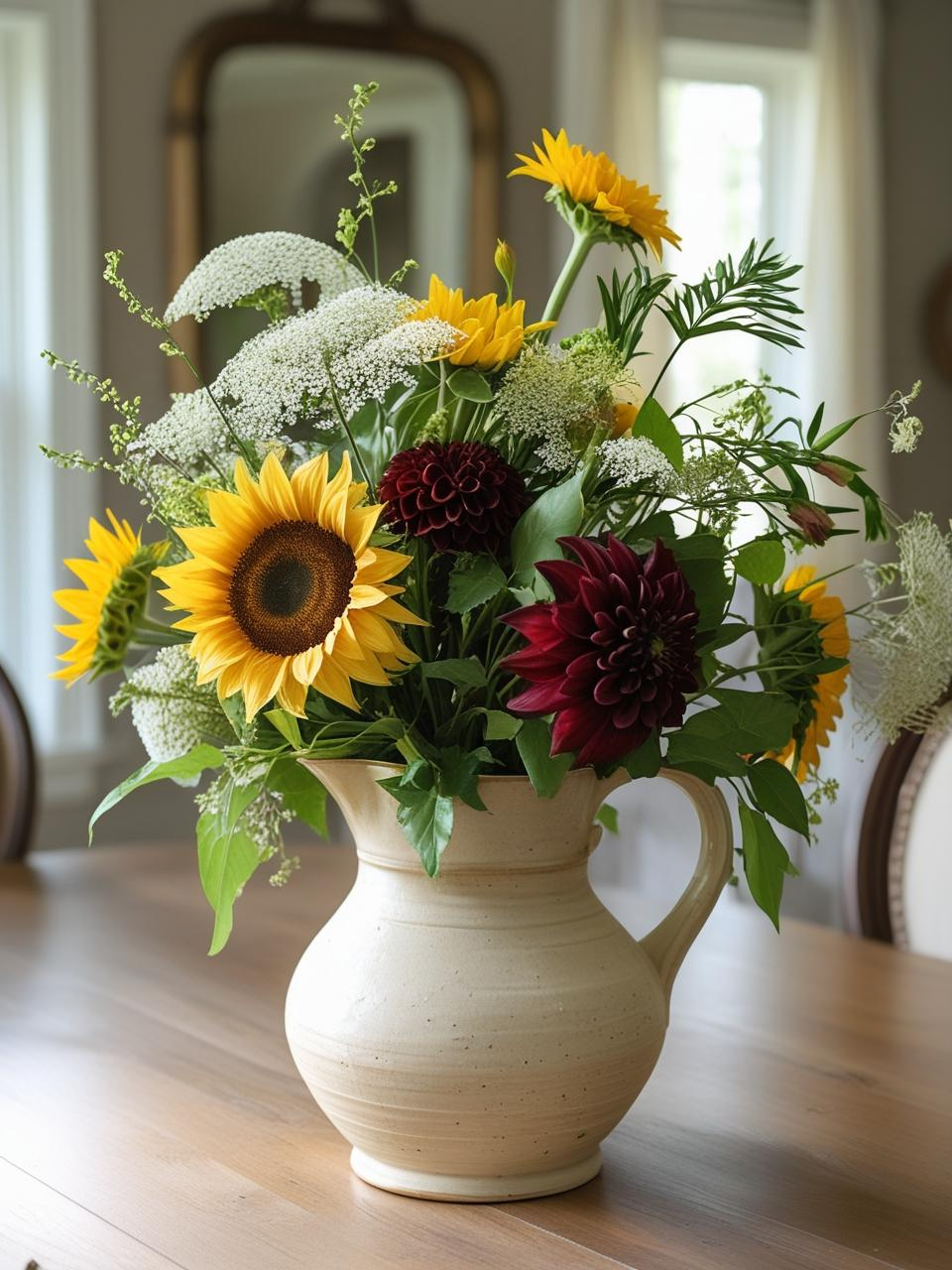
A ceramic pitcher filled with loose garden flowers creates a relaxed hosting feel. The wide opening allows stems and leaves to spread naturally. Changing the flowers weekly keeps the centerpiece fresh and connected to the season.
Minimalist Metal Sculpture Alone
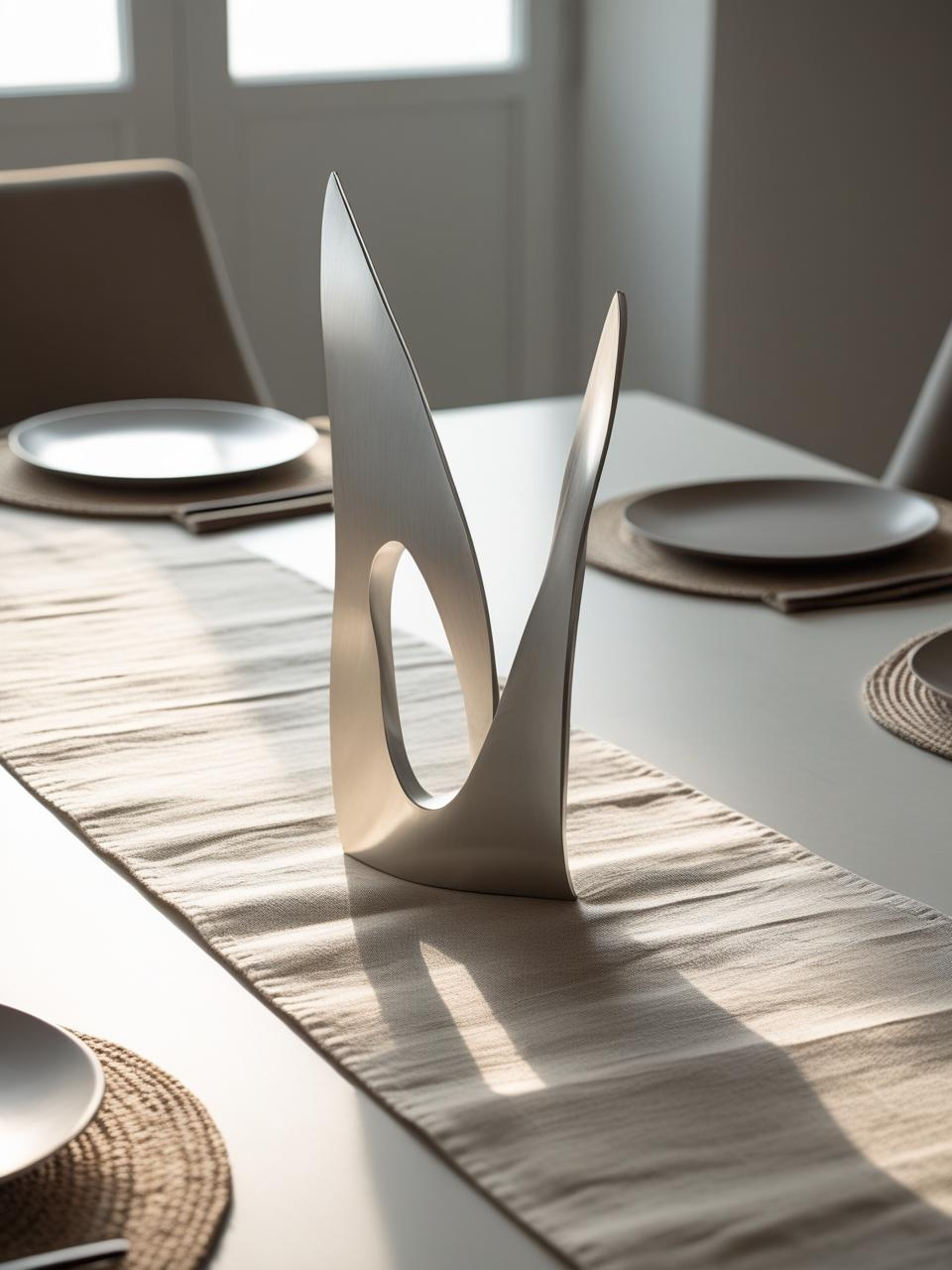
A single metal sculpture placed on a narrow runner can serve as a complete centerpiece. The clean shape adds interest without clutter. This approach works well in modern dining spaces where simplicity is key.
Layered Candles and Greenery for Dinner Parties
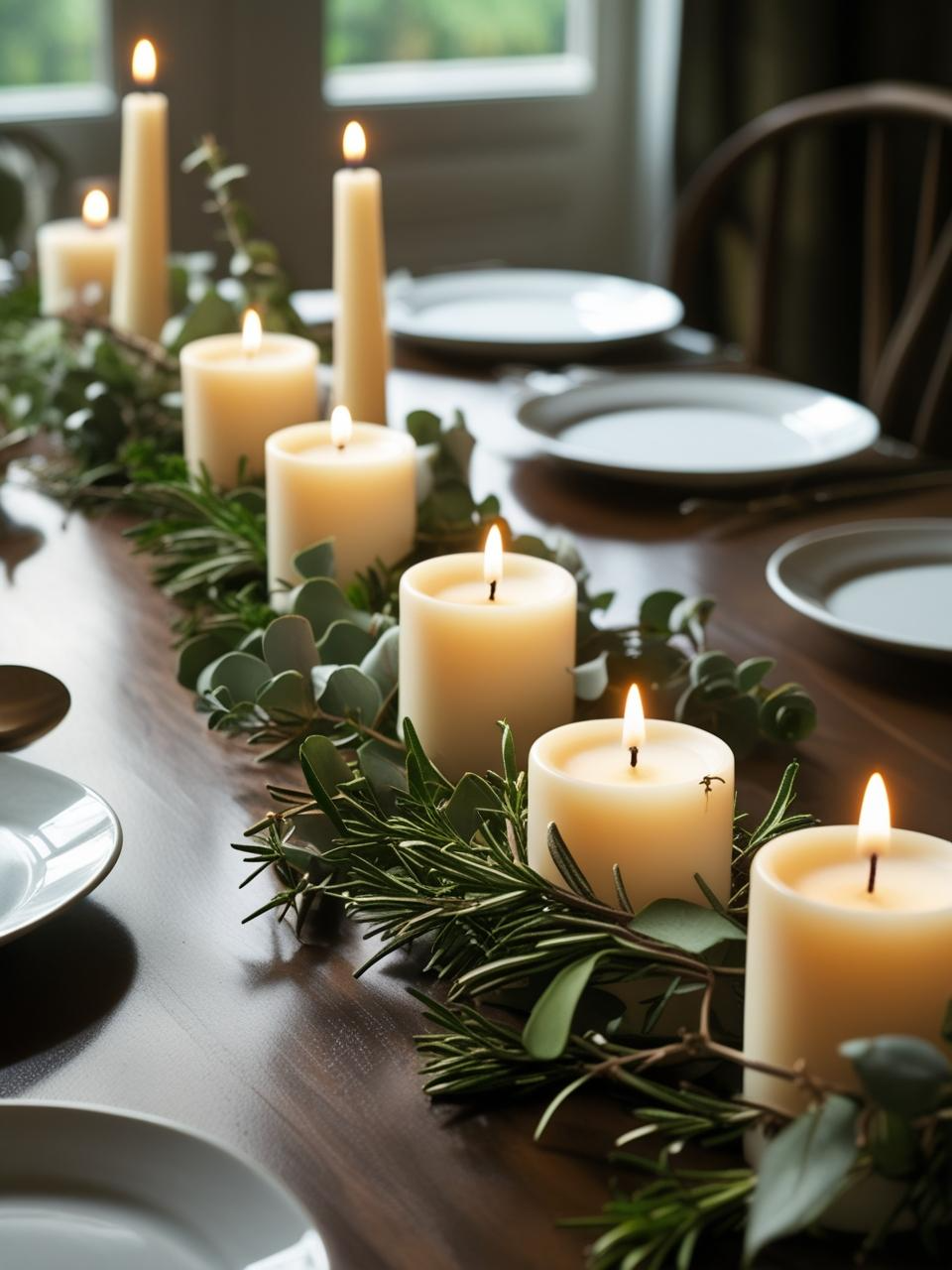
Low candles arranged in a line with greenery tucked between them create an intimate dinner setting. Keeping candles short ensures guests can see one another. The greenery can be changed seasonally for variety.
Clear Glass Cylinder with Floating Candles
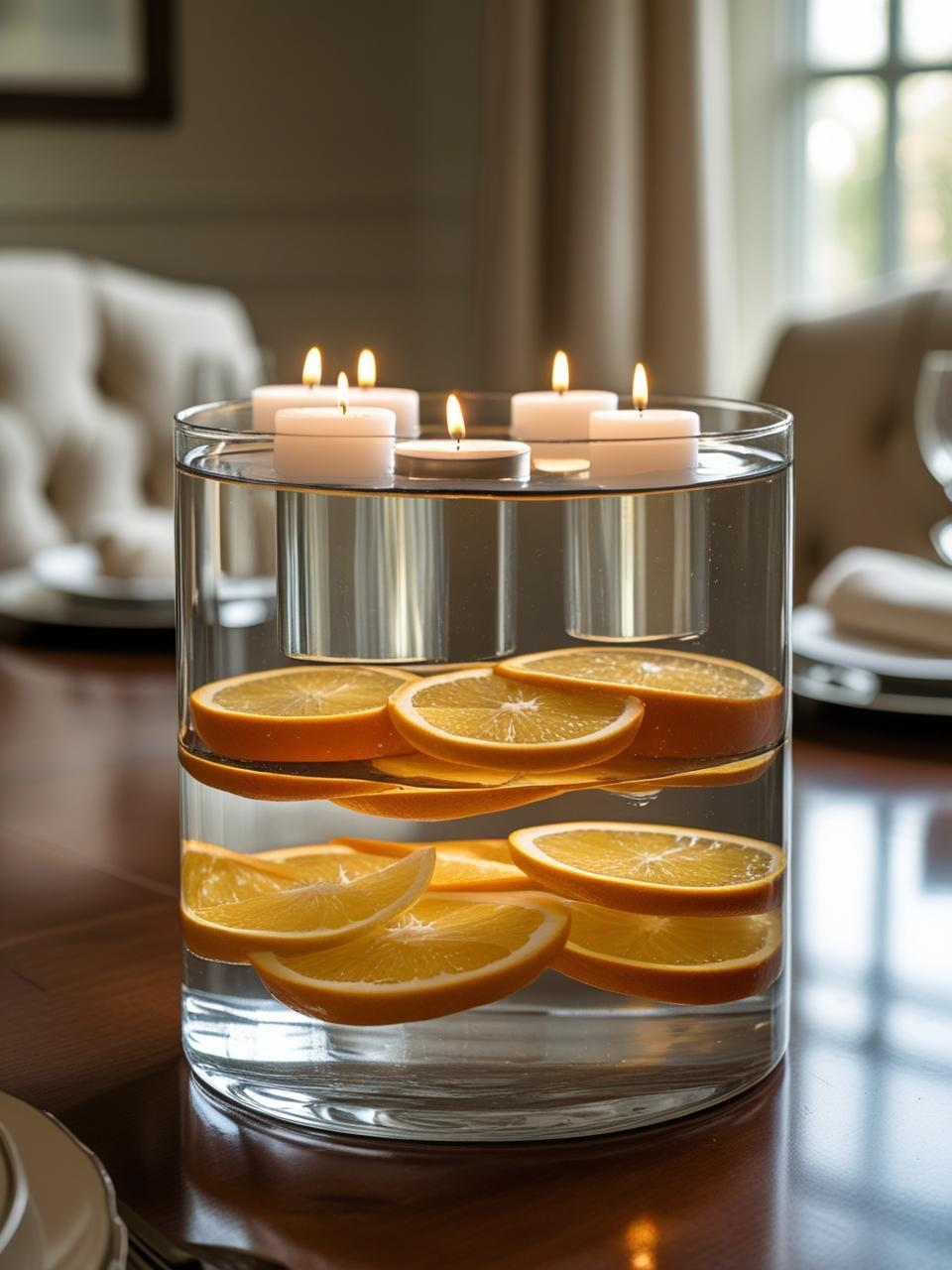
A clear cylinder filled with water and floating candles creates soft, reflective light. Flower petals or citrus slices beneath the surface add subtle color. This centerpiece feels calm and refined.
Woven Basket with Dried Pampas Grass

A shallow woven basket holding a few stems of dried pampas grass adds texture and warmth. The soft plumes bring height without maintenance, making this a long-lasting option.
Cluster of Small Vases in Different Shapes
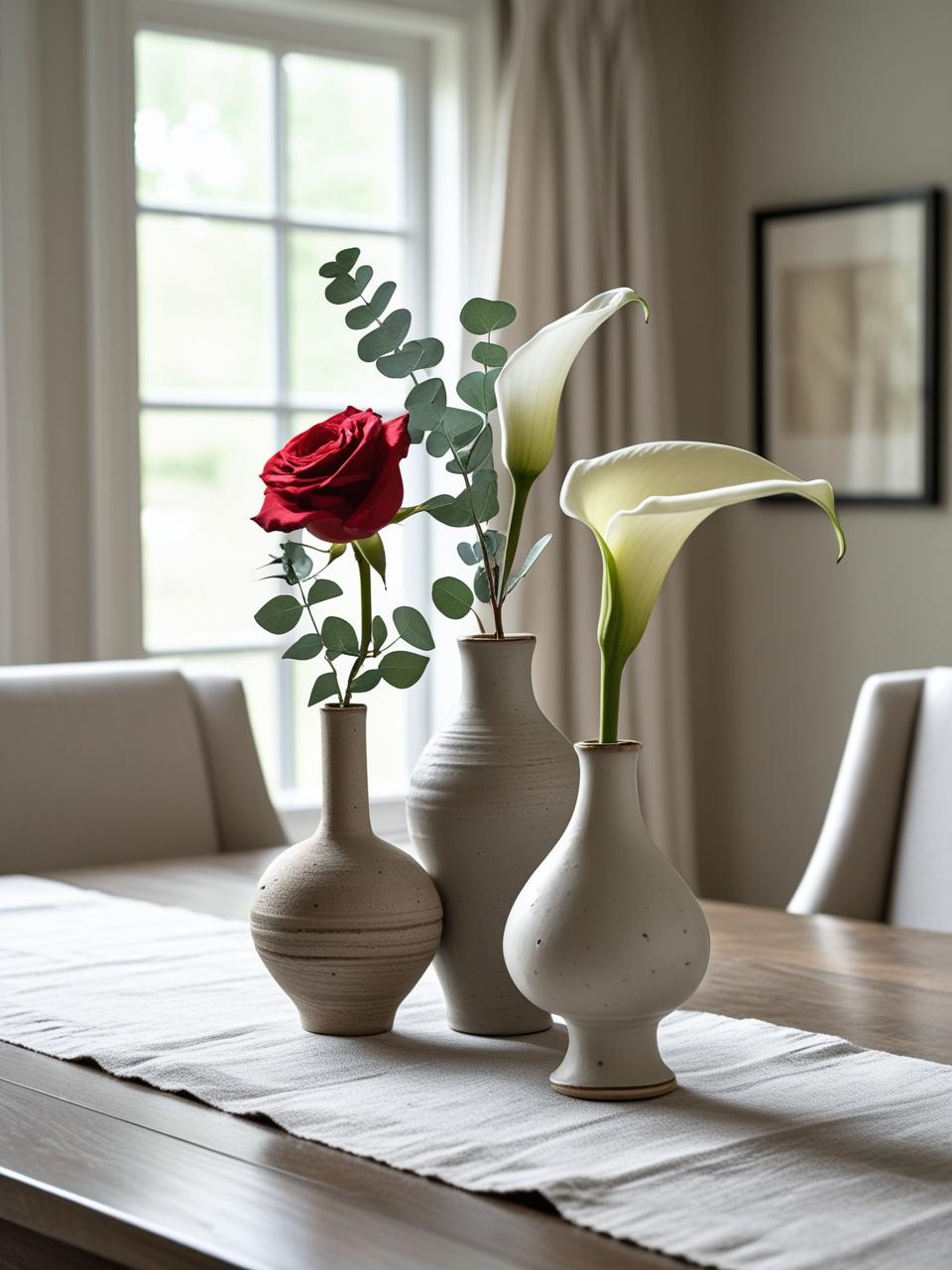
Several small vases in different shapes grouped together create a collected look. Each vase can hold a single stem, making it easy to use small garden clippings. A narrow runner keeps the group organized.
Stoneware Bowl with Candied Nuts or Sweets

A stoneware bowl filled with wrapped sweets or candied nuts feels welcoming and useful. The bowl can be refilled during the meal and adds a touch of rustic charm.
Lantern with a Flameless Candle and Greenery

A lantern holding a flameless candle offers the warmth of candlelight without risk. Faux or dried greenery around the base adds texture. The lantern size should suit the table so it does not crowd settings.
Seasonal Wreath Laid Flat with a Centerpiece
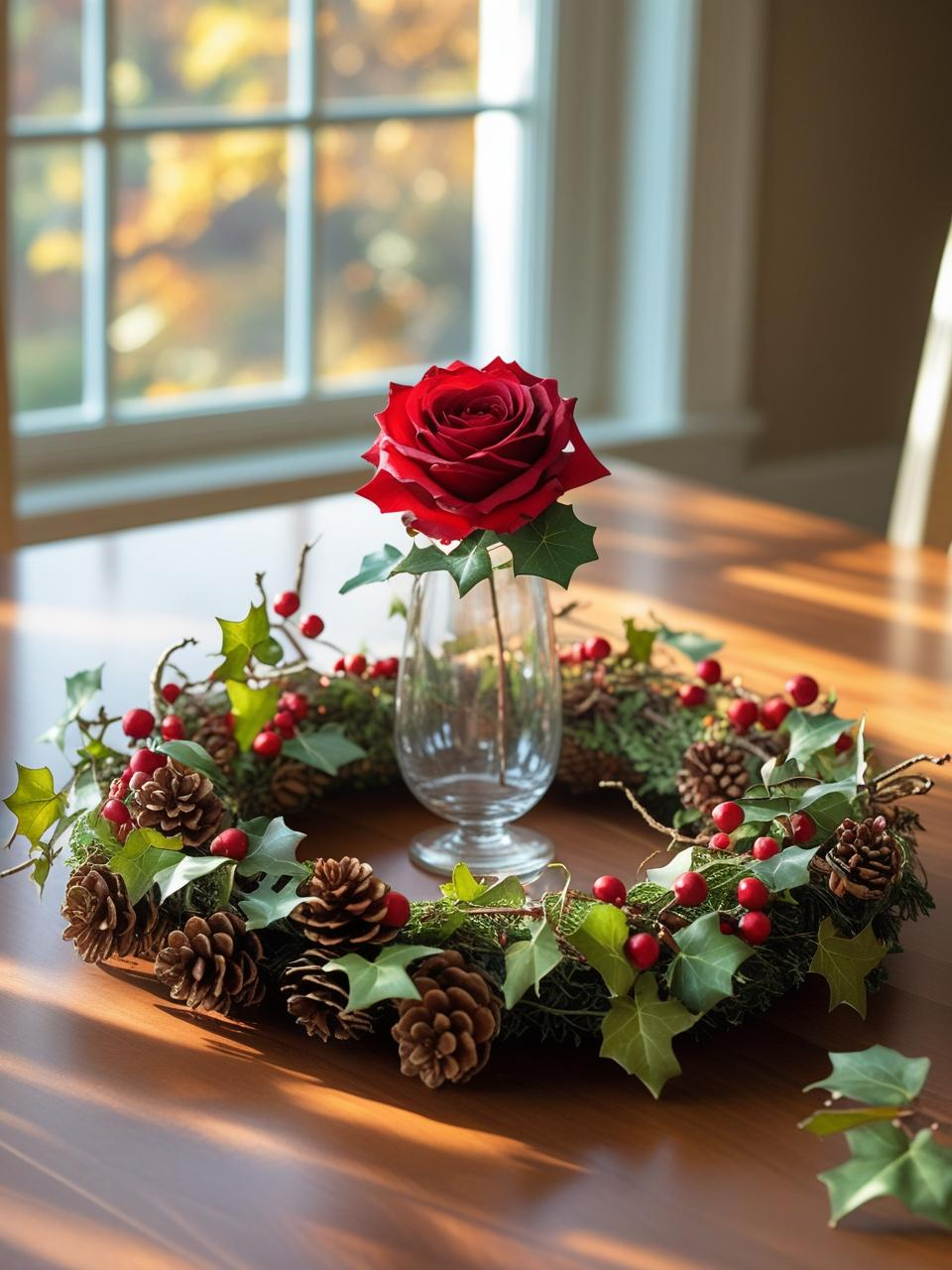
A small wreath laid flat with a candle or vase in the center adds seasonal texture. Changing the wreath through the year keeps the table feeling current without changing the main piece.
Ceramic Dish with Natural Stones and a Single Candle

A shallow ceramic dish filled with smooth stones and one low candle creates a grounded, peaceful centerpiece. The stones help anchor the candle and suit minimalist spaces.
How to style centerpieces for different table shapes
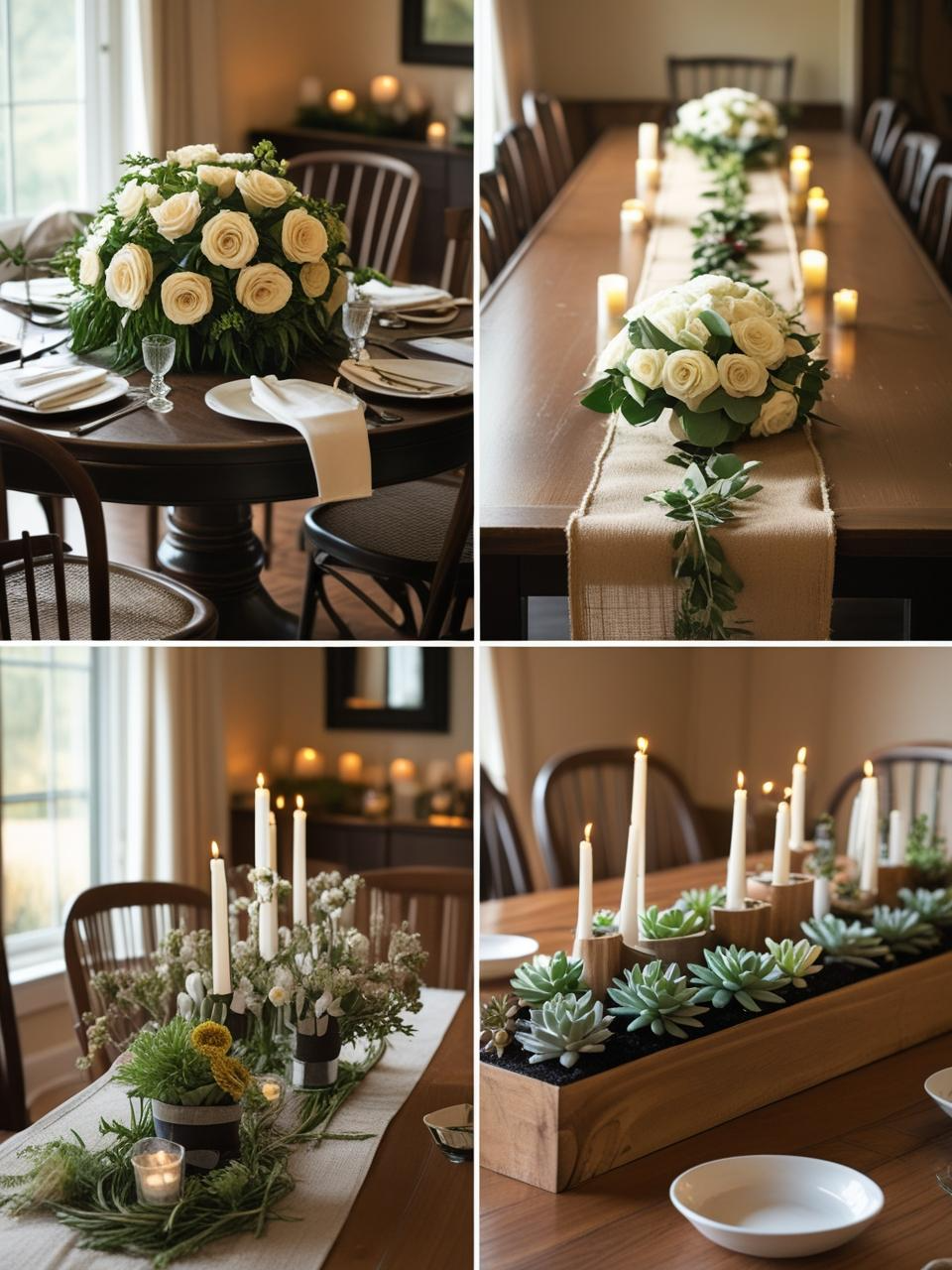
Round tables work best with one central focal piece or a small cluster. Long tables benefit from runners with repeated low elements or one extended arrangement. Square tables look balanced with a medium-sized centerpiece that is not too tall. In all cases, the centerpiece should stay easy to move when food is served.
How to choose colors that last
Choosing one neutral base color and one seasonal accent keeps the table flexible. Neutral tones provide consistency, while accents can change through the year. Pulling a color from nearby walls or rugs helps the table feel connected to the room.
Budget-friendly swaps that look high-end
Secondhand trays and vases add character and depth. Old items can be refreshed with simple finishes to create a unified look. Fresh greenery often looks just as rich as store-bought flowers when styled simply.
Quick swaps for last-minute hosting
When time is short, a runner with three candles on a tray instantly finishes the table. Adding a bowl of fruit or a potted herb completes the look with minimal effort.
How to photograph your centerpiece for social media
Natural light shows texture best. Shooting from a slight angle helps show depth. Removing background clutter keeps the focus on the table. Including one place setting shows scale and context.
Wrap-up and final styling rules
A strong centerpiece fits the table, supports daily use, and stays easy to move. Matching height and shape to table size keeps the space comfortable. Simple tools and small changes keep the look fresh all year.
Conclusion
These 23 ideas show how everyday items can feel thoughtful when used well. The best centerpieces rely on balance, intention, and flexibility. Choosing a few ideas that suit your home allows your dining table to feel welcoming, useful, and visually complete every day.