11 Large Multipurpose Rooms Design Ideas

Large multipurpose rooms are some of the most valuable spaces a home can offer. They provide freedom instead of limits. Unlike single-use rooms that sit empty most of the time, a well-designed multipurpose room earns its place every single day. It can support work, play, rest, learning, and connection without feeling crowded or confused. Over the past twenty years, I’ve seen families struggle with large rooms that felt cold, wasted, or hard to use. I’ve also seen those same rooms become the center of the home once they were planned with intention.
The challenge is not filling the space. The challenge is giving the space purpose while allowing it to change. A successful large multipurpose room does not lock you into one lifestyle. It supports how your life works now and how it may shift later. The ideas below focus on real function, comfort, and flow. These are not staged ideas made for photos. They are practical approaches that stand up to daily living.
1. Blending Work and Play in One Flow
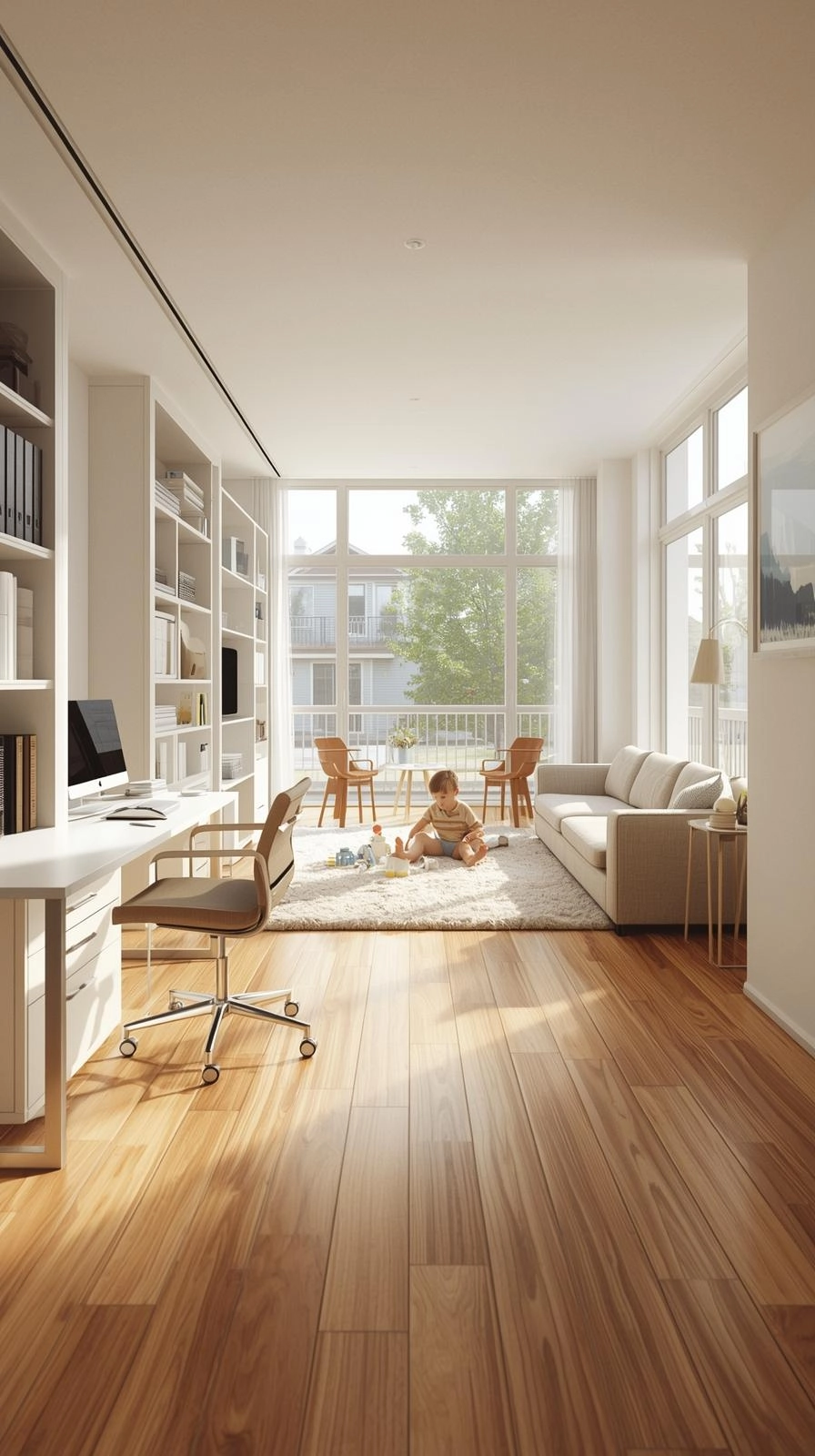
In many homes, work and play happen at the same time. Children may be building, drawing, or playing while adults answer emails or manage schedules. A large multipurpose room allows this to happen together without tension when the layout is planned correctly. The goal is not to separate work and play with walls, but to let them coexist in a calm way.
Placing workspaces along the edges of the room helps keep the center open. A desk against a wall with storage above creates a clear work zone without pulling attention from the rest of the room. Open floor space in the middle allows movement and play without feeling crowded. Storage becomes the key to balance. When toys, papers, and tools have a clear place to go, the room can shift roles quickly. This kind of setup supports real family life instead of fighting it.
2. Creating an Open Family Hub
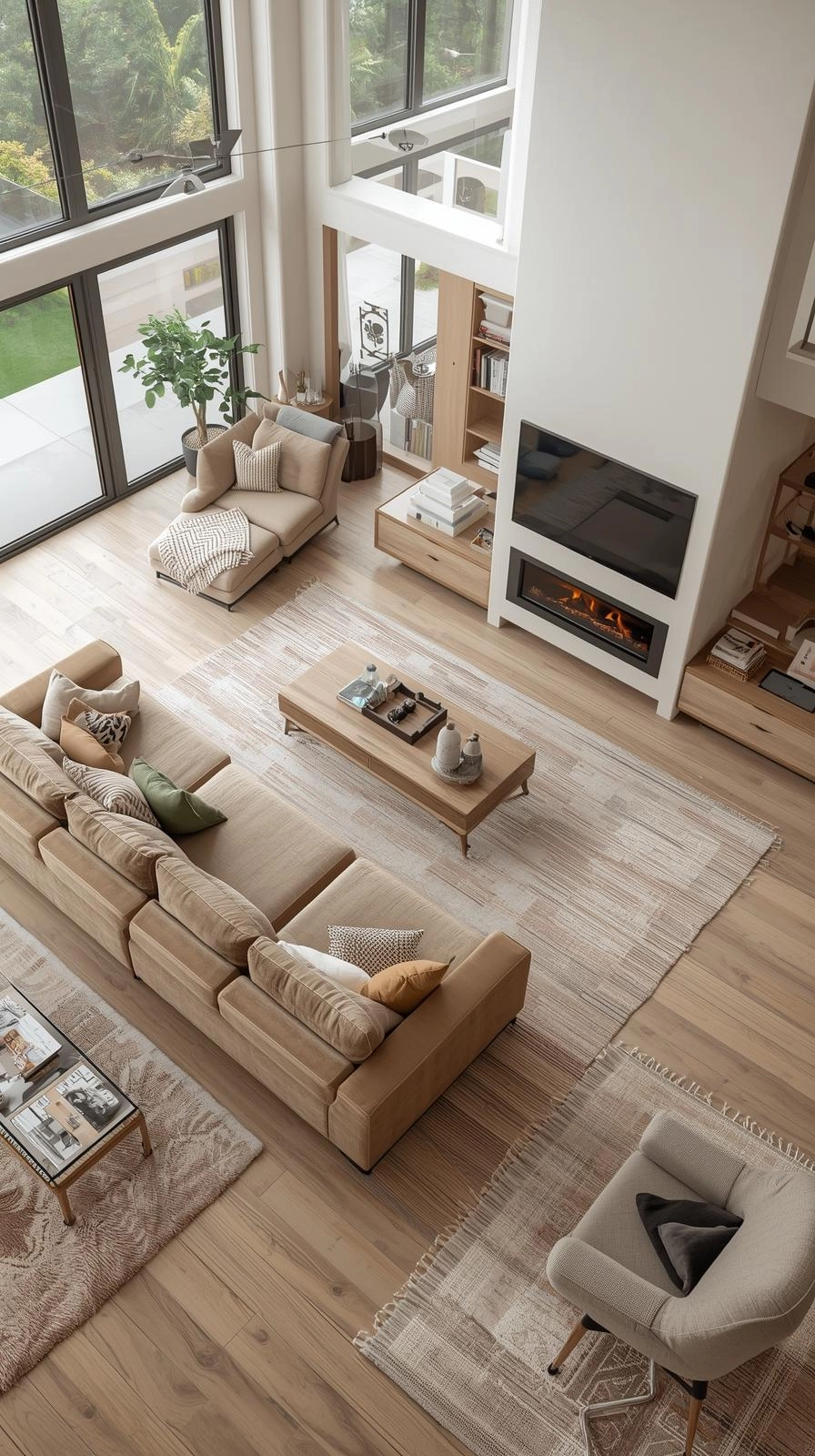
Large multipurpose rooms often become the place where people gather without thinking about it. When designed well, they pull people in naturally. This does not happen by accident. It comes from thoughtful furniture placement and a clear sense of flow.
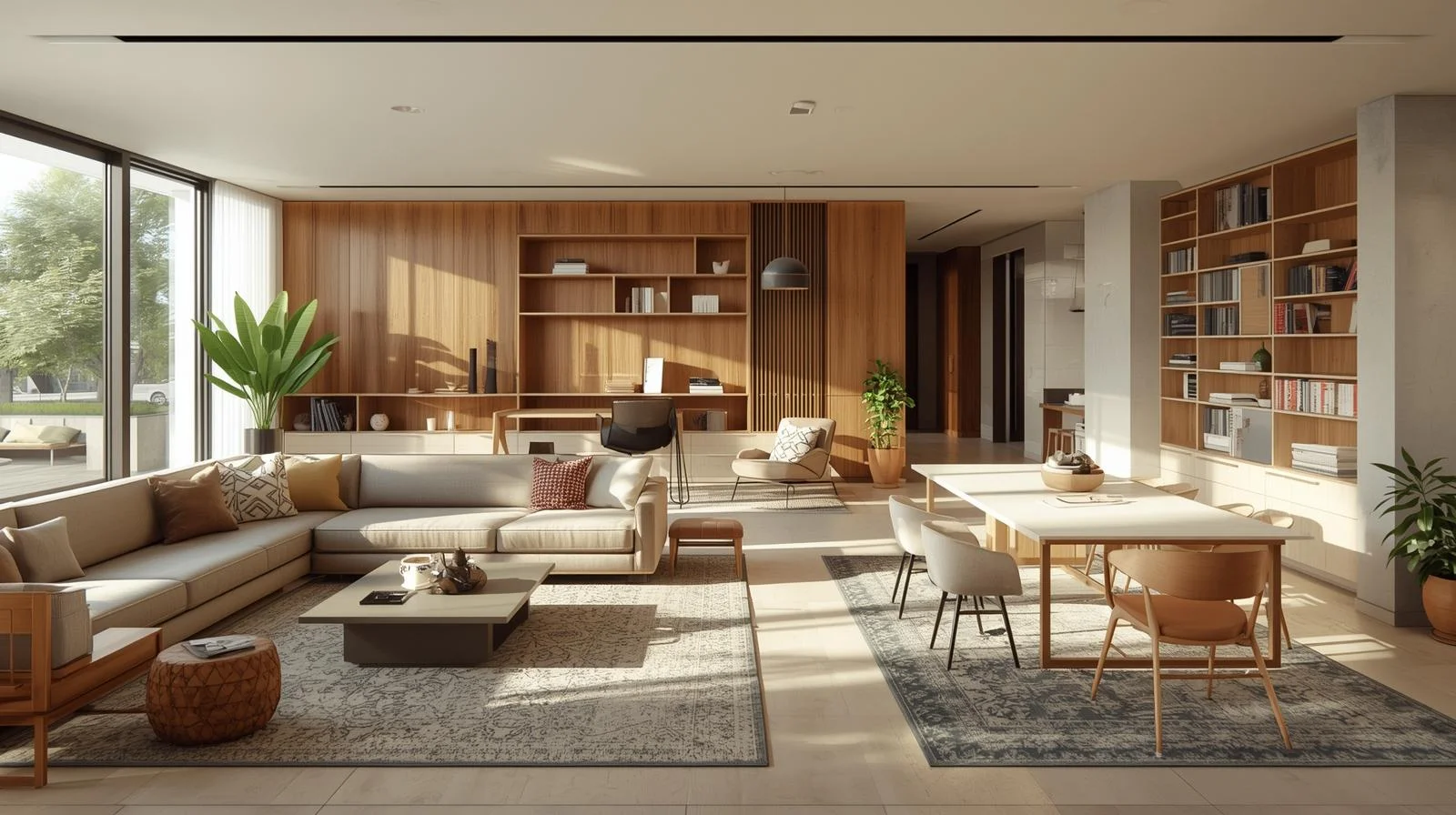
A main seating area gives the room a heart. Sofas and chairs should face toward a shared focus, such as a fireplace, media wall, or open view. Around that core, smaller activity areas can exist without feeling disconnected. Someone can read quietly while others play games or talk nearby. Keeping the color palette steady throughout the room helps everything feel connected. When a room feels unified, people relax and stay longer.
3. Flexible Dining and Entertaining

Formal dining rooms are one of the most underused spaces in many homes. A large multipurpose room solves this by allowing dining to be part of daily living. Instead of saving the table for special events, it becomes a tool that serves many purposes.
A large table works as a place to eat, work, study, and create. Its value comes from how often it is used. Chairs that are comfortable enough for long sitting make the table useful beyond meals. Storage nearby keeps supplies close, whether that means dishes, books, or craft items. When guests arrive, the same space easily shifts into an entertaining area without needing major changes. This approach respects how families actually live.
4. Integrating a Home Office Seamlessly

Work from home is now part of everyday life for many people. Large multipurpose rooms can support this need without turning into permanent offices. The key is integration rather than separation.
A desk built into cabinetry or tucked into a nook allows work to happen without dominating the room. Storage hides supplies when the workday ends. This matters more than most people realize. When work remains visible all the time, it adds stress. When it can be closed away, the room returns to its role as a living space. A thoughtful office setup respects both productivity and rest.
5. Designing for Active Living
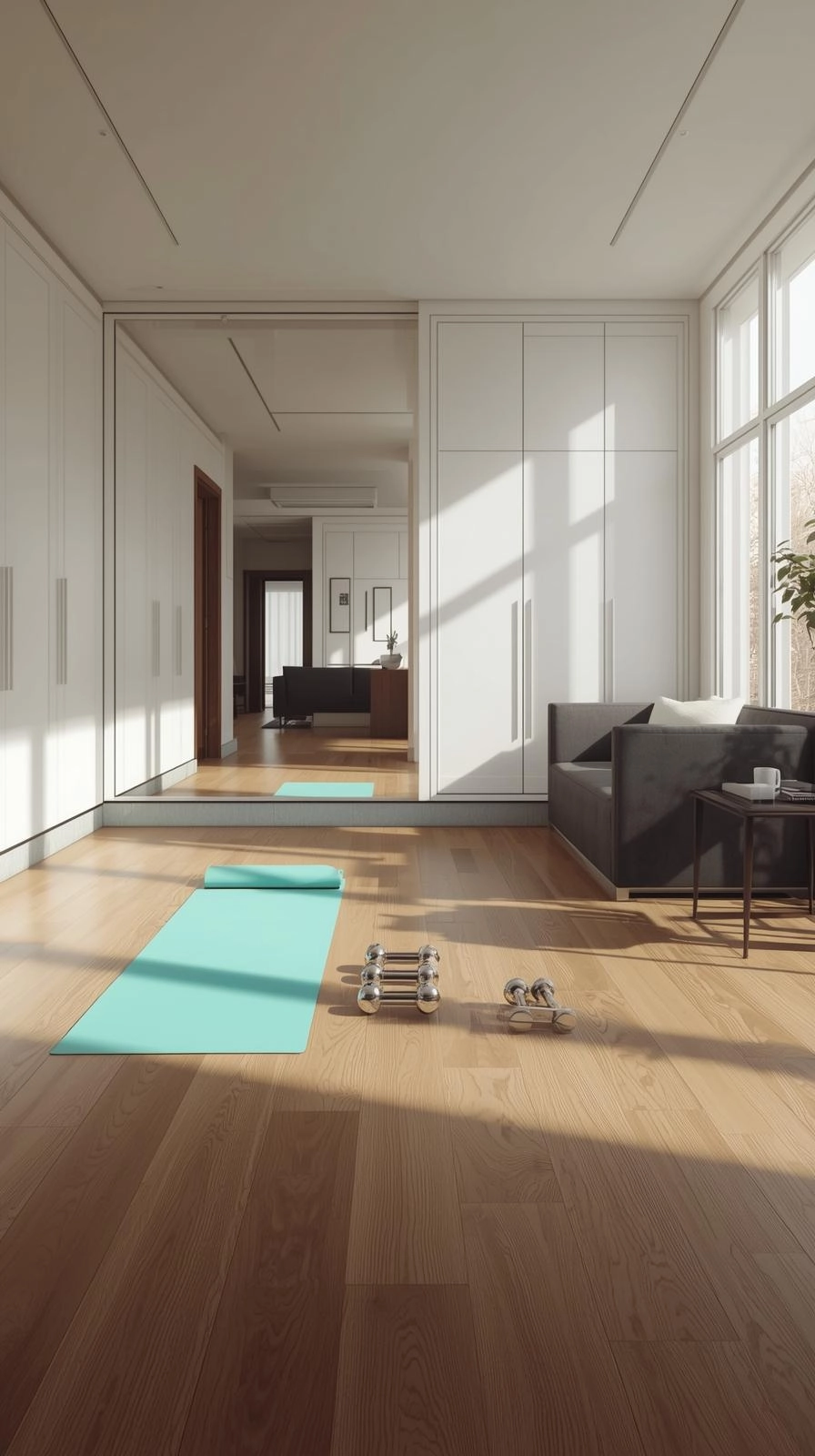
Movement is part of a healthy home, but not everyone wants a full gym. Large multipurpose rooms allow space for activity without committing the entire room to fitness. Open floor space with durable flooring makes stretching, yoga, or light workouts possible without disruption.
When movement zones are flexible, they do not compete with other uses. Equipment can be stored out of sight, and the room quickly shifts back to daily life. Mirrors help with both fitness and light reflection, making the room feel larger. This approach encourages activity without pressure or clutter.
6. Building a Creative Studio Environment

Creative work needs space, but it also needs order. Large multipurpose rooms allow creative zones to exist without isolating them from the rest of the home. Natural light supports focus and comfort, making it ideal for art or hands-on projects.
Storage again plays a major role. When supplies are easy to access and easy to put away, creativity feels inviting instead of overwhelming. Rugs or subtle dividers help define creative areas without blocking connection. This balance allows people to create freely while keeping the room usable for others.
7. Hosting Overnight Guests Comfortably
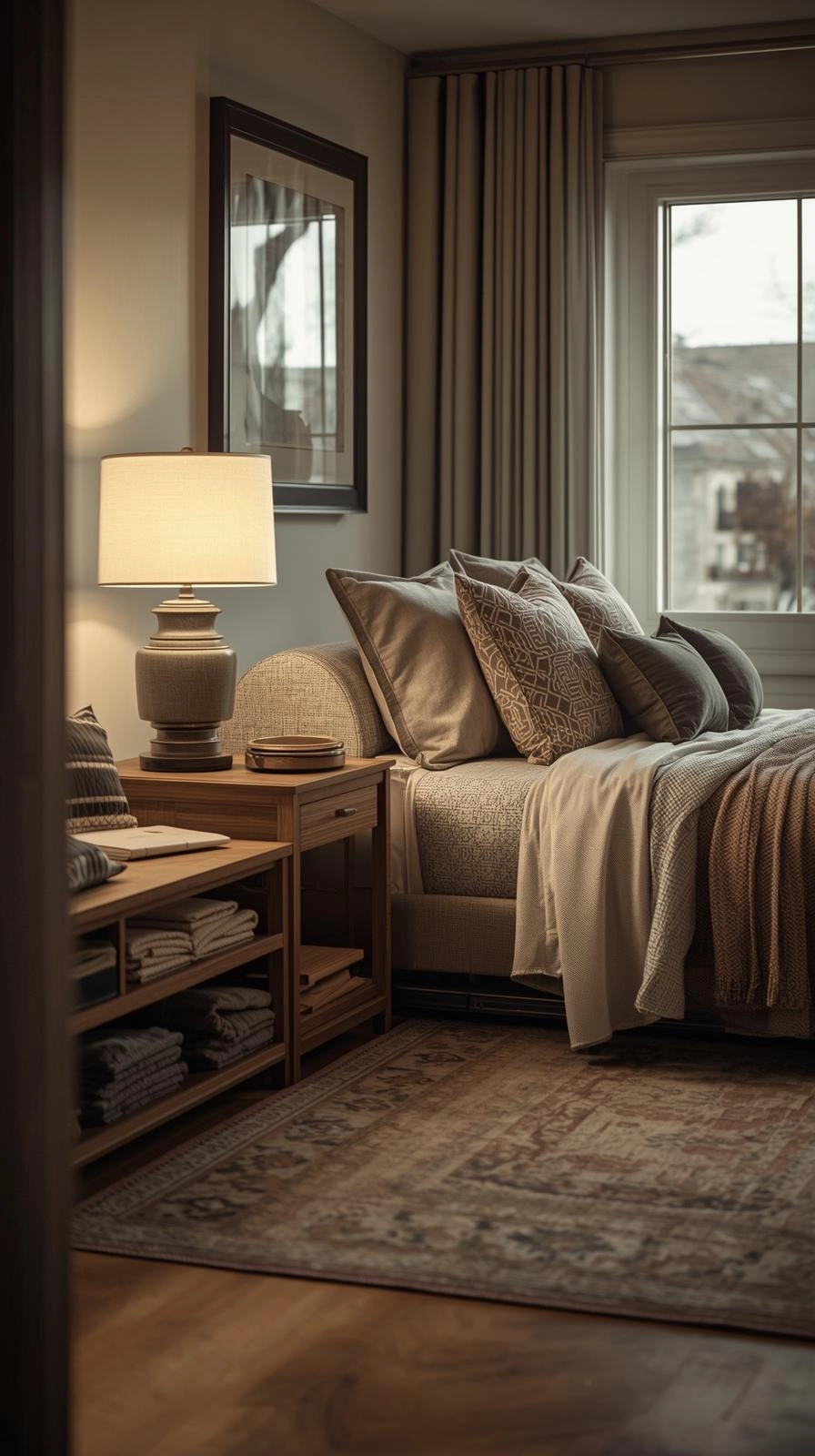
Many homes rely on multipurpose rooms to host guests. The best designs plan for this without turning the room into a spare bedroom. Furniture that changes function does most of the work.
A sleeper sofa or daybed provides comfort without sacrificing daily use. Lighting should support both daytime activity and nighttime rest. Storage for linens keeps everything ready without clutter. When guests feel comfortable, the room has done its job without losing its main purpose.
8. Layering Entertainment with Relaxation

Entertainment often plays a role in large multipurpose rooms, but it should not overpower the space. A balanced design allows screens and sound to exist alongside conversation and rest.
Flexible seating supports different moods. One area may focus on viewing, while another allows quiet talk or reading. Lighting control becomes essential here. Soft lighting supports relaxation, while brighter settings suit group activities. When entertainment is layered instead of centered, the room stays useful throughout the day.
9. Organizing with Built-In Storage

Without storage, a multipurpose room quickly loses its value. Built-ins provide structure that keeps the room functional. When each activity has a place to live, switching between uses becomes easy.
Storage should be designed to support how the room is actually used. Hidden compartments keep clutter out of sight. Open shelving can display items that belong in the space. The goal is not to hide everything, but to give the room the ability to reset itself quickly.
10. Combining Indoor and Outdoor Living
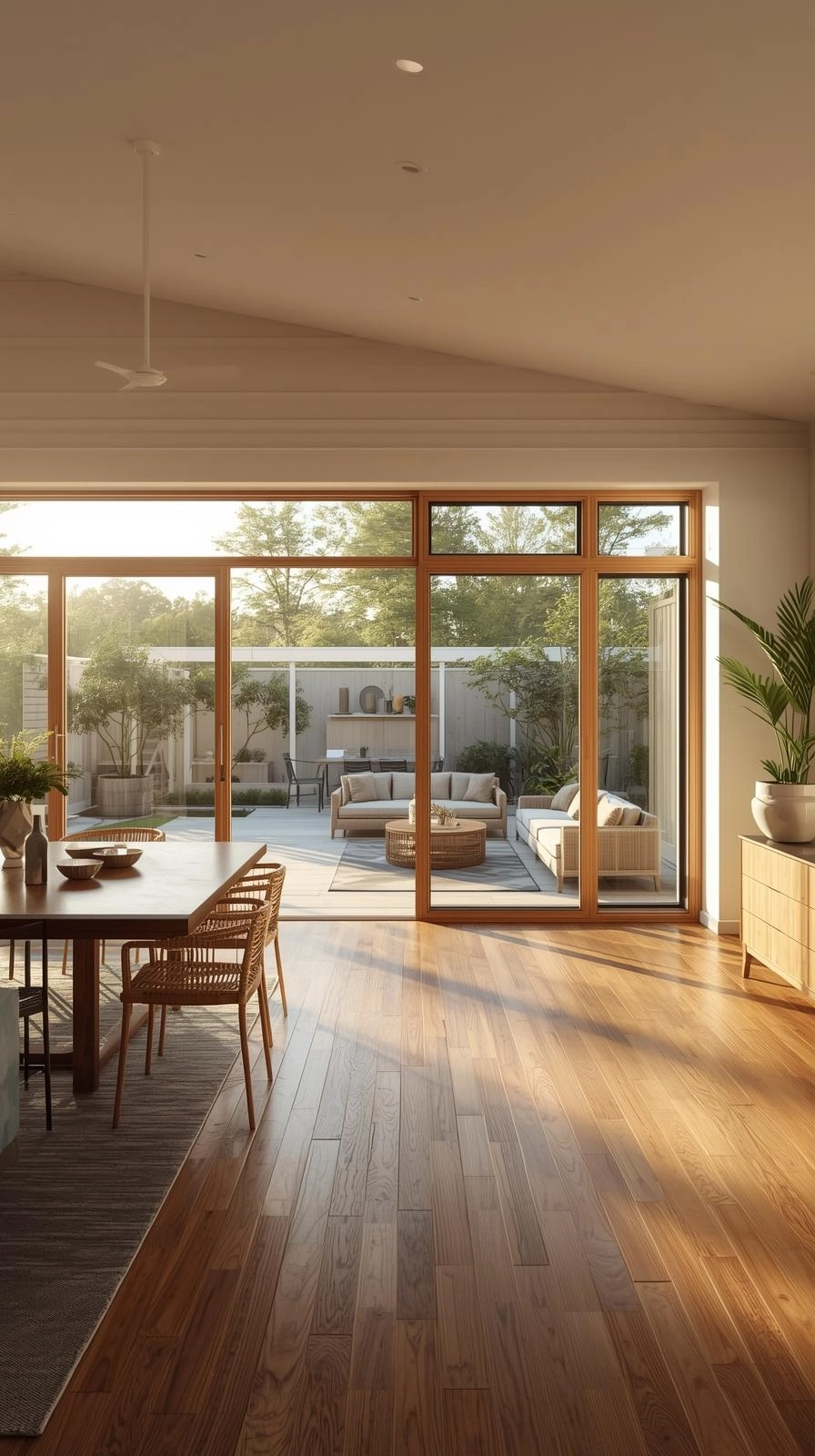
Large multipurpose rooms often connect to outdoor spaces, and this connection expands how the room functions. Doors and windows that open wide allow the room to breathe and grow.
During warm seasons, the room naturally extends outdoors. In cooler months, light and views keep the connection alive. This relationship adds flexibility without adding square footage. It also improves how the room feels throughout the year.
11. Maintaining Comfort with Smart Layouts

Large rooms can feel overwhelming if they lack structure. Comfort comes from layout choices that guide movement and create smaller moments within the larger space.
Furniture placement defines pathways and zones without walls. Rugs, lighting, and partial dividers help shape the room gently. Each area should feel intentional, not accidental. When layout supports flow, the room feels welcoming instead of empty.
Conclusion
A large multipurpose room is not about doing everything at once. It is about allowing different needs to exist without conflict. When planned with care, it becomes the most useful space in the home.
Over many years of design work, one truth stands out. Rooms that adapt last longer. They support change instead of fighting it. A well-designed multipurpose room can be a workspace, gathering space, creative space, and rest space all at once. With thoughtful layout, smart storage, and attention to flow, the room stays relevant through every stage of life.
That is the real strength of large multipurpose rooms. They grow with you, support daily living, and become the place where life naturally happens.